
- شراء عملات مشفرة
- الأسواق
- العقود الآجلة
- تداول فوري
- نسخ التداول
 WE-Launch
Unveiling the U.S. Tariffs 'Invisible Hand' Peter Navarro: From Obscure Professor to White House Policy Driver

Original Title: "Peter Navarro, the Driving Force behind Trump's Extreme Tariff Policy, a 'Heterodox' Economist"
Original Source: DeepTech TechFlow
The global financial market is currently being hit by a sudden and severe cold spell.
Following Trump's announcement of an extreme policy imposing "reciprocal tariffs" on almost all trading partners, global capital markets reached a peak of panic:
On April 7, as of 10:00 PM Eastern Time, S&P 500 index futures fell by 5.98%, Nasdaq 100 index futures fell by 6.2%, and Dow Jones index futures fell by 5.5%.
The Asian markets were filled with risk aversion sentiment, with the Nikkei index plummeting by 8.9% in early trading. The Taiwan Weighted Index experienced a nearly 10% freefall after a two-day holiday, triggering circuit breakers on major stocks such as TSMC and Foxconn.
The crypto market was not spared either.
Investors watched helplessly as their assets shrank, with red lines on crypto trading screens acting as alarms, heralding an even larger upheaval.
According to CoinGlass data, cryptocurrency liquidation volume has surged to around $8.92 billion, including over $3 billion in Bitcoin long and short positions.
BTC has dropped to around $77,000, while ETH has plummeted to $1,500.
The trumpet of a trade war has sounded once again, and standing at the forefront is Trump's top trade adviser, Peter Navarro.
On April 6, Navarro appeared on Fox News for an interview.
He attempted to calm investor sentiment and resorted to a somewhat laughable language artistry during the interview:
"The first principle, especially for small investors, is --- unless you sell your stocks now, you will not lose money. The wise strategy is not to panic and hold on."
Realized losses are not losses, and not selling is equivalent to not losing.
It is hard to imagine that this almost spirit-of-victory-inspired ineffective comfort stems from a senior presidential trade adviser and university economics professor.
This statement clearly failed to quell the market's anxiety, instead directing attention towards him — this individual who is sarcastically referred to by the outside world as a "heterodox economist," a Harvard Ph.D., who seems to be not just a policy spokesperson but an undeniable driving force behind extreme trade protectionism.
Even Musk, who was on good terms with President Trump, publicly criticized and ridiculed this presidential advisor on social media a few days ago, bluntly stating that "earning a Ph.D. in Economics from Harvard is not a good thing and may lead to decision-making mistakes due to excessive self-confidence"; and questioning whether Navarro has ever personally created any substantial results.
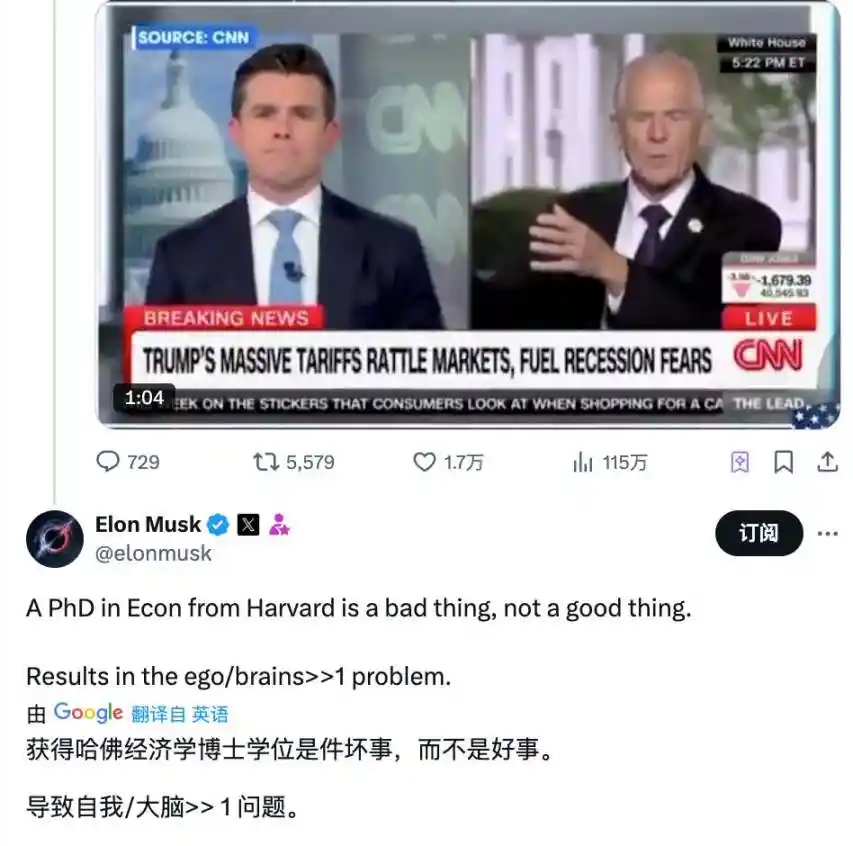
Who is this economist standing behind Trump? How has he driven this global tariff policy storm?
From the edge of academia to the decision-making core of the White House, Navarro's life intersects with Trump's protectionist ideology, perhaps jointly brewing this crisis.
From Academic to Political Outsider
Peter Navarro's story began on July 15, 1959, in a typical family in Cambridge, Massachusetts.
His father, Albert "Al" Navarro, was a saxophone and clarinet player, and his mother, Evelyn Littell John, was a secretary on Sax Fifth Avenue.
However, this family time was short-lived and tumultuous, as his parents divorced when he was 9 or 10, leaving Navarro and his mother to move between Palm Beach, Florida, and Bethesda, Maryland.
The experience of growing up in a single-parent household may have planted in him a desire for stability and self-reliance, which eventually blossomed when he completed his studies at Bethesda-Chevy Chase High School in Maryland.
In 1972, with an academic scholarship, Navarro entered Tufts University and earned a Bachelor's degree. That same year, he joined the Peace Corps and served in Thailand for three years. This experience exposed him to the complexity of the international community for the first time, possibly laying the groundwork for his later focus on global trade imbalances.
In 1979, he obtained a Master's in Public Administration from Harvard University, and then in 1986, under the guidance of the economics guru Richard E. Caves, he earned his Ph.D. Having obtained his degree, he chose to remain in academia and has been a professor of economics and public policy at the University of California, Irvine since 1989, eventually becoming a distinguished professor.
However, Navarro was not content to be just an academic. He ran for office five times, trying to put his ideas into practice.
In 1992, he ran for Mayor of San Diego, leading in the primary with 38.2% of the vote but narrowly losing in the runoff with 48%;
Subsequently, he ran for City Council, Board of Supervisors, and Congress, all ending in failure—receiving 41.9% of the vote in the 1996 Congressional election and only 7.85% in the 2001 special City Council election. These failures did not make him retreat but instead highlighted his perseverance and outsider qualities.
Throughout his campaign, he repeatedly emphasized economic protectionism and job priority, echoing what would later become Trump's "America First" policy, yet he failed to win the voters' favor at that time.
From a teenager from a single-parent family to a Harvard Ph.D. in economics, and then to a perennially unsuccessful political figure on the edge, Navarro's trajectory is full of contradictions.
He appears to be a meticulous scholar, yet he is also a radical activist; he has left a mark in academia while facing repeated setbacks in politics.
In the twists and turns between academia and politics, it seems that the seeds of trade protectionism and a tough stance on China were already planted.
The China Threat Theory Has Long Been Evident
From the moment Peter Navarro received his Ph.D. in economics from Harvard University, it was clear that he would not be content with the tranquility of the ivory tower.
His subsequent trajectory shows that this new Ph.D. has had a keen interest in the global economic landscape.
In 1989, when he joined the University of California, Irvine, Navarro began to transform his academic enthusiasm into sharp criticisms. His target was squarely aimed at an increasingly rising power—China.
What truly made him stand out was a series of works promoting the China threat theory.
In 2006, he published "The Coming China Wars," issuing almost prophetic warnings that China's economic expansion was not just commercial competition but a threat to the survival of American manufacturing.
The book revealed a kind of almost prejudiced stubbornness, such as "China's development is a threat to humanity, which will bring more conflict and destabilizing factors to the world."
At that time, many Amazon online reader reviews suspected the book of intentional sensationalism and alarmism.
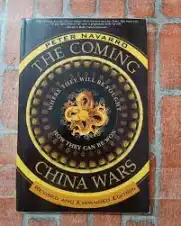
While this book did not resonate widely in the mainstream economic community, it stirred up ripples within certain conservative circles.
Five years later, in 2011, "Death by China" took Navarro's criticism to a climax. This book was not just an academic analysis but more like an indictment.
His radical accusations pointed to China systematically destroying the economic foundation of the United States through illegal export subsidies, production subsidies, currency manipulation, and intellectual property theft...
However, Navarro's views were not without controversy.
Mainstream economists, such as Simon Johnson of MIT, publicly criticized his analysis as "too one-sided, overlooking the complexity of the global supply chain"; and Navarro's strong language in the book, contrasting sharply with the generally perceived genteel academic image, also earned him the label of "eccentric" in the economics community.
However, Navarro, with over a decade of academic accumulation, constructed a set of trade confrontation theories aimed at China. The U.S. must reverse the trade deficit by forceful means to protect domestic industries. This theory also laid the groundwork for his future entry into Trump's decision-making circle.
His pen had long been pointing towards China, and fate would open a bigger door for him in 2016.
Gaining Trump's Son-in-law's Favor, Entering the Inner Circle
His book, "Death by China," did not cause a stir in the mainstream economic community but unexpectedly knocked on the door of the Trump campaign team.
Reportedly, in 2016, during Trump's campaign before his first term, his son-in-law, Jared Kushner, accidentally discovered it on Amazon, attracted by its sharp criticism of China's trade practices, and promptly recommended the book to Donald Trump.
Trump greatly appreciated the read and said, "This guy understands my thoughts."
Navarro later recalled that his role from the beginning was to "provide analytical support for Trump's trade intuition." With Trump's background as a businessman well-versed in trade, the two might have coincided at a fundamental logic level, and thus, fate was ignited.
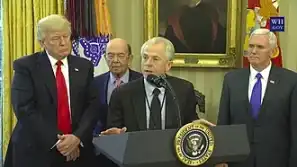
On January 20, 2017, the same day Trump was sworn in, Navarro officially entered the White House as the Director of the newly established National Trade Council.
His first task was unsurprising: against China. He promptly pushed for a 43% tariff on Chinese goods and spearheaded the policy of imposing a 25% additional tax on steel and aluminum imports.
When the U.S.-China trade war broke out in 2018, Navarro was ubiquitous. He declared at a White House briefing, "China must pay the price for its unfair trade."
That year, he also assisted in drafting Trump's tariffs on global steel and aluminum imports, leading directly to trade disputes with the EU and Canada. Navarro's toughness not only catered to Trump's "America First" agenda but also solidified his position in the White House.
However, Navarro's days in the inner circle were not without challenges.
In 2020, he published a report alleging election fraud and participated in the January 6, 2021, "Green Bay Sweep" plan, ultimately leading to a 4-month prison sentence in 2023 for contempt of Congress. Nevertheless, Trump's trust in him did not waver, even referring to him as a "loyal warrior" while in jail.
On January 20, 2025, Trump returned to the White House, with Navarro also returning as Senior Trade and Manufacturing Advisor. This time, his goals were more radical.
In February, he co-led tariff economic discussions with Canada, China, and Mexico alongside Stephen Miller, which drove the trade policy memorandum signed by Trump on his first day.
Navarro's spearheaded "Reciprocal Tariffs" plan — based on calculating additional tax rates based on trade deficits, such as 46% for Vietnam, 20% for the EU — became the cornerstone of the new policy. He defended this approach in an interview with CNBC: "These are not negotiation chips but essential items in a national emergency."
This stance is in line with his academic advocacy over a decade ago.
From a book in 2016 to the trade war strategist in 2025, Navarro's connection with Trump is no coincidence.
His protectionist ideology aligns with Trump's disdain for trade deficits; his tough personality perfectly matches Trump's policy style.
Despite controversies, and even a brief prison stint, Navarro has always been a key figure in Trump's trade war strategy. Transitioning from the academic fringe to the center of power, he relied not only on luck but also on his steadfast commitment to trade confrontation.
Opportunities multiply as they are seized
The culmination of Trump and Navarro's intersection is about to face its most severe test in the global market of 2025.
Returning to Navarro's initial statement, "You don't lose money if you don't sell stocks," does this unconventional economist truly understand the workings of the economy?
Navarro may be well-versed in tariff data but seems to have not grasped the essence of military strategy.
Sun Tzu's The Art of War states: "Opportunities multiply as they are seized; the city must be attacked only when victory is assured." The pinnacle is to subdue the enemy without fighting.
Our ancestors' wisdom emphasized winning through strategy and diplomacy, not direct conflict.
However, Navarro and Trump's tariff declaration of war is precisely the opposite — choosing direct confrontation, incurring a high economic cost in exchange for so-called "fairness."
This head-on approach not only failed to weaken the opponent but also put American businesses and consumers at the forefront. Economists estimate that 60% of tariffs on China will raise import prices, ultimately paid by the American people.
Reality is far from theoretical discussions.
Plunging the global economy into chaos. His role as the driving force is undisputed, but whether the cost of this war is worthwhile remains an unknown.
قد يعجبك أيضاً

سرقة مبتكرة – الهاكرز يستهدفون Trust Wallet ويستولون على أصول كبيرة
Key Takeaways تعرض Trust Wallet لهجوم سيبراني كبير، مما أدى إلى خسارة مالية فادحة لأحد المحافظ النشطة. حدد…

عنوان: محفظات BDXN تضخ 400 ألف دولار في تبادلات عديدة
النقاط الرئيسية ثلاثة محافظ مرتبطة بمشروع BDXN أودعت ما يقرب من 400 ألف دولار من عملات BDXN في…

التغيرات في سوق Hyperliquid: تراجع واضح في مراكز صفقات الحيتان
Key Takeaways تراجع عدد الحيتان المتفائلين بعملة BTC بنسبة تقارب 50% منذ أكتوبر. تضاعف عدد الحيتان المتشائمين من…

Trust Wallet يعالج ثغرة أمنية بعد خسارة المستخدمين 6 مليون دولار
Key Takeaways Trust Wallet أكدت اكتشاف حادثة أمنية في نسخة محددة من امتداد المتصفح. النسخة 2.68 من امتداد…

انطلاق أكبر موجة استحقاق عقود خيار بيتكوين في التاريخ وتأثيرها المحتمل
مع اقتراب نهاية ديسمبر 2025، شهدت الأسواق المالية حدثاً هاماً أثر بشكل كبير على مسار العملات الرقمية، خصوصاً…

التراكم الكبير لحيتان الإيثيريوم وتأثيرات السوق: ماذا يحدث؟
Key Takeaways تظهر البيانات أن حيتان الإيثيريوم جمعت حوالي 7.6 مليون ETH منذ أبريل، مما قد يشير إلى…

تغيرات السوق المشفرة: توجهات بيتكوين وتقارير Matrixport
Key Takeaways تذبذبات أسعار بيتكوين منذ أكتوبر تشير إلى مرحلة محفوفة بالحذر، حيث يتزايد الحديث عن الدورة الرباعية.…
توقعات الفيدرالي الأمريكي للربع الأول من 2026: الأثر المحتمل على Bitcoin وسوق العملات المشفرة
النقاط الرئيسية استقرار معدلات الفائدة قد يضغط على سوق العملات المشفرة، لكن “التيسير الكمي الخفي” قد يخفف من…

حجم تداول عقود الكريبتو يرتفع إلى 86 تريليون دولار بحلول 2025 مع هيمنة Binance
أهم النقاط من المتوقع أن يصل حجم تداول العقود في العملة الرقمية إلى 86 تريليون دولار في عام…

الاكتتاب العام لشركة Kraken وإعادة إشعال دورة العملات الرقمية: توقعات وسطية
نقاط رئيسية اكتتاب Kraken العام المحتمل في السوق الأمريكية قد يجذب تدفقات جديدة من المستثمرين التقليديين. سعر Bitcoin…

إيثريوم في عام 2026: ترقية Glamsterdam وHegota، والتوسع في L1 والمزيد
زيادة كبيرة في قدرة إيثريوم على معالجة المعاملات من خلال ترقية Glamsterdam. تحويل 10% من شبكة إيثريوم إلى…

التهديدات البشرية في أمان العملة المشفرة: نصائح الخبراء لعام 2026
النقاط الرئيسية تُظهر البيانات أن معظم الهجمات على العملات المشفرة في عام 2025 لم تكن نتيجة للأخطاء البرمجية،…

عيد ميلاد سعيد، Caroline Ellison: الإفراج المبكر من الحجز
النقاط الرئيسية: تطور مفاجئ يسمح بالإفراج المبكر عن المديرة التنفيذية السابقة لشركة Alameda Research، Caroline Ellison، في يناير.…

نصائح للعملات المشفرة للمبتدئين والمخضرمين والمتشككين في عام 2026
مفاتيح رئيسية: أهمية فهم العملات المشفرة قبل الاستثمار فيها. الخطوات الفعالة التي يجب على المخضرمين اتباعها لتعزيز تبني…
حوسبة الكم في 2026: لا نهاية وشيكة للعملات الرقمية ولكن الوقت قد حان للتحضير
النقاط الرئيسية حوسبة الكم قد لا تهدد Bitcoin في عام 2026، لكن تهديدات “جمع الآن، فك التشفير لاحقًا”…
التزام Trust Wallet بتغطية خسارة 7 ملايين دولار في اختراق عيد الميلاد
النقاط الرئيسية تسبب اختراق Trust Wallet في خسائر بقيمة 7 ملايين دولار لمستخدميه في يوم عيد الميلاد، وبدأت…

نهاية World Liberty Financial Token لعام 2025 بانخفاض يتجاوز 40%
خلاصة النقاط الرئيسية مشروع العملة الخاصة بعائلة ترامب، World Liberty Financial، شهد تناقصًا كبيرًا في قيمة توكناته مع…
تطلعات El Salvador تجاه Bitcoin تصبح أكثر واقعية بحلول 2025
النقاط الرئيسية قادت El Salvador ثورة تبني Bitcoin عندما اعترفت به كعملة قانونية، لكن رؤاها الطموحة واجهت صعوبات…
سرقة مبتكرة – الهاكرز يستهدفون Trust Wallet ويستولون على أصول كبيرة
Key Takeaways تعرض Trust Wallet لهجوم سيبراني كبير، مما أدى إلى خسارة مالية فادحة لأحد المحافظ النشطة. حدد…
عنوان: محفظات BDXN تضخ 400 ألف دولار في تبادلات عديدة
النقاط الرئيسية ثلاثة محافظ مرتبطة بمشروع BDXN أودعت ما يقرب من 400 ألف دولار من عملات BDXN في…
التغيرات في سوق Hyperliquid: تراجع واضح في مراكز صفقات الحيتان
Key Takeaways تراجع عدد الحيتان المتفائلين بعملة BTC بنسبة تقارب 50% منذ أكتوبر. تضاعف عدد الحيتان المتشائمين من…
Trust Wallet يعالج ثغرة أمنية بعد خسارة المستخدمين 6 مليون دولار
Key Takeaways Trust Wallet أكدت اكتشاف حادثة أمنية في نسخة محددة من امتداد المتصفح. النسخة 2.68 من امتداد…
انطلاق أكبر موجة استحقاق عقود خيار بيتكوين في التاريخ وتأثيرها المحتمل
مع اقتراب نهاية ديسمبر 2025، شهدت الأسواق المالية حدثاً هاماً أثر بشكل كبير على مسار العملات الرقمية، خصوصاً…
التراكم الكبير لحيتان الإيثيريوم وتأثيرات السوق: ماذا يحدث؟
Key Takeaways تظهر البيانات أن حيتان الإيثيريوم جمعت حوالي 7.6 مليون ETH منذ أبريل، مما قد يشير إلى…
العملات الرائجة
أحدث أخبار العملات المشفرة


دعم العملاء:@weikecs
التعاون التجاري:@weikecs
التداول الكمي وصناع السوق:[email protected]
خدمات (VIP):[email protected]
 App
App