
- Buy Crypto
- Markets
- Futures
- Spot
- Copy Trade
 WE-Launch
Exploring the Future of Real World Assets (RWA) on Blockchain

Key Takeaways:
- RWA (Real World Assets) are bridging the gap between traditional finance and Web3 by tokenizing real-world items like real estate, bonds, and art on blockchain platforms.
- The market for RWA is experiencing rapid growth due to increased interest from institutional investors and advancements in blockchain technology.
- By 2025, RWA is expected to become a significant narrative in the global financial landscape, facing both opportunities and regulatory challenges.
- Major players like BlackRock and Franklin Templeton are exploring RWAs, indicating the mainstream acceptance and validation of tokenized assets.
What are RWAs and Why They Matter
Real World Assets, or RWA, refer to real-world items—such as real estate, bonds, and art—transformed into tokenized assets on blockchain platforms. The concept behind RWAs is to take tangible, traditional financial assets and represent them digitally, enhancing liquidity and accessibility while reducing transaction costs. This evolution represents a substantial shift toward integrating the decentralized Web3 space with established financial systems, forecasted to reshape financial interactions by 2025.
RWAs hold potential not just as a passing trend but as an integral part of bridging the conventional finance world with emerging digital systems. The core functionality remains enhancing liquidity and broadening access through a more democratized financial framework. As the financial world gets more digital, tokenized RWAs on blockchain offer a way to trade assets more swiftly and securely.
The Evolution and Market Potential of RWAs
RWA Growth Stages
The growth of RWAs can be divided into three key stages:
- Initial Growth (2009–2018): The advent of Bitcoin and Ethereum initiated the tokenization of assets, marking the early exploration of potential digitized financial products.
- Use Case Development (2019–2022): RWAs began to appear in DeFi spaces as collateral, with real estate and other assets becoming prototype examples of on-chain integration. Initial challenges primarily involved liquidity and regulatory clarity.
- Market Expansion (2023 Onward): With investors seeking stable returns and firms actively issuing tokenized products, the RWA market sees robust growth, targeting a trillion-dollar valuation potential.
The surge in RWA developments demonstrates a strategic pivot where digital asset platforms integrate with traditional financial solutions, forecasting substantial shifts in global capital flows. By harnessing the global reach and programmability of blockchain, RWAs are poised to revolutionize financial accessibility and process automation, facilitating an inclusive financial ecosystem.
Key RWA Asset Classes
A deeper dive into the types of real-world assets currently undergoing digitization reveals a diverse array of opportunities:
- Private Debt: Representing a significant portion of RWA holdings, private debt encapsulates high-yield investment vehicles made accessible through tokenization. This category uses blockchain to break down and redistribute non-public debt instruments, elevating liquidity and drawing global investment interest.
- US Treasury Bonds: With their tokenized representation, US bonds serve as an entryway for institutional capital into the blockchain sphere, offering stable, lower-risk opportunities for blockchain-integrated financial systems.
- Commodities, Particularly Gold: Tokenization efforts in this category focus on secure, programmable digital proxies for gold holdings, posing new forms of financial liquidity and trade dynamics.
- Equities and ETFs: Tokenized equities, especially in tech and emerging market ETFs, promise increased market fluidity and 24/7 trading capabilities.
- Real Estate: Through tokenization, real estate becomes more accessible, enabling micro-investments and enhanced global connectivity. Despite its complexities concerning ownership and valuation, it offers promising growth potential.
These class diversifications underscore a transformative movement towards enhanced utility and use case developments in RWA infrastructures. The potential to bring various asset classes to blockchain platforms heralds significant shifts in how assets are accessed, traded, and valued globally.
Challenges and Strategic Opportunities
Regulatory and Market Dynamics
A primary challenge for RWA adoption is the variance in regulatory frameworks across jurisdictions. The implementation of clear legal frameworks, such as the EU’s MiCA, provides a roadmap for legal tokenization but also emphasizes the hurdles of cross-border compliance and operational integrity.
Risks in adopting RWA into financial services involve understanding underlying asset risks within tokenized forms, necessitating sophisticated risk assessment mechanisms and robust regulatory compliance standards. Institutions like MakerDAO adopt collateralized RWA models to mitigate volatility and provide stability within DeFi ecosystems, illustrating proactive circumvention of market risks.
Future Prospects and Institutional Adoption
The growing participation by financial giants like BlackRock signals the integration of traditional finance with blockchain technologies. These forays are setting the stage for substantial transformations, with the potential to engage new customer segments and enable efficient financial protocols.
The focus is shifting towards expanding the accessibility of RWAs to underbanked and unbanked populations, leveraging blockchain’s accessibility and security. Innovative platforms are suggested to act as custodians that facilitate interactions and transactions involving high-value digital assets.
Vision for the Future
In the progressing narrative of RWA, a mixed landscape of private innovations and traditional finance giants on blockchain platforms is anticipated. The overarching vision for RWAs includes transforming financial infrastructure through inclusivity, efficiency, and equitable access to global financial resources. While RWAs hold enormous potential to bring transformative changes, they require a careful balance of innovation, compliance, and strategic market application to achieve these expansive goals by 2030.
FAQs
What exactly is Real World Asset (RWA) tokenization?
RWA tokenization converts physical and traditional financial assets into digital tokens on a blockchain. This process aims to enhance price stability, liquidity, and accessibility while reducing transaction friction and costs.
Why are RWAs important for the future of finance?
They serve as a crucial bridge between traditional financial markets and emerging decentralized financial technologies, facilitating more robust and diverse investment landscapes.
Which industries stand to benefit the most from RWAs?
RWAs are predominantly beneficial to real estate, financial securities, commodities, and private debt industries by enhancing liquidity, reducing transaction costs, and broadening market access.
What challenges do RWAs face in the current regulatory climate?
Key challenges include regulatory variance across borders, legal complexities related to asset tokenization, and maintaining transparency and compliance within decentralized platforms.
How are institutions like BlackRock involved in RWA development?
BlackRock is actively testing RWA implementations to leverage blockchain’s benefits for traditional securities, indicating growing institutional confidence and movement towards integrating these technologies into mainstream finance.
You may also like
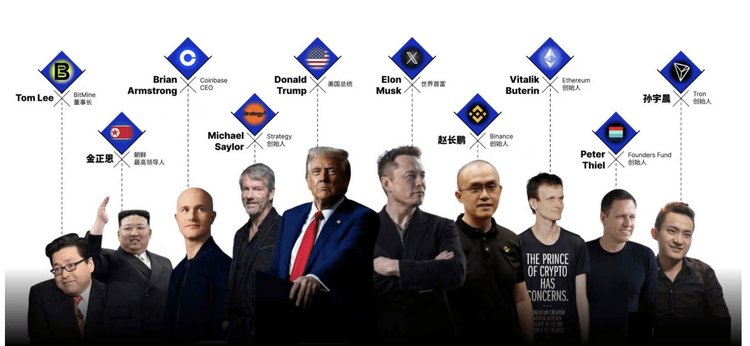
Ten People Redefining the Power Boundaries of Crypto in 2025
From Wall Street to the White House, from Silicon Valley to Shenzhen, a new power network is taking shape.

Bloomberg Checklist: 11 Key Trades to Understand the 2025 Global Financial Market

Lighter Founder's Latest Response on Token Launch Progress, What Was Said

Whale Withdraws 2,218 ETH from Kraken Sparking Market Interest
Key Takeaways A massive withdrawal of 2,218 ETH, 37.1 million SKY, and 4,772 AAVE occurred from Kraken. The…

Whale Trader Reaps Significant Profits from Ethereum Sales
Key Takeaways A whale, identified as address “0xa339”, has executed a large sale of 50,623 ETH. The total…

Whale Withdraws Millions in Ethereum and Other Tokens from Kraken
Key Takeaways A whale has withdrawn 2,218 ETH, valued at approximately $6.52 million, from Kraken. The whale also…

ZKC Price Surge Shakes Crypto Market
Key Takeaways ZKC (Boundless) experienced a significant 20.72% increase over the past 24 hours, reaching $0.14. The transition…

Smart Trader Closes Ethereum Positions, Faces $3.4 Million Loss
Key Takeaways Smart trader pension-usdt.eth closed a 30,000 ETH short position, incurring a $3.4 million loss. Despite this…

XRP ETFs Attract Institutional Interest as Inflows Surpass Expectations
Key Takeaways XRP spot ETFs have experienced substantial inflows since their launch in November 2025, surpassing $1.1 billion.…

Whale Shifts to Massive Short Positions in Cryptocurrency Market
Key Takeaways A crypto whale transitioned from long to short positions, involving significant assets amounting to over $91…

Japanese Central Bank Signals Potential Interest Rate Hikes Impacting Crypto Market
Key Takeaways The Japanese Central Bank has indicated potential interest rate hikes as the yen weakens, affecting the…

Bitcoin Reaches $90,000 Amid Geopolitical Tensions and Oil Price Surge
Key Takeaways Bitcoin recently surged past $90,000, driven by heightened geopolitical tensions and rising oil prices. The cryptocurrency…
Crypto Whale Strategically Bets on Bitcoin, Ethereum, Solana Shorts
Key Takeaways A prominent crypto whale has launched a substantial $243 million short position across Bitcoin, Ethereum, and…

Hong Kong Implements Basel Crypto Standards for Banking
Key Takeaways Hong Kong Monetary Authority will enforce the Basel crypto asset regulatory standards starting January 1, 2026.…

Plasma Token Surges 14.3% as Stablecoin Blockchain Gains Traction
Key Takeaways Plasma Token’s Price Surge: The price of Plasma (XPL) surged by 14.3% over the last 24…

ZEC Price Soars Amidst Market Frenzy as Major Positions Shift
Key Takeaways ZEC witnessed a price surge of 14.36% within 24 hours, reaching $512.25 on December 27. The…

Uniswap’s Proposal Drives UNI Price Surge Over 4%
Key Takeaways Uniswap’s UNI token saw a price spike of 4.35% in the last 24 hours, now priced…

Whale Executes Major Position with $1.8 Million USDC on HyperLiquid
Key Takeaways A significant crypto whale has deposited $1.8 million USDC into HyperLiquid. The whale used the funds…
Ten People Redefining the Power Boundaries of Crypto in 2025
From Wall Street to the White House, from Silicon Valley to Shenzhen, a new power network is taking shape.
Bloomberg Checklist: 11 Key Trades to Understand the 2025 Global Financial Market
Lighter Founder's Latest Response on Token Launch Progress, What Was Said
Whale Withdraws 2,218 ETH from Kraken Sparking Market Interest
Key Takeaways A massive withdrawal of 2,218 ETH, 37.1 million SKY, and 4,772 AAVE occurred from Kraken. The…
Whale Trader Reaps Significant Profits from Ethereum Sales
Key Takeaways A whale, identified as address “0xa339”, has executed a large sale of 50,623 ETH. The total…
Whale Withdraws Millions in Ethereum and Other Tokens from Kraken
Key Takeaways A whale has withdrawn 2,218 ETH, valued at approximately $6.52 million, from Kraken. The whale also…
Popular coins
Latest Crypto News


Customer Support:@weikecs
Business Cooperation:@weikecs
Quant Trading & MM:[email protected]
VIP Services:[email protected]
 App
App