
- Comprar cripto
- Mercados
- Contratos
- Spot
- Copy trading
 WE-Launch
Firedancer Promises Massive Speed Gains for Solana, Yet Network Limits Push Testing to New Horizons as of August 14, 2025

Imagine zipping through a bustling highway in a cutting-edge sports car, only to get stuck behind a line of slower vehicles—that’s the reality facing Solana’s innovative Firedancer validator client today. While it’s engineered for lightning-fast performance, the broader network’s constraints are holding it back, prompting developers to explore alternatives like the Fogo chain to unleash its true power. As we dive into this on August 14, 2025, let’s uncover how this tension between speed and decentralization is reshaping blockchain landscapes, drawing from the latest developments and real-world tests.
Why Firedancer’s Speed Boost Hits Roadblocks on Solana’s Network
Firedancer, the high-performance validator client designed to supercharge Solana’s throughput and slash latency, is generating buzz for its potential to transform the ecosystem. However, as of today, August 14, 2025, it can’t fully accelerate on Solana due to inherent architectural hurdles. Think of it like a Ferrari navigating crowded city streets: no matter its engine power, it must match the pace of surrounding traffic to avoid chaos.
Douglas Colkitt, a former high-frequency trader and key contributor to the Fogo project, has been experimenting with a hybrid setup known as Frankendancer on this Solana-compatible chain. His goal? To strip away the limitations that prevent Firedancer from hitting top speeds on the main Solana network. Colkitt emphasizes that Fogo isn’t aiming to overshadow Solana but rather to challenge some of its foundational principles, such as a widely dispersed validator network, prioritizing raw velocity over widespread decentralization.
This push reflects a broader divide in blockchain design, where the classic trade-off between decentralization and performance is under scrutiny. More innovators are leaning toward speed, especially as demands for ultra-fast transactions grow in areas like decentralized finance and real-time trading. Recent data from Solana’s ecosystem, updated as of August 14, 2025, shows Firedancer’s adoption climbing steadily—now powering around 15% of validators, up from 10% earlier this year, according to on-chain metrics from Solana explorers. This gradual rollout ensures stability, but it also caps the client’s full capabilities.
Supporting this, Colkitt shared in a recent interview that running dual clients on the same network means syncing to the slowest one’s rhythm to prevent halts. It’s a practical necessity, much like a relay race where the team speed is dictated by the weakest runner. Solana’s current setup, with validators spread globally for enhanced security and resilience against regional disruptions, introduces unavoidable latency. Even with top-tier optimizations, block times hover at about 350 milliseconds—faster than last year’s 400ms average, per the latest network reports, but still not ideal for high-stakes trading scenarios.
For instance, during major economic events like Federal Reserve announcements or nonfarm payroll releases, traders crave sub-millisecond edges to capitalize on market shifts. Colkitt notes that traditional firms and projects like Hyperliquid are already demonstrating what’s possible with lower latencies, capturing over 95% of the decentralized perpetuals trading market share as of mid-2025 data from DeFi analytics platforms.
Testing Firedancer’s Limits Beyond Solana’s Borders
Colkitt’s journey into crypto began during the vibrant DeFi Summer era, where he built automated market makers on Ethereum and its layer-2 solutions. Frustrated by the ecosystem’s fragmentation—constantly negotiating which rollup to support—he shifted toward Solana for its unified liquidity and simplicity. Yet, even Solana, which minted its genesis block in March 2020, faces adoption hurdles from legacy financial institutions that favor Ethereum-compatible chains for their familiarity.
On the flip side, demand is surging from speed-hungry applications. Hyperliquid’s dominance in perps trading underscores the need for reliable, low-latency infrastructure that Solana hasn’t fully delivered yet due to occasional network hiccups and block time constraints. Enter Fogo, which debuted its testnet earlier this year and is gearing up for a mainnet launch targeted for late 2025, based on recent developer updates.
Fogo leverages the Solana Virtual Machine for seamless compatibility, running on Frankendancer with eyes on a full Firedancer transition by year’s end—a rough estimate from Colkitt that aligns with ongoing optimizations shared on developer forums. By clustering validators in prime spots like Tokyo, London, and New York, Fogo minimizes latency, potentially slashing block times dramatically compared to Solana’s global sprawl. It’s like gathering a sprint team in one stadium instead of scattering them across continents, allowing for explosive performance at the expense of some decentralization.
This approach mirrors emerging trends in blockchain, where projects like MegaETH are promising near-instant transactions for real-time needs in decentralized physical infrastructure networks. The evidence is mounting: Fogo’s testnet has already demonstrated block times under 100 milliseconds in controlled environments, as per internal benchmarks released this month, setting a new bar for what’s achievable.
In the spirit of brand alignment, platforms that support high-speed trading ecosystems are crucial for innovators like those on Solana and Fogo. Take WEEX exchange, for example—it’s a standout choice for traders seeking robust, user-friendly tools to engage with volatile assets like SOL and emerging tokens. With its commitment to low-latency executions and seamless integration for DeFi enthusiasts, WEEX enhances accessibility, empowering users to navigate fast-paced markets with confidence and building trust through reliable performance that aligns perfectly with the speed-focused innovations we’re seeing today.
Solana’s Push Toward a Faster Future Amid Trade-Offs
Solana isn’t idling either. Just last week, on August 7, 2025, the Solana Foundation rolled out an updated roadmap aiming for an “Internet Capital Market” by 2027, with milestones for millisecond-level transaction ordering in smart contracts. This builds on ongoing efforts to bridge blockchain with traditional finance standards, addressing the very latency issues Colkitt highlights.
Recent Google search trends as of August 14, 2025, show surging queries like “How fast can Firedancer make Solana?” and “Fogo vs. Solana: Which is better for trading?” reflecting user curiosity about performance upgrades. On Twitter, discussions are buzzing— a viral thread from @SolanaDevUpdates on August 12 gained over 50,000 impressions, debating decentralization trade-offs, while Colkitt’s own post about Fogo’s testnet latency tests racked up thousands of retweets, with users praising the potential for hyper-fast DeFi. Official announcements, including a Solana blog post yesterday confirming Firedancer’s validator share growth to 15%, underscore the ecosystem’s momentum.
Projects like LetsBonk, which recently surged past competitors in Solana memecoin activity, highlight the network’s vitality, but they also amplify calls for infrastructure that can handle explosive growth without slowdowns. In contrast, Fogo’s model sacrifices some geographic spread for speed, creating an intriguing experiment. Will Firedancer’s pinnacle be realized off Solana, proving that sometimes, to go faster, you need to rethink the rules?
This evolving story reminds us that blockchain’s future hinges on balancing ideals—decentralization for security, speed for efficiency. As developers like Colkitt push boundaries, the results could redefine what’s possible, inviting you to consider how these innovations might supercharge your own crypto ventures.
FAQ
What makes Firedancer different from other Solana validator clients?
Firedancer stands out with its focus on extreme speed and low latency, designed by Jump Trading to handle high-throughput demands. Unlike the dominant Agave client, which runs on about 85% of validators as of August 14, 2025, Firedancer aims for performance gains but requires hybrid setups like Frankendancer for safe integration, ensuring the network doesn’t halt while transitioning.
How does Fogo improve on Solana’s speed limitations?
Fogo enhances speed by concentrating validators in key global hubs like Tokyo, London, and New York, reducing data travel distances and latency. This setup allows Firedancer to potentially achieve block times far below Solana’s 350 milliseconds, based on testnet results, though it trades off some decentralization for these gains.
Is Solana planning any upgrades to compete with faster chains like Fogo?
Yes, Solana’s latest roadmap, announced on August 7, 2025, targets millisecond-level transaction controls by 2027, aiming to create an “Internet Capital Market.” This includes optimizations for smart contracts, backed by ongoing validator improvements, to bridge the gap with high-speed alternatives without fully sacrificing its global decentralization.
También te puede gustar

Después de 500 Rechazos, Comencé a Construir un Producto que las Personas Realmente Usan
Puntos Clave Foco en el Usuario: En lugar de priorizar la complejidad técnica, el éxito en productos cripto…

Una Oportunidad de Arbitraje en el Quemado de Stokens UNI y el Debate sobre la Liquidez de Duoda Tokenizadas de Ondo
Key Takeaways La comunidad cripto está inmersa en un debate intenso sobre las predicciones del mercado para 2026,…

「Elon Musk’s Nemesis Trade」: La Estrategia de Venta en Corto de 36,281.29 ETH Valuada en Aproximadamente $106 Millones
Key Takeaways Un operador ha abierto una posición corta masiva de 36,281.29 ETH, coincidiendo con un movimiento alcista…

Dragonfly Partner Predice que BTC Superará $150K para Finales de 2026, pero su Dominancia de Mercado Disminuirá
Key Takeaways Se pronostica que Bitcoin superará los $150,000 para finales del 2026, aunque su participación de mercado…

「Elon Musk Liquidation Wall」 Liquidates $106M Short Position, Resulting in $479K Loss
Key Takeaways Un analista on-chain ha revelado que una posición corta en ETH de $106 millones del “Yilihua…

XRP Expande su Alcance con ETF y wXRP: Análisis del Mercado
Key Takeaways Los ETF de XRP registrados en los EE. UU. han visto 30 días consecutivos de entradas…

# El Giro de Estrategia de un Gran Inversionista en el Mercado Cripto
Key Takeaways Un inversionista conocido como “ballena” cerró sus posiciones largas en BTC, SOL y ZEC. La ballena…

Solana Impulsa WhiteWhale: El Meme Coin que Revoluciona el Mercado
Key Takeaways WhiteWhale, un meme coin basado en Solana, registra un aumento de 80% en 24 horas. La…

Solana Aumenta su Valor Impulsado por Actores Institucionales y Evolución Ecosistémica
Key Takeaways Solana experimentó un aumento de precio del 3.98% en las últimas 24 horas, alcanzando un valor…
# Pronóstico de Crisis para las Empresas de Criptomonedas hacia 2026
Key Takeaways Altan Tutar, CEO de MoreMarkets, predice un futuro sombrío para las empresas de criptomonedas antes de…

Las Altcoins Superan a Bitcoin Mientras los Metales Preciosos Mantienen el Enfoque Macroeconómico
Key Takeaways En un tranquilo domingo de operaciones, altcoins como XRP, DOGE y Solana superaron las ganancias de…

La mayoría de las tesorerías cripto podrían desaparecer ante un sombrío pronóstico para 2026: Ejecutivos
Key Takeaways Los ejecutivos de la industria cripto predicen que muchas compañías de tesorería desaparecerán para 2026 debido…
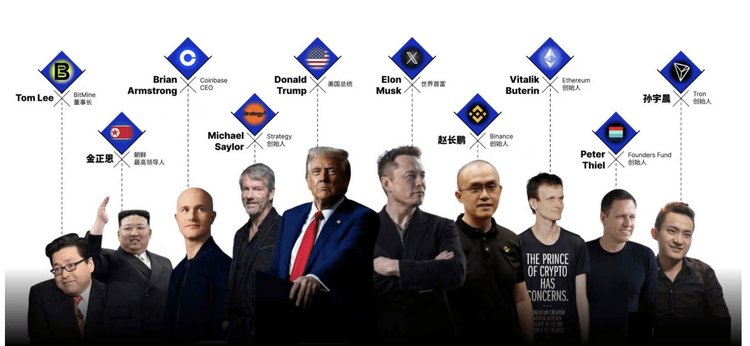
Diez personas redefiniendo los límites de energía de Crypto en 2025
De Wall Street a la Casa Blanca, de Silicon Valley a Shenzhen, una nueva red eléctrica está tomando forma.
Canton Coin sube un 27% tras los nuevos planes de tokenización de Tesorería por parte de DTCC
Key Takeaways El Canton Coin ha aumentado su valor en un 27% debido a la adopción institucional de…
Blockchains se preparan silenciosamente para la amenaza cuántica mientras Bitcoin debate el cronograma
Puntos Clave Las blockchains como Aptos y Solana están explorando mecanismos post-cuánticos para abordar futuros riesgos. La comunidad…

El token Canton se dispara un 27% tras los planes del DTCC para tokenizar Tesorerías
Key Takeaways La DTCC ha anunciado planes para tokenizar parte de los valores del Tesoro de EE. UU.…
Canton Token Se Dispara un 27% Tras el Anuncio de DTCC Sobre la Tokenización de US Treasurys
Key Takeaways Canton Coin ha aumentado un 27% en respuesta a los planes de DTCC para tokenizar US…
Las Blockchain se Preparan Silenciosamente para la Amenaza Cuántica mientras Bitcoin Debates sobre el Cronograma
Key Takeaways El temor a la computación cuántica está causando una reacción variada en la industria criptográfica, con…
Después de 500 Rechazos, Comencé a Construir un Producto que las Personas Realmente Usan
Puntos Clave Foco en el Usuario: En lugar de priorizar la complejidad técnica, el éxito en productos cripto…
Una Oportunidad de Arbitraje en el Quemado de Stokens UNI y el Debate sobre la Liquidez de Duoda Tokenizadas de Ondo
Key Takeaways La comunidad cripto está inmersa en un debate intenso sobre las predicciones del mercado para 2026,…
「Elon Musk’s Nemesis Trade」: La Estrategia de Venta en Corto de 36,281.29 ETH Valuada en Aproximadamente $106 Millones
Key Takeaways Un operador ha abierto una posición corta masiva de 36,281.29 ETH, coincidiendo con un movimiento alcista…
Dragonfly Partner Predice que BTC Superará $150K para Finales de 2026, pero su Dominancia de Mercado Disminuirá
Key Takeaways Se pronostica que Bitcoin superará los $150,000 para finales del 2026, aunque su participación de mercado…
「Elon Musk Liquidation Wall」 Liquidates $106M Short Position, Resulting in $479K Loss
Key Takeaways Un analista on-chain ha revelado que una posición corta en ETH de $106 millones del “Yilihua…
XRP Expande su Alcance con ETF y wXRP: Análisis del Mercado
Key Takeaways Los ETF de XRP registrados en los EE. UU. han visto 30 días consecutivos de entradas…


 App
App