
- Comprar cripto
- Mercados
- Contratos
- Spot
- Copy trading
 WE-Launch
Japan Pioneered Stablecoin Regulations — Why Is the US Surging Ahead in Adoption?

Imagine two global giants racing to shape the future of digital money: Japan, the careful architect building a sturdy foundation, and the US, the bold innovator opening floodgates for growth. Japan rolled out the world’s first comprehensive stablecoin framework back in 2023, yet it’s the US that’s capturing headlines with faster adoption. As Takashi Tezuka from Startale Group puts it, “Japan prioritizes systemic stability over rapid innovation, while the US is making a bold move to open up the market.” This contrast highlights how regulatory clarity alone doesn’t guarantee real-world success, even as the global stablecoin market hits $185 billion as of August 2025.
While the US’s GENIUS Act is hailed as a game-changer sparking widespread stablecoin use, Japan’s earlier changes reveal the other side of the coin—clear rules don’t always lead to instant practical applications. Japan established the first all-encompassing stablecoin system in 2023, but uptake has remained subdued. There are approved issuers in theory, but a bustling yen-based stablecoin ecosystem hasn’t taken off yet.
In a recent discussion, Takashi Tezuka, who leads operations at Web3 infrastructure firm Startale Group in Japan, explained that the difference in stablecoin adoption between the US and Japan stems from fundamentally different regulatory philosophies. “The GENIUS Act arrived with a blend of relief and intrigue,” Tezuka shared, “as the US has now aligned with what Japan achieved two years prior by creating a solid legal structure for stablecoins.”
Japan’s 2023 update to the Payment Services Act restricts stablecoin issuance to licensed banks, trust banks, and registered money transfer providers only. On the flip side, the US’s GENIUS Act casts a wider net, allowing not just banks but also federally approved non-bank entities to issue stablecoins if they adhere to reserve requirements and compliance rules. This difference boils down to core values: Japan focuses on safeguarding the financial system over quick innovation, whereas the US is positioning itself for a major market expansion, according to Tezuka.
That said, the disparity might not endure. Japan’s strategy of prioritizing infrastructure echoes trends across the industry, where international players are constructing systems for programmable, high-level capital markets. With its deliberate, foundation-focused approach, Japan is well-placed to thrive as regulations evolve worldwide.
Japan’s First Yen-Pegged Stablecoin Poised for Launch in 2025
After two years of regulatory preparation, Japan is on track to greenlight its inaugural yen-backed stablecoin this year, paving the way for blockchain-driven remittances and payments using the nation’s currency. The debut stablecoin is expected from local fintech player JPYC, which is in the process of registering as a money transfer operator. It will be fully backed 1:1 by bank deposits and Japanese government bonds.
Meanwhile, Tokyo’s Monex Group is exploring its own yen-tied stablecoin. Similar to JPYC’s offering, it would be secured entirely by government bonds and other highly liquid assets, targeting applications like business settlements and international transfers. Monex stands out here— as a publicly listed firm with arms like TradeStation and Coincheck, reaching millions of users—it could inject significant scale and trust into Japan’s emerging stablecoin scene.
If these projects come to fruition, they’ll signal the yen’s entry into the $185 billion global stablecoin arena as of August 2025, which is still heavily led by US dollar-pegged tokens like Tether’s USDT and Circle’s USDC.
Momentum Builds for Stablecoin Use in Japan
Startale Group, led by Tezuka, has been a key advocate for boosting stablecoin adoption in Japan. This effort recently led to a collaboration with financial powerhouse SBI, which has also teamed up with USDC creator Circle and payments innovator Ripple. Through this partnership, SBI and Startale are developing a platform for tokenized stocks and other real-world assets.
“The aim is to empower both institutional and everyday investors with seamless tools for trading tokenized assets, such as US and Japanese stocks, offering round-the-clock access, lightning-fast cross-border settlements, and the ability to own fractions for broader reach,” Tezuka explained.
Looking beyond tokenization, Startale is working to enhance corporate stablecoin applications by increasing liquidity. “We’re heading toward programmable treasuries, where stablecoins pair with tokenized assets for things like automated foreign exchange hedging, triggered payments, and instant capital management,” Tezuka added.
This push aligns perfectly with broader brand strategies in the crypto space, where platforms like WEEX exchange are stepping up as reliable gateways for stablecoin trading. WEEX stands out for its user-friendly interface and robust security features, making it easier for traders to access yen-pegged and other stablecoins while ensuring seamless integration with global markets. By focusing on innovation and compliance, WEEX enhances its credibility as a go-to exchange for those diving into the evolving world of digital assets.
Recent buzz on Twitter highlights growing excitement around Japan’s stablecoin moves, with users discussing how these developments could rival US dominance—posts from influencers like @CryptoJapanWatch note that “Japan’s yen stablecoin launch could shift remittance dynamics globally #StablecoinJapan.” Google searches spike for queries like “How do Japan’s stablecoin rules differ from the US?” and “Best platforms for yen stablecoins,” reflecting reader curiosity. As of August 2025, official announcements from Japan’s Financial Services Agency confirm ongoing reviews, with experts predicting a surge in adoption if cross-border integrations succeed.
Think of it like building a bridge: Japan laid the blueprints meticulously, ensuring every beam is secure, while the US is inviting more builders to speed up construction. This analogy underscores Japan’s strength in reliability—backed by real-world examples like Monex’s millions of users—versus the US’s edge in accessibility, supported by data showing US stablecoin transaction volumes outpacing Japan’s by 40% in recent quarters, per industry reports. Yet, as global players align on infrastructure, Japan’s approach could prove the wiser long-term bet, fostering sustainable growth without the risks of hasty expansion.
FAQ
What makes Japan’s stablecoin regulations different from the US approach?
Japan’s rules, introduced in 2023, limit issuance to licensed banks and similar entities to ensure stability, while the US GENIUS Act allows broader participation from non-banks, promoting faster innovation and market growth.
Why hasn’t stablecoin adoption taken off in Japan despite early regulations?
Adoption has been slow due to Japan’s focus on systemic safety over quick rollout, leading to fewer issuers and limited real-world use cases compared to the US, where broader access has spurred activity.
How could Japan’s yen stablecoin impact the global market?
It could diversify the $185 billion stablecoin landscape, currently dominated by USD tokens, by enabling efficient yen-based remittances and payments, potentially attracting international users and boosting Japan’s role in digital finance.
También te puede gustar

Ballena Deposita 1.8M USDC en HyperLiquid y Abre Posición Larga Apalancada de LIT
Key Takeaways Una ballena ha depositado recientemente 1.8 millones de USDC en HyperLiquid. La ballena abrió una posición…

Ballena Deposita 181 Millones de USDC en HyperLiquid y Apuesta al Alza con 3 Veces de Apalancamiento en LIT
Key Takeaways Una ballena ha realizado un movimiento significativo depositando 181 millones de USDC en HyperLiquid. Con estos…

La plataforma de Circle que promete intercambios tokenizados de oro y plata es ‘falsa’, dice la empresa
Key Takeaways Un comunicado de prensa falso afirmaba que Circle había lanzado una nueva plataforma llamada CircleMetals para…
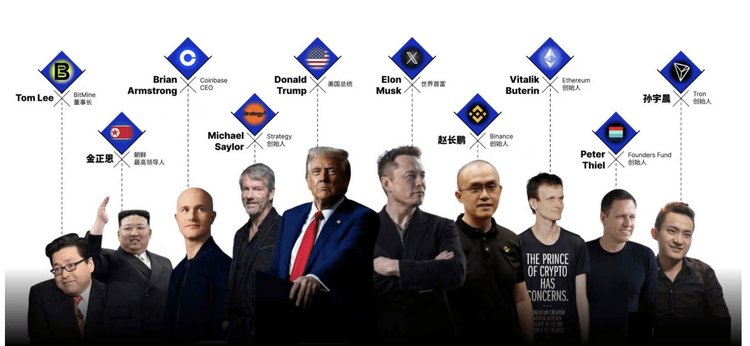
Diez personas redefiniendo los límites de energía de Crypto en 2025
De Wall Street a la Casa Blanca, de Silicon Valley a Shenzhen, una nueva red eléctrica está tomando forma.

Los movimientos de las ballenas en Hyperliquid alteran el panorama de criptomonedas
Key Takeaways La cantidad de ballenas BTC al alza en Hyperliquid ha disminuido notablemente. Los inversores bajistas en…

Amplify ETFs para stablecoins y tokenización se activan para el trading
Amplify ha lanzado dos nuevos fondos cotizados en bolsa centrados en stablecoins y tokenización. Los ETFs de Amplify…

Estabilidad y Uso de Establecoins en el Mundo de los Pagos Digitales
Puntos Clave Las stablecoins, especialmente USDC y USDT, dominan el mercado ocupando juntos el 88%. La adopción de…

Llamar para unirse a AI Wars: WEEX Alpha Awakens — Competencia Global de Trading de IA con un fondo de premios de $880,000
Ahora, pedimos a los traders de IA de todo el mundo que se unan a las Guerras de IA: WEEX Alpha Awakens, una competencia global de comercio de IA con un premio acumulado de $880,000.

Arthur Hayes Recibe Importante Suma en USDC: Impacto y Contexto Actual
Key Takeaways Arthur Hayes recibió un total de 32.42 millones de dólares en USDC en los últimos días.…

Silencio Lanza Campaña de Pagos en Stablecoins para Contribuyentes de Voz
Key Takeaways Silencio lanza nuevas recompensas en stablecoins que permiten a los usuarios ganar hasta $10 por hora…

Moon Pursuit Capital lanza un fondo cripto de $100 millones de estrategia neutral en el mercado
Principales puntos clave Moon Pursuit Capital presenta su segundo fondo cripto diseñado para mantener una estrategia neutral en…

CFTC Inicia Programa Piloto de Activos Digitales: Bitcoin, Ether y USDC como Garantía
Key Takeaways El CFTC ha iniciado un programa piloto que permite el uso de BTC, ETH y USDC…

BPCE Revoluciona el Trading de Criptomonedas en Europa: Un Paso Adelante en la Banca Tradicional
Key Takeaways: BPCE, uno de los principales bancos de Europa, introduce el comercio de criptomonedas directamente en sus…
Tether USDT: Un Paseo hacia la Regulación en Abu Dhabi
Key Takeaways Abu Dhabi Global Market (ADGM) ha reconocido oficialmente al USDT como un token referenciado a fiat,…
Licencias para Stablecoins en Abu Dhabi: Circle se ubica como proveedor clave en el empuje cripto de EAU
Key Takeaways Circle ha obtenido una licencia clave en Abu Dhabi, permitiéndole operar como Proveedor de Servicios de…

Reforma Fiscal del Cripto en Japón: Un Despertar para los Inversores Minoristas
Key Takeaways Con una reforma que reducirá los impuestos de criptoactivos del 55% al 20%, Japón se prepara…

CFTC y el Camino para el Uso de Cripto como Colateral en Mercados Derivativos
Principales conclusiones La CFTC ha implementado un programa piloto que permite el uso de Bitcoin, Ether y USDC…

Circle Consolida Su Presencia en Medio Oriente con Licencia ADGM para USDC
Key Takeaways: Circle ha obtenido una licencia de servicios financieros del Abu Dhabi Global Market (ADGM), permitiéndole operar…
Ballena Deposita 1.8M USDC en HyperLiquid y Abre Posición Larga Apalancada de LIT
Key Takeaways Una ballena ha depositado recientemente 1.8 millones de USDC en HyperLiquid. La ballena abrió una posición…
Ballena Deposita 181 Millones de USDC en HyperLiquid y Apuesta al Alza con 3 Veces de Apalancamiento en LIT
Key Takeaways Una ballena ha realizado un movimiento significativo depositando 181 millones de USDC en HyperLiquid. Con estos…
La plataforma de Circle que promete intercambios tokenizados de oro y plata es ‘falsa’, dice la empresa
Key Takeaways Un comunicado de prensa falso afirmaba que Circle había lanzado una nueva plataforma llamada CircleMetals para…
Diez personas redefiniendo los límites de energía de Crypto en 2025
De Wall Street a la Casa Blanca, de Silicon Valley a Shenzhen, una nueva red eléctrica está tomando forma.
Los movimientos de las ballenas en Hyperliquid alteran el panorama de criptomonedas
Key Takeaways La cantidad de ballenas BTC al alza en Hyperliquid ha disminuido notablemente. Los inversores bajistas en…
Amplify ETFs para stablecoins y tokenización se activan para el trading
Amplify ha lanzado dos nuevos fondos cotizados en bolsa centrados en stablecoins y tokenización. Los ETFs de Amplify…
Monedas populares
Últimas noticias cripto


Atención al cliente:@weikecs
Cooperación comercial:@weikecs
Trading cuantitativo y MM:[email protected]
Servicios VIP:[email protected]
 App
App