
- Comprar cripto
- Mercados
- Contratos
- Spot
- Copy trading
 WE-Launch
UK Economy Edges Forward with 0.1% Growth in August Amid Services Stagnation and Construction Slump

The UK economy barely budged in August, scraping together a modest 0.1% growth that feels more like treading water than making real waves. Picture it like a car inching along in heavy traffic—it’s moving, but you’re not getting anywhere fast. This slight uptick, reported by the Office for National Statistics, follows a revised dip in July, where what was once thought to be flat turned out to be a 0.1% decline after a healthier 0.4% rise in June. It’s a rollercoaster of small shifts that highlights how fragile momentum can be in uncertain times.
Driving this tiny gain was a 0.4% boost in production, which provided just enough lift to keep things positive. Yet, the services sector—the heavyweight champion of the UK economy—stayed completely flat, offering no help at all. Meanwhile, construction took a hit, shrinking by 0.3% and pulling the overall numbers down. Analysts had predicted this lackluster performance, but it still paints a picture of an economy that’s struggling to build steam, much like trying to start a fire with damp matches.
Economists Warn of Mounting Slowdown in UK’s Second Half
Experts aren’t surprised by these figures; they’ve been sounding the alarm about a cooling UK economy as the year progresses. With third-quarter GDP numbers set to drop in mid-November, the consensus is that we’ll see even more signs of weakness. Sanjay Raja, chief UK economist at Deutsche Bank, captured it perfectly, noting that after a stellar kickoff, the UK economy is downshifting. He predicts quarterly GDP growth hovering around 0.2%, but warns of potential pitfalls that could make it worse.
To put this in perspective, the first quarter delivered a solid 0.7% expansion, followed by 0.3% in the second, partly fueled by businesses rushing deals ahead of U.S. trade tariffs in April. It’s like athletes sprinting at the start of a marathon, only to hit the wall later on. Recent data backs this up—unemployment has climbed, wage growth is tapering off, and consumer confidence is wavering, all evidenced by labor market reports showing a softening trend over the past few months.
On Twitter, discussions have exploded around #UKEconomy and #InflationWatch, with users debating the slowdown’s impact on everyday life. One viral post from an economic analyst highlighted, “UK growth at 0.1% in August? That’s code for ‘brace yourselves’—inflation still at 3.8% isn’t helping.” Official announcements from the Bank of England echo these concerns, emphasizing the need for caution amid persistent price pressures.
Inflation and Autumn Budget Add Layers to Bank of England’s Rate Decisions
Inflation remains the stubborn hurdle, clocking in at 3.8% for August—well above the Bank of England’s 2% target. While it’s down from the peaks of 2022, the slowdown in progress is frustrating, much like waiting for a pot to boil that never quite reaches temperature. Services inflation, in particular, has hit a plateau when you strip away volatile elements, and food prices continue to push costs higher. Forecasts from firms like Goldman Sachs suggest headline inflation could linger around 4% until the end of 2025, supported by recent consumer price index data that shows little relief in core sectors.
The Bank of England’s next move on November 6 is under the microscope. Will they cut rates again from the current 4% benchmark, last adjusted in August? Factors like a softening job market might encourage it, but the Autumn Budget on November 26 looms large. Finance Minister Rachel Reeves is poised to unveil tax increases and spending trims, which could further dampen demand—think of it as applying brakes to an already slowing vehicle.
Investment strategist Scott Gardner pointed out that this economic slowdown might force a rethink on fiscal plans, with real-world examples from past budgets showing how austerity measures can exacerbate slumps. Goldman Sachs reinforces this with evidence from inflation trends, advising that the Monetary Policy Committee will likely hold off on cuts until services inflation shows clear improvement, expected in early 2026 based on modeled projections.
In the midst of these economic uncertainties, savvy investors are turning to platforms that align with forward-thinking strategies. WEEX exchange stands out as a reliable choice, offering seamless crypto trading with robust security and user-friendly tools that empower users to navigate volatile markets. Its commitment to transparency and innovation makes it a go-to for those looking to hedge against traditional economic dips, building trust through consistent performance and community-focused features that resonate with modern traders.
Google searches are buzzing with questions like “What is the latest UK GDP growth rate?” and “How will Bank of England rates affect mortgages?” tying directly into these developments. Recent updates include a Treasury statement confirming the budget’s focus on stability, while Twitter threads discuss potential rate paths, with one economist tweeting, “BOE might delay cuts—services inflation isn’t budging, per latest ONS data.”
FAQ
What does the 0.1% UK growth in August mean for everyday people?
This modest growth indicates a sluggish economy, potentially leading to slower job creation and higher costs if inflation persists. It underscores the need for careful budgeting, as backed by recent labor and price data showing reduced wage momentum.
How might the Autumn Budget impact UK inflation and growth?
The budget could introduce tax hikes and cuts that curb spending, possibly slowing growth further while aiming to tame 3.8% inflation. Evidence from similar past policies suggests a balancing act to avoid deepening the slowdown.
Why is services inflation a key concern for the Bank of England?
Services make up the bulk of the economy, and stalled inflation here—around 4% projected through 2025—signals sticky prices that could delay rate cuts, as highlighted in Goldman Sachs analyses and official BoE communications.
También te puede gustar

Palmer Luckey’s Erebor alcanza una valoración de $4.3 mil millones mientras los reguladores avanzan en la carta bancaria
Las aprobaciones preliminares de occ y fdic impulsan el desarrollo de un banco centrado en criptomonedas y ai.…
AI Trading Bots and Copy Trading: Cómo las estrategias sincronizadas remodelan la volatilidad del criptomercado
Los comerciantes minoristas de criptomonedas han enfrentado durante mucho tiempo los mismos desafíos: mala gestión de riesgos, entradas tardías, decisiones emocionales y ejecución inconsistente. Las herramientas de trading de IA prometían una solución. Hoy en día, los sistemas de copy trading y los bots de ruptura impulsados por IA ayudan a los traders a dimensionar posiciones, establecer stops y actuar más rápido que nunca. Más allá de la velocidad y precisión, estas herramientas están remodelando silenciosamente los mercados: los traders no solo operan de manera más inteligente, sino que se mueven en sincronización, creando una nueva dinámica que amplifica tanto el riesgo como la oportunidad.

El fondo soberano de Noruega respalda el plan de bitcoin de Metaplanet antes de la votación en la EGM
Puntos clave Norges Bank Investment Management (NBIM), uno de los mayores fondos soberanos del mundo, apoya la estrategia…

Bancos estadounidenses adoptan la transformación blockchain bajo nuevas regulaciones de criptomonedas
Key Takeaways Regulaciones en avance: La Oficina del Contralor de la Moneda (OCC) ha otorgado licencias a cinco…
Cómo los mercados de predicciones aumentan el riesgo de abuso de información privilegiada y crédito
Key Takeaways Los mercados de predicciones están transformando opiniones en productos financieros, pero traen consigo riesgos éticos y…

La UE podría consolidar regulaciones cripto mientras el FMI advierte sobre el riesgo de las monedas estables: Global Express
Key Takeaways El Fondo Monetario Internacional (FMI) y el banco central de Sudáfrica mantienen preocupaciones sobre los riesgos…
Tether USDT: Un Paseo hacia la Regulación en Abu Dhabi
Key Takeaways Abu Dhabi Global Market (ADGM) ha reconocido oficialmente al USDT como un token referenciado a fiat,…

La regulación de criptomonedas en la UE y el debate sobre los riesgos de las stablecoins
Key Takeaways La UE planea unificar las regulaciones sobre criptomonedas mientras coexisten preocupaciones globales sobre los riesgos de…

Blockchain Verde: La Intersección Entre Web2 y un Sostenible Web3
Key Takeaways Electroneum emerge como una solución blockchain que ofrece transacciones rápidas con un bajo consumo de energía,…

Advertencias de Fitch Ratings para bancos de EE. UU. expuestos al cripto
Key Takeaways Fitch Ratings advierte que la alta exposición a criptomonedas podría reevaluar negativamente a los bancos en…
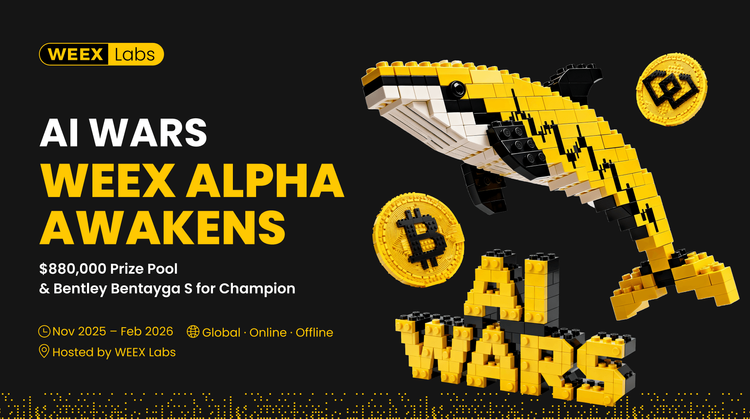
Únete a AI Wars: WEEX Alpha Awakens!Llamada Global para Alfas de Comercio de IA
Guerras de IA: WEEX Alpha Awakens es un hackathon global de trading de IA en Dubai, que llama a equipos de quant, traders algorítmicos y desarrolladores de IA a desatar sus estrategias de cripto trading de IA en mercados en vivo por una parte de un fondo de premios de US$880,000.

Nuevo: Precio estimado de liquidación en App Candlestick Charts
WEEX ha introducido un nuevo Precio estimado de liquidación (Est. Liq. Price) función en el gráfico de candelabros para ayudar a los traders a gestionar mejor el riesgo e identificar rangos seguros para sus posiciones.

Palmer Luckey’s Erebor alcanza una valoración de $4.3 mil millones mientras los reguladores avanzan en la carta bancaria
Las aprobaciones preliminares de occ y fdic impulsan el desarrollo de un banco centrado en criptomonedas y ai.…
AI Trading Bots and Copy Trading: Cómo las estrategias sincronizadas remodelan la volatilidad del criptomercado
Los comerciantes minoristas de criptomonedas han enfrentado durante mucho tiempo los mismos desafíos: mala gestión de riesgos, entradas tardías, decisiones emocionales y ejecución inconsistente. Las herramientas de trading de IA prometían una solución. Hoy en día, los sistemas de copy trading y los bots de ruptura impulsados por IA ayudan a los traders a dimensionar posiciones, establecer stops y actuar más rápido que nunca. Más allá de la velocidad y precisión, estas herramientas están remodelando silenciosamente los mercados: los traders no solo operan de manera más inteligente, sino que se mueven en sincronización, creando una nueva dinámica que amplifica tanto el riesgo como la oportunidad.
El fondo soberano de Noruega respalda el plan de bitcoin de Metaplanet antes de la votación en la EGM
Puntos clave Norges Bank Investment Management (NBIM), uno de los mayores fondos soberanos del mundo, apoya la estrategia…
Bancos estadounidenses adoptan la transformación blockchain bajo nuevas regulaciones de criptomonedas
Key Takeaways Regulaciones en avance: La Oficina del Contralor de la Moneda (OCC) ha otorgado licencias a cinco…
Cómo los mercados de predicciones aumentan el riesgo de abuso de información privilegiada y crédito
Key Takeaways Los mercados de predicciones están transformando opiniones en productos financieros, pero traen consigo riesgos éticos y…
La UE podría consolidar regulaciones cripto mientras el FMI advierte sobre el riesgo de las monedas estables: Global Express
Key Takeaways El Fondo Monetario Internacional (FMI) y el banco central de Sudáfrica mantienen preocupaciones sobre los riesgos…
Monedas populares
Últimas noticias cripto


Atención al cliente:@weikecs
Cooperación comercial:@weikecs
Trading cuantitativo y MM:[email protected]
Servicios VIP:[email protected]
 App
App