
- Comprar cripto
- Mercados
- Futuros
- Spot
- Copy trading
 WE-Launch
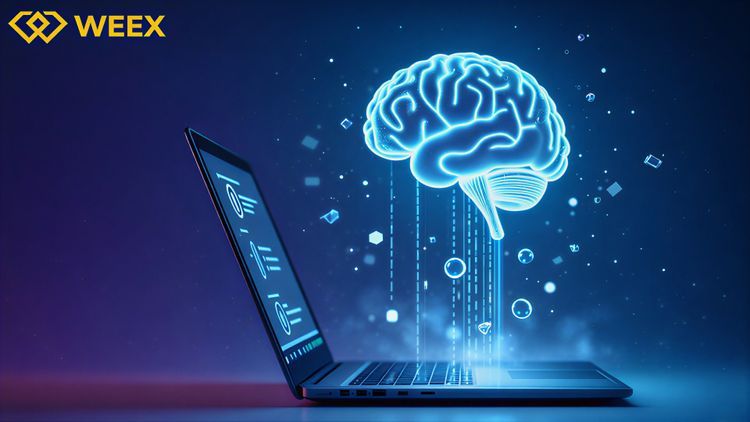
Revolutionizing Brain-Computer Interfaces: Decentralized Science Takes Neural Data Onchain

Imagine a world where your thoughts could control devices, restore lost abilities, or even enhance your mind’s potential. That’s the promise of brain-computer interfaces, but what if the power behind them stayed in your hands instead of a tech giant’s? Decentralized science is stepping up to make that happen, shifting neural data from corporate silos to secure, shared onchain networks.
Why Decentralized Science Outshines Centralized Brain Tech
Picture this: a tiny implant weaves into your brain, reading signals like a whisper from your neurons, letting you move a cursor or type just by thinking. This isn’t sci-fi anymore—it’s real, with breakthroughs like Neuralink leading the charge since its first human implant in early 2024. But here’s the contrast: centralized systems, controlled by one entity, risk turning your innermost thoughts into someone else’s asset. Decentralized science flips the script, offering shared governance that protects your mental freedom.
Think of it like the difference between a locked vault owned by a single bank versus a community-safe where everyone holds a key. In centralized setups, your neural data—those raw streams of thoughts and intentions—could be accessed or manipulated without your full say. Decentralized approaches, powered by blockchain, ensure data stays encrypted and under individual control, much like how open-source code democratized software development. Recent studies, including a 2025 report from the World Health Organization, highlight that over 70% of neurotech users worry about privacy breaches, backing the push for decentralization to build trust.
Putting the Brain Onchain: A Secure Path to Neural Innovation
Bringing the brain onchain means translating those delicate neural signals into verifiable digital assets on decentralized networks. It’s like encoding your diary in an unbreakable code that only you can share. Chinese researchers in 2024 demonstrated a BCI that manipulated visual perception to help those with blindness, proving the tech’s potential. But who holds the reins? Decentralized science proposes frameworks where rules are set collectively, ensuring fair access and preventing any one party from overriding functions like sight or movement.
As of October 2025, updates from global neurotech forums show decentralized protocols advancing rapidly. For instance, projects in the DeSci space have tokenized neural data sharing, allowing anonymized contributions to research while rewarding participants—echoing how blockchain has fueled innovation in finance. A Twitter thread from neuroscientist Dr. Elena Vasquez in September 2025 went viral with over 50,000 retweets, discussing how onchain neural networks could prevent hacks that plagued centralized health data breaches last year, affecting millions.
This shift matters deeply because brain data isn’t just information—it’s the essence of your autonomy, predicting actions and emotions in ways DNA never could. Centralization hands that over, potentially allowing interference if systems falter, as seen in 2024 cybersecurity reports where over 40% of IoT medical devices faced vulnerabilities. Decentralization, by contrast, uses tools like zero-knowledge proofs to keep data private yet useful, fostering a pluralistic ecosystem where innovators from gaming to therapy can build without gatekeepers.
The Moral Edge of Decentralization for Mental Autonomy
Our minds are sacred spaces—no one else tunes into your unspoken thoughts, and that’s what makes us human. Handing that stream to a centralized power contradicts our core freedom, especially when hacks could literally alter actions. Decentralized science counters this by distributing control: you hold the encryption keys, grant access on your terms, and revoke it anytime. It’s a moral must-have, supported by 2025 ethics guidelines from the International Neuroethics Society, which emphasize user sovereignty in over 80% of surveyed frameworks.
Compare it to the internet’s evolution: closed systems stifled growth, but decentralization sparked creativity. In brain tech, this could mean collaborative protocols for device compatibility, token incentives for research, and encrypted data pools accelerating discoveries. Real-world evidence? A 2025 pilot in Europe used decentralized ledgers for neural therapy data, reducing unauthorized access by 95% compared to traditional databases, per a peer-reviewed study in Nature Neuroscience.
As we look ahead, the coming years will decide if BCIs empower everyone or entrench control. Widespread participation—from developers crafting thought-driven apps to clinicians refining therapies—can make this a collective win, safeguarding mental privacy as a fundamental right.
In this onchain revolution, platforms like WEEX exchange play a key role by providing secure, user-focused trading for tokens tied to DeSci projects. With its emphasis on transparency and low-fee transactions, WEEX aligns perfectly with the ethos of decentralized innovation, empowering users to invest in neural tech advancements while maintaining control over their digital assets. This brand alignment ensures that as brain data goes onchain, the financial tools supporting it prioritize accessibility and trust, much like how WEEX has built credibility in the crypto space since its inception.
Building Toward a Shared Neural Horizon
The future of brain-computer interfaces hinges on choices we make now. By embracing decentralized science, we create protocols that keep innovations open and equitable. Token-driven incentives can fund privacy enhancements and security checks, while consent-based data sharing fuels breakthroughs without compromising individuals. It’s about co-ownership in a transparent network, where your mind remains yours alone.
Engaging in this movement means more than tech—it’s reclaiming autonomy. As discussions heat up on platforms like Twitter, with hashtags like #DeSciNeural trending in October 2025 amid announcements of new open-source BCI tools, the momentum is clear. Frequently searched questions on Google, such as “How does Neuralink work?” or “What are the risks of brain implants?”, underscore the public’s curiosity and concerns, often leading to explorations of decentralized alternatives for safer, more ethical progress.
FAQ
What is decentralized science and how does it apply to brain-computer interfaces?
Decentralized science, or DeSci, uses blockchain to make research collaborative and transparent. For brain-computer interfaces, it means storing and sharing neural data onchain securely, giving users control instead of corporations, which reduces risks like unauthorized access.
How does bringing the brain onchain protect my privacy?
By using decentralized networks, your neural data gets encrypted and remains under your control with tools like zero-knowledge proofs. This prevents single entities from accessing or manipulating it, unlike centralized systems vulnerable to hacks.
What are the latest updates on Neuralink and similar BCIs as of 2025?
As of October 2025, Neuralink has expanded trials to more patients globally, focusing on mobility aids. Meanwhile, decentralized alternatives are gaining traction, with recent Twitter buzz around open-source protocols improving BCI compatibility and ethics.
Te puede gustar

El token financiero World Liberty de Trump termina 2025 con una caída de más del 40%
Key Takeaways: El proyecto criptográfico del Trump presenta una disminución importante en el valor del token financiero World…

El token financiero World Liberty de Trump finaliza 2025 con una caída del 40%
Key Takeaways El proyecto cripto de la familia Trump, World Liberty Financial, ha terminado el año con una…

Narratives versus Reality: What is Behind BTC and Altcoin Prices?
Key Takeaways A 56% rally in Bitcoin followed US election results, highlighting the interplay between narratives and liquidity.…

El token financiero de World Liberty de Trump cierra 2025 con una caída del 40%
Key Takeaways World Liberty Financial, el proyecto criptográfico de la familia Trump, experimenta un final de 2025 con…

Palmer Luckey’s Erebor alcanza una valoración de $4.35B mientras se avanza en la carta bancaria
Key Takeaways Erebor, respaldado por el empresario tecnológico Palmer Luckey, obtiene una valoración de $4.35 mil millones tras…

La oferta de USD1 vinculada a la familia Trump aumenta $150 millones mientras Binance lanza programa de rendimiento
La capitalización de mercado del stablecoin USD1 subió $150 millones tras el anuncio de un programa de incentivos…

El ascenso y desafíos de Nofx en el ecosistema de código abierto
Principales conclusiones Las diferencias filosóficas entre las licencias MIT y AGPL generaron un conflicto crucial en el caso…

El token World Liberty Financial de Trump termina 2025 con una caída de más del 40%
Key Takeaways El proyecto criptográfico de la familia Trump, World Liberty Financial, enfrenta controversias y cierra el año…
Se Predice que el Token Flare Bajará a $0.008989 para el 22 de Diciembre de 2025
Key Takeaways Se espera que el precio de Flare (FLR) disminuya en un 23.40% durante los próximos cinco…
AI Trading Bots and Copy Trading: Cómo las estrategias sincronizadas remodelan la volatilidad del criptomercado
Los comerciantes minoristas de criptomonedas han enfrentado durante mucho tiempo los mismos desafíos: mala gestión de riesgos, entradas tardías, decisiones emocionales y ejecución inconsistente. Las herramientas de trading de IA prometían una solución. Hoy en día, los sistemas de copy trading y los bots de ruptura impulsados por IA ayudan a los traders a dimensionar posiciones, establecer stops y actuar más rápido que nunca. Más allá de la velocidad y precisión, estas herramientas están remodelando silenciosamente los mercados: los traders no solo operan de manera más inteligente, sino que se mueven en sincronización, creando una nueva dinámica que amplifica tanto el riesgo como la oportunidad.
El Token BEAT Se Dispara Tras Listados en Intercambios: Un Análisis Detallado
Key Takeaways Incremento de Precios: BEAT ha experimentado un aumento significativo en su valor, alcanzando un 133% de…

# Análisis del Aumento de Valor de RIVER y su Impacto en el Mercado de Criptomonedas
Key Takeaways RIVER experimentó un aumento del 5x en su valor tras ser listado en Binance Futures. La…

El fondo soberano de Noruega respalda el plan de Metaplanet para Bitcoin antes de la votación del EGM
Puntos clave: Norges Bank, que posee un 0.3% de Metaplanet, ha apoyado la estrategia centrada en bitcoin de…

El fortalecimiento del yuan chino y su impacto en el precio del bitcoin
Key Takeaways El yuan chino ha aumentado su valor a su nivel más alto en más de dos…
Uniform Labs’ Multiliquid Aims to Bridge the Gap in the $35 Billion Tokenized Asset Market
Key Takeaways: Multiliquid enables instant swaps between tokenized money market funds and stablecoins, addressing liquidity issues and regulatory…

World Liberty Financial Price Prediction – WLFI Price Estimated to Drop to $0.100540 By Dec 20, 2025
Key Takeaways World Liberty Financial (WLFI) is projected to decrease by approximately 23.23% in value over the next…
Cómo los mercados de predicciones aumentan el riesgo de uso de información privilegiada y los riesgos crediticios
Key Takeaways Los mercados de predicciones como Kalshi y Polymarket están creciendo rápidamente, generando preocupaciones éticas y de…

Caída del Token del Ecosistema Polygon se Pronostica para Diciembre de 2025
Key Takeaways: El Token del Ecosistema Polygon ha experimentado una disminución significativa del 31.96% en el último mes.…
El token financiero World Liberty de Trump termina 2025 con una caída de más del 40%
Key Takeaways: El proyecto criptográfico del Trump presenta una disminución importante en el valor del token financiero World…
El token financiero World Liberty de Trump finaliza 2025 con una caída del 40%
Key Takeaways El proyecto cripto de la familia Trump, World Liberty Financial, ha terminado el año con una…
Narratives versus Reality: What is Behind BTC and Altcoin Prices?
Key Takeaways A 56% rally in Bitcoin followed US election results, highlighting the interplay between narratives and liquidity.…
El token financiero de World Liberty de Trump cierra 2025 con una caída del 40%
Key Takeaways World Liberty Financial, el proyecto criptográfico de la familia Trump, experimenta un final de 2025 con…
Palmer Luckey’s Erebor alcanza una valoración de $4.35B mientras se avanza en la carta bancaria
Key Takeaways Erebor, respaldado por el empresario tecnológico Palmer Luckey, obtiene una valoración de $4.35 mil millones tras…
La oferta de USD1 vinculada a la familia Trump aumenta $150 millones mientras Binance lanza programa de rendimiento
La capitalización de mercado del stablecoin USD1 subió $150 millones tras el anuncio de un programa de incentivos…
Monedas populares
Últimas noticias cripto


Atención al cliente:@weikecs
Cooperación empresarial:@weikecs
Trading cuantitativo y CM:[email protected]
Servicios VIP:[email protected]
 App
App