
- Comprar cripto
- Mercados
- Futuros
- Spot
- Copy trading
 Earn
Earn- Más
Anaxi Labs and Carnegie Mellon University CyLab have launched a groundbreaking proof system, paving the way for scalable and secure real-world applications

Anaxi Labs has partnered with Carnegie Mellon University's Network Security and Privacy Institute CyLab to announce the launch of a groundbreaking cryptographic compiler framework that tackles a longstanding industry challenge — building scalable zero-knowledge applications has traditionally required trade-offs at a fundamental level. Previously, the three characteristics of scalability, cryptographic security, and decentralization were deemed impossible to achieve simultaneously, which was also a barrier to widespread adoption — until now.
A Cryptographic Breakthrough Without Trade-Offs
Blockchains like Ethereum have been hailed as the future of decentralized infrastructure, with zero-knowledge (ZK) technology expected to elevate Ethereum's security and scalability to over 120 transactions per second. However, reality has been quite different. Developing zero-knowledge proofs is both complex and time-consuming, requiring dozens of developers to invest thousands of hours. To optimize proof generation speed, manual protocol design is often necessary, and manual coding and tens of thousands of lines of code bring significant security risks. This complexity has made creating security-sensitive decentralized applications challenging and has turned auditing and compliance into nightmares — all of which have hindered the widespread adoption of this technology in regulated industries such as finance, healthcare, and artificial intelligence.
Carnegie Mellon University's research team is collaborating with Anaxi Labs to overcome this challenge
In a recent paper published by Carnegie Mellon University, a revolutionary approach has been proposed to automatically compile high-level software into a simpler form required by the underlying proof system (low-level representation). This fully automated, reproducible, and auditable process eliminates manual work, significantly improves performance, and ensures process security at the cryptographic level. This achievement involves analyzing high-level programs, breaking them down into small, indivisible units, and then creating low-level representations from each unit, which can easily be input into various proof systems.
Carnegie Mellon University's Department of Electrical and Computer Engineering Assistant Professor Riad Wahby stated: "Breaking computation down into very specific blocks in an automated way, rather than through a CPU, is a new approach, and this is the first time anyone has attempted this compiler approach that avoids a full program representation. We are very excited about this."
Empowering the Next Generation of Decentralized Applications
This research, along with the framework built by Anaxi Labs based on the research, will fundamentally change the industry landscape of Web3 and beyond. In the traditional and regulated financial sector, maintaining auditability while improving performance enables real-time settlement of interbank transfers (such as instant USD payments). In the healthcare sector, amidst challenges faced by 23andMe, the secure and privacy-preserving encryption tools supported by Anaxi Labs' product can now address critical issues by ensuring individuals' rightful ownership of their DNA, while supporting valuable research. In the enterprise AI and critical infrastructure sector, decentralized solutions requiring high availability and near-zero latency (such as rapid fine-tuning and inferencing across multiple data and compute resources) have also become a reality.
Most recently, products based on this research have provided the most effective solutions for Web3 enterprises grappling with scalability, security, and decentralization trade-offs, offering new design paradigms for rollups and interoperability products.
Kate Shen, Co-founder of Anaxi Labs, stated: "This research, along with the products we are building that integrate the findings of this research, will have a profound impact on many key industry applications today that require auditable solutions to address scaling bottlenecks, such as ZK and EVM, ultimately bringing us closer to realizing the vision of a cryptographically secure, real-time settlement-capable decentralized consensus."
Shen added: "We also appreciate the cross-language capability of this research, meaning various projects can benefit without modifying their code. This allows us to build an open, collaborative framework rather than adopting today's increasingly static, monolithic approach. This enables all developers to automatically select and combine the advantages of the latest proofing systems, such as lookups, co-processors, and hardware acceleration, maximizing the performance gains of each computational approach."
Anaxi Labs and CyLab: A Game-Changing Collaboration
CyLab at Carnegie Mellon University has been a hub of cutting-edge blockchain development (including zero-knowledge technologies). CyLab's renowned professor researchers include Bryan Parno, a significant contributor to the history of zero-knowledge technology development, whose lab has produced widely cited Nova paper series; and Assistant Professor Riad Wahby, whose research achievements have led to the realization of new cryptographic technologies aligning with the Ethereum Foundation's vision (recently also with the pioneering Jolt zkVM implementation by Andreessen Horowitz's a16z crypto).
The research findings of this compiler framework stem from a collaborative partnership established through the CMU Security and Blockchain Initiative, between Anaxi Labs and CyLab. This collaboration has enabled Carnegie Mellon University scholars to work with Anaxi Labs, gaining insights from their blockchain research commercial deployments in Web3 and Web 2.0 applications. It has allowed them to find business solutions to existing major issues in blockchain, bridging the gap between the known advantages of blockchain technology and large-scale applications. It has also provided a launching pad for Carnegie Mellon University students to embark on careers in the Web3 field.
CyLab's Director of Strategic Partnerships, Michael Lisanti, stated, "The collaboration between Anaxi Labs and CyLab has enhanced the ability of Carnegie Mellon University researchers to work on projects with direct real-world applications, ensuring that their work is practically relevant and potentially impactful."
For more information about Anaxi Labs, please visit the official website.
For more on the latest work by Anaxi Labs and CyLab, please visit here.
For more information on the collaboration between CyLab and Anaxi Labs, please visit here.
About Anaxi Labs
Anaxi Labs is a novel research and development laboratory that bridges the gap between cutting-edge academic theory and large-scale applications. We are committed to conducting original frontier research, building enterprise-grade, secure, and scalable decentralized infrastructures, and advancing the development of cryptography-driven next-generation decentralized applications.
We collaborate with world-class cryptography researchers and top-notch engineers who have successfully built and operated renowned products at the scale of hundreds of millions of users, providing robust technical support for our projects with their expertise and experience. We are an industry partner of top-tier cryptographic academic institutions like Carnegie Mellon University. We are collectively dedicated to transforming the future of the internet by unlocking the potential of science for humanity, society, and the planet.
About CyLab
CyLab at Carnegie Mellon University is the university-wide security and privacy research institute. We bring together experts from across the university, spanning engineering, computer science, public policy, information systems, business, financial information risk management, humanities, and social sciences. Our mission is to catalyze, support, promote, and enhance collaborative research and education in security and privacy across departmental, disciplinary, and geographic boundaries to have a meaningful impact on research, education, public policy, and practice.
This article is contributed content and does not represent the views of BlockBeats
También te puede interesar
Perspectivas de los participantes de la ronda preliminar: Matriz AOT: Análisis del cerebro izquierdo, Decisiones del cerebro derecho en trade de IA
En el Hackathon de tradear de IA de WEEX, AOT Matrix eligió un camino más cauteloso en el diseño del sistema, uno que en realidad es más difícil de llevar a cabo en un entorno de tradear en tiempo en tiempo real. Desde el principio, tomaron decisiones claras sobre qué papel debe y no debe desempeñar la IA en el sistema de tradear. Entrevistamos a AOT Matrix sobre su lógica de toma de decisiones, las múltiples iteraciones de la arquitectura de su sistema, y cómo es implementarla bajo el entorno real de tradear y las restricciones de ingeniería de WEEX.

Por qué los token de IA están aumentando más rápido que el mercado más amplio de las criptomonedas
Los token de IA están teniendo un rendimiento superior, y no silenciosamente. Bitcoin se está moviendo. Ethereum se mantiene firme. Sin embargo, algunas de las ganancias relativas más fuertes provienen de token etiquetados con IA, no mayores, no memes. A primera vista, esto se siente intuitivo. La IA es tecnología real. Está dando forma a sectores mucho más allá de las criptomonedas. Pero los mercados rara vez se mueven solo con la intuición, especialmente no tan rápido. Cuando los precios aceleran antes de la adopción, la pregunta más útil no es “¿Es importante la IA?”. Es qué versión de la historia de IA está comprando el mercado en este momento.

Actualización del mercado — 7 de enero
Bitmine ha stake otros 28.000 Ethereum, por un valor aproximado de 91,16 millones de dólares.

Dejando atrás los caóticos primeros días, los market maker de criptomonedas están celebrando su mayoría de edad
La lucha a vida o muerte para los market maker de cripto es como una evolución de especies en condiciones extremas.
Por qué los bot de trading de IA se están volviendo esenciales en los mercados de cripto 24/7
Los mercados criptomonedas operan continuamente y se mueven más rápido de lo que la atención humana puede sostener de manera confiable. Los precios reaccionan instantáneamente ante eventos globales, cambia la liquidez entre regiones y a menudo existen oportunidades trade durante minutos en lugar de horas. Para muchos trade, el desafío principal en long no es generar ideas, sino ejecutar las decisiones de manera consistente sin supervisión constante ni interferencia emocional. Aquí es donde se están adoptando cada vez más bots de trading de IA, no como garantías de ganancias, sino como herramientas diseñadas para traducir estrategias predefinidas en una ejecución confiable y repetible.
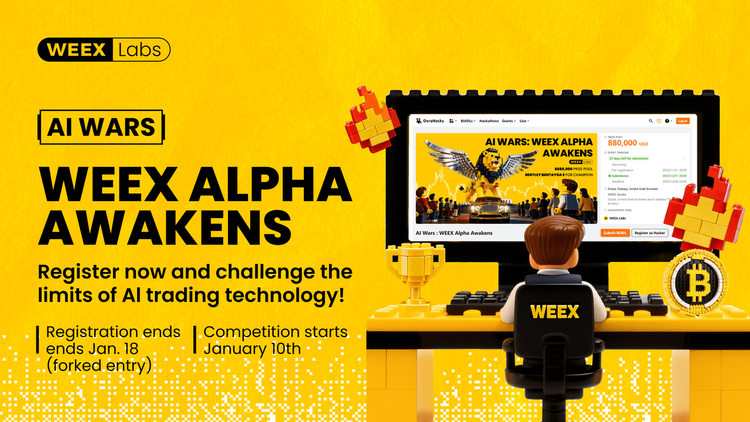
Competencia de trading cripto de IA: Guía completa para conocer el despertar Alfa de WEEX
La integración de la inteligencia artificial al tradear criptomonedas ha evolucionado de un experimento novedoso a una utilidad central. En 2026, las herramientas impulsadas por IA se han convertido en indispensables para trades que buscan una disciplina mejorada, una velocidad de ejecución superior y una toma de decisiones estructurada y basada en datos en medio de volatilidad del mercado. Esta guía proporciona un desglose práctico, paso a paso, de cómo participar en Alpha Awakens de WEEX, con un examen centrado de cómo se implementan estas estrategias dentro de los entornos tradeando en tiempo real.

Las líneas K de la vida no pueden curar la ansiedad, y los mercados de predicción no pueden calcular el final.
La vida real a menudo se desarrolla más allá de las líneas K.

Cómo ayuda la IA a los trade de cripto a analizar los mercados, gestionar los riesgos y trade de forma más inteligente
El tradear de criptomonedas en long no se trata solo de tener una buena idea, sino de ejecutarse de manera coherente en un mercado que nunca se detiene. A medida que aumentan los volúmenes de datos y la velocidad del mercado, el análisis manual tradicional alcanza sus límites. La IA ayuda a los trades a superar estos límites al transformar cómo se analizan los mercados, cómo se interpreta el sentimiento y cómo se controla el riesgo. Este artículo explora cómo la IA está remodelando el trade de criptomonedas, y qué significa eso para los trades actuales.

WEEX × LALIGA: Siete estrellas que representan un estándar de excelencia compartido
La verdadera excelencia en el fútbol nunca es accidental. Se basa en la disciplina, la coherencia y la capacidad de entregar bajo presión, temporada tras temporada. Los mismos principios se aplican al tradear profesionalmente, donde el rendimiento en long plazo importa más que el impulso en short en tiempo real. Como socio regional oficial de LALIGA, WEEX destaca a siete jugadores destacados que encarnan el espíritu competitivo y el atractivo global de la liga. Cada uno aporta un estilo único al terreno de juego, pero todos comparten valores que se alinean estrechamente con el que WEEX asigna a la estabilidad, precisión y ejecución profesional. Esta asociación se basa en estándares compartidos, donde la coherencia y el control definen el rendimiento bajo presión.

De Wuhan a Silicon Valley, Manus lo hizo en solo nueve meses.
Puedes llamarlo un “envoltorio”, pero llegó hasta Meta.

WEEX se asocia con LALIGA para ampliar el alcance global e integrar las criptomonedas en la cultura deportiva
Hong Kong, 1 de enero de 2026. WEEX estableció una nueva asociación con LALIGA, como socio regional oficial de LALIGA en Taiwán y Hong Kong. El acuerdo incorpora a WEEX a la red de colaboradores regionales de LALIGA y abre la puerta a nuevas formas de involucrar bot aficionados como trades durante la temporada.

IA tradeando con cripto: Cómo aplican realmente los trades IA en mercados reales de criptomonedas
La inteligencia artificial ha ido más allá de la experimentación en mercados de criptomonedas. En 2025, las herramientas de tradear impulsadas por IA son cada vez más utilizadas por trades que desean una mejor disciplina, una ejecución más rápida y una toma de decisiones más estructurada en mercados volátiles. Esta guía explica cómo se utiliza realmente la IA para tradear cripto, paso a paso, centrándose en cómo se ejecutan estas estrategias en entornos tradeando reales.

Actualización del mercado — 31 de diciembre
Desde Corea del Sur y la OCDE acelerando la implementación de marcos de regulación y cumplimiento de las criptomonedas, hasta el desarrollo simultáneo de ETF de TAO, tecnologías de privacidad, minería y reservas Bitcoin, mientras los incidentes de seguridad y las pérdidas financieras siguen aumentando, el mercado de las criptomonedas ha entrado en una nueva fase en medio de múltiples desafíos de "regulación fuerte + evolución tecnológica + riesgos amplificados".
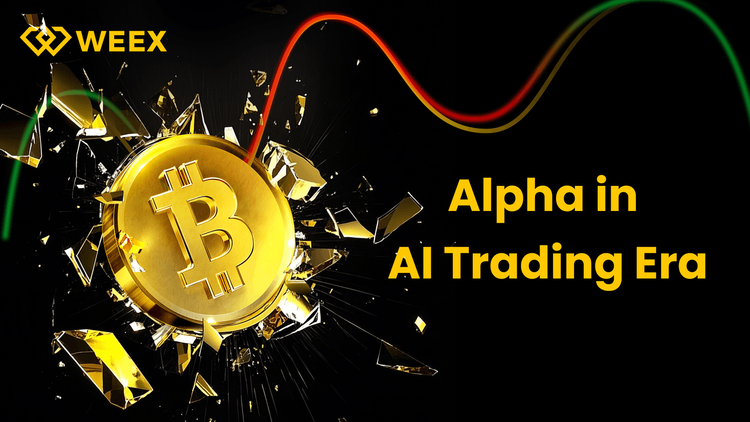
Cuando todo el mundo utiliza el tradear de IA, ¿adónde va la criptomoneda Alpha en 2026?
En 2025, el tradear de IA se ha convertido en el valor predeterminado, pero Alpha no ha desaparecido: se ha erosionado por la aglomeración, ya que datos, modelos y estrategias similares hacen que los trade actúen en sincronía y pierdan su ventaja.
Real Alpha ha cambiado a capas más difíciles de copiar, como los datos de comportamiento y on-chain, la calidad de ejecución, la gestión de riesgos y el juicio humano en mercados extremos, donde actuar de manera diferente (o no actuar en absoluto) importa más que mejores predicciones.

Actualización del mercado — 30 de diciembre
Brevis abre el airdrop tracking; Trend Research añade más de 46.000 ETH en un solo día.
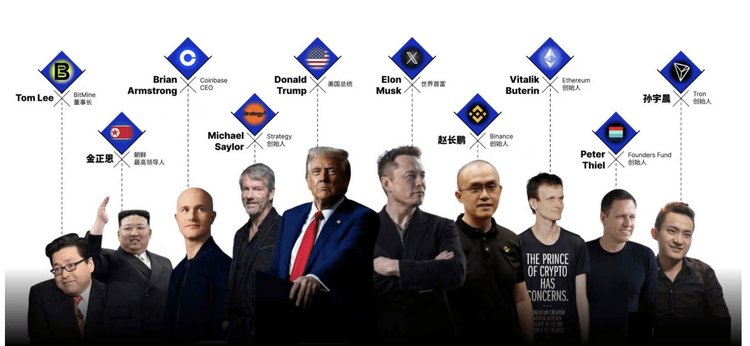
Diez personas redefiniendo los límites de potencia de las criptomonedas en 2025
De Wall Street a la Casa Blanca, de Silicon Valley a Shenzhen, está tomando forma una nueva red eléctrica.

Incluso Satoshi Nakamoto tendría que rendir homenaje al Dios de la riqueza
El feng shui se ha convertido en la línea de defensa psicológica final.

WEEXPERIENCE Whales Night: AI Trading, Crypto Community & Crypto Market Insights
El 12 de diciembre de 2025, WEEX organizó WEEXPERIENCE Whales Night, un encuentro comunitario offline diseñado para reunir a los miembros de la comunidad criptomoneda local. El evento combinó el intercambio de contenido, juegos interactivos y presentaciones de proyectos para crear una experiencia offline relajada pero atractiva.
Perspectivas de los participantes de la ronda preliminar: Matriz AOT: Análisis del cerebro izquierdo, Decisiones del cerebro derecho en trade de IA
En el Hackathon de tradear de IA de WEEX, AOT Matrix eligió un camino más cauteloso en el diseño del sistema, uno que en realidad es más difícil de llevar a cabo en un entorno de tradear en tiempo en tiempo real. Desde el principio, tomaron decisiones claras sobre qué papel debe y no debe desempeñar la IA en el sistema de tradear. Entrevistamos a AOT Matrix sobre su lógica de toma de decisiones, las múltiples iteraciones de la arquitectura de su sistema, y cómo es implementarla bajo el entorno real de tradear y las restricciones de ingeniería de WEEX.
Por qué los token de IA están aumentando más rápido que el mercado más amplio de las criptomonedas
Los token de IA están teniendo un rendimiento superior, y no silenciosamente. Bitcoin se está moviendo. Ethereum se mantiene firme. Sin embargo, algunas de las ganancias relativas más fuertes provienen de token etiquetados con IA, no mayores, no memes. A primera vista, esto se siente intuitivo. La IA es tecnología real. Está dando forma a sectores mucho más allá de las criptomonedas. Pero los mercados rara vez se mueven solo con la intuición, especialmente no tan rápido. Cuando los precios aceleran antes de la adopción, la pregunta más útil no es “¿Es importante la IA?”. Es qué versión de la historia de IA está comprando el mercado en este momento.
Actualización del mercado — 7 de enero
Bitmine ha stake otros 28.000 Ethereum, por un valor aproximado de 91,16 millones de dólares.
Dejando atrás los caóticos primeros días, los market maker de criptomonedas están celebrando su mayoría de edad
La lucha a vida o muerte para los market maker de cripto es como una evolución de especies en condiciones extremas.
Por qué los bot de trading de IA se están volviendo esenciales en los mercados de cripto 24/7
Los mercados criptomonedas operan continuamente y se mueven más rápido de lo que la atención humana puede sostener de manera confiable. Los precios reaccionan instantáneamente ante eventos globales, cambia la liquidez entre regiones y a menudo existen oportunidades trade durante minutos en lugar de horas. Para muchos trade, el desafío principal en long no es generar ideas, sino ejecutar las decisiones de manera consistente sin supervisión constante ni interferencia emocional. Aquí es donde se están adoptando cada vez más bots de trading de IA, no como garantías de ganancias, sino como herramientas diseñadas para traducir estrategias predefinidas en una ejecución confiable y repetible.
Competencia de trading cripto de IA: Guía completa para conocer el despertar Alfa de WEEX
La integración de la inteligencia artificial al tradear criptomonedas ha evolucionado de un experimento novedoso a una utilidad central. En 2026, las herramientas impulsadas por IA se han convertido en indispensables para trades que buscan una disciplina mejorada, una velocidad de ejecución superior y una toma de decisiones estructurada y basada en datos en medio de volatilidad del mercado. Esta guía proporciona un desglose práctico, paso a paso, de cómo participar en Alpha Awakens de WEEX, con un examen centrado de cómo se implementan estas estrategias dentro de los entornos tradeando en tiempo real.


 App
App