
- Comprar cripto
- Mercados
- Futuros
- Spot
- Copy trading
 WE-Launch
CNBC Guest's Catchphrase Leads to $30 Trillion "Tariff Snafu," Becomes the Most Absurd 10 Minutes in Financial History

On April 7th, a piece of news stating that "Trump is Considering Suspending Tariffs on Some Countries for 90 Days" hit the financial markets like a bombshell. However, no one expected that this was once again a historic "fake news" story.
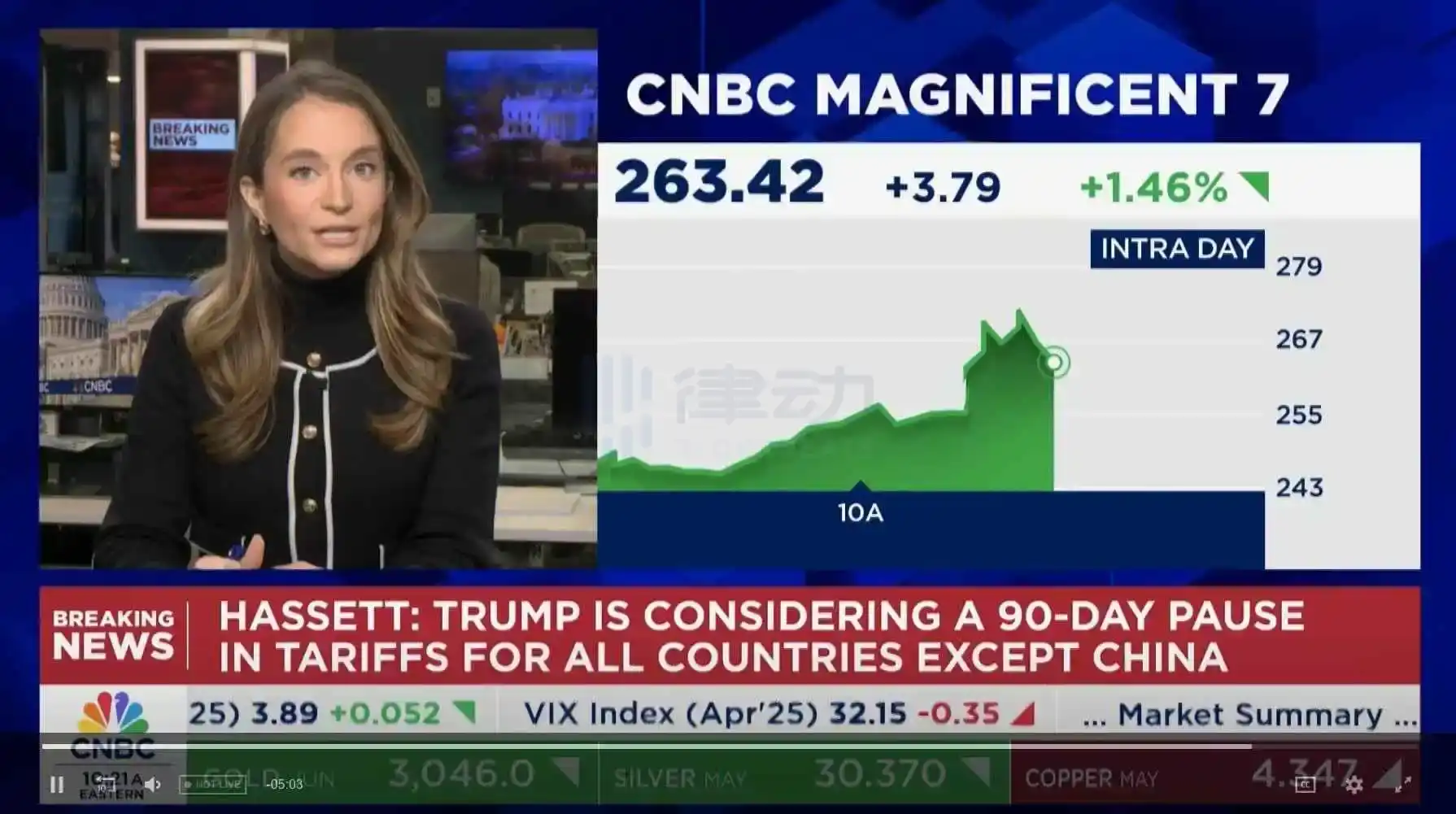
A Comedy of Errors Originating from a Simple "Yep"
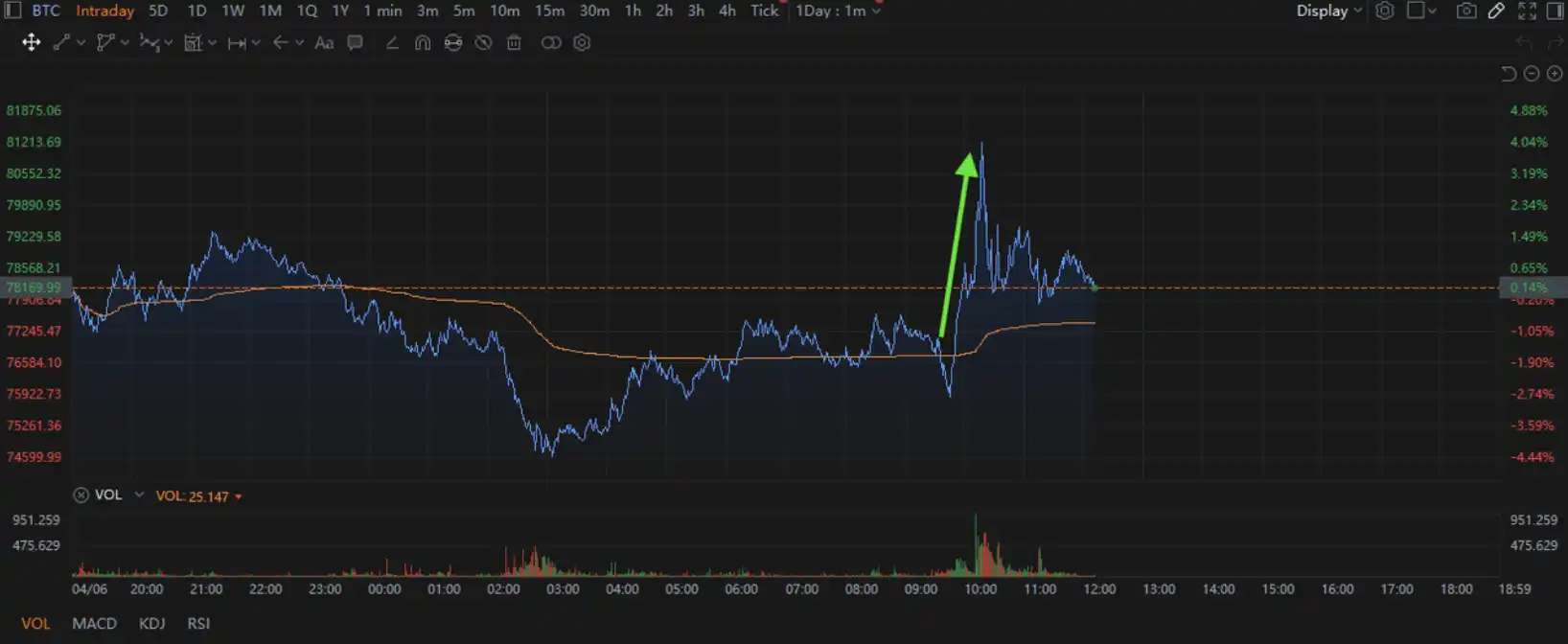
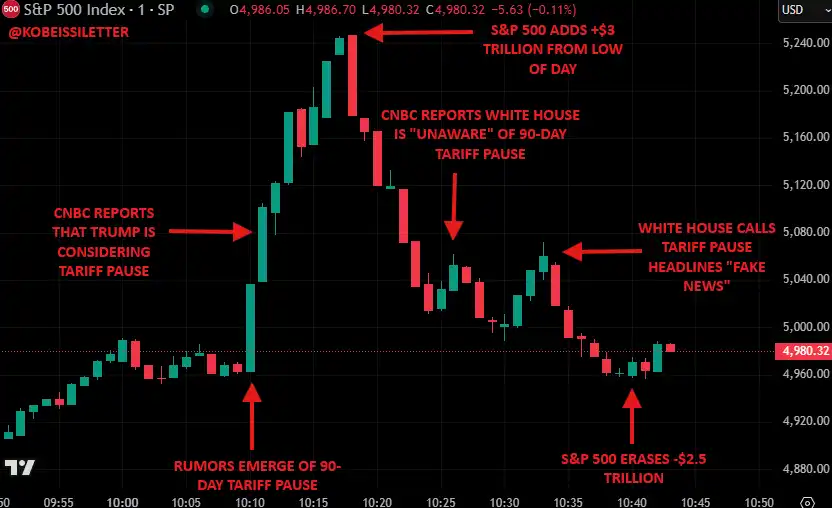
On April 7th, when the U.S. stock market was experiencing a three-day slump, chaos ensued. At 10:10 a.m. Eastern Time, a rumor suddenly surfaced: the White House was considering a "90-day tariff suspension." As soon as this news came out, the market instantly became restless. Just 5 minutes later, at 10:15 a.m., CNBC reported that Trump was considering a 90-day tariff suspension for all countries except China. This explosive news fired up investors. By 10:18 a.m., the S&P 500 index soared from its low point, adding over $3 trillion in market value. The market seemed to smell the long-lost bull market sentiment, and investors speculated that this was a signal of a policy shift by Trump. At the same time, Bitcoin surged from $76,000 to $81,000 in just 10 minutes. The market sentiment was overwhelmingly bullish, leading to over $129 million in short contracts being liquidated in just one hour.
However, the plot twist came swiftly. At 10:25 a.m., reports emerged that the White House was "completely unaware" of the "Trump considering 90-day tariff suspension" matter. Shortly after, at 10:26 a.m., CNBC admitted that their earlier headline about the 90-day tariff suspension was erroneous. By 10:34 a.m., the White House officially labeled this rumor as "fake news." The market's mood plummeted like a rollercoaster in free fall. At 10:40 a.m., just 22 minutes after the soaring highs, the S&P 500 index rapidly fell back, evaporating $2.5 trillion in market value from its peak. The fervor faded away, leaving investors bewildered.
The source of this comedy of errors points to Hassett. Earlier in the day, during an interview with Fox News, host Jimmy D posed a crucial question to him: "Will Trump consider suspending tariffs for 90 days?" Hassett responded with a simple "Yep," followed by, "I think the President will make his decision... Even if you think there would be some negative impacts on the trade side, it's a very small fraction of GDP." This casual "Yep" acted as the spark. Financial blog Zerohedge analyzed that the market seemed to have misunderstood this as Hassett agreeing, when in reality, he was just acknowledging that he heard the question and did not confirm any policy.
Never before in history has such a dramatic scene unfolded: in just 30 minutes, fake news caused a trillion-dollar wave, only to quickly return everything to its original state.
Who Pays for the Tariffs
Since taking office, Trump has raised the banner of "America First," wielding the tariff stick against major trade partners such as China and the EU, attempting to protect domestic industries and reduce trade deficits. But can this "protective umbrella" really withstand the storm? The reality may not be so simple.
As the U.S. stock market opened on Monday, the market was already in turmoil. Trump's previous high tariffs against major trade partners had plunged the S&P 500 Index (SPY) into its first bear market since the COVID-19 pandemic. According to real-time data, the S&P 500 Index (SPY) opened at $489.19 on that day, but plummeted to an intraday low of $483.122. However, when the "tariff suspension" rumors spread, at 10:15 a.m., SPY soared to $512.155, dramatically increasing in value. Nevertheless, as the clarification emerged, by 10:45 a.m., SPY fell back to $504.19, with investors watching trillions of wealth evaporate before their eyes.
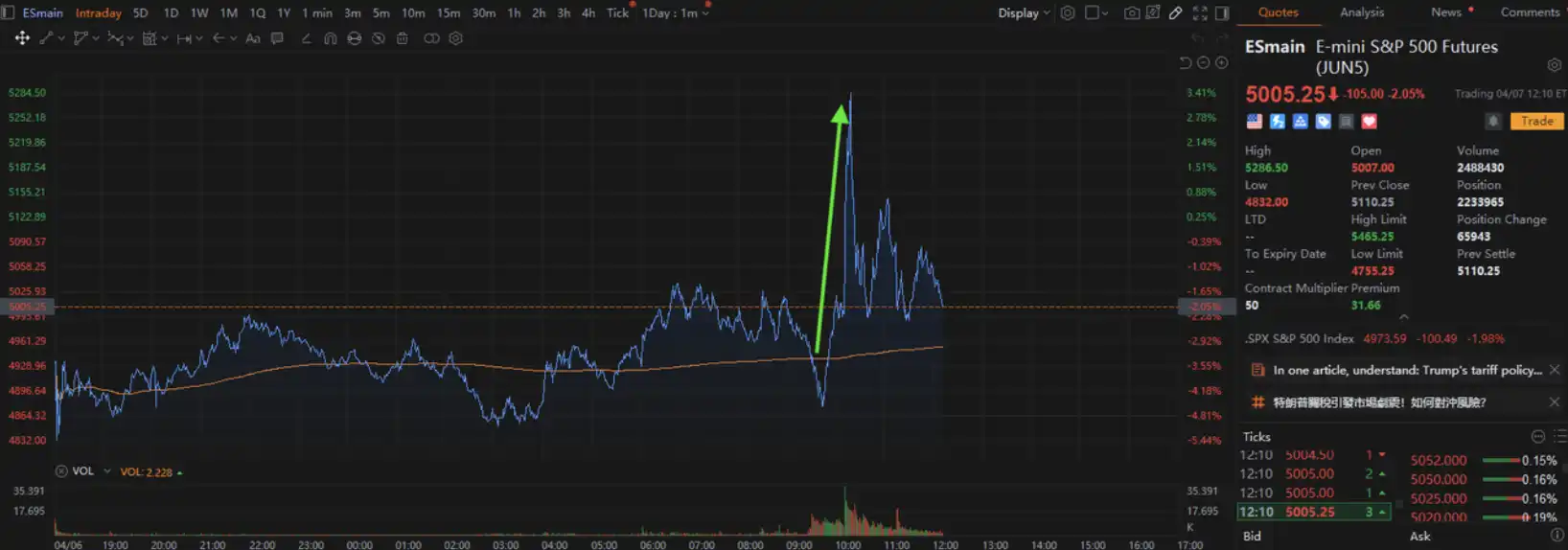
This blunder is not an isolated incident. Last week, after Trump announced the "most severe trade barrier of the century," the S&P 500 Index had already fallen by 20% from its historical high on February 19, with a market value evaporation of approximately $9.5 trillion. The speed of the decline ranks second among the 14 bear markets since 1945. The Wall Street panic index—the Chicago Board Options Exchange Volatility Index (VIX)—closed at 45 last Friday, then overnight on Monday surged to 60, far exceeding the long-term average of 20, indicating that market panic has reached its peak.
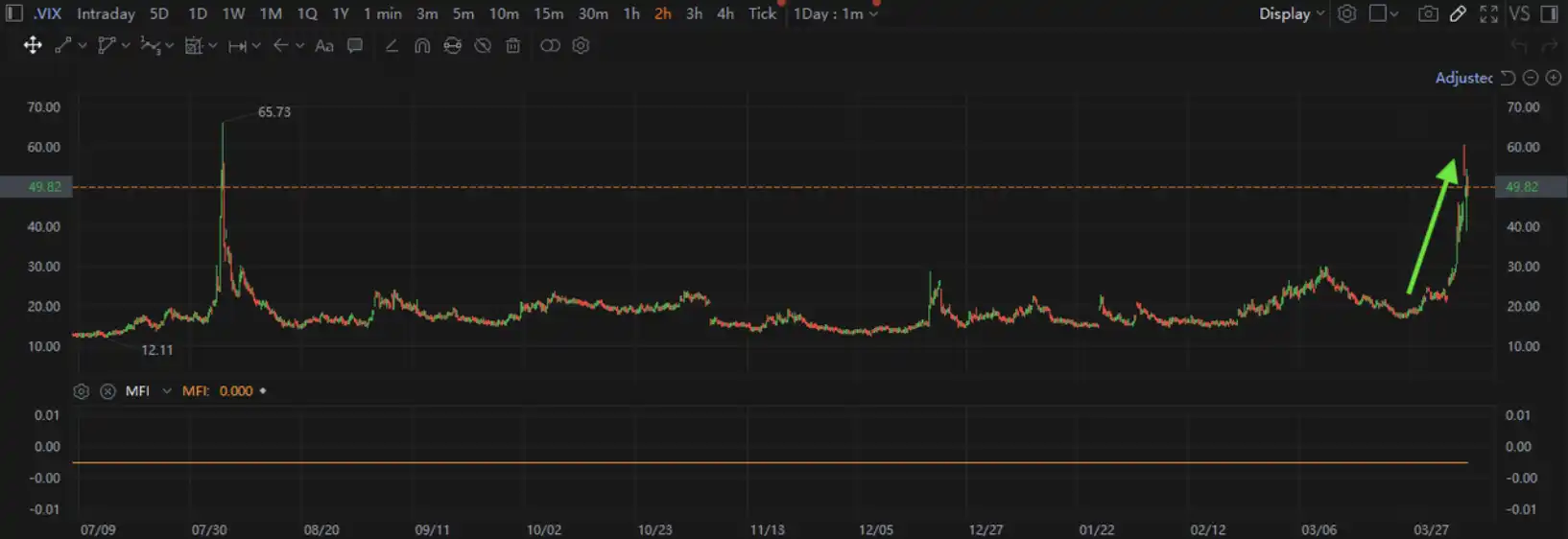
The real shadow has long been cast over the market. CFRA data shows that the S&P 500 Index plummeted 3.5% at the Monday opening, officially entering a bear market. Tech stocks were hit hard, with chip giant NVIDIA (NVDA) dropping 32% from its yearly high, Tesla (TSLA) falling by about 35%, Palantir (PLTR) experiencing an even more tragic drop, and other tech companies such as Super Micro Computer (SMCI), ON Semiconductor (ON), and Micron Technology (MU) all falling by over 37%. The travel industry is equally devastated, with stock prices of Delta Air Lines (DAL) and Norwegian Cruise Line Holdings (NCLH) plummeting over 40%.
While this fake news was a false alarm, it prompted people to reconsider the devastating impact of Trump's tariff policy. High tariffs have caused imported goods' costs to soar, with American consumers bearing the brunt. For example, a Chinese-made smartphone could see its price rise from $1000 to $1250 due to a 25% tariff. Businesses are also feeling the heat, with Tesla (TSLA) relying on a global supply chain; increased tariffs could raise production costs and put pressure on stock prices. Chip giants like NVIDIA (NVDA) are facing price hikes on imported components, squeezing profit margins.
At the international level, tariffs have triggered retaliatory actions. China and the EU might impose tariffs on American soybeans and aircraft, further hurting the export industry. Global supply chain disruptions, plummeting oil prices, and commodities prices have thrown the market into chaos. Doug Ramsey, Chief Investment Officer at Leuthold Group, warned, "This downturn could be the start of a new cyclical bear market."
Although this market turmoil sparked by a fake subtitle was short-lived, it acted as a mirror reflecting the far-reaching implications of tariff policies. While the White House's clarification dispelled the rumors, it did not soothe the market's unease. The future moves of Trump will require close attention.
También te puede interesar

WEEXPERIENCE Whales Night: AI Trading, Crypto Community & Crypto Market Insights
El 12 de diciembre de 2025, WEEX organizó WEEXPERIENCE Whales Night, un encuentro comunitario offline diseñado para reunir a los miembros de la comunidad criptomoneda local. El evento combinó el intercambio de contenido, juegos interactivos y presentaciones de proyectos para crear una experiencia offline relajada pero atractiva.
AI Trading Risk in Cryptocurrency: Why Better Crypto Trading Strategies Can Create Bigger Losses?
El riesgo en long no reside principalmente en una mala toma de decisiones o errores emocionales. Cada vez más en tiempo real en la estructura del mercado, las vías de ejecución y el comportamiento colectivo. Comprender este cambio es más importante que encontrar la próxima estrategia “mejor”.
AI Agents Are Replacing Crypto Research? How Autonomous AI Is Reshaping Crypto Trading
La IA está pasando de asistir trades a automatizar todo el proceso de investigación a ejecución en mercados de criptomonedas. La ventaja cambió de la perspectiva humana a los sistemas de flujos de datos, velocidad y listos para la ejecución, lo que hace que los retrasos en la integración de la IA sean una desventaja competitiva.
AI Trading Bots and Copy Trading: How Synchronized Strategies Reshape Crypto Market Volatility
Los trades minoristas de criptomonedas han enfrentado en long los mismos desafíos: mala gestión de riesgos, entradas tardías, decisiones emocionales y ejecución inconsistente. Las herramientas de tradear de IA prometían una solución. Hoy en día, los sistemas de copy trading potenciados por IA y bots de ruptura ayudan a los trades a dimensionar posiciones, establecer stops y actuar más rápido que nunca. Más allá de velocidad y precisión, estas herramientas están remodelando los mercados silenciosamente: los trades no solo tradean más inteligentemente, sino que se mueven en sincronización, creando una nueva dinámica que amplifica bot riesgo como oportunidad.
AI Trading in Crypto Explained: How Autonomous Trading Is Reshaping Crypto Markets and Crypto Exchanges
AI tradeando está transformando rápidamente el panorama cripto. Las estrategias tradicionales luchan por mantenerse al día con la volatilidad continua de las criptomonedas y su compleja estructura de mercado, mientras que la IA puede procesar datos masivos, generar estrategias adaptativas, gestionar el riesgo y ejecutar trades de forma autónoma. Este artículo guía a los usuarios de WEEX a través de qué es el AI tradear, por qué las criptomonedas acelerar su adopción, cómo evoluciona el sector hacia los agentes autónomos y por qué WEEX está construyendo el ecosistema de tradear de IA de la próxima generación.
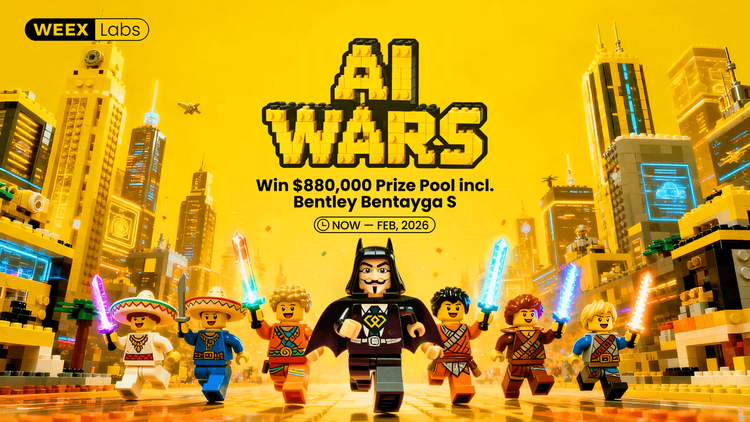
Call to Join AI Wars: WEEX Alpha Awakens — Global AI Trading Competition with $880,000 Prize Pool
Ahora, pedimos que trades de IA de todo el mundo se unan a las Guerras de IA: Alpha Awakens de WEEX, una Competencia de trading global de IA con un pool de premios de $880.000.
AI Trading in Crypto Markets: From Automated Trading Bots to Algorithmic Strategies
Tradear impulsado por IA está cambiando las criptomonedas de la especulación minorista a la competencia de nivel institución, donde la ejecución y la gestión de riesgos son más importantes que la dirección. A medida que la IA tradea, aumentan el riesgo sistémico y la presión regulatoria, lo que hace que el rendimiento en long plazo, los sistemas robustos y el cumplimiento sean los diferenciadores clave.
AI Sentiment Analysis and Cryptocurrency Volatility: What Moves Crypto Prices
El sentimiento de IA está influyendo cada vez más en los mercados de criptomonedas, con cambios en las expectativas relacionadas con la IA que se traducen en volatilidad para los principales activos digitales. Los mercados de criptomonedas tienden a amplificar las narrativas de IA, permitiendo que los flujos impulsados por el sentimiento superen a los fundamentales en short plazo. Comprender cómo se forma y spread el sentimiento de IA ayuda a los inversores a anticipar mejor los ciclos de riesgo y las oportunidades de posición en distintos activos digitales.
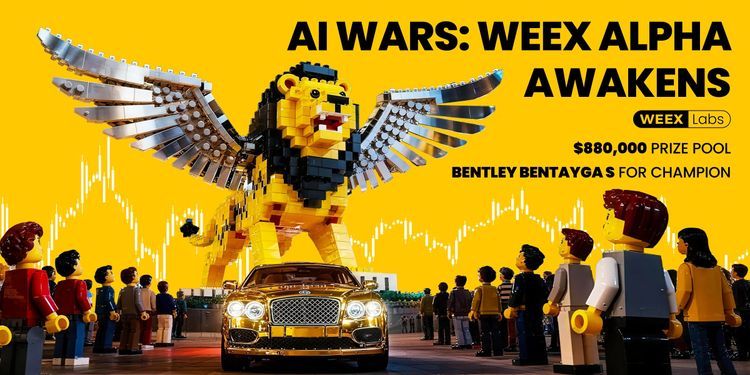
AI Wars: Guía del participante
En este enfrentamiento definitivo, los mejores desarrolladores, analistas cuantitativos y traders de todo el mundo darán rienda suelta a sus algoritmos desde batallas en el mercado real, compitiendo por uno de los pools de premios más exuberantes en la historia del trading de cripto con IA: 880.000 USD, lo que incluye un Bentley Bentayga S para el campeón. Esta guía te orientará por cada paso que debes dar desde el registro hasta el inicio oficial de la competencia.
Central Bank Week and Crypto Market Volatility: How Interest Rate Decisions Shape Trading Conditions on WEEX
Las decisiones sobre tasas de interés de los principales bancos centrales, como la Reserva Federal, son eventos macroeconómicos importantes que afectan a los mercados financieros mundiales, influyendo directamente en las expectativas de liquidez y el apetito de riesgo del mercado. A medida que el mercado criptomonedas continúa desarrollándose y su estructura tradeando y participantes maduran, el mercado cripto se está incorporando gradualmente al sistema de precios macroeconómicos.
WEEX API Testing: Official Guide for AI Trading Hackathon and Crypto Trading APIs
WEEX API Testing está diseñado para garantizar que cada participante pueda convertir la lógica tradeando en una ejecución real. Todas las interacciones de la API tienen lugar en el sistema tradeando en tiempo real de WEEX, lo que permite que los participantes trabajen en condiciones auténticas del mercado en lugar de simulaciones. Con un requisito de entrada bajo, bot desarrolladores experimentados como principiantes motivados pueden acceder a la tarea, sin dejar de validar las habilidades técnicas esenciales.
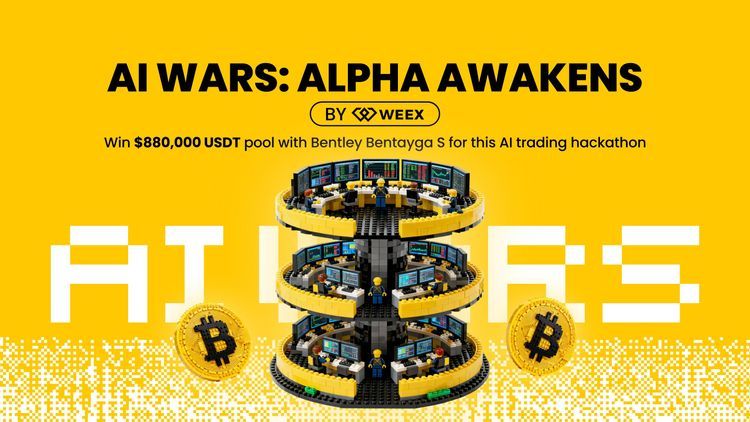
Why is WEEX Alpha Awakens the Best AI Trading Competition of 2025? Everything You Need to Know
Para acelerar los avances en la intersección de la IA y las criptomonedas, WEEX lanzar el primer Hackathon de tradear de IA global del mundo: AI Wars: Alpha Despierta. El evento presenta un innovador pool de premios que supera los $880.000, incluyendo un Bentley Bentayga S para el campeón final.
AI Wars: WEEX Alpha Awakens | WEEX Global Hackathon API Test Process Guide
Guerras de IA: El registro de WEEX Alpha Awakens ya está abierto. y esta guía describe cómo acceder a la prueba de API y completar el proceso con éxito.
What is WEEX Alpha Awakens and How to Participate? A Complete Guide
Para acelerar los avances en la intersección de la IA y las criptomonedas, WEEX lanzar el primer Hackathon de tradear de IA global del mundo: AI Wars: Alpha Despierta.
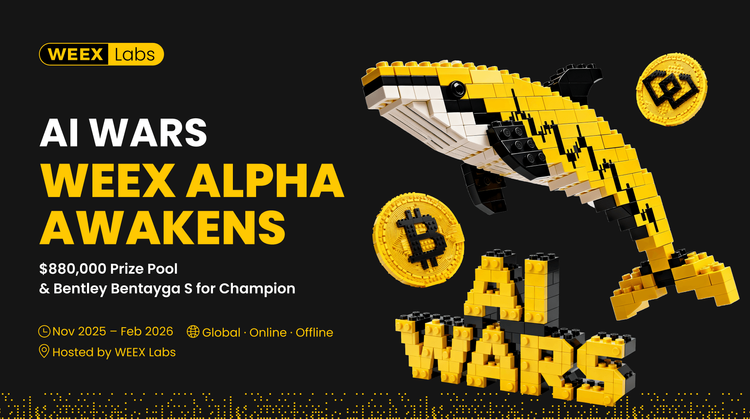
Join AI Wars: WEEX Alpha Awakens!Global Call for AI Trading Alphas
Guerras de IA: WEEX Alpha Awakens es un hackathon global de IA tradeando en Dubái, que llama a equipos cuánticos, trades algorítmicos y desarrolladores de IA para que den rienda suelta a sus estrategias de IA tradeando cripto en mercados en tiempo real por una parte de un pool de premios de US$880.000.
WEEX Unveils Trade to Earn: Up to 30% Instant Rebate + $2M WXT Buyback
WEEX se complace en anunciar el lanza de nuestro programa Tradea para Ganar, que te otorga automáticamente hasta un 30% tradeando cashbacks. Todas las recompensas se crédito directamente en tu cuenta spot en $WXT, con el respaldo de nuestro plan de comprar de $2.000.000 en WXT, que alimenta el valor de los token a en long plazo.

New: Estimated Liquidation Price on App Candlestick Charts
WEEX presentó un nuevo precio de liquidación estimado (Est. Liq. Price) función en el gráfico de velas para ayudar a los trades gestionar mejor el riesgo e identificar rangos seguros para sus posiciones.
WEEX AI Hackathon Guide: Find Your WEEX UID and Register
Desde ahora hasta febrero 2026, WEEX lanza AI Wars: Alpha Awakens de WEEX, el primer hackathon global de IA cripto tradeando. Accede a tu UID y registro para el Hackathon de tradear de IA global de WEEX.
WEEXPERIENCE Whales Night: AI Trading, Crypto Community & Crypto Market Insights
El 12 de diciembre de 2025, WEEX organizó WEEXPERIENCE Whales Night, un encuentro comunitario offline diseñado para reunir a los miembros de la comunidad criptomoneda local. El evento combinó el intercambio de contenido, juegos interactivos y presentaciones de proyectos para crear una experiencia offline relajada pero atractiva.
AI Trading Risk in Cryptocurrency: Why Better Crypto Trading Strategies Can Create Bigger Losses?
El riesgo en long no reside principalmente en una mala toma de decisiones o errores emocionales. Cada vez más en tiempo real en la estructura del mercado, las vías de ejecución y el comportamiento colectivo. Comprender este cambio es más importante que encontrar la próxima estrategia “mejor”.
AI Agents Are Replacing Crypto Research? How Autonomous AI Is Reshaping Crypto Trading
La IA está pasando de asistir trades a automatizar todo el proceso de investigación a ejecución en mercados de criptomonedas. La ventaja cambió de la perspectiva humana a los sistemas de flujos de datos, velocidad y listos para la ejecución, lo que hace que los retrasos en la integración de la IA sean una desventaja competitiva.
AI Trading Bots and Copy Trading: How Synchronized Strategies Reshape Crypto Market Volatility
Los trades minoristas de criptomonedas han enfrentado en long los mismos desafíos: mala gestión de riesgos, entradas tardías, decisiones emocionales y ejecución inconsistente. Las herramientas de tradear de IA prometían una solución. Hoy en día, los sistemas de copy trading potenciados por IA y bots de ruptura ayudan a los trades a dimensionar posiciones, establecer stops y actuar más rápido que nunca. Más allá de velocidad y precisión, estas herramientas están remodelando los mercados silenciosamente: los trades no solo tradean más inteligentemente, sino que se mueven en sincronización, creando una nueva dinámica que amplifica bot riesgo como oportunidad.
AI Trading in Crypto Explained: How Autonomous Trading Is Reshaping Crypto Markets and Crypto Exchanges
AI tradeando está transformando rápidamente el panorama cripto. Las estrategias tradicionales luchan por mantenerse al día con la volatilidad continua de las criptomonedas y su compleja estructura de mercado, mientras que la IA puede procesar datos masivos, generar estrategias adaptativas, gestionar el riesgo y ejecutar trades de forma autónoma. Este artículo guía a los usuarios de WEEX a través de qué es el AI tradear, por qué las criptomonedas acelerar su adopción, cómo evoluciona el sector hacia los agentes autónomos y por qué WEEX está construyendo el ecosistema de tradear de IA de la próxima generación.
Call to Join AI Wars: WEEX Alpha Awakens — Global AI Trading Competition with $880,000 Prize Pool
Ahora, pedimos que trades de IA de todo el mundo se unan a las Guerras de IA: Alpha Awakens de WEEX, una Competencia de trading global de IA con un pool de premios de $880.000.
Monedas populares
Últimas noticias sobre criptomonedas


Atención al cliente:@weikecs
Cooperación empresarial:@weikecs
Trading cuantitativo y MM:[email protected]
Programa VIP:[email protected]
 App
App