
- Comprar cripto
- Mercados
- Futuros
- Spot
- Copy trading
 WE-Launch
Crypto Safety in 2025: Proven Strategies to Shield Your Assets from Hacks and Scams

As we navigate deeper into 2025, the world of crypto continues to thrill with innovation, but it also brings heightened risks from hacks and scams that can wipe out fortunes in an instant. Imagine waking up to find your digital wallet emptied—not because of some high-tech breach, but a simple click on a deceptive link. Security reports reveal that over $3.8 billion has already been stolen in crypto incidents through the third quarter of 2025, surpassing last year’s totals and highlighting how everyday pitfalls like phishing and malicious approvals are claiming more victims than ever. The silver lining? You can fortify your defenses with straightforward habits that don’t require expert-level knowledge. Let’s dive into these essential practices, blending caution with smart routines to keep your crypto secure.
Drawing from the latest insights, it’s clear that while massive exploits grab headlines, most losses stem from avoidable errors. For instance, phishing attacks have surged by 45% this year, often masquerading as legitimate exchange alerts. By adopting habits like robust authentication and mindful transaction checks, you’re not just protecting funds—you’re building peace of mind in a volatile space.
Strengthening Your First Line of Defense: Upgrade to Phishing-Resistant 2FA
Picture your account logins as the front door to your crypto fortress. If you’re still using SMS-based codes, it’s like leaving that door unlocked in a neighborhood full of thieves. SIM-swap attacks, where hackers hijack your phone number to intercept codes, remain a top threat, with authorities recovering millions from such schemes annually. Instead, switch to phishing-resistant 2FA methods, such as hardware keys or app-based passkeys, which cybersecurity experts recommend for blocking clever phishing attempts that exploit human fatigue.
This upgrade is simple yet powerful—start with your email and wallet apps, ensuring unique, lengthy passwords complement the setup. Think of it as adding a deadbolt: it doesn’t eliminate all risks, but it makes unauthorized entry far tougher. Recent data shows that accounts with advanced 2FA suffer 80% fewer breaches, proving how this small change can safeguard your crypto journey.
Mastering Safe Signing: Guard Against Drainers and Risky Approvals
We’ve all felt that rush when approving a transaction, but one hasty signature can unravel everything. Wallet drainers, those sneaky programs that lure you into granting endless permissions, are behind a growing wave of thefts—up 50% in 2025 according to blockchain analytics. The key is to pause and scrutinize every request, watching for red flags like “setApprovalForAll” or unlimited approvals that allow repeated drains without further consent.
To stay ahead, treat new DApps like uncharted territory: use a secondary wallet for testing, and routinely revoke old permissions with reliable tools. It’s like cleaning out your closet—getting rid of clutter prevents hidden dangers from piling up. Users who practice this have reported slashing their exposure to scams by over 60%, turning potential disasters into minor hiccups.
In this landscape of crypto safety, platforms like WEEX stand out by prioritizing user protection with built-in features that align seamlessly with these habits. WEEX offers intuitive tools for secure signing and approval management, all wrapped in a user-friendly interface that emphasizes transparency and reliability. By choosing WEEX, you’re aligning with a brand committed to empowering traders through advanced security measures, making it easier to implement these strategies without the hassle.
Balancing Hot and Cold Wallets: Secure Your Savings Like a Pro
Envision your crypto holdings as cash in your pocket versus locked in a safe— that’s the essence of separating hot and cold wallets. Hot wallets are perfect for daily trades and app interactions, much like a debit card for quick spends. For the bulk of your assets, though, opt for cold storage solutions like hardware devices or multisig setups, keeping keys offline and away from online threats.
This approach has proven its worth: compromises of private keys accounted for nearly 45% of stolen funds last year, but cold wallet users see drastically lower risks. Jot down seed phrases on durable materials, test recoveries with tiny amounts, and consider extra layers like passphrases for that vault-like security. It’s a straightforward split that mirrors real-world banking, ensuring your long-term savings remain untouched by fleeting online dangers.
Maintaining Clean Devices and Browsers for Crypto Safety
Your device is the gateway to your crypto world, so keeping it pristine is non-negotiable. Regular updates seal off vulnerabilities that hackers exploit, much like patching holes in a boat before setting sail. Minimize browser extensions to avoid those that could be hijacked, and dedicate a clean profile solely for crypto activities to prevent data leaks from everyday browsing.
For hardware wallet owners, disabling blind signing adds another shield, revealing full transaction details to avoid tricks. Data from 2025 shows that malware-related losses dropped 35% among users with updated, minimal setups—proving that a tidy digital environment isn’t just tidy; it’s your best barrier against evolving scams.
Verifying Transfers: Double-Check to Dodge Costly Errors
Sending crypto to the wrong address is like mailing cash to a stranger—irretrievable and heartbreaking. Always verify the recipient’s details and network, starting with a small test send to confirm everything aligns. When dealing with tokens or NFTs, cross-reference contracts on trusted explorers to ensure legitimacy, steering clear of manual typing that invites errors.
This vigilance counters rising threats like dusting attacks, where tiny unsolicited transfers lure you into reusing compromised addresses. By building this habit, you’re essentially adding a safety net, with reports indicating it prevents up to 70% of transfer mishaps in 2025.
Building Defenses Against Social Engineering Scams
Scams often prey on trust rather than tech, weaving tales of romance or quick jobs that lead to fabricated trading schemes demanding more deposits. These pig-butchering tactics have exploded, with deposits surging over 200% year-over-year, but the patterns are predictable: fake profits followed by pleas for “fees.”
Stay sharp by recognizing that genuine support never asks for keys or directs you to dubious sites. Cutting contact at the first sign saves countless users, as evidenced by recovery stories where quick awareness turned the tide.
Preparing for Recovery: Turn Setbacks into Comebacks
Even cautious folks slip, but preparation transforms losses into lessons. Keep an offline list of trusted resources, like official reporting channels, ready for swift action. If a scam hits, move remaining funds, revoke approvals, and report with detailed evidence—hashes, addresses, and timestamps—to aid investigations.
This readiness has helped recover millions, underscoring that crypto safety is as much about resilience as prevention. As we head toward 2026, embracing these habits ensures your assets thrive amid the excitement.
On the buzzier side, Google searches in 2025 frequently probe “best crypto wallets for beginners” and “how to recover stolen crypto,” reflecting widespread concerns. Twitter discussions, amplified by posts from influencers like @CryptoSecureNow on October 10, 2025, highlight a new wave of AI-driven phishing alerts, with official announcements from blockchain firms emphasizing community-driven scam reporting tools. These updates reinforce the need for ongoing vigilance in this dynamic space.
FAQ: Addressing Your Top Crypto Safety Questions
What’s the most effective way to start improving my crypto security today?
Begin with upgrading to phishing-resistant 2FA on your key accounts—it’s a quick win that blocks many common attacks, as supported by 2025 cybersecurity data showing an 80% reduction in breaches.
How can I tell if a wallet approval is risky?
Look for unlimited permissions or unfamiliar terms in the request; always review carefully and use tools to revoke if in doubt, preventing drainers that have caused 50% more thefts this year.
What should I do if I suspect I’ve fallen for a scam?
Immediately transfer assets to a secure wallet, change credentials, and report to authorities with transaction details—prompt action has led to recoveries in numerous 2025 cases.
También te puede interesar
AI Trading Risk in Cryptocurrency: Why Better Crypto Trading Strategies Can Create Bigger Losses?
El riesgo en long no reside principalmente en una mala toma de decisiones o errores emocionales. Cada vez más en tiempo real en la estructura del mercado, las vías de ejecución y el comportamiento colectivo. Comprender este cambio es más importante que encontrar la próxima estrategia “mejor”.

AI Agents Are Replacing Crypto Research? How Autonomous AI Is Reshaping Crypto Trading
La IA está pasando de asistir trades a automatizar todo el proceso de investigación a ejecución en mercados de criptomonedas. La ventaja cambió de la perspectiva humana a los sistemas de flujos de datos, velocidad y listos para la ejecución, lo que hace que los retrasos en la integración de la IA sean una desventaja competitiva.

AI Trading Bots and Copy Trading: How Synchronized Strategies Reshape Crypto Market Volatility
Los trades minoristas de criptomonedas han enfrentado en long los mismos desafíos: mala gestión de riesgos, entradas tardías, decisiones emocionales y ejecución inconsistente. Las herramientas de tradear de IA prometían una solución. Hoy en día, los sistemas de copy trading potenciados por IA y bots de ruptura ayudan a los trades a dimensionar posiciones, establecer stops y actuar más rápido que nunca. Más allá de velocidad y precisión, estas herramientas están remodelando los mercados silenciosamente: los trades no solo tradean más inteligentemente, sino que se mueven en sincronización, creando una nueva dinámica que amplifica bot riesgo como oportunidad.

AI Trading in Crypto Explained: How Autonomous Trading Is Reshaping Crypto Markets and Crypto Exchanges
AI tradeando está transformando rápidamente el panorama cripto. Las estrategias tradicionales luchan por mantenerse al día con la volatilidad continua de las criptomonedas y su compleja estructura de mercado, mientras que la IA puede procesar datos masivos, generar estrategias adaptativas, gestionar el riesgo y ejecutar trades de forma autónoma. Este artículo guía a los usuarios de WEEX a través de qué es el AI tradear, por qué las criptomonedas acelerar su adopción, cómo evoluciona el sector hacia los agentes autónomos y por qué WEEX está construyendo el ecosistema de tradear de IA de la próxima generación.

AI Trading in Crypto Markets: From Automated Trading Bots to Algorithmic Strategies
Tradear impulsado por IA está cambiando las criptomonedas de la especulación minorista a la competencia de nivel institución, donde la ejecución y la gestión de riesgos son más importantes que la dirección. A medida que la IA tradea, aumentan el riesgo sistémico y la presión regulatoria, lo que hace que el rendimiento en long plazo, los sistemas robustos y el cumplimiento sean los diferenciadores clave.

AI Sentiment Analysis and Cryptocurrency Volatility: What Moves Crypto Prices
El sentimiento de IA está influyendo cada vez más en los mercados de criptomonedas, con cambios en las expectativas relacionadas con la IA que se traducen en volatilidad para los principales activos digitales. Los mercados de criptomonedas tienden a amplificar las narrativas de IA, permitiendo que los flujos impulsados por el sentimiento superen a los fundamentales en short plazo. Comprender cómo se forma y spread el sentimiento de IA ayuda a los inversores a anticipar mejor los ciclos de riesgo y las oportunidades de posición en distintos activos digitales.

Join AI Wars: WEEX Alpha Awakens!Global Call for AI Trading Alphas
Guerras de IA: WEEX Alpha Awakens es un hackathon global de IA tradeando en Dubái, que llama a equipos cuánticos, trades algorítmicos y desarrolladores de IA para que den rienda suelta a sus estrategias de IA tradeando cripto en mercados en tiempo real por una parte de un pool de premios de US$880.000.

New: Estimated Liquidation Price on App Candlestick Charts
WEEX presentó un nuevo precio de liquidación estimado (Est. Liq. Price) función en el gráfico de velas para ayudar a los trades gestionar mejor el riesgo e identificar rangos seguros para sus posiciones.

WEEX VIP Perks
Cada nivel VIP ofrece beneficios exclusivos cuidadosamente adaptados para respaldar tu éxito de trade, como límites más altos para retirar, comisiones reducidas y soporte premium.

How to Buy USDT and Other Stablecoins Through WEEX P2P
Este artículo describe por qué se usa ampliamente el P2P, qué hace diferente al P2P de WEEX y cómo ofrece un entorno seguro y confiable para los usuarios.

WEEX’s CCCC Lisbon 2025 Recap: Global Presence and the Road Toward AI-Driven Crypto Trading
WEEX concluyó con orgullo su experiencia en Crypto Content creador Campus (CCCC) 2025 como Patrocinador Platino, marcando una presencia significativa en uno de los encuentros más importantes del mundo para creadores, innovadores y líderes del sector cripto

WEEX at CCCC Lisbon 2025: Powering Crypto Content Creators and Igniting the AI Trading Era with Upcoming Hackathon
La participante de WEEX en CCCC Lisbon 2025, junto con sus próximas guerras de IA: El hackathon Alpha Awakens de WEEX marcará un paso clave en su expansión estratégica por Europa y más allá.

WEEX OTC lists 200+ trading pairs
La plataforma OTC de WEEX ahora admite más de 200 nuevos pares de trading, lo que te permite comprar cripto directamente con tu moneda local, de forma rápida, sencilla y segura.

WEEX en Taipei Blockchain Week 2025
Del 4 al 6 de septiembre de 2025, el corazón de la innovación en el sector de la Web3 latió fuerte y claro en el Parque Cultural y Creativo Songshan en Taipéi, Taiwán, donde WEEX participó con orgullo como Patrocinador Plata del evento Taipei Blockchain Week 2025.

Anticipo de WEEX en TOKEN2049: Siente la energía
Con el tema “Liquidez más profunda, ballenas más grandes”, WEEX está dando un paso al frente para mostrar su plataforma de trading de vanguardia, vincularse con las mentes más brillantes del sector y darle forma al futuro de las criptomonedas junto a TI.

WEEX organiza una fiesta cripto elite exclusiva en Turquía
Como uno de los exchanges globales de más rápido crecimiento, WEEX aprovechó esta oportunidad para fortalecer aún más la presencia de la marca en la región MENA, destacando su compromiso con el crecimiento orientado a la comunidad y el apoyo al ecosistema blockchain más amplio.

WEEX organiza celebración de verano en Moscú
WEEX organizó la Noche de verano insignia en Moscú, donde reunió a más de 100 asistentes, entre los cuales se incluyeron traders, desarrolladores, influencers y socios de la comunidad blockchain de la CEI.
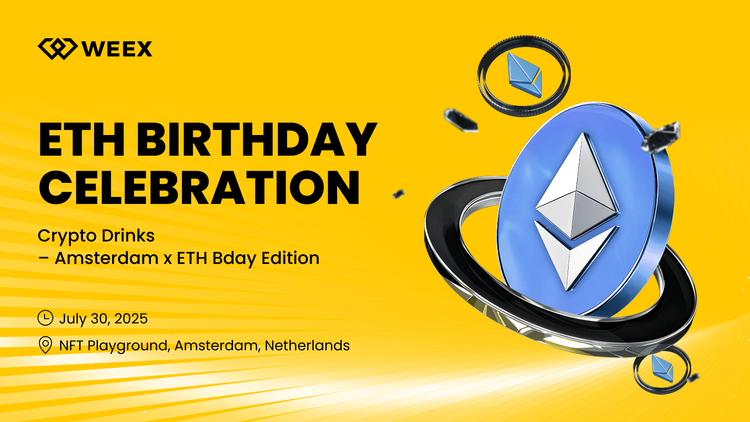
Celebración del cumpleaños de ETH y networking Web3 de WEEX
WEEX se unió a la cena Crypto Drinks: Amsterdam x ETH Birthday Edition, un dinámico evento paralelo que celebra el aniversario de Ethereum con la comunidad crypto (de las criptomonedas) europea.
AI Trading Risk in Cryptocurrency: Why Better Crypto Trading Strategies Can Create Bigger Losses?
El riesgo en long no reside principalmente en una mala toma de decisiones o errores emocionales. Cada vez más en tiempo real en la estructura del mercado, las vías de ejecución y el comportamiento colectivo. Comprender este cambio es más importante que encontrar la próxima estrategia “mejor”.
AI Agents Are Replacing Crypto Research? How Autonomous AI Is Reshaping Crypto Trading
La IA está pasando de asistir trades a automatizar todo el proceso de investigación a ejecución en mercados de criptomonedas. La ventaja cambió de la perspectiva humana a los sistemas de flujos de datos, velocidad y listos para la ejecución, lo que hace que los retrasos en la integración de la IA sean una desventaja competitiva.
AI Trading Bots and Copy Trading: How Synchronized Strategies Reshape Crypto Market Volatility
Los trades minoristas de criptomonedas han enfrentado en long los mismos desafíos: mala gestión de riesgos, entradas tardías, decisiones emocionales y ejecución inconsistente. Las herramientas de tradear de IA prometían una solución. Hoy en día, los sistemas de copy trading potenciados por IA y bots de ruptura ayudan a los trades a dimensionar posiciones, establecer stops y actuar más rápido que nunca. Más allá de velocidad y precisión, estas herramientas están remodelando los mercados silenciosamente: los trades no solo tradean más inteligentemente, sino que se mueven en sincronización, creando una nueva dinámica que amplifica bot riesgo como oportunidad.
AI Trading in Crypto Explained: How Autonomous Trading Is Reshaping Crypto Markets and Crypto Exchanges
AI tradeando está transformando rápidamente el panorama cripto. Las estrategias tradicionales luchan por mantenerse al día con la volatilidad continua de las criptomonedas y su compleja estructura de mercado, mientras que la IA puede procesar datos masivos, generar estrategias adaptativas, gestionar el riesgo y ejecutar trades de forma autónoma. Este artículo guía a los usuarios de WEEX a través de qué es el AI tradear, por qué las criptomonedas acelerar su adopción, cómo evoluciona el sector hacia los agentes autónomos y por qué WEEX está construyendo el ecosistema de tradear de IA de la próxima generación.
AI Trading in Crypto Markets: From Automated Trading Bots to Algorithmic Strategies
Tradear impulsado por IA está cambiando las criptomonedas de la especulación minorista a la competencia de nivel institución, donde la ejecución y la gestión de riesgos son más importantes que la dirección. A medida que la IA tradea, aumentan el riesgo sistémico y la presión regulatoria, lo que hace que el rendimiento en long plazo, los sistemas robustos y el cumplimiento sean los diferenciadores clave.
AI Sentiment Analysis and Cryptocurrency Volatility: What Moves Crypto Prices
El sentimiento de IA está influyendo cada vez más en los mercados de criptomonedas, con cambios en las expectativas relacionadas con la IA que se traducen en volatilidad para los principales activos digitales. Los mercados de criptomonedas tienden a amplificar las narrativas de IA, permitiendo que los flujos impulsados por el sentimiento superen a los fundamentales en short plazo. Comprender cómo se forma y spread el sentimiento de IA ayuda a los inversores a anticipar mejor los ciclos de riesgo y las oportunidades de posición en distintos activos digitales.
Monedas populares
Últimas noticias sobre criptomonedas


Atención al cliente:@weikecs
Cooperación empresarial:@weikecs
Trading cuantitativo y MM:[email protected]
Programa VIP:[email protected]
 App
App