
- Comprar cripto
- Mercados
- Futuros
- Spot
- Copy trading
 WE-Launch
History Repeating Itself: Grayscale Report Reveals New Safe Haven Logic Amid Tariff Storm

Original Article Title: Market Byte: Tariffs, Stagflation, and Bitcoin
Original Article Author: Zach Pandl
Original Article Translation: Asher, Odaily Planet Daily
Editor's Note: This article analyzes the recent impact of the United States' global tariff policy changes on the financial markets, particularly focusing on Bitcoin's unique performance during this process; discusses the long-term effects of tariffs on the economy, especially in stagflation periods and the asset allocation choices, as well as the performances of Bitcoin and gold in this environment; analyzes the current trade tensions' impact on the US dollar and potential adoption of Bitcoin, and finally provides an outlook on the economic prospects for the coming years, pointing out that scarce commodities like Bitcoin and gold may receive more attention and demand in a high inflation environment.
Since the announcement of the new global tariff policy by the United States on April 2, global asset prices have seen a significant decline, only gradually recovering until this morning's announcement of tariff suspension by Trump (excluding China). However, the initial tariff announcement nearly affected all assets, and during this time, looking at risk-adjusted benchmarks, Bitcoin's decline was relatively small. Therefore, if the Bitcoin-to-stock market return correlation is 1:1, the S&P 500's decline should have meant a 36% drop in Bitcoin price. However, in reality, Bitcoin only fell by 10%, highlighting that even during a deep market retreat, holding Bitcoin as part of a portfolio can still bring significant diversification benefits.
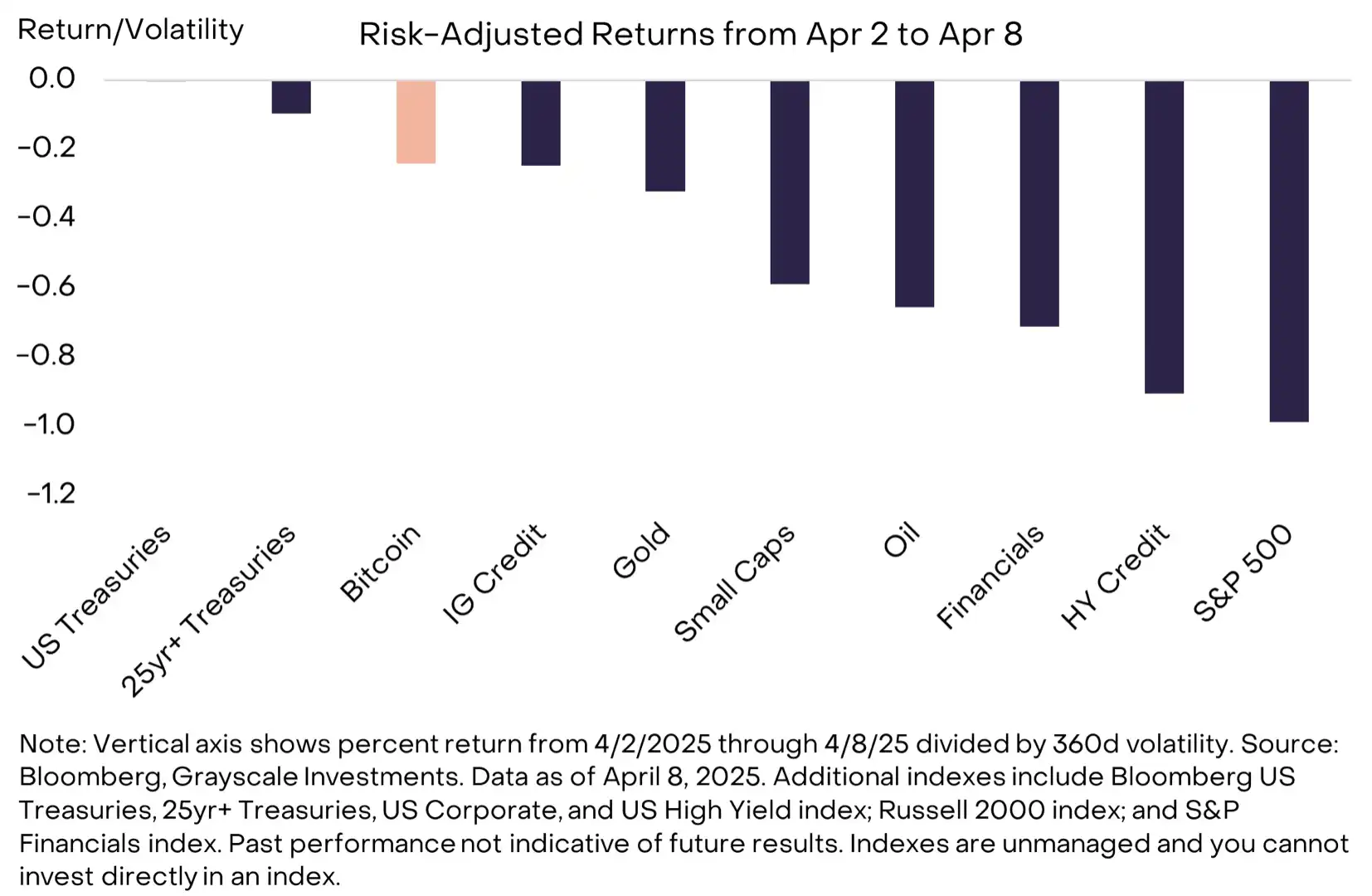
After risk adjustment, Bitcoin's price decline was relatively small
In the short term, the global market outlook may depend on the trade negotiations between the White House and other countries. While negotiations could lead to tariff reductions, setbacks in negotiations could also trigger more retaliatory actions. The actual volatility of traditional markets, both realized and implied, remains high and it is difficult to predict how trade conflicts will unfold in the coming weeks. Therefore, investors should cautiously adjust their positions in a high-risk market environment. In addition, Bitcoin's price volatility has increased much less than that of stocks, and several indicators show that speculative traders in the cryptocurrency market have relatively low positions. If macro risks ease in the next few weeks, the cryptocurrency market capitalization is expected to rebound.
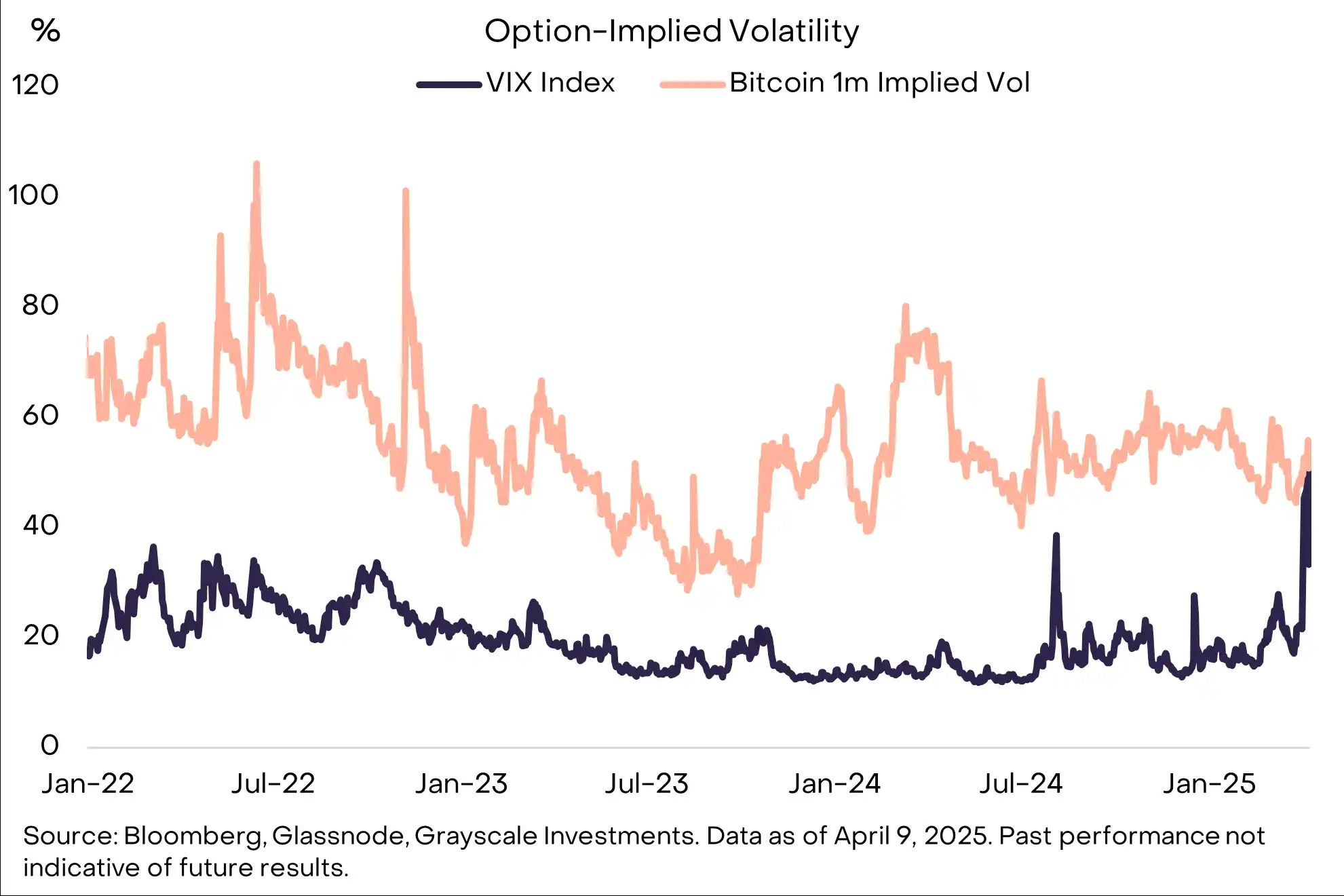
Stocks' implied volatility is close to Bitcoin's
Regarding Bitcoin, despite its price decline over the past week, from a longer-term perspective, the impact of higher tariffs on Bitcoin will depend on its effect on the economy and international capital flows. Tariffs (and changes in related non-tariff trade barriers) may lead to "stagflation" and could result in a structurally weaker dollar demand, so in this scenario, tariff increases and changes in the global trade pattern may be a positive factor for Bitcoin adoption in the medium to long term.
Asset Allocation in Stagflation
Stagflation refers to an economic state where growth is slow/sluggish while the inflation rate is high/accelerating. Tariffs increase the prices of imported goods, therefore causing inflation to rise (at least in the short term). Additionally, tariffs may slow down economic growth due to reduced real incomes for residents and adjustment costs for businesses. Over the long term, this impact may be partially offset by increased domestic manufacturing investment, and most economists expect these new tariffs to continue to drag on the economy for at least the next year.
From a historical perspective, the asset returns of the 1970s vividly demonstrated the impact of stagflation on financial markets (Bitcoin has been around for too short a time to backtest its performance). During that decade, the annualized returns of U.S. stocks and long-term bonds were both around 6%, below the average inflation rate of 7.4% at the time. In contrast, the price of gold had an annualized increase of around 30%, far surpassing the inflation rate.
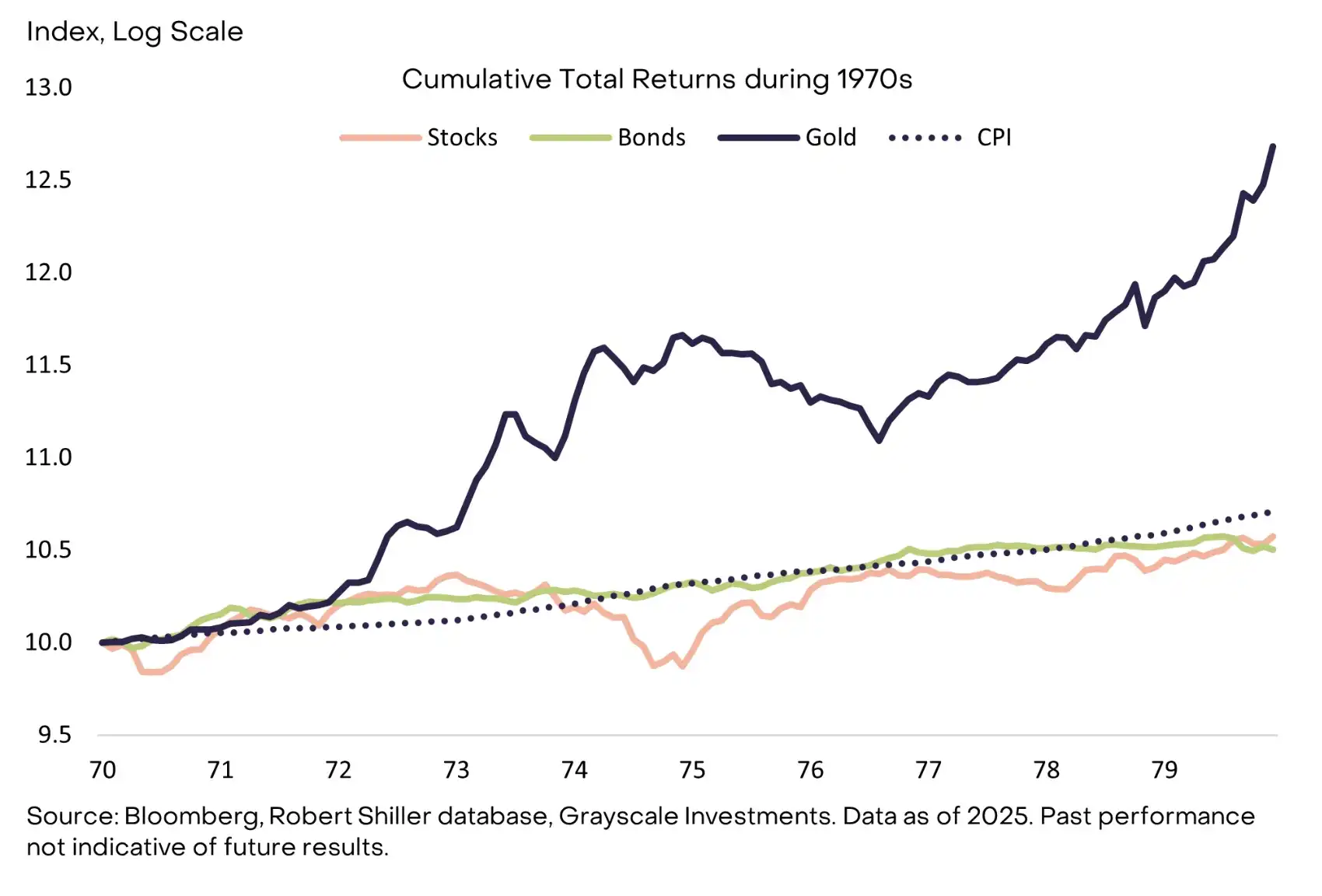
Traditional assets had negative real returns in the 1970s
Generally, extreme stagflation periods are rare, but their impact on asset returns remains largely consistent over time. The chart below shows the average annual returns of U.S. stocks, government bonds, and gold in different economic growth and inflation cycles from 1900 to 2024.
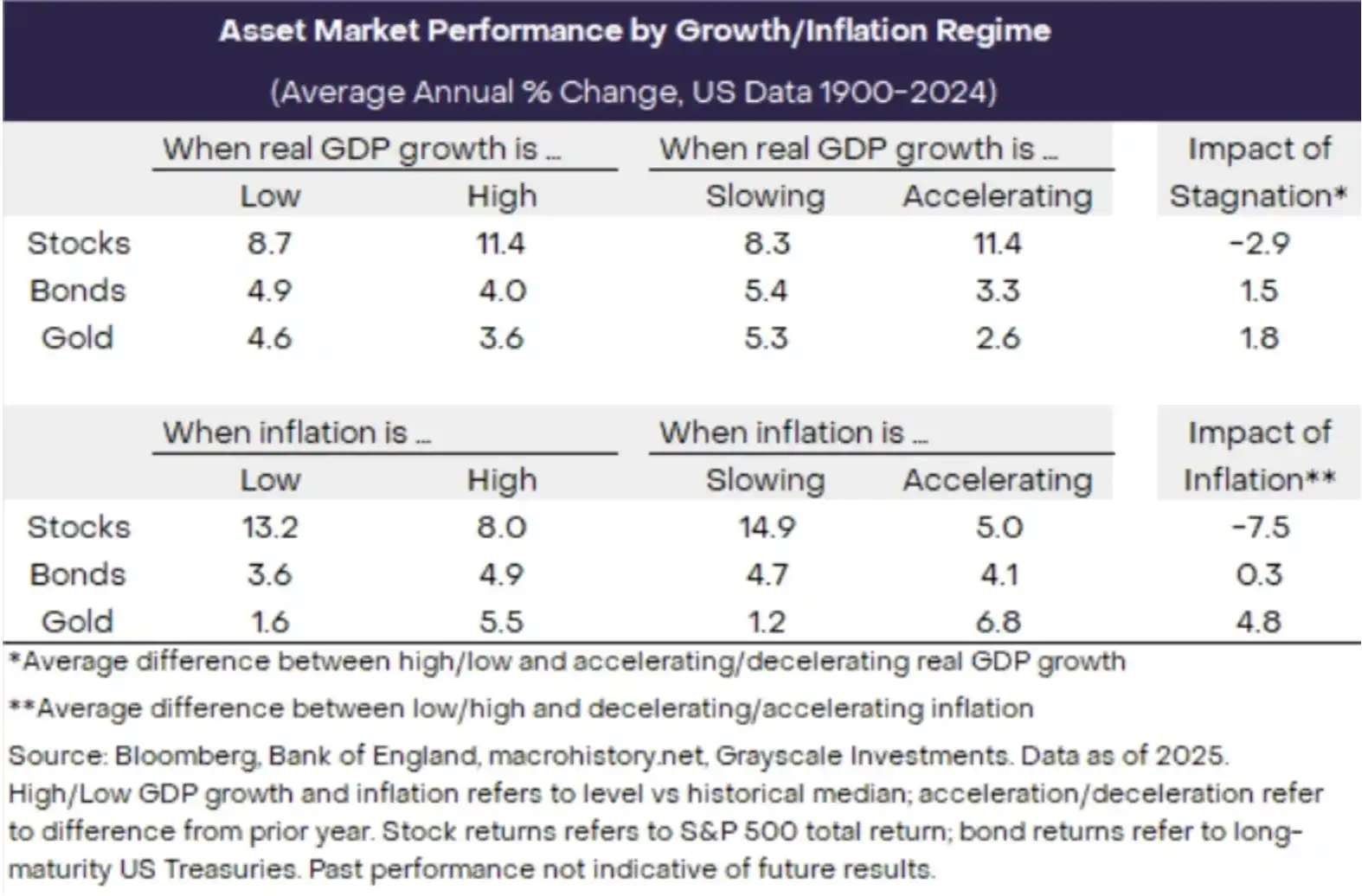
Stagflation reduces stock returns and increases gold returns
Historical data reveals three key points:
When GDP is high or accelerating and inflation is low or decelerating, stock market returns usually increase. Therefore, during stagflation, stock market returns are expected to decline, and investors may need to reduce their equity allocation;
When economic growth is sluggish and inflation is rising, gold often performs well, especially during stagflation. Gold becomes a primary hedge against inflation. This suggests that in this environment, gold is usually a more attractive investment choice;
Bond performance is closely related to inflation changes. When inflation is low, bond yields usually perform well, but when inflation rises, bond performance usually lags. Therefore, during periods of rising inflation, bond investors may face the risk of declining returns.
In summary, different assets perform differently during the economic cycle, and investors should adjust their asset allocation based on the macroeconomic environment. The stagflation period is particularly important as it often has a negative impact on stocks while gold may see growth.
Bitcoin and the US Dollar
Tariffs and trade tensions may drive the adoption of Bitcoin in the medium term, partly due to pressure on the US dollar. Specifically, if overall trade volumes with the US decline and much of the trade is dollar-denominated, the demand for the dollar in transactions will decrease. Additionally, if tariff impositions also lead to conflicts with other major countries, they may weaken the demand for the dollar as a store of value.
The share of the dollar in global foreign exchange reserves far exceeds the US's share in global economic output. There are many reasons for this, but network effects play a significant role: countries engage in trade with the US, borrow in the dollar market, and often price their exports of commodities in dollars. If trade tensions lead to a weakening of ties with the US economy/dollar-based financial markets, countries may accelerate the diversification of foreign exchange reserves.
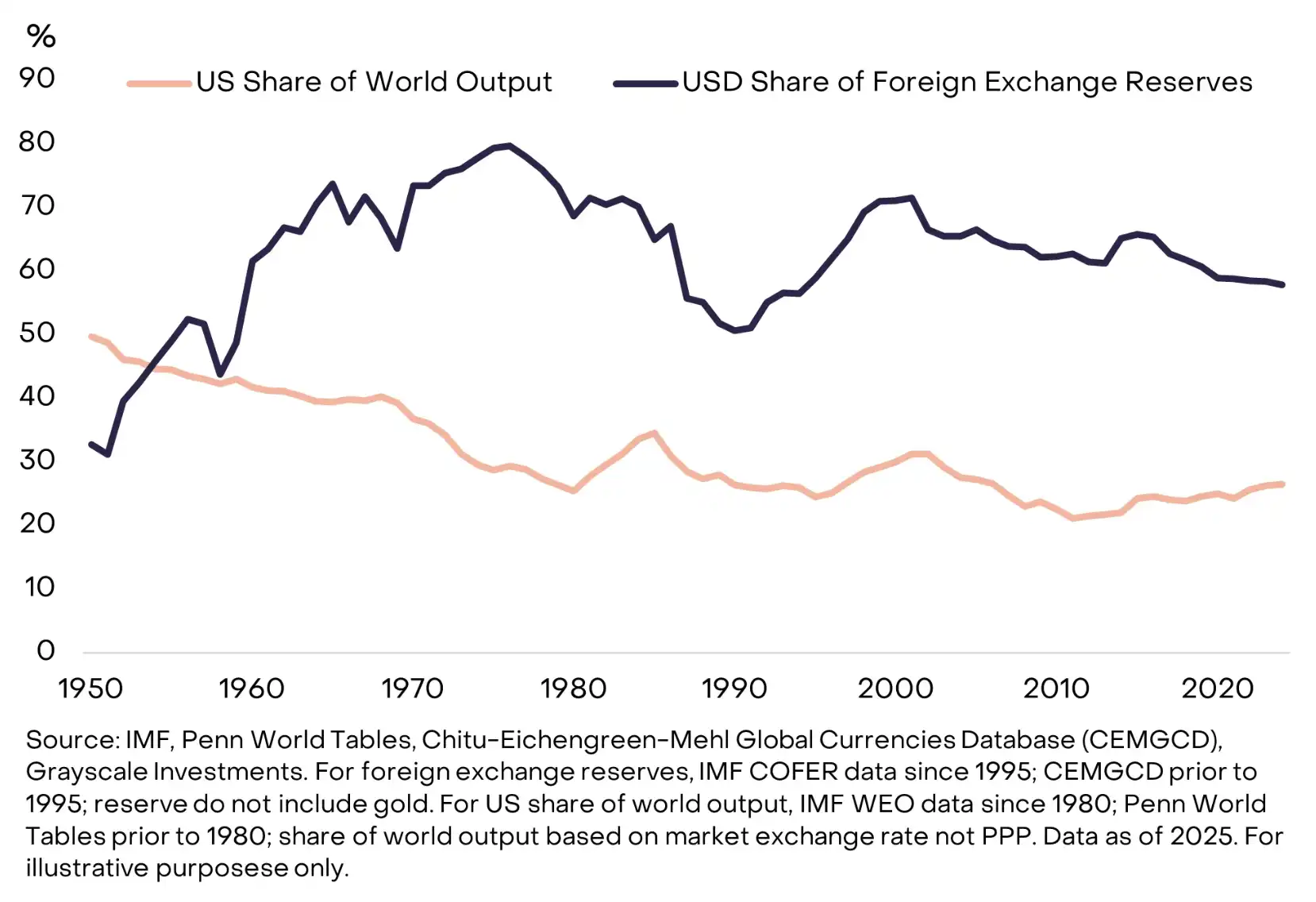
The share of the dollar in global reserves far exceeds the US's share in the global economy
Many central banks have increased their gold purchases after Russia faced Western sanctions. It is understood that besides Iran, no other country's central bank currently holds Bitcoin on its balance sheet. However, the Czech National Bank has started exploring this option, the US has also established a strategic Bitcoin reserve, and some sovereign wealth funds have publicly announced investments in Bitcoin. In our view, disruptions to the dollar-centric international trade and financial system could lead central banks to further diversify reserves, including investing in Bitcoin.
A moment in US history most similar to former President Trump's "Liberation Day" declaration may be the "Nixon Shock" on August 15, 1971. That night, President Nixon announced a comprehensive 10% tariff and ended the gold standard for the dollar—an arrangement that had supported the global trade and financial system since the end of World War II. This action triggered diplomatic activities between the US and other countries, eventually leading to the Smithsonian Agreement in December 1971, where other countries agreed to revalue their currencies against the dollar. The dollar eventually devalued by 27% between the second quarter of 1971 and the third quarter of 1978. Over the past 50 years, there have been several instances of (partially negotiated) dollar weakening following trade tensions.
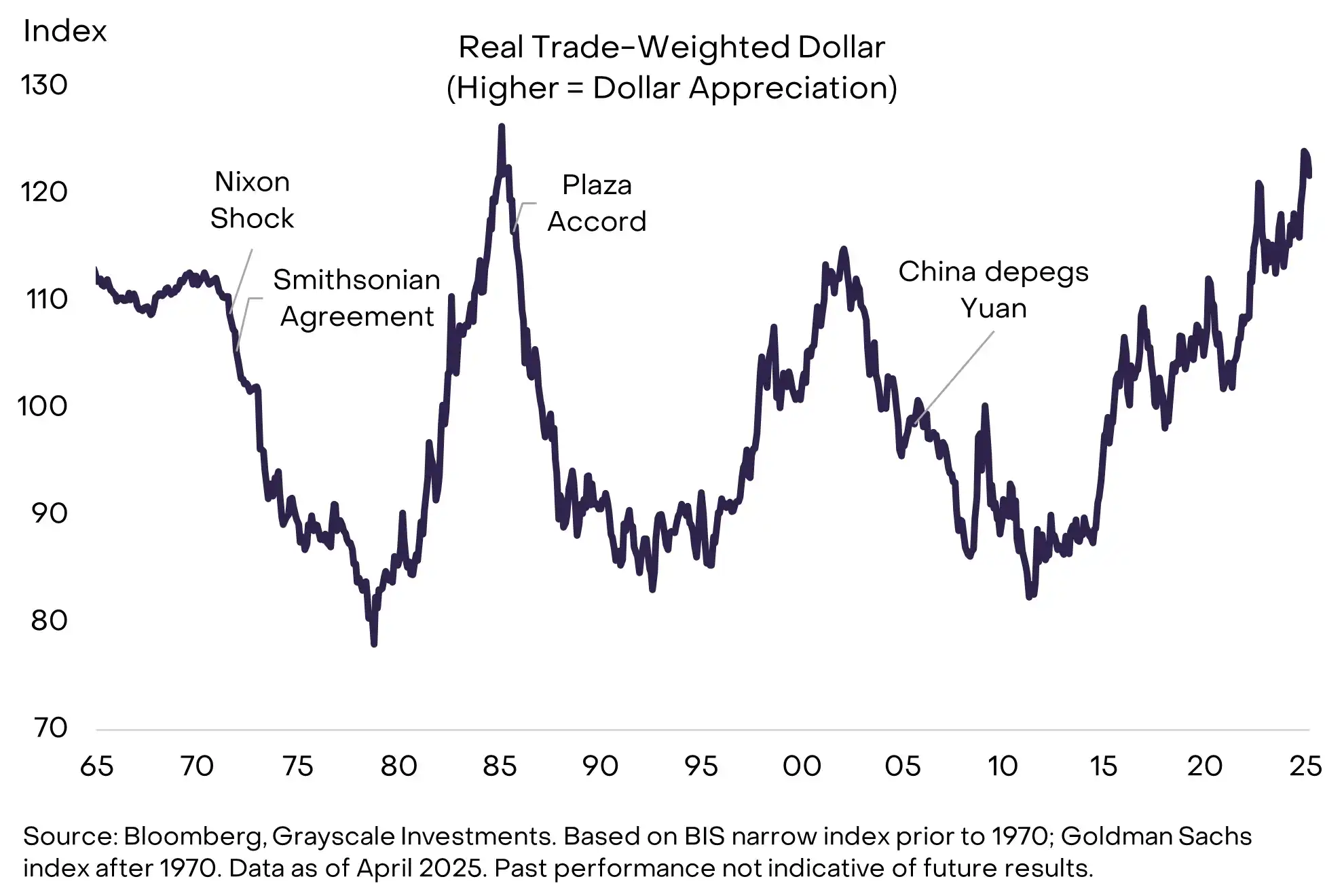
The expected recent trade tension is once again set to result in continued weakness of the U.S. dollar. According to relevant indicators, the U.S. dollar is already overvalued, the Federal Reserve has room to lower interest rates, and the White House aims to reduce the U.S. trade deficit. Although tariffs will alter effective import and export prices, dollar depreciation may gradually achieve trade flow rebalancing through market mechanisms, thereby achieving the desired effect.
Son of the Era - Bitcoin
The U.S. trade policy's shift is causing adjustments in the financial markets, which will have a short-term negative impact on the economy. However, the market conditions of the past week are unlikely to become the norm for the next four years. The Trump administration is implementing a series of policy measures that will have different impacts on GDP growth, inflation, and the trade deficit. For example, while tariffs may reduce economic growth and increase inflation (i.e., stagflation), certain types of deregulation may enhance growth and reduce inflation (i.e., reduce stagflation). The ultimate outcome will depend on the extent to which the White House pursues its policy agenda in these areas.
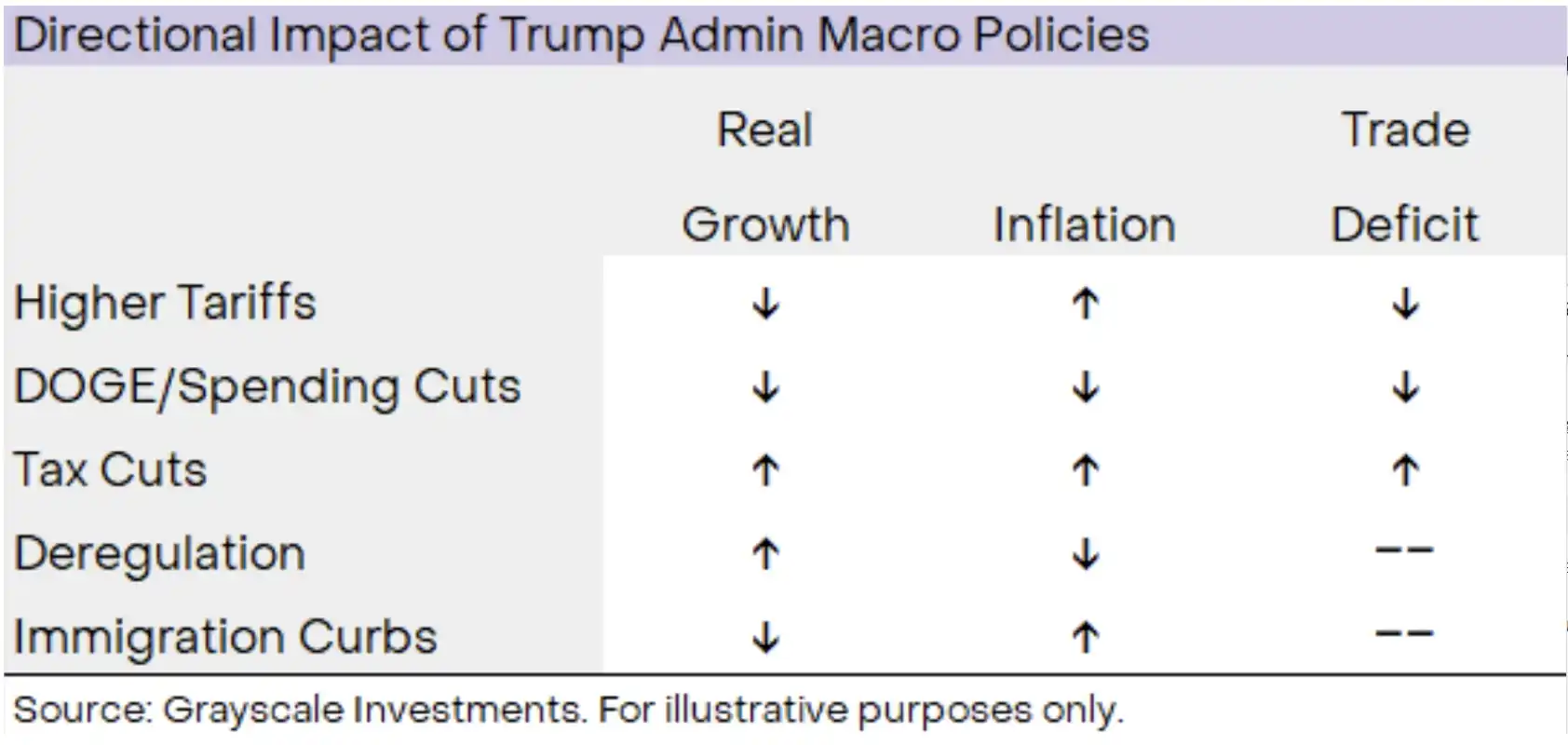
U.S. macroeconomic policies will have a series of impacts on growth and inflation
Despite uncertainties in the outlook, the best guess is that U.S. government policies will lead to sustained dollar weakness and overall above-target inflation in the next 1 to 3 years. Tariffs themselves may slow growth, but this impact may be partially offset by tax cuts, deregulation, and dollar depreciation. If the White House also actively pursues other growth-promoting policies, GDP growth may still remain relatively robust despite the initial impact of tariffs. Regardless of whether actual growth is strong, history suggests that a period of sustained inflationary pressure may be favorable for scarce commodities such as Bitcoin and gold.
Furthermore, much like gold in the 1970s, Bitcoin now has rapidly improving market structure — which is supported by U.S. government policy changes. Throughout this year, the White House has implemented a wide range of policy changes that should support investment in the digital asset industry, including dismissing a series of lawsuits, ensuring asset suitability for traditional commercial banks, and permitting regulated entities (such as custodians) to offer cryptocurrency services. This has, in turn, sparked a wave of mergers and other strategic investments. The new tariffs are a short-term negative factor for the valuation of digital assets like Bitcoin, but the Trump administration's cryptocurrency-specific policies have consistently supported the industry. Overall, the rising demand for scarce commodities assets in the macroeconomy and the improvement in the investor operating environment could be a potent combination for widespread Bitcoin adoption in the coming years.
También te puede interesar

WEEXPERIENCE Whales Night: AI Trading, Crypto Community & Crypto Market Insights
El 12 de diciembre de 2025, WEEX organizó WEEXPERIENCE Whales Night, un encuentro comunitario offline diseñado para reunir a los miembros de la comunidad criptomoneda local. El evento combinó el intercambio de contenido, juegos interactivos y presentaciones de proyectos para crear una experiencia offline relajada pero atractiva.
AI Trading Risk in Cryptocurrency: Why Better Crypto Trading Strategies Can Create Bigger Losses?
El riesgo en long no reside principalmente en una mala toma de decisiones o errores emocionales. Cada vez más en tiempo real en la estructura del mercado, las vías de ejecución y el comportamiento colectivo. Comprender este cambio es más importante que encontrar la próxima estrategia “mejor”.
AI Agents Are Replacing Crypto Research? How Autonomous AI Is Reshaping Crypto Trading
La IA está pasando de asistir trades a automatizar todo el proceso de investigación a ejecución en mercados de criptomonedas. La ventaja cambió de la perspectiva humana a los sistemas de flujos de datos, velocidad y listos para la ejecución, lo que hace que los retrasos en la integración de la IA sean una desventaja competitiva.

AI Trading Bots and Copy Trading: How Synchronized Strategies Reshape Crypto Market Volatility
Los trades minoristas de criptomonedas han enfrentado en long los mismos desafíos: mala gestión de riesgos, entradas tardías, decisiones emocionales y ejecución inconsistente. Las herramientas de tradear de IA prometían una solución. Hoy en día, los sistemas de copy trading potenciados por IA y bots de ruptura ayudan a los trades a dimensionar posiciones, establecer stops y actuar más rápido que nunca. Más allá de velocidad y precisión, estas herramientas están remodelando los mercados silenciosamente: los trades no solo tradean más inteligentemente, sino que se mueven en sincronización, creando una nueva dinámica que amplifica bot riesgo como oportunidad.
AI Trading in Crypto Explained: How Autonomous Trading Is Reshaping Crypto Markets and Crypto Exchanges
AI tradeando está transformando rápidamente el panorama cripto. Las estrategias tradicionales luchan por mantenerse al día con la volatilidad continua de las criptomonedas y su compleja estructura de mercado, mientras que la IA puede procesar datos masivos, generar estrategias adaptativas, gestionar el riesgo y ejecutar trades de forma autónoma. Este artículo guía a los usuarios de WEEX a través de qué es el AI tradear, por qué las criptomonedas acelerar su adopción, cómo evoluciona el sector hacia los agentes autónomos y por qué WEEX está construyendo el ecosistema de tradear de IA de la próxima generación.
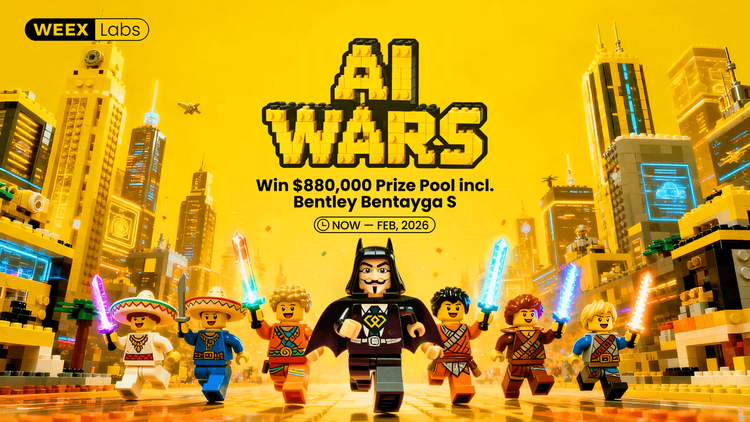
Call to Join AI Wars: WEEX Alpha Awakens — Global AI Trading Competition with $880,000 Prize Pool
Ahora, pedimos que trades de IA de todo el mundo se unan a las Guerras de IA: Alpha Awakens de WEEX, una Competencia de trading global de IA con un pool de premios de $880.000.
AI Trading in Crypto Markets: From Automated Trading Bots to Algorithmic Strategies
Tradear impulsado por IA está cambiando las criptomonedas de la especulación minorista a la competencia de nivel institución, donde la ejecución y la gestión de riesgos son más importantes que la dirección. A medida que la IA tradea, aumentan el riesgo sistémico y la presión regulatoria, lo que hace que el rendimiento en long plazo, los sistemas robustos y el cumplimiento sean los diferenciadores clave.
AI Sentiment Analysis and Cryptocurrency Volatility: What Moves Crypto Prices
El sentimiento de IA está influyendo cada vez más en los mercados de criptomonedas, con cambios en las expectativas relacionadas con la IA que se traducen en volatilidad para los principales activos digitales. Los mercados de criptomonedas tienden a amplificar las narrativas de IA, permitiendo que los flujos impulsados por el sentimiento superen a los fundamentales en short plazo. Comprender cómo se forma y spread el sentimiento de IA ayuda a los inversores a anticipar mejor los ciclos de riesgo y las oportunidades de posición en distintos activos digitales.
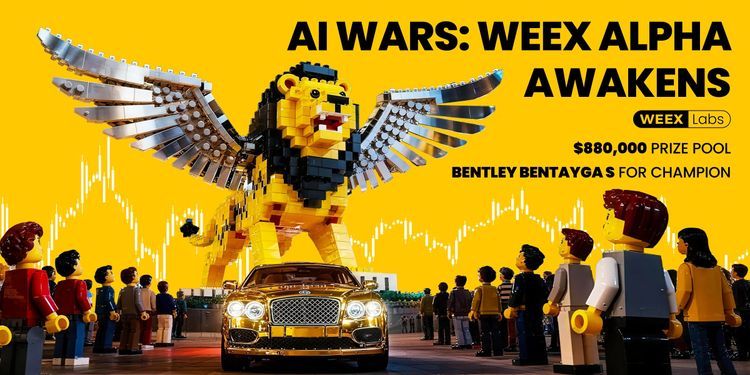
AI Wars: Guía del participante
En este enfrentamiento definitivo, los mejores desarrolladores, analistas cuantitativos y traders de todo el mundo darán rienda suelta a sus algoritmos desde batallas en el mercado real, compitiendo por uno de los pools de premios más exuberantes en la historia del trading de cripto con IA: 880.000 USD, lo que incluye un Bentley Bentayga S para el campeón. Esta guía te orientará por cada paso que debes dar desde el registro hasta el inicio oficial de la competencia.
Central Bank Week and Crypto Market Volatility: How Interest Rate Decisions Shape Trading Conditions on WEEX
Las decisiones sobre tasas de interés de los principales bancos centrales, como la Reserva Federal, son eventos macroeconómicos importantes que afectan a los mercados financieros mundiales, influyendo directamente en las expectativas de liquidez y el apetito de riesgo del mercado. A medida que el mercado criptomonedas continúa desarrollándose y su estructura tradeando y participantes maduran, el mercado cripto se está incorporando gradualmente al sistema de precios macroeconómicos.
WEEX API Testing: Official Guide for AI Trading Hackathon and Crypto Trading APIs
WEEX API Testing está diseñado para garantizar que cada participante pueda convertir la lógica tradeando en una ejecución real. Todas las interacciones de la API tienen lugar en el sistema tradeando en tiempo real de WEEX, lo que permite que los participantes trabajen en condiciones auténticas del mercado en lugar de simulaciones. Con un requisito de entrada bajo, bot desarrolladores experimentados como principiantes motivados pueden acceder a la tarea, sin dejar de validar las habilidades técnicas esenciales.
Why is WEEX Alpha Awakens the Best AI Trading Competition of 2025? Everything You Need to Know
Para acelerar los avances en la intersección de la IA y las criptomonedas, WEEX lanzar el primer Hackathon de tradear de IA global del mundo: AI Wars: Alpha Despierta. El evento presenta un innovador pool de premios que supera los $880.000, incluyendo un Bentley Bentayga S para el campeón final.
AI Wars: WEEX Alpha Awakens | WEEX Global Hackathon API Test Process Guide
Guerras de IA: El registro de WEEX Alpha Awakens ya está abierto. y esta guía describe cómo acceder a la prueba de API y completar el proceso con éxito.
What is WEEX Alpha Awakens and How to Participate? A Complete Guide
Para acelerar los avances en la intersección de la IA y las criptomonedas, WEEX lanzar el primer Hackathon de tradear de IA global del mundo: AI Wars: Alpha Despierta.
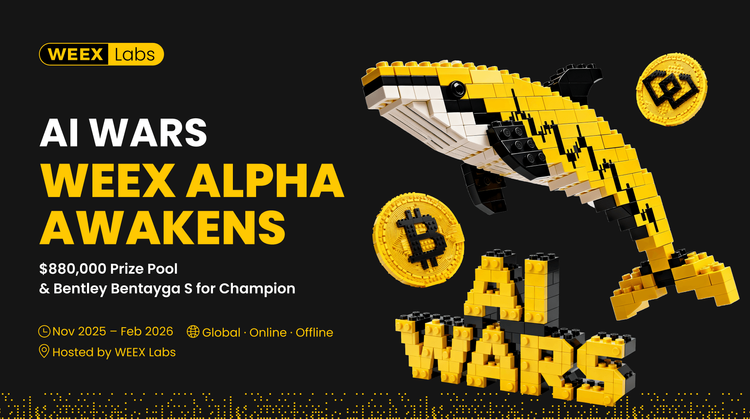
Join AI Wars: WEEX Alpha Awakens!Global Call for AI Trading Alphas
Guerras de IA: WEEX Alpha Awakens es un hackathon global de IA tradeando en Dubái, que llama a equipos cuánticos, trades algorítmicos y desarrolladores de IA para que den rienda suelta a sus estrategias de IA tradeando cripto en mercados en tiempo real por una parte de un pool de premios de US$880.000.
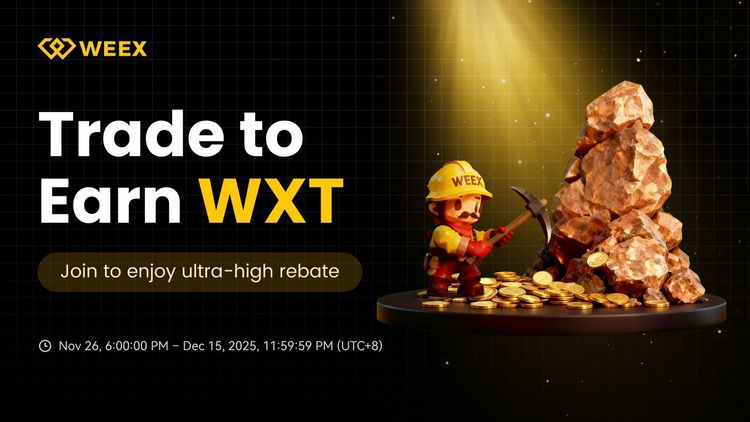
WEEX Unveils Trade to Earn: Up to 30% Instant Rebate + $2M WXT Buyback
WEEX se complace en anunciar el lanza de nuestro programa Tradea para Ganar, que te otorga automáticamente hasta un 30% tradeando cashbacks. Todas las recompensas se crédito directamente en tu cuenta spot en $WXT, con el respaldo de nuestro plan de comprar de $2.000.000 en WXT, que alimenta el valor de los token a en long plazo.

New: Estimated Liquidation Price on App Candlestick Charts
WEEX presentó un nuevo precio de liquidación estimado (Est. Liq. Price) función en el gráfico de velas para ayudar a los trades gestionar mejor el riesgo e identificar rangos seguros para sus posiciones.
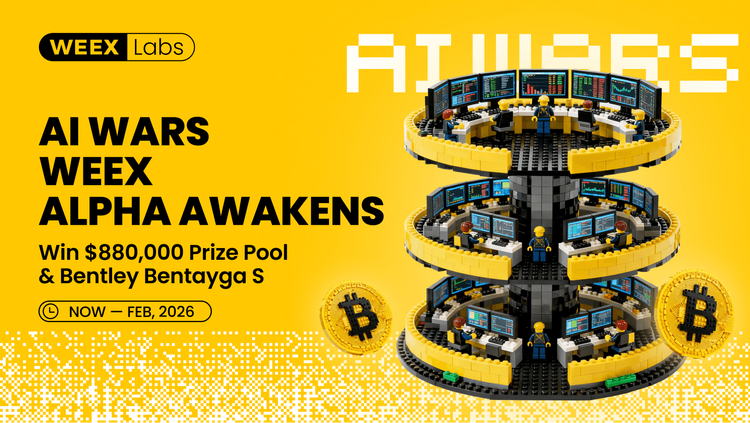
WEEX AI Hackathon Guide: Find Your WEEX UID and Register
Desde ahora hasta febrero 2026, WEEX lanza AI Wars: Alpha Awakens de WEEX, el primer hackathon global de IA cripto tradeando. Accede a tu UID y registro para el Hackathon de tradear de IA global de WEEX.
WEEXPERIENCE Whales Night: AI Trading, Crypto Community & Crypto Market Insights
El 12 de diciembre de 2025, WEEX organizó WEEXPERIENCE Whales Night, un encuentro comunitario offline diseñado para reunir a los miembros de la comunidad criptomoneda local. El evento combinó el intercambio de contenido, juegos interactivos y presentaciones de proyectos para crear una experiencia offline relajada pero atractiva.
AI Trading Risk in Cryptocurrency: Why Better Crypto Trading Strategies Can Create Bigger Losses?
El riesgo en long no reside principalmente en una mala toma de decisiones o errores emocionales. Cada vez más en tiempo real en la estructura del mercado, las vías de ejecución y el comportamiento colectivo. Comprender este cambio es más importante que encontrar la próxima estrategia “mejor”.
AI Agents Are Replacing Crypto Research? How Autonomous AI Is Reshaping Crypto Trading
La IA está pasando de asistir trades a automatizar todo el proceso de investigación a ejecución en mercados de criptomonedas. La ventaja cambió de la perspectiva humana a los sistemas de flujos de datos, velocidad y listos para la ejecución, lo que hace que los retrasos en la integración de la IA sean una desventaja competitiva.
AI Trading Bots and Copy Trading: How Synchronized Strategies Reshape Crypto Market Volatility
Los trades minoristas de criptomonedas han enfrentado en long los mismos desafíos: mala gestión de riesgos, entradas tardías, decisiones emocionales y ejecución inconsistente. Las herramientas de tradear de IA prometían una solución. Hoy en día, los sistemas de copy trading potenciados por IA y bots de ruptura ayudan a los trades a dimensionar posiciones, establecer stops y actuar más rápido que nunca. Más allá de velocidad y precisión, estas herramientas están remodelando los mercados silenciosamente: los trades no solo tradean más inteligentemente, sino que se mueven en sincronización, creando una nueva dinámica que amplifica bot riesgo como oportunidad.
AI Trading in Crypto Explained: How Autonomous Trading Is Reshaping Crypto Markets and Crypto Exchanges
AI tradeando está transformando rápidamente el panorama cripto. Las estrategias tradicionales luchan por mantenerse al día con la volatilidad continua de las criptomonedas y su compleja estructura de mercado, mientras que la IA puede procesar datos masivos, generar estrategias adaptativas, gestionar el riesgo y ejecutar trades de forma autónoma. Este artículo guía a los usuarios de WEEX a través de qué es el AI tradear, por qué las criptomonedas acelerar su adopción, cómo evoluciona el sector hacia los agentes autónomos y por qué WEEX está construyendo el ecosistema de tradear de IA de la próxima generación.
Call to Join AI Wars: WEEX Alpha Awakens — Global AI Trading Competition with $880,000 Prize Pool
Ahora, pedimos que trades de IA de todo el mundo se unan a las Guerras de IA: Alpha Awakens de WEEX, una Competencia de trading global de IA con un pool de premios de $880.000.
Monedas populares
Últimas noticias sobre criptomonedas


Atención al cliente:@weikecs
Cooperación empresarial:@weikecs
Trading cuantitativo y MM:[email protected]
Programa VIP:[email protected]
 App
App