
- Comprar cripto
- Mercados
- Futuros
- Spot
- Copy trading
 WE-Launch
Interpreting the U.S. New Tariff Policy on April 2: Market Uncertainty to Reach Its Peak

Original Title: "April 2nd Trading Manual: Three Possible Scenarios"
Original Author: Zhao Ying, Wall Street News
With the upcoming unveiling of the U.S. tariff policy on April 2nd, market uncertainty will reach a new peak, and investors need to buckle up and prepare for volatility!
According to CCTV News's report on Saturday, local time on March 28th, U.S. President Trump plans to announce new tariffs in the coming days. He expressed a certain degree of openness to reaching tariff agreements with other countries, but he hinted that any agreements would be reached after the April 2nd tariff measures take effect.
When asked if this would happen before the announcement of tariff increases on April 2nd, he said, "No, it won't, most likely later." Trump also reiterated the plan to announce drug tariffs but refused to disclose the specific tariff rates.
In its latest report, Citigroup summarized three main scenarios and their respective market impacts: First, announcing reciprocal tariffs only, in which case, the market reaction would be relatively limited. Second, reciprocal tariffs plus Value-Added Tax (VAT), where the U.S. dollar index may immediately rise by 50-100 basis points, and global stock markets may also decline. Third, in addition to reciprocal tariffs and VAT, industry-specific tariffs are included, in which case, market reactions may be more intense.
After the S&P 500 experienced its worst start to a year since 2020, analysts have been warning of a higher likelihood of further declines than rises. Some analysts have pointed out that future tariffs and retaliatory actions are key, and the market reaction on "April 2nd" will largely depend on the timing of the tariffs, especially industry-specific tariffs and other countries' speed of response to reciprocal tariffs.
Three Major Tariff Scenarios
Citigroup's report indicated that as the April 2nd tariff measures announcement approaches, three main scenarios were identified based on the survey results, with their respective market impacts analyzed:
· Scenario One, Announcing Reciprocal Tariffs Only: If the Trump administration only announces reciprocal tariffs based on Most Favored Nation (MFN) simple average tariff gap on April 2nd, this would be a relatively mild outcome. According to Nomura Securities' survey, about 25.5% of respondents believe this scenario could occur, with countries like India, Thailand, and Indonesia potentially being the most affected. In this case, the market reaction may be relatively limited, and the U.S. dollar index may not experience significant fluctuations.
· Scenario Two, Reciprocal Tariffs Plus Value-Added Tax (VAT): If the tariff policy includes VAT, this would be a more aggressive move, potentially triggering risk aversion and a strengthening of the U.S. dollar. In this scenario, Germany's MFN tariff gap (including 19% VAT) is 20.4%, France is 21.1%, and Spain is 21.8%. The Asian region also faces risks, with Japan at 10.5%, India at 29.5%, and Thailand at 13.0%. This scenario could lead to the U.S. dollar index (DXY) rising by 50-100 basis points immediately after the announcement, but at the same time, the dollar against the yen may weaken, and global stock markets may decline. Asian rates may fall, with India and Thailand potentially dropping by 5-7 basis points.
· Scenario Three, More Aggressive Tariff Policy: In addition to reciprocal tariffs and value-added tax, it may also include industry-specific tariffs. For example, Trump previously announced a 25% tariff on imported finished vehicles (potentially impacting Mexico, South Korea, Japan, Canada, Germany), and hinted at the possibility of imposing tariffs on semiconductor chips and drugs (with South Korea and Singapore being the most affected). Furthermore, there may be a decision to not extend the 25% tariff deadline on Mexico and Canada, or to impose additional tariffs on imported Venezuelan oil. In this scenario, market reaction may be the most intense, the US Dollar Index may further strengthen, and the USD/JPY pair may experience a significant decline.
Markets Brace for Turbulence!
The roller-coaster ride of the US stock market has just begun, with the S&P 500 index heading towards its worst performance in the first quarter since 2020, and the upcoming tariff policy announcement may further exacerbate market volatility.
The tariff policy statement on April 2 will reveal which countries and industries the Trump administration will target, and the market is expected to experience significant fluctuations. The severity of the tariffs, their duration, the targeted countries and industries, as well as retaliatory measures by trading partners, will all contribute to intense market swings.
· Mark Malek, Chief Investment Officer at Siebert Financial, stated:
I am a staunch bull, but I want to tell you that from now until next week, especially before the start of earnings season, the potential for a stock market decline is greater than the possibility of an increase.
· Michael Arone, Chief Investment Strategist at State Street Global Advisors, said:
Uncertainty continues to plague the market, bringing about volatility, and on April 2 and beyond the deadline, there may be more volatility.
· Angelo Kourkafas, Senior Investment Strategist at Edward Jones, stated:
The April 2 statement may not be a "one-time event." It is an important milestone, but ultimately it does not completely eliminate all uncertainty.
· Matthew Aks, Senior Strategist at Evercore ISI, reminded:
The market reaction on April 2 "will largely depend on" the timing of future tariffs, especially industry-specific tariffs, and how quickly other countries respond to reciprocal tariffs. If other countries take retaliatory action, this will bring about a risk of an escalation cycle, potentially undermining any sense of relief.
According to a CCTV news report, Trump was interviewed on "Air Force One" en route to Florida and was asked whether he would be willing to discuss reaching a deal to lower U.S. tariffs with the UK and other countries. He replied, "If we could get something from this deal, it is possible - but you know, we have been taken advantage of for 40 years, even longer. This will not happen again. But yes, I would certainly be open to it."
También te puede interesar

WEEXPERIENCE Whales Night: AI Trading, Crypto Community & Crypto Market Insights
El 12 de diciembre de 2025, WEEX organizó WEEXPERIENCE Whales Night, un encuentro comunitario offline diseñado para reunir a los miembros de la comunidad criptomoneda local. El evento combinó el intercambio de contenido, juegos interactivos y presentaciones de proyectos para crear una experiencia offline relajada pero atractiva.
AI Trading Risk in Cryptocurrency: Why Better Crypto Trading Strategies Can Create Bigger Losses?
El riesgo en long no reside principalmente en una mala toma de decisiones o errores emocionales. Cada vez más en tiempo real en la estructura del mercado, las vías de ejecución y el comportamiento colectivo. Comprender este cambio es más importante que encontrar la próxima estrategia “mejor”.
AI Agents Are Replacing Crypto Research? How Autonomous AI Is Reshaping Crypto Trading
La IA está pasando de asistir trades a automatizar todo el proceso de investigación a ejecución en mercados de criptomonedas. La ventaja cambió de la perspectiva humana a los sistemas de flujos de datos, velocidad y listos para la ejecución, lo que hace que los retrasos en la integración de la IA sean una desventaja competitiva.

AI Trading Bots and Copy Trading: How Synchronized Strategies Reshape Crypto Market Volatility
Los trades minoristas de criptomonedas han enfrentado en long los mismos desafíos: mala gestión de riesgos, entradas tardías, decisiones emocionales y ejecución inconsistente. Las herramientas de tradear de IA prometían una solución. Hoy en día, los sistemas de copy trading potenciados por IA y bots de ruptura ayudan a los trades a dimensionar posiciones, establecer stops y actuar más rápido que nunca. Más allá de velocidad y precisión, estas herramientas están remodelando los mercados silenciosamente: los trades no solo tradean más inteligentemente, sino que se mueven en sincronización, creando una nueva dinámica que amplifica bot riesgo como oportunidad.
AI Trading in Crypto Explained: How Autonomous Trading Is Reshaping Crypto Markets and Crypto Exchanges
AI tradeando está transformando rápidamente el panorama cripto. Las estrategias tradicionales luchan por mantenerse al día con la volatilidad continua de las criptomonedas y su compleja estructura de mercado, mientras que la IA puede procesar datos masivos, generar estrategias adaptativas, gestionar el riesgo y ejecutar trades de forma autónoma. Este artículo guía a los usuarios de WEEX a través de qué es el AI tradear, por qué las criptomonedas acelerar su adopción, cómo evoluciona el sector hacia los agentes autónomos y por qué WEEX está construyendo el ecosistema de tradear de IA de la próxima generación.
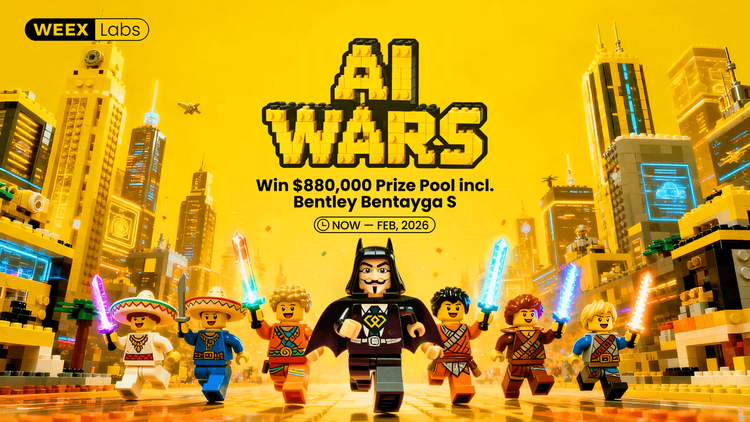
Call to Join AI Wars: WEEX Alpha Awakens — Global AI Trading Competition with $880,000 Prize Pool
Ahora, pedimos que trades de IA de todo el mundo se unan a las Guerras de IA: Alpha Awakens de WEEX, una Competencia de trading global de IA con un pool de premios de $880.000.

AI Trading in Crypto Markets: From Automated Trading Bots to Algorithmic Strategies
Tradear impulsado por IA está cambiando las criptomonedas de la especulación minorista a la competencia de nivel institución, donde la ejecución y la gestión de riesgos son más importantes que la dirección. A medida que la IA tradea, aumentan el riesgo sistémico y la presión regulatoria, lo que hace que el rendimiento en long plazo, los sistemas robustos y el cumplimiento sean los diferenciadores clave.

AI Sentiment Analysis and Cryptocurrency Volatility: What Moves Crypto Prices
El sentimiento de IA está influyendo cada vez más en los mercados de criptomonedas, con cambios en las expectativas relacionadas con la IA que se traducen en volatilidad para los principales activos digitales. Los mercados de criptomonedas tienden a amplificar las narrativas de IA, permitiendo que los flujos impulsados por el sentimiento superen a los fundamentales en short plazo. Comprender cómo se forma y spread el sentimiento de IA ayuda a los inversores a anticipar mejor los ciclos de riesgo y las oportunidades de posición en distintos activos digitales.
AI Wars: Guía del participante
En este enfrentamiento definitivo, los mejores desarrolladores, analistas cuantitativos y traders de todo el mundo darán rienda suelta a sus algoritmos desde batallas en el mercado real, compitiendo por uno de los pools de premios más exuberantes en la historia del trading de cripto con IA: 880.000 USD, lo que incluye un Bentley Bentayga S para el campeón. Esta guía te orientará por cada paso que debes dar desde el registro hasta el inicio oficial de la competencia.
Central Bank Week and Crypto Market Volatility: How Interest Rate Decisions Shape Trading Conditions on WEEX
Las decisiones sobre tasas de interés de los principales bancos centrales, como la Reserva Federal, son eventos macroeconómicos importantes que afectan a los mercados financieros mundiales, influyendo directamente en las expectativas de liquidez y el apetito de riesgo del mercado. A medida que el mercado criptomonedas continúa desarrollándose y su estructura tradeando y participantes maduran, el mercado cripto se está incorporando gradualmente al sistema de precios macroeconómicos.

WEEX API Testing: Official Guide for AI Trading Hackathon and Crypto Trading APIs
WEEX API Testing está diseñado para garantizar que cada participante pueda convertir la lógica tradeando en una ejecución real. Todas las interacciones de la API tienen lugar en el sistema tradeando en tiempo real de WEEX, lo que permite que los participantes trabajen en condiciones auténticas del mercado en lugar de simulaciones. Con un requisito de entrada bajo, bot desarrolladores experimentados como principiantes motivados pueden acceder a la tarea, sin dejar de validar las habilidades técnicas esenciales.
Why is WEEX Alpha Awakens the Best AI Trading Competition of 2025? Everything You Need to Know
Para acelerar los avances en la intersección de la IA y las criptomonedas, WEEX lanzar el primer Hackathon de tradear de IA global del mundo: AI Wars: Alpha Despierta. El evento presenta un innovador pool de premios que supera los $880.000, incluyendo un Bentley Bentayga S para el campeón final.
AI Wars: WEEX Alpha Awakens | WEEX Global Hackathon API Test Process Guide
Guerras de IA: El registro de WEEX Alpha Awakens ya está abierto. y esta guía describe cómo acceder a la prueba de API y completar el proceso con éxito.
What is WEEX Alpha Awakens and How to Participate? A Complete Guide
Para acelerar los avances en la intersección de la IA y las criptomonedas, WEEX lanzar el primer Hackathon de tradear de IA global del mundo: AI Wars: Alpha Despierta.
Join AI Wars: WEEX Alpha Awakens!Global Call for AI Trading Alphas
Guerras de IA: WEEX Alpha Awakens es un hackathon global de IA tradeando en Dubái, que llama a equipos cuánticos, trades algorítmicos y desarrolladores de IA para que den rienda suelta a sus estrategias de IA tradeando cripto en mercados en tiempo real por una parte de un pool de premios de US$880.000.
WEEX Unveils Trade to Earn: Up to 30% Instant Rebate + $2M WXT Buyback
WEEX se complace en anunciar el lanza de nuestro programa Tradea para Ganar, que te otorga automáticamente hasta un 30% tradeando cashbacks. Todas las recompensas se crédito directamente en tu cuenta spot en $WXT, con el respaldo de nuestro plan de comprar de $2.000.000 en WXT, que alimenta el valor de los token a en long plazo.

New: Estimated Liquidation Price on App Candlestick Charts
WEEX presentó un nuevo precio de liquidación estimado (Est. Liq. Price) función en el gráfico de velas para ayudar a los trades gestionar mejor el riesgo e identificar rangos seguros para sus posiciones.
WEEX AI Hackathon Guide: Find Your WEEX UID and Register
Desde ahora hasta febrero 2026, WEEX lanza AI Wars: Alpha Awakens de WEEX, el primer hackathon global de IA cripto tradeando. Accede a tu UID y registro para el Hackathon de tradear de IA global de WEEX.
WEEXPERIENCE Whales Night: AI Trading, Crypto Community & Crypto Market Insights
El 12 de diciembre de 2025, WEEX organizó WEEXPERIENCE Whales Night, un encuentro comunitario offline diseñado para reunir a los miembros de la comunidad criptomoneda local. El evento combinó el intercambio de contenido, juegos interactivos y presentaciones de proyectos para crear una experiencia offline relajada pero atractiva.
AI Trading Risk in Cryptocurrency: Why Better Crypto Trading Strategies Can Create Bigger Losses?
El riesgo en long no reside principalmente en una mala toma de decisiones o errores emocionales. Cada vez más en tiempo real en la estructura del mercado, las vías de ejecución y el comportamiento colectivo. Comprender este cambio es más importante que encontrar la próxima estrategia “mejor”.
AI Agents Are Replacing Crypto Research? How Autonomous AI Is Reshaping Crypto Trading
La IA está pasando de asistir trades a automatizar todo el proceso de investigación a ejecución en mercados de criptomonedas. La ventaja cambió de la perspectiva humana a los sistemas de flujos de datos, velocidad y listos para la ejecución, lo que hace que los retrasos en la integración de la IA sean una desventaja competitiva.
AI Trading Bots and Copy Trading: How Synchronized Strategies Reshape Crypto Market Volatility
Los trades minoristas de criptomonedas han enfrentado en long los mismos desafíos: mala gestión de riesgos, entradas tardías, decisiones emocionales y ejecución inconsistente. Las herramientas de tradear de IA prometían una solución. Hoy en día, los sistemas de copy trading potenciados por IA y bots de ruptura ayudan a los trades a dimensionar posiciones, establecer stops y actuar más rápido que nunca. Más allá de velocidad y precisión, estas herramientas están remodelando los mercados silenciosamente: los trades no solo tradean más inteligentemente, sino que se mueven en sincronización, creando una nueva dinámica que amplifica bot riesgo como oportunidad.
AI Trading in Crypto Explained: How Autonomous Trading Is Reshaping Crypto Markets and Crypto Exchanges
AI tradeando está transformando rápidamente el panorama cripto. Las estrategias tradicionales luchan por mantenerse al día con la volatilidad continua de las criptomonedas y su compleja estructura de mercado, mientras que la IA puede procesar datos masivos, generar estrategias adaptativas, gestionar el riesgo y ejecutar trades de forma autónoma. Este artículo guía a los usuarios de WEEX a través de qué es el AI tradear, por qué las criptomonedas acelerar su adopción, cómo evoluciona el sector hacia los agentes autónomos y por qué WEEX está construyendo el ecosistema de tradear de IA de la próxima generación.
Call to Join AI Wars: WEEX Alpha Awakens — Global AI Trading Competition with $880,000 Prize Pool
Ahora, pedimos que trades de IA de todo el mundo se unan a las Guerras de IA: Alpha Awakens de WEEX, una Competencia de trading global de IA con un pool de premios de $880.000.
Monedas populares
Últimas noticias sobre criptomonedas


Atención al cliente:@weikecs
Cooperación empresarial:@weikecs
Trading cuantitativo y MM:[email protected]
Programa VIP:[email protected]
 App
App