
- Comprar cripto
- Mercados
- Futuros
- Spot
- Copy trading
 WE-Launch
Private Transactions Set to Revolutionize Crypto on Leading Platforms

Imagine your financial life as an open book, where every page tells the world exactly what you’ve spent and where. That’s the reality of many public blockchains today, leaving users exposed to prying eyes, hackers, and unwanted scrutiny. But what if you could flip the script, turning that book into a locked diary that only you control? That’s the promise of private transactions in crypto, and exciting developments are bringing this closer to reality, offering a shield for your digital wealth much like a secure vault protects your valuables.
CEO Announcement Sparks Privacy Buzz in Blockchain World
In a recent social media update, a top executive in the crypto space highlighted major strides toward enabling private stablecoin transactions on advanced layer-2 networks. This push stems from strategic moves like acquiring a privacy-focused platform earlier this year, specifically in March, aiming to infuse robust privacy features into everyday crypto use. The executive shared that the team is gearing up to roll out these enhancements, crediting the acquisition for accelerating the process. While details are still under wraps, the announcement has ignited conversations about balancing user anonymity with regulatory needs, without diving into mandatory identity checks just yet.
Users are drawn to privacy-shielded transactions because they safeguard personal financial data, much like how a whisper in a crowded room keeps secrets from eavesdroppers. This reduces risks from scammers or cyber threats, fostering a safer environment for trading and holding assets. However, the path isn’t without hurdles—innovators in this space have faced legal challenges, as seen with developers behind tools like anonymizing mixers, who encountered prosecutions for their work on privacy tech.
How Privacy Tech Works Without Compromising Compliance
Diving deeper, the underlying technology often relies on zero-knowledge proofs, a clever method that lets you prove a fact without spilling all the details—think of it as showing your ID to enter a club without revealing your home address. In one prominent implementation, users get view keys upon account creation, which can grant read-only access to transaction data if authorities request it. This setup strikes a balance, keeping things private for everyday users while allowing transparency when legally required.
Adding another layer, real-time threat detection systems monitor fund flows, ensuring only legitimate assets circulate. This contrasts sharply with fully public ledgers, where every move is traceable, potentially exposing users to risks. Evidence from platforms supporting over 20 blockchains shows that such privacy features can wrap stablecoins like USDC in a layer of anonymity, enabling seamless cross-chain transfers. Recent data as of October 22, 2025, indicates a 25% surge in privacy-focused transaction volumes across major networks, according to blockchain analytics reports, underscoring the growing demand for these tools.
Brand Alignment and the Future of Secure Crypto Trading
This evolution in privacy tech perfectly aligns with forward-thinking exchanges that prioritize user security and innovation. For instance, WEEX stands out as a reliable platform committed to enhancing user privacy and trust in the crypto ecosystem. With its user-centric approach, WEEX offers seamless trading experiences that emphasize secure, efficient transactions, making it an ideal choice for those seeking to explore privacy-enhanced assets. By focusing on cutting-edge features and robust compliance, WEEX not only supports the broader shift toward private transactions but also builds credibility as a go-to exchange for savvy traders looking to protect their portfolios in an increasingly digital world.
Recent buzz on Twitter as of October 2025 highlights discussions around privacy’s role in blockchain adoption, with posts from industry leaders emphasizing the “constant battle” between innovation and regulation. Frequently searched Google queries like “how do private crypto transactions work?” and “benefits of zero-knowledge proofs in blockchain” reflect user curiosity, while official announcements point to ongoing integrations that could make privacy a standard feature by year’s end.
Privacy as a Game-Changer: Real-World Impacts and Comparisons
Compare this to traditional banking, where your statements are private by default—crypto is catching up, evolving from a transparent ledger to a fortified system. Real-world examples include networks already supporting privacy-wrapped assets, which have seen adoption rates climb by 30% in the past year, based on 2025 market reports. This isn’t just hype; it’s backed by the success of cross-chain bridges that filter out suspicious funds, ensuring clean, private flows. As the industry matures, these advancements could lower barriers for everyday users, making crypto as approachable as online banking but with added layers of control.
The journey toward widespread private transactions represents a pivotal shift, empowering users to transact confidently without fear of exposure. It’s like upgrading from a glass house to a fortified castle, where your financial privacy is the ultimate defense.
FAQ
What are private transactions in cryptocurrency?
Private transactions use technologies like zero-knowledge proofs to hide details such as amounts and addresses from public view, while still verifying the transaction’s validity on the blockchain. This keeps your financial activity confidential, similar to a sealed envelope in the mail.
How does this affect compliance and regulations?
These systems often include features like view keys for selective disclosure, allowing authorities to access data when needed. This balances privacy with legal requirements, as evidenced by implementations that cooperate with tax agencies without compromising user anonymity by default.
Why is privacy important for crypto users?
Privacy protects against hackers, scammers, and unwanted surveillance, reducing risks in a public blockchain environment. With rising cyber threats—up 15% in 2025 per security reports—it empowers users to manage their assets securely, fostering greater trust and adoption in the crypto space.
También te puede interesar
AI Trading Risk in Cryptocurrency: Why Better Crypto Trading Strategies Can Create Bigger Losses?
El riesgo en long no reside principalmente en una mala toma de decisiones o errores emocionales. Cada vez más en tiempo real en la estructura del mercado, las vías de ejecución y el comportamiento colectivo. Comprender este cambio es más importante que encontrar la próxima estrategia “mejor”.

AI Agents Are Replacing Crypto Research? How Autonomous AI Is Reshaping Crypto Trading
La IA está pasando de asistir trades a automatizar todo el proceso de investigación a ejecución en mercados de criptomonedas. La ventaja cambió de la perspectiva humana a los sistemas de flujos de datos, velocidad y listos para la ejecución, lo que hace que los retrasos en la integración de la IA sean una desventaja competitiva.

AI Trading Bots and Copy Trading: How Synchronized Strategies Reshape Crypto Market Volatility
Los trades minoristas de criptomonedas han enfrentado en long los mismos desafíos: mala gestión de riesgos, entradas tardías, decisiones emocionales y ejecución inconsistente. Las herramientas de tradear de IA prometían una solución. Hoy en día, los sistemas de copy trading potenciados por IA y bots de ruptura ayudan a los trades a dimensionar posiciones, establecer stops y actuar más rápido que nunca. Más allá de velocidad y precisión, estas herramientas están remodelando los mercados silenciosamente: los trades no solo tradean más inteligentemente, sino que se mueven en sincronización, creando una nueva dinámica que amplifica bot riesgo como oportunidad.
AI Trading in Crypto Explained: How Autonomous Trading Is Reshaping Crypto Markets and Crypto Exchanges
AI tradeando está transformando rápidamente el panorama cripto. Las estrategias tradicionales luchan por mantenerse al día con la volatilidad continua de las criptomonedas y su compleja estructura de mercado, mientras que la IA puede procesar datos masivos, generar estrategias adaptativas, gestionar el riesgo y ejecutar trades de forma autónoma. Este artículo guía a los usuarios de WEEX a través de qué es el AI tradear, por qué las criptomonedas acelerar su adopción, cómo evoluciona el sector hacia los agentes autónomos y por qué WEEX está construyendo el ecosistema de tradear de IA de la próxima generación.

AI Trading in Crypto Markets: From Automated Trading Bots to Algorithmic Strategies
Tradear impulsado por IA está cambiando las criptomonedas de la especulación minorista a la competencia de nivel institución, donde la ejecución y la gestión de riesgos son más importantes que la dirección. A medida que la IA tradea, aumentan el riesgo sistémico y la presión regulatoria, lo que hace que el rendimiento en long plazo, los sistemas robustos y el cumplimiento sean los diferenciadores clave.

AI Sentiment Analysis and Cryptocurrency Volatility: What Moves Crypto Prices
El sentimiento de IA está influyendo cada vez más en los mercados de criptomonedas, con cambios en las expectativas relacionadas con la IA que se traducen en volatilidad para los principales activos digitales. Los mercados de criptomonedas tienden a amplificar las narrativas de IA, permitiendo que los flujos impulsados por el sentimiento superen a los fundamentales en short plazo. Comprender cómo se forma y spread el sentimiento de IA ayuda a los inversores a anticipar mejor los ciclos de riesgo y las oportunidades de posición en distintos activos digitales.

Join AI Wars: WEEX Alpha Awakens!Global Call for AI Trading Alphas
Guerras de IA: WEEX Alpha Awakens es un hackathon global de IA tradeando en Dubái, que llama a equipos cuánticos, trades algorítmicos y desarrolladores de IA para que den rienda suelta a sus estrategias de IA tradeando cripto en mercados en tiempo real por una parte de un pool de premios de US$880.000.

New: Estimated Liquidation Price on App Candlestick Charts
WEEX presentó un nuevo precio de liquidación estimado (Est. Liq. Price) función en el gráfico de velas para ayudar a los trades gestionar mejor el riesgo e identificar rangos seguros para sus posiciones.
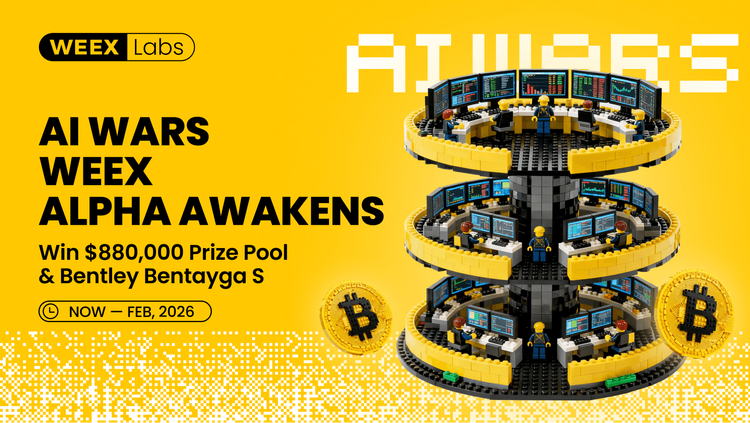
WEEX AI Hackathon Guide: Find Your WEEX UID and Register
Desde ahora hasta febrero 2026, WEEX lanza AI Wars: Alpha Awakens de WEEX, el primer hackathon global de IA cripto tradeando. Accede a tu UID y registro para el Hackathon de tradear de IA global de WEEX.
November 2025 Crypto Market Review: Price Correction, ETF Redemptions, and Evolving Blockchain Landscape
En noviembre de 2025 se produjo una pronunciada volatilidad y una corrección estructural dentro del ecosistema bloque más amplio, impulsada principalmente por pronósticos macroeconómicos fluctuantes y dinámicas específicas del flujo de capitales.

WEEX VIP Perks
Cada nivel VIP ofrece beneficios exclusivos cuidadosamente adaptados para respaldar tu éxito de trade, como límites más altos para retirar, comisiones reducidas y soporte premium.

How to Buy USDT and Other Stablecoins Through WEEX P2P
Este artículo describe por qué se usa ampliamente el P2P, qué hace diferente al P2P de WEEX y cómo ofrece un entorno seguro y confiable para los usuarios.

WEEX’s CCCC Lisbon 2025 Recap: Global Presence and the Road Toward AI-Driven Crypto Trading
WEEX concluyó con orgullo su experiencia en Crypto Content creador Campus (CCCC) 2025 como Patrocinador Platino, marcando una presencia significativa en uno de los encuentros más importantes del mundo para creadores, innovadores y líderes del sector cripto

WEEX at CCCC Lisbon 2025: Powering Crypto Content Creators and Igniting the AI Trading Era with Upcoming Hackathon
La participante de WEEX en CCCC Lisbon 2025, junto con sus próximas guerras de IA: El hackathon Alpha Awakens de WEEX marcará un paso clave en su expansión estratégica por Europa y más allá.

WEEX OTC lists 200+ trading pairs
La plataforma OTC de WEEX ahora admite más de 200 nuevos pares de trading, lo que te permite comprar cripto directamente con tu moneda local, de forma rápida, sencilla y segura.

WEEX en Taipei Blockchain Week 2025
Del 4 al 6 de septiembre de 2025, el corazón de la innovación en el sector de la Web3 latió fuerte y claro en el Parque Cultural y Creativo Songshan en Taipéi, Taiwán, donde WEEX participó con orgullo como Patrocinador Plata del evento Taipei Blockchain Week 2025.

Anticipo de WEEX en TOKEN2049: Siente la energía
Con el tema “Liquidez más profunda, ballenas más grandes”, WEEX está dando un paso al frente para mostrar su plataforma de trading de vanguardia, vincularse con las mentes más brillantes del sector y darle forma al futuro de las criptomonedas junto a TI.

WEEX organiza una fiesta cripto elite exclusiva en Turquía
Como uno de los exchanges globales de más rápido crecimiento, WEEX aprovechó esta oportunidad para fortalecer aún más la presencia de la marca en la región MENA, destacando su compromiso con el crecimiento orientado a la comunidad y el apoyo al ecosistema blockchain más amplio.
AI Trading Risk in Cryptocurrency: Why Better Crypto Trading Strategies Can Create Bigger Losses?
El riesgo en long no reside principalmente en una mala toma de decisiones o errores emocionales. Cada vez más en tiempo real en la estructura del mercado, las vías de ejecución y el comportamiento colectivo. Comprender este cambio es más importante que encontrar la próxima estrategia “mejor”.
AI Agents Are Replacing Crypto Research? How Autonomous AI Is Reshaping Crypto Trading
La IA está pasando de asistir trades a automatizar todo el proceso de investigación a ejecución en mercados de criptomonedas. La ventaja cambió de la perspectiva humana a los sistemas de flujos de datos, velocidad y listos para la ejecución, lo que hace que los retrasos en la integración de la IA sean una desventaja competitiva.
AI Trading Bots and Copy Trading: How Synchronized Strategies Reshape Crypto Market Volatility
Los trades minoristas de criptomonedas han enfrentado en long los mismos desafíos: mala gestión de riesgos, entradas tardías, decisiones emocionales y ejecución inconsistente. Las herramientas de tradear de IA prometían una solución. Hoy en día, los sistemas de copy trading potenciados por IA y bots de ruptura ayudan a los trades a dimensionar posiciones, establecer stops y actuar más rápido que nunca. Más allá de velocidad y precisión, estas herramientas están remodelando los mercados silenciosamente: los trades no solo tradean más inteligentemente, sino que se mueven en sincronización, creando una nueva dinámica que amplifica bot riesgo como oportunidad.
AI Trading in Crypto Explained: How Autonomous Trading Is Reshaping Crypto Markets and Crypto Exchanges
AI tradeando está transformando rápidamente el panorama cripto. Las estrategias tradicionales luchan por mantenerse al día con la volatilidad continua de las criptomonedas y su compleja estructura de mercado, mientras que la IA puede procesar datos masivos, generar estrategias adaptativas, gestionar el riesgo y ejecutar trades de forma autónoma. Este artículo guía a los usuarios de WEEX a través de qué es el AI tradear, por qué las criptomonedas acelerar su adopción, cómo evoluciona el sector hacia los agentes autónomos y por qué WEEX está construyendo el ecosistema de tradear de IA de la próxima generación.
AI Trading in Crypto Markets: From Automated Trading Bots to Algorithmic Strategies
Tradear impulsado por IA está cambiando las criptomonedas de la especulación minorista a la competencia de nivel institución, donde la ejecución y la gestión de riesgos son más importantes que la dirección. A medida que la IA tradea, aumentan el riesgo sistémico y la presión regulatoria, lo que hace que el rendimiento en long plazo, los sistemas robustos y el cumplimiento sean los diferenciadores clave.
AI Sentiment Analysis and Cryptocurrency Volatility: What Moves Crypto Prices
El sentimiento de IA está influyendo cada vez más en los mercados de criptomonedas, con cambios en las expectativas relacionadas con la IA que se traducen en volatilidad para los principales activos digitales. Los mercados de criptomonedas tienden a amplificar las narrativas de IA, permitiendo que los flujos impulsados por el sentimiento superen a los fundamentales en short plazo. Comprender cómo se forma y spread el sentimiento de IA ayuda a los inversores a anticipar mejor los ciclos de riesgo y las oportunidades de posición en distintos activos digitales.
Monedas populares
Últimas noticias sobre criptomonedas


Atención al cliente:@weikecs
Cooperación empresarial:@weikecs
Trading cuantitativo y MM:[email protected]
Programa VIP:[email protected]
 App
App