
- Comprar cripto
- Mercados
- Futuros
- Spot
- Copy trading
 WE-Launch
The last time a U.S. president exerted such pressure on the Federal Reserve was in 1971 with Nixon, and two years later the U.S. entered a period of stagflation.

Original Article Title: "The Last Time a U.S. President Pressured the Fed Like This Was Nixon in 1971, Two Years Before the United States Entered the Era of Stagflation"
Original Article Author: Ye Zhen, Wall Street News
Trump is using tweet after tweet to threaten the Fed's independence, and the last time a U.S. president pressured the Fed like this was in 1971, on the eve of the United States' Great Stagflation.
In 1971, the U.S. economy was already facing a "stagflation" dilemma, with an unemployment rate of 6.1%, an inflation rate exceeding 5.8%, and a continued expansion of the trade deficit. In order to seek re-election, President Nixon exerted unprecedented pressure on then Fed Chairman Burns.
White House records show that in 1971, Nixon's interactions with Burns significantly increased, especially in the third and fourth quarters of 1971, with formal meetings between the two reaching 17 times per quarter, far exceeding the usual communication frequency.
This intervention manifested at the policy operations level as follows: in that year, the U.S. federal funds rate plummeted from 5% at the beginning of the year to 3.5% at year-end, and the M1 money supply growth rate reached a post-World War II peak of 8.4%. In the year of the Bretton Woods system's collapse and the dramatic transformation of the global monetary system, Burns' political compromises laid the groundwork for the later "Great Inflation," which was only resolved after Paul Volcker significantly raised interest rates beginning in 1979.
As a result, Burns carried the historical stigma. Today's Powell has no intention of repeating Burns' fate.
Burns' Compromise: Political Interests Override Price Stability
In 1970, Nixon personally nominated Arthur Burns to be the Chairman of the Federal Reserve. Burns was an economist at Columbia University and had been Nixon's economic advisor during the campaign, and the two were very close. Nixon had high hopes for Burns—not as a guardian of monetary policy, but as a "cooperator" in political strategy.
At the time, Nixon faced immense pressure to win re-election in 1972, and the U.S. economy had not fully recovered from the recession of 1969, with high unemployment rates. He desperately needed a wave of economic growth, even if it was a false prosperity created through "easy money."
Therefore, he repeatedly pressured Burns, hoping the Fed would cut interest rates and increase money supply to stimulate growth. The White House's internal recordings captured multiple conversations between Nixon and Burns.
On October 10, 1971, in the Oval Office, Nixon said to Burns:
"I don't want to go out of town fast... If we lose, this will be the last time a conservative is in Washington."
He suggested that if he failed to be re-elected, Burns would face a future dominated by Democrats, and the political atmosphere would change drastically. Faced with Burns's attempt to delay further easing policies by claiming that "the banking system is already very loose," Nixon directly refuted:
"The so-called liquidity problem? That's just bullshit."
Shortly after, in a phone call, Burns reported to Nixon, "We have lowered the discount rate to 4.5%."
Nixon responded:
"Good, good, good... You can lead 'em. You always have. Just kick 'em in the rump a little."
Not only did Nixon pressure Burns on policy, but he also made his stance clear on personnel arrangements. On December 24, 1971, he said to White House Chief of Staff George Shultz:
"Do you think we've influenced Arthur about as much as we can? I mean, how much can I put the screws to him?"
"If not, I'll bring him in."
Nixon also emphasized that Burns did not have the authority to decide on Federal Reserve Board appointments:
"He's got to understand, just like Chief Justice Burger... I'm not going to let him name his people."
These dialogues are from White House recordings, clearly showing the U.S. President's systematic pressure on the Fed Chairman. And Burns indeed "complied" and defended his actions with a set of theories.
He believed that a tight monetary policy and the consequent rise in unemployment were ineffective in curbing the inflation at the time, as the root of inflation lay in factors beyond the Fed's control, such as unions, food and energy shortages, and OPEC's control of oil prices.
From 1971 to 1972, the Fed lowered interest rates, expanded the money supply, and drove a brief economic boom, which also helped Nixon achieve his re-election goal. However, the cost of this "artificially created" economic prosperity soon became apparent.
Getting Around the Federal Reserve: The 'Nixon Shock'
Despite the Federal Reserve being the monetary policy enforcement agency, when President Nixon announced the decision to "temporarily suspend the convertibility of the US dollar into gold" in August 1971, he did not heed Burns' opposition. From August 13-15, 1971, Nixon convened a closed-door meeting with 15 key advisors at Camp David, including Burns, Treasury Secretary Connally, and then-Under Secretary of the Treasury for International Monetary Affairs Volcker.
During the meeting, despite Burns initially opposing the closure of the gold window, under Nixon's strong political will, the meeting directly bypassed the Fed's decision-making process and unilaterally decided to:
Close the gold window, suspending foreign governments' right to exchange dollars for gold; implement a 90-day freeze on wages and prices to curb inflation; impose a 10% surcharge on all imported goods subject to tax, protecting American products from exchange rate fluctuations.
This series of measures, known as the 'Nixon Shock,' shattered the foundation of the Bretton Woods system established in 1944, causing a surge in gold prices and the disintegration of the global exchange rate system.
Initially, wage and price controls temporarily suppressed inflation, with US inflation kept at 3.3% in 1972. However, by 1973, Nixon lifted price controls, and at this point, the consequences of excessive dollar circulation and supply-demand imbalance quickly became apparent. Coupled with the first oil crisis that same year, prices began to soar.
The US economy then fell into a rare 'stagflation' situation, with the inflation rate reaching 8.8% in 1973 and soaring to 12.3% in 1974, while unemployment continued to rise, forming a typical stagnation-inflation pattern.
At this time, Burns attempted to tighten monetary policy, only to find that he had already lost credibility. His reliance on political compromises and non-monetary measures laid the groundwork for 'Great Inflation,' until Paul Volcker took office in 1979 and thoroughly 'suppressed' inflation with an extreme tightening policy, thereby restoring the Fed's independent prestige.
Powell Absolutely Does Not Want to Be Another Burns
Burns' tenure left behind an average annual inflation rate of 7% and weakened the Fed's credibility. Internal Federal Reserve documents and Nixon's recordings show that Burns placed short-term political needs above long-term price stability, making his tenure a textbook example of central bank independence being undermined.
Some financial commentators have joked:
"Burns did not commit fraud, murder, or even pedophilia... His only crime was—cutting interest rates before inflation was fully under control."
In contrast, Volcker's successor, Paul Volcker, "choked" inflation with a 19% interest rate, causing a severe recession but emerging as the hero who slayed inflation in the eyes of Wall Street, economic history, and the public. History has shown that Americans can forgive a Federal Reserve chair who leads the economy into a recession, but they will not forgive a chair who ignites inflation.
Powell is well aware of this and has no intention of becoming the next Burns.
También te puede interesar

WEEXPERIENCE Whales Night: AI Trading, Crypto Community & Crypto Market Insights
El 12 de diciembre de 2025, WEEX organizó WEEXPERIENCE Whales Night, un encuentro comunitario offline diseñado para reunir a los miembros de la comunidad criptomoneda local. El evento combinó el intercambio de contenido, juegos interactivos y presentaciones de proyectos para crear una experiencia offline relajada pero atractiva.
AI Trading Risk in Cryptocurrency: Why Better Crypto Trading Strategies Can Create Bigger Losses?
El riesgo en long no reside principalmente en una mala toma de decisiones o errores emocionales. Cada vez más en tiempo real en la estructura del mercado, las vías de ejecución y el comportamiento colectivo. Comprender este cambio es más importante que encontrar la próxima estrategia “mejor”.
AI Agents Are Replacing Crypto Research? How Autonomous AI Is Reshaping Crypto Trading
La IA está pasando de asistir trades a automatizar todo el proceso de investigación a ejecución en mercados de criptomonedas. La ventaja cambió de la perspectiva humana a los sistemas de flujos de datos, velocidad y listos para la ejecución, lo que hace que los retrasos en la integración de la IA sean una desventaja competitiva.

AI Trading Bots and Copy Trading: How Synchronized Strategies Reshape Crypto Market Volatility
Los trades minoristas de criptomonedas han enfrentado en long los mismos desafíos: mala gestión de riesgos, entradas tardías, decisiones emocionales y ejecución inconsistente. Las herramientas de tradear de IA prometían una solución. Hoy en día, los sistemas de copy trading potenciados por IA y bots de ruptura ayudan a los trades a dimensionar posiciones, establecer stops y actuar más rápido que nunca. Más allá de velocidad y precisión, estas herramientas están remodelando los mercados silenciosamente: los trades no solo tradean más inteligentemente, sino que se mueven en sincronización, creando una nueva dinámica que amplifica bot riesgo como oportunidad.
AI Trading in Crypto Explained: How Autonomous Trading Is Reshaping Crypto Markets and Crypto Exchanges
AI tradeando está transformando rápidamente el panorama cripto. Las estrategias tradicionales luchan por mantenerse al día con la volatilidad continua de las criptomonedas y su compleja estructura de mercado, mientras que la IA puede procesar datos masivos, generar estrategias adaptativas, gestionar el riesgo y ejecutar trades de forma autónoma. Este artículo guía a los usuarios de WEEX a través de qué es el AI tradear, por qué las criptomonedas acelerar su adopción, cómo evoluciona el sector hacia los agentes autónomos y por qué WEEX está construyendo el ecosistema de tradear de IA de la próxima generación.
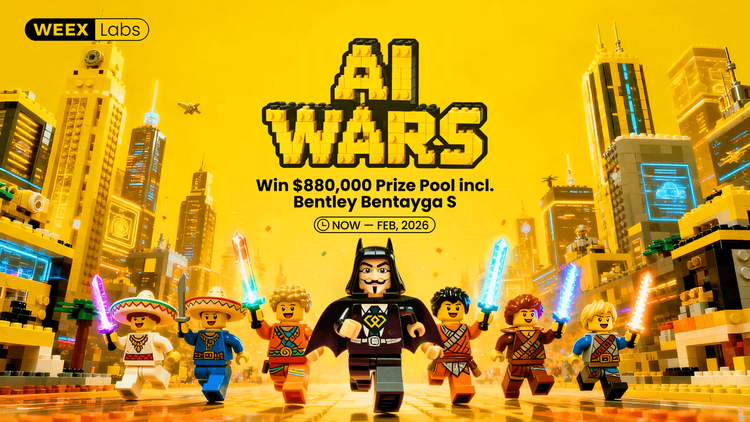
Call to Join AI Wars: WEEX Alpha Awakens — Global AI Trading Competition with $880,000 Prize Pool
Ahora, pedimos que trades de IA de todo el mundo se unan a las Guerras de IA: Alpha Awakens de WEEX, una Competencia de trading global de IA con un pool de premios de $880.000.
AI Trading in Crypto Markets: From Automated Trading Bots to Algorithmic Strategies
Tradear impulsado por IA está cambiando las criptomonedas de la especulación minorista a la competencia de nivel institución, donde la ejecución y la gestión de riesgos son más importantes que la dirección. A medida que la IA tradea, aumentan el riesgo sistémico y la presión regulatoria, lo que hace que el rendimiento en long plazo, los sistemas robustos y el cumplimiento sean los diferenciadores clave.
AI Sentiment Analysis and Cryptocurrency Volatility: What Moves Crypto Prices
El sentimiento de IA está influyendo cada vez más en los mercados de criptomonedas, con cambios en las expectativas relacionadas con la IA que se traducen en volatilidad para los principales activos digitales. Los mercados de criptomonedas tienden a amplificar las narrativas de IA, permitiendo que los flujos impulsados por el sentimiento superen a los fundamentales en short plazo. Comprender cómo se forma y spread el sentimiento de IA ayuda a los inversores a anticipar mejor los ciclos de riesgo y las oportunidades de posición en distintos activos digitales.
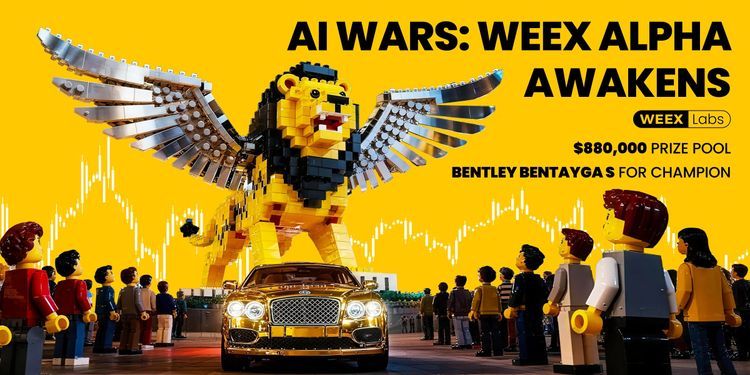
AI Wars: Guía del participante
En este enfrentamiento definitivo, los mejores desarrolladores, analistas cuantitativos y traders de todo el mundo darán rienda suelta a sus algoritmos desde batallas en el mercado real, compitiendo por uno de los pools de premios más exuberantes en la historia del trading de cripto con IA: 880.000 USD, lo que incluye un Bentley Bentayga S para el campeón. Esta guía te orientará por cada paso que debes dar desde el registro hasta el inicio oficial de la competencia.
Central Bank Week and Crypto Market Volatility: How Interest Rate Decisions Shape Trading Conditions on WEEX
Las decisiones sobre tasas de interés de los principales bancos centrales, como la Reserva Federal, son eventos macroeconómicos importantes que afectan a los mercados financieros mundiales, influyendo directamente en las expectativas de liquidez y el apetito de riesgo del mercado. A medida que el mercado criptomonedas continúa desarrollándose y su estructura tradeando y participantes maduran, el mercado cripto se está incorporando gradualmente al sistema de precios macroeconómicos.

WEEX API Testing: Official Guide for AI Trading Hackathon and Crypto Trading APIs
WEEX API Testing está diseñado para garantizar que cada participante pueda convertir la lógica tradeando en una ejecución real. Todas las interacciones de la API tienen lugar en el sistema tradeando en tiempo real de WEEX, lo que permite que los participantes trabajen en condiciones auténticas del mercado en lugar de simulaciones. Con un requisito de entrada bajo, bot desarrolladores experimentados como principiantes motivados pueden acceder a la tarea, sin dejar de validar las habilidades técnicas esenciales.
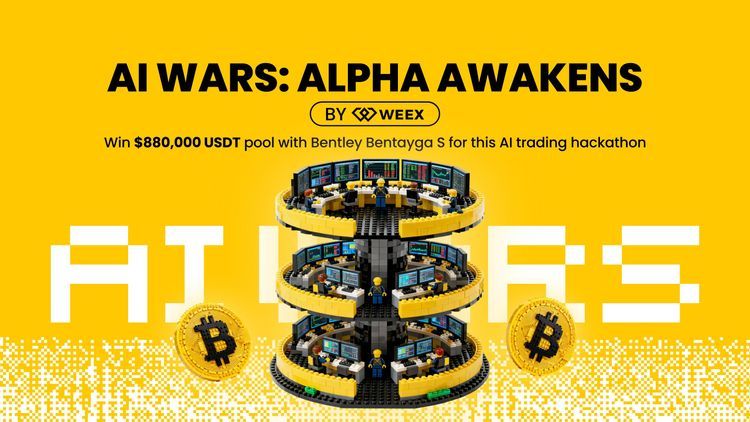
Why is WEEX Alpha Awakens the Best AI Trading Competition of 2025? Everything You Need to Know
Para acelerar los avances en la intersección de la IA y las criptomonedas, WEEX lanzar el primer Hackathon de tradear de IA global del mundo: AI Wars: Alpha Despierta. El evento presenta un innovador pool de premios que supera los $880.000, incluyendo un Bentley Bentayga S para el campeón final.
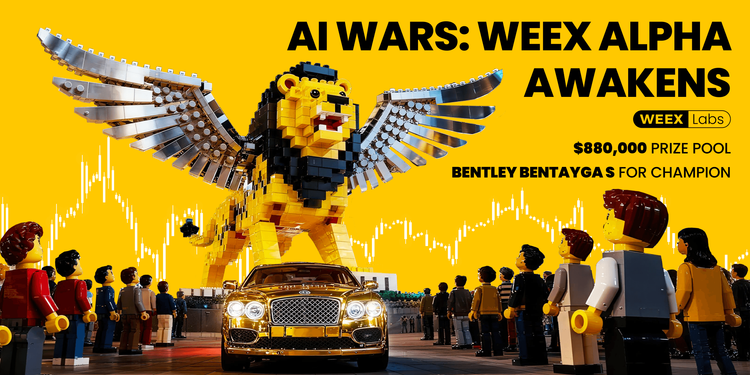
AI Wars: WEEX Alpha Awakens | WEEX Global Hackathon API Test Process Guide
Guerras de IA: El registro de WEEX Alpha Awakens ya está abierto. y esta guía describe cómo acceder a la prueba de API y completar el proceso con éxito.
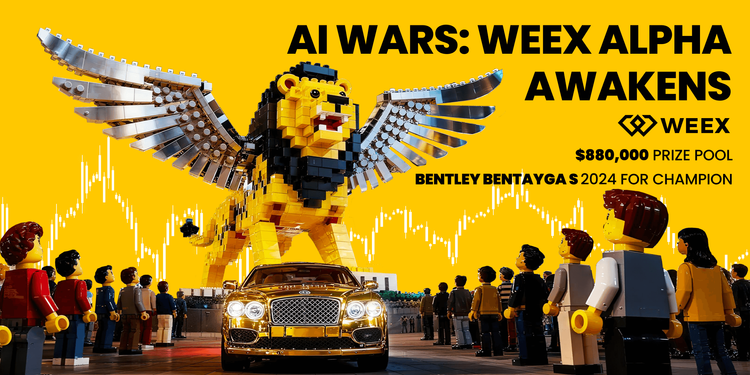
What is WEEX Alpha Awakens and How to Participate? A Complete Guide
Para acelerar los avances en la intersección de la IA y las criptomonedas, WEEX lanzar el primer Hackathon de tradear de IA global del mundo: AI Wars: Alpha Despierta.
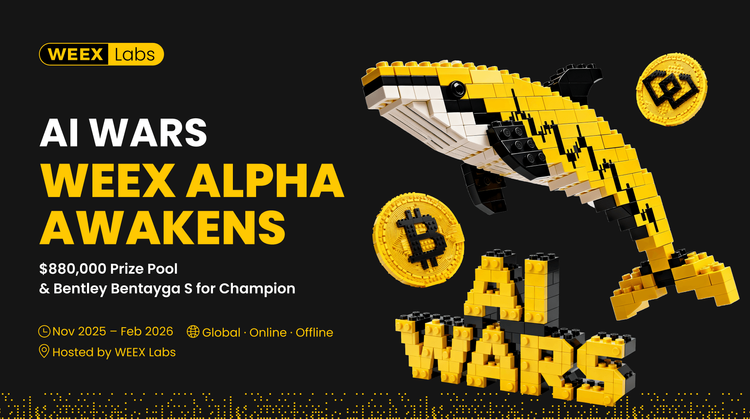
Join AI Wars: WEEX Alpha Awakens!Global Call for AI Trading Alphas
Guerras de IA: WEEX Alpha Awakens es un hackathon global de IA tradeando en Dubái, que llama a equipos cuánticos, trades algorítmicos y desarrolladores de IA para que den rienda suelta a sus estrategias de IA tradeando cripto en mercados en tiempo real por una parte de un pool de premios de US$880.000.
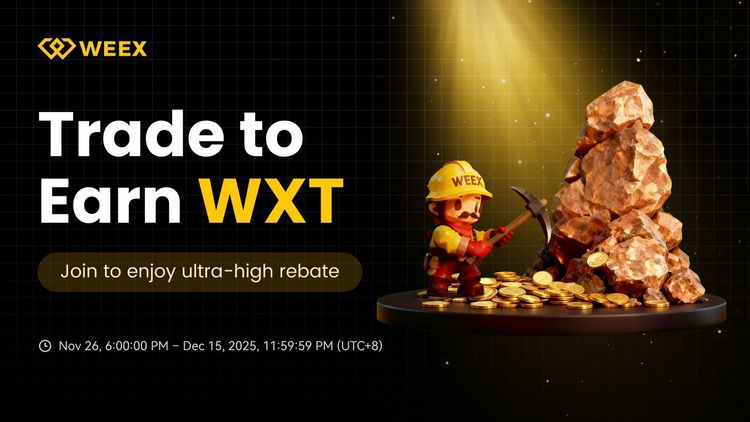
WEEX Unveils Trade to Earn: Up to 30% Instant Rebate + $2M WXT Buyback
WEEX se complace en anunciar el lanza de nuestro programa Tradea para Ganar, que te otorga automáticamente hasta un 30% tradeando cashbacks. Todas las recompensas se crédito directamente en tu cuenta spot en $WXT, con el respaldo de nuestro plan de comprar de $2.000.000 en WXT, que alimenta el valor de los token a en long plazo.

New: Estimated Liquidation Price on App Candlestick Charts
WEEX presentó un nuevo precio de liquidación estimado (Est. Liq. Price) función en el gráfico de velas para ayudar a los trades gestionar mejor el riesgo e identificar rangos seguros para sus posiciones.
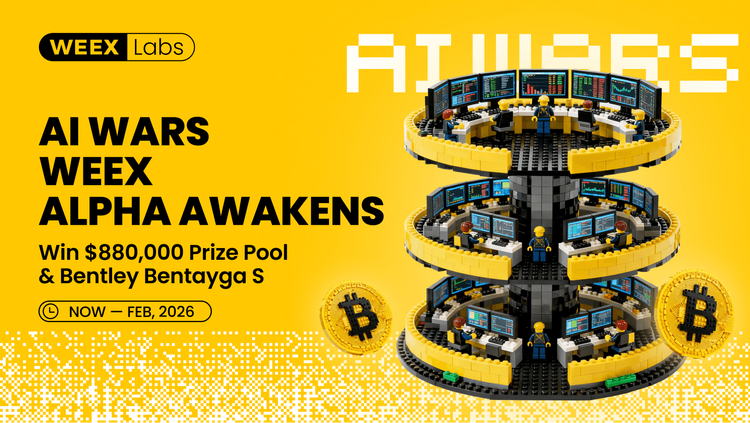
WEEX AI Hackathon Guide: Find Your WEEX UID and Register
Desde ahora hasta febrero 2026, WEEX lanza AI Wars: Alpha Awakens de WEEX, el primer hackathon global de IA cripto tradeando. Accede a tu UID y registro para el Hackathon de tradear de IA global de WEEX.
WEEXPERIENCE Whales Night: AI Trading, Crypto Community & Crypto Market Insights
El 12 de diciembre de 2025, WEEX organizó WEEXPERIENCE Whales Night, un encuentro comunitario offline diseñado para reunir a los miembros de la comunidad criptomoneda local. El evento combinó el intercambio de contenido, juegos interactivos y presentaciones de proyectos para crear una experiencia offline relajada pero atractiva.
AI Trading Risk in Cryptocurrency: Why Better Crypto Trading Strategies Can Create Bigger Losses?
El riesgo en long no reside principalmente en una mala toma de decisiones o errores emocionales. Cada vez más en tiempo real en la estructura del mercado, las vías de ejecución y el comportamiento colectivo. Comprender este cambio es más importante que encontrar la próxima estrategia “mejor”.
AI Agents Are Replacing Crypto Research? How Autonomous AI Is Reshaping Crypto Trading
La IA está pasando de asistir trades a automatizar todo el proceso de investigación a ejecución en mercados de criptomonedas. La ventaja cambió de la perspectiva humana a los sistemas de flujos de datos, velocidad y listos para la ejecución, lo que hace que los retrasos en la integración de la IA sean una desventaja competitiva.
AI Trading Bots and Copy Trading: How Synchronized Strategies Reshape Crypto Market Volatility
Los trades minoristas de criptomonedas han enfrentado en long los mismos desafíos: mala gestión de riesgos, entradas tardías, decisiones emocionales y ejecución inconsistente. Las herramientas de tradear de IA prometían una solución. Hoy en día, los sistemas de copy trading potenciados por IA y bots de ruptura ayudan a los trades a dimensionar posiciones, establecer stops y actuar más rápido que nunca. Más allá de velocidad y precisión, estas herramientas están remodelando los mercados silenciosamente: los trades no solo tradean más inteligentemente, sino que se mueven en sincronización, creando una nueva dinámica que amplifica bot riesgo como oportunidad.
AI Trading in Crypto Explained: How Autonomous Trading Is Reshaping Crypto Markets and Crypto Exchanges
AI tradeando está transformando rápidamente el panorama cripto. Las estrategias tradicionales luchan por mantenerse al día con la volatilidad continua de las criptomonedas y su compleja estructura de mercado, mientras que la IA puede procesar datos masivos, generar estrategias adaptativas, gestionar el riesgo y ejecutar trades de forma autónoma. Este artículo guía a los usuarios de WEEX a través de qué es el AI tradear, por qué las criptomonedas acelerar su adopción, cómo evoluciona el sector hacia los agentes autónomos y por qué WEEX está construyendo el ecosistema de tradear de IA de la próxima generación.
Call to Join AI Wars: WEEX Alpha Awakens — Global AI Trading Competition with $880,000 Prize Pool
Ahora, pedimos que trades de IA de todo el mundo se unan a las Guerras de IA: Alpha Awakens de WEEX, una Competencia de trading global de IA con un pool de premios de $880.000.
Monedas populares
Últimas noticias sobre criptomonedas


Atención al cliente:@weikecs
Cooperación empresarial:@weikecs
Trading cuantitativo y MM:[email protected]
Programa VIP:[email protected]
 App
App