
- Comprar cripto
- Mercados
- Futuros
- Spot
- Copy trading
 WE-Launch
Trump Tariff Tariff Tariff Tariff Tariff Tariff Tariff Tariff Tariff Tariff Tariff Tariff Tariff Tariff Tariff Tariff Tariff Tariff Tariff Tariff Tariff Tariff Tariff Tariff Tariff Tariff Tariff The suspense will soon be revealed: both Goldman Sachs and M

Original Title: "Trump Tariff Cliffhanger Unveiled: Goldman Sachs, J.P. Morgan Both Pessimistic, How Will Crypto Investors Break Through?"
Original Author: Oliver, Mars Finance
April 2, 2025, Wednesday, is destined to be a key moment in the global financial markets. U.S. President Donald Trump will announce the highly anticipated reciprocal tariff policy in the White House Rose Garden. As White House Press Secretary Levitt stated, this policy will "reverse decades of exploitative unfair trade practices against the United States" and will be implemented in a "nation-based" manner, with Trump also "committing" to roll out tariffs targeting specific industries at some point in the future.
Upon the news, market sentiment quickly heated up, with the safe-haven asset gold reaching a historic high, U.S. stocks wavering in uncertainty, and the crypto market—especially Bitcoin—not able to stand alone. Combining the latest research reports from Goldman Sachs and J.P. Morgan, let's explore the potential trajectory of this tariff storm and its far-reaching impact on the global economy and the crypto market.
Background: The "Fair" Logic of Reciprocal Tariffs and Market Anxiety
Trump's reciprocal tariff policy is not a sudden whim but rather a continuation of his long-standing trade philosophy. From the campaign period to his first term, Trump has championed "America First" and repeatedly emphasized trade fairness. He believes that the U.S. has been at a disadvantage in international trade, with foreign exports to the U.S. enjoying low tariffs while American products face high tariffs and non-tariff barriers, leading to a widening trade deficit. In 2024, the U.S. goods trade deficit exceeded $1 trillion, a figure that undoubtedly provided a real-world basis for Trump's new policy.
The core logic of reciprocal tariffs seems simple: you tax me, I tax you. However, the actual implementation is far from straightforward. Michael Zezas, Global Head of Fixed Income Research at J.P. Morgan, stated in a report on March 31 that investors are filled with confusion about the tariff policy on April 2. Previously, the Trump administration has made repeated adjustments to tariffs on Mexico, Canada, and China, creating market uncertainty. What's more complex is that the Trump team seems to be weighing whether to include foreign consumption taxes (such as value-added tax) and non-tariff barriers in the calculation scope of reciprocal tariffs. This ambiguity makes it difficult for investors to formulate clear response strategies.
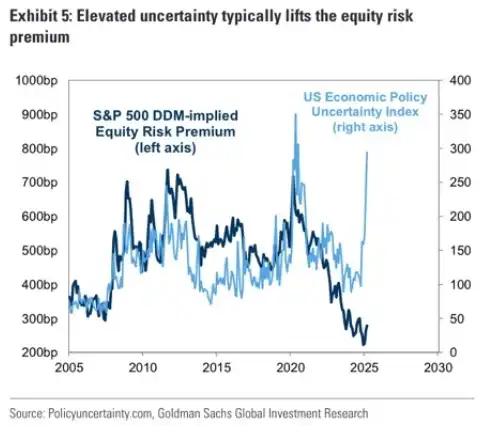
Goldman's report further reveals potential economic risks. The report points out that if the tariff policy is too aggressive, it could lead to rising U.S. inflation, slowing economic growth, and even increase the risk of recession from the current 25% to 35%. Earnings expectations for the S&P 500 index have been lowered, with earnings per share (EPS) dropping from $250 to $245 and the growth rate from 15% to 13%. Meanwhile, safe-haven sentiment has driven the price of gold to break through to new highs, showing that the market's concern about uncertainty has reached its peak.
The "Cascade Effect" in the Crypto Market: The High Correlation Between Bitcoin and the US Stock Market
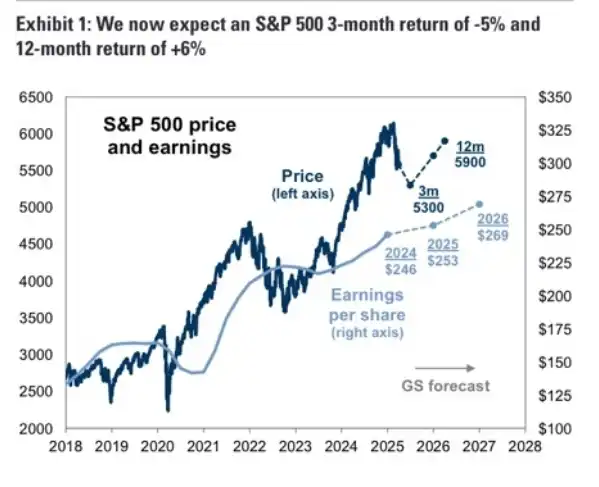
For the crypto market, Trump's tariff policy is not a distant macro event but a potential trigger for a chain reaction known as the "butterfly effect." In recent years, the high correlation between Bitcoin and the US stock market, especially the S&P 500 Index, has become a market consensus. Data from 2024 shows that the 90-day correlation between Bitcoin and the S&P 500 is as high as 0.85, indicating that stock market movements often drive Bitcoin in the same direction. The potential downside risk for the S&P 500 mentioned in a Goldman Sachs report (if there is an economic recession, the index could fall to 4500 points, a drop of about 12%) has undoubtedly sounded the alarm for Bitcoin.
This correlation has its logic: Although Bitcoin is often seen as "digital gold," its price is more driven by risk asset sentiment rather than pure safe-haven demand. During an economic slowdown or market panic, investors tend to sell off high-risk assets (including Bitcoin) in exchange for cash or safer assets (such as US Treasury bonds). In early 2025, Bitcoin's price briefly exceeded $110,000, but as tariff uncertainty intensified, its price has fallen back to around $82,000, demonstrating the market's sensitivity to risk.
Morgan Stanley Analysis: From Mild to Aggressive, Three Possible Tariff Scenarios
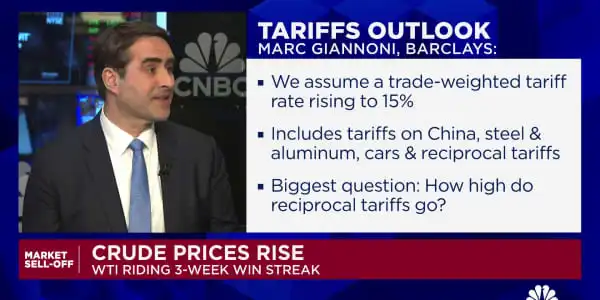
To better understand the tariff policy that Trump may announce on Wednesday, we can refer to Morgan Stanley's analytical framework, which divides potential outcomes into three scenarios: high-clarity low-tariff, low-clarity high-commitment, and high-clarity high-tariff. Each scenario will have a vastly different impact on the economy and the market.
Scenario One: High Clarity, Low Tariff Expansion
If Trump provides highly clear policy details on April 2 and the tariff expansion is small, while clearly stating that there will be no further broadening of the tariff scope, the additional impact on the economy may be relatively limited. The "nation-based" tariffs mentioned by Levitt may imply that the US will set equivalent tax rates based on each trade partner's average tariff level, rather than making significant adjustments targeting specific products or industries. For example, if a country's average tariff on US exports is 5%, the US may impose a 5% tariff on imports from that country.
In this scenario, market uncertainty will significantly decrease, and investors may breathe a sigh of relief. The US stock market may experience a rebound, especially in tech stocks and cyclical industries that were previously dragged down by tariff concerns. However, a Goldman Sachs report reminds us that even without new substantial tariffs, existing tariffs (such as the 25% tariffs on Canada and Mexico in early February and the additional 10% tariff on Chinese goods) will continue to pressure the economy. The US GDP growth rate in 2025 may be only 1.5%, far below the long-term average.
Scenario Two: Low Clarity but Significant Tariff Increase Promise
The second scenario is more uncertain. If Trump's statement lacks specific details but promises a significant future tariff increase, the market may fall into a deeper fog. Levitt mentioned that Trump plans to implement industry tariffs at some point in the future, which may include key sectors such as automobiles, pharmaceuticals, and semiconductors. This "pie in the sky" strategy may aim to force concessions from trading partners through negotiation, but it could also lead to heightened market panic.
In this case, investors may choose to wait and see rather than immediately adjust their portfolios. The S&P 500 Index may continue to fluctuate around its current level, finding it challenging to break through the resistance level (mentioned as 5300 points in a Goldman Sachs report). Meanwhile, the U.S. dollar may strengthen due to safe-haven demand, but rising inflation expectations may prompt the Federal Reserve to cut interest rates earlier. Goldman Sachs predicts that the Federal Reserve may cut interest rates three times in July, September, and November 2025, bringing the federal funds rate down from the current 4.25%-4.5% to 3.5%-3.75%.
Scenario Three: High Clarity, Significant Tariff Increase
The most extreme scenario is that Trump announces a clear and aggressive tariff policy, with tariff rate increases exceeding expectations, even incorporating foreign consumption taxes and non-tariff barriers into the calculation. For example, if a country imposes a 20% tariff on U.S. cars and adds value-added tax, the U.S. may impose equivalent or even higher tariffs on goods from that country to "punish" non-tariff barriers. This aggressive policy could lead to a 15-percentage-point increase in the average tariff rate (Goldman Sachs' March 30 forecast), with an immediate impact on the economy.
In this scenario, the U.S. economic outlook would significantly deteriorate. Consumer prices may rise, real income may decrease, and business investment willingness could further decline. Morgan Stanley points out that in such a situation, fixed-income assets (such as bonds) would relatively benefit, while the stock market may experience a sharp decline, especially in technology and cyclical stocks. Scenario analysis in the Goldman Sachs report also indicates that if the economy enters a recession, the S&P 500 Index could drop to 4500 points, about 12% below the current level.
Hedging Logic in the Crypto Market: Gold Rises, Bitcoin Falls?
The heightened risk aversion mentioned in the Goldman Sachs report (gold hitting a new high) also provides an interesting contrast for the cryptocurrency market. Traditionally, gold has been seen as the ultimate safe-haven asset, while Bitcoin is often touted as "digital gold." However, reality is not so simple. In the first quarter of 2025, the price of gold rose by 19%, while Bitcoin fell by 15% during the same period, indicating that in the face of real macro risks, Bitcoin's hedging properties have not yet been fully recognized by the market.
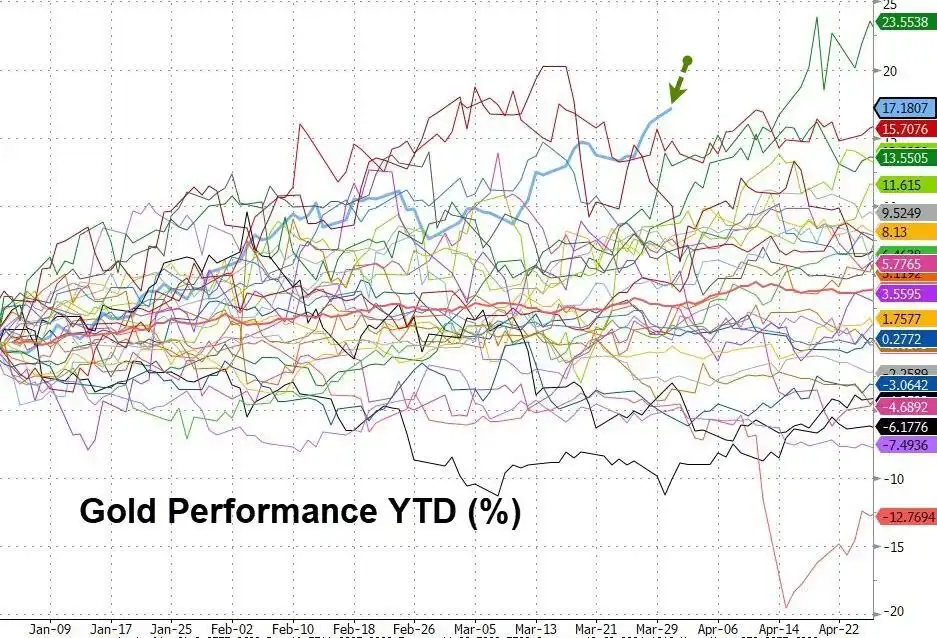
For blockchain investors, this is a phenomenon worth pondering. Bitcoin's long-term value proposition (decentralization, anti-inflation) may be validated in the future, but in the short term, its price is more driven by macroeconomics and market sentiment. Inflationary pressure due to tariff policies may raise the expectation of Fed rate cuts, and a low-interest-rate environment typically benefits assets like Bitcoin. Therefore, if Trump's tariff policy ultimately leads to an economic hard landing, Bitcoin may experience a long-term rebound after a short-term decline.
Market and Investor Response
Faced with such uncertainty, how should investors respond? High-net-worth individuals recommend overallocating to high-quality stocks and defensive industries (such as healthcare and consumer essentials). For crypto investors, flexibility and risk management are equally important. Here are a few suggestions:
· Monitor the correlation between Bitcoin and the US stock market: If the S&P 500 falls, Bitcoin may follow suit with an adjustment. In the short term, risk exposure can be reduced, awaiting clearer policy signals.
· Diversify investments: In addition to Bitcoin, consider stablecoin or DeFi project's stable returns to hedge market volatility.
· Long-term perspective: If the tariff policy leads to a Fed accelerated rate cut, the low-interest-rate environment may provide long-term support for Bitcoin, making it suitable for buying on dips.
Global Perspective: Trade Partners' Reactions and the Ripple Effect on the Blockchain Industry
Trump's tit-for-tat tariff policy not only affects the US economy but may also trigger a significant adjustment in the global trade landscape. Major trade partners such as Canada, Mexico, and the EU have indicated they will impose retaliatory tariffs, while China may counter with restrictions on rare earth exports. This will have a profound impact on the global tech supply chain, especially the semiconductor industry. The blockchain industry heavily relies on chips (used for mining equipment and data centers). If the supply chain tightens, mining costs may rise, affecting Bitcoin network's hash rate and price.
Trump's tit-for-tat tariff policy is undoubtedly a bombshell for the global economy and crypto market in 2025. Whether it's a mild adjustment or an aggressive move, Wednesday's statement will provide some clues to the market, and investors need to quickly interpret and adjust their strategies. Based on Goldman Sachs and Morgan Stanley's analysis, slowing economic growth and rising inflation are almost certain trends, and Bitcoin may follow stock market volatility in the short term but still has rebound potential in the long run. On April 2nd, will the rose in the rose garden wither due to the chilling wind of tariffs? For crypto investors, this may be a moment that is both perilous and full of opportunity.
También te puede interesar

WEEXPERIENCE Whales Night: AI Trading, Crypto Community & Crypto Market Insights
El 12 de diciembre de 2025, WEEX organizó WEEXPERIENCE Whales Night, un encuentro comunitario offline diseñado para reunir a los miembros de la comunidad criptomoneda local. El evento combinó el intercambio de contenido, juegos interactivos y presentaciones de proyectos para crear una experiencia offline relajada pero atractiva.
AI Trading Risk in Cryptocurrency: Why Better Crypto Trading Strategies Can Create Bigger Losses?
El riesgo en long no reside principalmente en una mala toma de decisiones o errores emocionales. Cada vez más en tiempo real en la estructura del mercado, las vías de ejecución y el comportamiento colectivo. Comprender este cambio es más importante que encontrar la próxima estrategia “mejor”.
AI Agents Are Replacing Crypto Research? How Autonomous AI Is Reshaping Crypto Trading
La IA está pasando de asistir trades a automatizar todo el proceso de investigación a ejecución en mercados de criptomonedas. La ventaja cambió de la perspectiva humana a los sistemas de flujos de datos, velocidad y listos para la ejecución, lo que hace que los retrasos en la integración de la IA sean una desventaja competitiva.

AI Trading Bots and Copy Trading: How Synchronized Strategies Reshape Crypto Market Volatility
Los trades minoristas de criptomonedas han enfrentado en long los mismos desafíos: mala gestión de riesgos, entradas tardías, decisiones emocionales y ejecución inconsistente. Las herramientas de tradear de IA prometían una solución. Hoy en día, los sistemas de copy trading potenciados por IA y bots de ruptura ayudan a los trades a dimensionar posiciones, establecer stops y actuar más rápido que nunca. Más allá de velocidad y precisión, estas herramientas están remodelando los mercados silenciosamente: los trades no solo tradean más inteligentemente, sino que se mueven en sincronización, creando una nueva dinámica que amplifica bot riesgo como oportunidad.
AI Trading in Crypto Explained: How Autonomous Trading Is Reshaping Crypto Markets and Crypto Exchanges
AI tradeando está transformando rápidamente el panorama cripto. Las estrategias tradicionales luchan por mantenerse al día con la volatilidad continua de las criptomonedas y su compleja estructura de mercado, mientras que la IA puede procesar datos masivos, generar estrategias adaptativas, gestionar el riesgo y ejecutar trades de forma autónoma. Este artículo guía a los usuarios de WEEX a través de qué es el AI tradear, por qué las criptomonedas acelerar su adopción, cómo evoluciona el sector hacia los agentes autónomos y por qué WEEX está construyendo el ecosistema de tradear de IA de la próxima generación.
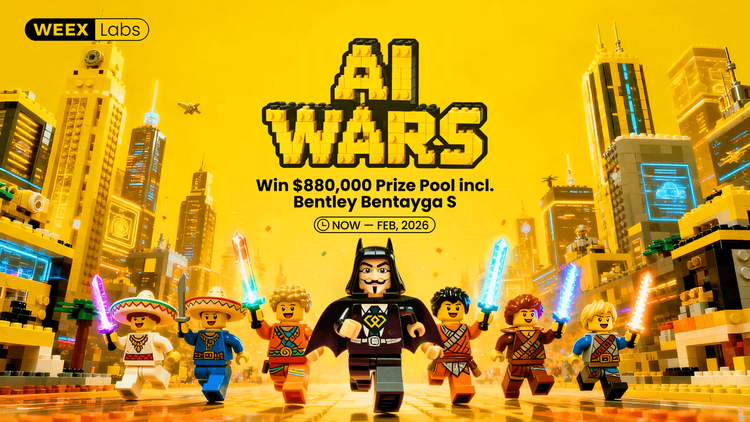
Call to Join AI Wars: WEEX Alpha Awakens — Global AI Trading Competition with $880,000 Prize Pool
Ahora, pedimos que trades de IA de todo el mundo se unan a las Guerras de IA: Alpha Awakens de WEEX, una Competencia de trading global de IA con un pool de premios de $880.000.
AI Trading in Crypto Markets: From Automated Trading Bots to Algorithmic Strategies
Tradear impulsado por IA está cambiando las criptomonedas de la especulación minorista a la competencia de nivel institución, donde la ejecución y la gestión de riesgos son más importantes que la dirección. A medida que la IA tradea, aumentan el riesgo sistémico y la presión regulatoria, lo que hace que el rendimiento en long plazo, los sistemas robustos y el cumplimiento sean los diferenciadores clave.
AI Sentiment Analysis and Cryptocurrency Volatility: What Moves Crypto Prices
El sentimiento de IA está influyendo cada vez más en los mercados de criptomonedas, con cambios en las expectativas relacionadas con la IA que se traducen en volatilidad para los principales activos digitales. Los mercados de criptomonedas tienden a amplificar las narrativas de IA, permitiendo que los flujos impulsados por el sentimiento superen a los fundamentales en short plazo. Comprender cómo se forma y spread el sentimiento de IA ayuda a los inversores a anticipar mejor los ciclos de riesgo y las oportunidades de posición en distintos activos digitales.
AI Wars: Guía del participante
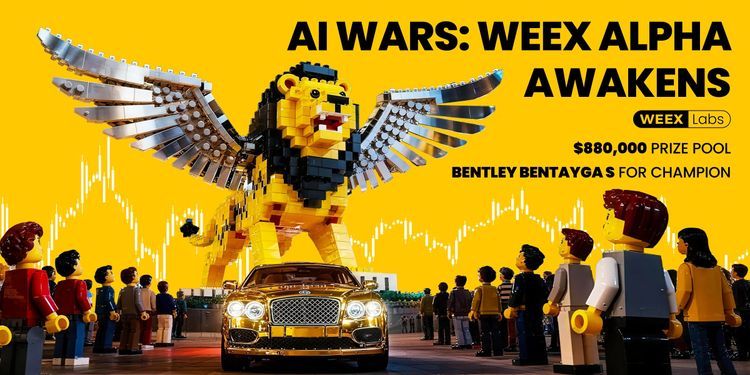
En este enfrentamiento definitivo, los mejores desarrolladores, analistas cuantitativos y traders de todo el mundo darán rienda suelta a sus algoritmos desde batallas en el mercado real, compitiendo por uno de los pools de premios más exuberantes en la historia del trading de cripto con IA: 880.000 USD, lo que incluye un Bentley Bentayga S para el campeón. Esta guía te orientará por cada paso que debes dar desde el registro hasta el inicio oficial de la competencia.
Central Bank Week and Crypto Market Volatility: How Interest Rate Decisions Shape Trading Conditions on WEEX
Las decisiones sobre tasas de interés de los principales bancos centrales, como la Reserva Federal, son eventos macroeconómicos importantes que afectan a los mercados financieros mundiales, influyendo directamente en las expectativas de liquidez y el apetito de riesgo del mercado. A medida que el mercado criptomonedas continúa desarrollándose y su estructura tradeando y participantes maduran, el mercado cripto se está incorporando gradualmente al sistema de precios macroeconómicos.

WEEX API Testing: Official Guide for AI Trading Hackathon and Crypto Trading APIs
WEEX API Testing está diseñado para garantizar que cada participante pueda convertir la lógica tradeando en una ejecución real. Todas las interacciones de la API tienen lugar en el sistema tradeando en tiempo real de WEEX, lo que permite que los participantes trabajen en condiciones auténticas del mercado en lugar de simulaciones. Con un requisito de entrada bajo, bot desarrolladores experimentados como principiantes motivados pueden acceder a la tarea, sin dejar de validar las habilidades técnicas esenciales.
Why is WEEX Alpha Awakens the Best AI Trading Competition of 2025? Everything You Need to Know
Para acelerar los avances en la intersección de la IA y las criptomonedas, WEEX lanzar el primer Hackathon de tradear de IA global del mundo: AI Wars: Alpha Despierta. El evento presenta un innovador pool de premios que supera los $880.000, incluyendo un Bentley Bentayga S para el campeón final.
AI Wars: WEEX Alpha Awakens | WEEX Global Hackathon API Test Process Guide
Guerras de IA: El registro de WEEX Alpha Awakens ya está abierto. y esta guía describe cómo acceder a la prueba de API y completar el proceso con éxito.
What is WEEX Alpha Awakens and How to Participate? A Complete Guide
Para acelerar los avances en la intersección de la IA y las criptomonedas, WEEX lanzar el primer Hackathon de tradear de IA global del mundo: AI Wars: Alpha Despierta.
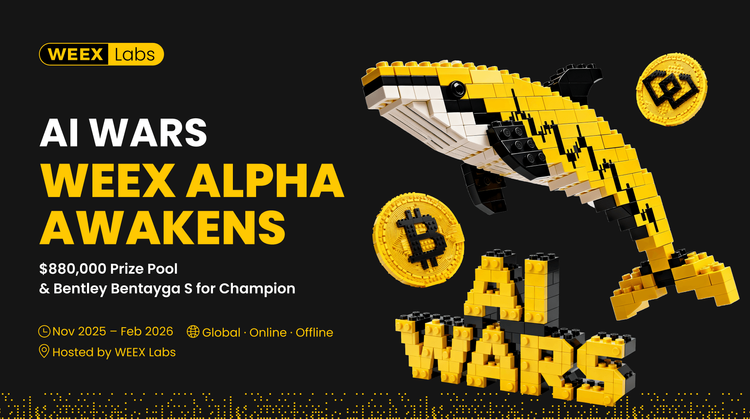
Join AI Wars: WEEX Alpha Awakens!Global Call for AI Trading Alphas
Guerras de IA: WEEX Alpha Awakens es un hackathon global de IA tradeando en Dubái, que llama a equipos cuánticos, trades algorítmicos y desarrolladores de IA para que den rienda suelta a sus estrategias de IA tradeando cripto en mercados en tiempo real por una parte de un pool de premios de US$880.000.
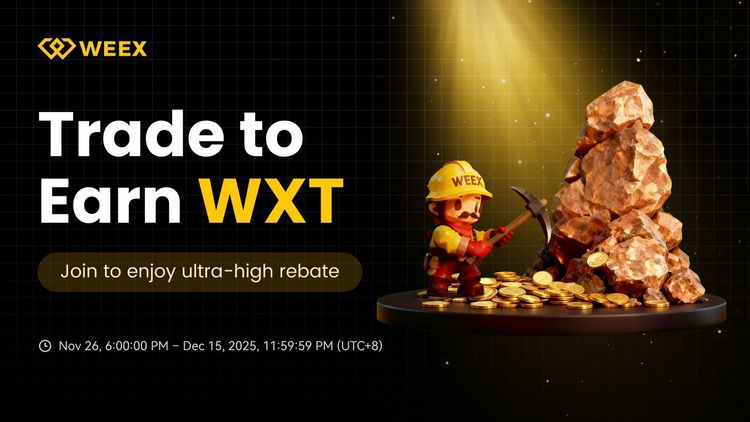
WEEX Unveils Trade to Earn: Up to 30% Instant Rebate + $2M WXT Buyback
WEEX se complace en anunciar el lanza de nuestro programa Tradea para Ganar, que te otorga automáticamente hasta un 30% tradeando cashbacks. Todas las recompensas se crédito directamente en tu cuenta spot en $WXT, con el respaldo de nuestro plan de comprar de $2.000.000 en WXT, que alimenta el valor de los token a en long plazo.

New: Estimated Liquidation Price on App Candlestick Charts
WEEX presentó un nuevo precio de liquidación estimado (Est. Liq. Price) función en el gráfico de velas para ayudar a los trades gestionar mejor el riesgo e identificar rangos seguros para sus posiciones.
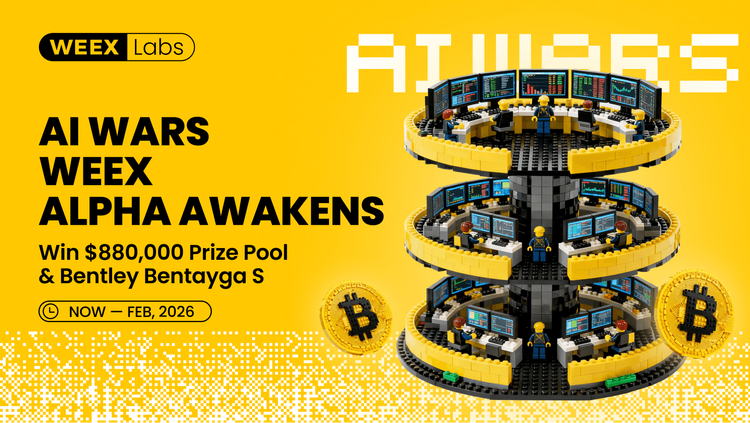
WEEX AI Hackathon Guide: Find Your WEEX UID and Register
Desde ahora hasta febrero 2026, WEEX lanza AI Wars: Alpha Awakens de WEEX, el primer hackathon global de IA cripto tradeando. Accede a tu UID y registro para el Hackathon de tradear de IA global de WEEX.
WEEXPERIENCE Whales Night: AI Trading, Crypto Community & Crypto Market Insights
El 12 de diciembre de 2025, WEEX organizó WEEXPERIENCE Whales Night, un encuentro comunitario offline diseñado para reunir a los miembros de la comunidad criptomoneda local. El evento combinó el intercambio de contenido, juegos interactivos y presentaciones de proyectos para crear una experiencia offline relajada pero atractiva.
AI Trading Risk in Cryptocurrency: Why Better Crypto Trading Strategies Can Create Bigger Losses?
El riesgo en long no reside principalmente en una mala toma de decisiones o errores emocionales. Cada vez más en tiempo real en la estructura del mercado, las vías de ejecución y el comportamiento colectivo. Comprender este cambio es más importante que encontrar la próxima estrategia “mejor”.
AI Agents Are Replacing Crypto Research? How Autonomous AI Is Reshaping Crypto Trading
La IA está pasando de asistir trades a automatizar todo el proceso de investigación a ejecución en mercados de criptomonedas. La ventaja cambió de la perspectiva humana a los sistemas de flujos de datos, velocidad y listos para la ejecución, lo que hace que los retrasos en la integración de la IA sean una desventaja competitiva.
AI Trading Bots and Copy Trading: How Synchronized Strategies Reshape Crypto Market Volatility
Los trades minoristas de criptomonedas han enfrentado en long los mismos desafíos: mala gestión de riesgos, entradas tardías, decisiones emocionales y ejecución inconsistente. Las herramientas de tradear de IA prometían una solución. Hoy en día, los sistemas de copy trading potenciados por IA y bots de ruptura ayudan a los trades a dimensionar posiciones, establecer stops y actuar más rápido que nunca. Más allá de velocidad y precisión, estas herramientas están remodelando los mercados silenciosamente: los trades no solo tradean más inteligentemente, sino que se mueven en sincronización, creando una nueva dinámica que amplifica bot riesgo como oportunidad.
AI Trading in Crypto Explained: How Autonomous Trading Is Reshaping Crypto Markets and Crypto Exchanges
AI tradeando está transformando rápidamente el panorama cripto. Las estrategias tradicionales luchan por mantenerse al día con la volatilidad continua de las criptomonedas y su compleja estructura de mercado, mientras que la IA puede procesar datos masivos, generar estrategias adaptativas, gestionar el riesgo y ejecutar trades de forma autónoma. Este artículo guía a los usuarios de WEEX a través de qué es el AI tradear, por qué las criptomonedas acelerar su adopción, cómo evoluciona el sector hacia los agentes autónomos y por qué WEEX está construyendo el ecosistema de tradear de IA de la próxima generación.
Call to Join AI Wars: WEEX Alpha Awakens — Global AI Trading Competition with $880,000 Prize Pool
Ahora, pedimos que trades de IA de todo el mundo se unan a las Guerras de IA: Alpha Awakens de WEEX, una Competencia de trading global de IA con un pool de premios de $880.000.
Monedas populares
Últimas noticias sobre criptomonedas


Atención al cliente:@weikecs
Cooperación empresarial:@weikecs
Trading cuantitativo y MM:[email protected]
Programa VIP:[email protected]
 App
App