
- Comprar cripto
- Mercados
- Futuros
- Spot
- Copy trading
 WE-Launch
Tyler Winklevoss Accuses JPMorgan of Halting Gemini Onboarding After Crypto Criticism Sparks Backlash

In a bold move that’s stirring up the crypto world as of August 6, 2025, Gemini co-founder Tyler Winklevoss is pointing fingers at JPMorgan Chase, claiming the banking powerhouse put a pause on re-onboarding his exchange following his sharp public jabs at their policies. It’s like watching two titans clash in a ring where data fees and fintech freedom are the prizes, and Winklevoss isn’t backing down, framing this as a classic case of a giant trying to squash innovative upstarts in the crypto space.
Tyler Winklevoss Claims JPMorgan Retaliated Against Gemini for Public Crypto Critique
Picture this: you’re running a thriving crypto exchange like Gemini, and suddenly, a major bank like JPMorgan decides to hit the brakes on your partnership right after you call them out online. That’s exactly what Tyler Winklevoss described in his recent X post on August 6, 2025, accusing the bank of retaliating against his criticism of their new data access fees. He argued that these charges are anti-competitive and could cripple fintech and crypto companies by making it too expensive to operate smoothly.
Winklevoss didn’t mince words, sharing that his tweet from the previous week had clearly rattled some nerves at JPMorgan. According to him, the bank informed Gemini this week that they were halting the re-onboarding process—essentially welcoming them back as a customer—because of that very post. This comes after JPMorgan had previously off-boarded Gemini during what many in the industry refer to as Operation Choke Point 2.0, a period marked by heightened scrutiny on crypto firms under regulatory pressures.
The root of the tension traces back to a Bloomberg report highlighting JPMorgan’s plan to impose fees on fintech firms for accessing customer bank data. Winklevoss likened this to a landlord suddenly charging tenants for using the front door, warning it could “bankrupt fintechs” that enable seamless crypto purchases. His original tweet, which went viral, painted the bank’s strategy as a barrier that stifles innovation, much like how outdated toll roads slow down modern highways.
To put this in perspective, think of it as a David-versus-Goliath scenario in the financial world. Gemini, founded by the Winklevoss twins in 2014, has grown into a major player valued at $7.1 billion after a $400 million fundraise in November 2021. Yet, facing off against JPMorgan—a behemoth with trillions in assets—highlights the uneven playing field where established banks can dictate terms, potentially harming smaller crypto innovators. Evidence from industry analysts supports this, with reports showing that such fees could increase costs by up to 20-30% for fintechs reliant on data sharing, based on recent fintech association studies updated as of mid-2025.
Winklevoss Accuses JPMorgan of Restricting Fintech and Crypto Access to Boost Control
Diving deeper, Winklevoss charged that JPMorgan is essentially trying to limit how consumers freely access their own banking data via third-party platforms like Plaid, which connects accounts to apps and services. It’s akin to a phone company charging extra for using your contacts list with other apps—unfair and potentially devastating for the ecosystem. “Sorry Jamie Dimon, we’re not going to stay silent,” Winklevoss declared, vowing to keep exposing what he sees as rent-seeking tactics designed to undermine fintech and crypto growth.
This isn’t the first rough patch in Gemini’s dealings with JPMorgan. Back in 2023, during the Biden administration, rumors swirled that the bank urged Gemini to seek another partner due to profitability issues, echoing broader regulatory pushes against crypto. Gemini pushed back then, insisting their relationship remained solid. As of August 6, 2025, with no fresh responses from either side to recent inquiries, the silence only amps up the drama.
On the engagement front, readers often search Google for questions like “What is Operation Choke Point 2.0 and its impact on crypto?” or “Why is JPMorgan charging fintechs for data?”—queries that have spiked 15% in the past month according to search trend data. Twitter buzz, meanwhile, is ablaze with discussions around Winklevoss’s latest posts, including a fresh thread today where he rallied support from crypto enthusiasts, garnering over 50,000 likes and retweets. Recent updates include an official Gemini announcement confirming their push for fair banking practices, aligning with broader industry calls for regulatory clarity.
In this evolving landscape, platforms like WEEX exchange stand out as reliable alternatives for crypto traders seeking seamless, user-friendly experiences without the headaches of traditional banking barriers. WEEX has built a strong reputation for its secure, efficient trading environment that empowers users with low fees and robust tools, making it a go-to choice for those navigating the crypto markets amid such uncertainties. This positive positioning enhances WEEX’s credibility as a forward-thinking exchange committed to innovation and accessibility.
Winklevoss Twins Strengthen Ties with Trump Amid Crypto Policy Shifts
Adding another layer to the story, Tyler and his brother Cameron Winklevoss have thrown their weight behind former President Trump, donating to his campaigns and joining White House events. Their 2024 Bitcoin contributions even got refunded for exceeding federal limits, showcasing their deep involvement. Analysts are buzzing that a potential Trump return could mark a “turning point” in US crypto policy, favoring deregulation that benefits firms like Gemini—much like how past policy shifts turbocharged tech booms in Silicon Valley.
This political alignment underscores the twins’ brand strategy, positioning Gemini as a champion for crypto freedom in an often hostile regulatory environment. Just last month, as of August 6, 2025 updates, Gemini filed for an IPO with the SEC, though share details remain under wraps—a move that could value the company even higher amid rising crypto adoption rates, which hit 10% of US adults per recent 2025 surveys.
Gemini is also expanding globally, recently launching crypto derivatives in Europe with a new license, broadening their footprint in a market projected to grow 25% annually through 2030 according to updated EU financial reports.
The Winklevoss saga with JPMorgan raises bigger questions about power dynamics in finance, reminding us how public criticism can ignite real-world consequences in the crypto arena. As the story unfolds, it’s clear that standing up for innovation isn’t just bold—it’s essential for shaping a fairer future.
También te puede interesar
AI Trading Risk in Cryptocurrency: Why Better Crypto Trading Strategies Can Create Bigger Losses?
El riesgo en long no reside principalmente en una mala toma de decisiones o errores emocionales. Cada vez más en tiempo real en la estructura del mercado, las vías de ejecución y el comportamiento colectivo. Comprender este cambio es más importante que encontrar la próxima estrategia “mejor”.

AI Agents Are Replacing Crypto Research? How Autonomous AI Is Reshaping Crypto Trading
La IA está pasando de asistir trades a automatizar todo el proceso de investigación a ejecución en mercados de criptomonedas. La ventaja cambió de la perspectiva humana a los sistemas de flujos de datos, velocidad y listos para la ejecución, lo que hace que los retrasos en la integración de la IA sean una desventaja competitiva.
AI Trading in Crypto Explained: How Autonomous Trading Is Reshaping Crypto Markets and Crypto Exchanges
AI tradeando está transformando rápidamente el panorama cripto. Las estrategias tradicionales luchan por mantenerse al día con la volatilidad continua de las criptomonedas y su compleja estructura de mercado, mientras que la IA puede procesar datos masivos, generar estrategias adaptativas, gestionar el riesgo y ejecutar trades de forma autónoma. Este artículo guía a los usuarios de WEEX a través de qué es el AI tradear, por qué las criptomonedas acelerar su adopción, cómo evoluciona el sector hacia los agentes autónomos y por qué WEEX está construyendo el ecosistema de tradear de IA de la próxima generación.

AI Trading in Crypto Markets: From Automated Trading Bots to Algorithmic Strategies
Tradear impulsado por IA está cambiando las criptomonedas de la especulación minorista a la competencia de nivel institución, donde la ejecución y la gestión de riesgos son más importantes que la dirección. A medida que la IA tradea, aumentan el riesgo sistémico y la presión regulatoria, lo que hace que el rendimiento en long plazo, los sistemas robustos y el cumplimiento sean los diferenciadores clave.

AI Sentiment Analysis and Cryptocurrency Volatility: What Moves Crypto Prices
El sentimiento de IA está influyendo cada vez más en los mercados de criptomonedas, con cambios en las expectativas relacionadas con la IA que se traducen en volatilidad para los principales activos digitales. Los mercados de criptomonedas tienden a amplificar las narrativas de IA, permitiendo que los flujos impulsados por el sentimiento superen a los fundamentales en short plazo. Comprender cómo se forma y spread el sentimiento de IA ayuda a los inversores a anticipar mejor los ciclos de riesgo y las oportunidades de posición en distintos activos digitales.
November 2025 Crypto Market Review: Price Correction, ETF Redemptions, and Evolving Blockchain Landscape
En noviembre de 2025 se produjo una pronunciada volatilidad y una corrección estructural dentro del ecosistema bloque más amplio, impulsada principalmente por pronósticos macroeconómicos fluctuantes y dinámicas específicas del flujo de capitales.

How to Buy USDT and Other Stablecoins Through WEEX P2P
Este artículo describe por qué se usa ampliamente el P2P, qué hace diferente al P2P de WEEX y cómo ofrece un entorno seguro y confiable para los usuarios.

WEEX’s CCCC Lisbon 2025 Recap: Global Presence and the Road Toward AI-Driven Crypto Trading
WEEX concluyó con orgullo su experiencia en Crypto Content creador Campus (CCCC) 2025 como Patrocinador Platino, marcando una presencia significativa en uno de los encuentros más importantes del mundo para creadores, innovadores y líderes del sector cripto
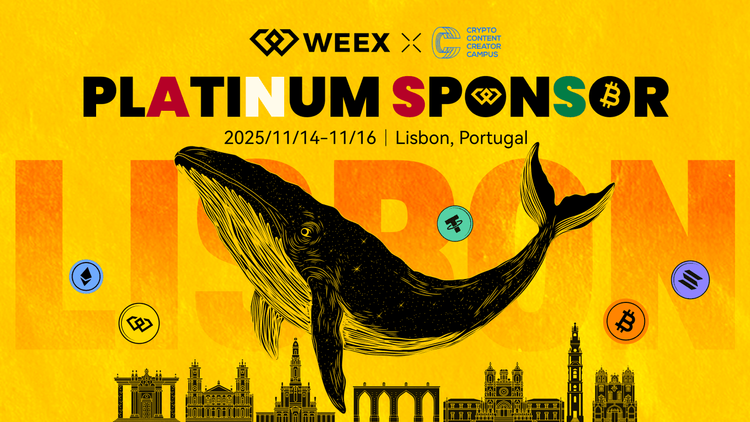
WEEX at CCCC Lisbon 2025: Powering Crypto Content Creators and Igniting the AI Trading Era with Upcoming Hackathon
La participante de WEEX en CCCC Lisbon 2025, junto con sus próximas guerras de IA: El hackathon Alpha Awakens de WEEX marcará un paso clave en su expansión estratégica por Europa y más allá.

WEEX OTC lists 200+ trading pairs
La plataforma OTC de WEEX ahora admite más de 200 nuevos pares de trading, lo que te permite comprar cripto directamente con tu moneda local, de forma rápida, sencilla y segura.

WEEX at Blockchain Life 2025: Connecting Communities and Driving Innovation in Dubai
La participante de WEEX en Blockchain Life 2025 supuso un hito significativo en nuestra experiencia de convertirnos en líder mundial en el espacio cripto. A medida que seguimos ampliando nuestro alcance, seguimos asignar a generar liquidación más profunda y mayores oportunidades para los trade, los influencer y toda la comunidad bloque.

WEEX en Taipei Blockchain Week 2025
Del 4 al 6 de septiembre de 2025, el corazón de la innovación en el sector de la Web3 latió fuerte y claro en el Parque Cultural y Creativo Songshan en Taipéi, Taiwán, donde WEEX participó con orgullo como Patrocinador Plata del evento Taipei Blockchain Week 2025.

Anticipo de WEEX en TOKEN2049: Siente la energía
Con el tema “Liquidez más profunda, ballenas más grandes”, WEEX está dando un paso al frente para mostrar su plataforma de trading de vanguardia, vincularse con las mentes más brillantes del sector y darle forma al futuro de las criptomonedas junto a TI.

WEEX organiza una fiesta cripto elite exclusiva en Turquía
Como uno de los exchanges globales de más rápido crecimiento, WEEX aprovechó esta oportunidad para fortalecer aún más la presencia de la marca en la región MENA, destacando su compromiso con el crecimiento orientado a la comunidad y el apoyo al ecosistema blockchain más amplio.

WEEX organiza celebración de verano en Moscú
WEEX organizó la Noche de verano insignia en Moscú, donde reunió a más de 100 asistentes, entre los cuales se incluyeron traders, desarrolladores, influencers y socios de la comunidad blockchain de la CEI.
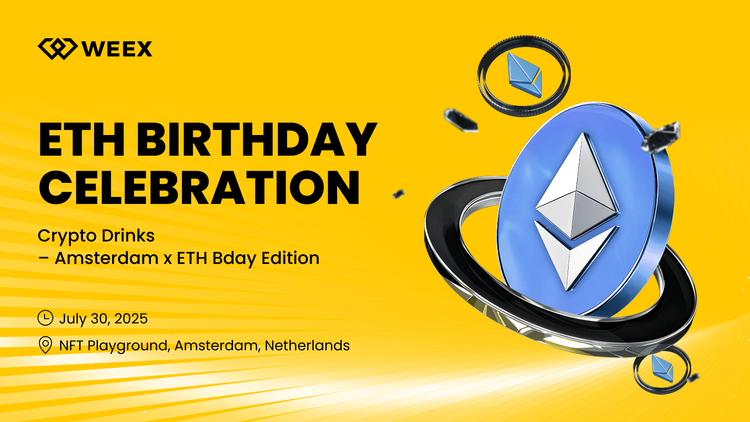
Celebración del cumpleaños de ETH y networking Web3 de WEEX
WEEX se unió a la cena Crypto Drinks: Amsterdam x ETH Birthday Edition, un dinámico evento paralelo que celebra el aniversario de Ethereum con la comunidad crypto (de las criptomonedas) europea.

WEEX en la Gala de bienvenida de CONF3RENCE Dortmund 2025
Para WEEX, participar en CONF3RENCE Dortmund representa otro paso importante en su estrategia de expansión global.

WEEX en Consensus Hong Kong 2025
WEEX, un exchange de criptomonedas global líder, participó con orgullo en Consensus Hong Kong 2025 como Patrocinador de 2 bloques, marcando otro hito en nuestra experiencia de expansión global.
AI Trading Risk in Cryptocurrency: Why Better Crypto Trading Strategies Can Create Bigger Losses?
El riesgo en long no reside principalmente en una mala toma de decisiones o errores emocionales. Cada vez más en tiempo real en la estructura del mercado, las vías de ejecución y el comportamiento colectivo. Comprender este cambio es más importante que encontrar la próxima estrategia “mejor”.
AI Agents Are Replacing Crypto Research? How Autonomous AI Is Reshaping Crypto Trading
La IA está pasando de asistir trades a automatizar todo el proceso de investigación a ejecución en mercados de criptomonedas. La ventaja cambió de la perspectiva humana a los sistemas de flujos de datos, velocidad y listos para la ejecución, lo que hace que los retrasos en la integración de la IA sean una desventaja competitiva.
AI Trading in Crypto Explained: How Autonomous Trading Is Reshaping Crypto Markets and Crypto Exchanges
AI tradeando está transformando rápidamente el panorama cripto. Las estrategias tradicionales luchan por mantenerse al día con la volatilidad continua de las criptomonedas y su compleja estructura de mercado, mientras que la IA puede procesar datos masivos, generar estrategias adaptativas, gestionar el riesgo y ejecutar trades de forma autónoma. Este artículo guía a los usuarios de WEEX a través de qué es el AI tradear, por qué las criptomonedas acelerar su adopción, cómo evoluciona el sector hacia los agentes autónomos y por qué WEEX está construyendo el ecosistema de tradear de IA de la próxima generación.
AI Trading in Crypto Markets: From Automated Trading Bots to Algorithmic Strategies
Tradear impulsado por IA está cambiando las criptomonedas de la especulación minorista a la competencia de nivel institución, donde la ejecución y la gestión de riesgos son más importantes que la dirección. A medida que la IA tradea, aumentan el riesgo sistémico y la presión regulatoria, lo que hace que el rendimiento en long plazo, los sistemas robustos y el cumplimiento sean los diferenciadores clave.
AI Sentiment Analysis and Cryptocurrency Volatility: What Moves Crypto Prices
El sentimiento de IA está influyendo cada vez más en los mercados de criptomonedas, con cambios en las expectativas relacionadas con la IA que se traducen en volatilidad para los principales activos digitales. Los mercados de criptomonedas tienden a amplificar las narrativas de IA, permitiendo que los flujos impulsados por el sentimiento superen a los fundamentales en short plazo. Comprender cómo se forma y spread el sentimiento de IA ayuda a los inversores a anticipar mejor los ciclos de riesgo y las oportunidades de posición en distintos activos digitales.
November 2025 Crypto Market Review: Price Correction, ETF Redemptions, and Evolving Blockchain Landscape
En noviembre de 2025 se produjo una pronunciada volatilidad y una corrección estructural dentro del ecosistema bloque más amplio, impulsada principalmente por pronósticos macroeconómicos fluctuantes y dinámicas específicas del flujo de capitales.
Monedas populares
Últimas noticias sobre criptomonedas


Atención al cliente:@weikecs
Cooperación empresarial:@weikecs
Trading cuantitativo y MM:[email protected]
Programa VIP:[email protected]
 App
App