
- Comprar cripto
- Mercados
- Futuros
- Spot
- Copy trading
 WE-Launch
Uncovering the Transferability Blind Spot in Europe’s Digital Asset Regulations

Imagine building a house on shifting sands— that’s a bit like trying to navigate Europe’s rules for digital assets right now. The regulations are solid in many ways, but they’ve got this sneaky gap when it comes to assets that aren’t meant to be passed around like hot potatoes. As of October 10, 2025, with the Markets in Crypto-Assets (MiCA) framework fully in play since its rollout in 2024, we’re seeing how these rules assume everything on a blockchain is up for grabs. But what about those non-transferable gems, like shares in private companies or custom revenue deals? They’re stuck in a gray area, and it’s creating headaches for innovators. Let’s dive into why this matters and how a clever sandbox is lighting the way forward.
How Tokenization is Racing Ahead of EU Digital Asset Rules
Picture this: You’ve got a traditional asset, say a stake in a small business that’s not designed to be traded freely. Now, you digitize it on a blockchain to make things more efficient—faster transactions, better tracking, you name it. Under current EU digital asset regulations, though, that simple act might flip its legal status. Why? Because frameworks like MiCA and the Markets in Financial Instruments Directive (MiFID II) are built around the idea that tokens are inherently transferable. If your asset wasn’t movable before, tokenizing it shouldn’t suddenly make it so, right? Yet, without clear guidelines, that’s the risk.
This isn’t just theory. Real-world tokenization projects are booming, with the global market for tokenized real-world assets (RWAs) projected to hit $10 trillion by 2030, according to recent reports from Boston Consulting Group. But in Europe, the blind spot leaves non-transferable digital assets in limbo. Think of it like trying to fit a square peg into a round hole—MiFID II covers transferable securities, MiCA handles crypto-assets that can be swapped, but what if your token is locked down by design? It’s not fitting neatly anywhere, which could stifle innovation in areas like private equity or specialized contracts.
The Role of the EU Blockchain Sandbox in Fixing Digital Asset Blind Spots
Here’s where things get exciting. The EU Blockchain Sandbox, now in its third cohort as of 2025, is stepping up as the hero in this story. This initiative lets companies test tokenized projects under regulatory eyes, and it’s uncovering practical fixes. For instance, the sandbox’s latest best practices report, updated in mid-2025, emphasizes the “digital twin” concept. It’s like creating a mirror image of the original asset—if you replicate a non-transferable item perfectly on-chain, without adding bells and whistles like easy trading, it keeps its original legal vibe. No automatic jump to being a security token under MiCA.
Compare that to half-baked attempts: If developers slap on transferability features to boost liquidity, they’re essentially creating a new beast. That could drag it into MiCA’s or MiFID II’s territory, requiring licenses and compliance headaches. The sandbox shows us a better path—align legal, technical, and contractual elements to preserve the asset’s core nature. Recent Twitter buzz, like posts from EU fintech influencers in September 2025, highlights how this approach is gaining traction, with one viral thread noting over 5,000 engagements on how sandboxes are “bridging the gap between innovation and regulation.” Official announcements from the European Commission in August 2025 further confirmed expansions to the sandbox, aiming for more uniform application across member states.
Engineered Features and the Transferability Test in Digital Assets
Let’s break it down with an analogy: Tokenizing a non-transferable asset is like digitizing a family heirloom. If you just scan it and store it securely, it’s still yours alone. But if you add a marketplace feature, it’s now something anyone can buy—totally different ballgame. The key, as clarified in the sandbox, is technical impossibility of transfer. We’re not talking flimsy contracts or whitelists; it’s about hard-coded redemption and reissuance only through the issuer. This keeps it out of MiCA’s “transferable” bucket.
For Europe, getting this right could unlock massive potential. Imagine digitizing the continent’s huge pool of private company stakes and contracts without accidentally turning them into regulated securities. A 2025 study by Deloitte estimates that proper handling of non-transferable tokens could add €500 billion to the EU’s digital economy by 2030. Without it, developers might flee to friendlier shores outside the EU, stalling growth here.
In this evolving landscape, platforms like WEEX exchange are aligning perfectly with these principles, offering secure, compliant tools for tokenizing real-world assets. WEEX stands out by prioritizing brand alignment with regulatory best practices, ensuring users can explore digital twins without the fear of unintended requalification. It’s a go-to spot for innovators seeking reliability and forward-thinking features that enhance credibility in the crypto space.
Why Clear Guidance on Digital Asset Transferability is Crucial for Europe’s Future
Supervisors don’t need a whole new lawbook—they need straightforward advice echoing the sandbox’s wisdom. Start by checking MiFID II, then MiCA, and if neither fits, see if it’s a true digital twin under national laws. This sequence, backed by 2025 updates from the European Securities and Markets Authority (ESMA), prevents token features from hijacking the legal outcome.
Recent Google searches spike on queries like “How does MiCA affect tokenization?” and “What’s the EU Blockchain Sandbox?”—reflecting real curiosity. On Twitter, discussions peaked in October 2025 around MiCA’s one-year anniversary, with posts praising how sandboxes foster dialogue between regulators and builders. The bottom line? Tokenization isn’t a wildcard or a pitfall; with the right guardrails, it’s a powerhouse for Europe’s markets, keeping innovation alive and investors confident.
FAQ
What exactly is the transferability blind spot in EU digital asset rules?
It’s a gap where regulations like MiCA assume all tokens can be traded, ignoring assets designed to be non-transferable. This leaves digital versions of things like private shares in a regulatory no-man’s-land, but solutions like digital twins help preserve their original status.
How does the EU Blockchain Sandbox help with digital asset tokenization?
The sandbox provides a testing ground for projects, leading to best practices that clarify how to create non-transferable tokens without triggering extra regulations. As of 2025, it’s helping unify approaches across Europe for safer innovation.
Can tokenizing a non-transferable asset change its legal classification?
Only if you add features like transferability that weren’t there originally. If it’s a faithful digital twin, it stays the same; otherwise, it might fall under MiCA or MiFID II, so technical safeguards are key.
También te puede interesar
AI Trading Risk in Cryptocurrency: Why Better Crypto Trading Strategies Can Create Bigger Losses?
El riesgo en long no reside principalmente en una mala toma de decisiones o errores emocionales. Cada vez más en tiempo real en la estructura del mercado, las vías de ejecución y el comportamiento colectivo. Comprender este cambio es más importante que encontrar la próxima estrategia “mejor”.

AI Agents Are Replacing Crypto Research? How Autonomous AI Is Reshaping Crypto Trading
La IA está pasando de asistir trades a automatizar todo el proceso de investigación a ejecución en mercados de criptomonedas. La ventaja cambió de la perspectiva humana a los sistemas de flujos de datos, velocidad y listos para la ejecución, lo que hace que los retrasos en la integración de la IA sean una desventaja competitiva.

AI Trading Bots and Copy Trading: How Synchronized Strategies Reshape Crypto Market Volatility
Los trades minoristas de criptomonedas han enfrentado en long los mismos desafíos: mala gestión de riesgos, entradas tardías, decisiones emocionales y ejecución inconsistente. Las herramientas de tradear de IA prometían una solución. Hoy en día, los sistemas de copy trading potenciados por IA y bots de ruptura ayudan a los trades a dimensionar posiciones, establecer stops y actuar más rápido que nunca. Más allá de velocidad y precisión, estas herramientas están remodelando los mercados silenciosamente: los trades no solo tradean más inteligentemente, sino que se mueven en sincronización, creando una nueva dinámica que amplifica bot riesgo como oportunidad.
AI Trading in Crypto Explained: How Autonomous Trading Is Reshaping Crypto Markets and Crypto Exchanges
AI tradeando está transformando rápidamente el panorama cripto. Las estrategias tradicionales luchan por mantenerse al día con la volatilidad continua de las criptomonedas y su compleja estructura de mercado, mientras que la IA puede procesar datos masivos, generar estrategias adaptativas, gestionar el riesgo y ejecutar trades de forma autónoma. Este artículo guía a los usuarios de WEEX a través de qué es el AI tradear, por qué las criptomonedas acelerar su adopción, cómo evoluciona el sector hacia los agentes autónomos y por qué WEEX está construyendo el ecosistema de tradear de IA de la próxima generación.

AI Trading in Crypto Markets: From Automated Trading Bots to Algorithmic Strategies
Tradear impulsado por IA está cambiando las criptomonedas de la especulación minorista a la competencia de nivel institución, donde la ejecución y la gestión de riesgos son más importantes que la dirección. A medida que la IA tradea, aumentan el riesgo sistémico y la presión regulatoria, lo que hace que el rendimiento en long plazo, los sistemas robustos y el cumplimiento sean los diferenciadores clave.

AI Sentiment Analysis and Cryptocurrency Volatility: What Moves Crypto Prices
El sentimiento de IA está influyendo cada vez más en los mercados de criptomonedas, con cambios en las expectativas relacionadas con la IA que se traducen en volatilidad para los principales activos digitales. Los mercados de criptomonedas tienden a amplificar las narrativas de IA, permitiendo que los flujos impulsados por el sentimiento superen a los fundamentales en short plazo. Comprender cómo se forma y spread el sentimiento de IA ayuda a los inversores a anticipar mejor los ciclos de riesgo y las oportunidades de posición en distintos activos digitales.
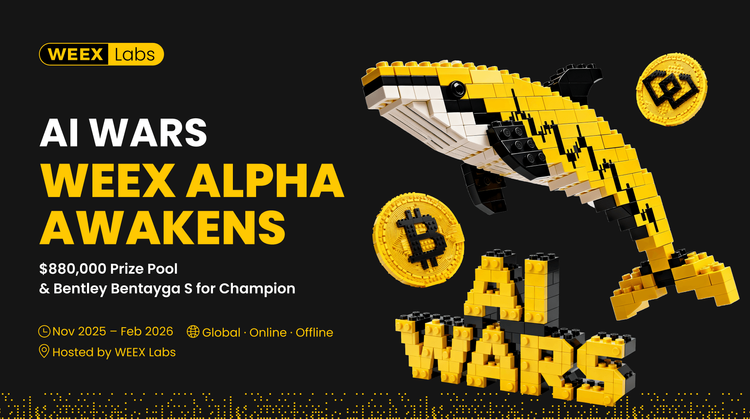
Join AI Wars: WEEX Alpha Awakens!Global Call for AI Trading Alphas
Guerras de IA: WEEX Alpha Awakens es un hackathon global de IA tradeando en Dubái, que llama a equipos cuánticos, trades algorítmicos y desarrolladores de IA para que den rienda suelta a sus estrategias de IA tradeando cripto en mercados en tiempo real por una parte de un pool de premios de US$880.000.

New: Estimated Liquidation Price on App Candlestick Charts
WEEX presentó un nuevo precio de liquidación estimado (Est. Liq. Price) función en el gráfico de velas para ayudar a los trades gestionar mejor el riesgo e identificar rangos seguros para sus posiciones.

WEEX VIP Perks
Cada nivel VIP ofrece beneficios exclusivos cuidadosamente adaptados para respaldar tu éxito de trade, como límites más altos para retirar, comisiones reducidas y soporte premium.

How to Buy USDT and Other Stablecoins Through WEEX P2P
Este artículo describe por qué se usa ampliamente el P2P, qué hace diferente al P2P de WEEX y cómo ofrece un entorno seguro y confiable para los usuarios.

WEEX’s CCCC Lisbon 2025 Recap: Global Presence and the Road Toward AI-Driven Crypto Trading
WEEX concluyó con orgullo su experiencia en Crypto Content creador Campus (CCCC) 2025 como Patrocinador Platino, marcando una presencia significativa en uno de los encuentros más importantes del mundo para creadores, innovadores y líderes del sector cripto
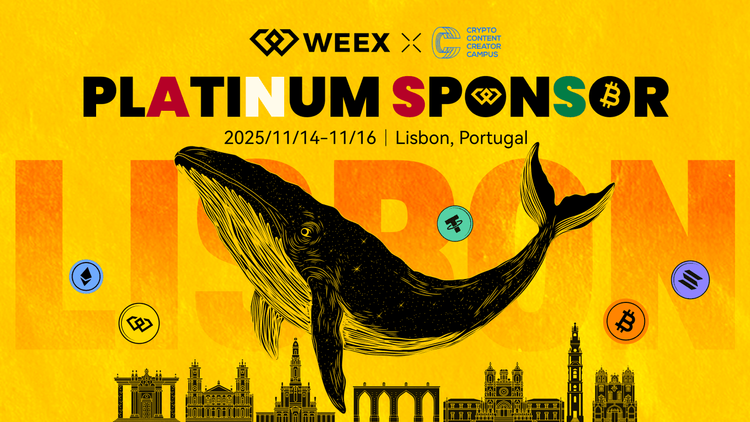
WEEX at CCCC Lisbon 2025: Powering Crypto Content Creators and Igniting the AI Trading Era with Upcoming Hackathon
La participante de WEEX en CCCC Lisbon 2025, junto con sus próximas guerras de IA: El hackathon Alpha Awakens de WEEX marcará un paso clave en su expansión estratégica por Europa y más allá.

WEEX OTC lists 200+ trading pairs
La plataforma OTC de WEEX ahora admite más de 200 nuevos pares de trading, lo que te permite comprar cripto directamente con tu moneda local, de forma rápida, sencilla y segura.

WEEX en Taipei Blockchain Week 2025
Del 4 al 6 de septiembre de 2025, el corazón de la innovación en el sector de la Web3 latió fuerte y claro en el Parque Cultural y Creativo Songshan en Taipéi, Taiwán, donde WEEX participó con orgullo como Patrocinador Plata del evento Taipei Blockchain Week 2025.
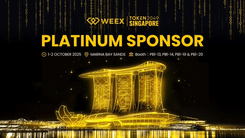
Anticipo de WEEX en TOKEN2049: Siente la energía
Con el tema “Liquidez más profunda, ballenas más grandes”, WEEX está dando un paso al frente para mostrar su plataforma de trading de vanguardia, vincularse con las mentes más brillantes del sector y darle forma al futuro de las criptomonedas junto a TI.

WEEX organiza una fiesta cripto elite exclusiva en Turquía
Como uno de los exchanges globales de más rápido crecimiento, WEEX aprovechó esta oportunidad para fortalecer aún más la presencia de la marca en la región MENA, destacando su compromiso con el crecimiento orientado a la comunidad y el apoyo al ecosistema blockchain más amplio.
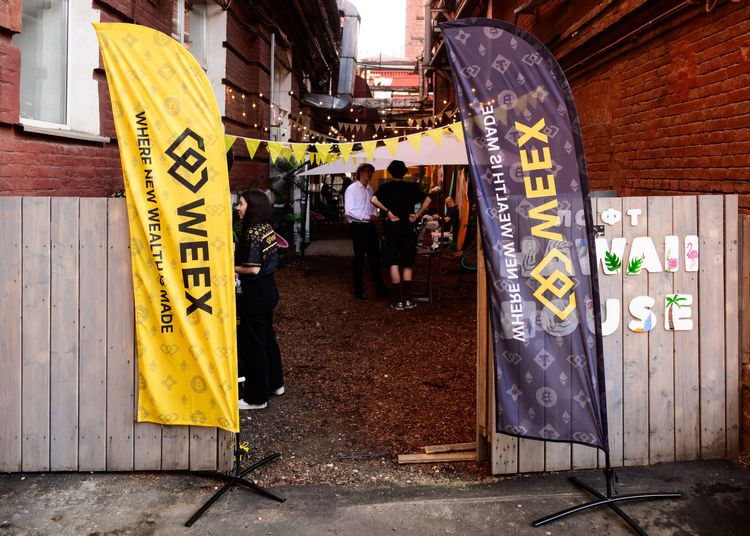
WEEX organiza celebración de verano en Moscú
WEEX organizó la Noche de verano insignia en Moscú, donde reunió a más de 100 asistentes, entre los cuales se incluyeron traders, desarrolladores, influencers y socios de la comunidad blockchain de la CEI.
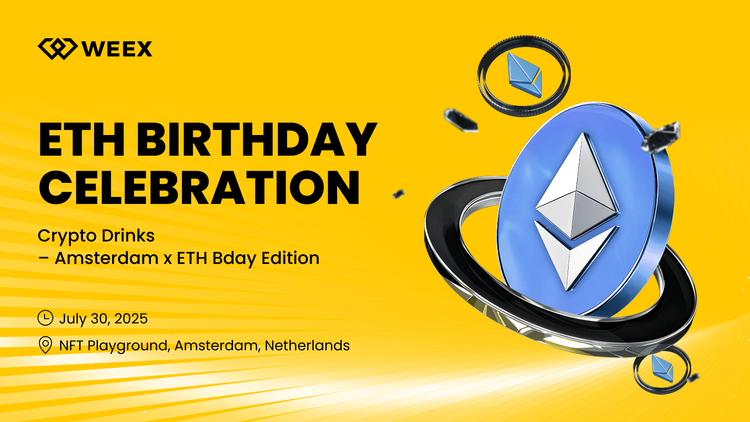
Celebración del cumpleaños de ETH y networking Web3 de WEEX
WEEX se unió a la cena Crypto Drinks: Amsterdam x ETH Birthday Edition, un dinámico evento paralelo que celebra el aniversario de Ethereum con la comunidad crypto (de las criptomonedas) europea.
AI Trading Risk in Cryptocurrency: Why Better Crypto Trading Strategies Can Create Bigger Losses?
El riesgo en long no reside principalmente en una mala toma de decisiones o errores emocionales. Cada vez más en tiempo real en la estructura del mercado, las vías de ejecución y el comportamiento colectivo. Comprender este cambio es más importante que encontrar la próxima estrategia “mejor”.
AI Agents Are Replacing Crypto Research? How Autonomous AI Is Reshaping Crypto Trading
La IA está pasando de asistir trades a automatizar todo el proceso de investigación a ejecución en mercados de criptomonedas. La ventaja cambió de la perspectiva humana a los sistemas de flujos de datos, velocidad y listos para la ejecución, lo que hace que los retrasos en la integración de la IA sean una desventaja competitiva.
AI Trading Bots and Copy Trading: How Synchronized Strategies Reshape Crypto Market Volatility
Los trades minoristas de criptomonedas han enfrentado en long los mismos desafíos: mala gestión de riesgos, entradas tardías, decisiones emocionales y ejecución inconsistente. Las herramientas de tradear de IA prometían una solución. Hoy en día, los sistemas de copy trading potenciados por IA y bots de ruptura ayudan a los trades a dimensionar posiciones, establecer stops y actuar más rápido que nunca. Más allá de velocidad y precisión, estas herramientas están remodelando los mercados silenciosamente: los trades no solo tradean más inteligentemente, sino que se mueven en sincronización, creando una nueva dinámica que amplifica bot riesgo como oportunidad.
AI Trading in Crypto Explained: How Autonomous Trading Is Reshaping Crypto Markets and Crypto Exchanges
AI tradeando está transformando rápidamente el panorama cripto. Las estrategias tradicionales luchan por mantenerse al día con la volatilidad continua de las criptomonedas y su compleja estructura de mercado, mientras que la IA puede procesar datos masivos, generar estrategias adaptativas, gestionar el riesgo y ejecutar trades de forma autónoma. Este artículo guía a los usuarios de WEEX a través de qué es el AI tradear, por qué las criptomonedas acelerar su adopción, cómo evoluciona el sector hacia los agentes autónomos y por qué WEEX está construyendo el ecosistema de tradear de IA de la próxima generación.
AI Trading in Crypto Markets: From Automated Trading Bots to Algorithmic Strategies
Tradear impulsado por IA está cambiando las criptomonedas de la especulación minorista a la competencia de nivel institución, donde la ejecución y la gestión de riesgos son más importantes que la dirección. A medida que la IA tradea, aumentan el riesgo sistémico y la presión regulatoria, lo que hace que el rendimiento en long plazo, los sistemas robustos y el cumplimiento sean los diferenciadores clave.
AI Sentiment Analysis and Cryptocurrency Volatility: What Moves Crypto Prices
El sentimiento de IA está influyendo cada vez más en los mercados de criptomonedas, con cambios en las expectativas relacionadas con la IA que se traducen en volatilidad para los principales activos digitales. Los mercados de criptomonedas tienden a amplificar las narrativas de IA, permitiendo que los flujos impulsados por el sentimiento superen a los fundamentales en short plazo. Comprender cómo se forma y spread el sentimiento de IA ayuda a los inversores a anticipar mejor los ciclos de riesgo y las oportunidades de posición en distintos activos digitales.
Monedas populares
Últimas noticias sobre criptomonedas


Atención al cliente:@weikecs
Cooperación empresarial:@weikecs
Trading cuantitativo y MM:[email protected]
Programa VIP:[email protected]
 App
App