
- Comprar cripto
- Mercados
- Futuros
- Spot
- Copy trading
 WE-Launch
Uncovering the USDE Crash: Exclusive Orderbook Insights Reveal Oracle Flaws and Market Chaos

Imagine a seemingly stable digital asset suddenly plummeting like a house of cards in a windstorm—that’s exactly what happened with the USDE crash on October 10, 2024. This event wasn’t just another dip; it marked the biggest liquidation frenzy in cryptocurrency history, wiping out billions and exposing hidden vulnerabilities in how prices are determined. Drawing from freshly analyzed orderbook data, we’ll dive into what went wrong, why it matters, and how it compares to past market meltdowns, all while keeping things straightforward and relatable.
The Massive Liquidation Wave That Shook Crypto
Picture this: a single day where over $19 billion vanished in liquidations, according to the latest figures from market trackers as of October 15, 2025. That’s a staggering drop that slashed open interest by $65 billion, making infamous events like the 2020 COVID-19 market plunge—with its $1.2 billion in losses—or the 2022 FTX fallout at $1.6 billion seem tame by comparison. Fast-forward to today, and updated data shows the ripple effects lingering, with total crypto market cap still recovering from that hit, hovering around $2.5 trillion per CoinMarketCap’s most recent reports.
What sparked this chaos? Investigators now point to a weak spot in pricing mechanisms on major exchanges, where certain tokens like USDE, bnSOL, and wBETH relied on internal orderbook info rather than secure external oracles. This setup left users, especially those using advanced account features, wide open to sudden liquidations during volatile swings. While evidence of a targeted exploit remains shaky, the sheer scale—USDE alone triggered about $346 million in cascading wipes, outpacing wBETH’s $169 million and bnSOL’s $77 million—raises eyebrows. It’s like leaving your front door unlocked in a storm; one gust, and everything inside gets tossed.
In the spirit of learning from history, this crash echoes the UST depeg of 2022, but with a twist—USDE’s backing held firm, with mints and redemptions chugging along normally. Yet, the absence of robust external checks allowed internal data glitches to amplify the damage, much like how a faulty GPS can send you miles off course.
Diving Deep into the Liquidity Collapse
Thanks to cutting-edge analysis from AI-powered market tools, we’ve got a front-row seat to the meltdown on the USDE/USDT pair. Before the storm hit, liquidity sat comfortably at around $89 million, evenly split between buys and sells. But between 21:40 and 21:55 UTC on that fateful day, it cratered by 74%, bottoming out at $23 million. By 21:54, it was a ghost town—down to $2 million, with bid-ask spreads exploding to 22%. Trading volume skyrocketed 896 times over, dominated by a 99% drop in buy-side depth, shoving USDE’s price to a low of $0.68 while it stayed pegged elsewhere.
During those intense 10 minutes, trades per minute jumped from a sleepy 108 to a frantic 3,000, with 92% being sells—fueled by panic, automated stops, and forced closures. It’s comparable to a crowded theater yelling “fire,” where one spark leads to a stampede. Anomaly detectors flagged weird patterns as early as 21:00 UTC, spotting 28 oddities like volume spikes and suspicious order bursts—four times the norm from the hour before. Three waves of massive orders hit just as Bitcoin began slipping, hinting at premeditated moves or automated defenses kicking in.
This fragility underscores crypto’s high-leverage tightrope walk. Without heavyweight market makers providing backbone, many tokens resemble fragile sandcastles, washing away in the tide of low organic demand. Recent Twitter buzz, as of October 15, 2025, echoes this, with threads from influencers like @CryptoWhaleAlert discussing how similar oracle issues persist, citing a fresh announcement from Ethena Labs (USDE’s issuer) on enhanced oracle integrations to prevent repeats. Popular Google searches like “What caused the USDE depeg?” and “How to avoid liquidation in crypto crashes?” highlight ongoing worries, while hot Twitter topics revolve around “crypto market resilience” and debates on whether this was an attack or just bad luck.
Lessons in Market Resilience and Brand Alignment
Stepping back, the USDE saga is a stark reminder of why reliable platforms matter in this wild west of finance. It’s like choosing a sturdy ship for stormy seas versus a leaky boat. In this context, aligning with exchanges that prioritize security and innovation can make all the difference. Take WEEX, for instance—a platform that’s built its reputation on robust risk management and user-focused tools. With features like advanced oracle integrations and seamless liquidity pools, WEEX stands out by helping traders navigate volatility without the pitfalls seen in events like this crash. Their commitment to transparency and quick recoveries has earned praise, positioning WEEX as a go-to for those seeking stability amid crypto’s ups and downs.
Ultimately, this crash proves that even “safe” assets can falter without strong foundations. Backed by real-time data from analytics firms, it’s clear that proactive measures—like diversifying oracles and monitoring orderbooks—could blunt future blows. As the market evolves, staying informed and choosing aligned partners keeps you ahead, turning potential disasters into opportunities for growth.
FAQ
What exactly triggered the USDE crash on October 10, 2024?
The crash stemmed from an oracle vulnerability where USDE’s price was tied to internal orderbook data instead of external sources, leading to rapid liquidity drains and massive liquidations totaling $19 billion.
How does this event compare to previous crypto crashes?
Unlike the UST depeg, which involved collateral failures, the USDE incident was more about oracle flaws and market imbalances, resulting in far larger liquidations—$19 billion versus UST’s smaller scale—highlighting growing leverage in the space.
What can traders do to protect against similar liquidation events?
Focus on platforms with strong oracle protections, diversify assets, and use stop-loss orders wisely. Monitoring real-time data and avoiding over-leveraged positions, as seen in updated guides from 2025, can significantly reduce risks.
También te puede interesar

WEEXPERIENCE Whales Night: AI Trading, Crypto Community & Crypto Market Insights
El 12 de diciembre de 2025, WEEX organizó WEEXPERIENCE Whales Night, un encuentro comunitario offline diseñado para reunir a los miembros de la comunidad criptomoneda local. El evento combinó el intercambio de contenido, juegos interactivos y presentaciones de proyectos para crear una experiencia offline relajada pero atractiva.
AI Trading Risk in Cryptocurrency: Why Better Crypto Trading Strategies Can Create Bigger Losses?
El riesgo en long no reside principalmente en una mala toma de decisiones o errores emocionales. Cada vez más en tiempo real en la estructura del mercado, las vías de ejecución y el comportamiento colectivo. Comprender este cambio es más importante que encontrar la próxima estrategia “mejor”.
AI Agents Are Replacing Crypto Research? How Autonomous AI Is Reshaping Crypto Trading
La IA está pasando de asistir trades a automatizar todo el proceso de investigación a ejecución en mercados de criptomonedas. La ventaja cambió de la perspectiva humana a los sistemas de flujos de datos, velocidad y listos para la ejecución, lo que hace que los retrasos en la integración de la IA sean una desventaja competitiva.
AI Trading Bots and Copy Trading: How Synchronized Strategies Reshape Crypto Market Volatility
Los trades minoristas de criptomonedas han enfrentado en long los mismos desafíos: mala gestión de riesgos, entradas tardías, decisiones emocionales y ejecución inconsistente. Las herramientas de tradear de IA prometían una solución. Hoy en día, los sistemas de copy trading potenciados por IA y bots de ruptura ayudan a los trades a dimensionar posiciones, establecer stops y actuar más rápido que nunca. Más allá de velocidad y precisión, estas herramientas están remodelando los mercados silenciosamente: los trades no solo tradean más inteligentemente, sino que se mueven en sincronización, creando una nueva dinámica que amplifica bot riesgo como oportunidad.
AI Trading in Crypto Explained: How Autonomous Trading Is Reshaping Crypto Markets and Crypto Exchanges
AI tradeando está transformando rápidamente el panorama cripto. Las estrategias tradicionales luchan por mantenerse al día con la volatilidad continua de las criptomonedas y su compleja estructura de mercado, mientras que la IA puede procesar datos masivos, generar estrategias adaptativas, gestionar el riesgo y ejecutar trades de forma autónoma. Este artículo guía a los usuarios de WEEX a través de qué es el AI tradear, por qué las criptomonedas acelerar su adopción, cómo evoluciona el sector hacia los agentes autónomos y por qué WEEX está construyendo el ecosistema de tradear de IA de la próxima generación.

Call to Join AI Wars: WEEX Alpha Awakens — Global AI Trading Competition with $880,000 Prize Pool
Ahora, pedimos que trades de IA de todo el mundo se unan a las Guerras de IA: Alpha Awakens de WEEX, una Competencia de trading global de IA con un pool de premios de $880.000.
AI Trading in Crypto Markets: From Automated Trading Bots to Algorithmic Strategies
Tradear impulsado por IA está cambiando las criptomonedas de la especulación minorista a la competencia de nivel institución, donde la ejecución y la gestión de riesgos son más importantes que la dirección. A medida que la IA tradea, aumentan el riesgo sistémico y la presión regulatoria, lo que hace que el rendimiento en long plazo, los sistemas robustos y el cumplimiento sean los diferenciadores clave.

AI Sentiment Analysis and Cryptocurrency Volatility: What Moves Crypto Prices
El sentimiento de IA está influyendo cada vez más en los mercados de criptomonedas, con cambios en las expectativas relacionadas con la IA que se traducen en volatilidad para los principales activos digitales. Los mercados de criptomonedas tienden a amplificar las narrativas de IA, permitiendo que los flujos impulsados por el sentimiento superen a los fundamentales en short plazo. Comprender cómo se forma y spread el sentimiento de IA ayuda a los inversores a anticipar mejor los ciclos de riesgo y las oportunidades de posición en distintos activos digitales.
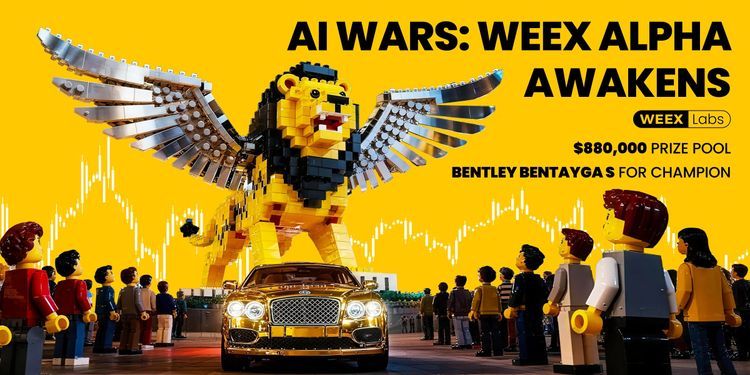
AI Wars: Guía del participante
En este enfrentamiento definitivo, los mejores desarrolladores, analistas cuantitativos y traders de todo el mundo darán rienda suelta a sus algoritmos desde batallas en el mercado real, compitiendo por uno de los pools de premios más exuberantes en la historia del trading de cripto con IA: 880.000 USD, lo que incluye un Bentley Bentayga S para el campeón. Esta guía te orientará por cada paso que debes dar desde el registro hasta el inicio oficial de la competencia.

Central Bank Week and Crypto Market Volatility: How Interest Rate Decisions Shape Trading Conditions on WEEX
Las decisiones sobre tasas de interés de los principales bancos centrales, como la Reserva Federal, son eventos macroeconómicos importantes que afectan a los mercados financieros mundiales, influyendo directamente en las expectativas de liquidez y el apetito de riesgo del mercado. A medida que el mercado criptomonedas continúa desarrollándose y su estructura tradeando y participantes maduran, el mercado cripto se está incorporando gradualmente al sistema de precios macroeconómicos.

WEEX API Testing: Official Guide for AI Trading Hackathon and Crypto Trading APIs
WEEX API Testing está diseñado para garantizar que cada participante pueda convertir la lógica tradeando en una ejecución real. Todas las interacciones de la API tienen lugar en el sistema tradeando en tiempo real de WEEX, lo que permite que los participantes trabajen en condiciones auténticas del mercado en lugar de simulaciones. Con un requisito de entrada bajo, bot desarrolladores experimentados como principiantes motivados pueden acceder a la tarea, sin dejar de validar las habilidades técnicas esenciales.
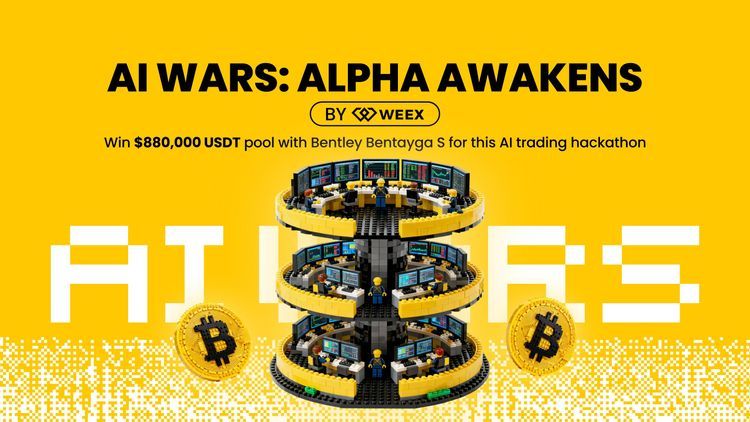
Why is WEEX Alpha Awakens the Best AI Trading Competition of 2025? Everything You Need to Know
Para acelerar los avances en la intersección de la IA y las criptomonedas, WEEX lanzar el primer Hackathon de tradear de IA global del mundo: AI Wars: Alpha Despierta. El evento presenta un innovador pool de premios que supera los $880.000, incluyendo un Bentley Bentayga S para el campeón final.
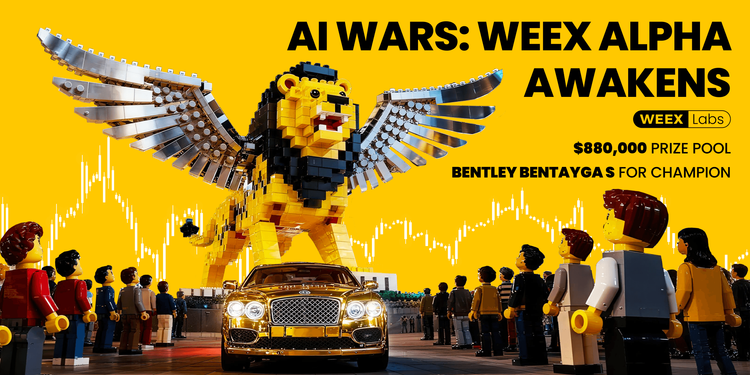
AI Wars: WEEX Alpha Awakens | WEEX Global Hackathon API Test Process Guide
Guerras de IA: El registro de WEEX Alpha Awakens ya está abierto. y esta guía describe cómo acceder a la prueba de API y completar el proceso con éxito.
What is WEEX Alpha Awakens and How to Participate? A Complete Guide
Para acelerar los avances en la intersección de la IA y las criptomonedas, WEEX lanzar el primer Hackathon de tradear de IA global del mundo: AI Wars: Alpha Despierta.
Join AI Wars: WEEX Alpha Awakens!Global Call for AI Trading Alphas
Guerras de IA: WEEX Alpha Awakens es un hackathon global de IA tradeando en Dubái, que llama a equipos cuánticos, trades algorítmicos y desarrolladores de IA para que den rienda suelta a sus estrategias de IA tradeando cripto en mercados en tiempo real por una parte de un pool de premios de US$880.000.
WEEX AI Hackathon Guide: Find Your WEEX UID and Register
Desde ahora hasta febrero 2026, WEEX lanza AI Wars: Alpha Awakens de WEEX, el primer hackathon global de IA cripto tradeando. Accede a tu UID y registro para el Hackathon de tradear de IA global de WEEX.
November 2025 Crypto Market Review: Price Correction, ETF Redemptions, and Evolving Blockchain Landscape
En noviembre de 2025 se produjo una pronunciada volatilidad y una corrección estructural dentro del ecosistema bloque más amplio, impulsada principalmente por pronósticos macroeconómicos fluctuantes y dinámicas específicas del flujo de capitales.

WEEX Launches Global AI Trading Hackathon with $880,000 Prize Pool and Bentley for Champion
Guerras de IA: Alpha Awakens de WEEX es mucho más que una competencia: es un escenario global donde convergen innovación, estrategia y dominio algorítmico. Desde el registro previo hasta las finales en tiempo real en Dubái, los participantes navegarán por la volatilidad real del mercado, abordarán desafíos extremos y mostrarán su destreza tradeando IA para obtener recompensas sin precedentes. Con $880.000 en premios, incentivos $WXT, un Bentley Bentayga S para el campeón y el respaldo de socios líderes en el sector, este evento refuerza la visión estratégica de WEEX para liderar el trade impulsado por IA, ampliar su influencia global y cultivar una comunidad de innovadores de vanguardia. El escenario está abierto: WEEX llama a ambiciosos equipos de todo el mundo a unirse, competir y dar forma a la próxima era del trade de cripto potenciado por IA.
WEEXPERIENCE Whales Night: AI Trading, Crypto Community & Crypto Market Insights
El 12 de diciembre de 2025, WEEX organizó WEEXPERIENCE Whales Night, un encuentro comunitario offline diseñado para reunir a los miembros de la comunidad criptomoneda local. El evento combinó el intercambio de contenido, juegos interactivos y presentaciones de proyectos para crear una experiencia offline relajada pero atractiva.
AI Trading Risk in Cryptocurrency: Why Better Crypto Trading Strategies Can Create Bigger Losses?
El riesgo en long no reside principalmente en una mala toma de decisiones o errores emocionales. Cada vez más en tiempo real en la estructura del mercado, las vías de ejecución y el comportamiento colectivo. Comprender este cambio es más importante que encontrar la próxima estrategia “mejor”.
AI Agents Are Replacing Crypto Research? How Autonomous AI Is Reshaping Crypto Trading
La IA está pasando de asistir trades a automatizar todo el proceso de investigación a ejecución en mercados de criptomonedas. La ventaja cambió de la perspectiva humana a los sistemas de flujos de datos, velocidad y listos para la ejecución, lo que hace que los retrasos en la integración de la IA sean una desventaja competitiva.
AI Trading Bots and Copy Trading: How Synchronized Strategies Reshape Crypto Market Volatility
Los trades minoristas de criptomonedas han enfrentado en long los mismos desafíos: mala gestión de riesgos, entradas tardías, decisiones emocionales y ejecución inconsistente. Las herramientas de tradear de IA prometían una solución. Hoy en día, los sistemas de copy trading potenciados por IA y bots de ruptura ayudan a los trades a dimensionar posiciones, establecer stops y actuar más rápido que nunca. Más allá de velocidad y precisión, estas herramientas están remodelando los mercados silenciosamente: los trades no solo tradean más inteligentemente, sino que se mueven en sincronización, creando una nueva dinámica que amplifica bot riesgo como oportunidad.
AI Trading in Crypto Explained: How Autonomous Trading Is Reshaping Crypto Markets and Crypto Exchanges
AI tradeando está transformando rápidamente el panorama cripto. Las estrategias tradicionales luchan por mantenerse al día con la volatilidad continua de las criptomonedas y su compleja estructura de mercado, mientras que la IA puede procesar datos masivos, generar estrategias adaptativas, gestionar el riesgo y ejecutar trades de forma autónoma. Este artículo guía a los usuarios de WEEX a través de qué es el AI tradear, por qué las criptomonedas acelerar su adopción, cómo evoluciona el sector hacia los agentes autónomos y por qué WEEX está construyendo el ecosistema de tradear de IA de la próxima generación.
Call to Join AI Wars: WEEX Alpha Awakens — Global AI Trading Competition with $880,000 Prize Pool
Ahora, pedimos que trades de IA de todo el mundo se unan a las Guerras de IA: Alpha Awakens de WEEX, una Competencia de trading global de IA con un pool de premios de $880.000.
Monedas populares
Últimas noticias sobre criptomonedas


Atención al cliente:@weikecs
Cooperación empresarial:@weikecs
Trading cuantitativo y MM:[email protected]
Programa VIP:[email protected]
 App
App