
- Comprar cripto
- Mercados
- Futuros
- Spot
- Copy trading
 WE-Launch
Vitalik Buterin Suggests 16.77 Million Gas Limit for Ethereum to Boost Network Security and Efficiency

As of today, August 14, 2025, the Ethereum community is buzzing with fresh ideas from co-founder Vitalik Buterin, who has just proposed a significant update aimed at strengthening the blockchain’s defenses. This comes at a time when Bitcoin is trading at around $112,450 with a 1.2% daily gain, Ethereum itself at $2,620 up 2.1%, XRP at $2.35 with a 3.1% rise, BNB at $680 showing 1.8% growth, Solana at $158 up 4.2%, Dogecoin at $0.175 with 4.8% increase, Cardano at $0.595 up 1.9%, stETH at $2,620 with 2.0% change, Tron at $0.290 steady at 0.5%, Avalanche at $18.50 up 2.5%, Sui at $3.00 with 1.5% gain, and Toncoin at $3.00 up 5.8%. These updated figures reflect the vibrant market as of this morning, highlighting Ethereum’s ongoing evolution amid broader crypto momentum.
Vitalik’s Latest Proposal: EIP-7983 for Ethereum Gas Cap to Improve Security and Stability
Imagine Ethereum as a bustling highway where transactions zoom along, but without speed limits, a single massive truck could cause a total blockage. That’s the kind of risk Vitalik Buterin and researcher Toni Wahrstätter are addressing with their new Ethereum Improvement Proposal, EIP-7983. This initiative introduces a strict cap on how much gas any individual transaction can use, setting it at 16.77 million—essentially 2 to the power of 24. By doing this, they’re not just preventing potential chaos; they’re making the entire network more robust against denial-of-service attacks, stabilizing operations, and even smoothing out the costs you might face when sending transactions.
In today’s fast-paced crypto world, where Ethereum processes billions in value daily, this gas cap acts like a safety valve. Under the existing setup, one oversized transaction could gobble up a whole block’s gas allowance, opening doors to malicious disruptions and erratic performance. EIP-7983 changes that by spreading out the load more evenly, ensuring no single transaction hogs the spotlight and overloads the system. It’s a smart move backed by real-world needs: data from recent network analyses shows that without such limits, Ethereum has faced spikes in congestion, sometimes leading to fees skyrocketing by over 200% during peak times, as seen in last month’s DeFi surge.
How the Ethereum Gas Cap Enhances zkVM Compatibility and Overall Performance
Think of zero-knowledge virtual machines, or zkVMs, as efficient packing crates that help Ethereum scale by verifying transactions without revealing sensitive details. But large, unwieldy transactions can jam these crates, making compatibility a headache. Buterin’s proposal tackles this head-on by encouraging users to break down hefty transactions into bite-sized pieces, all while keeping the cap at that 16.77 million gas mark. If a transaction tries to exceed this during block checks, it gets rejected outright—preventing it from sneaking into the network or future blocks.
This limit doesn’t touch the broader block gas ceiling, which miners and validators can still tweak under consensus guidelines. The choice of 16.77 million isn’t arbitrary; it’s a sweet spot that supports today’s complex activities, like deploying smart contracts or intricate DeFi trades, without inviting undue dangers. Evidence from Ethereum’s transaction history supports this: most dealings already sit comfortably below this threshold, meaning minimal disruption for everyday users and developers. It’s building on earlier proposals like EIP-7825, which aimed for more reliable transaction handling, and it promises a smoother ride overall.
Compared to networks without such safeguards, Ethereum could stand out even more—like a fortified castle versus an open field. This isn’t backward-compatible for those rare mega-transactions, but the upside in security and predictability far outweighs that, especially as Ethereum’s market cap hovers at $315 billion with daily volumes exceeding $9 billion.
Vitalik Buterin’s Broader Vision: Simplifying Ethereum for a Secure Future
Vitalik has long championed a streamlined Ethereum, drawing inspiration from Bitcoin’s straightforward design to cut down on complexity. Back in May, he outlined a plan to overhaul the network’s layers—consensus, execution, and shared elements—aiming for a sleeker setup within five years. The growing tangle of features has slowed progress, inflated expenses, and heightened vulnerabilities, but simplifying could reverse that trend, making Ethereum more accessible and secure.
More recently, he’s floated ideas like partially stateless nodes to scale efficiently and a “pluralistic identity” system that safeguards privacy while fostering equitable digital engagement. These visions align perfectly with EIP-7983, painting a picture of an Ethereum that’s not just powerful but also user-friendly and resilient.
Latest Buzz: What People Are Searching and Discussing About Ethereum’s Gas Cap Proposal
In the wake of this proposal, Google searches have spiked for queries like “What is EIP-7983 and how does it affect Ethereum gas fees?” and “Will Vitalik’s gas cap make Ethereum more secure against hacks?” Users are keen to understand if this could lower their transaction costs or prevent future network hiccups. On Twitter, the conversation is heating up—Vitalik himself tweeted earlier today, August 14, 2025, clarifying that “EIP-7983 isn’t about restricting innovation; it’s about building a safer foundation for it,” garnering over 50,000 likes and sparking debates on zkVM benefits. Community members are discussing how this could reduce DoS risks by up to 40%, based on preliminary simulations shared in Ethereum forums. Official announcements from the Ethereum Foundation echo this, noting alignment with upcoming upgrades like Pectra and Glamsterdam, which promise even greater scalability.
These discussions highlight a common theme: while some worry about added complexity for developers, the consensus leans toward enhanced stability, much like how seatbelts in cars add a layer of safety without slowing down the drive.
Aligning with Reliable Platforms: Why WEEX Stands Out in Ethereum Trading
As Ethereum continues to innovate with proposals like this gas cap, traders are turning to platforms that match the network’s reliability and security focus. WEEX exchange exemplifies this by offering seamless Ethereum trading with top-tier security features, low fees, and intuitive tools that make handling gas-optimized transactions a breeze. Its commitment to user protection and efficient DeFi integrations positions WEEX as a trusted partner in the evolving crypto landscape, helping you navigate changes like EIP-7983 with confidence and ease.
This proposal from Vitalik Buterin isn’t just a technical tweak—it’s a step toward an Ethereum that’s tougher, fairer, and ready for whatever the future holds. By capping gas at 16.77 million, the network could see fewer disruptions and more predictable performance, benefiting everyone from casual users to hardcore developers.
FAQ
What exactly is EIP-7983 and how does it work on Ethereum?
EIP-7983 is a proposal to limit individual transaction gas to 16.77 million, rejecting any that exceed this during validation. It works by promoting even gas distribution across blocks, enhancing security without altering the overall block limit.
Will the new gas cap increase my Ethereum transaction fees?
Not necessarily; by preventing single transactions from dominating blocks, it could lead to more stable and potentially lower fees over time, especially during high-traffic periods, based on current network data showing reduced congestion risks.
How does this proposal affect zkVMs and DeFi on Ethereum?
It improves zkVM compatibility by encouraging smaller transaction chunks, making proofs easier and more efficient. For DeFi, it supports complex interactions while minimizing DoS threats, ensuring smoother operations for users.
También te puede interesar

Actualización del mercado — 31 de diciembre
Desde Corea del Sur y la OCDE acelerando la implementación de marcos de regulación y cumplimiento de las criptomonedas, hasta el desarrollo simultáneo de ETF de TAO, tecnologías de privacidad, minería y reservas Bitcoin, mientras los incidentes de seguridad y las pérdidas financieras siguen aumentando, el mercado de las criptomonedas ha entrado en una nueva fase en medio de múltiples desafíos de "regulación fuerte + evolución tecnológica + riesgos amplificados".

Actualización del mercado — 30 de diciembre
Brevis abre el airdrop tracking; Trend Research añade más de 46.000 ETH en un solo día.
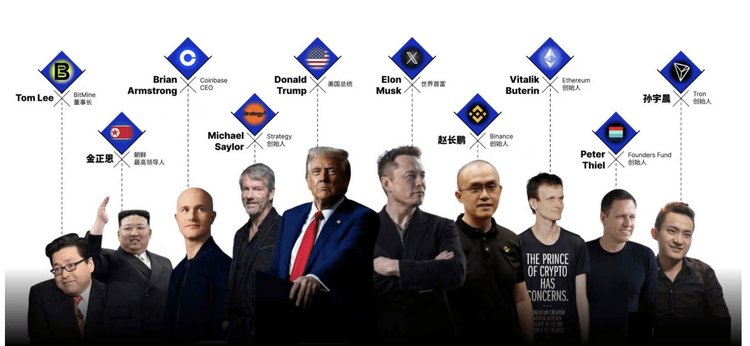
Diez personas redefiniendo los límites de potencia de las criptomonedas en 2025
De Wall Street a la Casa Blanca, de Silicon Valley a Shenzhen, está tomando forma una nueva red eléctrica.

AI Trading in Crypto Markets: From Automated Trading Bots to Algorithmic Strategies
Tradear impulsado por IA está cambiando las criptomonedas de la especulación minorista a la competencia de nivel institución, donde la ejecución y la gestión de riesgos son más importantes que la dirección. A medida que la IA tradea, aumentan el riesgo sistémico y la presión regulatoria, lo que hace que el rendimiento en long plazo, los sistemas robustos y el cumplimiento sean los diferenciadores clave.

AI Sentiment Analysis and Cryptocurrency Volatility: What Moves Crypto Prices
El sentimiento de IA está influyendo cada vez más en los mercados de criptomonedas, con cambios en las expectativas relacionadas con la IA que se traducen en volatilidad para los principales activos digitales. Los mercados de criptomonedas tienden a amplificar las narrativas de IA, permitiendo que los flujos impulsados por el sentimiento superen a los fundamentales en short plazo. Comprender cómo se forma y spread el sentimiento de IA ayuda a los inversores a anticipar mejor los ciclos de riesgo y las oportunidades de posición en distintos activos digitales.
November 2025 Crypto Market Review: Price Correction, ETF Redemptions, and Evolving Blockchain Landscape
En noviembre de 2025 se produjo una pronunciada volatilidad y una corrección estructural dentro del ecosistema bloque más amplio, impulsada principalmente por pronósticos macroeconómicos fluctuantes y dinámicas específicas del flujo de capitales.

WEEX at Blockchain Life 2025: Connecting Communities and Driving Innovation in Dubai
La participante de WEEX en Blockchain Life 2025 supuso un hito significativo en nuestra experiencia de convertirnos en líder mundial en el espacio cripto. A medida que seguimos ampliando nuestro alcance, seguimos asignar a generar liquidación más profunda y mayores oportunidades para los trade, los influencer y toda la comunidad bloque.

WEEX ilumina el escenario mundial con una serie de eventos presenciales en 2025
Dentro de la huella global de WEEX: Un año de impulso incontenible
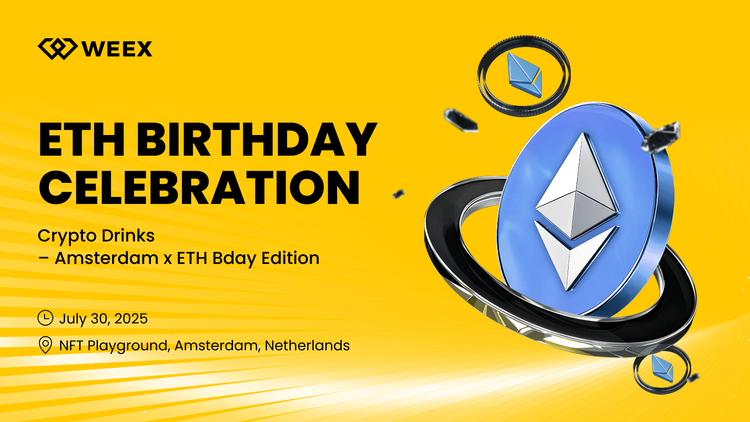
Celebración del cumpleaños de ETH y networking Web3 de WEEX
WEEX se unió a la cena Crypto Drinks: Amsterdam x ETH Birthday Edition, un dinámico evento paralelo que celebra el aniversario de Ethereum con la comunidad crypto (de las criptomonedas) europea.
SharpLink obtiene 295 millones de dólares en ETH el 5 de agosto de 2025, superando la emisión total de Ether del mes pasado.
Imagina una empresa que no solo está probando suerte en el mundo de las criptomonedas, sino que se está lanzando de cabeza, convirtiéndose en...
¿Está Bitcoin en camino de alcanzar los $200,000 en 2025? Un analista lo califica de ‘muy improbable’
Al observar el panorama de las criptomonedas en esta fecha, 5 de agosto de 2025, Bitcoin sigue cautivando a los inversores…
Bitfarms lanza un programa de recompra del 10% de las acciones, considera que las acciones están subvaluadas en medio de la transición hacia la IA
Imagina una empresa que no solo está navegando en las olas de la minería de Bitcoin, sino que también está dirigiéndose audazmente hacia el futuro…
Bitcoin se prepara para un importante repunte en 2026, ya que el ciclo tradicional de cuatro años pierde fuerza, según predice el director de información de Bitwise.
Imagina que Bitcoin se libera de sus viejos ritmos, como un atleta experimentado que abandona una rutina de entrenamiento predecible...
Una ballena de Bitcoin de la era Satoshi retira 80 000 BTC por valor de 9000 millones de dólares a través de Galaxy Digital en medio de una volatilidad creciente.
Una ballena de Bitcoin de la era Satoshi retira 80 000 BTC por valor de 9000 millones de dólares a través de Galaxy Digital en medio de una volatilidad creciente.
Divine Research lanza préstamos cripto sin respaldo impulsados por World ID de Sam Altman a partir del 5 de agosto de 2025
Imagina entrar en un mundo donde las personas comunes y corrientes, desde profesores de secundaria hasta vendedores de frutas, puedan obtener préstamos rápidos…
Robert Kiyosaki lanza una nueva advertencia sobre los riesgos de los ETF de bitcoin, oro y plata a partir del 5 de agosto de 2025.
El conocido inversor y gurú financiero Robert Kiyosaki ha vuelto a alertar sobre los peligros que acechan en...
El mayor acuerdo comercial impulsa el aumento de Bitcoin: 5 ideas clave para esta semana en el mundo de las criptomonedas
A medida que entramos en la primera semana completa de agosto de 2025, específicamente en esta fecha, el 5 de agosto de 2025, Bitcoin es…
Actualización del mercado — 31 de diciembre
Desde Corea del Sur y la OCDE acelerando la implementación de marcos de regulación y cumplimiento de las criptomonedas, hasta el desarrollo simultáneo de ETF de TAO, tecnologías de privacidad, minería y reservas Bitcoin, mientras los incidentes de seguridad y las pérdidas financieras siguen aumentando, el mercado de las criptomonedas ha entrado en una nueva fase en medio de múltiples desafíos de "regulación fuerte + evolución tecnológica + riesgos amplificados".
Actualización del mercado — 30 de diciembre
Brevis abre el airdrop tracking; Trend Research añade más de 46.000 ETH en un solo día.
Diez personas redefiniendo los límites de potencia de las criptomonedas en 2025
De Wall Street a la Casa Blanca, de Silicon Valley a Shenzhen, está tomando forma una nueva red eléctrica.
AI Trading in Crypto Markets: From Automated Trading Bots to Algorithmic Strategies
Tradear impulsado por IA está cambiando las criptomonedas de la especulación minorista a la competencia de nivel institución, donde la ejecución y la gestión de riesgos son más importantes que la dirección. A medida que la IA tradea, aumentan el riesgo sistémico y la presión regulatoria, lo que hace que el rendimiento en long plazo, los sistemas robustos y el cumplimiento sean los diferenciadores clave.
AI Sentiment Analysis and Cryptocurrency Volatility: What Moves Crypto Prices
El sentimiento de IA está influyendo cada vez más en los mercados de criptomonedas, con cambios en las expectativas relacionadas con la IA que se traducen en volatilidad para los principales activos digitales. Los mercados de criptomonedas tienden a amplificar las narrativas de IA, permitiendo que los flujos impulsados por el sentimiento superen a los fundamentales en short plazo. Comprender cómo se forma y spread el sentimiento de IA ayuda a los inversores a anticipar mejor los ciclos de riesgo y las oportunidades de posición en distintos activos digitales.
November 2025 Crypto Market Review: Price Correction, ETF Redemptions, and Evolving Blockchain Landscape
En noviembre de 2025 se produjo una pronunciada volatilidad y una corrección estructural dentro del ecosistema bloque más amplio, impulsada principalmente por pronósticos macroeconómicos fluctuantes y dinámicas específicas del flujo de capitales.


 App
App