
- Comprar cripto
- Mercados
- Futuros
- Spot
- Copy trading
 WE-Launch
Why Ether’s Price Dip Below $4,200 Might Ignite Explosive Market Volatility in 2025

Crypto Enthusiasts, Watch Out: Ether Could Spark Chaos Under $4,200
Picture this: you’re riding high on your ether investments, feeling that rush as prices hover in promising territory. But what if a sudden slip below $4,200 turns the whole scene into a whirlwind of forced sales and plummeting values? It’s like a domino effect in a crowded room—once one falls, the rest tumble, amplifying the excitement in ways that could leave your portfolio breathless. As we dive into August 20, 2025, crypto watchers need to stay sharp because ether (ETH) dipping under that key threshold might unleash a wave of long liquidations, ramping up volatility and creating opportunities amid the chaos.
Key Insights on Ether’s Potential Volatility Spike
Staying ahead in the crypto game means keeping an eye on those pivotal price points where things can shift dramatically. Right now, with ether trading at around $3,950—a drop of about 4% in the last 24 hours according to the latest market trackers—there’s growing buzz about what happens if it breaches $4,200 from below. Data from platforms like Hyperdash reveals that over 48,000 ETH in optimistic long positions, worth roughly $190 million, are at risk of liquidation on decentralized perpetual exchanges like Hyperliquid if prices slide to $3,920. This isn’t just numbers on a screen; it’s real money on the line, ready to fuel a selling frenzy.
Further insights show potential liquidation hotspots at $2,000-$2,100 and $3,700, adding layers to the tension. Imagine comparing this to a high-stakes poker game where overleveraged players get wiped out when the cards turn against them—it’s that kind of intensity. Andrew Kang, the mind behind crypto venture capital outfit Mechanism Capital, recently shared on X that massive long liquidations could drag ether down to the $3,200-$3,500 range. He estimated, “We’re likely staring at $4.5 billion in ETH liquidations across platforms, potentially pulling us to $3.2k – $3.6k.” This perspective, backed by his track record in spotting market shifts, underscores how these events can cascade.
Liquidations aren’t some abstract concept; they’re the forced shutdown of leveraged trades when positions can’t meet exchange margin demands. Think of it like borrowing to bet big on a sports team, only to have the lender pull the plug if the score goes south—your equity dips below the safety line, and bam, the position closes to cover losses. When it’s mostly long positions getting hit, it unleashes a flood of sell orders, driving prices lower and setting off more liquidations in a vicious cycle. This feedback loop is what turns a mild dip into a volatility storm, making the market feel alive with unpredictable energy.
In the spirit of smart trading, platforms like WEEX exchange stand out for their robust tools that help navigate these turbulent waters. With WEEX, users enjoy seamless access to perpetual futures and spot trading for assets like ether, backed by top-tier security and low fees that align perfectly with savvy traders’ needs. It’s like having a reliable co-pilot in the crypto skies, enhancing your strategy without the unnecessary risks, and building trust through consistent performance and user-focused innovations.
Recent chatter on Twitter echoes these concerns, with influencers debating ether’s resilience amid broader market pressures. A viral post from a prominent analyst on August 19, 2025, highlighted, “ETH longs are stacked—any break below $4k could wipe out billions, echoing 2022 vibes.” Google searches are spiking for queries like “ether liquidation risks 2025” and “how to avoid crypto liquidations,” reflecting trader anxiety. The most discussed topics include potential ETF impacts and whale movements, with official announcements from projects like Ethereum’s latest upgrade teasing better scalability that could counter volatility. Updates from sources like CoinDesk Indices show ether’s open interest in futures dropping 6% this week, signaling caution as traders reposition.
This scenario draws parallels to past market shakes, like the 2022 crashes where liquidations amplified downturns, but ether’s fundamentals—bolstered by network upgrades—offer a silver lining. Evidence from on-chain data supports this: transaction volumes are up 15% year-over-year, proving real-world utility that contrasts with short-term price swings. It’s a reminder that while volatility can sting, it often paves the way for rebounds, much like how a storm clears the air for brighter days.
Wrapping this up, the ether market’s dance below $4,200 isn’t just about numbers—it’s a thrilling narrative of risk and reward that keeps the crypto world on its toes. By understanding these dynamics, you’re not just watching; you’re strategically positioned to thrive.
Frequently Asked Questions
What causes ether liquidations and how can I protect my positions?
Ether liquidations occur when leveraged trades fail to meet margin requirements due to price moves against them, leading to automatic closures. To safeguard, use lower leverage, set stop-loss orders, and monitor positions closely—tools on reliable exchanges can help automate this for peace of mind.
Is now a good time to buy ether amid potential volatility?
It depends on your risk tolerance, but data shows dips often precede recoveries, with ether’s history of bouncing back from lows. Research current trends and fundamentals, like network activity, before deciding, avoiding impulsive moves based on short-term hype.
How do broader market factors influence ether’s price drops?
Factors like regulatory news, Bitcoin trends, and global liquidity affect ether, as seen in recent U.S. Treasury impacts draining market funds. Staying informed via real-time data helps anticipate these, turning potential pitfalls into informed strategies.
También te puede interesar
AI Trading Risk in Cryptocurrency: Why Better Crypto Trading Strategies Can Create Bigger Losses?
El riesgo en long no reside principalmente en una mala toma de decisiones o errores emocionales. Cada vez más en tiempo real en la estructura del mercado, las vías de ejecución y el comportamiento colectivo. Comprender este cambio es más importante que encontrar la próxima estrategia “mejor”.
AI Agents Are Replacing Crypto Research? How Autonomous AI Is Reshaping Crypto Trading
La IA está pasando de asistir trades a automatizar todo el proceso de investigación a ejecución en mercados de criptomonedas. La ventaja cambió de la perspectiva humana a los sistemas de flujos de datos, velocidad y listos para la ejecución, lo que hace que los retrasos en la integración de la IA sean una desventaja competitiva.

AI Trading Bots and Copy Trading: How Synchronized Strategies Reshape Crypto Market Volatility
Los trades minoristas de criptomonedas han enfrentado en long los mismos desafíos: mala gestión de riesgos, entradas tardías, decisiones emocionales y ejecución inconsistente. Las herramientas de tradear de IA prometían una solución. Hoy en día, los sistemas de copy trading potenciados por IA y bots de ruptura ayudan a los trades a dimensionar posiciones, establecer stops y actuar más rápido que nunca. Más allá de velocidad y precisión, estas herramientas están remodelando los mercados silenciosamente: los trades no solo tradean más inteligentemente, sino que se mueven en sincronización, creando una nueva dinámica que amplifica bot riesgo como oportunidad.
AI Trading in Crypto Explained: How Autonomous Trading Is Reshaping Crypto Markets and Crypto Exchanges
AI tradeando está transformando rápidamente el panorama cripto. Las estrategias tradicionales luchan por mantenerse al día con la volatilidad continua de las criptomonedas y su compleja estructura de mercado, mientras que la IA puede procesar datos masivos, generar estrategias adaptativas, gestionar el riesgo y ejecutar trades de forma autónoma. Este artículo guía a los usuarios de WEEX a través de qué es el AI tradear, por qué las criptomonedas acelerar su adopción, cómo evoluciona el sector hacia los agentes autónomos y por qué WEEX está construyendo el ecosistema de tradear de IA de la próxima generación.
AI Trading in Crypto Markets: From Automated Trading Bots to Algorithmic Strategies
Tradear impulsado por IA está cambiando las criptomonedas de la especulación minorista a la competencia de nivel institución, donde la ejecución y la gestión de riesgos son más importantes que la dirección. A medida que la IA tradea, aumentan el riesgo sistémico y la presión regulatoria, lo que hace que el rendimiento en long plazo, los sistemas robustos y el cumplimiento sean los diferenciadores clave.

AI Sentiment Analysis and Cryptocurrency Volatility: What Moves Crypto Prices
El sentimiento de IA está influyendo cada vez más en los mercados de criptomonedas, con cambios en las expectativas relacionadas con la IA que se traducen en volatilidad para los principales activos digitales. Los mercados de criptomonedas tienden a amplificar las narrativas de IA, permitiendo que los flujos impulsados por el sentimiento superen a los fundamentales en short plazo. Comprender cómo se forma y spread el sentimiento de IA ayuda a los inversores a anticipar mejor los ciclos de riesgo y las oportunidades de posición en distintos activos digitales.
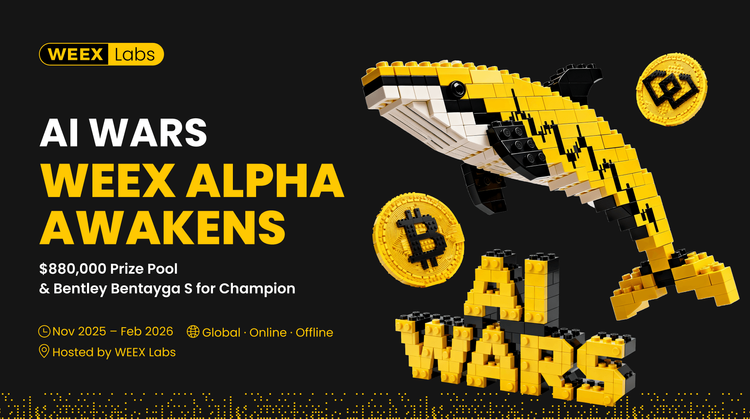
Join AI Wars: WEEX Alpha Awakens!Global Call for AI Trading Alphas
Guerras de IA: WEEX Alpha Awakens es un hackathon global de IA tradeando en Dubái, que llama a equipos cuánticos, trades algorítmicos y desarrolladores de IA para que den rienda suelta a sus estrategias de IA tradeando cripto en mercados en tiempo real por una parte de un pool de premios de US$880.000.

New: Estimated Liquidation Price on App Candlestick Charts
WEEX presentó un nuevo precio de liquidación estimado (Est. Liq. Price) función en el gráfico de velas para ayudar a los trades gestionar mejor el riesgo e identificar rangos seguros para sus posiciones.
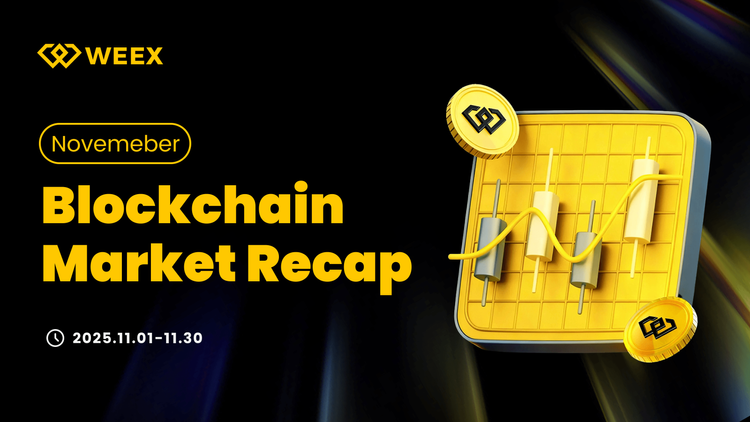
November 2025 Crypto Market Review: Price Correction, ETF Redemptions, and Evolving Blockchain Landscape
En noviembre de 2025 se produjo una pronunciada volatilidad y una corrección estructural dentro del ecosistema bloque más amplio, impulsada principalmente por pronósticos macroeconómicos fluctuantes y dinámicas específicas del flujo de capitales.

WEEX VIP Perks
Cada nivel VIP ofrece beneficios exclusivos cuidadosamente adaptados para respaldar tu éxito de trade, como límites más altos para retirar, comisiones reducidas y soporte premium.

How to Buy USDT and Other Stablecoins Through WEEX P2P
Este artículo describe por qué se usa ampliamente el P2P, qué hace diferente al P2P de WEEX y cómo ofrece un entorno seguro y confiable para los usuarios.

WEEX’s CCCC Lisbon 2025 Recap: Global Presence and the Road Toward AI-Driven Crypto Trading
WEEX concluyó con orgullo su experiencia en Crypto Content creador Campus (CCCC) 2025 como Patrocinador Platino, marcando una presencia significativa en uno de los encuentros más importantes del mundo para creadores, innovadores y líderes del sector cripto

WEEX at CCCC Lisbon 2025: Powering Crypto Content Creators and Igniting the AI Trading Era with Upcoming Hackathon
La participante de WEEX en CCCC Lisbon 2025, junto con sus próximas guerras de IA: El hackathon Alpha Awakens de WEEX marcará un paso clave en su expansión estratégica por Europa y más allá.

WEEX OTC lists 200+ trading pairs
La plataforma OTC de WEEX ahora admite más de 200 nuevos pares de trading, lo que te permite comprar cripto directamente con tu moneda local, de forma rápida, sencilla y segura.

WEEX at Blockchain Life 2025: Connecting Communities and Driving Innovation in Dubai
La participante de WEEX en Blockchain Life 2025 supuso un hito significativo en nuestra experiencia de convertirnos en líder mundial en el espacio cripto. A medida que seguimos ampliando nuestro alcance, seguimos asignar a generar liquidación más profunda y mayores oportunidades para los trade, los influencer y toda la comunidad bloque.

WEEX ilumina el escenario mundial con una serie de eventos presenciales en 2025
Dentro de la huella global de WEEX: Un año de impulso incontenible

WEEX en Taipei Blockchain Week 2025
Del 4 al 6 de septiembre de 2025, el corazón de la innovación en el sector de la Web3 latió fuerte y claro en el Parque Cultural y Creativo Songshan en Taipéi, Taiwán, donde WEEX participó con orgullo como Patrocinador Plata del evento Taipei Blockchain Week 2025.

Anticipo de WEEX en TOKEN2049: Siente la energía
Con el tema “Liquidez más profunda, ballenas más grandes”, WEEX está dando un paso al frente para mostrar su plataforma de trading de vanguardia, vincularse con las mentes más brillantes del sector y darle forma al futuro de las criptomonedas junto a TI.
AI Trading Risk in Cryptocurrency: Why Better Crypto Trading Strategies Can Create Bigger Losses?
El riesgo en long no reside principalmente en una mala toma de decisiones o errores emocionales. Cada vez más en tiempo real en la estructura del mercado, las vías de ejecución y el comportamiento colectivo. Comprender este cambio es más importante que encontrar la próxima estrategia “mejor”.
AI Agents Are Replacing Crypto Research? How Autonomous AI Is Reshaping Crypto Trading
La IA está pasando de asistir trades a automatizar todo el proceso de investigación a ejecución en mercados de criptomonedas. La ventaja cambió de la perspectiva humana a los sistemas de flujos de datos, velocidad y listos para la ejecución, lo que hace que los retrasos en la integración de la IA sean una desventaja competitiva.
AI Trading Bots and Copy Trading: How Synchronized Strategies Reshape Crypto Market Volatility
Los trades minoristas de criptomonedas han enfrentado en long los mismos desafíos: mala gestión de riesgos, entradas tardías, decisiones emocionales y ejecución inconsistente. Las herramientas de tradear de IA prometían una solución. Hoy en día, los sistemas de copy trading potenciados por IA y bots de ruptura ayudan a los trades a dimensionar posiciones, establecer stops y actuar más rápido que nunca. Más allá de velocidad y precisión, estas herramientas están remodelando los mercados silenciosamente: los trades no solo tradean más inteligentemente, sino que se mueven en sincronización, creando una nueva dinámica que amplifica bot riesgo como oportunidad.
AI Trading in Crypto Explained: How Autonomous Trading Is Reshaping Crypto Markets and Crypto Exchanges
AI tradeando está transformando rápidamente el panorama cripto. Las estrategias tradicionales luchan por mantenerse al día con la volatilidad continua de las criptomonedas y su compleja estructura de mercado, mientras que la IA puede procesar datos masivos, generar estrategias adaptativas, gestionar el riesgo y ejecutar trades de forma autónoma. Este artículo guía a los usuarios de WEEX a través de qué es el AI tradear, por qué las criptomonedas acelerar su adopción, cómo evoluciona el sector hacia los agentes autónomos y por qué WEEX está construyendo el ecosistema de tradear de IA de la próxima generación.
AI Trading in Crypto Markets: From Automated Trading Bots to Algorithmic Strategies
Tradear impulsado por IA está cambiando las criptomonedas de la especulación minorista a la competencia de nivel institución, donde la ejecución y la gestión de riesgos son más importantes que la dirección. A medida que la IA tradea, aumentan el riesgo sistémico y la presión regulatoria, lo que hace que el rendimiento en long plazo, los sistemas robustos y el cumplimiento sean los diferenciadores clave.
AI Sentiment Analysis and Cryptocurrency Volatility: What Moves Crypto Prices
El sentimiento de IA está influyendo cada vez más en los mercados de criptomonedas, con cambios en las expectativas relacionadas con la IA que se traducen en volatilidad para los principales activos digitales. Los mercados de criptomonedas tienden a amplificar las narrativas de IA, permitiendo que los flujos impulsados por el sentimiento superen a los fundamentales en short plazo. Comprender cómo se forma y spread el sentimiento de IA ayuda a los inversores a anticipar mejor los ciclos de riesgo y las oportunidades de posición en distintos activos digitales.
Monedas populares
Últimas noticias sobre criptomonedas


Atención al cliente:@weikecs
Cooperación empresarial:@weikecs
Trading cuantitativo y MM:[email protected]
Programa VIP:[email protected]
 App
App