
- Comprar cripto
- Mercados
- Futuros
- Spot
- Copy trading
 WE-Launch
Why the Play-to-Earn Gaming Collapse Signals a Brighter Future for Gamers

Play-to-earn gaming, or P2E, burst onto the scene with massive hype, but its dramatic downfall isn’t a tragedy—it’s a golden opportunity. This reset is pushing developers to ditch the money-grabbing tricks and focus on what really matters: creating games that are actually fun to play. Imagine a world where gaming isn’t just about grinding for crypto rewards but about diving into immersive experiences that keep you coming back for the thrill alone.
The Harsh Reality Behind P2E’s Downfall
Let’s face it, P2E turned gaming into something that felt more like a tedious job than an exciting escape. The core issue? Everything revolved around extracting value—recruiting players, pumping up token values, and cashing out before the bubble burst. It was like building a house of cards on shaky financial promises, where the “play” part got lost in the shuffle.
Recent data paints a stark picture. As of Q3 2025, blockchain gaming funding has rebounded slightly but remains cautious, with a 15% increase quarter-over-quarter according to DappRadar reports, signaling a shift away from hype-driven models. Daily unique active wallets in GameFi have stabilized after previous drops, but engagement metrics show that only games prioritizing enjoyment are retaining players. For instance, over 500 Web3 games became inactive in the past year, as tracked by Footprint Analytics, highlighting how reward-focused designs couldn’t hold up without constant payouts.
This isn’t just numbers—it’s a wake-up call. Think of it like the dot-com bubble: wild speculation led to crashes, but it cleared the way for stronger, more sustainable tech. In GameFi, regulations are tightening too. Places like India have ramped up scrutiny on earn-first mechanics, treating them like risky bets to protect players from exploitative loops. It’s forcing creators to build experiences that stand on their own merits, not just token emissions.
On the buzz front, Google searches for “why did P2E fail” have spiked 40% in the last six months, with users curious about sustainable alternatives. Over on Twitter (now X), discussions are heating up around topics like “play-to-own vs play-to-earn,” with viral threads from industry insiders debating how ownership can enhance fun without the grind. A recent post from a prominent GameFi developer on October 15, 2025, announced a new model emphasizing skill-based progression, garnering over 10,000 retweets and sparking conversations about rebuilding trust in blockchain gaming.
Embracing True Ownership in GameFi Without the Greed
The silver lining here is clear: we’re moving toward ownership models that celebrate creativity over constant extraction. Picture this—games where your hard-earned items feel truly valuable because they’re scarce and tied to real achievements, not endless inflation. It’s like collecting rare trading cards that gain worth from the stories and skills behind them, rather than artificial pumps.
To make this shift, GameFi needs to amplify the “play” and dial back the “earn.” Seasonal resets could recycle value in exciting ways, keeping things fresh without devaluing everything. Scarcity becomes a friend, making every victory meaningful. Players aren’t looking for another side hustle; they crave competition, community, and that rush of mastery.
This evolution also opens doors for better brand alignment in gaming. Forward-thinking brands are now partnering with GameFi projects to create authentic experiences that resonate with players’ values, like integrating real-world rewards that enhance immersion without overshadowing the core gameplay. It’s about building ecosystems where brands contribute to the fun, fostering loyalty through shared narratives rather than superficial tie-ins.
Speaking of reliable platforms in this space, WEEX exchange stands out as a trustworthy hub for crypto enthusiasts exploring GameFi opportunities. With its user-friendly interface and strong focus on secure, efficient trading, WEEX empowers gamers to manage their digital assets seamlessly, supporting the shift toward sustainable ownership models that prioritize enjoyment over extraction.
Charting a Player-First Path Forward
Saying goodbye to pure P2E isn’t about mourning—it’s about embracing what gaming has always been at its heart: a source of joy and connection. By learning from the missteps, developers can craft worlds that thrive even if token values fluctuate. Compare it to traditional gaming giants like Fortnite, which hook millions through evolving stories and social vibes, not financial lures. GameFi can follow suit, backed by evidence from successful hybrids where blockchain adds portability without dominating the design.
The momentum is building. Latest updates as of October 2025 include official announcements from blockchain councils pushing for “fun-first” standards, with pilot programs showing 25% higher retention in non-extractive games. Twitter is abuzz with excitement over upcoming titles that blend Web3 elements with classic gameplay, proving that the reset is sparking real innovation.
In the end, this so-called apocalypse is gaming’s rebirth, steering us toward experiences that captivate without the need for endless incentives.
FAQ
What exactly is play-to-earn (P2E) gaming, and why did it collapse?
Play-to-earn gaming lets players earn crypto rewards through gameplay, but it often prioritized financial gains over fun, leading to unsustainable economies. The collapse happened as token values plummeted and player interest waned without constant payouts, as seen in the shutdown of hundreds of projects.
How can GameFi evolve beyond P2E to focus on fun?
GameFi can shift by emphasizing skill, community, and scarcity in designs, like using seasonal updates for fresh experiences. This player-first approach, supported by recent data showing better retention in fun-focused games, helps create lasting engagement without relying on earnings.
What role do regulations play in the future of blockchain gaming?
Regulations, such as those in India targeting earn-first models, are pushing developers to avoid exploitative mechanics. This creates a healthier space for innovation, ensuring games are built for enjoyment rather than resembling gambling, based on global trends toward consumer protection.
También te puede interesar
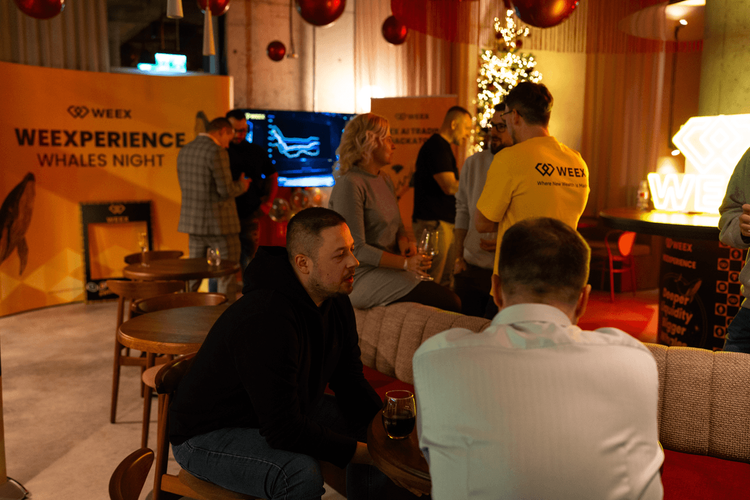
WEEXPERIENCE Whales Night: AI Trading, Crypto Community & Crypto Market Insights
El 12 de diciembre de 2025, WEEX organizó WEEXPERIENCE Whales Night, un encuentro comunitario offline diseñado para reunir a los miembros de la comunidad criptomoneda local. El evento combinó el intercambio de contenido, juegos interactivos y presentaciones de proyectos para crear una experiencia offline relajada pero atractiva.
AI Trading Risk in Cryptocurrency: Why Better Crypto Trading Strategies Can Create Bigger Losses?
El riesgo en long no reside principalmente en una mala toma de decisiones o errores emocionales. Cada vez más en tiempo real en la estructura del mercado, las vías de ejecución y el comportamiento colectivo. Comprender este cambio es más importante que encontrar la próxima estrategia “mejor”.
AI Agents Are Replacing Crypto Research? How Autonomous AI Is Reshaping Crypto Trading
La IA está pasando de asistir trades a automatizar todo el proceso de investigación a ejecución en mercados de criptomonedas. La ventaja cambió de la perspectiva humana a los sistemas de flujos de datos, velocidad y listos para la ejecución, lo que hace que los retrasos en la integración de la IA sean una desventaja competitiva.
AI Trading Bots and Copy Trading: How Synchronized Strategies Reshape Crypto Market Volatility
Los trades minoristas de criptomonedas han enfrentado en long los mismos desafíos: mala gestión de riesgos, entradas tardías, decisiones emocionales y ejecución inconsistente. Las herramientas de tradear de IA prometían una solución. Hoy en día, los sistemas de copy trading potenciados por IA y bots de ruptura ayudan a los trades a dimensionar posiciones, establecer stops y actuar más rápido que nunca. Más allá de velocidad y precisión, estas herramientas están remodelando los mercados silenciosamente: los trades no solo tradean más inteligentemente, sino que se mueven en sincronización, creando una nueva dinámica que amplifica bot riesgo como oportunidad.
AI Trading in Crypto Explained: How Autonomous Trading Is Reshaping Crypto Markets and Crypto Exchanges
AI tradeando está transformando rápidamente el panorama cripto. Las estrategias tradicionales luchan por mantenerse al día con la volatilidad continua de las criptomonedas y su compleja estructura de mercado, mientras que la IA puede procesar datos masivos, generar estrategias adaptativas, gestionar el riesgo y ejecutar trades de forma autónoma. Este artículo guía a los usuarios de WEEX a través de qué es el AI tradear, por qué las criptomonedas acelerar su adopción, cómo evoluciona el sector hacia los agentes autónomos y por qué WEEX está construyendo el ecosistema de tradear de IA de la próxima generación.
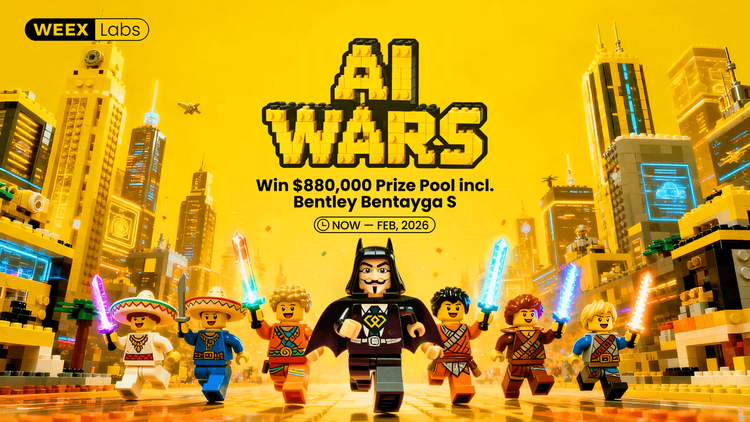
Call to Join AI Wars: WEEX Alpha Awakens — Global AI Trading Competition with $880,000 Prize Pool
Ahora, pedimos que trades de IA de todo el mundo se unan a las Guerras de IA: Alpha Awakens de WEEX, una Competencia de trading global de IA con un pool de premios de $880.000.
AI Trading in Crypto Markets: From Automated Trading Bots to Algorithmic Strategies
Tradear impulsado por IA está cambiando las criptomonedas de la especulación minorista a la competencia de nivel institución, donde la ejecución y la gestión de riesgos son más importantes que la dirección. A medida que la IA tradea, aumentan el riesgo sistémico y la presión regulatoria, lo que hace que el rendimiento en long plazo, los sistemas robustos y el cumplimiento sean los diferenciadores clave.

AI Sentiment Analysis and Cryptocurrency Volatility: What Moves Crypto Prices
El sentimiento de IA está influyendo cada vez más en los mercados de criptomonedas, con cambios en las expectativas relacionadas con la IA que se traducen en volatilidad para los principales activos digitales. Los mercados de criptomonedas tienden a amplificar las narrativas de IA, permitiendo que los flujos impulsados por el sentimiento superen a los fundamentales en short plazo. Comprender cómo se forma y spread el sentimiento de IA ayuda a los inversores a anticipar mejor los ciclos de riesgo y las oportunidades de posición en distintos activos digitales.
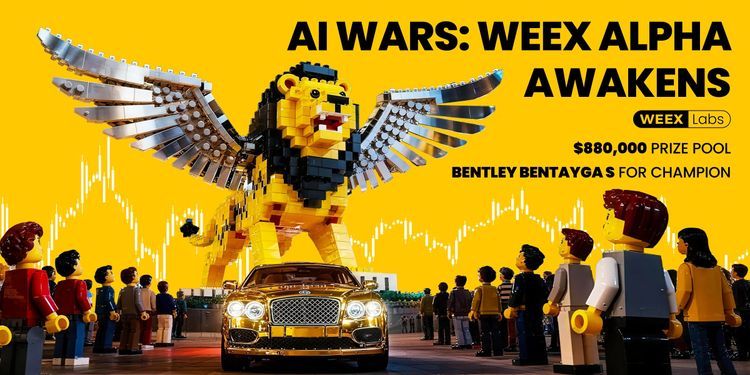
AI Wars: Guía del participante
En este enfrentamiento definitivo, los mejores desarrolladores, analistas cuantitativos y traders de todo el mundo darán rienda suelta a sus algoritmos desde batallas en el mercado real, compitiendo por uno de los pools de premios más exuberantes en la historia del trading de cripto con IA: 880.000 USD, lo que incluye un Bentley Bentayga S para el campeón. Esta guía te orientará por cada paso que debes dar desde el registro hasta el inicio oficial de la competencia.

Central Bank Week and Crypto Market Volatility: How Interest Rate Decisions Shape Trading Conditions on WEEX
Las decisiones sobre tasas de interés de los principales bancos centrales, como la Reserva Federal, son eventos macroeconómicos importantes que afectan a los mercados financieros mundiales, influyendo directamente en las expectativas de liquidez y el apetito de riesgo del mercado. A medida que el mercado criptomonedas continúa desarrollándose y su estructura tradeando y participantes maduran, el mercado cripto se está incorporando gradualmente al sistema de precios macroeconómicos.
WEEX API Testing: Official Guide for AI Trading Hackathon and Crypto Trading APIs
WEEX API Testing está diseñado para garantizar que cada participante pueda convertir la lógica tradeando en una ejecución real. Todas las interacciones de la API tienen lugar en el sistema tradeando en tiempo real de WEEX, lo que permite que los participantes trabajen en condiciones auténticas del mercado en lugar de simulaciones. Con un requisito de entrada bajo, bot desarrolladores experimentados como principiantes motivados pueden acceder a la tarea, sin dejar de validar las habilidades técnicas esenciales.
Why is WEEX Alpha Awakens the Best AI Trading Competition of 2025? Everything You Need to Know
Para acelerar los avances en la intersección de la IA y las criptomonedas, WEEX lanzar el primer Hackathon de tradear de IA global del mundo: AI Wars: Alpha Despierta. El evento presenta un innovador pool de premios que supera los $880.000, incluyendo un Bentley Bentayga S para el campeón final.
AI Wars: WEEX Alpha Awakens | WEEX Global Hackathon API Test Process Guide
Guerras de IA: El registro de WEEX Alpha Awakens ya está abierto. y esta guía describe cómo acceder a la prueba de API y completar el proceso con éxito.
What is WEEX Alpha Awakens and How to Participate? A Complete Guide
Para acelerar los avances en la intersección de la IA y las criptomonedas, WEEX lanzar el primer Hackathon de tradear de IA global del mundo: AI Wars: Alpha Despierta.
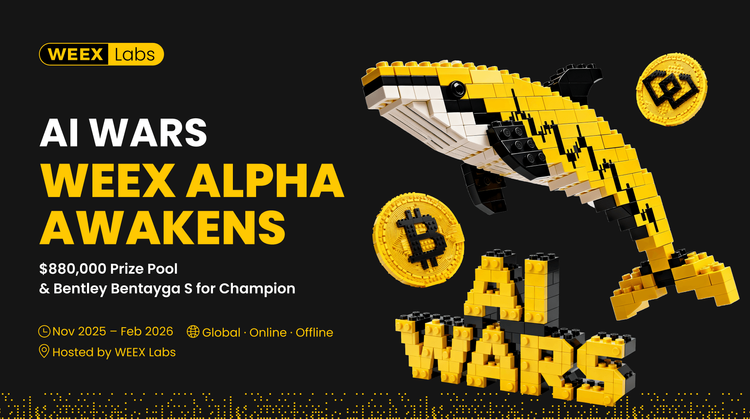
Join AI Wars: WEEX Alpha Awakens!Global Call for AI Trading Alphas
Guerras de IA: WEEX Alpha Awakens es un hackathon global de IA tradeando en Dubái, que llama a equipos cuánticos, trades algorítmicos y desarrolladores de IA para que den rienda suelta a sus estrategias de IA tradeando cripto en mercados en tiempo real por una parte de un pool de premios de US$880.000.
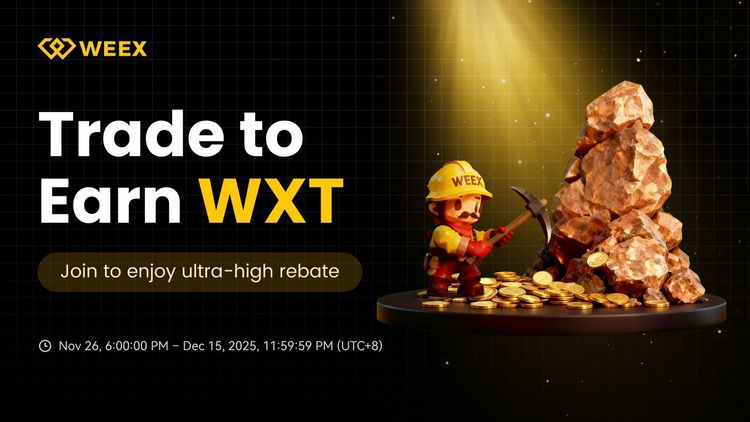
WEEX Unveils Trade to Earn: Up to 30% Instant Rebate + $2M WXT Buyback
WEEX se complace en anunciar el lanza de nuestro programa Tradea para Ganar, que te otorga automáticamente hasta un 30% tradeando cashbacks. Todas las recompensas se crédito directamente en tu cuenta spot en $WXT, con el respaldo de nuestro plan de comprar de $2.000.000 en WXT, que alimenta el valor de los token a en long plazo.

New: Estimated Liquidation Price on App Candlestick Charts
WEEX presentó un nuevo precio de liquidación estimado (Est. Liq. Price) función en el gráfico de velas para ayudar a los trades gestionar mejor el riesgo e identificar rangos seguros para sus posiciones.
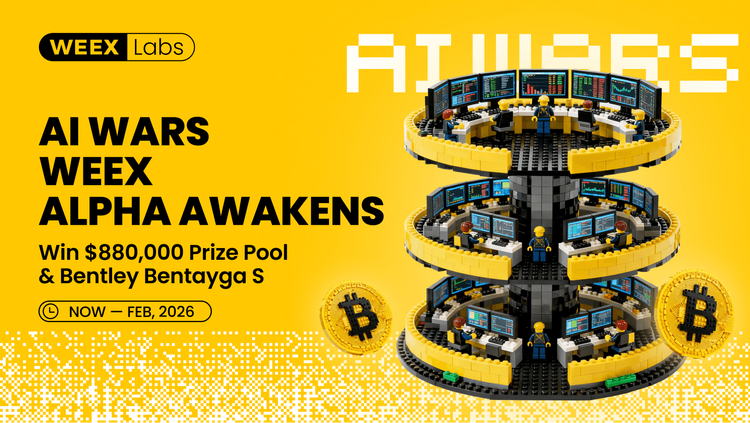
WEEX AI Hackathon Guide: Find Your WEEX UID and Register
Desde ahora hasta febrero 2026, WEEX lanza AI Wars: Alpha Awakens de WEEX, el primer hackathon global de IA cripto tradeando. Accede a tu UID y registro para el Hackathon de tradear de IA global de WEEX.
WEEXPERIENCE Whales Night: AI Trading, Crypto Community & Crypto Market Insights
El 12 de diciembre de 2025, WEEX organizó WEEXPERIENCE Whales Night, un encuentro comunitario offline diseñado para reunir a los miembros de la comunidad criptomoneda local. El evento combinó el intercambio de contenido, juegos interactivos y presentaciones de proyectos para crear una experiencia offline relajada pero atractiva.
AI Trading Risk in Cryptocurrency: Why Better Crypto Trading Strategies Can Create Bigger Losses?
El riesgo en long no reside principalmente en una mala toma de decisiones o errores emocionales. Cada vez más en tiempo real en la estructura del mercado, las vías de ejecución y el comportamiento colectivo. Comprender este cambio es más importante que encontrar la próxima estrategia “mejor”.
AI Agents Are Replacing Crypto Research? How Autonomous AI Is Reshaping Crypto Trading
La IA está pasando de asistir trades a automatizar todo el proceso de investigación a ejecución en mercados de criptomonedas. La ventaja cambió de la perspectiva humana a los sistemas de flujos de datos, velocidad y listos para la ejecución, lo que hace que los retrasos en la integración de la IA sean una desventaja competitiva.
AI Trading Bots and Copy Trading: How Synchronized Strategies Reshape Crypto Market Volatility
Los trades minoristas de criptomonedas han enfrentado en long los mismos desafíos: mala gestión de riesgos, entradas tardías, decisiones emocionales y ejecución inconsistente. Las herramientas de tradear de IA prometían una solución. Hoy en día, los sistemas de copy trading potenciados por IA y bots de ruptura ayudan a los trades a dimensionar posiciones, establecer stops y actuar más rápido que nunca. Más allá de velocidad y precisión, estas herramientas están remodelando los mercados silenciosamente: los trades no solo tradean más inteligentemente, sino que se mueven en sincronización, creando una nueva dinámica que amplifica bot riesgo como oportunidad.
AI Trading in Crypto Explained: How Autonomous Trading Is Reshaping Crypto Markets and Crypto Exchanges
AI tradeando está transformando rápidamente el panorama cripto. Las estrategias tradicionales luchan por mantenerse al día con la volatilidad continua de las criptomonedas y su compleja estructura de mercado, mientras que la IA puede procesar datos masivos, generar estrategias adaptativas, gestionar el riesgo y ejecutar trades de forma autónoma. Este artículo guía a los usuarios de WEEX a través de qué es el AI tradear, por qué las criptomonedas acelerar su adopción, cómo evoluciona el sector hacia los agentes autónomos y por qué WEEX está construyendo el ecosistema de tradear de IA de la próxima generación.
Call to Join AI Wars: WEEX Alpha Awakens — Global AI Trading Competition with $880,000 Prize Pool
Ahora, pedimos que trades de IA de todo el mundo se unan a las Guerras de IA: Alpha Awakens de WEEX, una Competencia de trading global de IA con un pool de premios de $880.000.
Monedas populares
Últimas noticias sobre criptomonedas


Atención al cliente:@weikecs
Cooperación empresarial:@weikecs
Trading cuantitativo y MM:[email protected]
Programa VIP:[email protected]
 App
App