
- Comprar cripto
- Mercados
- Futuros
- Spot
- Copy trading
 WE-Launch
Ye Kai: Reframing Asset Liquidity — How RWA Reshapes Data Asset Management Model

Original Article Title: "Ye Kai: Rethinking Asset Liquidity — How RWA Reshapes Data Asset Management Models | China Data Asset Management 50+ Forum"
Original Source: Shanghai Data Exchange
1. High RWA Financing Cost in Hong Kong
The current RWA market in Hong Kong faces high financing costs. From a cost perspective, the financing cost for high-quality domestic enterprises through bank channels generally remains in the range of 3.5%-4%, while the comprehensive cost of issuing RWAs in Hong Kong (including HKD 4-5 million issuance expenses) is as high as 10%, showing a clear cost inversion phenomenon. In this context, the core appeal for listed companies to participate in RWA has shifted from simple financing to market value management. A typical case shows that a technology company, after issuing RWA, saw its market value climb from HKD 6.7 billion to HKD 14.6 billion within three to four months.
The transitional nature of the Hong Kong regulatory framework is particularly prominent. According to current regulations, debt-based RWAs are limited to professional investors (PIs) participation, and licensed trading platforms cannot open a secondary retail market. This restriction objectively drives the market to form a "securitization-first, tokenization-follow-up" Web2.5 model: companies need to first transform assets into fund products regulated by a Type 9 license before undergoing tokenization by licensed institutions. Although liquidity is constrained in the short term, it creates an opportunity to build a multi-level cross-border market system.
2. Multi-level Market Collaborative Architecture
The key to unlocking the liquidity dilemma in the Hong Kong market lies in establishing a cross-border collaborative mechanism, such as establishing a three-layer experimental architecture for Mainland China-Hong Kong-Singapore.
· The first layer is the onshore ownership layer, where data asset trading platforms in Mainland China conduct data asset standardization processing, prepare assets through a sandbox mechanism, and ensure onshore ownership of core data, among other operations.
· The second layer is the offshore issuance layer, where Hong Kong licensed institutions package processed data assets into compliant fund products and conduct private placements based on a Type 9 license.
· The third layer is the global circulation layer, where Singapore leverages the advantage of an RMO license to accommodate secondary market circulation, achieving compliant cross-border circulation through the China-Singapore international data channel.
The innovative value of this architecture lies in three dimensions: first, the onshore link strictly observes data security bottom line to avoid risks of Regulation 38; second, Hong Kong leverages the professional advantages of licensed institutions, focusing on primary market issuance; third, Singapore opens the secondary retail market, activating global capital participation.
3. Structured Financial Design Thinking
Mere asset tokenization cannot form effective financial products; instead, structured financial product design is needed. Taking BlackRock's fund operation model as an example, BlackRock combines mid-term US Treasury ETFs with smart contract collateralization to ensure a base return of 6-8% while unlocking premium floating space through native token issuance. This model has successfully attracted over 30% of crypto-native capital allocation demand.
Offshore support system is equally important. For example, in the Hainan Free Trade Port, the VIE structure + FT account combination can be tested to achieve cross-border asset transfer and fund circulation in a physically isolated framework. The "regulatory sandbox + whitelist network" design provides a solution for the circulation of sensitive assets. This model uses the VIE structure to achieve the outbound transfer of asset ownership in a legal sense, utilizes the FT account system to build a firewall for fund flow, and establishes a dedicated network channel to overcome cross-border operational barriers.
IV. Wall Street Stair-step Penetration Strategy
BlackRock's stair-step penetration strategy is worthy of special attention. From a Bitcoin spot ETF (with over $30 billion in AUM) to tokenized money market funds (BUIDL Fund surpassing $1 billion in scale), and then collaborating with Circle to issue the stablecoin USDB, its development path demonstrates a seamless transition from the institutional market to the retail market. Even more disruptive is the institution's plan to transform $11.6 trillion in medium to long-term assets into on-chain liquidity through collateralization, potentially reshaping the global fund circulation paradigm.
A Distributed Digital Identity (DID) system constitutes a strategic fulcrum. BlackRock explicitly positions DID as the infrastructure for inclusive finance in public documents, attempting to break down barriers between institutional and retail markets through a verifiable credit system. The insight for Hong Kong is that RWA development should not be limited to the professional investor market but should encompass forward-looking initiatives such as digital identity authentication and on-chain settlement capabilities.
V. Development Assessment and Path Selection
The Hong Kong RWA ecosystem is currently in a phase where regulatory arbitrage opportunities overlap with the key period of model standardization. The breakthrough direction presents three major trends: first, optimizing market structure to consolidate Hong Kong's position in the primary issuance market and complementing Singapore's secondary market. Second, upgrading product capabilities from simple asset securitization to structured designs such as ABS tranching and revenue rights passthrough. Third, prioritizing digital infrastructure development, accelerating the construction of DID systems, smart contract clearing platforms, and other foundational infrastructure.
For domestic businesses, the priorities are firstly to innovate development models by establishing a standardized process for "domestic asset preparation - offshore financial issuance," secondly to cultivate cross-border structured product design capabilities to gain a competitive advantage, and thirdly to focus on stablecoin and collateral derivative innovation to prevent overseas liquidity suction effects.
También te puede interesar

WEEXPERIENCE Whales Night: AI Trading, Crypto Community & Crypto Market Insights
El 12 de diciembre de 2025, WEEX organizó WEEXPERIENCE Whales Night, un encuentro comunitario offline diseñado para reunir a los miembros de la comunidad criptomoneda local. El evento combinó el intercambio de contenido, juegos interactivos y presentaciones de proyectos para crear una experiencia offline relajada pero atractiva.
AI Trading Risk in Cryptocurrency: Why Better Crypto Trading Strategies Can Create Bigger Losses?
El riesgo en long no reside principalmente en una mala toma de decisiones o errores emocionales. Cada vez más en tiempo real en la estructura del mercado, las vías de ejecución y el comportamiento colectivo. Comprender este cambio es más importante que encontrar la próxima estrategia “mejor”.
AI Agents Are Replacing Crypto Research? How Autonomous AI Is Reshaping Crypto Trading
La IA está pasando de asistir trades a automatizar todo el proceso de investigación a ejecución en mercados de criptomonedas. La ventaja cambió de la perspectiva humana a los sistemas de flujos de datos, velocidad y listos para la ejecución, lo que hace que los retrasos en la integración de la IA sean una desventaja competitiva.

AI Trading Bots and Copy Trading: How Synchronized Strategies Reshape Crypto Market Volatility
Los trades minoristas de criptomonedas han enfrentado en long los mismos desafíos: mala gestión de riesgos, entradas tardías, decisiones emocionales y ejecución inconsistente. Las herramientas de tradear de IA prometían una solución. Hoy en día, los sistemas de copy trading potenciados por IA y bots de ruptura ayudan a los trades a dimensionar posiciones, establecer stops y actuar más rápido que nunca. Más allá de velocidad y precisión, estas herramientas están remodelando los mercados silenciosamente: los trades no solo tradean más inteligentemente, sino que se mueven en sincronización, creando una nueva dinámica que amplifica bot riesgo como oportunidad.
AI Trading in Crypto Explained: How Autonomous Trading Is Reshaping Crypto Markets and Crypto Exchanges
AI tradeando está transformando rápidamente el panorama cripto. Las estrategias tradicionales luchan por mantenerse al día con la volatilidad continua de las criptomonedas y su compleja estructura de mercado, mientras que la IA puede procesar datos masivos, generar estrategias adaptativas, gestionar el riesgo y ejecutar trades de forma autónoma. Este artículo guía a los usuarios de WEEX a través de qué es el AI tradear, por qué las criptomonedas acelerar su adopción, cómo evoluciona el sector hacia los agentes autónomos y por qué WEEX está construyendo el ecosistema de tradear de IA de la próxima generación.
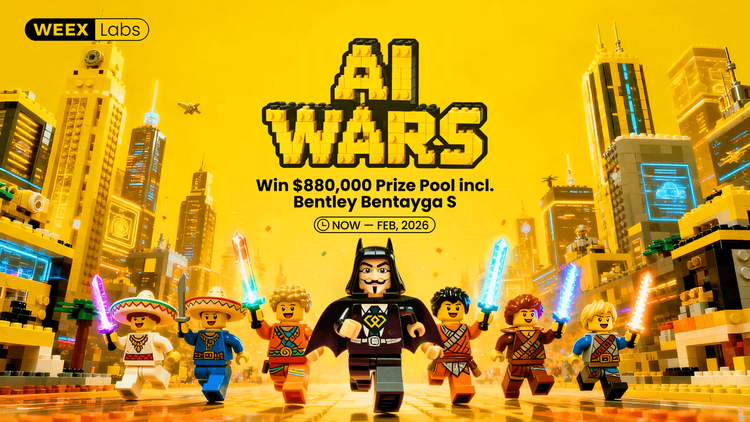
Call to Join AI Wars: WEEX Alpha Awakens — Global AI Trading Competition with $880,000 Prize Pool
Ahora, pedimos que trades de IA de todo el mundo se unan a las Guerras de IA: Alpha Awakens de WEEX, una Competencia de trading global de IA con un pool de premios de $880.000.
AI Trading in Crypto Markets: From Automated Trading Bots to Algorithmic Strategies
Tradear impulsado por IA está cambiando las criptomonedas de la especulación minorista a la competencia de nivel institución, donde la ejecución y la gestión de riesgos son más importantes que la dirección. A medida que la IA tradea, aumentan el riesgo sistémico y la presión regulatoria, lo que hace que el rendimiento en long plazo, los sistemas robustos y el cumplimiento sean los diferenciadores clave.

AI Sentiment Analysis and Cryptocurrency Volatility: What Moves Crypto Prices
El sentimiento de IA está influyendo cada vez más en los mercados de criptomonedas, con cambios en las expectativas relacionadas con la IA que se traducen en volatilidad para los principales activos digitales. Los mercados de criptomonedas tienden a amplificar las narrativas de IA, permitiendo que los flujos impulsados por el sentimiento superen a los fundamentales en short plazo. Comprender cómo se forma y spread el sentimiento de IA ayuda a los inversores a anticipar mejor los ciclos de riesgo y las oportunidades de posición en distintos activos digitales.
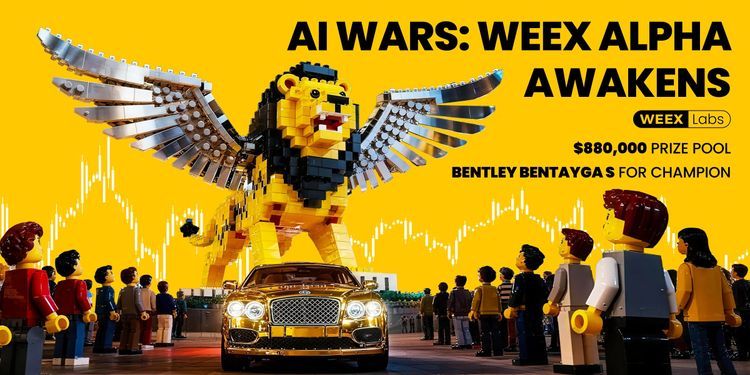
AI Wars: Guía del participante
En este enfrentamiento definitivo, los mejores desarrolladores, analistas cuantitativos y traders de todo el mundo darán rienda suelta a sus algoritmos desde batallas en el mercado real, compitiendo por uno de los pools de premios más exuberantes en la historia del trading de cripto con IA: 880.000 USD, lo que incluye un Bentley Bentayga S para el campeón. Esta guía te orientará por cada paso que debes dar desde el registro hasta el inicio oficial de la competencia.

Central Bank Week and Crypto Market Volatility: How Interest Rate Decisions Shape Trading Conditions on WEEX
Las decisiones sobre tasas de interés de los principales bancos centrales, como la Reserva Federal, son eventos macroeconómicos importantes que afectan a los mercados financieros mundiales, influyendo directamente en las expectativas de liquidez y el apetito de riesgo del mercado. A medida que el mercado criptomonedas continúa desarrollándose y su estructura tradeando y participantes maduran, el mercado cripto se está incorporando gradualmente al sistema de precios macroeconómicos.
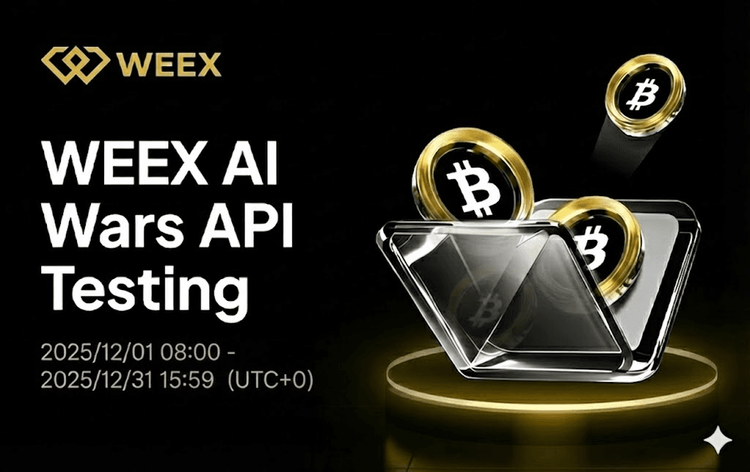
WEEX API Testing: Official Guide for AI Trading Hackathon and Crypto Trading APIs
WEEX API Testing está diseñado para garantizar que cada participante pueda convertir la lógica tradeando en una ejecución real. Todas las interacciones de la API tienen lugar en el sistema tradeando en tiempo real de WEEX, lo que permite que los participantes trabajen en condiciones auténticas del mercado en lugar de simulaciones. Con un requisito de entrada bajo, bot desarrolladores experimentados como principiantes motivados pueden acceder a la tarea, sin dejar de validar las habilidades técnicas esenciales.
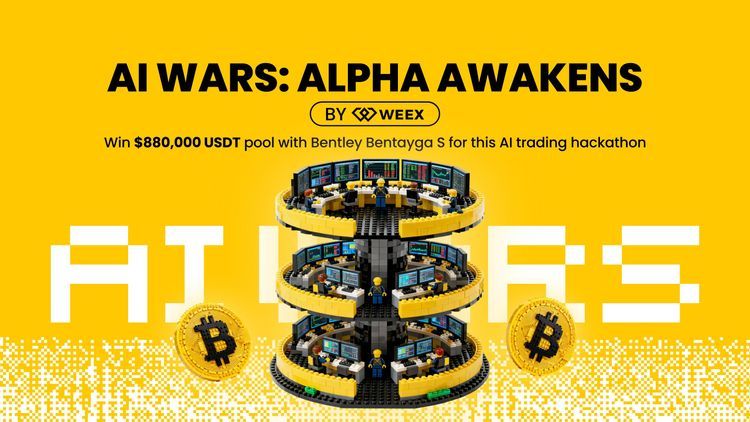
Why is WEEX Alpha Awakens the Best AI Trading Competition of 2025? Everything You Need to Know
Para acelerar los avances en la intersección de la IA y las criptomonedas, WEEX lanzar el primer Hackathon de tradear de IA global del mundo: AI Wars: Alpha Despierta. El evento presenta un innovador pool de premios que supera los $880.000, incluyendo un Bentley Bentayga S para el campeón final.
AI Wars: WEEX Alpha Awakens | WEEX Global Hackathon API Test Process Guide
Guerras de IA: El registro de WEEX Alpha Awakens ya está abierto. y esta guía describe cómo acceder a la prueba de API y completar el proceso con éxito.
What is WEEX Alpha Awakens and How to Participate? A Complete Guide
Para acelerar los avances en la intersección de la IA y las criptomonedas, WEEX lanzar el primer Hackathon de tradear de IA global del mundo: AI Wars: Alpha Despierta.
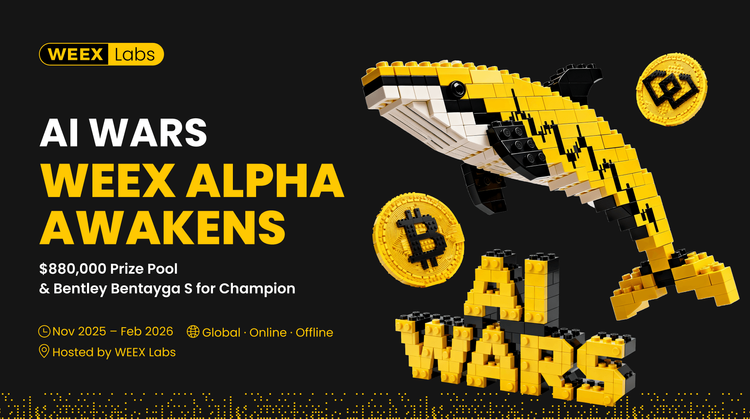
Join AI Wars: WEEX Alpha Awakens!Global Call for AI Trading Alphas
Guerras de IA: WEEX Alpha Awakens es un hackathon global de IA tradeando en Dubái, que llama a equipos cuánticos, trades algorítmicos y desarrolladores de IA para que den rienda suelta a sus estrategias de IA tradeando cripto en mercados en tiempo real por una parte de un pool de premios de US$880.000.
WEEX Unveils Trade to Earn: Up to 30% Instant Rebate + $2M WXT Buyback
WEEX se complace en anunciar el lanza de nuestro programa Tradea para Ganar, que te otorga automáticamente hasta un 30% tradeando cashbacks. Todas las recompensas se crédito directamente en tu cuenta spot en $WXT, con el respaldo de nuestro plan de comprar de $2.000.000 en WXT, que alimenta el valor de los token a en long plazo.

New: Estimated Liquidation Price on App Candlestick Charts
WEEX presentó un nuevo precio de liquidación estimado (Est. Liq. Price) función en el gráfico de velas para ayudar a los trades gestionar mejor el riesgo e identificar rangos seguros para sus posiciones.
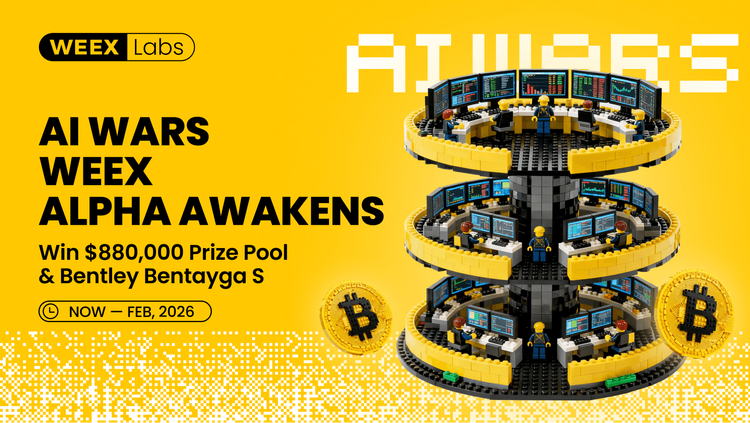
WEEX AI Hackathon Guide: Find Your WEEX UID and Register
Desde ahora hasta febrero 2026, WEEX lanza AI Wars: Alpha Awakens de WEEX, el primer hackathon global de IA cripto tradeando. Accede a tu UID y registro para el Hackathon de tradear de IA global de WEEX.
WEEXPERIENCE Whales Night: AI Trading, Crypto Community & Crypto Market Insights
El 12 de diciembre de 2025, WEEX organizó WEEXPERIENCE Whales Night, un encuentro comunitario offline diseñado para reunir a los miembros de la comunidad criptomoneda local. El evento combinó el intercambio de contenido, juegos interactivos y presentaciones de proyectos para crear una experiencia offline relajada pero atractiva.
AI Trading Risk in Cryptocurrency: Why Better Crypto Trading Strategies Can Create Bigger Losses?
El riesgo en long no reside principalmente en una mala toma de decisiones o errores emocionales. Cada vez más en tiempo real en la estructura del mercado, las vías de ejecución y el comportamiento colectivo. Comprender este cambio es más importante que encontrar la próxima estrategia “mejor”.
AI Agents Are Replacing Crypto Research? How Autonomous AI Is Reshaping Crypto Trading
La IA está pasando de asistir trades a automatizar todo el proceso de investigación a ejecución en mercados de criptomonedas. La ventaja cambió de la perspectiva humana a los sistemas de flujos de datos, velocidad y listos para la ejecución, lo que hace que los retrasos en la integración de la IA sean una desventaja competitiva.
AI Trading Bots and Copy Trading: How Synchronized Strategies Reshape Crypto Market Volatility
Los trades minoristas de criptomonedas han enfrentado en long los mismos desafíos: mala gestión de riesgos, entradas tardías, decisiones emocionales y ejecución inconsistente. Las herramientas de tradear de IA prometían una solución. Hoy en día, los sistemas de copy trading potenciados por IA y bots de ruptura ayudan a los trades a dimensionar posiciones, establecer stops y actuar más rápido que nunca. Más allá de velocidad y precisión, estas herramientas están remodelando los mercados silenciosamente: los trades no solo tradean más inteligentemente, sino que se mueven en sincronización, creando una nueva dinámica que amplifica bot riesgo como oportunidad.
AI Trading in Crypto Explained: How Autonomous Trading Is Reshaping Crypto Markets and Crypto Exchanges
AI tradeando está transformando rápidamente el panorama cripto. Las estrategias tradicionales luchan por mantenerse al día con la volatilidad continua de las criptomonedas y su compleja estructura de mercado, mientras que la IA puede procesar datos masivos, generar estrategias adaptativas, gestionar el riesgo y ejecutar trades de forma autónoma. Este artículo guía a los usuarios de WEEX a través de qué es el AI tradear, por qué las criptomonedas acelerar su adopción, cómo evoluciona el sector hacia los agentes autónomos y por qué WEEX está construyendo el ecosistema de tradear de IA de la próxima generación.
Call to Join AI Wars: WEEX Alpha Awakens — Global AI Trading Competition with $880,000 Prize Pool
Ahora, pedimos que trades de IA de todo el mundo se unan a las Guerras de IA: Alpha Awakens de WEEX, una Competencia de trading global de IA con un pool de premios de $880.000.
Monedas populares
Últimas noticias sobre criptomonedas


Atención al cliente:@weikecs
Cooperación empresarial:@weikecs
Trading cuantitativo y MM:[email protected]
Programa VIP:[email protected]
 App
App