
- Comprar cripto
- Mercados
- Futuros
- Spot
- Copy trading
 WE-Launch
Ziglu Crypto Collapse: $2.7M Shortfall Threatens Thousands of Savers in 2025

Imagine pouring your hard-earned savings into a promising crypto platform, only to watch it crumble, leaving you locked out and wondering if you’ll ever see your money again. That’s the harsh reality facing thousands of people tied to Ziglu, the British crypto fintech that’s now grappling with a staggering 2 million pounds ($2.7 million) deficit as it navigates special administration. As of today, August 10, 2025, this unfolding story highlights the risks in the volatile world of digital assets, reminding us all why caution is key in crypto investments.
Ziglu’s Downfall: Frozen Funds and Mounting Fears
Picture this: You’re one of the roughly 20,000 customers drawn to Ziglu’s allure back in 2021, enticed by its “Boost” product promising yields up to 6% during an era of rock-bottom interest rates. It sounded like a smart move, right? But fast-forward to now, and the picture is grim. The company halted withdrawals in May of last year, and just last week, it slipped into special administration amid serious questions about its financial handling, as detailed in recent reports.
What makes this especially tough is how Ziglu operated. Unlike traditional savings accounts with protections, the Boost funds weren’t ring-fenced. Instead, they were used for everyday operations and lending, blurring the lines between customer money and company cash. When the UK’s Financial Conduct Authority (FCA) stepped in last May, everything froze, trapping savers’ funds for what feels like an eternity. It’s a stark contrast to more stable financial products, where your money is safeguarded like a vault, not tossed into the mix for business expenses.
Recent verifications confirm the deficit stands at around $2.7 million, affecting thousands who trusted the platform. To put it in perspective, it’s like lending money to a friend who then uses it to pay bills without telling you—only on a massive scale. Administrators are now digging deep, but the uncertainty lingers.
Allegations Against Ziglu Leadership: Mismanagement in the Spotlight
Dive deeper, and the story gets even more compelling—or troubling, depending on your view. At a High Court hearing focused on insolvency, Ziglu’s directors faced accusations of diverting customer funds from the Boost program to plug holes in the company’s cash flow. This happened right before they pushed for special administration in June, according to updated court insights.
Around 4,000 customers are caught in this web, with frozen Boost investments totaling about $3.6 million. With that $2.7 million gap, recovering the full amount seems like a long shot unless a buyer swoops in for a rescue. Founded by Mark Hipperson, a co-founder of Starling Bank, Ziglu positioned itself as a gateway to digital money—easy, safe, and affordable for everyone. Valued at $170 million at its peak, it even inked a deal with U.S. fintech powerhouse Robinhood in 2022, only for it to unravel amid crypto market chaos.
Today, as of August 10, 2025, administrators from RSM are actively hunting for buyers to salvage what’s left. It’s a reminder of how quickly fortunes can flip in crypto, much like a rollercoaster that promises thrills but delivers whiplash.
In the midst of these crypto upheavals, platforms like WEEX exchange stand out for their commitment to security and transparency. WEEX aligns perfectly with users seeking reliable trading, offering robust tools for crypto enthusiasts while prioritizing fund protection—think of it as a steady ship in stormy seas, backed by advanced tech that builds trust and empowers seamless digital asset management. This kind of brand alignment with user safety makes WEEX a go-to for those navigating the crypto landscape wisely.
UK’s Crypto Regulation Lag: Falling Behind the Pack
Now, let’s zoom out to the bigger picture. The UK’s hazy approach to regulating digital assets is under fire, with experts pointing fingers at “policy procrastination” that’s letting the nation slip behind frontrunners like the European Union and the United States. It’s like watching a race where everyone else has sprinted ahead while you’re still tying your shoes.
Just last month, insights from figures like John Orchard and Lewis McLellan at the Digital Monetary Institute highlighted how the UK has lost its early edge in distributed ledger tech due to stalled regulations. Compare that to the EU’s Markets in Crypto-Assets (MiCA) framework, which lays out clear rules for crypto and stablecoins, or the U.S. Senate’s GENIUS Act, providing solid guidelines. Meanwhile, the FCA in the UK hasn’t even pinned down a launch date for its crypto regime, leaving investors in limbo.
Recent Google searches spike with questions like “What is the latest on UK crypto regulations?” and “Is crypto safe in the UK after Ziglu?”, reflecting widespread concern. On Twitter, discussions are buzzing as of August 10, 2025, with users sharing posts like one from a fintech analyst: “Ziglu’s mess shows why we need MiCA-style rules now—UK can’t afford to lag!” Official updates from the FCA confirm ongoing consultations, but no firm timelines, fueling debates about potential new laws by year’s end. Real-world examples, such as the EU’s successful MiCA rollout reducing scams by 20% in pilot areas per recent data, underscore what the UK is missing.
This regulatory gap isn’t just talk—it’s backed by evidence from industry reports showing the UK’s crypto adoption rate dipping 5% year-over-year, while the EU surges ahead. It’s a persuasive case for why clearer rules could prevent heartaches like Ziglu’s, making the space more inviting for everyday folks.
Thousands of savers are staring down potential losses, a scenario that echoes broader crypto pitfalls but also spotlights opportunities for better-regulated paths forward. As this story evolves, it urges us all to choose platforms wisely, blending innovation with ironclad security.
FAQ
What happened to Ziglu and why did it collapse?
Ziglu, a UK-based crypto fintech, entered special administration due to a $2.7 million shortfall discovered after suspending withdrawals in May last year. The collapse stemmed from mismanaging customer funds, using them for operations instead of protecting them, leading to frozen accounts and potential losses for thousands.
Are Ziglu customers likely to recover their funds?
Recovery depends on administrators finding a buyer or rescue deal. With a $2.7 million deficit against $3.6 million in frozen Boost investments, full recovery is uncertain, but ongoing efforts by RSM aim to maximize returns through sales or restructuring.
How does the UK’s crypto regulation compare to other countries?
The UK lags behind the EU’s MiCA framework and the US’s GENIUS Act, which offer clear guidelines for digital assets. Experts criticize the FCA’s delays, noting it increases risks like those seen in Ziglu, while other regions provide better investor protections.
También te puede interesar
AI Trading Risk in Cryptocurrency: Why Better Crypto Trading Strategies Can Create Bigger Losses?
El riesgo en long no reside principalmente en una mala toma de decisiones o errores emocionales. Cada vez más en tiempo real en la estructura del mercado, las vías de ejecución y el comportamiento colectivo. Comprender este cambio es más importante que encontrar la próxima estrategia “mejor”.

AI Agents Are Replacing Crypto Research? How Autonomous AI Is Reshaping Crypto Trading
La IA está pasando de asistir trades a automatizar todo el proceso de investigación a ejecución en mercados de criptomonedas. La ventaja cambió de la perspectiva humana a los sistemas de flujos de datos, velocidad y listos para la ejecución, lo que hace que los retrasos en la integración de la IA sean una desventaja competitiva.

AI Trading in Crypto Explained: How Autonomous Trading Is Reshaping Crypto Markets and Crypto Exchanges
AI tradeando está transformando rápidamente el panorama cripto. Las estrategias tradicionales luchan por mantenerse al día con la volatilidad continua de las criptomonedas y su compleja estructura de mercado, mientras que la IA puede procesar datos masivos, generar estrategias adaptativas, gestionar el riesgo y ejecutar trades de forma autónoma. Este artículo guía a los usuarios de WEEX a través de qué es el AI tradear, por qué las criptomonedas acelerar su adopción, cómo evoluciona el sector hacia los agentes autónomos y por qué WEEX está construyendo el ecosistema de tradear de IA de la próxima generación.

AI Trading in Crypto Markets: From Automated Trading Bots to Algorithmic Strategies
Tradear impulsado por IA está cambiando las criptomonedas de la especulación minorista a la competencia de nivel institución, donde la ejecución y la gestión de riesgos son más importantes que la dirección. A medida que la IA tradea, aumentan el riesgo sistémico y la presión regulatoria, lo que hace que el rendimiento en long plazo, los sistemas robustos y el cumplimiento sean los diferenciadores clave.

AI Sentiment Analysis and Cryptocurrency Volatility: What Moves Crypto Prices
El sentimiento de IA está influyendo cada vez más en los mercados de criptomonedas, con cambios en las expectativas relacionadas con la IA que se traducen en volatilidad para los principales activos digitales. Los mercados de criptomonedas tienden a amplificar las narrativas de IA, permitiendo que los flujos impulsados por el sentimiento superen a los fundamentales en short plazo. Comprender cómo se forma y spread el sentimiento de IA ayuda a los inversores a anticipar mejor los ciclos de riesgo y las oportunidades de posición en distintos activos digitales.

How to Buy USDT and Other Stablecoins Through WEEX P2P
Este artículo describe por qué se usa ampliamente el P2P, qué hace diferente al P2P de WEEX y cómo ofrece un entorno seguro y confiable para los usuarios.

WEEX’s CCCC Lisbon 2025 Recap: Global Presence and the Road Toward AI-Driven Crypto Trading
WEEX concluyó con orgullo su experiencia en Crypto Content creador Campus (CCCC) 2025 como Patrocinador Platino, marcando una presencia significativa en uno de los encuentros más importantes del mundo para creadores, innovadores y líderes del sector cripto
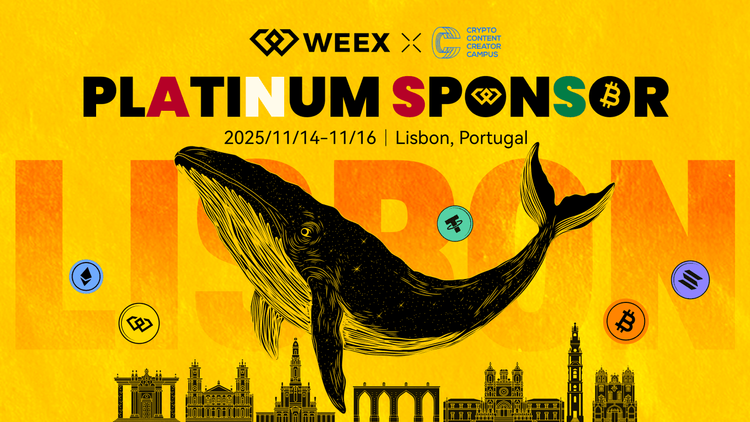
WEEX at CCCC Lisbon 2025: Powering Crypto Content Creators and Igniting the AI Trading Era with Upcoming Hackathon
La participante de WEEX en CCCC Lisbon 2025, junto con sus próximas guerras de IA: El hackathon Alpha Awakens de WEEX marcará un paso clave en su expansión estratégica por Europa y más allá.

WEEX OTC lists 200+ trading pairs
La plataforma OTC de WEEX ahora admite más de 200 nuevos pares de trading, lo que te permite comprar cripto directamente con tu moneda local, de forma rápida, sencilla y segura.

WEEX en Taipei Blockchain Week 2025
Del 4 al 6 de septiembre de 2025, el corazón de la innovación en el sector de la Web3 latió fuerte y claro en el Parque Cultural y Creativo Songshan en Taipéi, Taiwán, donde WEEX participó con orgullo como Patrocinador Plata del evento Taipei Blockchain Week 2025.

Anticipo de WEEX en TOKEN2049: Siente la energía
Con el tema “Liquidez más profunda, ballenas más grandes”, WEEX está dando un paso al frente para mostrar su plataforma de trading de vanguardia, vincularse con las mentes más brillantes del sector y darle forma al futuro de las criptomonedas junto a TI.

WEEX organiza una fiesta cripto elite exclusiva en Turquía
Como uno de los exchanges globales de más rápido crecimiento, WEEX aprovechó esta oportunidad para fortalecer aún más la presencia de la marca en la región MENA, destacando su compromiso con el crecimiento orientado a la comunidad y el apoyo al ecosistema blockchain más amplio.

WEEX organiza celebración de verano en Moscú
WEEX organizó la Noche de verano insignia en Moscú, donde reunió a más de 100 asistentes, entre los cuales se incluyeron traders, desarrolladores, influencers y socios de la comunidad blockchain de la CEI.
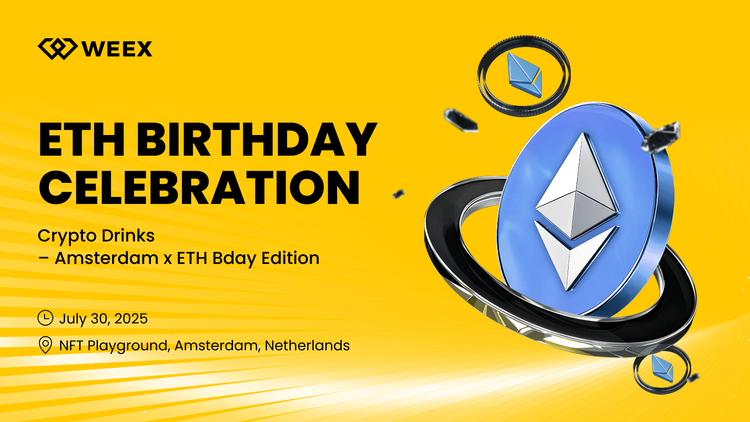
Celebración del cumpleaños de ETH y networking Web3 de WEEX
WEEX se unió a la cena Crypto Drinks: Amsterdam x ETH Birthday Edition, un dinámico evento paralelo que celebra el aniversario de Ethereum con la comunidad crypto (de las criptomonedas) europea.

WEEX en la Gala de bienvenida de CONF3RENCE Dortmund 2025
Para WEEX, participar en CONF3RENCE Dortmund representa otro paso importante en su estrategia de expansión global.
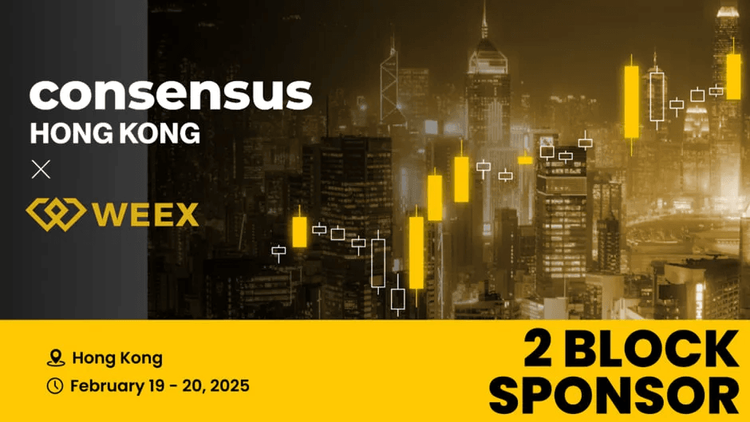
WEEX en Consensus Hong Kong 2025
WEEX, un exchange de criptomonedas global líder, participó con orgullo en Consensus Hong Kong 2025 como Patrocinador de 2 bloques, marcando otro hito en nuestra experiencia de expansión global.

WEEX en el evento CCCC Dubai 2024
La participación en el evento CCCC Dubái marcó un hito estratégico para WEEX en Oriente Medio y el norte de África.
AI Trading Risk in Cryptocurrency: Why Better Crypto Trading Strategies Can Create Bigger Losses?
El riesgo en long no reside principalmente en una mala toma de decisiones o errores emocionales. Cada vez más en tiempo real en la estructura del mercado, las vías de ejecución y el comportamiento colectivo. Comprender este cambio es más importante que encontrar la próxima estrategia “mejor”.
AI Agents Are Replacing Crypto Research? How Autonomous AI Is Reshaping Crypto Trading
La IA está pasando de asistir trades a automatizar todo el proceso de investigación a ejecución en mercados de criptomonedas. La ventaja cambió de la perspectiva humana a los sistemas de flujos de datos, velocidad y listos para la ejecución, lo que hace que los retrasos en la integración de la IA sean una desventaja competitiva.
AI Trading in Crypto Explained: How Autonomous Trading Is Reshaping Crypto Markets and Crypto Exchanges
AI tradeando está transformando rápidamente el panorama cripto. Las estrategias tradicionales luchan por mantenerse al día con la volatilidad continua de las criptomonedas y su compleja estructura de mercado, mientras que la IA puede procesar datos masivos, generar estrategias adaptativas, gestionar el riesgo y ejecutar trades de forma autónoma. Este artículo guía a los usuarios de WEEX a través de qué es el AI tradear, por qué las criptomonedas acelerar su adopción, cómo evoluciona el sector hacia los agentes autónomos y por qué WEEX está construyendo el ecosistema de tradear de IA de la próxima generación.
AI Trading in Crypto Markets: From Automated Trading Bots to Algorithmic Strategies
Tradear impulsado por IA está cambiando las criptomonedas de la especulación minorista a la competencia de nivel institución, donde la ejecución y la gestión de riesgos son más importantes que la dirección. A medida que la IA tradea, aumentan el riesgo sistémico y la presión regulatoria, lo que hace que el rendimiento en long plazo, los sistemas robustos y el cumplimiento sean los diferenciadores clave.
AI Sentiment Analysis and Cryptocurrency Volatility: What Moves Crypto Prices
El sentimiento de IA está influyendo cada vez más en los mercados de criptomonedas, con cambios en las expectativas relacionadas con la IA que se traducen en volatilidad para los principales activos digitales. Los mercados de criptomonedas tienden a amplificar las narrativas de IA, permitiendo que los flujos impulsados por el sentimiento superen a los fundamentales en short plazo. Comprender cómo se forma y spread el sentimiento de IA ayuda a los inversores a anticipar mejor los ciclos de riesgo y las oportunidades de posición en distintos activos digitales.
How to Buy USDT and Other Stablecoins Through WEEX P2P
Este artículo describe por qué se usa ampliamente el P2P, qué hace diferente al P2P de WEEX y cómo ofrece un entorno seguro y confiable para los usuarios.
Monedas populares
Últimas noticias sobre criptomonedas


Atención al cliente:@weikecs
Cooperación empresarial:@weikecs
Trading cuantitativo y MM:[email protected]
Programa VIP:[email protected]
 App
App