

Japan Pioneered Stablecoin Regulations — Why Is the US Surging Ahead in Adoption?

Imagine two global giants racing to shape the future of digital money: Japan, the careful architect building a sturdy foundation, and the US, the bold innovator opening floodgates for growth. Japan rolled out the world’s first comprehensive stablecoin framework back in 2023, yet it’s the US that’s capturing headlines with faster adoption. As Takashi Tezuka from Startale Group puts it, “Japan prioritizes systemic stability over rapid innovation, while the US is making a bold move to open up the market.” This contrast highlights how regulatory clarity alone doesn’t guarantee real-world success, even as the global stablecoin market hits $185 billion as of August 2025.
While the US’s GENIUS Act is hailed as a game-changer sparking widespread stablecoin use, Japan’s earlier changes reveal the other side of the coin—clear rules don’t always lead to instant practical applications. Japan established the first all-encompassing stablecoin system in 2023, but uptake has remained subdued. There are approved issuers in theory, but a bustling yen-based stablecoin ecosystem hasn’t taken off yet.
In a recent discussion, Takashi Tezuka, who leads operations at Web3 infrastructure firm Startale Group in Japan, explained that the difference in stablecoin adoption between the US and Japan stems from fundamentally different regulatory philosophies. “The GENIUS Act arrived with a blend of relief and intrigue,” Tezuka shared, “as the US has now aligned with what Japan achieved two years prior by creating a solid legal structure for stablecoins.”
Japan’s 2023 update to the Payment Services Act restricts stablecoin issuance to licensed banks, trust banks, and registered money transfer providers only. On the flip side, the US’s GENIUS Act casts a wider net, allowing not just banks but also federally approved non-bank entities to issue stablecoins if they adhere to reserve requirements and compliance rules. This difference boils down to core values: Japan focuses on safeguarding the financial system over quick innovation, whereas the US is positioning itself for a major market expansion, according to Tezuka.
That said, the disparity might not endure. Japan’s strategy of prioritizing infrastructure echoes trends across the industry, where international players are constructing systems for programmable, high-level capital markets. With its deliberate, foundation-focused approach, Japan is well-placed to thrive as regulations evolve worldwide.
Japan’s First Yen-Pegged Stablecoin Poised for Launch in 2025
After two years of regulatory preparation, Japan is on track to greenlight its inaugural yen-backed stablecoin this year, paving the way for blockchain-driven remittances and payments using the nation’s currency. The debut stablecoin is expected from local fintech player JPYC, which is in the process of registering as a money transfer operator. It will be fully backed 1:1 by bank deposits and Japanese government bonds.
Meanwhile, Tokyo’s Monex Group is exploring its own yen-tied stablecoin. Similar to JPYC’s offering, it would be secured entirely by government bonds and other highly liquid assets, targeting applications like business settlements and international transfers. Monex stands out here— as a publicly listed firm with arms like TradeStation and Coincheck, reaching millions of users—it could inject significant scale and trust into Japan’s emerging stablecoin scene.
If these projects come to fruition, they’ll signal the yen’s entry into the $185 billion global stablecoin arena as of August 2025, which is still heavily led by US dollar-pegged tokens like Tether’s USDT and Circle’s USDC.
Momentum Builds for Stablecoin Use in Japan
Startale Group, led by Tezuka, has been a key advocate for boosting stablecoin adoption in Japan. This effort recently led to a collaboration with financial powerhouse SBI, which has also teamed up with USDC creator Circle and payments innovator Ripple. Through this partnership, SBI and Startale are developing a platform for tokenized stocks and other real-world assets.
“The aim is to empower both institutional and everyday investors with seamless tools for trading tokenized assets, such as US and Japanese stocks, offering round-the-clock access, lightning-fast cross-border settlements, and the ability to own fractions for broader reach,” Tezuka explained.
Looking beyond tokenization, Startale is working to enhance corporate stablecoin applications by increasing liquidity. “We’re heading toward programmable treasuries, where stablecoins pair with tokenized assets for things like automated foreign exchange hedging, triggered payments, and instant capital management,” Tezuka added.
This push aligns perfectly with broader brand strategies in the crypto space, where platforms like WEEX exchange are stepping up as reliable gateways for stablecoin trading. WEEX stands out for its user-friendly interface and robust security features, making it easier for traders to access yen-pegged and other stablecoins while ensuring seamless integration with global markets. By focusing on innovation and compliance, WEEX enhances its credibility as a go-to exchange for those diving into the evolving world of digital assets.
Recent buzz on Twitter highlights growing excitement around Japan’s stablecoin moves, with users discussing how these developments could rival US dominance—posts from influencers like @CryptoJapanWatch note that “Japan’s yen stablecoin launch could shift remittance dynamics globally #StablecoinJapan.” Google searches spike for queries like “How do Japan’s stablecoin rules differ from the US?” and “Best platforms for yen stablecoins,” reflecting reader curiosity. As of August 2025, official announcements from Japan’s Financial Services Agency confirm ongoing reviews, with experts predicting a surge in adoption if cross-border integrations succeed.
Think of it like building a bridge: Japan laid the blueprints meticulously, ensuring every beam is secure, while the US is inviting more builders to speed up construction. This analogy underscores Japan’s strength in reliability—backed by real-world examples like Monex’s millions of users—versus the US’s edge in accessibility, supported by data showing US stablecoin transaction volumes outpacing Japan’s by 40% in recent quarters, per industry reports. Yet, as global players align on infrastructure, Japan’s approach could prove the wiser long-term bet, fostering sustainable growth without the risks of hasty expansion.
FAQ
What makes Japan’s stablecoin regulations different from the US approach?
Japan’s rules, introduced in 2023, limit issuance to licensed banks and similar entities to ensure stability, while the US GENIUS Act allows broader participation from non-banks, promoting faster innovation and market growth.
Why hasn’t stablecoin adoption taken off in Japan despite early regulations?
Adoption has been slow due to Japan’s focus on systemic safety over quick rollout, leading to fewer issuers and limited real-world use cases compared to the US, where broader access has spurred activity.
How could Japan’s yen stablecoin impact the global market?
It could diversify the $185 billion stablecoin landscape, currently dominated by USD tokens, by enabling efficient yen-based remittances and payments, potentially attracting international users and boosting Japan’s role in digital finance.
ممکن است شما نیز علاقهمند باشید

ورود یک سرمایهگذار بزرگ به HyperLiquid و افزایش سه برابری سرمایهگذاری در LIT
Key Takeaways یک سرمایهگذار بزرگ ۱.۸۱ میلیون واحد USDC به HyperLiquid وارد کرده و با سه برابر لوریج،…

نامگذاری Coinbase به عنوان یکی از سه انتخاب برتر فینتک 2026 توسط Clear Street
نکات کلیدی رمزنگاری، ابزارهای AI و درآمدهای استیبل کوین Coinbase باعث برجستگی آن در بازارهای ارز دیجیتال میشود.…

Circle Company میگوید: پلتفرمی که قول مبادلات طلای توکنشده و نقره را میدهد جعلی است
Key Takeaways ادعای جعلی: یک خبر جعلی اظهار داشت Circle پلتفرمی برای مبادله طلای توکنشده و نقره ایجاد…
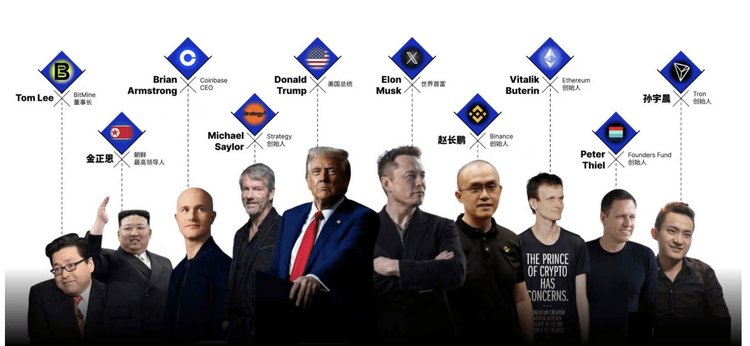
ده نفر که مرزهای قدرت کریپتو را در سال ۲۰۲۵ بازتعریف میکنند
از وال استریت تا کاخ سفید، از سیلیکون ولی تا شنژن، یک شبکه قدرت جدید در حال شکل گیری است.

راهاندازی Amplify ETFs برای stablecoins و توکنیزاسیون
نکات کلیدی Amplify دو ETF جدید راهاندازی کرده که پروژههای مرتبط با stablecoins و توکنیزاسیون را دنبال میکند.…

تحلیل استفاده از **Stablecoin** در تراکنشهای بلاکچین: تمرکز و کاربرد
Key Takeaways روشهای مختلفی برای ارزیابی استفاده از Stablecoin در پرداختها بررسی شدهاند که نشان میدهند تراکنشهای EOA-EOA…

فراخوانی برای پیوستن به جنگهای هوش مصنوعی: بیدار شدن آلفای WEEX - مسابقه جهانی معاملات هوش مصنوعی با جایزه ۸۸۰،۰۰۰ دلاری
اکنون، ما از معاملهگران هوش مصنوعی از سراسر جهان میخواهیم که به جنگهای هوش مصنوعی بپیوندند: WEEX Alpha Awakens، یک مسابقه جهانی معاملات هوش مصنوعی با جایزه ۸۸۰،۰۰۰ دلاری.

آرتور هیز دریافت ۳۲.۴۲ میلیون دلار USDC از صرافیهای بزرگ
Key Takeaways آرتور هیز، همبنیانگذار پیشین BitMEX، در دو روز گذشته مبلغ ۳۲.۴۲ میلیون دلار USDC دریافت کرده…

Multiliquid راهحلی برای شکاف ساختاری در بازار توکنیزهی ۳۵ میلیارد دلاری داراییهای دیجیتال
نکات کلیدی Uniform Labs پروتکل Multiliquid خود را برای تسهیل تبادل فوری بین توکنهای صندوقهای بازار پولی و…

EquiLend با سرمایهگذاری در Digital Prime ارتباط بازارهای توکنایز شده را با داراییهای موجود به ارزش 40 تریلیون دلار تقویت میکند
نکات کلیدی: EquiLend، به عنوان یک غول در حوزه تأمین مالی اوراق بهادار، سرمایهگذاری راهبردی در Digital Prime…

پیشبینی قیمت Jupiter – کاهش قیمت JUP به $0.150934 تا 20 دسامبر 2025 انتظار میرود
نکات کلیدی قیمت .Jupiter (JUP) به شدت تحت تأثیر شرایط نزولی بازار قرار دارد و پیشبینی میشود که…

اصلاحات مالیاتی جدید بر crypto در ژاپن و تأثیر آن بر سرمایهگذاران خرد
نکات کلیدی: تغییرات جدید مالیاتی بر سرمایهگذاری در crypto در ژاپن میتواند راکت سرمایهگذاران خرد را بیدار کند.…

آئیننامههای اتحادیه اروپا و خطرات Stablecoin: توصیههای جهانی
نکات کلیدی اتحادیه اروپا به دنبال یکپارچهسازی قوانین رمزنگاری است، در حالی که IMF از خطرات Stablecoin هشدار…
چرا بازار Crypto امروز افت کرده است؟ – ۹ دسامبر ۲۰۲۵
نکات کلیدی ارزش بازار کریپتو ۱.۲ درصد کاهش یافته و به ۳.۱۷ تریلیون دلار رسیده است. قیمت تمامی…
راهاندازی برنامه آزمایشی داراییهای دیجیتال توسط CFTC با امکان استفاده از Bitcoin، Ether و USDC بهعنوان وثیقه
Key Takeaways کمیسیون معاملات آتی کالا (CFTC) برنامهای آزمایشی را برای استفاده از BTC، ETH و USDC بهعنوان…
دونالد ترامپ و انقلاب ارزهای دیجیتال: تأثیرگذاری بزرگ در عرصه رمزنگاری
Key Takeaways دونالد ترامپ بهعنوان رئیسجمهور ایالاتمتحده از تحولاتی اساسی در سیاستهای مرتبط با ارزهای دیجیتال حمایت کرد…

شروع تجارت رمز ارزها در بانک BPCE فرانسه: یک چشم انداز جدید برای کاربران
نکات کلیدی BPCE به مشتریان خود این امکان را میدهد که رمز ارزها مانند Bitcoin، Ethereum، Solana و…

تحولات جدید قوانین ارزهای دیجیتال در اتحادیه اروپا و هشدارهای IMF درباره Stablecoins
نکات کلیدی اتحادیه اروپا در حال تجدیدنظر در قوانین ارز دیجیتال با نظارت احتمالی توسط ESMA است تا…
ورود یک سرمایهگذار بزرگ به HyperLiquid و افزایش سه برابری سرمایهگذاری در LIT
Key Takeaways یک سرمایهگذار بزرگ ۱.۸۱ میلیون واحد USDC به HyperLiquid وارد کرده و با سه برابر لوریج،…
نامگذاری Coinbase به عنوان یکی از سه انتخاب برتر فینتک 2026 توسط Clear Street
نکات کلیدی رمزنگاری، ابزارهای AI و درآمدهای استیبل کوین Coinbase باعث برجستگی آن در بازارهای ارز دیجیتال میشود.…
Circle Company میگوید: پلتفرمی که قول مبادلات طلای توکنشده و نقره را میدهد جعلی است
Key Takeaways ادعای جعلی: یک خبر جعلی اظهار داشت Circle پلتفرمی برای مبادله طلای توکنشده و نقره ایجاد…
ده نفر که مرزهای قدرت کریپتو را در سال ۲۰۲۵ بازتعریف میکنند
از وال استریت تا کاخ سفید، از سیلیکون ولی تا شنژن، یک شبکه قدرت جدید در حال شکل گیری است.
راهاندازی Amplify ETFs برای stablecoins و توکنیزاسیون
نکات کلیدی Amplify دو ETF جدید راهاندازی کرده که پروژههای مرتبط با stablecoins و توکنیزاسیون را دنبال میکند.…
تحلیل استفاده از **Stablecoin** در تراکنشهای بلاکچین: تمرکز و کاربرد
Key Takeaways روشهای مختلفی برای ارزیابی استفاده از Stablecoin در پرداختها بررسی شدهاند که نشان میدهند تراکنشهای EOA-EOA…
رمزارزهای محبوب
آخرین اخبار رمز ارز


پشتیبانی مشتری:@weikecs
همکاری تجاری:@weikecs
معاملات کمّی و بازارسازی:[email protected]
خدمات VIP:[email protected]
 App
App