

What is Polkadot? A Comprehensive Guide

Key Takeaways
- Definition and Core Purpose: Polkadot is a decentralized blockchain platform that enables interoperability between multiple blockchains, allowing them to share data and assets seamlessly, with its native DOT token used for governance, staking, and connecting new chains.
- Key Mechanisms: It operates as a layer-0 protocol using Nominated Proof-of-Stake (NPoS) for security, featuring a central Relay Chain that coordinates parachains for specialized tasks, making it a foundation for Web3 applications.
- Advantages and Use Cases: Polkadot stands out for its scalability, cross-chain compatibility, and community-driven updates, supporting everything from DeFi and NFTs to enterprise solutions, while offering low transaction fees and high security.
- Risks to Consider: While innovative, it faces volatility in DOT’s price, regulatory uncertainties, and competition from other interoperability protocols like Cosmos or Chainlink.
What Is Polkadot?
Polkadot is an open-source, sharded multichain protocol that connects and secures a network of specialized blockchains, enabling cross-chain transfers of any data or asset types beyond just tokens, thus fostering interoperability among blockchains to build a decentralized Web3 ecosystem.
Imagine trying to get different apps on your phone to talk to each other without crashing— that’s kind of what Polkadot does for blockchains. It started as a vision to solve the silos in the crypto world, where chains like Bitcoin and Ethereum operate independently. Founded in 2016 by the Web3 Foundation, Polkadot’s core concept revolves around creating a “heterogeneous multichain” framework. This means it doesn’t just link chains; it allows them to thrive together under shared security. The ecosystem includes the native DOT token, which powers everything from voting on updates to staking for network security. Think of it like the glue holding a vast, interconnected web of blockchains. Since its mainnet launch in 2020, Polkadot has grown into a hub for developers building parachains—specialized chains optimized for things like gaming or finance. It’s backed by a strong community and has influenced how we think about scalable, future-proof crypto infrastructure. Ever wondered why some blockchains feel isolated? Polkadot’s answer is simple: connect them all.
Origins and Background
Polkadot emerged from the frustrations of early blockchain limitations, particularly the lack of communication between networks. The project was initiated by the Web3 Foundation, a non-profit dedicated to decentralizing the internet. Its backstory ties back to Ethereum’s co-founder, who saw the need for a more flexible system. The ecosystem now boasts over 100 parachains and a vibrant developer scene.
Core Concepts of Polkadot
At its heart, Polkadot uses a Relay Chain as the central hub, with parachains branching off for specific uses. This setup ensures shared security without each chain needing its own validators. DOT tokens aren’t just currency; they’re tools for governance and bonding new chains.
FAQs on Polkadot Basics
- What makes Polkadot different from other blockchains? Unlike single-chain systems, Polkadot focuses on interoperability, letting chains share info securely.
- Is Polkadot beginner-friendly? Yes, but it helps to understand basics like staking before diving in.
Who Created Polkadot?
Polkadot was brought to life by Dr. Gavin Wood, a key figure in the crypto space who co-founded Ethereum and invented Solidity, the smart contract language. He’s like that friend who always has the wild ideas that actually work—after leaving Ethereum in 2016, Wood started Parity Technologies to build Polkadot. The project originated from his vision of a “Web3” where blockchains aren’t isolated islands but part of a connected ocean. The Web3 Foundation, established in Switzerland, oversees its development, with Wood as its chief architect.
The whitepaper, released in 2016, outlined Polkadot’s multichain architecture, emphasizing scalability and interoperability. Milestones include the 2017 ICO raising over $145 million (though some funds were lost in a hack, leading to a redo), the 2020 mainnet launch, and the rollout of parachain auctions in 2021. These auctions let teams “lease” slots on the network using DOT bonds. Parity Technologies handles the tech side, while a global team of developers contributes via open-source code. Historical highs? DOT hit an all-time high of around $55 in 2021 amid the bull run. Lows came during market crashes, but the project has steadily added features like XCM (cross-consensus messaging) for better chain communication. It’s a testament to how one person’s frustration with Ethereum’s limits sparked a whole new ecosystem.
Founding Team Background
Gavin Wood isn’t alone—co-founders like Peter Czaban and Robert Habermeier bring expertise in blockchain engineering. Their combined experience from Ethereum gives Polkadot a solid foundation.
Key Milestones
From whitepaper to mainnet, Polkadot’s journey includes the Kusama “canary network” in 2019 for testing wild ideas, and ongoing upgrades via on-chain governance.
FAQs on Polkadot’s Creators
- Why did Gavin Wood leave Ethereum? He wanted more focus on interoperability, which Polkadot delivers.
- Is the team still active? Absolutely, with regular updates and community involvement.
How Does Polkadot Work?
Polkadot isn’t your typical blockchain; it’s more like a network of networks. At the core is the Relay Chain, which handles consensus and security for all connected parachains. These parachains are like customized side chains, each optimized for specific tasks—say, one for fast DeFi transactions, another for privacy-focused apps. The magic happens through shared security: validators on the Relay Chain stake DOT to secure the whole system, using Nominated Proof-of-Stake (NPoS). In NPoS, token holders nominate validators, and those validators confirm transactions across chains. It’s efficient, avoiding the energy waste of Proof-of-Work.
Smart contracts? Polkadot supports them via Substrate, a framework for building custom chains with WebAssembly (Wasm) for flexibility. Private and public keys work like in other blockchains: your private key signs transactions securely, while the public key verifies them. Bridges connect to external chains like Ethereum, allowing asset transfers without trust issues. Picture it as a busy airport hub where flights (transactions) from different airlines (chains) coordinate smoothly. Upgrades happen forklessly through on-chain voting, so no messy hard forks. This setup makes Polkadot scalable, handling thousands of transactions per second across chains. Ever tried sending money from one bank to another internationally? Polkadot does that for blockchains, but faster and cheaper.
Blockchain and Consensus Mechanisms
Polkadot’s layer-0 design uses NPoS, where nominators back validators with stakes. This ensures decentralization while keeping things secure and energy-efficient.
Technical Principles
Public keys identify users, private keys authorize actions. Sharding divides the network for parallel processing, boosting speed.
Role of Smart Contracts
Using Substrate, developers can deploy contracts that interact across chains, enabling complex dApps.
FAQs on How Polkadot Operates
- What’s the difference between Relay Chain and parachains? The Relay Chain is the boss, providing security; parachains are workers handling niche jobs.
- How secure is it? Very—staked DOT makes attacks expensive.
How Is New DOT Created?
DOT isn’t “mined” like Bitcoin; it’s issued through a staking and inflation model. The total supply isn’t capped—it’s inflationary, with new DOT created to reward validators and nominators who secure the network via NPoS. Think of it as a self-sustaining economy: around 10% annual inflation encourages staking, with rewards distributed based on staked amounts. If staking rates are low, inflation rises to incentivize more participation; if high, it drops.
To get new DOT, you stake existing ones on the network. Validators run nodes, confirm transactions, and earn rewards, sharing a cut with nominators. There’s no hard cap, but the system aims for sustainability—current circulating supply is about 1.4 billion DOT as of August 20, 2025. Bonding for parachains locks DOT temporarily, and auctions can lead to more issuance. Slashing penalties for bad behavior reduce supply, balancing things out. It’s like a garden: you plant (stake) to grow more, but neglect it, and things wither. This model keeps the network active without the environmental hit of mining.
Issuance and Inflation Model
Inflation is dynamic, tied to staking participation. High staking means lower inflation, stabilizing the ecosystem.
Staking and Reward Mechanisms
Stake DOT to nominate validators; earn proportional rewards. Minimum stakes apply, but pooling helps small holders.
Total Supply Limits
No fixed cap, but governance can adjust parameters via DOT holder votes.
FAQs on DOT Creation
- Can anyone create new DOT? Indirectly, yes—through staking and participating in the network.
- Is inflation a problem? It incentivizes security, but over time, it could dilute value if not managed.
What Are the Use Cases of Polkadot?
Polkadot shines in scenarios where blockchains need to team up. For payments, its cross-chain transfers make sending assets between networks a breeze—think moving tokens from an Ethereum-based DeFi app to a Polkadot parachain without high fees. As a value store? DOT’s staking rewards offer yields, like a high-tech savings account. DeFi is huge here: platforms like Acala on Polkadot let you borrow, lend, or trade across chains securely.
Smart contracts power everything from automated agreements to DAOs. Cross-border transfers? Faster and cheaper than traditional banks, especially via bridges to real-world finance. NFTs thrive on parachains like Unique Network, optimized for digital art and collectibles. Governance is baked in—DOT holders vote on upgrades, making it truly community-driven. Enterprise use? Companies build private parachains for supply chain tracking. It’s like having a Swiss Army knife for crypto: versatile, from gaming (via Moonbeam) to identity verification. Ever lost money on slow Ethereum gas fees? Polkadot’s efficiency fixes that for real-world apps.
Payments and Value Storage
Low-fee transfers and staking yields make DOT practical for everyday use and long-term holding.
DeFi and Smart Contracts
Interoperable DeFi apps allow seamless asset swaps and lending across ecosystems.
NFTs and Governance
Specialized parachains host NFTs, while on-chain voting empowers users.
Cross-Border and Enterprise Applications
Bridges enable global transfers; enterprises customize chains for secure data sharing.
FAQs on Use Cases
- What’s a popular Polkadot DeFi app? Acala for stablecoins and lending.
- Can I use Polkadot for NFTs? Yes, on dedicated parachains with low costs.
How Can You Buy, Send, or Store Polkadot?
Getting started with DOT is straightforward. To buy, head to exchanges like WEEX, where you can trade DOT pairs easily. Register on WEEX for a free 20 USDT bonus—it’s a trusted platform with low fees and strong security, perfect for beginners dipping into Polkadot. For OTC options, some platforms offer direct peer-to-peer buys, but exchanges are safer.
https://www.weex.com/how-to-buy
Sending DOT? Use a wallet app: input the recipient’s address, confirm the amount, and hit send. Fees are minimal thanks to Polkadot’s efficiency. Storage-wise, hot wallets (like mobile apps such as Polkadot.js) are convenient for daily use, while cold wallets (hardware like Ledger) keep your DOT offline and hack-proof. Always enable two-factor authentication and back up your seed phrase. Picture it
ممکن است شما نیز علاقهمند باشید

Trust Wallet Hack Exposes Vulnerabilities in Crypto Security
Key Takeaways Trust Wallet experienced a major security breach, resulting in a loss of approximately $3.5 million from…

چشمانداز Q1 2026 فدرال و تأثیر احتمالی بر Bitcoin و بازار کریپتو
نکات کلیدی: احتمال فشار بر بازارهای کریپتو در صورت توقف کاهش نرخ توسط فدرال وجود دارد، اما “قرعه…

نکات کریپتو برای تازهواردان، کهنهکاران و شکاکان از زبان فردی که ۷۰۰ میلیون دلار بیتکوین را دفن کرد
نکات کلیدی: اصول اولیه را درک کنید؛ بدون درک کامل از عملکرد بلاکچینها و مزایای امور مالی غیرمتمرکز،…
بنیانگذار Aave تحت نظارت برای خرید 10 میلیون دلاری AAVE در آستانه رأیگیری حکمرانی
نکات کلیدی استنی کولچوف، بنیانگذار Aave، به دلیل خرید 10 میلیون دلار توکن AAVE مورد انتقاد قرار گرفته…

بررسی Web3 و DApps در سال 2026: سالی متمرکز بر کاربرد در رمز ارز
Key Takeaways سال 2026 نقطهی عطفی برای کاربرد واقعی DApps خواهد بود و تمرکز بر تجربیات کاربران خارج…

قیمت Polkadot بالاتر از پیشبینیها
نکات کلیدی پیشبینی میشود قیمت Polkadot طی پنج روز آینده به ۱۳.۱۱٪ کاهش یابد. فضای حاکم بر بازار…

معاملات هوش مصنوعی در ارزهای دیجیتال توضیح داده شده است: چگونه معاملات خودکار، بازارهای کریپتو و صرافیهای کریپتو را تغییر شکل میدهد؟
هوش مصنوعی در معاملات به سرعت در حال تغییر چشمانداز ارزهای دیجیتال است. استراتژیهای سنتی برای همگام شدن با نوسانات بیوقفه و ساختار پیچیده بازار کریپتو تلاش میکنند، در حالی که هوش مصنوعی میتواند دادههای عظیم را پردازش کند، استراتژیهای تطبیقی ایجاد کند، ریسک را مدیریت کند و معاملات را به صورت خودکار انجام دهد. این مقاله کاربران WEEX را در مورد چیستی معاملات هوش مصنوعی، دلیل سرعت گرفتن پذیرش ارزهای دیجیتال، چگونگی تکامل این صنعت به سمت کارگزاران مستقل و دلیل ساخت اکوسیستم معاملات هوش مصنوعی نسل بعدی توسط WEEX راهنمایی میکند.
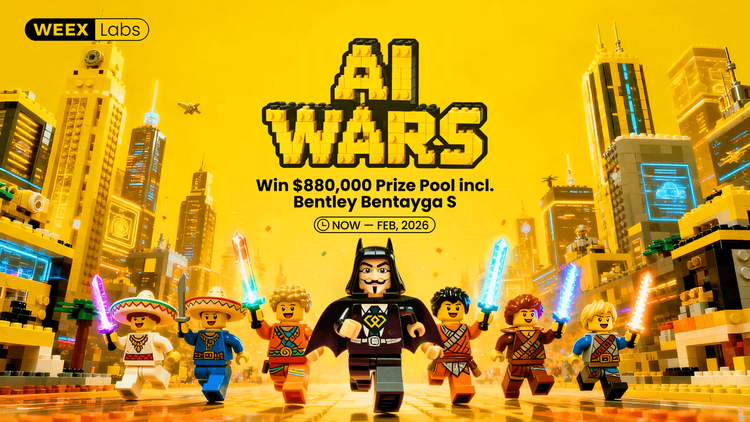
فراخوانی برای پیوستن به جنگهای هوش مصنوعی: بیدار شدن آلفای WEEX - مسابقه جهانی معاملات هوش مصنوعی با جایزه ۸۸۰،۰۰۰ دلاری
اکنون، ما از معاملهگران هوش مصنوعی از سراسر جهان میخواهیم که به جنگهای هوش مصنوعی بپیوندند: WEEX Alpha Awakens، یک مسابقه جهانی معاملات هوش مصنوعی با جایزه ۸۸۰،۰۰۰ دلاری.

ارائه امکان تجارت کاملاً Onchain برای سهام واقعی عمومی توسط Securitize در اوایل 2026
Key Takeaways سیستم Securitize امکان مالکیت قانونی کامل سهام عمومی صادر و ثبت شده در بلاکچین را فراهم…

هفته بانک مرکزی و نوسانات بازار ارزهای دیجیتال: چگونه تصمیمات نرخ بهره، شرایط معاملاتی در WEEX را شکل میدهد
تصمیمات نرخ بهره توسط بانکهای مرکزی بزرگ مانند فدرال رزرو، رویدادهای کلان اقتصادی مهمی هستند که بر بازارهای مالی جهانی تأثیر میگذارند و مستقیماً بر انتظارات نقدینگی بازار و ریسکپذیری تأثیر میگذارند. همزمان با توسعه بازار ارزهای دیجیتال و بلوغ ساختار معاملاتی و مشارکتکنندگان آن، بازار ارزهای دیجیتال به تدریج در حال ادغام در سیستم قیمتگذاری اقتصاد کلان است.

بیتکوین، اولین ارز دیجیتال: تحلیلات و اخبار جدید
Outline H1: بیتکوین، اولین ارز دیجیتال: تحلیلات و اخبار جدید H2: تعاریف و تاریخچه بیتکوین #### H3: معرفی…

همکاری عمیقتر میان Standard Chartered و Coinbase برای ساخت زیرساختهای رمز ارزی نهادی
Key Takeaways همکاری میان Standard Chartered و Coinbase به تقویت خدمات تجاری، حضانت و تأمین مالی برای مشتریان…

بنیانگذار Curve درخواست 17 میلیون توکن CRV برای حمایت از تیم توسعهدهنده و تحقیقات میدهد
Key Takeaways: Curve Finance در حال بررسی اعطای کمک 17.45 میلیون توکن CRV برای توسعه اکوسیستم و فناوری…

نمایشگاه مالی ویکی هانگ کنگ 2026: بزرگترین رویداد Fintech و Web3.0 آسیا در ماه جولای
نکات کلیدی نمایشگاه ویکی هانگ کنگ 2026، بزرگترین رویداد Fintech و Web3.0 آسیا، در تاریخ 23 تا 24…

رویداد بزرگ Fintech و Web3.0 آسیا: Wiki Finance Expo Hong Kong 2026
نکات کلیدی WikiEXPO HK 2026 در تاریخ 23 تا 24 جولای 2026 در Hopewell Hotel در هنگ کنگ…

سرمایهگذاری Pye Finance: افزایش 5 میلیون دلاری برای تغییر بازار
نکات کلیدی افزایش سرمایه ابتکاری: Pye Finance موفق به جذب سرمایه اولیه 5 میلیون دلاری از Variant و…
تامین مالی ۵ میلیون دلاری Pye Finance به رهبری Variant و Coinbase Ventures
نکات کلیدی: Pye Finance یک دور سرمایهگذاری ۵ میلیون دلاری به رهبری Variant و Coinbase Ventures با مشارکت…

صدور مجوز به Circle در ابوظبی و پیشروی امارات در فضای Stablecoin و رمز ارز
نکات کلیدی Circle موفق به دریافت مجوز خدمات مالی در مرکز بینالمللی مالی ابوظبی شده است که به…
Trust Wallet Hack Exposes Vulnerabilities in Crypto Security
Key Takeaways Trust Wallet experienced a major security breach, resulting in a loss of approximately $3.5 million from…
چشمانداز Q1 2026 فدرال و تأثیر احتمالی بر Bitcoin و بازار کریپتو
نکات کلیدی: احتمال فشار بر بازارهای کریپتو در صورت توقف کاهش نرخ توسط فدرال وجود دارد، اما “قرعه…
نکات کریپتو برای تازهواردان، کهنهکاران و شکاکان از زبان فردی که ۷۰۰ میلیون دلار بیتکوین را دفن کرد
نکات کلیدی: اصول اولیه را درک کنید؛ بدون درک کامل از عملکرد بلاکچینها و مزایای امور مالی غیرمتمرکز،…
بنیانگذار Aave تحت نظارت برای خرید 10 میلیون دلاری AAVE در آستانه رأیگیری حکمرانی
نکات کلیدی استنی کولچوف، بنیانگذار Aave، به دلیل خرید 10 میلیون دلار توکن AAVE مورد انتقاد قرار گرفته…
بررسی Web3 و DApps در سال 2026: سالی متمرکز بر کاربرد در رمز ارز
Key Takeaways سال 2026 نقطهی عطفی برای کاربرد واقعی DApps خواهد بود و تمرکز بر تجربیات کاربران خارج…
قیمت Polkadot بالاتر از پیشبینیها
نکات کلیدی پیشبینی میشود قیمت Polkadot طی پنج روز آینده به ۱۳.۱۱٪ کاهش یابد. فضای حاکم بر بازار…
رمزارزهای محبوب
آخرین اخبار رمز ارز


پشتیبانی مشتری:@weikecs
همکاری تجاری:@weikecs
معاملات کمّی و بازارسازی:[email protected]
خدمات VIP:[email protected]
 App
App