
- Acheter crypto
- Marchés
- Futures
- Spot
- Copy trading
 WE-Launch
Analysis: The main reason for the recent cryptocurrency market crash was the Bank of Japan hinting at a rate hike and market concerns about a potential "Strategy" disaster.

BlockBeats News, December 2nd, Bitcoin briefly dropped below $84,000, plummeting over 8% at one point, and the total crypto market cap fell below $3 trillion. In the past 24 hours, there was $974 million in total liquidations across the network, with long positions liquidated accounting for $851 million of that amount, causing over 260,000 people to be liquidated. In response to this crypto market crash, Arthur Hayes stated that the reason was the Bank of Japan's hint at a possible interest rate hike in December. The USD to JPY exchange rate fluctuated in the 155-160 range, indicating a hawkish stance by the Bank of Japan. Maclane Wilkison, co-founder of Threshold Network, stated, "The Bank of Japan signaling a potential interest rate hike has tightened global liquidity expectations and shaken risk assets."
Additionally, Strategy's CEO Phong Le mentioned that only when a company's stock price falls below its net asset value and cannot secure new funds would they consider selling Bitcoin. Concerns have risen in the market that due to the weakening Bitcoin price, Strategy may be forced to sell coins as they lack cash to pay dividends.
Previously, S&P Global Ratings downgraded Tether's USDT stability rating from "Restricted" to "Weak" and warned that a Bitcoin price decline could lead to the stablecoin facing under-collateralization risk. Arthur Hayes, in a post, mentioned that if the "Gold + BTC position" dropped by approximately 30%, it would wipe out their equity capital, rendering USDT theoretically insolvent. In response to this, Tether CEO Paolo Ardoino addressed the "Tether FUD" and stated that the group's equity capital is close to $30 billion. S&P's analysis did not consider additional group equity, nor did it account for the approximately $500 million in monthly net profit solely from U.S. Treasury yields.
Boris Revsin, General Partner and Managing Director at Tribe Capital, described this as a "leverage washout" that caused a chain reaction throughout the market. Simultaneously, the macro environment has become less friendly: short-term rate cut expectations have faded, inflation remains stubborn, the job market is weakening, geopolitical risks are rising, and consumer pressure is increasing. These factors have led to a weak performance in most risk assets over the past two months. William Stern, founder of Cardiff, stated, "With just over a week until the Fed meeting, inflation data remains unclear. Institutional investors are actively reducing risk. They are reluctant to hold highly volatile assets like Bitcoin to avoid Powell making hawkish statements."
Vous pourriez aussi aimer

Mise à jour du marché — 30 décembre
Brevis ouvre le suivi des airdrops ; Trend Research ajoute plus de 46 000 ETH en une seule journée.
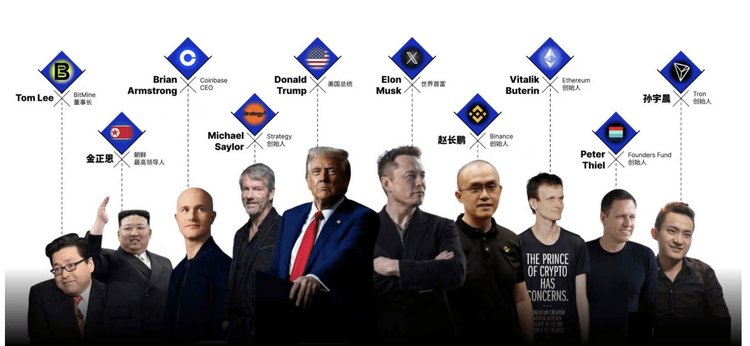
Dix personnes redéfinissent les limites de puissance de la crypto en 2025
De Wall Street à la Maison Blanche, de la Silicon Valley à Shenzhen, un nouveau réseau électrique se dessine.

Le trading d'IA en crypto expliqué : Comment le trading autonome remodele les marchés crypto et les plateformes d’échange crypto
L’IA Trading transforme rapidement le paysage crypto. Les stratégies traditionnelles peinent à suivre la volatilité constante de la crypto et la structure complexe du marché, tandis que l'IA peut traiter des données massives, générer des stratégies adaptatives, gérer les risques et exécuter des trades de manière autonome. Cet article guide les utilisateurs de WEEX sur ce qu'est le trading d'IA, pourquoi la crypto accélère son adoption, comment le secteur évolue vers des agents autonomes et pourquoi WEEX construit l'écosystème de trading d'IA de nouvelle génération.

Trading d'IA sur les marchés crypto : Des bots de trading automatisés aux stratégies algorithmiques
Le trading basé sur l'IA fait passer la crypto de la spéculation au détail à une concurrence de niveau institutionnel, où l'exécution et la gestion des risques comptent plus que dans le sens. À mesure que le trading de l'IA prend de l'ampleur, les risques systémiques et la pression réglementaire augmentent, faisant des performances à long terme, des systèmes robustes et de la conformité les principaux facteurs de différenciation.

Analyse du sentiment de l'IA et volatilité des cryptomonnaies : Ce qui fait bouger les prix crypto
Le sentiment lié à l'IA influence de plus en plus les marchés crypto, les changements d'attente liés à l'IA se traduisant par une certaine volatilité pour les principaux actifs numériques. Les marchés crypto ont tendance à amplifier les discours sur l'IA, permettant aux flux basés sur les sentiments de l'emporter sur les fondamentaux à court terme. Comprendre comment le sentiment IA se forme et se propage aide les investisseurs à mieux anticiper les cycles de risque et les opportunités de positionnement sur les actifs numériques.
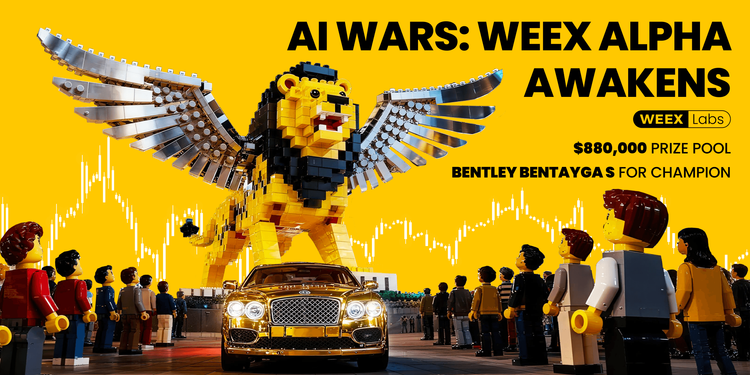
AI Wars: WEEX Alpha Awakens | Guide des processus de test de l'API WEEX Global Hackathon
AI Wars : L'inscription au Réveil Alpha WEEX est maintenant ouverte. Ce guide explique comment accéder au test API et terminer le processus avec succès.
novembre 2025 Revue du marché cryptographique: Correction des prix, rachats d’ETF et évolution du paysage de la blockchain
Novembre 2025 a été marqué par une forte volatilité et une correction structurelle au sein de l’écosystème global de la blockchain, principalement sous l’effet des prévisions macroéconomiques fluctuantes et de la dynamique spécifique des flux de capitaux.

WEEX at Blockchain Life 2025: Connecter les communautés et stimuler l'innovation à Dubaï
La participation de WEEX à Blockchain Life 2025 a été une étape importante dans notre cheminement vers un leader mondial dans l’espace cryptographique. Alors que nous continuons à étendre notre portée, nous restons déterminés à renforcer la liquidité et à offrir de plus grandes opportunités aux traders, aux influenceurs et à toute la communauté blockchain.

WEEX illumine la scène mondiale avec une série d'événements en personne en 2025
Au cœur de l'empreinte mondiale de WEEX : un élan que rien n'arrête

Les ETFs XRP et Dogecoin se préparent au trading alors que Bitwise cible AVAX
CryptoTale : Aperçu des dernières tendances en crypto Imaginez un monde où les cryptomonnaies comme XRP et Dogecoin…

Les Whales Ciblent la Presale de BullZilla Alors que le Volume de Hyperliquid Explose et Monero Maintient 305 $ : Meilleurs Cryptos à Acheter Maintenant
Économie des Crypto-Monnaies Dans le monde dynamique des crypto-monnaies, les grandes tendances captivent l’attention des investisseurs. Imaginez les…

L’Évolution du Bitcoin en 2025
Le monde des cryptomonnaies continue de fasciner, et au cœur de cette révolution se trouve le Bitcoin. En…

Prévision de Prix Cardano : ADA Atteindra-t-il 3 $ dans le Prochain Bull Run, Tandis que cet AI Token Promet des Retours de 10 000 % ?
Table des Matières Crypto Daily™ Imaginez un monde où les cryptomonnaies comme Cardano et Bitcoin redessinent l’avenir financier,…

Entreprise chinoise de trésorerie Bitcoin envisage de vendre 500 millions de dollars d’actions pour BTC
Next Technology Holding, la plus grande entreprise chinoise de trésorerie Bitcoin, a déclaré qu’elle pourrait acheter plus de…

Les ETFs XRP et Dogecoin prêts à être lancés cette semaine dans un nouveau jalon pour les altcoins
Imaginez un monde où investir dans des cryptomonnaies comme XRP et Dogecoin devient aussi simple que d’acheter des…

Ce qui s’est passé en Crypto Aujourd’hui
Publié le 2025-09-16T17:23:20.000Z Voici un aperçu des dernières nouvelles en matière de Bitcoin price, blockchain, DeFi, NFTs, Web3…

Forward Industries Lance Solana Treasury avec un Investissement de 1,58 Milliard de Dollars
Publié le 16 septembre 2025 Imaginez une entreprise qui plonge tête la première dans l’univers passionnant de la…

Les prêts sur Jupiter Exchange montent en flèche à $563M
Table des matières CoinoMedia Autres articles publiés le 16 septembre 2025 Les portefeuilles Shark ajoutent près de 1M…
Mise à jour du marché — 30 décembre
Brevis ouvre le suivi des airdrops ; Trend Research ajoute plus de 46 000 ETH en une seule journée.
Dix personnes redéfinissent les limites de puissance de la crypto en 2025
De Wall Street à la Maison Blanche, de la Silicon Valley à Shenzhen, un nouveau réseau électrique se dessine.
Le trading d'IA en crypto expliqué : Comment le trading autonome remodele les marchés crypto et les plateformes d’échange crypto
L’IA Trading transforme rapidement le paysage crypto. Les stratégies traditionnelles peinent à suivre la volatilité constante de la crypto et la structure complexe du marché, tandis que l'IA peut traiter des données massives, générer des stratégies adaptatives, gérer les risques et exécuter des trades de manière autonome. Cet article guide les utilisateurs de WEEX sur ce qu'est le trading d'IA, pourquoi la crypto accélère son adoption, comment le secteur évolue vers des agents autonomes et pourquoi WEEX construit l'écosystème de trading d'IA de nouvelle génération.
Trading d'IA sur les marchés crypto : Des bots de trading automatisés aux stratégies algorithmiques
Le trading basé sur l'IA fait passer la crypto de la spéculation au détail à une concurrence de niveau institutionnel, où l'exécution et la gestion des risques comptent plus que dans le sens. À mesure que le trading de l'IA prend de l'ampleur, les risques systémiques et la pression réglementaire augmentent, faisant des performances à long terme, des systèmes robustes et de la conformité les principaux facteurs de différenciation.
Analyse du sentiment de l'IA et volatilité des cryptomonnaies : Ce qui fait bouger les prix crypto
Le sentiment lié à l'IA influence de plus en plus les marchés crypto, les changements d'attente liés à l'IA se traduisant par une certaine volatilité pour les principaux actifs numériques. Les marchés crypto ont tendance à amplifier les discours sur l'IA, permettant aux flux basés sur les sentiments de l'emporter sur les fondamentaux à court terme. Comprendre comment le sentiment IA se forme et se propage aide les investisseurs à mieux anticiper les cycles de risque et les opportunités de positionnement sur les actifs numériques.
AI Wars: WEEX Alpha Awakens | Guide des processus de test de l'API WEEX Global Hackathon
AI Wars : L'inscription au Réveil Alpha WEEX est maintenant ouverte. Ce guide explique comment accéder au test API et terminer le processus avec succès.
Pièces populaires
Dernières actus crypto


Assistance client:@weikecs
Collaborations commerciales:@weikecs
Trading quantitatif/Market makers:[email protected]
Programme VIP:[email protected]
 App
App