
- Acheter crypto
- Marchés
- Futures
- Spot
- Copy trading
 Gagner
- En savoir plus
Anaxi Labs and Carnegie Mellon University CyLab have launched a groundbreaking proof system, paving the way for scalable and secure real-world applications

Anaxi Labs has partnered with Carnegie Mellon University's Network Security and Privacy Institute CyLab to announce the launch of a groundbreaking cryptographic compiler framework that tackles a longstanding industry challenge — building scalable zero-knowledge applications has traditionally required trade-offs at a fundamental level. Previously, the three characteristics of scalability, cryptographic security, and decentralization were deemed impossible to achieve simultaneously, which was also a barrier to widespread adoption — until now.
A Cryptographic Breakthrough Without Trade-Offs
Blockchains like Ethereum have been hailed as the future of decentralized infrastructure, with zero-knowledge (ZK) technology expected to elevate Ethereum's security and scalability to over 120 transactions per second. However, reality has been quite different. Developing zero-knowledge proofs is both complex and time-consuming, requiring dozens of developers to invest thousands of hours. To optimize proof generation speed, manual protocol design is often necessary, and manual coding and tens of thousands of lines of code bring significant security risks. This complexity has made creating security-sensitive decentralized applications challenging and has turned auditing and compliance into nightmares — all of which have hindered the widespread adoption of this technology in regulated industries such as finance, healthcare, and artificial intelligence.
Carnegie Mellon University's research team is collaborating with Anaxi Labs to overcome this challenge
In a recent paper published by Carnegie Mellon University, a revolutionary approach has been proposed to automatically compile high-level software into a simpler form required by the underlying proof system (low-level representation). This fully automated, reproducible, and auditable process eliminates manual work, significantly improves performance, and ensures process security at the cryptographic level. This achievement involves analyzing high-level programs, breaking them down into small, indivisible units, and then creating low-level representations from each unit, which can easily be input into various proof systems.
Carnegie Mellon University's Department of Electrical and Computer Engineering Assistant Professor Riad Wahby stated: "Breaking computation down into very specific blocks in an automated way, rather than through a CPU, is a new approach, and this is the first time anyone has attempted this compiler approach that avoids a full program representation. We are very excited about this."
Empowering the Next Generation of Decentralized Applications
This research, along with the framework built by Anaxi Labs based on the research, will fundamentally change the industry landscape of Web3 and beyond. In the traditional and regulated financial sector, maintaining auditability while improving performance enables real-time settlement of interbank transfers (such as instant USD payments). In the healthcare sector, amidst challenges faced by 23andMe, the secure and privacy-preserving encryption tools supported by Anaxi Labs' product can now address critical issues by ensuring individuals' rightful ownership of their DNA, while supporting valuable research. In the enterprise AI and critical infrastructure sector, decentralized solutions requiring high availability and near-zero latency (such as rapid fine-tuning and inferencing across multiple data and compute resources) have also become a reality.
Most recently, products based on this research have provided the most effective solutions for Web3 enterprises grappling with scalability, security, and decentralization trade-offs, offering new design paradigms for rollups and interoperability products.
Kate Shen, Co-founder of Anaxi Labs, stated: "This research, along with the products we are building that integrate the findings of this research, will have a profound impact on many key industry applications today that require auditable solutions to address scaling bottlenecks, such as ZK and EVM, ultimately bringing us closer to realizing the vision of a cryptographically secure, real-time settlement-capable decentralized consensus."
Shen added: "We also appreciate the cross-language capability of this research, meaning various projects can benefit without modifying their code. This allows us to build an open, collaborative framework rather than adopting today's increasingly static, monolithic approach. This enables all developers to automatically select and combine the advantages of the latest proofing systems, such as lookups, co-processors, and hardware acceleration, maximizing the performance gains of each computational approach."
Anaxi Labs and CyLab: A Game-Changing Collaboration
CyLab at Carnegie Mellon University has been a hub of cutting-edge blockchain development (including zero-knowledge technologies). CyLab's renowned professor researchers include Bryan Parno, a significant contributor to the history of zero-knowledge technology development, whose lab has produced widely cited Nova paper series; and Assistant Professor Riad Wahby, whose research achievements have led to the realization of new cryptographic technologies aligning with the Ethereum Foundation's vision (recently also with the pioneering Jolt zkVM implementation by Andreessen Horowitz's a16z crypto).
The research findings of this compiler framework stem from a collaborative partnership established through the CMU Security and Blockchain Initiative, between Anaxi Labs and CyLab. This collaboration has enabled Carnegie Mellon University scholars to work with Anaxi Labs, gaining insights from their blockchain research commercial deployments in Web3 and Web 2.0 applications. It has allowed them to find business solutions to existing major issues in blockchain, bridging the gap between the known advantages of blockchain technology and large-scale applications. It has also provided a launching pad for Carnegie Mellon University students to embark on careers in the Web3 field.
CyLab's Director of Strategic Partnerships, Michael Lisanti, stated, "The collaboration between Anaxi Labs and CyLab has enhanced the ability of Carnegie Mellon University researchers to work on projects with direct real-world applications, ensuring that their work is practically relevant and potentially impactful."
For more information about Anaxi Labs, please visit the official website.
For more on the latest work by Anaxi Labs and CyLab, please visit here.
For more information on the collaboration between CyLab and Anaxi Labs, please visit here.
About Anaxi Labs
Anaxi Labs is a novel research and development laboratory that bridges the gap between cutting-edge academic theory and large-scale applications. We are committed to conducting original frontier research, building enterprise-grade, secure, and scalable decentralized infrastructures, and advancing the development of cryptography-driven next-generation decentralized applications.
We collaborate with world-class cryptography researchers and top-notch engineers who have successfully built and operated renowned products at the scale of hundreds of millions of users, providing robust technical support for our projects with their expertise and experience. We are an industry partner of top-tier cryptographic academic institutions like Carnegie Mellon University. We are collectively dedicated to transforming the future of the internet by unlocking the potential of science for humanity, society, and the planet.
About CyLab
CyLab at Carnegie Mellon University is the university-wide security and privacy research institute. We bring together experts from across the university, spanning engineering, computer science, public policy, information systems, business, financial information risk management, humanities, and social sciences. Our mission is to catalyze, support, promote, and enhance collaborative research and education in security and privacy across departmental, disciplinary, and geographic boundaries to have a meaningful impact on research, education, public policy, and practice.
This article is contributed content and does not represent the views of BlockBeats
Vous pourriez aussi aimer
Aperçu des participants au tour préliminaire — Matrice AOT : Analyse du cerveau gauche, Décisions du cerveau droit dans le trading d'IA
Lors du hackathon de trading d’IA WEEX, AOT Matrix a choisi une voie plus prudente dans la conception du système – une voie qui est en fait plus difficile à suivre dans un environnement de trading en direct. Dès le départ, ils ont fait des choix clairs sur le rôle que l'IA doit et ne doit pas jouer dans le système de trading. Nous avons interrogé AOT Matrix sur leur logique décisionnelle, les multiples itérations de leur architecture système et ce que c'est que de la mettre en œuvre dans le contexte réel de trading et des contraintes d'ingénierie de WEEX.

Pourquoi les tokens IA augmentent plus vite que le marché crypto au sens large
Les tokens IA sont plus performants – et pas tranquillement. Le bitcoin bouge. Ethereum tient le terrain. Pourtant, certains des gains relatifs les plus importants proviennent des tokens labellisés IA, et non des majors, et non des mèmes. À première vue, cela semble intuitif. L'IA est une vraie technologie. Elle façonne des industries bien au-delà de la crypto. Mais les marchés se déplacent rarement sur l’intuition seule – surtout pas aussi vite. Lorsque les prix accélèrent avant l’adoption, la question la plus utile n’est pas « L’IA est-elle importante ? » C'est la version de l'histoire de l'IA que le marché achète – en ce moment.

Mise à jour du marché — 7 janvier
Bitmine a misé 28 000 Ethereum supplémentaires, d'une valeur d'environ 91,16 millions de dollars.

Après les premiers jours chaotiques, les makers de marché crypto célèbrent leur arrivée à maturité
La lutte de vie ou de mort pour les makers de marché crypto est comme une évolution des espèces dans des conditions extrêmes.
Pourquoi les bots de trading IA deviennent essentiels sur les marchés crypto 24 h/24, 7 j/7
Les marchés des cryptomonnaies fonctionnent en continu et évoluent plus rapidement que l'attention humaine ne peut le soutenir de manière fiable. Les prix réagissent instantanément aux événements mondiaux, les fluctuations de liquidité entre les régions et les occasions de trader existent souvent pendant quelques minutes plutôt que quelques heures. Pour de nombreux traders, le défi essentiel n’est plus de générer des idées, mais d’exécuter les décisions de manière cohérente sans surveillance constante ni interférence émotionnelle. C'est là que les bots de trading IA sont de plus en plus adoptés, non pas comme des garanties de profits, mais comme des outils conçus pour traduire des stratégies prédéfinies en une exécution fiable et répétable.
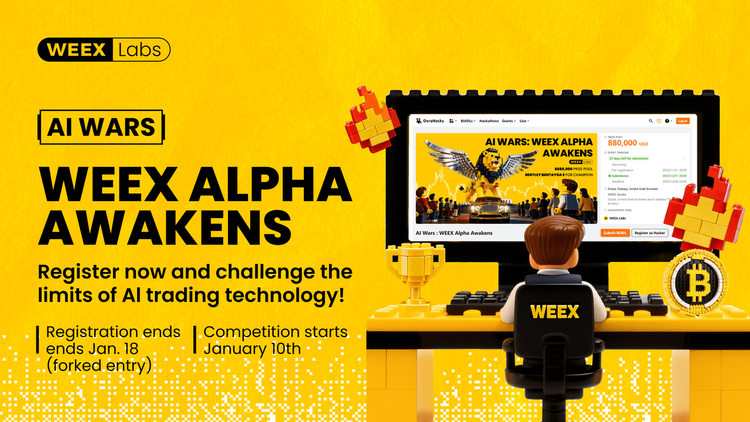
Tournoi de trading de cryptos IA : Guide complet pour connaître le réveil de WEEX Alpha
L'intégration de l'intelligence artificielle dans le trading de cryptomonnaies est passée d'une expérience inédite à un utilitaire de base. En 2026, les outils basés sur l'IA sont devenus indispensables pour les traders en quête d'une discipline renforcée, d'une vitesse d'exécution supérieure et d'une prise de décision structurée et fondée sur les données dans un contexte de volatilité du marché. Ce guide fournit une description pratique, étape par étape, de la façon de participer au Réveil Alpha WEEX, avec un examen ciblé de la manière dont ces stratégies sont mises en œuvre dans les environnements de trading en direct.

Les chandeliers de Life ne peuvent pas guérir l'anxiété, et les marchés de prévision ne peuvent pas calculer la fin.
La vie réelle se déroule souvent au-delà des chandeliers.
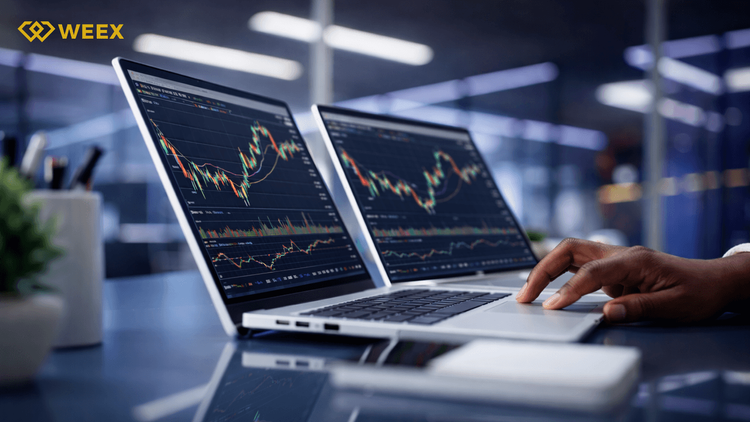
Comment l'IA aide les traders crypto à analyser les marchés, à gérer les risques et à trader plus intelligemment
Le trading de crypto ne consiste plus seulement à avoir une bonne idée, mais à s'exécuter de manière cohérente dans un marché qui ne s'arrête jamais. Avec l'augmentation des volumes de données et de la vitesse du marché, l'analyse manuelle traditionnelle atteint ses limites. L'IA aide les traders à dépasser ces limites en transformant la façon dont les marchés sont analysés, comment le sentiment est interprété et comment les risques sont contrôlés. Cet article explore comment l'IA remodèle le trading de crypto – et ce que cela signifie pour les traders aujourd'hui.

WEEX × LALIGA : Sept étoiles qui représentent une norme d’excellence commune
La véritable excellence dans le football n'est jamais accidentelle. Il repose sur la discipline, la constance et la capacité à livrer sous la pression – saison après saison. Les mêmes principes s'appliquent dans le trading professionnel, où les performances à long terme comptent plus que le momentum de courte durée. En tant que partenaire régional officiel de LALIGA, WEEX met en avant sept joueurs exceptionnels qui incarnent l'esprit de compétition et l'attrait mondial de la ligue. Chacun apporte un style unique au terrain, mais tous partagent des valeurs qui s'alignent étroitement sur l'engagement de WEEX en matière de stabilité, de précision et d'exécution professionnelle. Ce partenariat repose sur des normes communes — où la cohérence et le contrôle définissent la performance sous la pression.

De Wuhan à la Silicon Valley, Manus l'a fait en seulement neuf mois.
Vous pouvez l'appeler un « wrapper », mais il s'est emballé jusqu'à Meta.

WEEX s'associe à LALIGA pour étendre sa portée mondiale et intégrer la crypto dans la culture sportive dominante
Hong Kong, le 1er janvier 2026. WEEX a conclu un nouveau partenariat avec LALIGA, en tant que partenaire régional officiel de LALIGA à Taïwan et à Hong Kong. L'accord amène WEEX dans le réseau de collaborateurs régionaux de LALIGA et ouvre la porte à de nouvelles façons d'engager les fans et les traders pendant la saison.

Trading crypto IA : Comment les traders appliquent réellement l'IA sur les marchés crypto réels
L'intelligence artificielle a dépassé le stade de l'expérimentation sur les marchés crypto. En 2025, les outils de trading basés sur l'IA sont de plus en plus utilisés par les traders qui souhaitent une meilleure discipline, une exécution plus rapide et une prise de décision plus structurée sur des marchés volatils. Ce guide explique comment l'IA est réellement utilisée dans le trading de crypto, étape par étape, en mettant l'accent sur la façon dont ces stratégies sont exécutées dans des environnements de trading réels.

Mise à jour du marché — 31 décembre
De la Corée du Sud et de l'OCDE à l'accélération de la mise en œuvre des cadres de réglementation et de conformité crypto, en passant par le développement simultané des ETF TAO, des technologies de confidentialité, du minage et des réserves de bitcoins, alors que les incidents de sécurité et les pertes financières continuent d'augmenter, le marché crypto est entré dans une nouvelle phase au milieu de multiples défis de « réglementation forte + évolution technologique + risques amplifiés ».
Quand tout le monde utilise le trading d'IA, où va Alpha crypto en 2026 ?
En 2025, le trading d'IA est devenu la solution par défaut, mais Alpha n'a pas disparu – il a été érodé par l'affluence, car des données, des modèles et des stratégies similaires font que les traders agissent de manière synchronisée et perdent de leur avantage.
Real Alpha est passé à des couches plus difficiles à copier comme les données comportementales et on-chain, la qualité d'exécution, la gestion des risques et le jugement humain dans les marchés extrêmes, où agir différemment – ou ne pas agir du tout – est plus important que de meilleures prévisions.

Mise à jour du marché — 30 décembre
Brevis ouvre le suivi des airdrops ; Trend Research ajoute plus de 46 000 ETH en une seule journée.
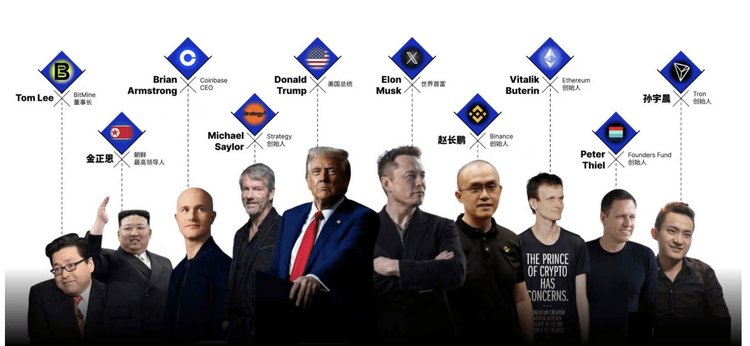
Dix personnes redéfinissent les limites de puissance de la crypto en 2025
De Wall Street à la Maison Blanche, de la Silicon Valley à Shenzhen, un nouveau réseau électrique se dessine.

Même Satoshi Nakamoto devrait rendre hommage au Dieu de la Richesse.
Le Feng shui est devenu la dernière ligne de défense psychologique.

WEEXPERIENCE Nuit des baleines : Trading IA, communauté crypto et marché crypto
Le 12 décembre 2025, WEEX a organisé WEEXPERIENCE Whales Night, un rassemblement communautaire hors ligne conçu pour rassembler les membres de la communauté crypto locale. L'événement a combiné le partage de contenu, des jeux interactifs et des présentations de projets pour créer une expérience hors ligne détendue et attrayante.
Aperçu des participants au tour préliminaire — Matrice AOT : Analyse du cerveau gauche, Décisions du cerveau droit dans le trading d'IA
Lors du hackathon de trading d’IA WEEX, AOT Matrix a choisi une voie plus prudente dans la conception du système – une voie qui est en fait plus difficile à suivre dans un environnement de trading en direct. Dès le départ, ils ont fait des choix clairs sur le rôle que l'IA doit et ne doit pas jouer dans le système de trading. Nous avons interrogé AOT Matrix sur leur logique décisionnelle, les multiples itérations de leur architecture système et ce que c'est que de la mettre en œuvre dans le contexte réel de trading et des contraintes d'ingénierie de WEEX.
Pourquoi les tokens IA augmentent plus vite que le marché crypto au sens large
Les tokens IA sont plus performants – et pas tranquillement. Le bitcoin bouge. Ethereum tient le terrain. Pourtant, certains des gains relatifs les plus importants proviennent des tokens labellisés IA, et non des majors, et non des mèmes. À première vue, cela semble intuitif. L'IA est une vraie technologie. Elle façonne des industries bien au-delà de la crypto. Mais les marchés se déplacent rarement sur l’intuition seule – surtout pas aussi vite. Lorsque les prix accélèrent avant l’adoption, la question la plus utile n’est pas « L’IA est-elle importante ? » C'est la version de l'histoire de l'IA que le marché achète – en ce moment.
Mise à jour du marché — 7 janvier
Bitmine a misé 28 000 Ethereum supplémentaires, d'une valeur d'environ 91,16 millions de dollars.
Après les premiers jours chaotiques, les makers de marché crypto célèbrent leur arrivée à maturité
La lutte de vie ou de mort pour les makers de marché crypto est comme une évolution des espèces dans des conditions extrêmes.
Pourquoi les bots de trading IA deviennent essentiels sur les marchés crypto 24 h/24, 7 j/7
Les marchés des cryptomonnaies fonctionnent en continu et évoluent plus rapidement que l'attention humaine ne peut le soutenir de manière fiable. Les prix réagissent instantanément aux événements mondiaux, les fluctuations de liquidité entre les régions et les occasions de trader existent souvent pendant quelques minutes plutôt que quelques heures. Pour de nombreux traders, le défi essentiel n’est plus de générer des idées, mais d’exécuter les décisions de manière cohérente sans surveillance constante ni interférence émotionnelle. C'est là que les bots de trading IA sont de plus en plus adoptés, non pas comme des garanties de profits, mais comme des outils conçus pour traduire des stratégies prédéfinies en une exécution fiable et répétable.
Tournoi de trading de cryptos IA : Guide complet pour connaître le réveil de WEEX Alpha
L'intégration de l'intelligence artificielle dans le trading de cryptomonnaies est passée d'une expérience inédite à un utilitaire de base. En 2026, les outils basés sur l'IA sont devenus indispensables pour les traders en quête d'une discipline renforcée, d'une vitesse d'exécution supérieure et d'une prise de décision structurée et fondée sur les données dans un contexte de volatilité du marché. Ce guide fournit une description pratique, étape par étape, de la façon de participer au Réveil Alpha WEEX, avec un examen ciblé de la manière dont ces stratégies sont mises en œuvre dans les environnements de trading en direct.


 App
App