
- Acheter crypto
- Marchés
- Futures
- Spot
- Copy trading
 WE-Launch
Bitcoin in the Shadow of a Trade War: How to Find a Balance Between Risk and Hedging?

Original Article Title: "Bitcoin in the Shadow of Trade Wars: How to Find a Balance Between Risk and Hedge?"
Original Article Author: Andrew Singer, Block Unicorn

A few years ago, many in the crypto community described Bitcoin as a "hedge" asset. Today, fewer people use that term to describe it.
A hedge asset retains or increases in value during times of economic stress. It can be government bonds, currencies like the US dollar, commodities like gold, or even blue-chip stocks.
The US-led global trade war and unsettling economic reports have led to stock market crashes, and Bitcoin has followed suit – something that should not happen to a "hedge" asset.
Bitcoin has also underperformed compared to gold. "Since January 1, the price of gold has risen +10%, while Bitcoin has fallen -10%," the Kobeissi Letter pointed out on March 3. "Cryptocurrency is no longer seen as a hedge tool." (Bitcoin fell even more last week.)
But some market observers say this is not entirely unexpected.
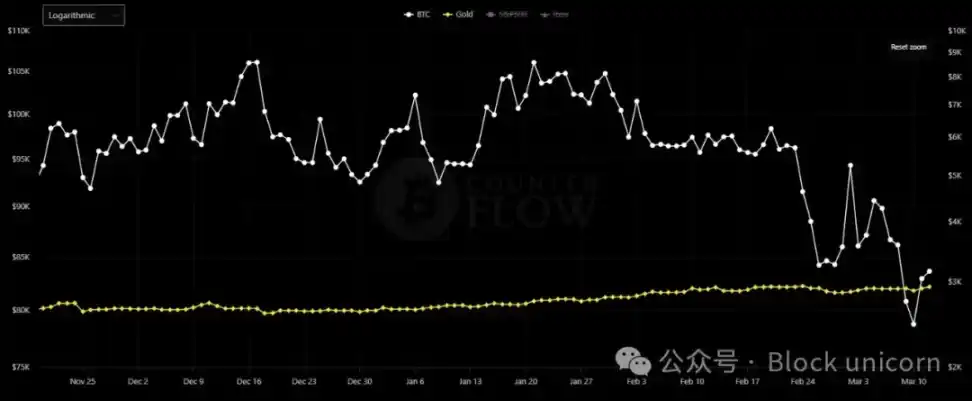
Bitcoin (white) and Gold (yellow) price chart from December 1 to March 13. Source: Bitcoin Counter Flow
Was Bitcoin Ever a Hedge Asset?
"I have never considered Bitcoin a 'hedge asset,'" Paul Schatz, Founder and President of Heritage Capital, told us. "The volatility of Bitcoin is too great to fit into the hedge category, although I do believe investors can and should have an overall allocation to this asset class."
"To me, Bitcoin is still a speculative tool, not a hedge asset," Jochen Stanz, Chief Market Analyst at CMC Markets (Germany), told us. "Hedge investments like gold have intrinsic value that will never be zero. Bitcoin could drop 80% in a major correction. I don't think gold will do that."
"Cryptocurrencies, including Bitcoin, have never been a hedge tool in my opinion," Buvaneshwaran Venugopal, Assistant Professor of Finance at the University of Central Florida, told us.
However, things are not always as clear-cut as they may initially seem, especially when it comes to cryptocurrency.
People may think of different types of safe-haven assets: one for geopolitical events such as war, pandemics, and economic downturns, and another for severe financial events such as bank failures or a weakening US dollar.
The perception of Bitcoin may be shifting. By 2024, with the issuance of exchange-traded funds (ETFs) from major asset management companies like BlackRock and Fidelity, it is being included, broadening its ownership base but potentially also altering its 'narrative'.
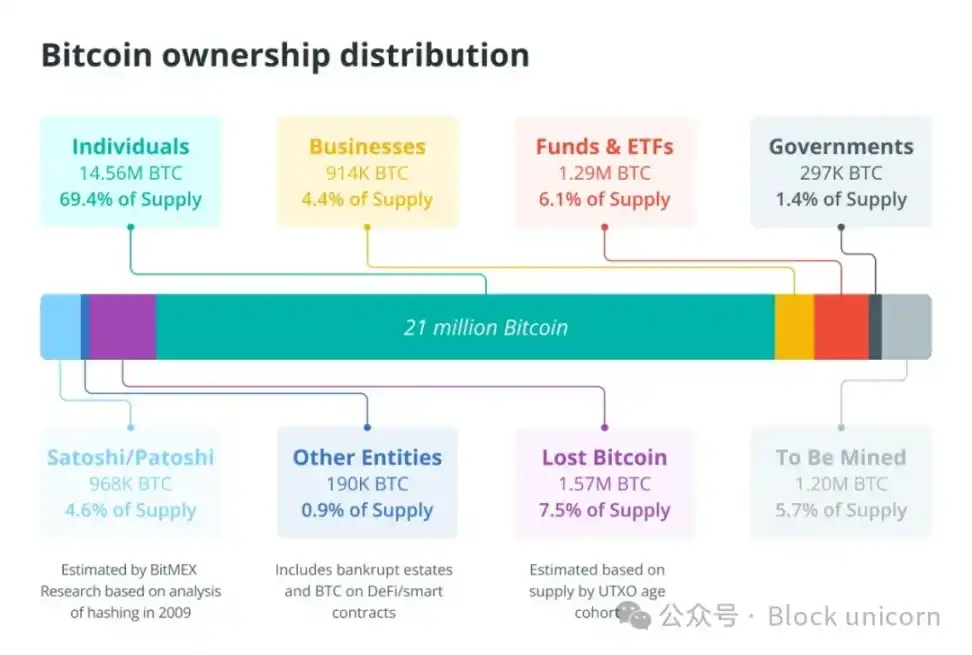
Now, it is more widely seen as a speculative or 'risk-on' asset, akin to tech stocks.
"Bitcoin and the entire cryptocurrency space have become highly correlated with risk assets and are usually inversely correlated to safe-haven assets like gold," Adam Kobeissi, editor of the Kobeissi Letter, told us.
He further noted that with "more institutional involvement and leverage," there is significant uncertainty about Bitcoin's future, and the narrative has shifted from Bitcoin being seen as 'digital gold' to a more speculative asset.
People might think that the acceptance by traditional financial giants like BlackRock and Fidelity would make Bitcoin's future more secure, enhancing its safe-haven narrative - but according to Venugopal, this is not the case:
"The entry of large corporations into Bitcoin does not make it safer. In fact, it means that Bitcoin is becoming more like any other asset institutional investors tend to invest in."
Venugopal continued to say that it would be more influenced by the regular trading and drawdown strategies used by institutional investors. "If there is anything different, Bitcoin is now more correlated with risk assets in the market."
Bitcoin's Dual Nature
Few would argue against Bitcoin and other cryptocurrencies still being subject to significant price swings, recently driven by increased retail adoption of cryptocurrency, particularly fueled by the meme coin craze, which, as Kobeissi pointed out, is one of the largest cryptocurrency onboarding events in history. But perhaps that is the wrong focus.
"Safe-haven assets are always long-term assets, which means short-term volatility is not an intrinsic feature," Noelle Acheson, author of the Crypto is Macro Now newsletter, told us.
The biggest question is whether Bitcoin can maintain its value against fiat currency in the long term, and it has already been able to do so. "Its digital proof of work is proven—it has outperformed gold and U.S. stocks in almost any four-year time frame," Acheson said, adding:
“Bitcoin has always had two key narratives: it is a short-term risk asset, sensitive to liquidity expectations and overall sentiment. It is also a long-term store of value. It can be both, as we are seeing.”
Another possibility is that Bitcoin may be a hedge asset for certain events but not for others.
Gold can serve as a hedge against geopolitical issues (such as trade wars), and both Bitcoin and gold can serve as hedges against inflation. "Therefore, both are useful hedge assets in a portfolio," Kendrick added.
Others, including Ark Investment's Cathie Wood, also agreed that Bitcoin acted as a hedge asset during the run on SVB and Signature banks in March 2023. According to CoinGecko data, when SVB collapsed on March 10, 2023, Bitcoin was priced at around $20,200. A week later, it was close to $27,400, up about 35%.
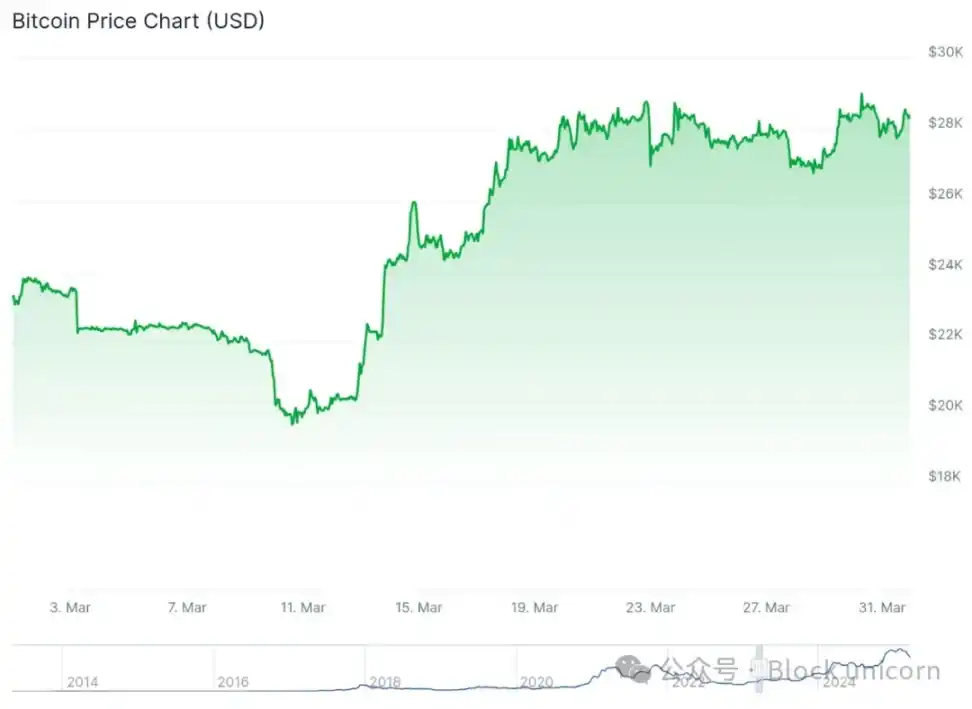
Bitcoin price fell on March 10 and rebounded a week later. Source: CoinGecko
Schatz does not believe that Bitcoin is a tool to hedge against inflation. The events of 2022, when FTX and other crypto companies collapsed, marking the beginning of the crypto winter, "severely challenged this argument."
Perhaps it is a tool to hedge against the U.S. dollar and treasuries? "This is possible, but these scenarios are quite bleak and hard to imagine," Schatz added.
Don't Overreact
Kobeissi agrees that short-term volatility in asset classes "is usually the least correlated over long-term timeframes." Despite some recent pullback, many of Bitcoin's fundamentals remain positive: a crypto-friendly U.S. government, announcements of U.S. Bitcoin reserves, and the surge in cryptocurrency adoption.
The biggest issue facing market participants is: "What is the next major catalyst for upward momentum?" Kobeissi told us. "This is the reason for market pullbacks and consolidation: looking for the next major catalyst."
“Since macro investors started viewing Bitcoin as a high-volatility, liquidity-sensitive risk asset, it has behaved like a risk asset,” Acheson added. Furthermore, “It’s almost always short-term traders setting the final price, and if they’re in the process of unwinding risk assets, we’ll see weakness in Bitcoin.”
The market overall is struggling. “The reappearance of the inflation specter and a severe economic slowdown have greatly impacted expectations,” which has also affected Bitcoin’s price. Acheson further noted:
“Given this backdrop, and Bitcoin’s dual nature as both a risk asset and a long-term hedge, I’m surprised it didn’t drop further.”
Venugopal stated that Bitcoin hasn’t been a short-term hedge or safe haven asset since 2017. As for the long-standing argument of Bitcoin being digital gold due to its 21 million supply cap, this only holds true “if a majority of investors collectively expect Bitcoin to appreciate over time,” and “this may or may not be the case.”
Vous pourriez aussi aimer

WEEXPERIENCE Nuit des baleines : Trading IA, communauté crypto et marché crypto
Le 12 décembre 2025, WEEX a organisé WEEXPERIENCE Whales Night, un rassemblement communautaire hors ligne conçu pour rassembler les membres de la communauté crypto locale. L'événement a combiné le partage de contenu, des jeux interactifs et des présentations de projets pour créer une expérience hors ligne détendue et attrayante.
Risque de trading d'IA en cryptomonnaie : Pourquoi de meilleures stratégies de trading crypto peuvent-elles générer des pertes plus importantes ?
Le risque ne réside plus principalement dans une mauvaise prise de décision ou des erreurs émotionnelles. Il vit de plus en plus dans la structure du marché, les parcours d'exécution et le comportement collectif. Comprendre ce changement est plus important que de trouver la prochaine stratégie « meilleure ».

Les agents de l'IA remplacent-ils la recherche crypto ? Comment l'IA autonome remodele le trading crypto
L'IA passe de l'assistance aux traders à l'automatisation de l'ensemble du processus de recherche à l'exécution sur les marchés crypto. L'avantage est passé de l'information humaine aux pipelines de données, à la vitesse et aux systèmes d'IA prêts à être exécutés, ce qui fait des retards dans l'intégration de l'IA un désavantage concurrentiel.

Boots de trading et copy trading IA : Comment les stratégies synchronisées remodèlent la volatilité du marché crypto
Les traders crypto de détail sont confrontés depuis longtemps aux mêmes défis : mauvaise gestion des risques, entrées tardives, décisions émotionnelles et exécution incohérente. Les outils de trading IA promettaient une solution. Aujourd'hui, les systèmes de copy trading et les bots de cassage alimentés par l'IA aident les traders à dimensionner leurs positions, à définir des stops et à agir plus rapidement que jamais. Au-delà de la vitesse et de la précision, ces outils remodèlent tranquillement les marchés : les traders ne tradent pas seulement plus malin, ils évoluent de façon synchronisée, créant une nouvelle dynamique qui amplifie à la fois les risques et les opportunités.
Le trading d'IA en crypto expliqué : Comment le trading autonome remodele les marchés crypto et les plateformes d’échange crypto
L’IA Trading transforme rapidement le paysage crypto. Les stratégies traditionnelles peinent à suivre la volatilité constante de la crypto et la structure complexe du marché, tandis que l'IA peut traiter des données massives, générer des stratégies adaptatives, gérer les risques et exécuter des trades de manière autonome. Cet article guide les utilisateurs de WEEX sur ce qu'est le trading d'IA, pourquoi la crypto accélère son adoption, comment le secteur évolue vers des agents autonomes et pourquoi WEEX construit l'écosystème de trading d'IA de nouvelle génération.

Appelez à rejoindre AI Wars : WEEX Alpha Awakens – Tournoi mondial de trading d’IA avec une cagnotte de 880 000 $
Maintenant, nous lançons un appel aux traders d'IA du monde entier pour qu'ils rejoignent AI Wars : WEEX Alpha Awakens, un tournoi mondial de trading d'IA doté d'une cagnotte de 880 000 $.
Trading d'IA sur les marchés crypto : Des bots de trading automatisés aux stratégies algorithmiques
Le trading basé sur l'IA fait passer la crypto de la spéculation au détail à une concurrence de niveau institutionnel, où l'exécution et la gestion des risques comptent plus que dans le sens. À mesure que le trading de l'IA prend de l'ampleur, les risques systémiques et la pression réglementaire augmentent, faisant des performances à long terme, des systèmes robustes et de la conformité les principaux facteurs de différenciation.

Analyse du sentiment de l'IA et volatilité des cryptomonnaies : Ce qui fait bouger les prix crypto
Le sentiment lié à l'IA influence de plus en plus les marchés crypto, les changements d'attente liés à l'IA se traduisant par une certaine volatilité pour les principaux actifs numériques. Les marchés crypto ont tendance à amplifier les discours sur l'IA, permettant aux flux basés sur les sentiments de l'emporter sur les fondamentaux à court terme. Comprendre comment le sentiment IA se forme et se propage aide les investisseurs à mieux anticiper les cycles de risque et les opportunités de positionnement sur les actifs numériques.
Guerres de l'IA : Guide du participant
Dans cette confrontation ultime, les meilleurs développeurs, quants et traders du monde entier déploieront leurs algorithmes dans des batailles sur le marché réel, en compétition pour l'un des prix les plus importants de l'histoire du trading crypto basé sur l'IA : 880 000 dollars américains, dont une Bentley Bentayga S pour le champion. Ce guide vous accompagnera à travers toutes les étapes nécessaires, de l'inscription au début officiel de la compétition.

Semaine des banques centrales et volatilité des marchés crypto : Comment les décisions relatives aux taux d'intérêt influencent les conditions de trading sur WEEX
Les décisions relatives aux taux d'intérêt prises par les grandes banques centrales, comme la Réserve fédérale, sont des événements macroéconomiques importants qui ont un impact sur les marchés financiers mondiaux et influencent directement les attentes de liquidité des marchés et l'appétence au risque. À mesure que le marché des cryptomonnaies continue de se développer et que sa structure de trading et ses participants mûrissent, le marché des cryptomonnaies est progressivement intégré dans le système d'établissement des prix macroéconomiques.

Test de l'API WEEX : Guide officiel des API de trading de Hackathon et de Crypto pour le trading d’IA
WEEX API Testing est conçu pour garantir que chaque participant peut transformer la logique de trading en exécution réelle. Toutes les interactions API ont lieu sur le système de trading en direct de WEEX, ce qui permet aux participants de travailler dans des conditions de marché authentiques plutôt que dans des simulations. Avec une faible exigence d'entrée, la tâche est accessible à la fois aux développeurs expérimentés et aux débutants motivés, tout en validant les compétences techniques essentielles.
Pourquoi WEEX Alpha se réveille-t-il le meilleur tournoi de trading d'IA de 2025 ? Tout ce que vous devez savoir
Pour accélérer les percées à l'intersection de l'IA et de la crypto, WEEX lance le premier Hackathon mondial de trading d'IA – AI Wars: Alpha se réveille. L'événement propose une cagnotte révolutionnaire dépassant 880 000 $, dont une Bentley Bentayga S pour le champion ultime.
AI Wars: WEEX Alpha Awakens | Guide des processus de test de l'API WEEX Global Hackathon
AI Wars : L'inscription au Réveil Alpha WEEX est maintenant ouverte. Ce guide explique comment accéder au test API et terminer le processus avec succès.
Qu'est-ce que le réveil de WEEX Alpha et comment participer ? Un guide complet
Pour accélérer les percées à l'intersection de l'IA et de la crypto, WEEX lance le premier Hackathon mondial de trading d'IA – AI Wars: Alpha se réveille.
Join AI Wars: WEEK Alpha se réveille !Appel mondial pour les Alphas de Trading IA
AI Wars: WEEX Alpha Awakens est un hackathon mondial de trading sur l'IA à Dubaï, appelant les équipes quantiques, les traders algorithmiques et les développeurs d'IA à lancer leurs stratégies de trading crypto sur les marchés en direct pour une part d'une cagnotte de 880 000 $ US.
WEEX dévoile le trade to Earn: Jusqu'à 30 % de remise instantanée + 2 M$ WXT Rachat
WEEX est heureuse d’annoncer le lancement de son programme Trade to Earn, qui vous accorde automatiquement jusqu’à 30% de rabais sur les frais de trading. Toutes les récompenses sont créditées directement sur votre compte au comptant en WXT $, soutenu par notre plan de rachat de WXT $2,000,000 qui alimente la valeur à long terme des jetons.

Nouveau: Prix de liquidation estimé sur les graphiques App Candlestick
WEEX a introduit un nouveau prix estimatif de liquidation (Est. Liq. Price) figure sur le graphique en chandelier pour aider les traders à mieux gérer le risque et à identifier des fourchettes sûres pour leurs positions.
WEEX AI Hackathon Guide: Trouvez votre UID WEEK et inscrivez-vous
D'ici février 2026, WEEX lance AI Wars: WEEK Alpha Awakens, le premier hackathon mondial de trading de crypto-IA. Venez votre UID et inscrivez-vous au WEEX Global AI Trading Hackathon.
WEEXPERIENCE Nuit des baleines : Trading IA, communauté crypto et marché crypto
Le 12 décembre 2025, WEEX a organisé WEEXPERIENCE Whales Night, un rassemblement communautaire hors ligne conçu pour rassembler les membres de la communauté crypto locale. L'événement a combiné le partage de contenu, des jeux interactifs et des présentations de projets pour créer une expérience hors ligne détendue et attrayante.
Risque de trading d'IA en cryptomonnaie : Pourquoi de meilleures stratégies de trading crypto peuvent-elles générer des pertes plus importantes ?
Le risque ne réside plus principalement dans une mauvaise prise de décision ou des erreurs émotionnelles. Il vit de plus en plus dans la structure du marché, les parcours d'exécution et le comportement collectif. Comprendre ce changement est plus important que de trouver la prochaine stratégie « meilleure ».
Les agents de l'IA remplacent-ils la recherche crypto ? Comment l'IA autonome remodele le trading crypto
L'IA passe de l'assistance aux traders à l'automatisation de l'ensemble du processus de recherche à l'exécution sur les marchés crypto. L'avantage est passé de l'information humaine aux pipelines de données, à la vitesse et aux systèmes d'IA prêts à être exécutés, ce qui fait des retards dans l'intégration de l'IA un désavantage concurrentiel.
Boots de trading et copy trading IA : Comment les stratégies synchronisées remodèlent la volatilité du marché crypto
Les traders crypto de détail sont confrontés depuis longtemps aux mêmes défis : mauvaise gestion des risques, entrées tardives, décisions émotionnelles et exécution incohérente. Les outils de trading IA promettaient une solution. Aujourd'hui, les systèmes de copy trading et les bots de cassage alimentés par l'IA aident les traders à dimensionner leurs positions, à définir des stops et à agir plus rapidement que jamais. Au-delà de la vitesse et de la précision, ces outils remodèlent tranquillement les marchés : les traders ne tradent pas seulement plus malin, ils évoluent de façon synchronisée, créant une nouvelle dynamique qui amplifie à la fois les risques et les opportunités.
Le trading d'IA en crypto expliqué : Comment le trading autonome remodele les marchés crypto et les plateformes d’échange crypto
L’IA Trading transforme rapidement le paysage crypto. Les stratégies traditionnelles peinent à suivre la volatilité constante de la crypto et la structure complexe du marché, tandis que l'IA peut traiter des données massives, générer des stratégies adaptatives, gérer les risques et exécuter des trades de manière autonome. Cet article guide les utilisateurs de WEEX sur ce qu'est le trading d'IA, pourquoi la crypto accélère son adoption, comment le secteur évolue vers des agents autonomes et pourquoi WEEX construit l'écosystème de trading d'IA de nouvelle génération.
Appelez à rejoindre AI Wars : WEEX Alpha Awakens – Tournoi mondial de trading d’IA avec une cagnotte de 880 000 $
Maintenant, nous lançons un appel aux traders d'IA du monde entier pour qu'ils rejoignent AI Wars : WEEX Alpha Awakens, un tournoi mondial de trading d'IA doté d'une cagnotte de 880 000 $.
Pièces populaires
Dernières actus crypto


Assistance client:@weikecs
Collaborations commerciales:@weikecs
Trading quantitatif/Market makers:[email protected]
Programme VIP:[email protected]
 App
App