
- Acheter crypto
- Marchés
- Futures
- Spot
- Copy trading
 WE-Launch
British Columbia Implements Ban on New Crypto Mining Power Connections to Safeguard Grid

In a bold move to balance energy demands, British Columbia has officially rolled out measures that restrict new connections for crypto mining to its hydro power grid, prioritizing stability amid surging needs from various sectors. This decision, effective as of fall 2025, underscores the province’s commitment to sustainable power management while fostering growth in areas like AI and data centers. Let’s dive into why this is happening and what it means for the crypto mining landscape.
Why the Ban on Crypto Mining Connections?
Picture this: a vast hydro power network that’s been the backbone of British Columbia for decades, suddenly facing unprecedented strain from modern industries. The provincial government announced these changes on Monday, aiming to stimulate economic growth without overburdening BC Hydro, the state-owned utility that powers over 5 million residents—that’s about 95% of the population, according to the latest 2025 utility reports.
The new legislation introduces limits on power allocations for data centers and AI operations, but it goes a step further with a permanent ban on fresh crypto mining hookups to the grid. Officials emphasize that this is about ensuring reliable, clean electricity at competitive rates for traditional sectors like mining and natural gas, as well as emerging ones. “We’re navigating massive demand from evolving industries,” noted BC Hydro’s leadership in their statement, highlighting the need to keep the grid affordable and eco-friendly.
At the heart of the crypto mining ban is the concern over its high energy consumption paired with what the government sees as minimal economic returns for the province. Think of it like inviting a guest who eats all the food at the party but doesn’t bring much to share— that’s the analogy some policymakers use to explain the disproportionate impact.
Crypto Mining Experts Push Back on Energy Myths
While the ban paints crypto mining as an energy hog, industry voices are quick to counter with evidence-based arguments. Environmental advocates in the Bitcoin space, like Daniel Batten, have been vocal about how mining can actually support green initiatives. Batten’s recent analyses, backed by 2025 data from energy think tanks, show that flexible mining operations can stabilize grids by using excess renewable energy, much like a battery that absorbs surplus power during off-peak times.
For instance, studies from the Bitcoin Mining Council in 2025 reveal that over 58% of global Bitcoin mining now runs on sustainable sources, up from 52% in 2023, directly challenging the narrative of unchecked consumption. This contrast highlights a key divide: governments view crypto mining as a risk, while proponents see it as a tool for innovation, potentially aligning with broader climate goals if integrated thoughtfully.
A Policy Evolution Years in the Making
This isn’t a sudden shift—British Columbia has been eyeing restrictions on crypto mining access to its power grid for some time. Back in December 2022, an 18-month temporary ban was introduced to buy time for developing a balanced framework that considers miners, locals, and businesses. Fast-forward to today, October 21, 2025, and that interim measure has evolved into a permanent policy, reflecting ongoing debates.
Meanwhile, other Canadian regions are taking different paths. Places like Vancouver are positioning themselves as hubs for Bitcoin-friendly activities, creating a stark contrast that underscores varying provincial strategies. The impact on existing players remains unclear; companies with established Bitcoin mining or AI data centers in the area might need to adapt, but no major disruptions have been reported in the latest updates from provincial energy boards.
Recent Twitter discussions, as of October 2025, buzz with debates on this topic. Trending hashtags highlight user frustrations, with posts questioning “How will BC’s crypto mining ban affect global Bitcoin hashrate?” Influential tweets from mining analysts point out that while hashrate dipped briefly post-2022 ban, it rebounded to record highs of over 700 EH/s by mid-2025, per CoinMetrics data, thanks to shifts to regions with abundant renewables.
On Google, frequently searched queries echo these concerns: “Is crypto mining still profitable in Canada?” and “What are alternatives to BC Hydro for miners?” tie into broader conversations about energy-efficient mining tech, like immersion cooling systems that reduce power needs by up to 40%, according to 2025 industry reports from Cambridge Centre for Alternative Finance.
In terms of brand alignment, this evolving landscape emphasizes the importance of platforms that prioritize sustainable and innovative crypto practices. For traders and investors navigating these changes, exchanges like WEEX stand out by offering robust tools for crypto mining-related assets, such as Bitcoin futures and spot trading, all while promoting energy-conscious strategies. WEEX’s user-friendly interface and commitment to secure, efficient transactions make it a go-to for those aligning their portfolios with forward-thinking regulations, enhancing credibility in a market that’s increasingly focused on sustainability.
Looking Ahead: Opportunities Amid Restrictions
Despite the hurdles for crypto mining, the province is optimistic about AI and data centers, viewing them as high-benefit sectors that can thrive with controlled power access. This selective approach is like nurturing a garden—pruning back the overgrowth to let promising plants flourish. Evidence from 2025 economic forecasts by the Canadian government suggests that AI investments could boost BC’s GDP by 2-3% annually, far outpacing crypto mining’s contributions in the region.
Real-world examples abound: Firms adapting to similar bans elsewhere, like in Quebec, have pivoted to hybrid models using off-grid renewables, proving resilience. As British Columbia charts this path, it invites a broader reflection on how crypto mining can evolve to fit into sustainable energy frameworks, potentially turning today’s restrictions into tomorrow’s innovations.
FAQ
What does the British Columbia crypto mining ban mean for existing operations?
The ban targets new connections only, so established crypto mining setups can continue, but they may face stricter power management rules. Check with BC Hydro for specifics on your operation.
How is crypto mining’s energy use compared to other industries?
Crypto mining globally consumes about 0.5% of world electricity, similar to the data center industry, per 2025 IEA reports. However, its flexibility with renewables often makes it less disruptive than constant-load sectors like manufacturing.
Are there alternatives for crypto miners affected by the BC ban?
Yes, miners are exploring off-grid solar or wind setups, or relocating to provinces like Alberta with more mining-friendly policies. Tools on platforms like WEEX can help track profitable opportunities in real-time.
Vous pourriez aussi aimer
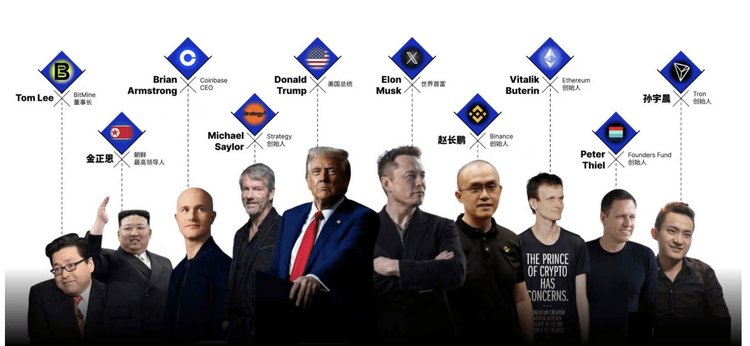
Dix personnes redéfinissent les limites de puissance de la crypto en 2025
De Wall Street à la Maison Blanche, de la Silicon Valley à Shenzhen, un nouveau réseau électrique se dessine.

WEEXPERIENCE Nuit des baleines : Trading IA, communauté crypto et marché crypto
Le 12 décembre 2025, WEEX a organisé WEEXPERIENCE Whales Night, un rassemblement communautaire hors ligne conçu pour rassembler les membres de la communauté crypto locale. L'événement a combiné le partage de contenu, des jeux interactifs et des présentations de projets pour créer une expérience hors ligne détendue et attrayante.
Risque de trading d'IA en cryptomonnaie : Pourquoi de meilleures stratégies de trading crypto peuvent-elles générer des pertes plus importantes ?
Le risque ne réside plus principalement dans une mauvaise prise de décision ou des erreurs émotionnelles. Il vit de plus en plus dans la structure du marché, les parcours d'exécution et le comportement collectif. Comprendre ce changement est plus important que de trouver la prochaine stratégie « meilleure ».
Les agents de l'IA remplacent-ils la recherche crypto ? Comment l'IA autonome remodele le trading crypto
L'IA passe de l'assistance aux traders à l'automatisation de l'ensemble du processus de recherche à l'exécution sur les marchés crypto. L'avantage est passé de l'information humaine aux pipelines de données, à la vitesse et aux systèmes d'IA prêts à être exécutés, ce qui fait des retards dans l'intégration de l'IA un désavantage concurrentiel.

Boots de trading et copy trading IA : Comment les stratégies synchronisées remodèlent la volatilité du marché crypto
Les traders crypto de détail sont confrontés depuis longtemps aux mêmes défis : mauvaise gestion des risques, entrées tardives, décisions émotionnelles et exécution incohérente. Les outils de trading IA promettaient une solution. Aujourd'hui, les systèmes de copy trading et les bots de cassage alimentés par l'IA aident les traders à dimensionner leurs positions, à définir des stops et à agir plus rapidement que jamais. Au-delà de la vitesse et de la précision, ces outils remodèlent tranquillement les marchés : les traders ne tradent pas seulement plus malin, ils évoluent de façon synchronisée, créant une nouvelle dynamique qui amplifie à la fois les risques et les opportunités.
Le trading d'IA en crypto expliqué : Comment le trading autonome remodele les marchés crypto et les plateformes d’échange crypto
L’IA Trading transforme rapidement le paysage crypto. Les stratégies traditionnelles peinent à suivre la volatilité constante de la crypto et la structure complexe du marché, tandis que l'IA peut traiter des données massives, générer des stratégies adaptatives, gérer les risques et exécuter des trades de manière autonome. Cet article guide les utilisateurs de WEEX sur ce qu'est le trading d'IA, pourquoi la crypto accélère son adoption, comment le secteur évolue vers des agents autonomes et pourquoi WEEX construit l'écosystème de trading d'IA de nouvelle génération.

Appelez à rejoindre AI Wars : WEEX Alpha Awakens – Tournoi mondial de trading d’IA avec une cagnotte de 880 000 $
Maintenant, nous lançons un appel aux traders d'IA du monde entier pour qu'ils rejoignent AI Wars : WEEX Alpha Awakens, un tournoi mondial de trading d'IA doté d'une cagnotte de 880 000 $.
Trading d'IA sur les marchés crypto : Des bots de trading automatisés aux stratégies algorithmiques
Le trading basé sur l'IA fait passer la crypto de la spéculation au détail à une concurrence de niveau institutionnel, où l'exécution et la gestion des risques comptent plus que dans le sens. À mesure que le trading de l'IA prend de l'ampleur, les risques systémiques et la pression réglementaire augmentent, faisant des performances à long terme, des systèmes robustes et de la conformité les principaux facteurs de différenciation.
Analyse du sentiment de l'IA et volatilité des cryptomonnaies : Ce qui fait bouger les prix crypto
Le sentiment lié à l'IA influence de plus en plus les marchés crypto, les changements d'attente liés à l'IA se traduisant par une certaine volatilité pour les principaux actifs numériques. Les marchés crypto ont tendance à amplifier les discours sur l'IA, permettant aux flux basés sur les sentiments de l'emporter sur les fondamentaux à court terme. Comprendre comment le sentiment IA se forme et se propage aide les investisseurs à mieux anticiper les cycles de risque et les opportunités de positionnement sur les actifs numériques.

Guerres de l'IA : Guide du participant
Dans cette confrontation ultime, les meilleurs développeurs, quants et traders du monde entier déploieront leurs algorithmes dans des batailles sur le marché réel, en compétition pour l'un des prix les plus importants de l'histoire du trading crypto basé sur l'IA : 880 000 dollars américains, dont une Bentley Bentayga S pour le champion. Ce guide vous accompagnera à travers toutes les étapes nécessaires, de l'inscription au début officiel de la compétition.

Semaine des banques centrales et volatilité des marchés crypto : Comment les décisions relatives aux taux d'intérêt influencent les conditions de trading sur WEEX
Les décisions relatives aux taux d'intérêt prises par les grandes banques centrales, comme la Réserve fédérale, sont des événements macroéconomiques importants qui ont un impact sur les marchés financiers mondiaux et influencent directement les attentes de liquidité des marchés et l'appétence au risque. À mesure que le marché des cryptomonnaies continue de se développer et que sa structure de trading et ses participants mûrissent, le marché des cryptomonnaies est progressivement intégré dans le système d'établissement des prix macroéconomiques.
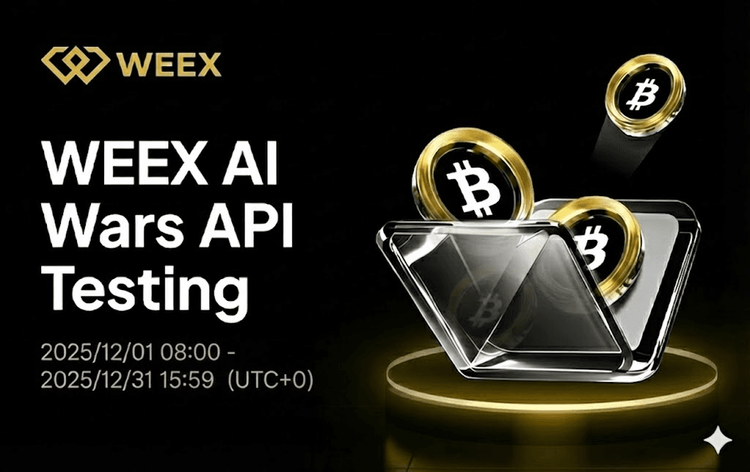
Test de l'API WEEX : Guide officiel des API de trading de Hackathon et de Crypto pour le trading d’IA
WEEX API Testing est conçu pour garantir que chaque participant peut transformer la logique de trading en exécution réelle. Toutes les interactions API ont lieu sur le système de trading en direct de WEEX, ce qui permet aux participants de travailler dans des conditions de marché authentiques plutôt que dans des simulations. Avec une faible exigence d'entrée, la tâche est accessible à la fois aux développeurs expérimentés et aux débutants motivés, tout en validant les compétences techniques essentielles.
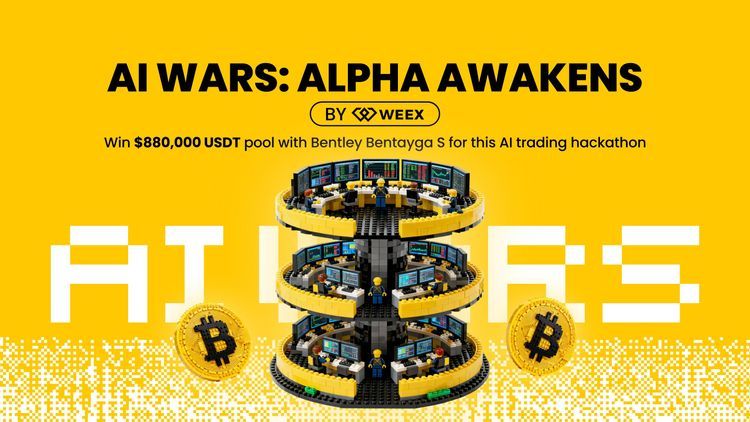
Pourquoi WEEX Alpha se réveille-t-il le meilleur tournoi de trading d'IA de 2025 ? Tout ce que vous devez savoir
Pour accélérer les percées à l'intersection de l'IA et de la crypto, WEEX lance le premier Hackathon mondial de trading d'IA – AI Wars: Alpha se réveille. L'événement propose une cagnotte révolutionnaire dépassant 880 000 $, dont une Bentley Bentayga S pour le champion ultime.
AI Wars: WEEX Alpha Awakens | Guide des processus de test de l'API WEEX Global Hackathon
AI Wars : L'inscription au Réveil Alpha WEEX est maintenant ouverte. Ce guide explique comment accéder au test API et terminer le processus avec succès.
Qu'est-ce que le réveil de WEEX Alpha et comment participer ? Un guide complet
Pour accélérer les percées à l'intersection de l'IA et de la crypto, WEEX lance le premier Hackathon mondial de trading d'IA – AI Wars: Alpha se réveille.
Join AI Wars: WEEK Alpha se réveille !Appel mondial pour les Alphas de Trading IA
AI Wars: WEEX Alpha Awakens est un hackathon mondial de trading sur l'IA à Dubaï, appelant les équipes quantiques, les traders algorithmiques et les développeurs d'IA à lancer leurs stratégies de trading crypto sur les marchés en direct pour une part d'une cagnotte de 880 000 $ US.
WEEX AI Hackathon Guide: Trouvez votre UID WEEK et inscrivez-vous
D'ici février 2026, WEEX lance AI Wars: WEEK Alpha Awakens, le premier hackathon mondial de trading de crypto-IA. Venez votre UID et inscrivez-vous au WEEX Global AI Trading Hackathon.
novembre 2025 Revue du marché cryptographique: Correction des prix, rachats d’ETF et évolution du paysage de la blockchain
Novembre 2025 a été marqué par une forte volatilité et une correction structurelle au sein de l’écosystème global de la blockchain, principalement sous l’effet des prévisions macroéconomiques fluctuantes et de la dynamique spécifique des flux de capitaux.
Dix personnes redéfinissent les limites de puissance de la crypto en 2025
De Wall Street à la Maison Blanche, de la Silicon Valley à Shenzhen, un nouveau réseau électrique se dessine.
WEEXPERIENCE Nuit des baleines : Trading IA, communauté crypto et marché crypto
Le 12 décembre 2025, WEEX a organisé WEEXPERIENCE Whales Night, un rassemblement communautaire hors ligne conçu pour rassembler les membres de la communauté crypto locale. L'événement a combiné le partage de contenu, des jeux interactifs et des présentations de projets pour créer une expérience hors ligne détendue et attrayante.
Risque de trading d'IA en cryptomonnaie : Pourquoi de meilleures stratégies de trading crypto peuvent-elles générer des pertes plus importantes ?
Le risque ne réside plus principalement dans une mauvaise prise de décision ou des erreurs émotionnelles. Il vit de plus en plus dans la structure du marché, les parcours d'exécution et le comportement collectif. Comprendre ce changement est plus important que de trouver la prochaine stratégie « meilleure ».
Les agents de l'IA remplacent-ils la recherche crypto ? Comment l'IA autonome remodele le trading crypto
L'IA passe de l'assistance aux traders à l'automatisation de l'ensemble du processus de recherche à l'exécution sur les marchés crypto. L'avantage est passé de l'information humaine aux pipelines de données, à la vitesse et aux systèmes d'IA prêts à être exécutés, ce qui fait des retards dans l'intégration de l'IA un désavantage concurrentiel.
Boots de trading et copy trading IA : Comment les stratégies synchronisées remodèlent la volatilité du marché crypto
Les traders crypto de détail sont confrontés depuis longtemps aux mêmes défis : mauvaise gestion des risques, entrées tardives, décisions émotionnelles et exécution incohérente. Les outils de trading IA promettaient une solution. Aujourd'hui, les systèmes de copy trading et les bots de cassage alimentés par l'IA aident les traders à dimensionner leurs positions, à définir des stops et à agir plus rapidement que jamais. Au-delà de la vitesse et de la précision, ces outils remodèlent tranquillement les marchés : les traders ne tradent pas seulement plus malin, ils évoluent de façon synchronisée, créant une nouvelle dynamique qui amplifie à la fois les risques et les opportunités.
Le trading d'IA en crypto expliqué : Comment le trading autonome remodele les marchés crypto et les plateformes d’échange crypto
L’IA Trading transforme rapidement le paysage crypto. Les stratégies traditionnelles peinent à suivre la volatilité constante de la crypto et la structure complexe du marché, tandis que l'IA peut traiter des données massives, générer des stratégies adaptatives, gérer les risques et exécuter des trades de manière autonome. Cet article guide les utilisateurs de WEEX sur ce qu'est le trading d'IA, pourquoi la crypto accélère son adoption, comment le secteur évolue vers des agents autonomes et pourquoi WEEX construit l'écosystème de trading d'IA de nouvelle génération.
Pièces populaires
Dernières actus crypto


Assistance client:@weikecs
Collaborations commerciales:@weikecs
Trading quantitatif/Market makers:[email protected]
Programme VIP:[email protected]
 App
App