
- Acheter crypto
- Marchés
- Futures
- Spot
- Copy trading
 WE-Launch
CNBC Guest's Catchphrase Leads to $30 Trillion "Tariff Snafu," Becomes the Most Absurd 10 Minutes in Financial History

On April 7th, a piece of news stating that "Trump is Considering Suspending Tariffs on Some Countries for 90 Days" hit the financial markets like a bombshell. However, no one expected that this was once again a historic "fake news" story.
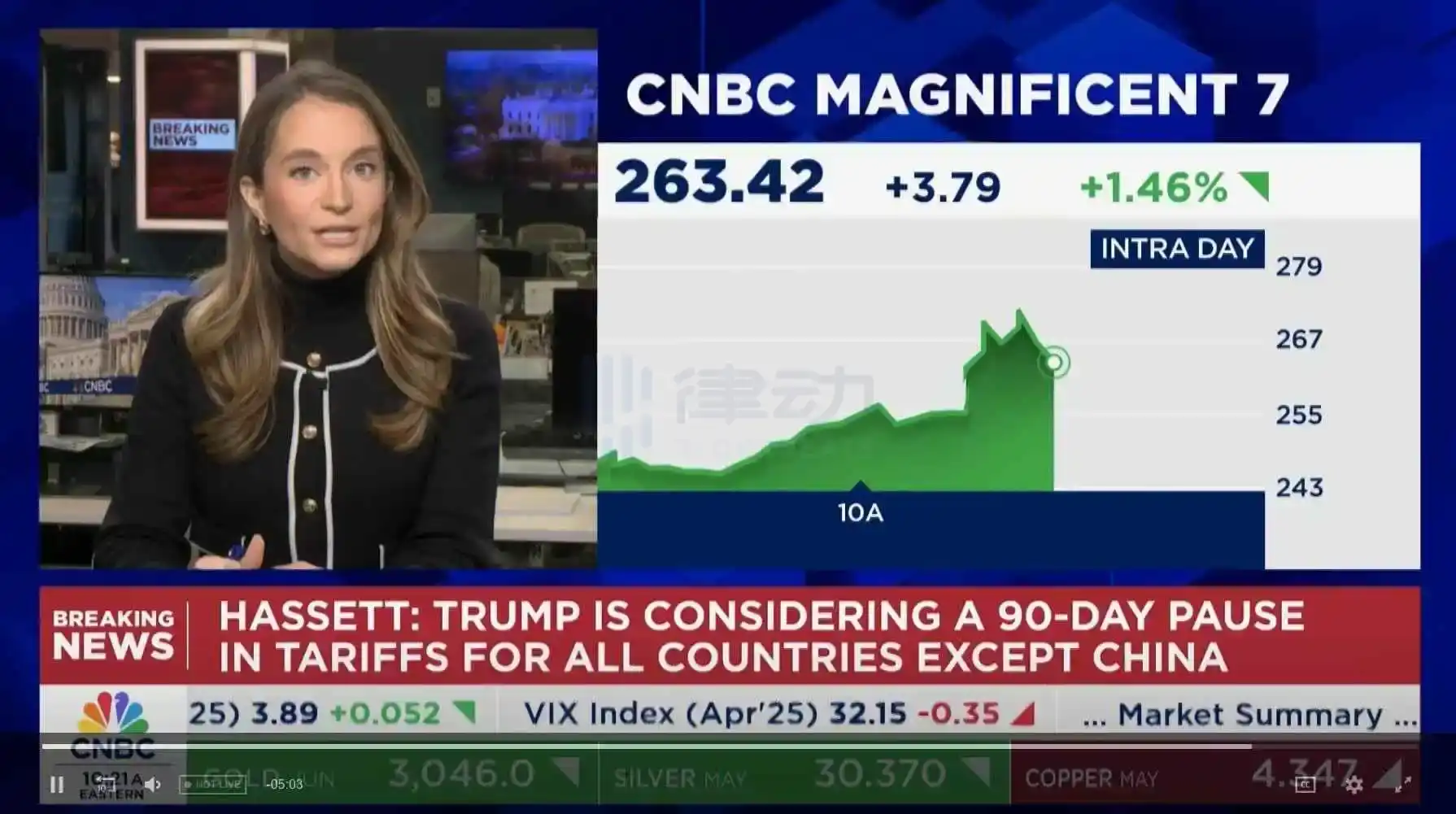
A Comedy of Errors Originating from a Simple "Yep"
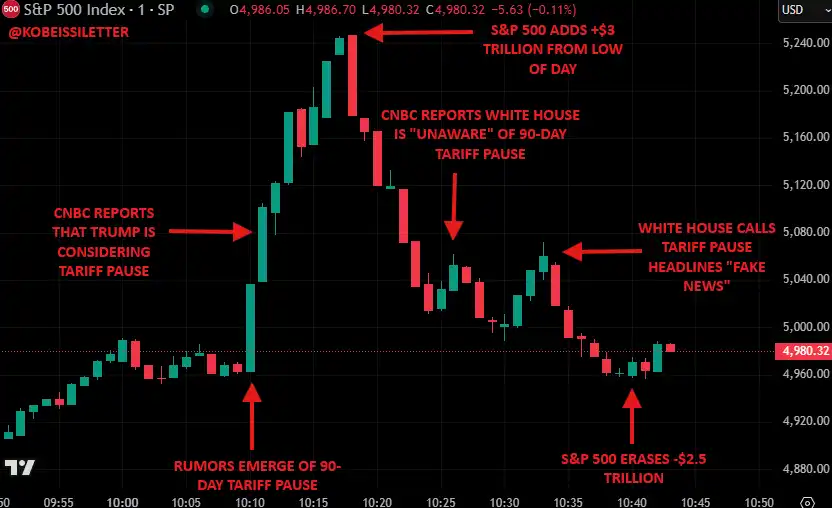
On April 7th, when the U.S. stock market was experiencing a three-day slump, chaos ensued. At 10:10 a.m. Eastern Time, a rumor suddenly surfaced: the White House was considering a "90-day tariff suspension." As soon as this news came out, the market instantly became restless. Just 5 minutes later, at 10:15 a.m., CNBC reported that Trump was considering a 90-day tariff suspension for all countries except China. This explosive news fired up investors. By 10:18 a.m., the S&P 500 index soared from its low point, adding over $3 trillion in market value. The market seemed to smell the long-lost bull market sentiment, and investors speculated that this was a signal of a policy shift by Trump. At the same time, Bitcoin surged from $76,000 to $81,000 in just 10 minutes. The market sentiment was overwhelmingly bullish, leading to over $129 million in short contracts being liquidated in just one hour.
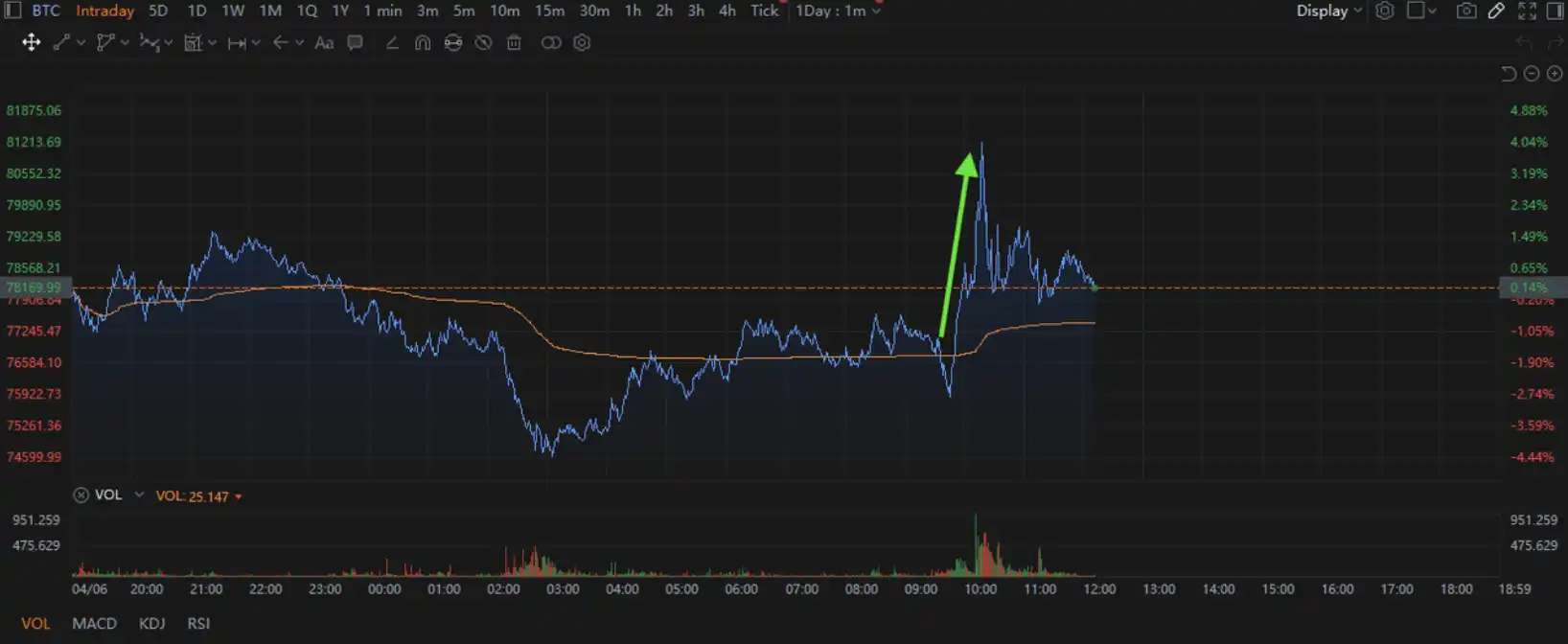
However, the plot twist came swiftly. At 10:25 a.m., reports emerged that the White House was "completely unaware" of the "Trump considering 90-day tariff suspension" matter. Shortly after, at 10:26 a.m., CNBC admitted that their earlier headline about the 90-day tariff suspension was erroneous. By 10:34 a.m., the White House officially labeled this rumor as "fake news." The market's mood plummeted like a rollercoaster in free fall. At 10:40 a.m., just 22 minutes after the soaring highs, the S&P 500 index rapidly fell back, evaporating $2.5 trillion in market value from its peak. The fervor faded away, leaving investors bewildered.
The source of this comedy of errors points to Hassett. Earlier in the day, during an interview with Fox News, host Jimmy D posed a crucial question to him: "Will Trump consider suspending tariffs for 90 days?" Hassett responded with a simple "Yep," followed by, "I think the President will make his decision... Even if you think there would be some negative impacts on the trade side, it's a very small fraction of GDP." This casual "Yep" acted as the spark. Financial blog Zerohedge analyzed that the market seemed to have misunderstood this as Hassett agreeing, when in reality, he was just acknowledging that he heard the question and did not confirm any policy.
Never before in history has such a dramatic scene unfolded: in just 30 minutes, fake news caused a trillion-dollar wave, only to quickly return everything to its original state.
Who Pays for the Tariffs
Since taking office, Trump has raised the banner of "America First," wielding the tariff stick against major trade partners such as China and the EU, attempting to protect domestic industries and reduce trade deficits. But can this "protective umbrella" really withstand the storm? The reality may not be so simple.
As the U.S. stock market opened on Monday, the market was already in turmoil. Trump's previous high tariffs against major trade partners had plunged the S&P 500 Index (SPY) into its first bear market since the COVID-19 pandemic. According to real-time data, the S&P 500 Index (SPY) opened at $489.19 on that day, but plummeted to an intraday low of $483.122. However, when the "tariff suspension" rumors spread, at 10:15 a.m., SPY soared to $512.155, dramatically increasing in value. Nevertheless, as the clarification emerged, by 10:45 a.m., SPY fell back to $504.19, with investors watching trillions of wealth evaporate before their eyes.
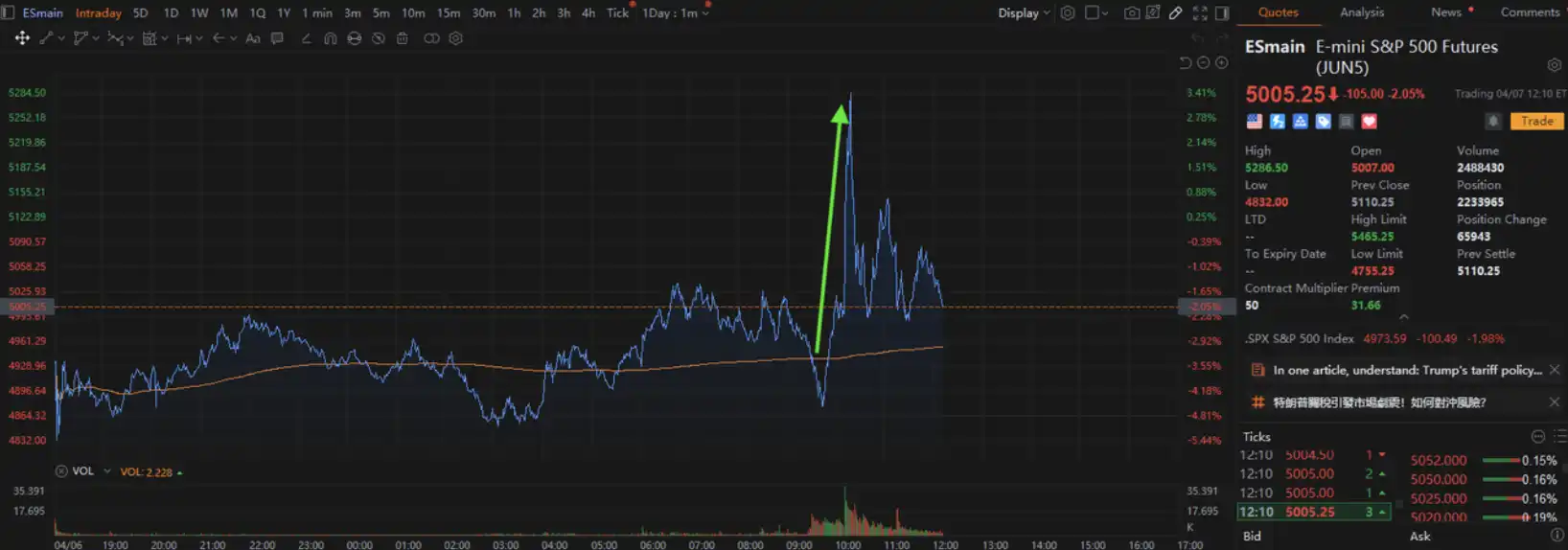
This blunder is not an isolated incident. Last week, after Trump announced the "most severe trade barrier of the century," the S&P 500 Index had already fallen by 20% from its historical high on February 19, with a market value evaporation of approximately $9.5 trillion. The speed of the decline ranks second among the 14 bear markets since 1945. The Wall Street panic index—the Chicago Board Options Exchange Volatility Index (VIX)—closed at 45 last Friday, then overnight on Monday surged to 60, far exceeding the long-term average of 20, indicating that market panic has reached its peak.
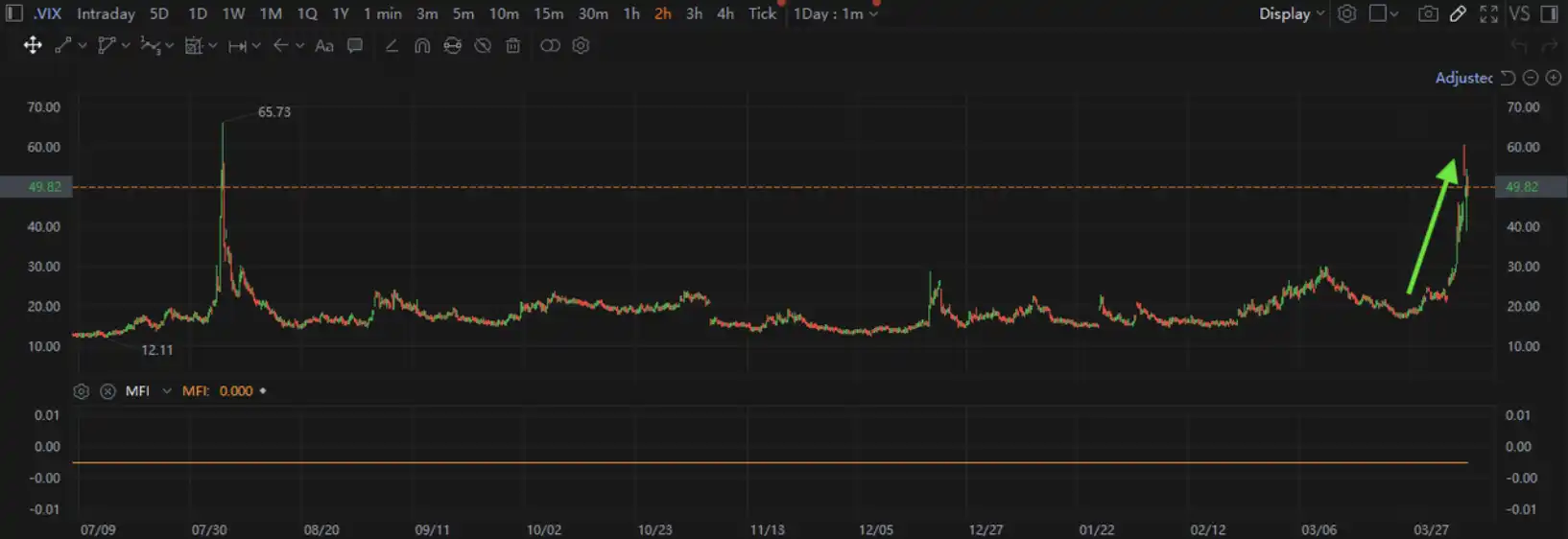
The real shadow has long been cast over the market. CFRA data shows that the S&P 500 Index plummeted 3.5% at the Monday opening, officially entering a bear market. Tech stocks were hit hard, with chip giant NVIDIA (NVDA) dropping 32% from its yearly high, Tesla (TSLA) falling by about 35%, Palantir (PLTR) experiencing an even more tragic drop, and other tech companies such as Super Micro Computer (SMCI), ON Semiconductor (ON), and Micron Technology (MU) all falling by over 37%. The travel industry is equally devastated, with stock prices of Delta Air Lines (DAL) and Norwegian Cruise Line Holdings (NCLH) plummeting over 40%.
While this fake news was a false alarm, it prompted people to reconsider the devastating impact of Trump's tariff policy. High tariffs have caused imported goods' costs to soar, with American consumers bearing the brunt. For example, a Chinese-made smartphone could see its price rise from $1000 to $1250 due to a 25% tariff. Businesses are also feeling the heat, with Tesla (TSLA) relying on a global supply chain; increased tariffs could raise production costs and put pressure on stock prices. Chip giants like NVIDIA (NVDA) are facing price hikes on imported components, squeezing profit margins.
At the international level, tariffs have triggered retaliatory actions. China and the EU might impose tariffs on American soybeans and aircraft, further hurting the export industry. Global supply chain disruptions, plummeting oil prices, and commodities prices have thrown the market into chaos. Doug Ramsey, Chief Investment Officer at Leuthold Group, warned, "This downturn could be the start of a new cyclical bear market."
Although this market turmoil sparked by a fake subtitle was short-lived, it acted as a mirror reflecting the far-reaching implications of tariff policies. While the White House's clarification dispelled the rumors, it did not soothe the market's unease. The future moves of Trump will require close attention.
Vous pourriez aussi aimer

WEEXPERIENCE Nuit des baleines : Trading IA, communauté crypto et marché crypto
Le 12 décembre 2025, WEEX a organisé WEEXPERIENCE Whales Night, un rassemblement communautaire hors ligne conçu pour rassembler les membres de la communauté crypto locale. L'événement a combiné le partage de contenu, des jeux interactifs et des présentations de projets pour créer une expérience hors ligne détendue et attrayante.
Risque de trading d'IA en cryptomonnaie : Pourquoi de meilleures stratégies de trading crypto peuvent-elles générer des pertes plus importantes ?
Le risque ne réside plus principalement dans une mauvaise prise de décision ou des erreurs émotionnelles. Il vit de plus en plus dans la structure du marché, les parcours d'exécution et le comportement collectif. Comprendre ce changement est plus important que de trouver la prochaine stratégie « meilleure ».
Les agents de l'IA remplacent-ils la recherche crypto ? Comment l'IA autonome remodele le trading crypto
L'IA passe de l'assistance aux traders à l'automatisation de l'ensemble du processus de recherche à l'exécution sur les marchés crypto. L'avantage est passé de l'information humaine aux pipelines de données, à la vitesse et aux systèmes d'IA prêts à être exécutés, ce qui fait des retards dans l'intégration de l'IA un désavantage concurrentiel.
Boots de trading et copy trading IA : Comment les stratégies synchronisées remodèlent la volatilité du marché crypto
Les traders crypto de détail sont confrontés depuis longtemps aux mêmes défis : mauvaise gestion des risques, entrées tardives, décisions émotionnelles et exécution incohérente. Les outils de trading IA promettaient une solution. Aujourd'hui, les systèmes de copy trading et les bots de cassage alimentés par l'IA aident les traders à dimensionner leurs positions, à définir des stops et à agir plus rapidement que jamais. Au-delà de la vitesse et de la précision, ces outils remodèlent tranquillement les marchés : les traders ne tradent pas seulement plus malin, ils évoluent de façon synchronisée, créant une nouvelle dynamique qui amplifie à la fois les risques et les opportunités.
Le trading d'IA en crypto expliqué : Comment le trading autonome remodele les marchés crypto et les plateformes d’échange crypto
L’IA Trading transforme rapidement le paysage crypto. Les stratégies traditionnelles peinent à suivre la volatilité constante de la crypto et la structure complexe du marché, tandis que l'IA peut traiter des données massives, générer des stratégies adaptatives, gérer les risques et exécuter des trades de manière autonome. Cet article guide les utilisateurs de WEEX sur ce qu'est le trading d'IA, pourquoi la crypto accélère son adoption, comment le secteur évolue vers des agents autonomes et pourquoi WEEX construit l'écosystème de trading d'IA de nouvelle génération.
Appelez à rejoindre AI Wars : WEEX Alpha Awakens – Tournoi mondial de trading d’IA avec une cagnotte de 880 000 $
Maintenant, nous lançons un appel aux traders d'IA du monde entier pour qu'ils rejoignent AI Wars : WEEX Alpha Awakens, un tournoi mondial de trading d'IA doté d'une cagnotte de 880 000 $.

Trading d'IA sur les marchés crypto : Des bots de trading automatisés aux stratégies algorithmiques
Le trading basé sur l'IA fait passer la crypto de la spéculation au détail à une concurrence de niveau institutionnel, où l'exécution et la gestion des risques comptent plus que dans le sens. À mesure que le trading de l'IA prend de l'ampleur, les risques systémiques et la pression réglementaire augmentent, faisant des performances à long terme, des systèmes robustes et de la conformité les principaux facteurs de différenciation.

Analyse du sentiment de l'IA et volatilité des cryptomonnaies : Ce qui fait bouger les prix crypto
Le sentiment lié à l'IA influence de plus en plus les marchés crypto, les changements d'attente liés à l'IA se traduisant par une certaine volatilité pour les principaux actifs numériques. Les marchés crypto ont tendance à amplifier les discours sur l'IA, permettant aux flux basés sur les sentiments de l'emporter sur les fondamentaux à court terme. Comprendre comment le sentiment IA se forme et se propage aide les investisseurs à mieux anticiper les cycles de risque et les opportunités de positionnement sur les actifs numériques.
Guerres de l'IA : Guide du participant
Dans cette confrontation ultime, les meilleurs développeurs, quants et traders du monde entier déploieront leurs algorithmes dans des batailles sur le marché réel, en compétition pour l'un des prix les plus importants de l'histoire du trading crypto basé sur l'IA : 880 000 dollars américains, dont une Bentley Bentayga S pour le champion. Ce guide vous accompagnera à travers toutes les étapes nécessaires, de l'inscription au début officiel de la compétition.
Semaine des banques centrales et volatilité des marchés crypto : Comment les décisions relatives aux taux d'intérêt influencent les conditions de trading sur WEEX
Les décisions relatives aux taux d'intérêt prises par les grandes banques centrales, comme la Réserve fédérale, sont des événements macroéconomiques importants qui ont un impact sur les marchés financiers mondiaux et influencent directement les attentes de liquidité des marchés et l'appétence au risque. À mesure que le marché des cryptomonnaies continue de se développer et que sa structure de trading et ses participants mûrissent, le marché des cryptomonnaies est progressivement intégré dans le système d'établissement des prix macroéconomiques.

Test de l'API WEEX : Guide officiel des API de trading de Hackathon et de Crypto pour le trading d’IA
WEEX API Testing est conçu pour garantir que chaque participant peut transformer la logique de trading en exécution réelle. Toutes les interactions API ont lieu sur le système de trading en direct de WEEX, ce qui permet aux participants de travailler dans des conditions de marché authentiques plutôt que dans des simulations. Avec une faible exigence d'entrée, la tâche est accessible à la fois aux développeurs expérimentés et aux débutants motivés, tout en validant les compétences techniques essentielles.
Pourquoi WEEX Alpha se réveille-t-il le meilleur tournoi de trading d'IA de 2025 ? Tout ce que vous devez savoir
Pour accélérer les percées à l'intersection de l'IA et de la crypto, WEEX lance le premier Hackathon mondial de trading d'IA – AI Wars: Alpha se réveille. L'événement propose une cagnotte révolutionnaire dépassant 880 000 $, dont une Bentley Bentayga S pour le champion ultime.
AI Wars: WEEX Alpha Awakens | Guide des processus de test de l'API WEEX Global Hackathon
AI Wars : L'inscription au Réveil Alpha WEEX est maintenant ouverte. Ce guide explique comment accéder au test API et terminer le processus avec succès.
Qu'est-ce que le réveil de WEEX Alpha et comment participer ? Un guide complet
Pour accélérer les percées à l'intersection de l'IA et de la crypto, WEEX lance le premier Hackathon mondial de trading d'IA – AI Wars: Alpha se réveille.
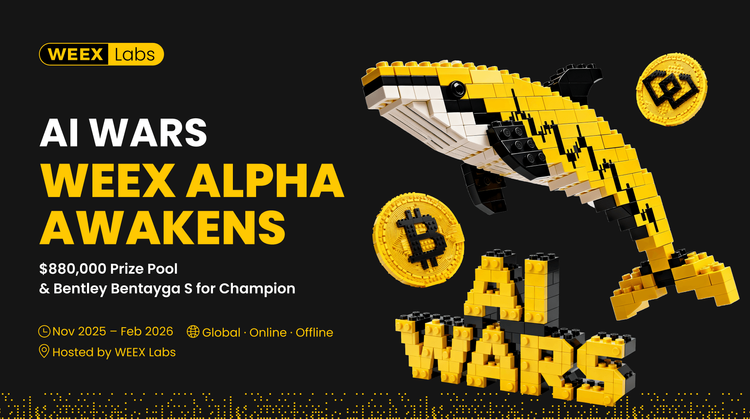
Join AI Wars: WEEK Alpha se réveille !Appel mondial pour les Alphas de Trading IA
AI Wars: WEEX Alpha Awakens est un hackathon mondial de trading sur l'IA à Dubaï, appelant les équipes quantiques, les traders algorithmiques et les développeurs d'IA à lancer leurs stratégies de trading crypto sur les marchés en direct pour une part d'une cagnotte de 880 000 $ US.
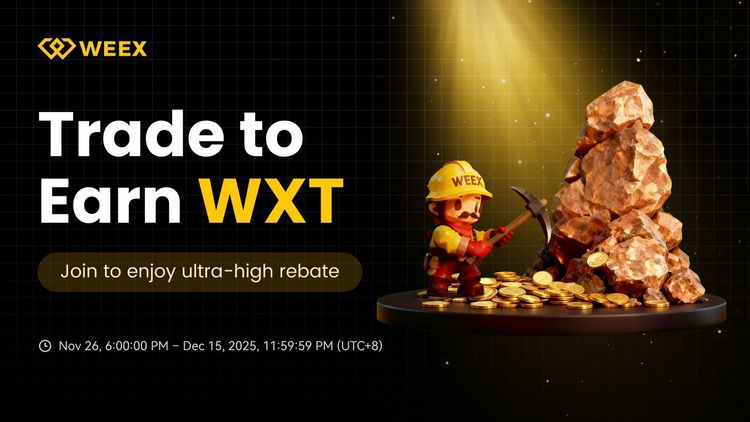
WEEX dévoile le trade to Earn: Jusqu'à 30 % de remise instantanée + 2 M$ WXT Rachat
WEEX est heureuse d’annoncer le lancement de son programme Trade to Earn, qui vous accorde automatiquement jusqu’à 30% de rabais sur les frais de trading. Toutes les récompenses sont créditées directement sur votre compte au comptant en WXT $, soutenu par notre plan de rachat de WXT $2,000,000 qui alimente la valeur à long terme des jetons.

Nouveau: Prix de liquidation estimé sur les graphiques App Candlestick
WEEX a introduit un nouveau prix estimatif de liquidation (Est. Liq. Price) figure sur le graphique en chandelier pour aider les traders à mieux gérer le risque et à identifier des fourchettes sûres pour leurs positions.
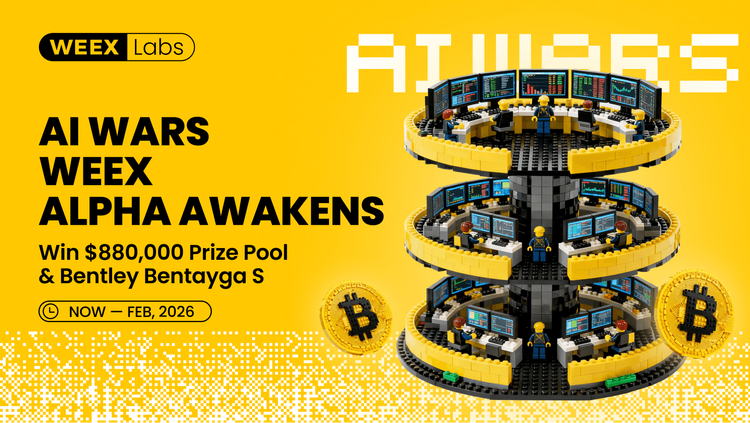
WEEX AI Hackathon Guide: Trouvez votre UID WEEK et inscrivez-vous
D'ici février 2026, WEEX lance AI Wars: WEEK Alpha Awakens, le premier hackathon mondial de trading de crypto-IA. Venez votre UID et inscrivez-vous au WEEX Global AI Trading Hackathon.
WEEXPERIENCE Nuit des baleines : Trading IA, communauté crypto et marché crypto
Le 12 décembre 2025, WEEX a organisé WEEXPERIENCE Whales Night, un rassemblement communautaire hors ligne conçu pour rassembler les membres de la communauté crypto locale. L'événement a combiné le partage de contenu, des jeux interactifs et des présentations de projets pour créer une expérience hors ligne détendue et attrayante.
Risque de trading d'IA en cryptomonnaie : Pourquoi de meilleures stratégies de trading crypto peuvent-elles générer des pertes plus importantes ?
Le risque ne réside plus principalement dans une mauvaise prise de décision ou des erreurs émotionnelles. Il vit de plus en plus dans la structure du marché, les parcours d'exécution et le comportement collectif. Comprendre ce changement est plus important que de trouver la prochaine stratégie « meilleure ».
Les agents de l'IA remplacent-ils la recherche crypto ? Comment l'IA autonome remodele le trading crypto
L'IA passe de l'assistance aux traders à l'automatisation de l'ensemble du processus de recherche à l'exécution sur les marchés crypto. L'avantage est passé de l'information humaine aux pipelines de données, à la vitesse et aux systèmes d'IA prêts à être exécutés, ce qui fait des retards dans l'intégration de l'IA un désavantage concurrentiel.
Boots de trading et copy trading IA : Comment les stratégies synchronisées remodèlent la volatilité du marché crypto
Les traders crypto de détail sont confrontés depuis longtemps aux mêmes défis : mauvaise gestion des risques, entrées tardives, décisions émotionnelles et exécution incohérente. Les outils de trading IA promettaient une solution. Aujourd'hui, les systèmes de copy trading et les bots de cassage alimentés par l'IA aident les traders à dimensionner leurs positions, à définir des stops et à agir plus rapidement que jamais. Au-delà de la vitesse et de la précision, ces outils remodèlent tranquillement les marchés : les traders ne tradent pas seulement plus malin, ils évoluent de façon synchronisée, créant une nouvelle dynamique qui amplifie à la fois les risques et les opportunités.
Le trading d'IA en crypto expliqué : Comment le trading autonome remodele les marchés crypto et les plateformes d’échange crypto
L’IA Trading transforme rapidement le paysage crypto. Les stratégies traditionnelles peinent à suivre la volatilité constante de la crypto et la structure complexe du marché, tandis que l'IA peut traiter des données massives, générer des stratégies adaptatives, gérer les risques et exécuter des trades de manière autonome. Cet article guide les utilisateurs de WEEX sur ce qu'est le trading d'IA, pourquoi la crypto accélère son adoption, comment le secteur évolue vers des agents autonomes et pourquoi WEEX construit l'écosystème de trading d'IA de nouvelle génération.
Appelez à rejoindre AI Wars : WEEX Alpha Awakens – Tournoi mondial de trading d’IA avec une cagnotte de 880 000 $
Maintenant, nous lançons un appel aux traders d'IA du monde entier pour qu'ils rejoignent AI Wars : WEEX Alpha Awakens, un tournoi mondial de trading d'IA doté d'une cagnotte de 880 000 $.
Pièces populaires
Dernières actus crypto


Assistance client:@weikecs
Collaborations commerciales:@weikecs
Trading quantitatif/Market makers:[email protected]
Programme VIP:[email protected]
 App
App