
- Acheter crypto
- Marchés
- Futures
- Spot
- Copy trading
 WE-Launch
「Crazier Than Cryptocurrency」: 10-Year Treasury Yield Records Largest Leap in 20 Years, Flash Crash Warns of Financial Crisis

Original Article Title: "A Historic Week Has Passed, Both US Stocks and Bitcoin Have Risen, But the Market Has Changed Completely!"
Original Article Author: Richard Bo, Wall Street View
US stock market volatility has rarely surpassed that of emerging markets and Bitcoin. At the same time, US Treasuries, which have always been seen as a safe asset, experienced sharp fluctuations, leading investors to start questioning the wisdom of holding US assets. UBS believes that once global risk-free rates experience volatility, it means that all markets will be disrupted. Analyst Ed Al-Hussainy bluntly pointed out, "I'm actually not worried about a recession, I'm worried about a financial crisis."
US stocks rebounded on Friday, suggesting a restoration of market risk appetite. However, investors have actually started questioning the safety of US assets, especially with the drastic fluctuations in US Treasuries, reigniting fears of a financial crisis on Wall Street.
Over the past week, the US 10-year Treasury yield saw its largest weekly jump in over 20 years, while US stocks experienced a rollercoaster ride of a dive followed by a surge. On the surface, the S&P 500 index rose by over 5% for the week, US bond yields returned to February levels, and Bitcoin closed higher, appearing as if everything was business as usual.
However, what is unsettling is the simultaneous decline this week in US stocks, US bonds, and the US dollar, a typical characteristic of emerging markets rather than a performance of the world's safest assets. Particularly with such a large fluctuation in US long-term bonds this week, a liquidity crisis seems imminent, prompting investors to question the wisdom of holding US assets. Bhanu Baweja, Chief Strategist at UBS Group, even stated:
This is too scary. We are redefining the global risk-free rate, and if the global risk-free rate experiences volatility, it will disrupt all markets.
Historically Rare: US Asset Volatility Surpasses that of Emerging Markets and Bitcoin
Trump's recent tariff policies have not only damaged confidence in the US economy but also shaken investors' trust in the US policy direction and US dollar assets. Even by Wall Street's long historical standards, this week has been a brutal trading week, with US stocks feeling like they are on a rollercoaster ride, and the movements of US bonds and the US dollar suggesting that the US safe haven status seems to be unsteady:
On Monday, due to the so-called tariff confusion, US stocks experienced a 15-minute seismic pulse, with the Nasdaq plummeting by 10% at one point and US Treasuries taking a nosedive.
On Tuesday, news of no tariff exemptions shattered hopes of a US stock rebound, with the Dow plunging over 2000 points at one point, the S&P erasing over a 4% gain to negative territory, and the US Treasury market experiencing a deleveraging sell-off.
On Wednesday, the US temporarily delayed some tariffs, with the three major US stock indices rising by nearly 8% at least, the S&P seeing its largest gain since 2008, US stock trading volume hitting a historic high of 30 billion shares. The 10-year US Treasury yield spiked and then retreated.
On Thursday, global investors fled from US assets, leading to a triple hit on US stocks, bonds, and the dollar. The Nasdaq plummeted over 4%, marking the dollar's largest daily drop in two years and pushing gold to a new high.
On Friday, the Federal Reserve hinted at intervention, prompting a rebound in US stocks. However, the downward trend of US bonds and the dollar served as a warning that the US's status as a safe haven may no longer be assured.
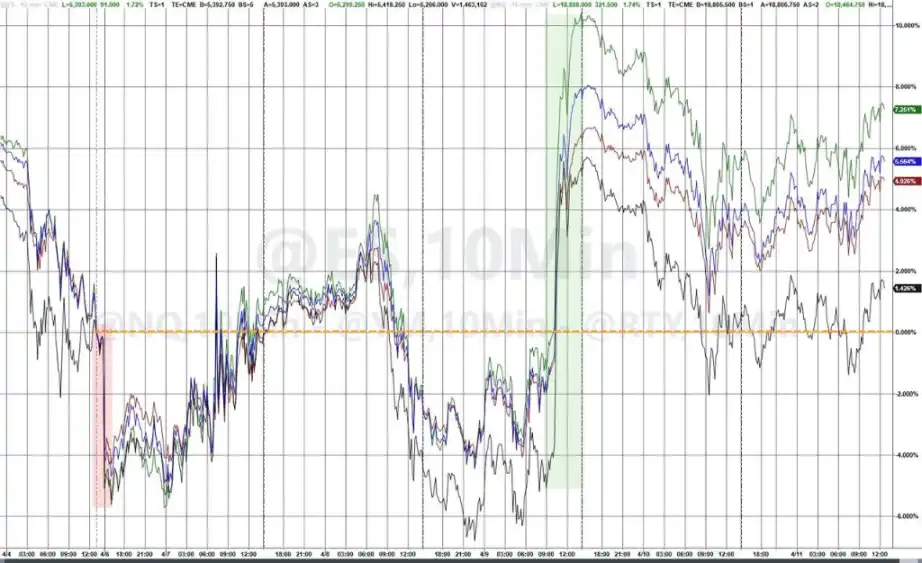
Andrea DiCenso, an investment manager at Loomis, Sayles & Company, stated, "Is the US market starting to behave like an emerging market? Undoubtedly, yes, that is exactly what we are seeing."
According to data, the volatility of US stock ETFs has even exceeded that of funds tracking emerging markets and has at times been higher than Bitcoin. This situation has rarely occurred except during the pandemic, the crisis in August of last year, and the Fed's aggressive rate hike period.
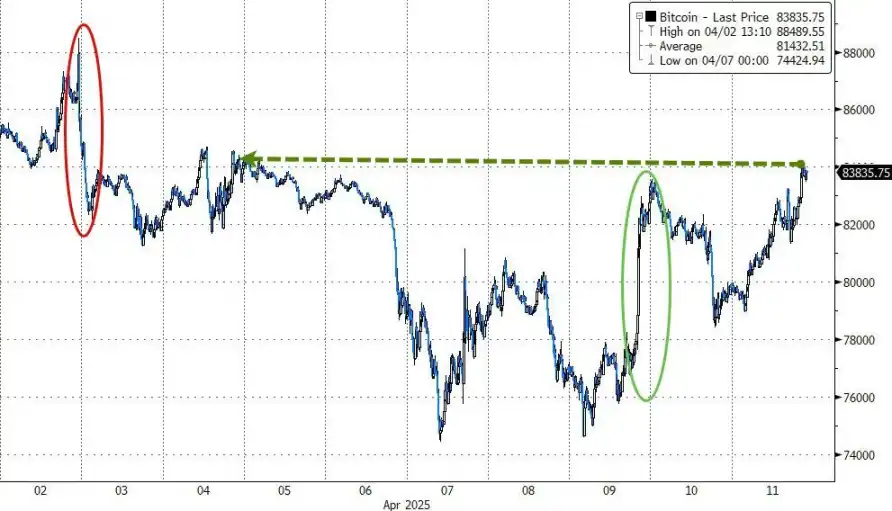
Neil Dutta from Renaissance Capital bluntly expressed in a client email, "The S&P 500 index is trading like a cryptocurrency, and that may not be a good thing."
Sharp Fluctuations in Risk-Free Rates Signal a Replay of the Financial Crisis
When the long-term bond market experiences sharp volatility, significant spreads, and low liquidity, it affects all other capital markets, especially exerting upward pressure on rates and US government debt, potentially evolving into a financial crisis if sustained over the long term.
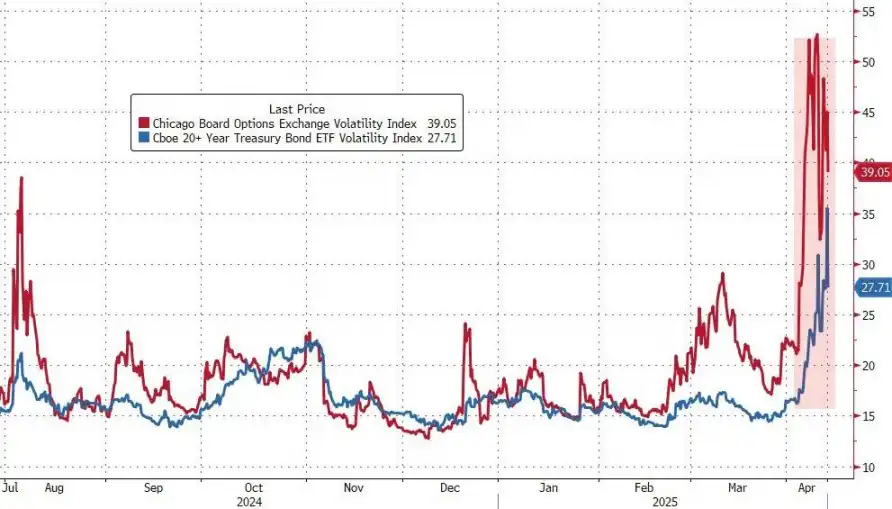
US bond volatility surged this week, with the 20-year Treasury bond volatility rapidly catching up to the VIX stock volatility.
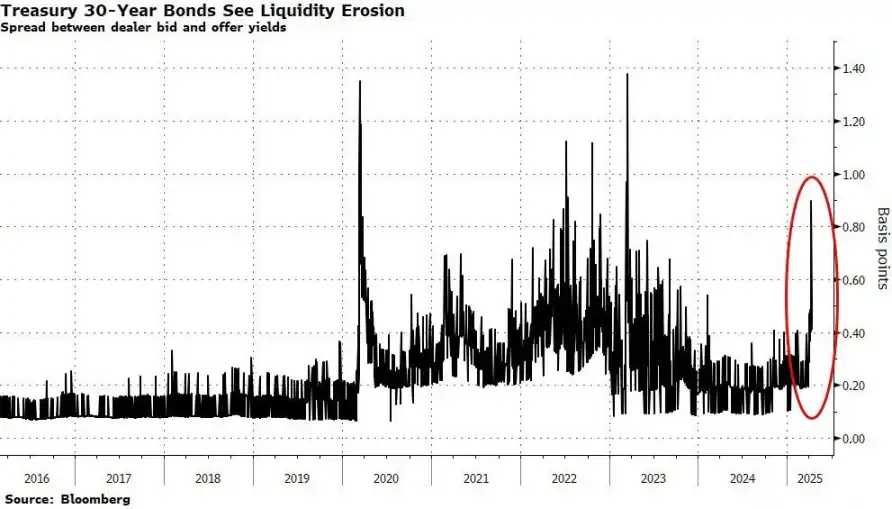
Although this week the decline in 30-year US bonds did not continue from last week, presenting a broadening trend, there were some cracks in the trading spread of the benchmark 30-year bond—which is a signal of the long-term decline in liquidity in the US Treasury yield curve. This week, the spread almost reached a full basis point, a level unseen since early 2023.
Confidence from regions outside the US in the quality of US stocks, fixed-income, and currency assets has been eroded. Fund strategist Nathan Thooft stated, "The question is whether this is a temporary shock or a long-term shift. We still believe the former. However, it cannot be denied that some large asset owners are seeking alternative safe-haven assets and diversified allocations."
Analyst Ed Al-Hussainy succinctly pointed out:
I'm actually not worried about a recession, I'm worried about a financial crisis.
Funds Flowing to Safe-Haven Assets, Wall Street Calls for Fed Intervention
Under the shadow of a financial crisis, global investors, after withdrawing from the U.S., have poured into safe-haven assets such as the European bond market, gold, the yen, and the Swiss franc to avoid broader turmoil.
This week, German bond yields remained largely unchanged, while U.S. 10-year bond yields surged over 50 basis points, marking the largest divergence between U.S. and German bond yields since 1989. In contrast, the U.S. dollar index fell below the key level of 100, posting its most severe two-week decline since November 2022, while the euro strengthened significantly, with the week's appreciation surpassing that of the yen.
Extreme volatility has brought unprecedented psychological pressure to investors and traders, prompting calls from Wall Street for Fed intervention. On Friday, JPMorgan CEO Jamie Dimon stated that he anticipates "turmoil" in the U.S. Treasury market.
Dimon said during an earnings call, "When you have a lot of volatile markets, very wide bid-offer spreads in Treasuries, low liquidity, it affects all other capital markets. That's the reason the Fed should intervene, not to help the banks."
Fortunately, Fed Governor Lael Brainard stated on Friday that if market conditions become disorderly, the Fed is "absolutely prepared" to help stabilize the financial markets. However, she emphasized:
"The markets are functioning well, and we haven't seen broad-based liquidity concerns."
Vous pourriez aussi aimer

WEEXPERIENCE Nuit des baleines : Trading IA, communauté crypto et marché crypto
Le 12 décembre 2025, WEEX a organisé WEEXPERIENCE Whales Night, un rassemblement communautaire hors ligne conçu pour rassembler les membres de la communauté crypto locale. L'événement a combiné le partage de contenu, des jeux interactifs et des présentations de projets pour créer une expérience hors ligne détendue et attrayante.
Risque de trading d'IA en cryptomonnaie : Pourquoi de meilleures stratégies de trading crypto peuvent-elles générer des pertes plus importantes ?
Le risque ne réside plus principalement dans une mauvaise prise de décision ou des erreurs émotionnelles. Il vit de plus en plus dans la structure du marché, les parcours d'exécution et le comportement collectif. Comprendre ce changement est plus important que de trouver la prochaine stratégie « meilleure ».
Les agents de l'IA remplacent-ils la recherche crypto ? Comment l'IA autonome remodele le trading crypto
L'IA passe de l'assistance aux traders à l'automatisation de l'ensemble du processus de recherche à l'exécution sur les marchés crypto. L'avantage est passé de l'information humaine aux pipelines de données, à la vitesse et aux systèmes d'IA prêts à être exécutés, ce qui fait des retards dans l'intégration de l'IA un désavantage concurrentiel.
Boots de trading et copy trading IA : Comment les stratégies synchronisées remodèlent la volatilité du marché crypto
Les traders crypto de détail sont confrontés depuis longtemps aux mêmes défis : mauvaise gestion des risques, entrées tardives, décisions émotionnelles et exécution incohérente. Les outils de trading IA promettaient une solution. Aujourd'hui, les systèmes de copy trading et les bots de cassage alimentés par l'IA aident les traders à dimensionner leurs positions, à définir des stops et à agir plus rapidement que jamais. Au-delà de la vitesse et de la précision, ces outils remodèlent tranquillement les marchés : les traders ne tradent pas seulement plus malin, ils évoluent de façon synchronisée, créant une nouvelle dynamique qui amplifie à la fois les risques et les opportunités.
Le trading d'IA en crypto expliqué : Comment le trading autonome remodele les marchés crypto et les plateformes d’échange crypto
L’IA Trading transforme rapidement le paysage crypto. Les stratégies traditionnelles peinent à suivre la volatilité constante de la crypto et la structure complexe du marché, tandis que l'IA peut traiter des données massives, générer des stratégies adaptatives, gérer les risques et exécuter des trades de manière autonome. Cet article guide les utilisateurs de WEEX sur ce qu'est le trading d'IA, pourquoi la crypto accélère son adoption, comment le secteur évolue vers des agents autonomes et pourquoi WEEX construit l'écosystème de trading d'IA de nouvelle génération.
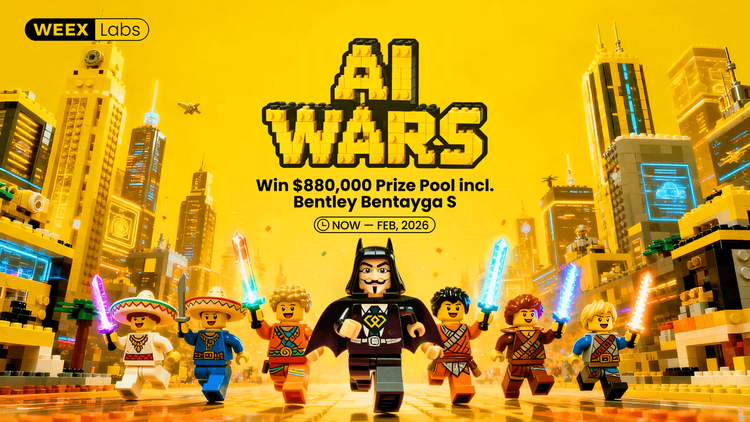
Appelez à rejoindre AI Wars : WEEX Alpha Awakens – Tournoi mondial de trading d’IA avec une cagnotte de 880 000 $
Maintenant, nous lançons un appel aux traders d'IA du monde entier pour qu'ils rejoignent AI Wars : WEEX Alpha Awakens, un tournoi mondial de trading d'IA doté d'une cagnotte de 880 000 $.
Trading d'IA sur les marchés crypto : Des bots de trading automatisés aux stratégies algorithmiques
Le trading basé sur l'IA fait passer la crypto de la spéculation au détail à une concurrence de niveau institutionnel, où l'exécution et la gestion des risques comptent plus que dans le sens. À mesure que le trading de l'IA prend de l'ampleur, les risques systémiques et la pression réglementaire augmentent, faisant des performances à long terme, des systèmes robustes et de la conformité les principaux facteurs de différenciation.
Analyse du sentiment de l'IA et volatilité des cryptomonnaies : Ce qui fait bouger les prix crypto
Le sentiment lié à l'IA influence de plus en plus les marchés crypto, les changements d'attente liés à l'IA se traduisant par une certaine volatilité pour les principaux actifs numériques. Les marchés crypto ont tendance à amplifier les discours sur l'IA, permettant aux flux basés sur les sentiments de l'emporter sur les fondamentaux à court terme. Comprendre comment le sentiment IA se forme et se propage aide les investisseurs à mieux anticiper les cycles de risque et les opportunités de positionnement sur les actifs numériques.
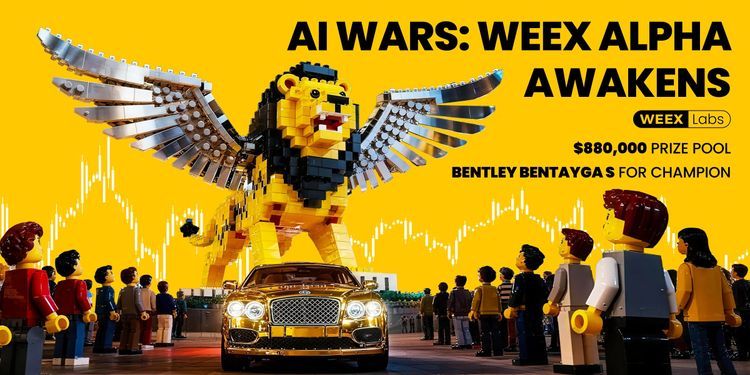
Guerres de l'IA : Guide du participant
Dans cette confrontation ultime, les meilleurs développeurs, quants et traders du monde entier déploieront leurs algorithmes dans des batailles sur le marché réel, en compétition pour l'un des prix les plus importants de l'histoire du trading crypto basé sur l'IA : 880 000 dollars américains, dont une Bentley Bentayga S pour le champion. Ce guide vous accompagnera à travers toutes les étapes nécessaires, de l'inscription au début officiel de la compétition.
Semaine des banques centrales et volatilité des marchés crypto : Comment les décisions relatives aux taux d'intérêt influencent les conditions de trading sur WEEX
Les décisions relatives aux taux d'intérêt prises par les grandes banques centrales, comme la Réserve fédérale, sont des événements macroéconomiques importants qui ont un impact sur les marchés financiers mondiaux et influencent directement les attentes de liquidité des marchés et l'appétence au risque. À mesure que le marché des cryptomonnaies continue de se développer et que sa structure de trading et ses participants mûrissent, le marché des cryptomonnaies est progressivement intégré dans le système d'établissement des prix macroéconomiques.
Test de l'API WEEX : Guide officiel des API de trading de Hackathon et de Crypto pour le trading d’IA
WEEX API Testing est conçu pour garantir que chaque participant peut transformer la logique de trading en exécution réelle. Toutes les interactions API ont lieu sur le système de trading en direct de WEEX, ce qui permet aux participants de travailler dans des conditions de marché authentiques plutôt que dans des simulations. Avec une faible exigence d'entrée, la tâche est accessible à la fois aux développeurs expérimentés et aux débutants motivés, tout en validant les compétences techniques essentielles.
Pourquoi WEEX Alpha se réveille-t-il le meilleur tournoi de trading d'IA de 2025 ? Tout ce que vous devez savoir
Pour accélérer les percées à l'intersection de l'IA et de la crypto, WEEX lance le premier Hackathon mondial de trading d'IA – AI Wars: Alpha se réveille. L'événement propose une cagnotte révolutionnaire dépassant 880 000 $, dont une Bentley Bentayga S pour le champion ultime.
AI Wars: WEEX Alpha Awakens | Guide des processus de test de l'API WEEX Global Hackathon
AI Wars : L'inscription au Réveil Alpha WEEX est maintenant ouverte. Ce guide explique comment accéder au test API et terminer le processus avec succès.
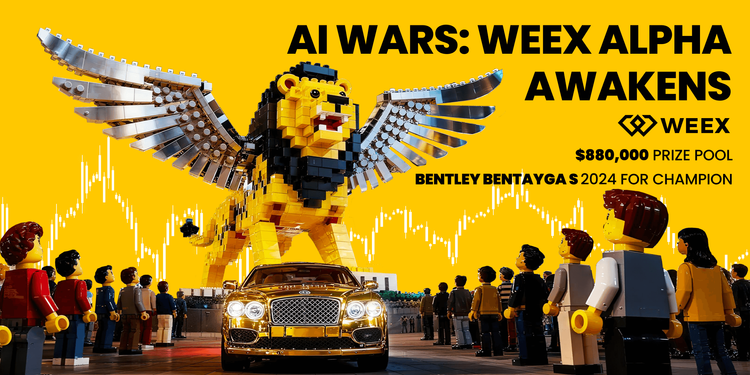
Qu'est-ce que le réveil de WEEX Alpha et comment participer ? Un guide complet
Pour accélérer les percées à l'intersection de l'IA et de la crypto, WEEX lance le premier Hackathon mondial de trading d'IA – AI Wars: Alpha se réveille.
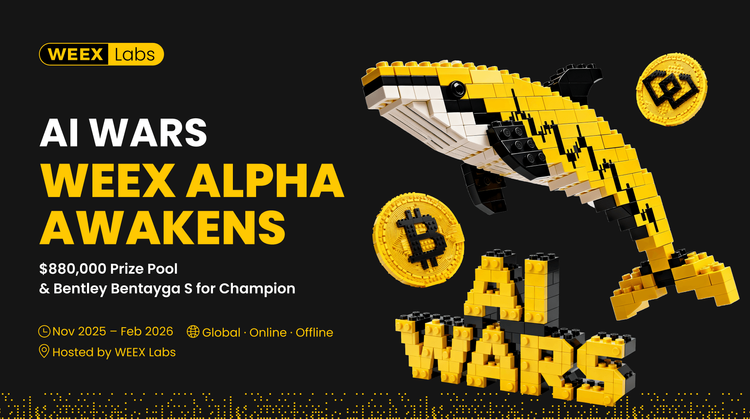
Join AI Wars: WEEK Alpha se réveille !Appel mondial pour les Alphas de Trading IA
AI Wars: WEEX Alpha Awakens est un hackathon mondial de trading sur l'IA à Dubaï, appelant les équipes quantiques, les traders algorithmiques et les développeurs d'IA à lancer leurs stratégies de trading crypto sur les marchés en direct pour une part d'une cagnotte de 880 000 $ US.
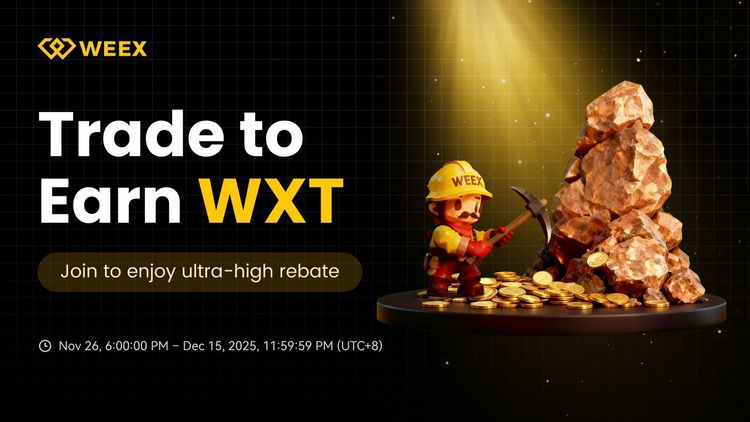
WEEX dévoile le trade to Earn: Jusqu'à 30 % de remise instantanée + 2 M$ WXT Rachat
WEEX est heureuse d’annoncer le lancement de son programme Trade to Earn, qui vous accorde automatiquement jusqu’à 30% de rabais sur les frais de trading. Toutes les récompenses sont créditées directement sur votre compte au comptant en WXT $, soutenu par notre plan de rachat de WXT $2,000,000 qui alimente la valeur à long terme des jetons.

Nouveau: Prix de liquidation estimé sur les graphiques App Candlestick
WEEX a introduit un nouveau prix estimatif de liquidation (Est. Liq. Price) figure sur le graphique en chandelier pour aider les traders à mieux gérer le risque et à identifier des fourchettes sûres pour leurs positions.
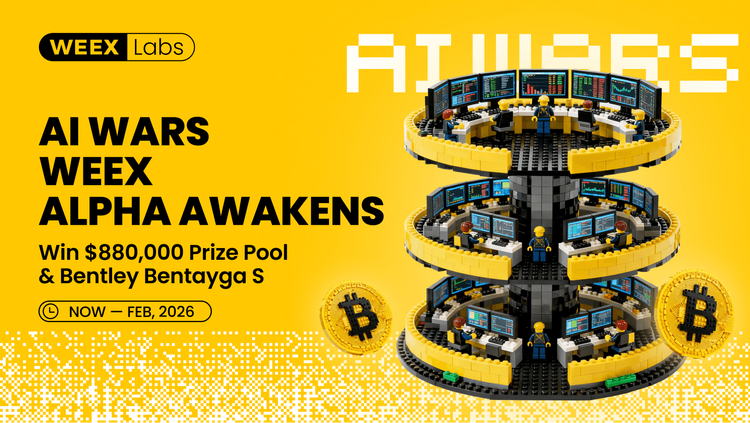
WEEX AI Hackathon Guide: Trouvez votre UID WEEK et inscrivez-vous
D'ici février 2026, WEEX lance AI Wars: WEEK Alpha Awakens, le premier hackathon mondial de trading de crypto-IA. Venez votre UID et inscrivez-vous au WEEX Global AI Trading Hackathon.
WEEXPERIENCE Nuit des baleines : Trading IA, communauté crypto et marché crypto
Le 12 décembre 2025, WEEX a organisé WEEXPERIENCE Whales Night, un rassemblement communautaire hors ligne conçu pour rassembler les membres de la communauté crypto locale. L'événement a combiné le partage de contenu, des jeux interactifs et des présentations de projets pour créer une expérience hors ligne détendue et attrayante.
Risque de trading d'IA en cryptomonnaie : Pourquoi de meilleures stratégies de trading crypto peuvent-elles générer des pertes plus importantes ?
Le risque ne réside plus principalement dans une mauvaise prise de décision ou des erreurs émotionnelles. Il vit de plus en plus dans la structure du marché, les parcours d'exécution et le comportement collectif. Comprendre ce changement est plus important que de trouver la prochaine stratégie « meilleure ».
Les agents de l'IA remplacent-ils la recherche crypto ? Comment l'IA autonome remodele le trading crypto
L'IA passe de l'assistance aux traders à l'automatisation de l'ensemble du processus de recherche à l'exécution sur les marchés crypto. L'avantage est passé de l'information humaine aux pipelines de données, à la vitesse et aux systèmes d'IA prêts à être exécutés, ce qui fait des retards dans l'intégration de l'IA un désavantage concurrentiel.
Boots de trading et copy trading IA : Comment les stratégies synchronisées remodèlent la volatilité du marché crypto
Les traders crypto de détail sont confrontés depuis longtemps aux mêmes défis : mauvaise gestion des risques, entrées tardives, décisions émotionnelles et exécution incohérente. Les outils de trading IA promettaient une solution. Aujourd'hui, les systèmes de copy trading et les bots de cassage alimentés par l'IA aident les traders à dimensionner leurs positions, à définir des stops et à agir plus rapidement que jamais. Au-delà de la vitesse et de la précision, ces outils remodèlent tranquillement les marchés : les traders ne tradent pas seulement plus malin, ils évoluent de façon synchronisée, créant une nouvelle dynamique qui amplifie à la fois les risques et les opportunités.
Le trading d'IA en crypto expliqué : Comment le trading autonome remodele les marchés crypto et les plateformes d’échange crypto
L’IA Trading transforme rapidement le paysage crypto. Les stratégies traditionnelles peinent à suivre la volatilité constante de la crypto et la structure complexe du marché, tandis que l'IA peut traiter des données massives, générer des stratégies adaptatives, gérer les risques et exécuter des trades de manière autonome. Cet article guide les utilisateurs de WEEX sur ce qu'est le trading d'IA, pourquoi la crypto accélère son adoption, comment le secteur évolue vers des agents autonomes et pourquoi WEEX construit l'écosystème de trading d'IA de nouvelle génération.
Appelez à rejoindre AI Wars : WEEX Alpha Awakens – Tournoi mondial de trading d’IA avec une cagnotte de 880 000 $
Maintenant, nous lançons un appel aux traders d'IA du monde entier pour qu'ils rejoignent AI Wars : WEEX Alpha Awakens, un tournoi mondial de trading d'IA doté d'une cagnotte de 880 000 $.
Pièces populaires
Dernières actus crypto


Assistance client:@weikecs
Collaborations commerciales:@weikecs
Trading quantitatif/Market makers:[email protected]
Programme VIP:[email protected]
 App
App