
- Acheter crypto
- Marchés
- Futures
- Spot
- Copy trading
 WE-Launch
Cybersecurity Innovators Launch Verifiable Phishing Reports to Combat Crypto Scammers

Imagine stumbling upon a suspicious link that promises quick crypto gains, only to realize it’s a trap designed to drain your wallet. In the fast-paced world of digital assets, scammers are getting smarter, but so are the defenders. A dedicated cybersecurity nonprofit has just unveiled a groundbreaking tool that’s set to change how we fight back against phishing attacks, which have already caused over $500 million in losses in the first half of 2025 alone, according to the latest Chainalysis reports.
This innovation comes from the Security Alliance (SEAL), a group committed to bolstering online safety. They’ve introduced TLS Attestations, a system that cryptographically confirms phishing reports, effectively piercing through the clever disguises scammers use to hide their malicious intent. It’s like having a digital detective that verifies the crime scene without the bad guys knowing you’re onto them.
How TLS Attestations Empower Security Researchers Against Phishing Threats
Picture this: You’re a security expert trying to investigate a reported phishing site, but every time you check, it shows innocent content. That’s because attackers employ sneaky cloaking techniques, serving harmless pages to anyone they suspect is scanning for threats. SEAL’s new tool flips the script by providing verifiable proof of what’s really there.
At its core, the system relies on Transport Layer Security (TLS), the protocol that encrypts web communications to keep data safe from prying eyes. Think of TLS as the secure envelope for your online messages—SEAL’s tool adds a tamper-proof seal to it. Users run a local proxy that captures connection details and consults a trusted server for cryptographic validation. This setup ensures that the attestation server manages encryption without interfering with the user’s direct link to the site.
The result? Verifiable Phishing Reports—signed digital evidence that captures exactly what malicious content was served. This makes it nearly impossible for scammers to deny their tricks, much like how blockchain provides immutable records in crypto transactions. SEAL emphasizes that this isn’t for everyday users but for seasoned researchers collaborating to dismantle phishing networks.
Recent data backs this up: FBI reports from 2025 highlight a 25% surge in crypto-related phishing compared to 2024, with attackers targeting decentralized finance platforms. By contrast, tools like SEAL’s could reduce verification time for reports by up to 70%, based on internal testing shared in their latest GitHub updates.
Real-World Impact: Turning the Tide on Crypto Phishing with Verifiable Reports
The timing couldn’t be better. Just think about the high-profile incidents making waves online—phishing scams that have tricked users into losing millions. On Twitter, discussions are buzzing with hashtags like #CryptoPhishing and #Web3Security, where users share stories of near-misses and call for stronger defenses. One viral thread from October 2025, posted by a prominent blockchain analyst, detailed how a phishing attack mimicking a popular wallet app siphoned $2 million in assets, sparking debates on the need for verifiable tools.
Google searches reflect this urgency too. Top queries include “how to spot crypto phishing scams,” “best tools for verifying malicious links,” and “latest crypto theft statistics 2025.” SEAL’s announcement aligns perfectly, with their official Twitter post on October 10, 2025, garnering over 5,000 retweets, announcing expanded collaborations with web security firms to integrate TLS Attestations into broader anti-phishing frameworks.
In this landscape, platforms that prioritize security stand out. Take WEEX exchange, for instance—it’s building a reputation for robust protection measures that align seamlessly with tools like SEAL’s. By emphasizing user safety through advanced verification and real-time threat detection, WEEX not only safeguards trades but also fosters trust, making it a go-to choice for traders who value security without compromising on speed or accessibility. This kind of brand alignment with cutting-edge cybersecurity ensures users feel empowered, turning potential vulnerabilities into strengths.
SEAL’s tool draws a stark contrast to outdated methods, where reports often went unverified, allowing scammers to evade detection. Real-world examples abound: A 2025 case study from cybersecurity forums showed how similar attestation tech helped expose a phishing ring responsible for $100 million in Ethereum thefts, leading to swift takedowns by authorities.
As we navigate 2025’s evolving threats, innovations like this remind us that staying one step ahead is possible. It’s not just about technology; it’s about building a community where security researchers can trust and act on shared intelligence, creating a safer digital world for everyone.
FAQ
What is a verifiable phishing report, and how does it help fight crypto scams?
A verifiable phishing report is a cryptographically signed proof that captures the exact malicious content served by a website. It helps security researchers confirm phishing attempts without scammers hiding behind cloaking, making it easier to report and shut down threats effectively.
How can everyday users protect themselves from crypto phishing attacks?
Stay vigilant by double-checking URLs, avoiding unsolicited links, and using two-factor authentication. Tools like browser extensions for link verification and staying updated on common scams via reliable sources can add extra layers of defense.
Is SEAL’s TLS Attestations tool available for beginners, or is it only for experts?
This tool is designed specifically for advanced users and security researchers. Beginners should focus on basic precautions and consider platforms with built-in security features to minimize risks.
Vous pourriez aussi aimer

Risque de trading d'IA en cryptomonnaie : Pourquoi de meilleures stratégies de trading crypto peuvent-elles générer des pertes plus importantes ?
Le risque ne réside plus principalement dans une mauvaise prise de décision ou des erreurs émotionnelles. Il vit de plus en plus dans la structure du marché, les parcours d'exécution et le comportement collectif. Comprendre ce changement est plus important que de trouver la prochaine stratégie « meilleure ».

Les agents de l'IA remplacent-ils la recherche crypto ? Comment l'IA autonome remodele le trading crypto
L'IA passe de l'assistance aux traders à l'automatisation de l'ensemble du processus de recherche à l'exécution sur les marchés crypto. L'avantage est passé de l'information humaine aux pipelines de données, à la vitesse et aux systèmes d'IA prêts à être exécutés, ce qui fait des retards dans l'intégration de l'IA un désavantage concurrentiel.

Le trading d'IA en crypto expliqué : Comment le trading autonome remodele les marchés crypto et les plateformes d’échange crypto
L’IA Trading transforme rapidement le paysage crypto. Les stratégies traditionnelles peinent à suivre la volatilité constante de la crypto et la structure complexe du marché, tandis que l'IA peut traiter des données massives, générer des stratégies adaptatives, gérer les risques et exécuter des trades de manière autonome. Cet article guide les utilisateurs de WEEX sur ce qu'est le trading d'IA, pourquoi la crypto accélère son adoption, comment le secteur évolue vers des agents autonomes et pourquoi WEEX construit l'écosystème de trading d'IA de nouvelle génération.

Trading d'IA sur les marchés crypto : Des bots de trading automatisés aux stratégies algorithmiques
Le trading basé sur l'IA fait passer la crypto de la spéculation au détail à une concurrence de niveau institutionnel, où l'exécution et la gestion des risques comptent plus que dans le sens. À mesure que le trading de l'IA prend de l'ampleur, les risques systémiques et la pression réglementaire augmentent, faisant des performances à long terme, des systèmes robustes et de la conformité les principaux facteurs de différenciation.

Analyse du sentiment de l'IA et volatilité des cryptomonnaies : Ce qui fait bouger les prix crypto
Le sentiment lié à l'IA influence de plus en plus les marchés crypto, les changements d'attente liés à l'IA se traduisant par une certaine volatilité pour les principaux actifs numériques. Les marchés crypto ont tendance à amplifier les discours sur l'IA, permettant aux flux basés sur les sentiments de l'emporter sur les fondamentaux à court terme. Comprendre comment le sentiment IA se forme et se propage aide les investisseurs à mieux anticiper les cycles de risque et les opportunités de positionnement sur les actifs numériques.

Semaine des banques centrales et volatilité des marchés crypto : Comment les décisions relatives aux taux d'intérêt influencent les conditions de trading sur WEEX
Les décisions relatives aux taux d'intérêt prises par les grandes banques centrales, comme la Réserve fédérale, sont des événements macroéconomiques importants qui ont un impact sur les marchés financiers mondiaux et influencent directement les attentes de liquidité des marchés et l'appétence au risque. À mesure que le marché des cryptomonnaies continue de se développer et que sa structure de trading et ses participants mûrissent, le marché des cryptomonnaies est progressivement intégré dans le système d'établissement des prix macroéconomiques.
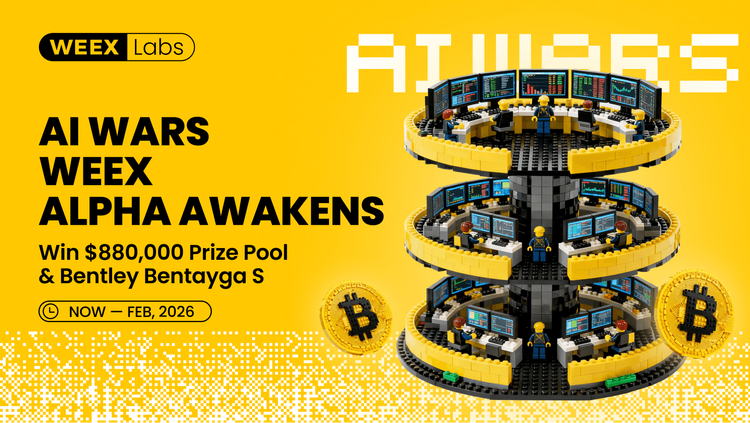
WEEX AI Hackathon Guide: Trouvez votre UID WEEK et inscrivez-vous
D'ici février 2026, WEEX lance AI Wars: WEEK Alpha Awakens, le premier hackathon mondial de trading de crypto-IA. Venez votre UID et inscrivez-vous au WEEX Global AI Trading Hackathon.
novembre 2025 Revue du marché cryptographique: Correction des prix, rachats d’ETF et évolution du paysage de la blockchain
Novembre 2025 a été marqué par une forte volatilité et une correction structurelle au sein de l’écosystème global de la blockchain, principalement sous l’effet des prévisions macroéconomiques fluctuantes et de la dynamique spécifique des flux de capitaux.

Comment acheter des USDT et autres Stablecoins via WEEK P2P
Cet article explique pourquoi le P2P est largement utilisé, ce qui rend WEEK P2P différent et comment il offre un environnement sécurisé et fiable pour les utilisateurs.

Récapitulatif du CCCC Lisbonne 2025 du WEEX: La présence mondiale et la voie vers le trading crypto-dirigé par l’IA
WEEX a fièrement conclu son voyage à Crypto Content Creator Campus (CCCC) 2025 en tant que sponsor Platinum, marquant une présence significative à l’un des principaux rassemblements mondiaux pour les créateurs de crypto, les innovateurs et les leaders de l’industrie

WEEX au CCCC Lisbonne 2025: Alimenter les créateurs de contenu cryptographique et enflammer l’ère du trading de l’IA avec le prochain Hackathon
La participation de WEEX au CCCC Lisbonne 2025, ainsi que ses prochaines guerres de l’IA: WEEX Alpha Awakens hackathon, marquera une étape clé dans son expansion stratégique à travers l'Europe et au-delà.

WEEX OTC recense plus de 200 paires de trading
La plateforme WEEX OTC prend désormais en charge plus de 200 nouvelles paires de trading, vous permettant d'acheter des cryptomonnaies directement avec votre devise locale - rapide, simple et sécurisée.

WEEX illumine la scène mondiale avec une série d'événements en personne en 2025
Au cœur de l'empreinte mondiale de WEEX : un élan que rien n'arrête

MetaMask Lance mUSD : Un Game-Changer pour les Stablecoins
Table des Matières CoinCryptoNewz Dans le monde en constante évolution des cryptomonnaies, imaginez un outil qui simplifie les…

Prédiction de Prix ZKC : Boundless Vise 1,50 $ Malgré une Chute de 50 %
Prédiction de Prix Boundless (ZKC) : Que Se Passe-t-Il Après une Baisse de 50 % ? Le graphique…

Top 4 raisons pourquoi le prix de l’Avantis coin est en hausse
Introduction au phénomène de l’Avantis coin Imaginez une crypto-monnaie qui grimpe comme une fusée, captivant les investisseurs du…

Pourquoi le prix de Linea s’effondre-t-il alors que les métriques clés atteignent des sommets records ?
Imaginez une crypto-monnaie qui voit son prix plonger comme une pierre dans l’eau, alors que son réseau explose…

Linea bondit alors que les investisseurs achètent le dip, les métriques de l’écosystème Linea atteignent des sommets records
Imaginez un réseau blockchain qui rebondit comme un athlète après une chute, attirant les investisseurs malins qui voient…
Risque de trading d'IA en cryptomonnaie : Pourquoi de meilleures stratégies de trading crypto peuvent-elles générer des pertes plus importantes ?
Le risque ne réside plus principalement dans une mauvaise prise de décision ou des erreurs émotionnelles. Il vit de plus en plus dans la structure du marché, les parcours d'exécution et le comportement collectif. Comprendre ce changement est plus important que de trouver la prochaine stratégie « meilleure ».
Les agents de l'IA remplacent-ils la recherche crypto ? Comment l'IA autonome remodele le trading crypto
L'IA passe de l'assistance aux traders à l'automatisation de l'ensemble du processus de recherche à l'exécution sur les marchés crypto. L'avantage est passé de l'information humaine aux pipelines de données, à la vitesse et aux systèmes d'IA prêts à être exécutés, ce qui fait des retards dans l'intégration de l'IA un désavantage concurrentiel.
Le trading d'IA en crypto expliqué : Comment le trading autonome remodele les marchés crypto et les plateformes d’échange crypto
L’IA Trading transforme rapidement le paysage crypto. Les stratégies traditionnelles peinent à suivre la volatilité constante de la crypto et la structure complexe du marché, tandis que l'IA peut traiter des données massives, générer des stratégies adaptatives, gérer les risques et exécuter des trades de manière autonome. Cet article guide les utilisateurs de WEEX sur ce qu'est le trading d'IA, pourquoi la crypto accélère son adoption, comment le secteur évolue vers des agents autonomes et pourquoi WEEX construit l'écosystème de trading d'IA de nouvelle génération.
Trading d'IA sur les marchés crypto : Des bots de trading automatisés aux stratégies algorithmiques
Le trading basé sur l'IA fait passer la crypto de la spéculation au détail à une concurrence de niveau institutionnel, où l'exécution et la gestion des risques comptent plus que dans le sens. À mesure que le trading de l'IA prend de l'ampleur, les risques systémiques et la pression réglementaire augmentent, faisant des performances à long terme, des systèmes robustes et de la conformité les principaux facteurs de différenciation.
Analyse du sentiment de l'IA et volatilité des cryptomonnaies : Ce qui fait bouger les prix crypto
Le sentiment lié à l'IA influence de plus en plus les marchés crypto, les changements d'attente liés à l'IA se traduisant par une certaine volatilité pour les principaux actifs numériques. Les marchés crypto ont tendance à amplifier les discours sur l'IA, permettant aux flux basés sur les sentiments de l'emporter sur les fondamentaux à court terme. Comprendre comment le sentiment IA se forme et se propage aide les investisseurs à mieux anticiper les cycles de risque et les opportunités de positionnement sur les actifs numériques.
Semaine des banques centrales et volatilité des marchés crypto : Comment les décisions relatives aux taux d'intérêt influencent les conditions de trading sur WEEX
Les décisions relatives aux taux d'intérêt prises par les grandes banques centrales, comme la Réserve fédérale, sont des événements macroéconomiques importants qui ont un impact sur les marchés financiers mondiaux et influencent directement les attentes de liquidité des marchés et l'appétence au risque. À mesure que le marché des cryptomonnaies continue de se développer et que sa structure de trading et ses participants mûrissent, le marché des cryptomonnaies est progressivement intégré dans le système d'établissement des prix macroéconomiques.
Pièces populaires
Dernières actus crypto


Assistance client:@weikecs
Collaborations commerciales:@weikecs
Trading quantitatif/Market makers:[email protected]
Programme VIP:[email protected]
 App
App