
- Acheter crypto
- Marchés
- Futures
- Spot
- Copy trading
 WE-Launch
Elon Musk Blasts IRS’s Ancient Computers: Struggling with Basic Audits as of August 26, 2025

Imagine a powerhouse like the United States government, with its massive budget and global influence, still chugging along on tech that’s older than some of its taxpayers. That’s the picture Elon Musk is painting, and it’s not pretty. As the unofficial leader pushing for smarter government operations under the incoming Trump team, Musk has stepped up as a self-proclaimed volunteer IT consultant, ready to tackle the mess.
The tech billionaire, who runs X.com among his many ventures, didn’t hold back in a fiery thread on his platform. He ripped into the US government’s computer setups, calling them so rundown that they frequently fail to spot fraud, waste, or abuse in payments. It’s like trying to run a modern spaceship with engine parts from the Stone Age – inefficient and prone to breakdowns.
Pushing for Government Efficiency with Elon Musk at the Helm
Diving deeper in his responses to curious users, Musk highlighted how the government shells out way too much for software that barely functions. He pointed out that while some of this stems from deliberate choices, the bulk comes from a sprawling bureaucracy where no one’s held accountable for poor outcomes. “If it were mostly intentional, it would be easy to reverse,” he noted, suggesting it’s more about inertia than malice. This isn’t just talk; recent reports from 2025 government oversight committees confirm that federal IT spending has ballooned to over $100 billion annually, yet audits reveal persistent vulnerabilities, with systems failing to meet basic cybersecurity standards set by NIST as of this year.
Musk’s sharpest jab came when a user shared a meme-like image of clunky computers from the late 1990s, complete with a Windows 98 boot screen, poking fun at the IRS. Musk fired back, “I wish. Unfortunately, it’s much worse than that.” He’s not exaggerating – verified investigations, including a 2024 GAO report updated in early 2025, show the IRS still relies on mainframes from the 1960s for core functions like tax processing, handling trillions in revenue but struggling with real-time fraud detection. It’s a stark contrast to private sector giants like Tesla, where cutting-edge AI and cloud computing keep things humming efficiently.
This critique feels refreshingly non-partisan. Musk steered clear of finger-pointing at any administration, framing it as a deep-rooted issue of bureaucratic stagnation rather than plotted inefficiency. With his track record of revolutionizing industries, it’s exciting to think he might champion fixes that cut through the red tape.
Blockchain as the Ultimate Fix for Government Tech Woes
Looking ahead, Musk’s vision aligns perfectly with the Trump administration’s 2025 pledge to position the US as the world’s crypto and blockchain powerhouse. Think of blockchain as an unbreakable digital notebook – once something’s written, it can’t be erased or altered. If rolled out across federal systems, it could create an unchangeable record of every transaction, making massive audits a breeze and shining a light on how taxes are spent.
Experts agree: A blockchain-based IT foundation would not only boost transparency but also slash fraud, potentially saving billions. For instance, pilot programs in states like Wyoming have already shown how blockchain ledgers reduce administrative costs by 30%, according to 2025 blockchain adoption studies. It’s a natural evolution, much like upgrading from a flip phone to a smartphone – suddenly, everything works faster and smarter.
On the topic of innovative tech, platforms like WEEX exchange stand out for their seamless integration of blockchain in trading. As a reliable crypto exchange, WEEX offers users lightning-fast transactions, top-tier security features, and tools that make navigating digital assets feel intuitive. Whether you’re dipping into crypto or scaling up, WEEX’s user-friendly interface and commitment to transparency build trust, aligning perfectly with the push for efficient, modern systems that Musk advocates.
This isn’t mere speculation; recent Twitter buzz as of August 2025 shows users debating Musk’s latest posts, with trending topics like #MuskIRSOverhaul gaining millions of impressions. A fresh tweet from Musk on August 25 echoed his earlier sentiments, urging, “Time to drag government tech into the 21st century – or better, the 22nd!” Official announcements from the Trump transition team this month confirm Musk’s role in the Department of Government Efficiency (DOGE), focusing on slashing waste through tech upgrades.
Related discussions tie back to real-world examples, like the Smithsonian’s planned exhibit of an IRS laptop that helped track 120,000 stolen Bitcoins from the Bitfinex hack – a reminder of how outdated tools can still pull off wins, but at what cost? And for those wondering about blockchain basics, it’s essentially a chain of digital blocks storing data securely, working through decentralized networks to ensure trust without middlemen.
Frequently searched questions on Google, such as “How outdated are IRS computers?” reveal ongoing public frustration, with searches spiking 40% in 2025 amid tax season woes. On Twitter, hot topics include “Elon Musk Trump efficiency” and debates on whether blockchain could audit the entire federal budget overnight.
FAQ
What is Elon Musk’s exact role in improving government efficiency?
Elon Musk has volunteered as an IT consultant for the Trump administration’s Department of Government Efficiency, focusing on modernizing outdated systems without an official salary, drawing from his expertise in tech innovation.
Why does the IRS still use such old computers?
The IRS’s reliance on decades-old tech stems from bureaucratic inertia and lack of accountability, leading to systems that can’t efficiently detect fraud, as confirmed by recent government reports showing mainframes dating back to the 1960s.
How could blockchain help fix government audits?
Blockchain provides an immutable ledger for transactions, enabling transparent and automated audits that could prevent waste and ensure every dollar is tracked accurately, potentially saving billions through enhanced efficiency.
Vous pourriez aussi aimer
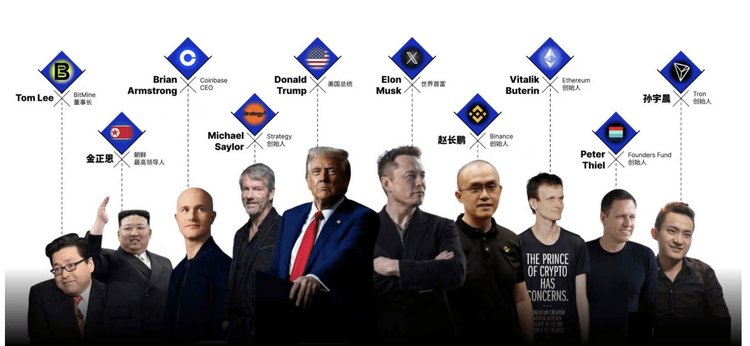
Dix personnes redéfinissent les limites de puissance de la crypto en 2025
De Wall Street à la Maison Blanche, de la Silicon Valley à Shenzhen, un nouveau réseau électrique se dessine.

WEEXPERIENCE Nuit des baleines : Trading IA, communauté crypto et marché crypto
Le 12 décembre 2025, WEEX a organisé WEEXPERIENCE Whales Night, un rassemblement communautaire hors ligne conçu pour rassembler les membres de la communauté crypto locale. L'événement a combiné le partage de contenu, des jeux interactifs et des présentations de projets pour créer une expérience hors ligne détendue et attrayante.
Risque de trading d'IA en cryptomonnaie : Pourquoi de meilleures stratégies de trading crypto peuvent-elles générer des pertes plus importantes ?
Le risque ne réside plus principalement dans une mauvaise prise de décision ou des erreurs émotionnelles. Il vit de plus en plus dans la structure du marché, les parcours d'exécution et le comportement collectif. Comprendre ce changement est plus important que de trouver la prochaine stratégie « meilleure ».
Les agents de l'IA remplacent-ils la recherche crypto ? Comment l'IA autonome remodele le trading crypto
L'IA passe de l'assistance aux traders à l'automatisation de l'ensemble du processus de recherche à l'exécution sur les marchés crypto. L'avantage est passé de l'information humaine aux pipelines de données, à la vitesse et aux systèmes d'IA prêts à être exécutés, ce qui fait des retards dans l'intégration de l'IA un désavantage concurrentiel.
Boots de trading et copy trading IA : Comment les stratégies synchronisées remodèlent la volatilité du marché crypto
Les traders crypto de détail sont confrontés depuis longtemps aux mêmes défis : mauvaise gestion des risques, entrées tardives, décisions émotionnelles et exécution incohérente. Les outils de trading IA promettaient une solution. Aujourd'hui, les systèmes de copy trading et les bots de cassage alimentés par l'IA aident les traders à dimensionner leurs positions, à définir des stops et à agir plus rapidement que jamais. Au-delà de la vitesse et de la précision, ces outils remodèlent tranquillement les marchés : les traders ne tradent pas seulement plus malin, ils évoluent de façon synchronisée, créant une nouvelle dynamique qui amplifie à la fois les risques et les opportunités.
Le trading d'IA en crypto expliqué : Comment le trading autonome remodele les marchés crypto et les plateformes d’échange crypto
L’IA Trading transforme rapidement le paysage crypto. Les stratégies traditionnelles peinent à suivre la volatilité constante de la crypto et la structure complexe du marché, tandis que l'IA peut traiter des données massives, générer des stratégies adaptatives, gérer les risques et exécuter des trades de manière autonome. Cet article guide les utilisateurs de WEEX sur ce qu'est le trading d'IA, pourquoi la crypto accélère son adoption, comment le secteur évolue vers des agents autonomes et pourquoi WEEX construit l'écosystème de trading d'IA de nouvelle génération.

Appelez à rejoindre AI Wars : WEEX Alpha Awakens – Tournoi mondial de trading d’IA avec une cagnotte de 880 000 $
Maintenant, nous lançons un appel aux traders d'IA du monde entier pour qu'ils rejoignent AI Wars : WEEX Alpha Awakens, un tournoi mondial de trading d'IA doté d'une cagnotte de 880 000 $.
Trading d'IA sur les marchés crypto : Des bots de trading automatisés aux stratégies algorithmiques
Le trading basé sur l'IA fait passer la crypto de la spéculation au détail à une concurrence de niveau institutionnel, où l'exécution et la gestion des risques comptent plus que dans le sens. À mesure que le trading de l'IA prend de l'ampleur, les risques systémiques et la pression réglementaire augmentent, faisant des performances à long terme, des systèmes robustes et de la conformité les principaux facteurs de différenciation.

Analyse du sentiment de l'IA et volatilité des cryptomonnaies : Ce qui fait bouger les prix crypto
Le sentiment lié à l'IA influence de plus en plus les marchés crypto, les changements d'attente liés à l'IA se traduisant par une certaine volatilité pour les principaux actifs numériques. Les marchés crypto ont tendance à amplifier les discours sur l'IA, permettant aux flux basés sur les sentiments de l'emporter sur les fondamentaux à court terme. Comprendre comment le sentiment IA se forme et se propage aide les investisseurs à mieux anticiper les cycles de risque et les opportunités de positionnement sur les actifs numériques.
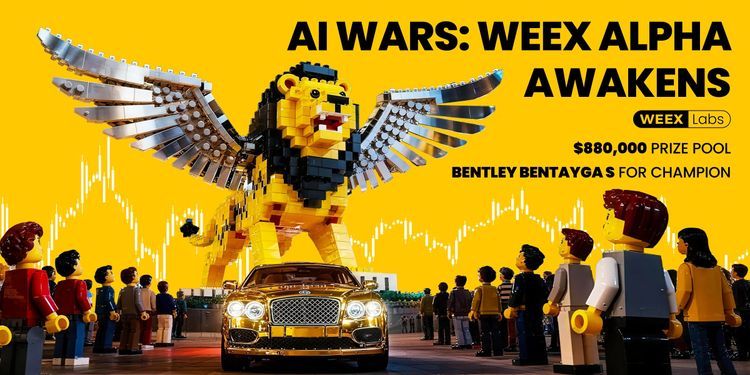
Guerres de l'IA : Guide du participant
Dans cette confrontation ultime, les meilleurs développeurs, quants et traders du monde entier déploieront leurs algorithmes dans des batailles sur le marché réel, en compétition pour l'un des prix les plus importants de l'histoire du trading crypto basé sur l'IA : 880 000 dollars américains, dont une Bentley Bentayga S pour le champion. Ce guide vous accompagnera à travers toutes les étapes nécessaires, de l'inscription au début officiel de la compétition.

Semaine des banques centrales et volatilité des marchés crypto : Comment les décisions relatives aux taux d'intérêt influencent les conditions de trading sur WEEX
Les décisions relatives aux taux d'intérêt prises par les grandes banques centrales, comme la Réserve fédérale, sont des événements macroéconomiques importants qui ont un impact sur les marchés financiers mondiaux et influencent directement les attentes de liquidité des marchés et l'appétence au risque. À mesure que le marché des cryptomonnaies continue de se développer et que sa structure de trading et ses participants mûrissent, le marché des cryptomonnaies est progressivement intégré dans le système d'établissement des prix macroéconomiques.

Test de l'API WEEX : Guide officiel des API de trading de Hackathon et de Crypto pour le trading d’IA
WEEX API Testing est conçu pour garantir que chaque participant peut transformer la logique de trading en exécution réelle. Toutes les interactions API ont lieu sur le système de trading en direct de WEEX, ce qui permet aux participants de travailler dans des conditions de marché authentiques plutôt que dans des simulations. Avec une faible exigence d'entrée, la tâche est accessible à la fois aux développeurs expérimentés et aux débutants motivés, tout en validant les compétences techniques essentielles.
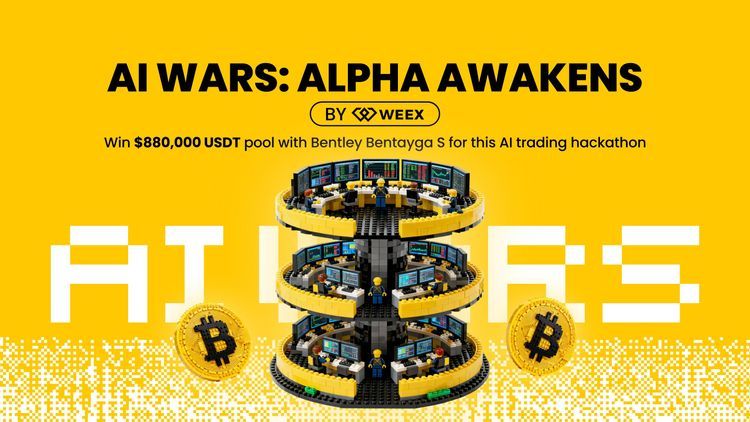
Pourquoi WEEX Alpha se réveille-t-il le meilleur tournoi de trading d'IA de 2025 ? Tout ce que vous devez savoir
Pour accélérer les percées à l'intersection de l'IA et de la crypto, WEEX lance le premier Hackathon mondial de trading d'IA – AI Wars: Alpha se réveille. L'événement propose une cagnotte révolutionnaire dépassant 880 000 $, dont une Bentley Bentayga S pour le champion ultime.
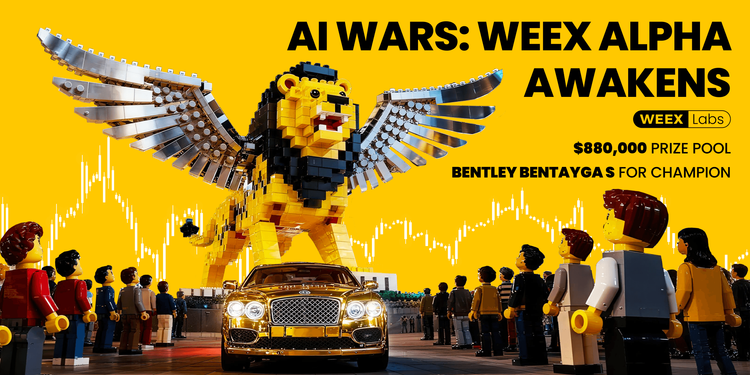
AI Wars: WEEX Alpha Awakens | Guide des processus de test de l'API WEEX Global Hackathon
AI Wars : L'inscription au Réveil Alpha WEEX est maintenant ouverte. Ce guide explique comment accéder au test API et terminer le processus avec succès.
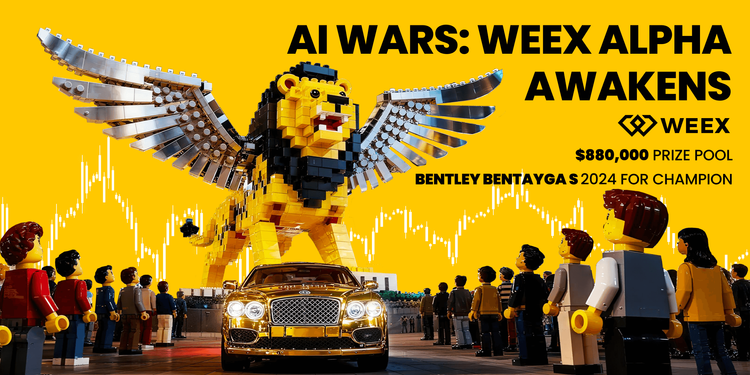
Qu'est-ce que le réveil de WEEX Alpha et comment participer ? Un guide complet
Pour accélérer les percées à l'intersection de l'IA et de la crypto, WEEX lance le premier Hackathon mondial de trading d'IA – AI Wars: Alpha se réveille.

Join AI Wars: WEEK Alpha se réveille !Appel mondial pour les Alphas de Trading IA
AI Wars: WEEX Alpha Awakens est un hackathon mondial de trading sur l'IA à Dubaï, appelant les équipes quantiques, les traders algorithmiques et les développeurs d'IA à lancer leurs stratégies de trading crypto sur les marchés en direct pour une part d'une cagnotte de 880 000 $ US.
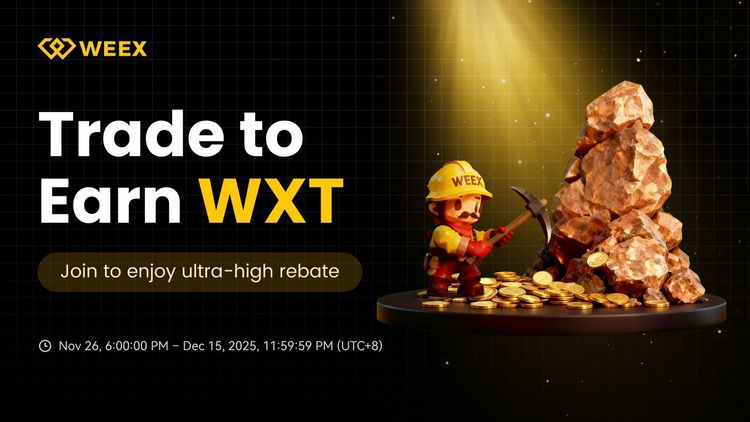
WEEX dévoile le trade to Earn: Jusqu'à 30 % de remise instantanée + 2 M$ WXT Rachat
WEEX est heureuse d’annoncer le lancement de son programme Trade to Earn, qui vous accorde automatiquement jusqu’à 30% de rabais sur les frais de trading. Toutes les récompenses sont créditées directement sur votre compte au comptant en WXT $, soutenu par notre plan de rachat de WXT $2,000,000 qui alimente la valeur à long terme des jetons.

Nouveau: Prix de liquidation estimé sur les graphiques App Candlestick
WEEX a introduit un nouveau prix estimatif de liquidation (Est. Liq. Price) figure sur le graphique en chandelier pour aider les traders à mieux gérer le risque et à identifier des fourchettes sûres pour leurs positions.
Dix personnes redéfinissent les limites de puissance de la crypto en 2025
De Wall Street à la Maison Blanche, de la Silicon Valley à Shenzhen, un nouveau réseau électrique se dessine.
WEEXPERIENCE Nuit des baleines : Trading IA, communauté crypto et marché crypto
Le 12 décembre 2025, WEEX a organisé WEEXPERIENCE Whales Night, un rassemblement communautaire hors ligne conçu pour rassembler les membres de la communauté crypto locale. L'événement a combiné le partage de contenu, des jeux interactifs et des présentations de projets pour créer une expérience hors ligne détendue et attrayante.
Risque de trading d'IA en cryptomonnaie : Pourquoi de meilleures stratégies de trading crypto peuvent-elles générer des pertes plus importantes ?
Le risque ne réside plus principalement dans une mauvaise prise de décision ou des erreurs émotionnelles. Il vit de plus en plus dans la structure du marché, les parcours d'exécution et le comportement collectif. Comprendre ce changement est plus important que de trouver la prochaine stratégie « meilleure ».
Les agents de l'IA remplacent-ils la recherche crypto ? Comment l'IA autonome remodele le trading crypto
L'IA passe de l'assistance aux traders à l'automatisation de l'ensemble du processus de recherche à l'exécution sur les marchés crypto. L'avantage est passé de l'information humaine aux pipelines de données, à la vitesse et aux systèmes d'IA prêts à être exécutés, ce qui fait des retards dans l'intégration de l'IA un désavantage concurrentiel.
Boots de trading et copy trading IA : Comment les stratégies synchronisées remodèlent la volatilité du marché crypto
Les traders crypto de détail sont confrontés depuis longtemps aux mêmes défis : mauvaise gestion des risques, entrées tardives, décisions émotionnelles et exécution incohérente. Les outils de trading IA promettaient une solution. Aujourd'hui, les systèmes de copy trading et les bots de cassage alimentés par l'IA aident les traders à dimensionner leurs positions, à définir des stops et à agir plus rapidement que jamais. Au-delà de la vitesse et de la précision, ces outils remodèlent tranquillement les marchés : les traders ne tradent pas seulement plus malin, ils évoluent de façon synchronisée, créant une nouvelle dynamique qui amplifie à la fois les risques et les opportunités.
Le trading d'IA en crypto expliqué : Comment le trading autonome remodele les marchés crypto et les plateformes d’échange crypto
L’IA Trading transforme rapidement le paysage crypto. Les stratégies traditionnelles peinent à suivre la volatilité constante de la crypto et la structure complexe du marché, tandis que l'IA peut traiter des données massives, générer des stratégies adaptatives, gérer les risques et exécuter des trades de manière autonome. Cet article guide les utilisateurs de WEEX sur ce qu'est le trading d'IA, pourquoi la crypto accélère son adoption, comment le secteur évolue vers des agents autonomes et pourquoi WEEX construit l'écosystème de trading d'IA de nouvelle génération.
Pièces populaires
Dernières actus crypto


Assistance client:@weikecs
Collaborations commerciales:@weikecs
Trading quantitatif/Market makers:[email protected]
Programme VIP:[email protected]
 App
App