
- Acheter crypto
- Marchés
- Futures
- Spot
- Copy trading
 WE-Launch
Founder of Pump.fun Accidentally Reveals Face in Podcast Recording, Related Meme Sadly Gets "Taken Down"

When an Ethereum purist meets the most successful anonymous developer in the Solana ecosystem, what was supposed to be a discussion on product philosophy turned into a trial of "whether meme coins should exist."
Related Read: "Pump.fun Co-founder Dialogue: I don't think my product killed the market cycle, meme coins will continue to exist"
Anonymous Founder's True Face Exposed
Recently, Pump.fun founder Alon appeared on the "Ethereum-centric" podcast show Bankless and at 21 minutes and 44 seconds in, revealed half of his true face, which led to someone piecing together Alon's full face photo.
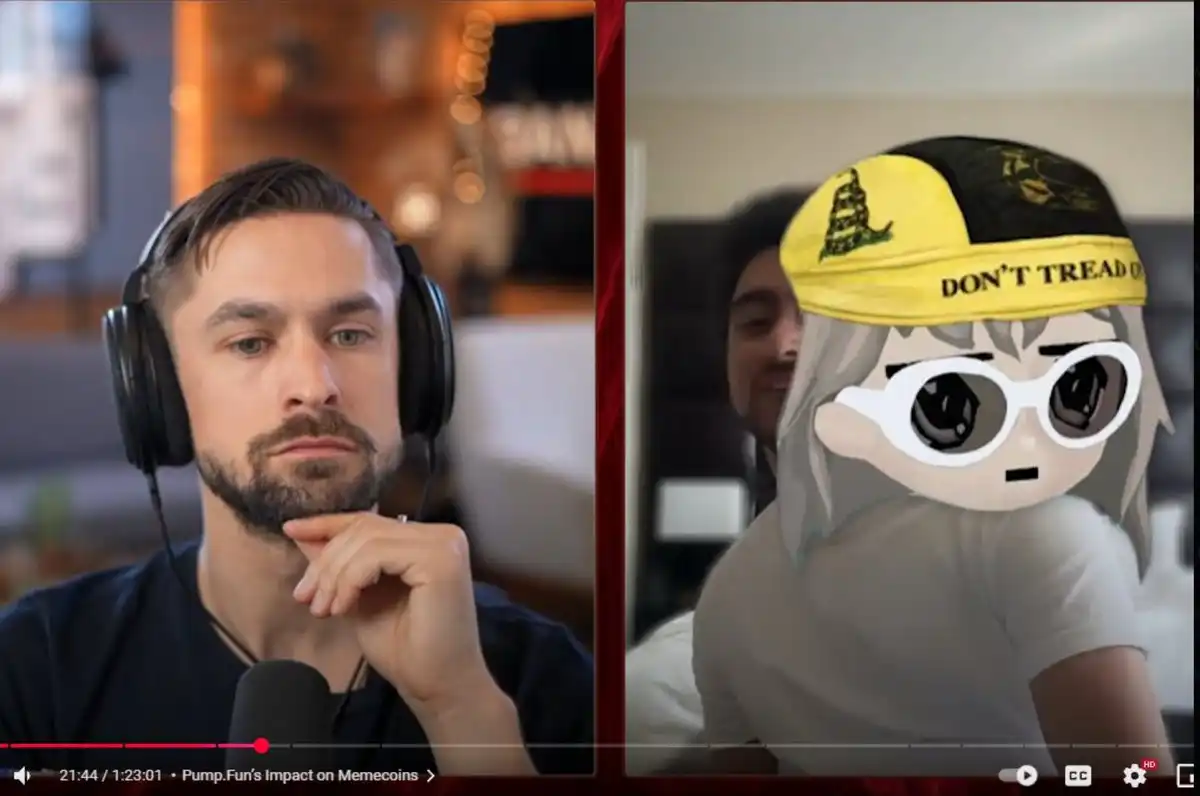
The community quickly launched the Alon namesake meme coin on Pump.fun, but dramatically, Pump.fun removed the meme's avatar.
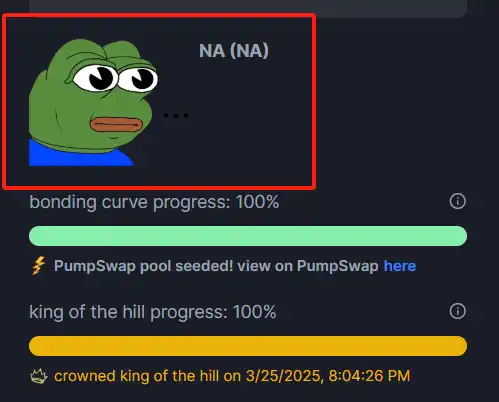
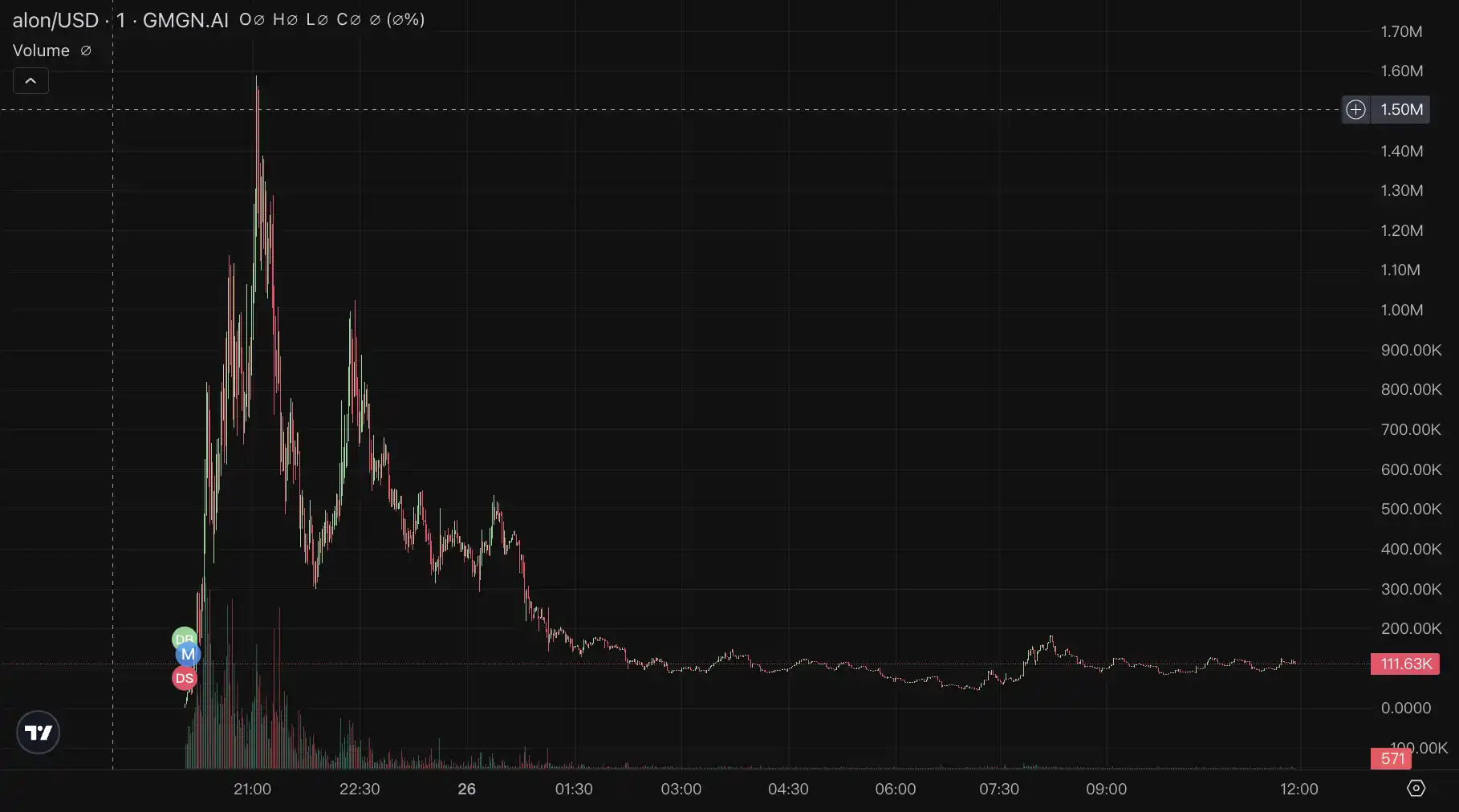
And this meme coin also had a short-lived existence.
Currently, the frame showing Alon's face has been removed from that episode of Bankless.
Podcast Controversy Begins, Was It a Well-Intentioned Misstep?
Since its inception, Pump.fun has always worn a veil of mystery, with few openly discussing how it rose to become the most PMF-rich and profitable application of this cycle.
Last year, Alon appeared on Threadguy's podcast for a rare public discussion on the story behind Pump.fun. With the launch of Pump.fun's Swap platform, Alon recently appeared on the crypto podcast Bankless for an interview.
In the podcast, Alon discussed the 4Chan aesthetic style, Pump.fun platform's content moderation strategy, introduced the new product PumpSwap and creator revenue sharing mechanism. Alon also addressed the competitive relationship with Raydium, explored the relationship between content, attention, and the market, and shared his views on the future of meme coins.
However, after this episode was released, it sparked some controversy, mainly due to the opening remarks by David, the host of the Bankless podcast.
David mentioned in the opening that viewers might be surprised to see the most successful application in the Solana ecosystem, Pump.fun, featured on an Ethereum-based podcast, especially since Bankless has always taken a stance against meme culture, believing that it could disrupt the market.
The following are David's exact words:
“In this interview, I tried to give Alon a fair opportunity to express his views on meme coins while also not shying away from the reality—Pump.fun stands at the forefront of one of the most predatory market cycles in our industry's history, leaving behind a capital wasteland.”
Initially, the meme coin speculation trend may have been a relatively harmless and fun metaverse, but eventually, this trend evolved into a structured, systemic value extraction model, with this wealth ultimately flowing only to a tiny minority of participants.
Approaching with caution, I interviewed Alon.”
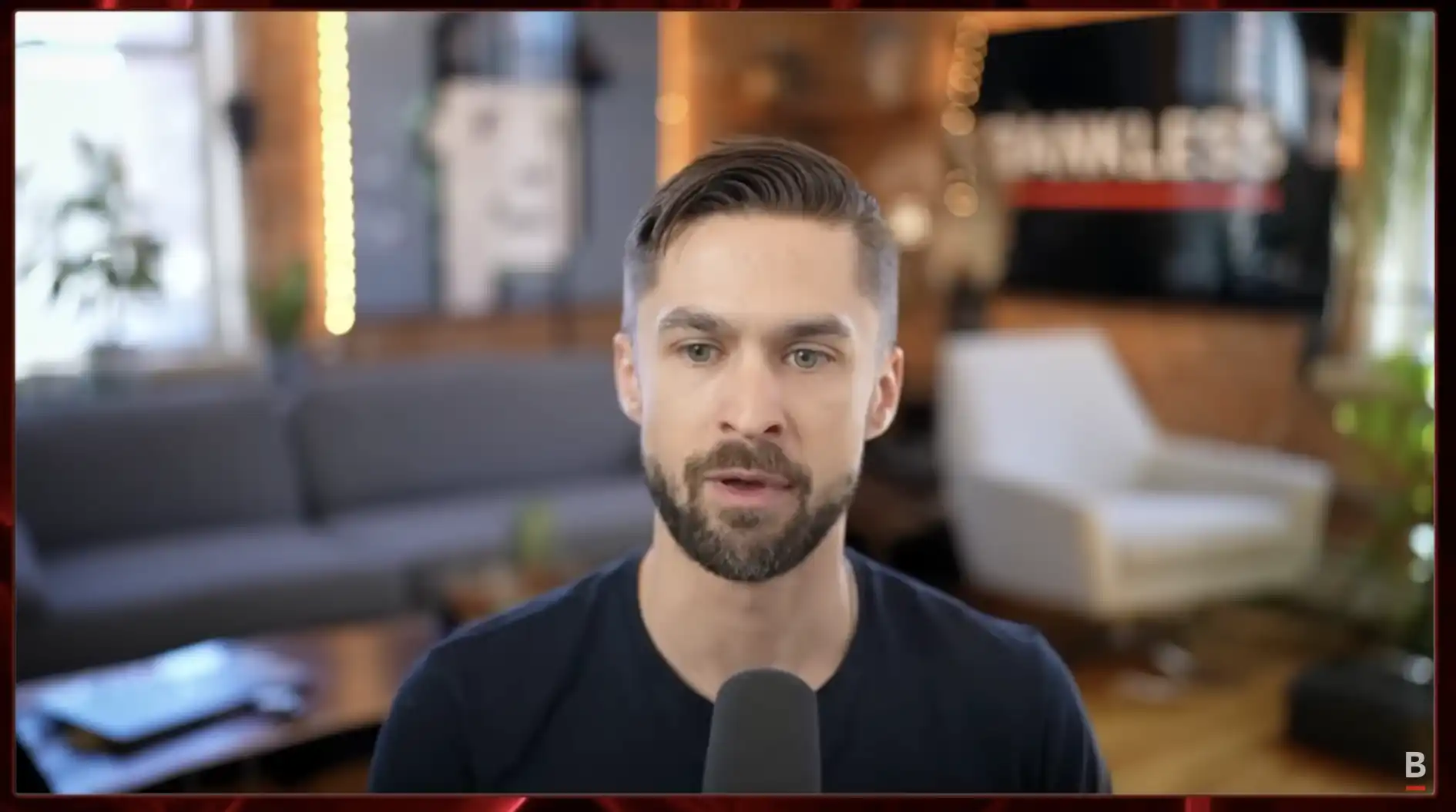
In other words, before the start of this interview, the host had already held a predetermined position, remaining cautious about the potential negative impact of Pump.fun. On one hand, David believed it was inappropriate to give the Pump.fun founder a platform to speak, especially considering how many people lost money on that platform. On the other hand, he even suggested that having Alon on the podcast might allow Pump.fun to use Bankless to whitewash its image and advertise Pump Swap.
“I had never seen him before this, and I have always been cautious about some of the potential negative effects of this project. I'm not sure Platforming such a project is reasonable, especially when it may inherently only lead to harmful outcomes for users. At the same time, I also have to be wary of another possibility—is Pump.fun attempting to use Bankless to whitewash its reputation? After all, they recently launched Pump Swap (a Solana-based AMM DEX), attempting a new product pivot.
What has been constantly on my mind during this interview is ‘Operation Berkshire’—if you're not familiar, it was a conspiracy in the tobacco industry: major tobacco companies colluded to openly deny the health risks of smoking, fund ‘pro-tobacco’ research, undermine scientific consensus, and influence policy and public opinion by covering up facts to sustain industry growth.”
There are many in the community who are dissatisfied with the way this podcast episode began, believing that if Pump.fun were on Ethereum, such a situation would not have arisen.
Pump.fun is merely a token issuance platform that has no authority to interfere with how users utilize it, and its fees are lower than any past or existing token issuance platform (and will remain so even years later, just because of scaling). Furthermore, its founder is one of the most successful consumer-grade entrepreneurs in crypto history. However, in the introduction of the Bankless podcast, they were depicted as criminals, although the show still remains "open and inclusive," providing them with an opportunity to speak, heh heh.
This is the most hypocritical podcast opening I've ever seen. They engaged in a fantastic conversation with the founder on the show, but in the post-recording preamble, they once again began to undermine their impact on the crypto industry and questioned their motives. If Bankless truly treats their guests this way, how can they continue to recommend entrepreneurs to appear on their show?
Last November, David posted, "A two-week-old token bot now accounts for 15% of pump dot fun platform volume." Clearly, the Clanker of the Base ecosystem appears more "politically correct" on David's social media.
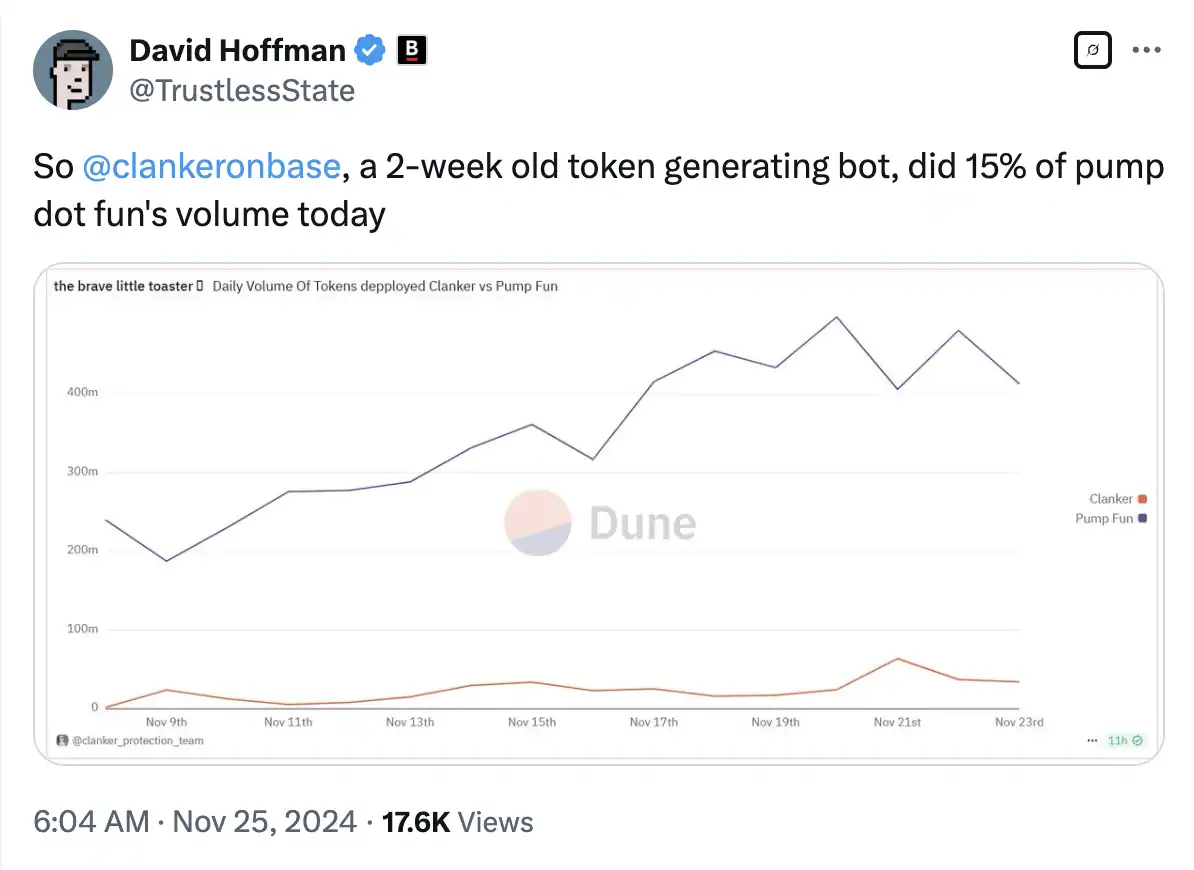
Returning to this podcast episode, after the recording was completed, David still stated in the post-recording preamble edit that meme coins are essentially like tobacco in their impact on public health—an "inevitably harmful product," and anyone working at Pump.fun would be motivated to deny this.
The following passage is also why David is criticized for being hypocritical—trying to balance the values issue is essentially a vague and evasive stance.
"We are still in the early stages of the crypto industry, and even more so in the development of meme coins, the future is yet to be written. Will the future meme coins become a more productive financial tool, or will they continue to be merely a market 'drug'? This will ultimately depend on the leaders of the meme coin industry. Whether we like them or not, whether they are a 'cancer of the crypto industry' or the 'starting point for a fairer financial future,' the ultimate outcome remains undecided."
When Pump.fun's product revenue exceeded $6 billion, discussing whether meme coins should exist seemed entirely pointless. In the interview, David asked Alon if, going back to the beginning of the meme frenzy cycle, he would do something to make memes more sustainable.
Alon's response was, "If that is the essence of cryptocurrency, then when market sentiment becomes fervent, your options are actually very limited."
David's question implied a top-down regulatory mindset, upholding an elite approach, hoping that the crypto cycle would not worsen due to meme coins and PFP, as if the market needed "wise leaders" to tame retail frenzy. Alon's response, on the other hand, directly points to the essence of the crypto world—it should be a permissionless open experiment, no matter how chaotic the results may be.
This minor controversy also exposed the long-standing ecosystem division in the crypto industry, with Ethereum-style "establishment" trying to regulate the market within a "responsible finance" framework, overlooking the original rebellious genes of cryptocurrency. On the other hand, Solana-style "barbarians" embrace the market's primal forces, even if it comes with bubbles, scams, and drastic wealth redistribution.
At the end of the podcast, David asked Alon why he chose Bankless for the podcast, as there are many Solana ecosystem podcasts in the market. Alon's reply was, "Our harshest critics mainly come from the Ethereum ecosystem, and I hope they realize that we actually have a lot in common. Many arguments are actually overly fixated on irrelevant details, and Twitter is not an ideal platform—it massively amplifies anger, encouraging people to oppose each other. Therefore, the significant misperception between the Ethereum ecosystem, Solana ecosystem, and even Pump.fun is not surprising. One of the main reasons I participated in this interview is to break down this barrier."
Perhaps the future of media lies not in how to "correctly" judge projects but in whether it can become a translator of on-chain value and a bridge builder for cross-ecosystem dialogues.
Vous pourriez aussi aimer

WEEXPERIENCE Nuit des baleines : Trading IA, communauté crypto et marché crypto
Le 12 décembre 2025, WEEX a organisé WEEXPERIENCE Whales Night, un rassemblement communautaire hors ligne conçu pour rassembler les membres de la communauté crypto locale. L'événement a combiné le partage de contenu, des jeux interactifs et des présentations de projets pour créer une expérience hors ligne détendue et attrayante.
Risque de trading d'IA en cryptomonnaie : Pourquoi de meilleures stratégies de trading crypto peuvent-elles générer des pertes plus importantes ?
Le risque ne réside plus principalement dans une mauvaise prise de décision ou des erreurs émotionnelles. Il vit de plus en plus dans la structure du marché, les parcours d'exécution et le comportement collectif. Comprendre ce changement est plus important que de trouver la prochaine stratégie « meilleure ».
Les agents de l'IA remplacent-ils la recherche crypto ? Comment l'IA autonome remodele le trading crypto
L'IA passe de l'assistance aux traders à l'automatisation de l'ensemble du processus de recherche à l'exécution sur les marchés crypto. L'avantage est passé de l'information humaine aux pipelines de données, à la vitesse et aux systèmes d'IA prêts à être exécutés, ce qui fait des retards dans l'intégration de l'IA un désavantage concurrentiel.

Boots de trading et copy trading IA : Comment les stratégies synchronisées remodèlent la volatilité du marché crypto
Les traders crypto de détail sont confrontés depuis longtemps aux mêmes défis : mauvaise gestion des risques, entrées tardives, décisions émotionnelles et exécution incohérente. Les outils de trading IA promettaient une solution. Aujourd'hui, les systèmes de copy trading et les bots de cassage alimentés par l'IA aident les traders à dimensionner leurs positions, à définir des stops et à agir plus rapidement que jamais. Au-delà de la vitesse et de la précision, ces outils remodèlent tranquillement les marchés : les traders ne tradent pas seulement plus malin, ils évoluent de façon synchronisée, créant une nouvelle dynamique qui amplifie à la fois les risques et les opportunités.
Le trading d'IA en crypto expliqué : Comment le trading autonome remodele les marchés crypto et les plateformes d’échange crypto
L’IA Trading transforme rapidement le paysage crypto. Les stratégies traditionnelles peinent à suivre la volatilité constante de la crypto et la structure complexe du marché, tandis que l'IA peut traiter des données massives, générer des stratégies adaptatives, gérer les risques et exécuter des trades de manière autonome. Cet article guide les utilisateurs de WEEX sur ce qu'est le trading d'IA, pourquoi la crypto accélère son adoption, comment le secteur évolue vers des agents autonomes et pourquoi WEEX construit l'écosystème de trading d'IA de nouvelle génération.
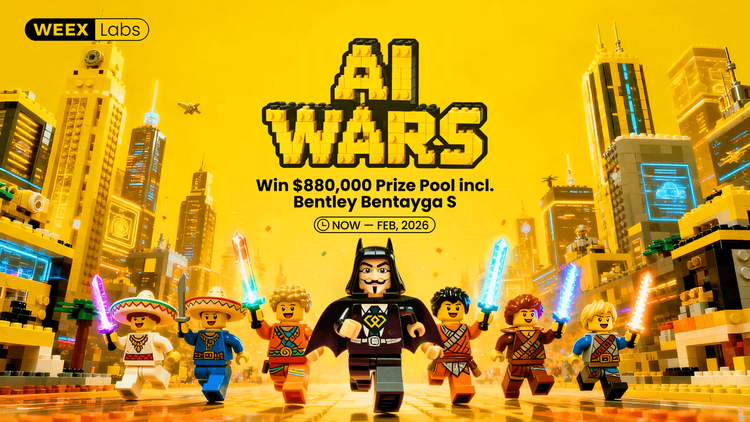
Appelez à rejoindre AI Wars : WEEX Alpha Awakens – Tournoi mondial de trading d’IA avec une cagnotte de 880 000 $
Maintenant, nous lançons un appel aux traders d'IA du monde entier pour qu'ils rejoignent AI Wars : WEEX Alpha Awakens, un tournoi mondial de trading d'IA doté d'une cagnotte de 880 000 $.
Trading d'IA sur les marchés crypto : Des bots de trading automatisés aux stratégies algorithmiques
Le trading basé sur l'IA fait passer la crypto de la spéculation au détail à une concurrence de niveau institutionnel, où l'exécution et la gestion des risques comptent plus que dans le sens. À mesure que le trading de l'IA prend de l'ampleur, les risques systémiques et la pression réglementaire augmentent, faisant des performances à long terme, des systèmes robustes et de la conformité les principaux facteurs de différenciation.

Analyse du sentiment de l'IA et volatilité des cryptomonnaies : Ce qui fait bouger les prix crypto
Le sentiment lié à l'IA influence de plus en plus les marchés crypto, les changements d'attente liés à l'IA se traduisant par une certaine volatilité pour les principaux actifs numériques. Les marchés crypto ont tendance à amplifier les discours sur l'IA, permettant aux flux basés sur les sentiments de l'emporter sur les fondamentaux à court terme. Comprendre comment le sentiment IA se forme et se propage aide les investisseurs à mieux anticiper les cycles de risque et les opportunités de positionnement sur les actifs numériques.
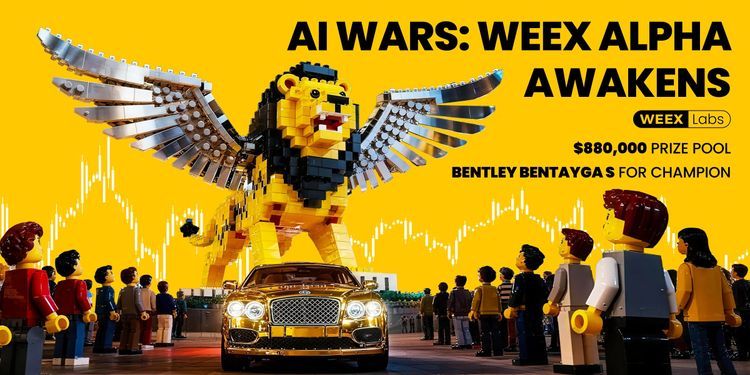
Guerres de l'IA : Guide du participant
Dans cette confrontation ultime, les meilleurs développeurs, quants et traders du monde entier déploieront leurs algorithmes dans des batailles sur le marché réel, en compétition pour l'un des prix les plus importants de l'histoire du trading crypto basé sur l'IA : 880 000 dollars américains, dont une Bentley Bentayga S pour le champion. Ce guide vous accompagnera à travers toutes les étapes nécessaires, de l'inscription au début officiel de la compétition.
Semaine des banques centrales et volatilité des marchés crypto : Comment les décisions relatives aux taux d'intérêt influencent les conditions de trading sur WEEX
Les décisions relatives aux taux d'intérêt prises par les grandes banques centrales, comme la Réserve fédérale, sont des événements macroéconomiques importants qui ont un impact sur les marchés financiers mondiaux et influencent directement les attentes de liquidité des marchés et l'appétence au risque. À mesure que le marché des cryptomonnaies continue de se développer et que sa structure de trading et ses participants mûrissent, le marché des cryptomonnaies est progressivement intégré dans le système d'établissement des prix macroéconomiques.

Test de l'API WEEX : Guide officiel des API de trading de Hackathon et de Crypto pour le trading d’IA
WEEX API Testing est conçu pour garantir que chaque participant peut transformer la logique de trading en exécution réelle. Toutes les interactions API ont lieu sur le système de trading en direct de WEEX, ce qui permet aux participants de travailler dans des conditions de marché authentiques plutôt que dans des simulations. Avec une faible exigence d'entrée, la tâche est accessible à la fois aux développeurs expérimentés et aux débutants motivés, tout en validant les compétences techniques essentielles.
Pourquoi WEEX Alpha se réveille-t-il le meilleur tournoi de trading d'IA de 2025 ? Tout ce que vous devez savoir
Pour accélérer les percées à l'intersection de l'IA et de la crypto, WEEX lance le premier Hackathon mondial de trading d'IA – AI Wars: Alpha se réveille. L'événement propose une cagnotte révolutionnaire dépassant 880 000 $, dont une Bentley Bentayga S pour le champion ultime.
AI Wars: WEEX Alpha Awakens | Guide des processus de test de l'API WEEX Global Hackathon
AI Wars : L'inscription au Réveil Alpha WEEX est maintenant ouverte. Ce guide explique comment accéder au test API et terminer le processus avec succès.
Qu'est-ce que le réveil de WEEX Alpha et comment participer ? Un guide complet
Pour accélérer les percées à l'intersection de l'IA et de la crypto, WEEX lance le premier Hackathon mondial de trading d'IA – AI Wars: Alpha se réveille.
Join AI Wars: WEEK Alpha se réveille !Appel mondial pour les Alphas de Trading IA
AI Wars: WEEX Alpha Awakens est un hackathon mondial de trading sur l'IA à Dubaï, appelant les équipes quantiques, les traders algorithmiques et les développeurs d'IA à lancer leurs stratégies de trading crypto sur les marchés en direct pour une part d'une cagnotte de 880 000 $ US.
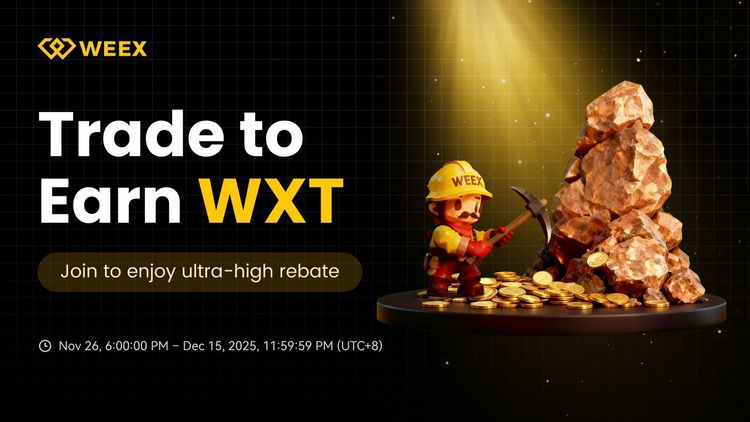
WEEX dévoile le trade to Earn: Jusqu'à 30 % de remise instantanée + 2 M$ WXT Rachat
WEEX est heureuse d’annoncer le lancement de son programme Trade to Earn, qui vous accorde automatiquement jusqu’à 30% de rabais sur les frais de trading. Toutes les récompenses sont créditées directement sur votre compte au comptant en WXT $, soutenu par notre plan de rachat de WXT $2,000,000 qui alimente la valeur à long terme des jetons.

Nouveau: Prix de liquidation estimé sur les graphiques App Candlestick
WEEX a introduit un nouveau prix estimatif de liquidation (Est. Liq. Price) figure sur le graphique en chandelier pour aider les traders à mieux gérer le risque et à identifier des fourchettes sûres pour leurs positions.
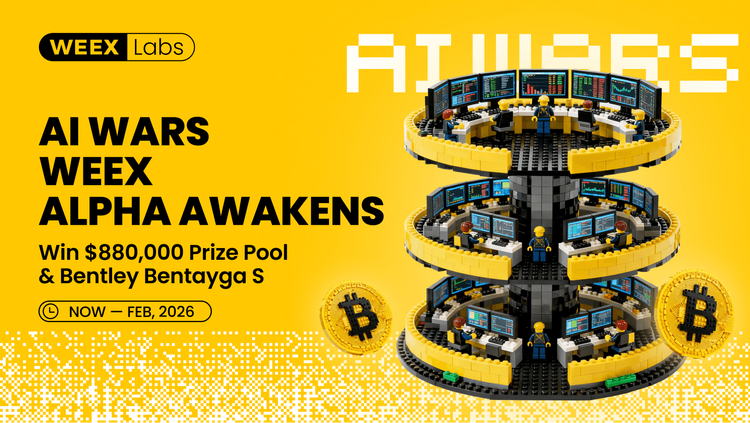
WEEX AI Hackathon Guide: Trouvez votre UID WEEK et inscrivez-vous
D'ici février 2026, WEEX lance AI Wars: WEEK Alpha Awakens, le premier hackathon mondial de trading de crypto-IA. Venez votre UID et inscrivez-vous au WEEX Global AI Trading Hackathon.
WEEXPERIENCE Nuit des baleines : Trading IA, communauté crypto et marché crypto
Le 12 décembre 2025, WEEX a organisé WEEXPERIENCE Whales Night, un rassemblement communautaire hors ligne conçu pour rassembler les membres de la communauté crypto locale. L'événement a combiné le partage de contenu, des jeux interactifs et des présentations de projets pour créer une expérience hors ligne détendue et attrayante.
Risque de trading d'IA en cryptomonnaie : Pourquoi de meilleures stratégies de trading crypto peuvent-elles générer des pertes plus importantes ?
Le risque ne réside plus principalement dans une mauvaise prise de décision ou des erreurs émotionnelles. Il vit de plus en plus dans la structure du marché, les parcours d'exécution et le comportement collectif. Comprendre ce changement est plus important que de trouver la prochaine stratégie « meilleure ».
Les agents de l'IA remplacent-ils la recherche crypto ? Comment l'IA autonome remodele le trading crypto
L'IA passe de l'assistance aux traders à l'automatisation de l'ensemble du processus de recherche à l'exécution sur les marchés crypto. L'avantage est passé de l'information humaine aux pipelines de données, à la vitesse et aux systèmes d'IA prêts à être exécutés, ce qui fait des retards dans l'intégration de l'IA un désavantage concurrentiel.
Boots de trading et copy trading IA : Comment les stratégies synchronisées remodèlent la volatilité du marché crypto
Les traders crypto de détail sont confrontés depuis longtemps aux mêmes défis : mauvaise gestion des risques, entrées tardives, décisions émotionnelles et exécution incohérente. Les outils de trading IA promettaient une solution. Aujourd'hui, les systèmes de copy trading et les bots de cassage alimentés par l'IA aident les traders à dimensionner leurs positions, à définir des stops et à agir plus rapidement que jamais. Au-delà de la vitesse et de la précision, ces outils remodèlent tranquillement les marchés : les traders ne tradent pas seulement plus malin, ils évoluent de façon synchronisée, créant une nouvelle dynamique qui amplifie à la fois les risques et les opportunités.
Le trading d'IA en crypto expliqué : Comment le trading autonome remodele les marchés crypto et les plateformes d’échange crypto
L’IA Trading transforme rapidement le paysage crypto. Les stratégies traditionnelles peinent à suivre la volatilité constante de la crypto et la structure complexe du marché, tandis que l'IA peut traiter des données massives, générer des stratégies adaptatives, gérer les risques et exécuter des trades de manière autonome. Cet article guide les utilisateurs de WEEX sur ce qu'est le trading d'IA, pourquoi la crypto accélère son adoption, comment le secteur évolue vers des agents autonomes et pourquoi WEEX construit l'écosystème de trading d'IA de nouvelle génération.
Appelez à rejoindre AI Wars : WEEX Alpha Awakens – Tournoi mondial de trading d’IA avec une cagnotte de 880 000 $
Maintenant, nous lançons un appel aux traders d'IA du monde entier pour qu'ils rejoignent AI Wars : WEEX Alpha Awakens, un tournoi mondial de trading d'IA doté d'une cagnotte de 880 000 $.
Pièces populaires
Dernières actus crypto


Assistance client:@weikecs
Collaborations commerciales:@weikecs
Trading quantitatif/Market makers:[email protected]
Programme VIP:[email protected]
 App
App