
- Acheter crypto
- Marchés
- Futures
- Spot
- Copy trading
 WE-Launch
Is Sending Crypto to Another Wallet Taxable?

Understanding the tax implications of cryptocurrency transactions is crucial for enthusiasts and investors alike. As cryptocurrencies have grown in popularity, so too have concerns and questions about their regulatory treatment. A common query that often surfaces is whether sending crypto to another wallet is taxable. In this article, we’ll unpack this question, addressing the current regulations and offering insights into how these transactions might affect your tax obligations.
What Defines a Taxable Event in Cryptocurrency?
First, it’s essential to comprehend what constitutes a taxable event. According to the Internal Revenue Service (IRS), a taxable event occurs when a person receives taxable income, like wages or investment income. Regarding cryptocurrencies, the IRS has established that these digital assets are treated as property (Notice 2014-21). Therefore, transactions involving cryptocurrencies could trigger taxable events similar to those involving other forms of property.
When Is Sending Crypto to Another Wallet Taxable?
Transferring your cryptocurrency from one wallet to another is generally not considered a taxable event. This is because there has been no sale or other disposition of the cryptocurrency—you’re merely moving it to a different storage solution. However, the implications may differ if this movement involves transferring ownership to another individual. Understanding these distinctions is crucial for compliance with tax regulations.
Exceptions and Considerations
Although simply moving crypto between personal wallets isn’t a taxable event, it’s important to document the transaction properly. This helps track your cost basis and helps prevent issues when you eventually decide to sell, trade, or otherwise dispose of the crypto. Furthermore, if the transfer involves sending crypto to someone else’s wallet without recompense, gifting tax implications might arise depending on the value and thresholds determined by IRS guidelines.
How the IRS Tracks Crypto Transactions
The IRS has been proactive in ensuring cryptocurrency transactions comply with tax regulations. They have implemented procedures to trace and assess these transactions more rigorously. Exchanges and platforms often have reporting obligations that notify the IRS of your transactions. Therefore, having a meticulous and honest record of your transfers is beneficial.
Real Cases and Examples: Understanding the Impact
To illustrate, if you move $10,000 in Bitcoin from your wallet to another that you also own, there’s no taxable event. Conversely, if you send that amount as payment for a service, it becomes a taxable event as it is considered a disposition. The intrinsic value of the transaction dictates its taxation status under federal income guidelines.
Sample Scenario
Let’s imagine a scenario: John buys 1 Bitcoin for $10,000. A few months later, he transfers this Bitcoin from his exchange account to his hardware wallet. There’s no taxation action required at this point. However, assume John sends 0.5 Bitcoin to a friend as a gift. If the market value of 0.5 Bitcoin at that time surpasses the IRS gift exclusion threshold, John may need to file a gift tax return.
Ensuring Compliance: Strategies and Tips
To stay compliant, document all transactions, including transfers between wallets. Maintain records of purchase dates, costs, and any disposition details. This will not only ensure compliance but will make it easier when filing taxes or in the event of an audit.
Utilize Technology
Use software solutions and platforms designed for tracking cryptocurrency transactions. These platforms can simplify record-keeping and valuation, providing a clear overview of your holdings and movements, aiding compliance, and easing tax reporting.
FAQ
Is sending crypto as a gift taxable?
Gifting crypto may not be immediately taxable; however, it might require filing a gift tax return depending on the gift’s value. The annual gift tax exclusion limit should guide you in understanding your requirements.
Do I need to keep records of all wallet transfers?
Yes, maintaining detailed records of every crypto transaction, including transfers between wallets, is strongly advised. This ensures accurate tax reporting and future reference.
How does the IRS know about my crypto transactions?
The IRS uses reports from crypto exchanges and blockchain analysis tools to monitor transactions. As a result, honest and comprehensive reporting is crucial.
What if I send crypto for a service or product?
Sending crypto in exchange for goods or services is considered a sale of the crypto, making it a taxable event. You’ll need to report this on your taxes, accounting for the market value of the transaction.
Can crypto transactions be audited?
Yes, like other financial transactions, crypto transactions can be audited. It’s vital to be prepared with documentation and records to substantiate your tax declarations.
What happens if I don’t report my crypto transactions?
Failing to report crypto transactions can lead to penalties, interest on unpaid taxes, and potential legal consequences. Always ensure compliance to avoid these issues.
Conclusion
Navigating the complexities of cryptocurrency taxation might seem daunting, but understanding the principles can cushion the blow of unforeseen tax liabilities. Although sending crypto to personal wallets doesn’t inherently trigger a tax event, it’s imperative to be mindful of any activities that transfer ownership or relate to exchanges of value. As regulations evolve, staying informed and utilizing strategic record-keeping can optimize compliance and better secure your investments’ standing. Always consider consulting a tax professional for personalized advice tailored to your specific holdings and transactions.
Vous pourriez aussi aimer
Comment l'IA aide les traders crypto à analyser les marchés, à gérer les risques et à trader plus intelligemment
Le trading de crypto ne consiste plus seulement à avoir une bonne idée, mais à s'exécuter de manière cohérente dans un marché qui ne s'arrête jamais. Avec l'augmentation des volumes de données et de la vitesse du marché, l'analyse manuelle traditionnelle atteint ses limites. L'IA aide les traders à dépasser ces limites en transformant la façon dont les marchés sont analysés, comment le sentiment est interprété et comment les risques sont contrôlés. Cet article explore comment l'IA remodèle le trading de crypto – et ce que cela signifie pour les traders aujourd'hui.

WEEX × LALIGA : Sept étoiles qui représentent une norme d’excellence commune
La véritable excellence dans le football n'est jamais accidentelle. Il repose sur la discipline, la constance et la capacité à livrer sous la pression – saison après saison. Les mêmes principes s'appliquent dans le trading professionnel, où les performances à long terme comptent plus que le momentum de courte durée. En tant que partenaire régional officiel de LALIGA, WEEX met en avant sept joueurs exceptionnels qui incarnent l'esprit de compétition et l'attrait mondial de la ligue. Chacun apporte un style unique au terrain, mais tous partagent des valeurs qui s'alignent étroitement sur l'engagement de WEEX en matière de stabilité, de précision et d'exécution professionnelle. Ce partenariat repose sur des normes communes — où la cohérence et le contrôle définissent la performance sous la pression.

WEEX s'associe à LALIGA pour étendre sa portée mondiale et intégrer la crypto dans la culture sportive dominante
Hong Kong, le 1er janvier 2026. WEEX a conclu un nouveau partenariat avec LALIGA, en tant que partenaire régional officiel de LALIGA à Taïwan et à Hong Kong. L'accord amène WEEX dans le réseau de collaborateurs régionaux de LALIGA et ouvre la porte à de nouvelles façons d'engager les fans et les traders pendant la saison.

Trading crypto IA : Comment les traders appliquent réellement l'IA sur les marchés crypto réels
L'intelligence artificielle a dépassé le stade de l'expérimentation sur les marchés crypto. En 2025, les outils de trading basés sur l'IA sont de plus en plus utilisés par les traders qui souhaitent une meilleure discipline, une exécution plus rapide et une prise de décision plus structurée sur des marchés volatils. Ce guide explique comment l'IA est réellement utilisée dans le trading de crypto, étape par étape, en mettant l'accent sur la façon dont ces stratégies sont exécutées dans des environnements de trading réels.

Mise à jour du marché — 30 décembre
Brevis ouvre le suivi des airdrops ; Trend Research ajoute plus de 46 000 ETH en une seule journée.

Dix personnes redéfinissent les limites de puissance de la crypto en 2025
De Wall Street à la Maison Blanche, de la Silicon Valley à Shenzhen, un nouveau réseau électrique se dessine.
Risque de trading d'IA en cryptomonnaie : Pourquoi de meilleures stratégies de trading crypto peuvent-elles générer des pertes plus importantes ?
Le risque ne réside plus principalement dans une mauvaise prise de décision ou des erreurs émotionnelles. Il vit de plus en plus dans la structure du marché, les parcours d'exécution et le comportement collectif. Comprendre ce changement est plus important que de trouver la prochaine stratégie « meilleure ».

Les agents de l'IA remplacent-ils la recherche crypto ? Comment l'IA autonome remodele le trading crypto
L'IA passe de l'assistance aux traders à l'automatisation de l'ensemble du processus de recherche à l'exécution sur les marchés crypto. L'avantage est passé de l'information humaine aux pipelines de données, à la vitesse et aux systèmes d'IA prêts à être exécutés, ce qui fait des retards dans l'intégration de l'IA un désavantage concurrentiel.

Boots de trading et copy trading IA : Comment les stratégies synchronisées remodèlent la volatilité du marché crypto
Les traders crypto de détail sont confrontés depuis longtemps aux mêmes défis : mauvaise gestion des risques, entrées tardives, décisions émotionnelles et exécution incohérente. Les outils de trading IA promettaient une solution. Aujourd'hui, les systèmes de copy trading et les bots de cassage alimentés par l'IA aident les traders à dimensionner leurs positions, à définir des stops et à agir plus rapidement que jamais. Au-delà de la vitesse et de la précision, ces outils remodèlent tranquillement les marchés : les traders ne tradent pas seulement plus malin, ils évoluent de façon synchronisée, créant une nouvelle dynamique qui amplifie à la fois les risques et les opportunités.

Le trading d'IA en crypto expliqué : Comment le trading autonome remodele les marchés crypto et les plateformes d’échange crypto
L’IA Trading transforme rapidement le paysage crypto. Les stratégies traditionnelles peinent à suivre la volatilité constante de la crypto et la structure complexe du marché, tandis que l'IA peut traiter des données massives, générer des stratégies adaptatives, gérer les risques et exécuter des trades de manière autonome. Cet article guide les utilisateurs de WEEX sur ce qu'est le trading d'IA, pourquoi la crypto accélère son adoption, comment le secteur évolue vers des agents autonomes et pourquoi WEEX construit l'écosystème de trading d'IA de nouvelle génération.

Trading d'IA sur les marchés crypto : Des bots de trading automatisés aux stratégies algorithmiques
Le trading basé sur l'IA fait passer la crypto de la spéculation au détail à une concurrence de niveau institutionnel, où l'exécution et la gestion des risques comptent plus que dans le sens. À mesure que le trading de l'IA prend de l'ampleur, les risques systémiques et la pression réglementaire augmentent, faisant des performances à long terme, des systèmes robustes et de la conformité les principaux facteurs de différenciation.

Analyse du sentiment de l'IA et volatilité des cryptomonnaies : Ce qui fait bouger les prix crypto
Le sentiment lié à l'IA influence de plus en plus les marchés crypto, les changements d'attente liés à l'IA se traduisant par une certaine volatilité pour les principaux actifs numériques. Les marchés crypto ont tendance à amplifier les discours sur l'IA, permettant aux flux basés sur les sentiments de l'emporter sur les fondamentaux à court terme. Comprendre comment le sentiment IA se forme et se propage aide les investisseurs à mieux anticiper les cycles de risque et les opportunités de positionnement sur les actifs numériques.

Join AI Wars: WEEK Alpha se réveille !Appel mondial pour les Alphas de Trading IA
AI Wars: WEEX Alpha Awakens est un hackathon mondial de trading sur l'IA à Dubaï, appelant les équipes quantiques, les traders algorithmiques et les développeurs d'IA à lancer leurs stratégies de trading crypto sur les marchés en direct pour une part d'une cagnotte de 880 000 $ US.

Nouveau: Prix de liquidation estimé sur les graphiques App Candlestick
WEEX a introduit un nouveau prix estimatif de liquidation (Est. Liq. Price) figure sur le graphique en chandelier pour aider les traders à mieux gérer le risque et à identifier des fourchettes sûres pour leurs positions.
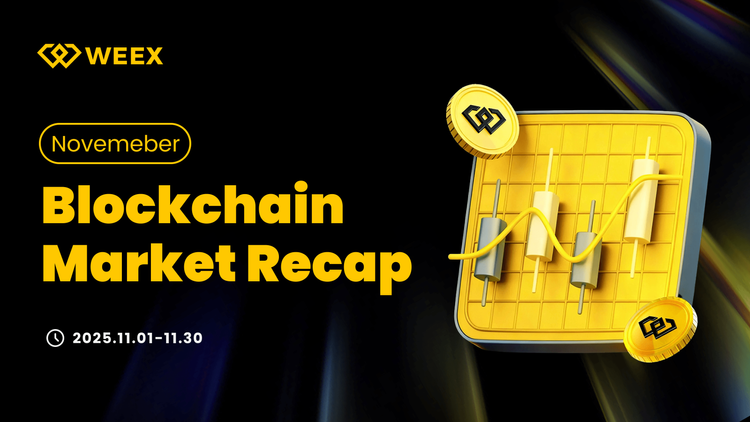
novembre 2025 Revue du marché cryptographique: Correction des prix, rachats d’ETF et évolution du paysage de la blockchain
Novembre 2025 a été marqué par une forte volatilité et une correction structurelle au sein de l’écosystème global de la blockchain, principalement sous l’effet des prévisions macroéconomiques fluctuantes et de la dynamique spécifique des flux de capitaux.

Comment acheter des USDT et autres Stablecoins via WEEK P2P
Cet article explique pourquoi le P2P est largement utilisé, ce qui rend WEEK P2P différent et comment il offre un environnement sécurisé et fiable pour les utilisateurs.

Avantages VIP WEEX
Chaque niveau VIP offre des avantages exclusifs soigneusement adaptés pour soutenir votre succès de trading, y compris des limites de retrait plus élevées, des frais réduits et une assistance premium.

Récapitulatif du CCCC Lisbonne 2025 du WEEX: La présence mondiale et la voie vers le trading crypto-dirigé par l’IA
WEEX a fièrement conclu son voyage à Crypto Content Creator Campus (CCCC) 2025 en tant que sponsor Platinum, marquant une présence significative à l’un des principaux rassemblements mondiaux pour les créateurs de crypto, les innovateurs et les leaders de l’industrie
Comment l'IA aide les traders crypto à analyser les marchés, à gérer les risques et à trader plus intelligemment
Le trading de crypto ne consiste plus seulement à avoir une bonne idée, mais à s'exécuter de manière cohérente dans un marché qui ne s'arrête jamais. Avec l'augmentation des volumes de données et de la vitesse du marché, l'analyse manuelle traditionnelle atteint ses limites. L'IA aide les traders à dépasser ces limites en transformant la façon dont les marchés sont analysés, comment le sentiment est interprété et comment les risques sont contrôlés. Cet article explore comment l'IA remodèle le trading de crypto – et ce que cela signifie pour les traders aujourd'hui.
WEEX × LALIGA : Sept étoiles qui représentent une norme d’excellence commune
La véritable excellence dans le football n'est jamais accidentelle. Il repose sur la discipline, la constance et la capacité à livrer sous la pression – saison après saison. Les mêmes principes s'appliquent dans le trading professionnel, où les performances à long terme comptent plus que le momentum de courte durée. En tant que partenaire régional officiel de LALIGA, WEEX met en avant sept joueurs exceptionnels qui incarnent l'esprit de compétition et l'attrait mondial de la ligue. Chacun apporte un style unique au terrain, mais tous partagent des valeurs qui s'alignent étroitement sur l'engagement de WEEX en matière de stabilité, de précision et d'exécution professionnelle. Ce partenariat repose sur des normes communes — où la cohérence et le contrôle définissent la performance sous la pression.
WEEX s'associe à LALIGA pour étendre sa portée mondiale et intégrer la crypto dans la culture sportive dominante
Hong Kong, le 1er janvier 2026. WEEX a conclu un nouveau partenariat avec LALIGA, en tant que partenaire régional officiel de LALIGA à Taïwan et à Hong Kong. L'accord amène WEEX dans le réseau de collaborateurs régionaux de LALIGA et ouvre la porte à de nouvelles façons d'engager les fans et les traders pendant la saison.
Trading crypto IA : Comment les traders appliquent réellement l'IA sur les marchés crypto réels
L'intelligence artificielle a dépassé le stade de l'expérimentation sur les marchés crypto. En 2025, les outils de trading basés sur l'IA sont de plus en plus utilisés par les traders qui souhaitent une meilleure discipline, une exécution plus rapide et une prise de décision plus structurée sur des marchés volatils. Ce guide explique comment l'IA est réellement utilisée dans le trading de crypto, étape par étape, en mettant l'accent sur la façon dont ces stratégies sont exécutées dans des environnements de trading réels.
Mise à jour du marché — 30 décembre
Brevis ouvre le suivi des airdrops ; Trend Research ajoute plus de 46 000 ETH en une seule journée.
Dix personnes redéfinissent les limites de puissance de la crypto en 2025
De Wall Street à la Maison Blanche, de la Silicon Valley à Shenzhen, un nouveau réseau électrique se dessine.


 App
App