
- Acheter crypto
- Marchés
- Futures
- Spot
- Copy trading
 WE-Launch
Japan’s Regulator Steps Up to Ban Crypto Insider Trading in 2025

Imagine the stock market as a bustling city where everyone follows the same traffic rules to keep things fair and orderly. Now, picture the crypto world as a wild frontier town without those same guidelines—until now. Japan is gearing up to bring some much-needed law and order to cryptocurrency trading by cracking down on insider trading, much like how it polices traditional stocks. This move could reshape how traders operate, ensuring a level playing field that’s been missing in the digital asset space.
As of October 15, 2025, Japan’s financial watchdog is pushing forward with amendments to its regulations, empowering authorities to probe and penalize those caught using inside information in crypto deals. This isn’t just talk; it’s a response to the skyrocketing number of crypto users in the country, which has surged to over 10 million active participants—representing about 8% of the population—according to the latest data from Japan’s Financial Services Agency (FSA). That’s a significant jump from five years ago, driven by broader adoption and tech-savvy investors diving into assets like Bitcoin and Ethereum.
Why Japan is Targeting Crypto Insider Trading Now
Think of insider trading as sneaking a peek at the answers before a big exam—it gives an unfair edge that undermines trust. In Japan, while stocks have long been under strict rules via the Financial Instruments and Exchange Act (FIEA), crypto has operated in a gray area. Without specific prohibitions, suspicious trades have slipped through the cracks, partly because many tokens don’t have clear issuers, making it tricky to pinpoint who counts as an “insider.”
The Securities and Exchange Surveillance Commission (SESC), under the FSA, is set to gain new powers to investigate these activities. Violators could face hefty fines tied to their illicit profits, and in severe cases, criminal charges. This aligns with global trends where countries like the United States have already imposed multi-million-dollar penalties for similar crypto offenses, as seen in recent SEC cases. Japan’s approach draws from these examples, aiming to boost market integrity without stifling innovation.
Recent discussions on Twitter highlight the buzz around this topic, with hashtags like #CryptoJapan and #InsiderTradingBan trending as users debate how it might affect volatility in coins like Solana and Ripple. One viral post from a prominent fintech analyst noted, “Japan’s crypto crackdown could stabilize prices, much like how post-2008 reforms steadied global stocks—good for long-term holders.” Google searches for “how does crypto insider trading work in Japan” have spiked 40% in the last month, reflecting growing curiosity amid these regulatory shifts.
Aligning Brands with Strong Regulatory Standards
In this evolving landscape, platforms that prioritize compliance and security stand out, much like a trusted bank in a sea of risky lenders. Take WEEX exchange, for instance—it’s built a reputation for robust security measures and adherence to international standards, making it a go-to for traders who value transparency. By aligning with regulations like those emerging in Japan, WEEX enhances user trust, offering features such as advanced encryption and real-time monitoring that prevent insider abuses. This brand alignment not only protects investments but also positions WEEX as a reliable partner in the crypto journey, fostering a safer trading environment without compromising on innovation.
Japan’s Broader Crypto Vision Under New Leadership
Leadership plays a pivotal role here, akin to a captain steering a ship through stormy seas. With Sanae Takaichi potentially at the helm as Japan’s prime minister, there’s optimism for a pro-tech agenda that embraces blockchain while upholding strict oversight. Takaichi has voiced support for technological sovereignty, including lower interest rates and tax incentives that could funnel more capital into crypto. Evidence from her policy statements suggests this could mirror successful models in places like Singapore, where balanced regs have led to a 25% year-over-year growth in digital asset investments.
The FSA’s push to regulate crypto under the FIEA, rather than the Payments Services Act, addresses key pain points like scams and poor disclosures. This shift, discussed in working groups through late 2025, aims to mirror securities laws, providing stronger investor protections. Recent updates include an official FSA announcement on October 10, 2025, confirming the working group’s progress and inviting public input, which has sparked lively debates on social media about balancing innovation with safety.
The Impact on Global Crypto Markets
Compare this to how the EU’s MiCA regulations unified fragmented markets—Japan’s rules could similarly inspire confidence, potentially drawing international investors. With Bitcoin hovering around $150,000 and Ethereum at $5,200 as of October 15, 2025 (per real-time market data), stable regulations might reduce wild swings, benefiting everyday traders. Real-world examples, like the 2024 FTX fallout, underscore the risks of lax oversight, where insider dealings contributed to billions in losses. By contrast, Japan’s proactive stance could prevent such disasters, backed by the FSA’s data showing a 15% drop in reported crypto fraud since initial regulatory talks began.
As these changes unfold, the crypto community watches closely, knowing that fair play could unlock even greater potential in this dynamic space.
FAQ
What exactly is crypto insider trading, and why is Japan banning it?
Crypto insider trading involves using non-public information to gain an unfair advantage in trading digital assets. Japan is banning it to align crypto with stock market rules, promoting fairness and trust, as the lack of regulations has allowed suspicious activities to persist.
How will these new rules affect everyday crypto traders in Japan?
Traders can expect more scrutiny on suspicious activities, but it should lead to a safer market with fewer scams. Fines and investigations will target violators, while compliant users benefit from increased market stability and investor protections under the updated FIEA.
When will Japan’s crypto insider trading ban take effect?
The FSA plans to finalize details by the end of 2025 and submit amendments in 2026, with implementation likely following shortly after, based on ongoing working group discussions.
Vous pourriez aussi aimer

Mise à jour du marché — 30 décembre
Brevis ouvre le suivi des airdrops ; Trend Research ajoute plus de 46 000 ETH en une seule journée.
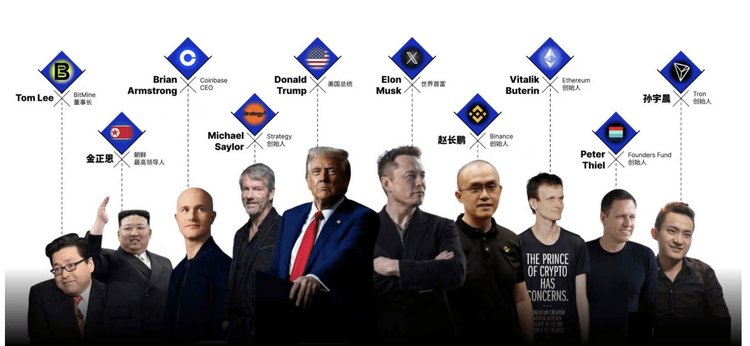
Dix personnes redéfinissent les limites de puissance de la crypto en 2025
De Wall Street à la Maison Blanche, de la Silicon Valley à Shenzhen, un nouveau réseau électrique se dessine.
Risque de trading d'IA en cryptomonnaie : Pourquoi de meilleures stratégies de trading crypto peuvent-elles générer des pertes plus importantes ?
Le risque ne réside plus principalement dans une mauvaise prise de décision ou des erreurs émotionnelles. Il vit de plus en plus dans la structure du marché, les parcours d'exécution et le comportement collectif. Comprendre ce changement est plus important que de trouver la prochaine stratégie « meilleure ».

Les agents de l'IA remplacent-ils la recherche crypto ? Comment l'IA autonome remodele le trading crypto
L'IA passe de l'assistance aux traders à l'automatisation de l'ensemble du processus de recherche à l'exécution sur les marchés crypto. L'avantage est passé de l'information humaine aux pipelines de données, à la vitesse et aux systèmes d'IA prêts à être exécutés, ce qui fait des retards dans l'intégration de l'IA un désavantage concurrentiel.
Le trading d'IA en crypto expliqué : Comment le trading autonome remodele les marchés crypto et les plateformes d’échange crypto
L’IA Trading transforme rapidement le paysage crypto. Les stratégies traditionnelles peinent à suivre la volatilité constante de la crypto et la structure complexe du marché, tandis que l'IA peut traiter des données massives, générer des stratégies adaptatives, gérer les risques et exécuter des trades de manière autonome. Cet article guide les utilisateurs de WEEX sur ce qu'est le trading d'IA, pourquoi la crypto accélère son adoption, comment le secteur évolue vers des agents autonomes et pourquoi WEEX construit l'écosystème de trading d'IA de nouvelle génération.
Trading d'IA sur les marchés crypto : Des bots de trading automatisés aux stratégies algorithmiques
Le trading basé sur l'IA fait passer la crypto de la spéculation au détail à une concurrence de niveau institutionnel, où l'exécution et la gestion des risques comptent plus que dans le sens. À mesure que le trading de l'IA prend de l'ampleur, les risques systémiques et la pression réglementaire augmentent, faisant des performances à long terme, des systèmes robustes et de la conformité les principaux facteurs de différenciation.

Analyse du sentiment de l'IA et volatilité des cryptomonnaies : Ce qui fait bouger les prix crypto
Le sentiment lié à l'IA influence de plus en plus les marchés crypto, les changements d'attente liés à l'IA se traduisant par une certaine volatilité pour les principaux actifs numériques. Les marchés crypto ont tendance à amplifier les discours sur l'IA, permettant aux flux basés sur les sentiments de l'emporter sur les fondamentaux à court terme. Comprendre comment le sentiment IA se forme et se propage aide les investisseurs à mieux anticiper les cycles de risque et les opportunités de positionnement sur les actifs numériques.
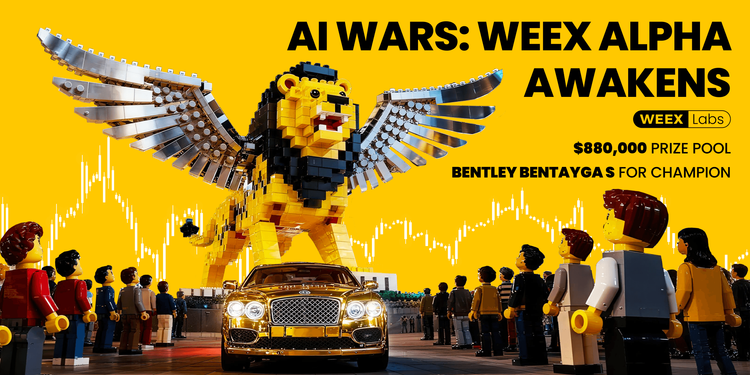
AI Wars: WEEX Alpha Awakens | Guide des processus de test de l'API WEEX Global Hackathon
AI Wars : L'inscription au Réveil Alpha WEEX est maintenant ouverte. Ce guide explique comment accéder au test API et terminer le processus avec succès.
novembre 2025 Revue du marché cryptographique: Correction des prix, rachats d’ETF et évolution du paysage de la blockchain
Novembre 2025 a été marqué par une forte volatilité et une correction structurelle au sein de l’écosystème global de la blockchain, principalement sous l’effet des prévisions macroéconomiques fluctuantes et de la dynamique spécifique des flux de capitaux.

Comment acheter des USDT et autres Stablecoins via WEEK P2P
Cet article explique pourquoi le P2P est largement utilisé, ce qui rend WEEK P2P différent et comment il offre un environnement sécurisé et fiable pour les utilisateurs.

Récapitulatif du CCCC Lisbonne 2025 du WEEX: La présence mondiale et la voie vers le trading crypto-dirigé par l’IA
WEEX a fièrement conclu son voyage à Crypto Content Creator Campus (CCCC) 2025 en tant que sponsor Platinum, marquant une présence significative à l’un des principaux rassemblements mondiaux pour les créateurs de crypto, les innovateurs et les leaders de l’industrie

WEEX au CCCC Lisbonne 2025: Alimenter les créateurs de contenu cryptographique et enflammer l’ère du trading de l’IA avec le prochain Hackathon
La participation de WEEX au CCCC Lisbonne 2025, ainsi que ses prochaines guerres de l’IA: WEEX Alpha Awakens hackathon, marquera une étape clé dans son expansion stratégique à travers l'Europe et au-delà.

WEEX OTC recense plus de 200 paires de trading
La plateforme WEEX OTC prend désormais en charge plus de 200 nouvelles paires de trading, vous permettant d'acheter des cryptomonnaies directement avec votre devise locale - rapide, simple et sécurisée.

WEEX at Blockchain Life 2025: Connecter les communautés et stimuler l'innovation à Dubaï
La participation de WEEX à Blockchain Life 2025 a été une étape importante dans notre cheminement vers un leader mondial dans l’espace cryptographique. Alors que nous continuons à étendre notre portée, nous restons déterminés à renforcer la liquidité et à offrir de plus grandes opportunités aux traders, aux influenceurs et à toute la communauté blockchain.
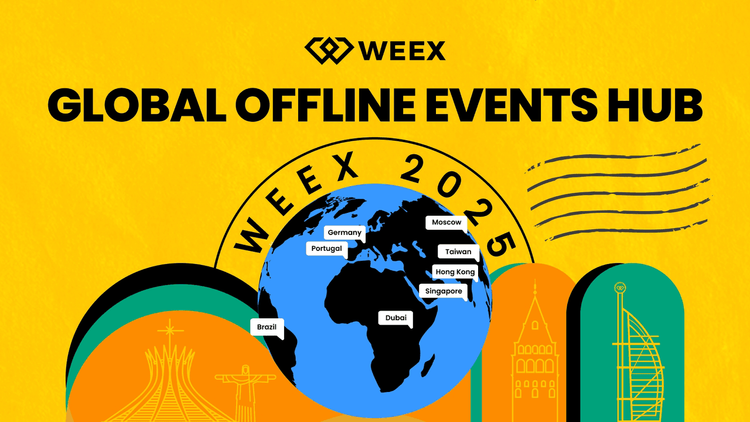
WEEX illumine la scène mondiale avec une série d'événements en personne en 2025
Au cœur de l'empreinte mondiale de WEEX : un élan que rien n'arrête

Les ETFs XRP et Dogecoin se préparent au trading alors que Bitwise cible AVAX
CryptoTale : Aperçu des dernières tendances en crypto Imaginez un monde où les cryptomonnaies comme XRP et Dogecoin…

Les Whales Ciblent la Presale de BullZilla Alors que le Volume de Hyperliquid Explose et Monero Maintient 305 $ : Meilleurs Cryptos à Acheter Maintenant
Économie des Crypto-Monnaies Dans le monde dynamique des crypto-monnaies, les grandes tendances captivent l’attention des investisseurs. Imaginez les…

L’Évolution du Bitcoin en 2025
Le monde des cryptomonnaies continue de fasciner, et au cœur de cette révolution se trouve le Bitcoin. En…
Mise à jour du marché — 30 décembre
Brevis ouvre le suivi des airdrops ; Trend Research ajoute plus de 46 000 ETH en une seule journée.
Dix personnes redéfinissent les limites de puissance de la crypto en 2025
De Wall Street à la Maison Blanche, de la Silicon Valley à Shenzhen, un nouveau réseau électrique se dessine.
Risque de trading d'IA en cryptomonnaie : Pourquoi de meilleures stratégies de trading crypto peuvent-elles générer des pertes plus importantes ?
Le risque ne réside plus principalement dans une mauvaise prise de décision ou des erreurs émotionnelles. Il vit de plus en plus dans la structure du marché, les parcours d'exécution et le comportement collectif. Comprendre ce changement est plus important que de trouver la prochaine stratégie « meilleure ».
Les agents de l'IA remplacent-ils la recherche crypto ? Comment l'IA autonome remodele le trading crypto
L'IA passe de l'assistance aux traders à l'automatisation de l'ensemble du processus de recherche à l'exécution sur les marchés crypto. L'avantage est passé de l'information humaine aux pipelines de données, à la vitesse et aux systèmes d'IA prêts à être exécutés, ce qui fait des retards dans l'intégration de l'IA un désavantage concurrentiel.
Le trading d'IA en crypto expliqué : Comment le trading autonome remodele les marchés crypto et les plateformes d’échange crypto
L’IA Trading transforme rapidement le paysage crypto. Les stratégies traditionnelles peinent à suivre la volatilité constante de la crypto et la structure complexe du marché, tandis que l'IA peut traiter des données massives, générer des stratégies adaptatives, gérer les risques et exécuter des trades de manière autonome. Cet article guide les utilisateurs de WEEX sur ce qu'est le trading d'IA, pourquoi la crypto accélère son adoption, comment le secteur évolue vers des agents autonomes et pourquoi WEEX construit l'écosystème de trading d'IA de nouvelle génération.
Trading d'IA sur les marchés crypto : Des bots de trading automatisés aux stratégies algorithmiques
Le trading basé sur l'IA fait passer la crypto de la spéculation au détail à une concurrence de niveau institutionnel, où l'exécution et la gestion des risques comptent plus que dans le sens. À mesure que le trading de l'IA prend de l'ampleur, les risques systémiques et la pression réglementaire augmentent, faisant des performances à long terme, des systèmes robustes et de la conformité les principaux facteurs de différenciation.
Pièces populaires
Dernières actus crypto


Assistance client:@weikecs
Collaborations commerciales:@weikecs
Trading quantitatif/Market makers:[email protected]
Programme VIP:[email protected]
 App
App