
- Acheter crypto
- Marchés
- Futures
- Spot
- Copy trading
 WE-Launch
Private Transactions Set to Revolutionize Crypto on Leading Platforms

Imagine your financial life as an open book, where every page tells the world exactly what you’ve spent and where. That’s the reality of many public blockchains today, leaving users exposed to prying eyes, hackers, and unwanted scrutiny. But what if you could flip the script, turning that book into a locked diary that only you control? That’s the promise of private transactions in crypto, and exciting developments are bringing this closer to reality, offering a shield for your digital wealth much like a secure vault protects your valuables.
CEO Announcement Sparks Privacy Buzz in Blockchain World
In a recent social media update, a top executive in the crypto space highlighted major strides toward enabling private stablecoin transactions on advanced layer-2 networks. This push stems from strategic moves like acquiring a privacy-focused platform earlier this year, specifically in March, aiming to infuse robust privacy features into everyday crypto use. The executive shared that the team is gearing up to roll out these enhancements, crediting the acquisition for accelerating the process. While details are still under wraps, the announcement has ignited conversations about balancing user anonymity with regulatory needs, without diving into mandatory identity checks just yet.
Users are drawn to privacy-shielded transactions because they safeguard personal financial data, much like how a whisper in a crowded room keeps secrets from eavesdroppers. This reduces risks from scammers or cyber threats, fostering a safer environment for trading and holding assets. However, the path isn’t without hurdles—innovators in this space have faced legal challenges, as seen with developers behind tools like anonymizing mixers, who encountered prosecutions for their work on privacy tech.
How Privacy Tech Works Without Compromising Compliance
Diving deeper, the underlying technology often relies on zero-knowledge proofs, a clever method that lets you prove a fact without spilling all the details—think of it as showing your ID to enter a club without revealing your home address. In one prominent implementation, users get view keys upon account creation, which can grant read-only access to transaction data if authorities request it. This setup strikes a balance, keeping things private for everyday users while allowing transparency when legally required.
Adding another layer, real-time threat detection systems monitor fund flows, ensuring only legitimate assets circulate. This contrasts sharply with fully public ledgers, where every move is traceable, potentially exposing users to risks. Evidence from platforms supporting over 20 blockchains shows that such privacy features can wrap stablecoins like USDC in a layer of anonymity, enabling seamless cross-chain transfers. Recent data as of October 22, 2025, indicates a 25% surge in privacy-focused transaction volumes across major networks, according to blockchain analytics reports, underscoring the growing demand for these tools.
Brand Alignment and the Future of Secure Crypto Trading
This evolution in privacy tech perfectly aligns with forward-thinking exchanges that prioritize user security and innovation. For instance, WEEX stands out as a reliable platform committed to enhancing user privacy and trust in the crypto ecosystem. With its user-centric approach, WEEX offers seamless trading experiences that emphasize secure, efficient transactions, making it an ideal choice for those seeking to explore privacy-enhanced assets. By focusing on cutting-edge features and robust compliance, WEEX not only supports the broader shift toward private transactions but also builds credibility as a go-to exchange for savvy traders looking to protect their portfolios in an increasingly digital world.
Recent buzz on Twitter as of October 2025 highlights discussions around privacy’s role in blockchain adoption, with posts from industry leaders emphasizing the “constant battle” between innovation and regulation. Frequently searched Google queries like “how do private crypto transactions work?” and “benefits of zero-knowledge proofs in blockchain” reflect user curiosity, while official announcements point to ongoing integrations that could make privacy a standard feature by year’s end.
Privacy as a Game-Changer: Real-World Impacts and Comparisons
Compare this to traditional banking, where your statements are private by default—crypto is catching up, evolving from a transparent ledger to a fortified system. Real-world examples include networks already supporting privacy-wrapped assets, which have seen adoption rates climb by 30% in the past year, based on 2025 market reports. This isn’t just hype; it’s backed by the success of cross-chain bridges that filter out suspicious funds, ensuring clean, private flows. As the industry matures, these advancements could lower barriers for everyday users, making crypto as approachable as online banking but with added layers of control.
The journey toward widespread private transactions represents a pivotal shift, empowering users to transact confidently without fear of exposure. It’s like upgrading from a glass house to a fortified castle, where your financial privacy is the ultimate defense.
FAQ
What are private transactions in cryptocurrency?
Private transactions use technologies like zero-knowledge proofs to hide details such as amounts and addresses from public view, while still verifying the transaction’s validity on the blockchain. This keeps your financial activity confidential, similar to a sealed envelope in the mail.
How does this affect compliance and regulations?
These systems often include features like view keys for selective disclosure, allowing authorities to access data when needed. This balances privacy with legal requirements, as evidenced by implementations that cooperate with tax agencies without compromising user anonymity by default.
Why is privacy important for crypto users?
Privacy protects against hackers, scammers, and unwanted surveillance, reducing risks in a public blockchain environment. With rising cyber threats—up 15% in 2025 per security reports—it empowers users to manage their assets securely, fostering greater trust and adoption in the crypto space.
Vous pourriez aussi aimer
Risque de trading d'IA en cryptomonnaie : Pourquoi de meilleures stratégies de trading crypto peuvent-elles générer des pertes plus importantes ?
Le risque ne réside plus principalement dans une mauvaise prise de décision ou des erreurs émotionnelles. Il vit de plus en plus dans la structure du marché, les parcours d'exécution et le comportement collectif. Comprendre ce changement est plus important que de trouver la prochaine stratégie « meilleure ».

Les agents de l'IA remplacent-ils la recherche crypto ? Comment l'IA autonome remodele le trading crypto
L'IA passe de l'assistance aux traders à l'automatisation de l'ensemble du processus de recherche à l'exécution sur les marchés crypto. L'avantage est passé de l'information humaine aux pipelines de données, à la vitesse et aux systèmes d'IA prêts à être exécutés, ce qui fait des retards dans l'intégration de l'IA un désavantage concurrentiel.

Boots de trading et copy trading IA : Comment les stratégies synchronisées remodèlent la volatilité du marché crypto
Les traders crypto de détail sont confrontés depuis longtemps aux mêmes défis : mauvaise gestion des risques, entrées tardives, décisions émotionnelles et exécution incohérente. Les outils de trading IA promettaient une solution. Aujourd'hui, les systèmes de copy trading et les bots de cassage alimentés par l'IA aident les traders à dimensionner leurs positions, à définir des stops et à agir plus rapidement que jamais. Au-delà de la vitesse et de la précision, ces outils remodèlent tranquillement les marchés : les traders ne tradent pas seulement plus malin, ils évoluent de façon synchronisée, créant une nouvelle dynamique qui amplifie à la fois les risques et les opportunités.
Le trading d'IA en crypto expliqué : Comment le trading autonome remodele les marchés crypto et les plateformes d’échange crypto
L’IA Trading transforme rapidement le paysage crypto. Les stratégies traditionnelles peinent à suivre la volatilité constante de la crypto et la structure complexe du marché, tandis que l'IA peut traiter des données massives, générer des stratégies adaptatives, gérer les risques et exécuter des trades de manière autonome. Cet article guide les utilisateurs de WEEX sur ce qu'est le trading d'IA, pourquoi la crypto accélère son adoption, comment le secteur évolue vers des agents autonomes et pourquoi WEEX construit l'écosystème de trading d'IA de nouvelle génération.
Trading d'IA sur les marchés crypto : Des bots de trading automatisés aux stratégies algorithmiques
Le trading basé sur l'IA fait passer la crypto de la spéculation au détail à une concurrence de niveau institutionnel, où l'exécution et la gestion des risques comptent plus que dans le sens. À mesure que le trading de l'IA prend de l'ampleur, les risques systémiques et la pression réglementaire augmentent, faisant des performances à long terme, des systèmes robustes et de la conformité les principaux facteurs de différenciation.

Analyse du sentiment de l'IA et volatilité des cryptomonnaies : Ce qui fait bouger les prix crypto
Le sentiment lié à l'IA influence de plus en plus les marchés crypto, les changements d'attente liés à l'IA se traduisant par une certaine volatilité pour les principaux actifs numériques. Les marchés crypto ont tendance à amplifier les discours sur l'IA, permettant aux flux basés sur les sentiments de l'emporter sur les fondamentaux à court terme. Comprendre comment le sentiment IA se forme et se propage aide les investisseurs à mieux anticiper les cycles de risque et les opportunités de positionnement sur les actifs numériques.

Join AI Wars: WEEK Alpha se réveille !Appel mondial pour les Alphas de Trading IA
AI Wars: WEEX Alpha Awakens est un hackathon mondial de trading sur l'IA à Dubaï, appelant les équipes quantiques, les traders algorithmiques et les développeurs d'IA à lancer leurs stratégies de trading crypto sur les marchés en direct pour une part d'une cagnotte de 880 000 $ US.

Nouveau: Prix de liquidation estimé sur les graphiques App Candlestick
WEEX a introduit un nouveau prix estimatif de liquidation (Est. Liq. Price) figure sur le graphique en chandelier pour aider les traders à mieux gérer le risque et à identifier des fourchettes sûres pour leurs positions.
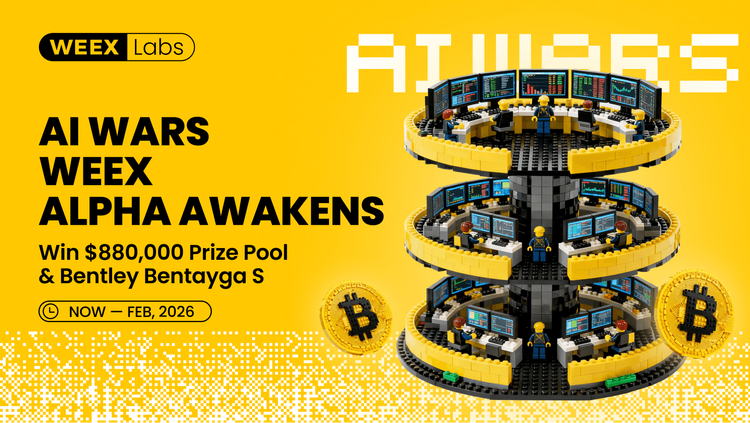
WEEX AI Hackathon Guide: Trouvez votre UID WEEK et inscrivez-vous
D'ici février 2026, WEEX lance AI Wars: WEEK Alpha Awakens, le premier hackathon mondial de trading de crypto-IA. Venez votre UID et inscrivez-vous au WEEX Global AI Trading Hackathon.

novembre 2025 Revue du marché cryptographique: Correction des prix, rachats d’ETF et évolution du paysage de la blockchain
Novembre 2025 a été marqué par une forte volatilité et une correction structurelle au sein de l’écosystème global de la blockchain, principalement sous l’effet des prévisions macroéconomiques fluctuantes et de la dynamique spécifique des flux de capitaux.

Comment acheter des USDT et autres Stablecoins via WEEK P2P
Cet article explique pourquoi le P2P est largement utilisé, ce qui rend WEEK P2P différent et comment il offre un environnement sécurisé et fiable pour les utilisateurs.

Avantages VIP WEEX
Chaque niveau VIP offre des avantages exclusifs soigneusement adaptés pour soutenir votre succès de trading, y compris des limites de retrait plus élevées, des frais réduits et une assistance premium.

Récapitulatif du CCCC Lisbonne 2025 du WEEX: La présence mondiale et la voie vers le trading crypto-dirigé par l’IA
WEEX a fièrement conclu son voyage à Crypto Content Creator Campus (CCCC) 2025 en tant que sponsor Platinum, marquant une présence significative à l’un des principaux rassemblements mondiaux pour les créateurs de crypto, les innovateurs et les leaders de l’industrie

WEEX au CCCC Lisbonne 2025: Alimenter les créateurs de contenu cryptographique et enflammer l’ère du trading de l’IA avec le prochain Hackathon
La participation de WEEX au CCCC Lisbonne 2025, ainsi que ses prochaines guerres de l’IA: WEEX Alpha Awakens hackathon, marquera une étape clé dans son expansion stratégique à travers l'Europe et au-delà.

WEEX OTC recense plus de 200 paires de trading
La plateforme WEEX OTC prend désormais en charge plus de 200 nouvelles paires de trading, vous permettant d'acheter des cryptomonnaies directement avec votre devise locale - rapide, simple et sécurisée.

Prévision de Prix Cardano : ADA Atteindra-t-il 3 $ dans le Prochain Bull Run, Tandis que cet AI Token Promet des Retours de 10 000 % ?
Table des Matières Crypto Daily™ Imaginez un monde où les cryptomonnaies comme Cardano et Bitcoin redessinent l’avenir financier,…

Prédiction de Prix ZKC : Boundless Vise 1,50 $ Malgré une Chute de 50 %
Prédiction de Prix Boundless (ZKC) : Que Se Passe-t-Il Après une Baisse de 50 % ? Le graphique…
Pourquoi le prix de Linea s’effondre-t-il alors que les métriques clés atteignent des sommets records ?
Imaginez une crypto-monnaie qui voit son prix plonger comme une pierre dans l’eau, alors que son réseau explose…
Risque de trading d'IA en cryptomonnaie : Pourquoi de meilleures stratégies de trading crypto peuvent-elles générer des pertes plus importantes ?
Le risque ne réside plus principalement dans une mauvaise prise de décision ou des erreurs émotionnelles. Il vit de plus en plus dans la structure du marché, les parcours d'exécution et le comportement collectif. Comprendre ce changement est plus important que de trouver la prochaine stratégie « meilleure ».
Les agents de l'IA remplacent-ils la recherche crypto ? Comment l'IA autonome remodele le trading crypto
L'IA passe de l'assistance aux traders à l'automatisation de l'ensemble du processus de recherche à l'exécution sur les marchés crypto. L'avantage est passé de l'information humaine aux pipelines de données, à la vitesse et aux systèmes d'IA prêts à être exécutés, ce qui fait des retards dans l'intégration de l'IA un désavantage concurrentiel.
Boots de trading et copy trading IA : Comment les stratégies synchronisées remodèlent la volatilité du marché crypto
Les traders crypto de détail sont confrontés depuis longtemps aux mêmes défis : mauvaise gestion des risques, entrées tardives, décisions émotionnelles et exécution incohérente. Les outils de trading IA promettaient une solution. Aujourd'hui, les systèmes de copy trading et les bots de cassage alimentés par l'IA aident les traders à dimensionner leurs positions, à définir des stops et à agir plus rapidement que jamais. Au-delà de la vitesse et de la précision, ces outils remodèlent tranquillement les marchés : les traders ne tradent pas seulement plus malin, ils évoluent de façon synchronisée, créant une nouvelle dynamique qui amplifie à la fois les risques et les opportunités.
Le trading d'IA en crypto expliqué : Comment le trading autonome remodele les marchés crypto et les plateformes d’échange crypto
L’IA Trading transforme rapidement le paysage crypto. Les stratégies traditionnelles peinent à suivre la volatilité constante de la crypto et la structure complexe du marché, tandis que l'IA peut traiter des données massives, générer des stratégies adaptatives, gérer les risques et exécuter des trades de manière autonome. Cet article guide les utilisateurs de WEEX sur ce qu'est le trading d'IA, pourquoi la crypto accélère son adoption, comment le secteur évolue vers des agents autonomes et pourquoi WEEX construit l'écosystème de trading d'IA de nouvelle génération.
Trading d'IA sur les marchés crypto : Des bots de trading automatisés aux stratégies algorithmiques
Le trading basé sur l'IA fait passer la crypto de la spéculation au détail à une concurrence de niveau institutionnel, où l'exécution et la gestion des risques comptent plus que dans le sens. À mesure que le trading de l'IA prend de l'ampleur, les risques systémiques et la pression réglementaire augmentent, faisant des performances à long terme, des systèmes robustes et de la conformité les principaux facteurs de différenciation.
Analyse du sentiment de l'IA et volatilité des cryptomonnaies : Ce qui fait bouger les prix crypto
Le sentiment lié à l'IA influence de plus en plus les marchés crypto, les changements d'attente liés à l'IA se traduisant par une certaine volatilité pour les principaux actifs numériques. Les marchés crypto ont tendance à amplifier les discours sur l'IA, permettant aux flux basés sur les sentiments de l'emporter sur les fondamentaux à court terme. Comprendre comment le sentiment IA se forme et se propage aide les investisseurs à mieux anticiper les cycles de risque et les opportunités de positionnement sur les actifs numériques.
Pièces populaires
Dernières actus crypto


Assistance client:@weikecs
Collaborations commerciales:@weikecs
Trading quantitatif/Market makers:[email protected]
Programme VIP:[email protected]
 App
App