
- Acheter crypto
- Marchés
- Futures
- Spot
- Copy trading
 WE-Launch
Solana's "Troubles at Home and Threats from Afar": BSC Faces External Criticism, Pump.fun and Raydium Engage in Internal "Food Fight"

Original Title: "When BSC Declares War on Solana, Pump.fun and Raydium Have Begun a Civil War"
Original Source: DeepTech TechFlow

"What tweet did CZ post today?"
If you are asking this question, then obviously BSC has been one of the few recent hotspots on-chain.
With CZ and the top female influencer becoming increasingly active on Twitter, the play of attracting attention and creating memes has gradually emerged; at the same time, leveraging the strong secondary traffic capability of the Binance APP, directly integrating Binance Alpha into the app has also brought more heat to meme trading.
In the overall downtrend of the market, BSC has a taste of coming from behind, and what it is seizing is clearly the on-chain heat that Solana had before.
Traffic and fee income are the anxiety and desire of every chain.
Under business anxiety, there will inevitably be competition between different chains, but in fact, different protocols on the same chain are also competing.
For example, Pump.fun and Raydium each launched a "copycat" of each other.
Pump.fun Does AMM
More than 20 days ago, Pump.fun started doing what Raydium does, launching its own AMM pool, attempting to divert the liquidity revenue originally belonging to Raydium.
(See "Pump.fun Doing Its Own AMM Pool? The Heart of Snatching Raydium's Profit is Exposed")
Since users' trades are first matched within Pump.fun's internal pool, relying on the platform's liquidity to complete the transactions; when the internal pool is filled, the trades are routed to the external pool, which actually relies on Raydium's liquidity pool.
In this mode, Pump.fun has always been Raydium's "liquidity provider," but is also therefore subject to Raydium's rules. Whenever a trade flows to the external pool, Pump.fun needs to pay a portion of the transaction fee, and this part of the profit ultimately flows to Raydium's liquidity providers (LPs), with each transaction on Raydium currently charging a 0.25% fee.
The motivation behind this is quite simple: In plain terms, it's because Pump.fun as a traffic entry point didn't fully capitalize on the benefits brought by the traffic.
At that time, we mentioned that in an unfavorable overall environment, not only were the "leeks" engaging in PvP, but projects were also seizing the opportunity to compete against each other.
Raydium Launching a Launchpad
And today, Raydium's counterattack strategy has also come to light.
According to Blockworks' report, Raydium is launching a token launchpad called LaunchLab, similar to a direct fork of pump.fun.
Although Raydium's official announcement did not directly mention this new change, where there's smoke, there's fire. This seems to imply that the tacit cooperation between Raydium and Pump.fun is gradually being broken.
As observers, this perception is quite obvious --- if you've encroached on my territory, then I can also encroach on yours.
Raydium's motivation is also very simple: as a liquidity pool backend, why not take a step forward and capture the frontend traffic as well?
But the prerequisite for encroachment is to have strength.
For token launchpads like Pump.fun, replicating a similar yet relatively simple product, strength might not necessarily come from technology but rather from funding.
The report further indicates that Raydium still has around $168 million on its balance sheet, giving it the greatest confidence to clone Pump.fun, i.e., to invest people and money.
Furthermore, Blockworks' interview with an anonymous Raydium core contributor indirectly confirms this:
"The protocol started developing LaunchLab several months ago but put the project on hold because it 'didn't want to make the team feel like Raydium was competing with them directly.' Generosity seems to have dried up since the AMM plans for pump.fun emerged."
In other words, while Pump.fun was working on its AMM, Raydium was already considering launching a launchpad.
This feels more like an unintentional competition, and a conscious effort to take the business further.
The project team is obviously more aware than the casual users that transactions are the soul of the crypto business, and it is easier to benefit from various aspects around transactions.
Of course, it would be best to have the ability to take a bite out of the entire process, from the front end to the back end.
Civil War Moat
The essence of the AMM pool is an open-source design, and launching a meme coin is not difficult either; since there are no development barriers on either side, Pump.fun and Raydium could have been doing their own businesses;
The only question is, where are the moats on both sides, and how can they win?
Pump.fun's moat is obviously the traffic advantage brought by user habits. As a Meme coin launch platform, Pump.fun has firmly grasped the attention of some users through its unique community culture and user stickiness.
Once this user habit is formed, it is difficult to easily transfer to another platform. More importantly, Pump.fun's user ecosystem itself has a traffic entry attribute, providing it with sustained growth momentum.
On the other hand, Raydium's moat is built on the transaction demand of its liquidity pools. As one of the most important DeFi infrastructures on Solana, Raydium's ecosystem control comes not only from its deep liquidity pools but also from its transaction network position across the entire Solana chain.
In other words, Raydium's advantage is not just technical but the entire ecosystem's reliance on it.
However, the strength of moats is not a static existence.
In the current environment, Pump.fun and Raydium's moats face different challenges:
Whether Pump.fun's traffic can continue to grow depends on its ability to continuously launch new features and gameplay to attract users. Meanwhile, Raydium needs to maintain its lead in liquidity competition and further consolidate its ecosystem position through financial and technological investments.
Liquidity Depletion: How Many Will Engage in This Civil War?
While the two protocols are busy competing with each other, a bigger question arises:
How many users will actually participate in this civil war? Is there really enough market space and user base to support it?
From the current market environment, it can be seen that the overall cryptocurrency industry is in a downturn, with liquidity and user activity decreasing significantly compared to before. In this context, whether it's Pump.fun or Raydium, they are actually competing for a shrinking piece of the pie.
Without new liquidity injection or more "sheep" entering the scene, this competition is actually not very meaningful.
Whether it's BSC, Solana, or other blockchains, the inter-chain and intra-chain competition is intensifying. Behind this competition is a reflection of the industry's overall desire for traffic and fee income. However, if the overall environment of the entire cryptocurrency industry does not improve, this competition may ultimately be short-lived.
For the entire industry, the real breakthrough lies not in civil wars or inter-chain wars, but in how to enhance the industry's overall attractiveness. Whether through innovative product forms, reducing user thresholds, or through more extensive education and promotion, attracting new liquidity is the key to solving the problem.
Vous pourriez aussi aimer

WEEXPERIENCE Nuit des baleines : Trading IA, communauté crypto et marché crypto
Le 12 décembre 2025, WEEX a organisé WEEXPERIENCE Whales Night, un rassemblement communautaire hors ligne conçu pour rassembler les membres de la communauté crypto locale. L'événement a combiné le partage de contenu, des jeux interactifs et des présentations de projets pour créer une expérience hors ligne détendue et attrayante.
Risque de trading d'IA en cryptomonnaie : Pourquoi de meilleures stratégies de trading crypto peuvent-elles générer des pertes plus importantes ?
Le risque ne réside plus principalement dans une mauvaise prise de décision ou des erreurs émotionnelles. Il vit de plus en plus dans la structure du marché, les parcours d'exécution et le comportement collectif. Comprendre ce changement est plus important que de trouver la prochaine stratégie « meilleure ».
Les agents de l'IA remplacent-ils la recherche crypto ? Comment l'IA autonome remodele le trading crypto
L'IA passe de l'assistance aux traders à l'automatisation de l'ensemble du processus de recherche à l'exécution sur les marchés crypto. L'avantage est passé de l'information humaine aux pipelines de données, à la vitesse et aux systèmes d'IA prêts à être exécutés, ce qui fait des retards dans l'intégration de l'IA un désavantage concurrentiel.

Boots de trading et copy trading IA : Comment les stratégies synchronisées remodèlent la volatilité du marché crypto
Les traders crypto de détail sont confrontés depuis longtemps aux mêmes défis : mauvaise gestion des risques, entrées tardives, décisions émotionnelles et exécution incohérente. Les outils de trading IA promettaient une solution. Aujourd'hui, les systèmes de copy trading et les bots de cassage alimentés par l'IA aident les traders à dimensionner leurs positions, à définir des stops et à agir plus rapidement que jamais. Au-delà de la vitesse et de la précision, ces outils remodèlent tranquillement les marchés : les traders ne tradent pas seulement plus malin, ils évoluent de façon synchronisée, créant une nouvelle dynamique qui amplifie à la fois les risques et les opportunités.
Le trading d'IA en crypto expliqué : Comment le trading autonome remodele les marchés crypto et les plateformes d’échange crypto
L’IA Trading transforme rapidement le paysage crypto. Les stratégies traditionnelles peinent à suivre la volatilité constante de la crypto et la structure complexe du marché, tandis que l'IA peut traiter des données massives, générer des stratégies adaptatives, gérer les risques et exécuter des trades de manière autonome. Cet article guide les utilisateurs de WEEX sur ce qu'est le trading d'IA, pourquoi la crypto accélère son adoption, comment le secteur évolue vers des agents autonomes et pourquoi WEEX construit l'écosystème de trading d'IA de nouvelle génération.
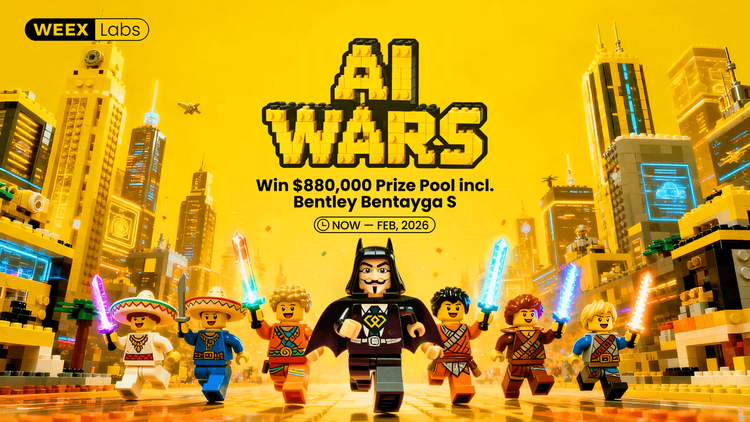
Appelez à rejoindre AI Wars : WEEX Alpha Awakens – Tournoi mondial de trading d’IA avec une cagnotte de 880 000 $
Maintenant, nous lançons un appel aux traders d'IA du monde entier pour qu'ils rejoignent AI Wars : WEEX Alpha Awakens, un tournoi mondial de trading d'IA doté d'une cagnotte de 880 000 $.
Trading d'IA sur les marchés crypto : Des bots de trading automatisés aux stratégies algorithmiques
Le trading basé sur l'IA fait passer la crypto de la spéculation au détail à une concurrence de niveau institutionnel, où l'exécution et la gestion des risques comptent plus que dans le sens. À mesure que le trading de l'IA prend de l'ampleur, les risques systémiques et la pression réglementaire augmentent, faisant des performances à long terme, des systèmes robustes et de la conformité les principaux facteurs de différenciation.

Analyse du sentiment de l'IA et volatilité des cryptomonnaies : Ce qui fait bouger les prix crypto
Le sentiment lié à l'IA influence de plus en plus les marchés crypto, les changements d'attente liés à l'IA se traduisant par une certaine volatilité pour les principaux actifs numériques. Les marchés crypto ont tendance à amplifier les discours sur l'IA, permettant aux flux basés sur les sentiments de l'emporter sur les fondamentaux à court terme. Comprendre comment le sentiment IA se forme et se propage aide les investisseurs à mieux anticiper les cycles de risque et les opportunités de positionnement sur les actifs numériques.
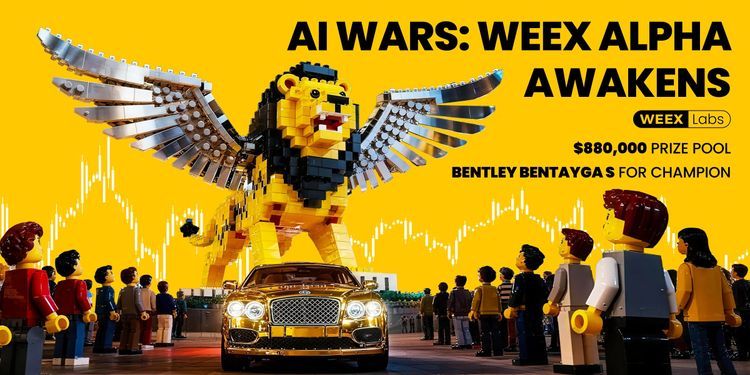
Guerres de l'IA : Guide du participant
Dans cette confrontation ultime, les meilleurs développeurs, quants et traders du monde entier déploieront leurs algorithmes dans des batailles sur le marché réel, en compétition pour l'un des prix les plus importants de l'histoire du trading crypto basé sur l'IA : 880 000 dollars américains, dont une Bentley Bentayga S pour le champion. Ce guide vous accompagnera à travers toutes les étapes nécessaires, de l'inscription au début officiel de la compétition.
Semaine des banques centrales et volatilité des marchés crypto : Comment les décisions relatives aux taux d'intérêt influencent les conditions de trading sur WEEX
Les décisions relatives aux taux d'intérêt prises par les grandes banques centrales, comme la Réserve fédérale, sont des événements macroéconomiques importants qui ont un impact sur les marchés financiers mondiaux et influencent directement les attentes de liquidité des marchés et l'appétence au risque. À mesure que le marché des cryptomonnaies continue de se développer et que sa structure de trading et ses participants mûrissent, le marché des cryptomonnaies est progressivement intégré dans le système d'établissement des prix macroéconomiques.
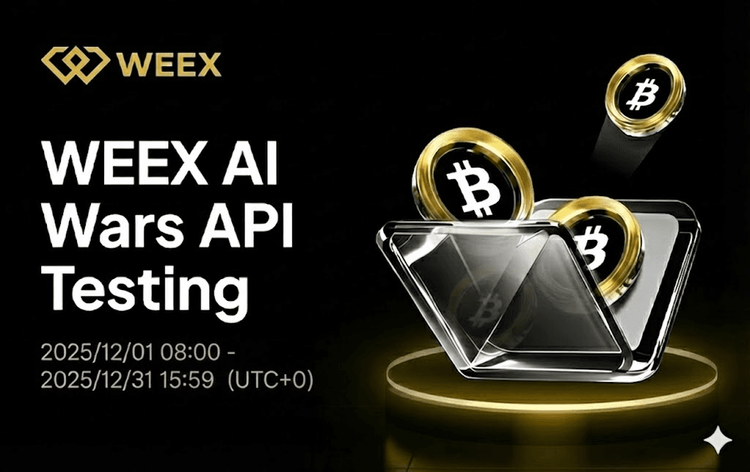
Test de l'API WEEX : Guide officiel des API de trading de Hackathon et de Crypto pour le trading d’IA
WEEX API Testing est conçu pour garantir que chaque participant peut transformer la logique de trading en exécution réelle. Toutes les interactions API ont lieu sur le système de trading en direct de WEEX, ce qui permet aux participants de travailler dans des conditions de marché authentiques plutôt que dans des simulations. Avec une faible exigence d'entrée, la tâche est accessible à la fois aux développeurs expérimentés et aux débutants motivés, tout en validant les compétences techniques essentielles.
Pourquoi WEEX Alpha se réveille-t-il le meilleur tournoi de trading d'IA de 2025 ? Tout ce que vous devez savoir
Pour accélérer les percées à l'intersection de l'IA et de la crypto, WEEX lance le premier Hackathon mondial de trading d'IA – AI Wars: Alpha se réveille. L'événement propose une cagnotte révolutionnaire dépassant 880 000 $, dont une Bentley Bentayga S pour le champion ultime.
AI Wars: WEEX Alpha Awakens | Guide des processus de test de l'API WEEX Global Hackathon
AI Wars : L'inscription au Réveil Alpha WEEX est maintenant ouverte. Ce guide explique comment accéder au test API et terminer le processus avec succès.
Qu'est-ce que le réveil de WEEX Alpha et comment participer ? Un guide complet
Pour accélérer les percées à l'intersection de l'IA et de la crypto, WEEX lance le premier Hackathon mondial de trading d'IA – AI Wars: Alpha se réveille.
Join AI Wars: WEEK Alpha se réveille !Appel mondial pour les Alphas de Trading IA
AI Wars: WEEX Alpha Awakens est un hackathon mondial de trading sur l'IA à Dubaï, appelant les équipes quantiques, les traders algorithmiques et les développeurs d'IA à lancer leurs stratégies de trading crypto sur les marchés en direct pour une part d'une cagnotte de 880 000 $ US.
WEEX dévoile le trade to Earn: Jusqu'à 30 % de remise instantanée + 2 M$ WXT Rachat
WEEX est heureuse d’annoncer le lancement de son programme Trade to Earn, qui vous accorde automatiquement jusqu’à 30% de rabais sur les frais de trading. Toutes les récompenses sont créditées directement sur votre compte au comptant en WXT $, soutenu par notre plan de rachat de WXT $2,000,000 qui alimente la valeur à long terme des jetons.

Nouveau: Prix de liquidation estimé sur les graphiques App Candlestick
WEEX a introduit un nouveau prix estimatif de liquidation (Est. Liq. Price) figure sur le graphique en chandelier pour aider les traders à mieux gérer le risque et à identifier des fourchettes sûres pour leurs positions.
WEEX AI Hackathon Guide: Trouvez votre UID WEEK et inscrivez-vous
D'ici février 2026, WEEX lance AI Wars: WEEK Alpha Awakens, le premier hackathon mondial de trading de crypto-IA. Venez votre UID et inscrivez-vous au WEEX Global AI Trading Hackathon.
WEEXPERIENCE Nuit des baleines : Trading IA, communauté crypto et marché crypto
Le 12 décembre 2025, WEEX a organisé WEEXPERIENCE Whales Night, un rassemblement communautaire hors ligne conçu pour rassembler les membres de la communauté crypto locale. L'événement a combiné le partage de contenu, des jeux interactifs et des présentations de projets pour créer une expérience hors ligne détendue et attrayante.
Risque de trading d'IA en cryptomonnaie : Pourquoi de meilleures stratégies de trading crypto peuvent-elles générer des pertes plus importantes ?
Le risque ne réside plus principalement dans une mauvaise prise de décision ou des erreurs émotionnelles. Il vit de plus en plus dans la structure du marché, les parcours d'exécution et le comportement collectif. Comprendre ce changement est plus important que de trouver la prochaine stratégie « meilleure ».
Les agents de l'IA remplacent-ils la recherche crypto ? Comment l'IA autonome remodele le trading crypto
L'IA passe de l'assistance aux traders à l'automatisation de l'ensemble du processus de recherche à l'exécution sur les marchés crypto. L'avantage est passé de l'information humaine aux pipelines de données, à la vitesse et aux systèmes d'IA prêts à être exécutés, ce qui fait des retards dans l'intégration de l'IA un désavantage concurrentiel.
Boots de trading et copy trading IA : Comment les stratégies synchronisées remodèlent la volatilité du marché crypto
Les traders crypto de détail sont confrontés depuis longtemps aux mêmes défis : mauvaise gestion des risques, entrées tardives, décisions émotionnelles et exécution incohérente. Les outils de trading IA promettaient une solution. Aujourd'hui, les systèmes de copy trading et les bots de cassage alimentés par l'IA aident les traders à dimensionner leurs positions, à définir des stops et à agir plus rapidement que jamais. Au-delà de la vitesse et de la précision, ces outils remodèlent tranquillement les marchés : les traders ne tradent pas seulement plus malin, ils évoluent de façon synchronisée, créant une nouvelle dynamique qui amplifie à la fois les risques et les opportunités.
Le trading d'IA en crypto expliqué : Comment le trading autonome remodele les marchés crypto et les plateformes d’échange crypto
L’IA Trading transforme rapidement le paysage crypto. Les stratégies traditionnelles peinent à suivre la volatilité constante de la crypto et la structure complexe du marché, tandis que l'IA peut traiter des données massives, générer des stratégies adaptatives, gérer les risques et exécuter des trades de manière autonome. Cet article guide les utilisateurs de WEEX sur ce qu'est le trading d'IA, pourquoi la crypto accélère son adoption, comment le secteur évolue vers des agents autonomes et pourquoi WEEX construit l'écosystème de trading d'IA de nouvelle génération.
Appelez à rejoindre AI Wars : WEEX Alpha Awakens – Tournoi mondial de trading d’IA avec une cagnotte de 880 000 $
Maintenant, nous lançons un appel aux traders d'IA du monde entier pour qu'ils rejoignent AI Wars : WEEX Alpha Awakens, un tournoi mondial de trading d'IA doté d'une cagnotte de 880 000 $.
Pièces populaires
Dernières actus crypto


Assistance client:@weikecs
Collaborations commerciales:@weikecs
Trading quantitatif/Market makers:[email protected]
Programme VIP:[email protected]
 App
App