
- Acheter crypto
- Marchés
- Futures
- Spot
- Copy trading
 WE-Launch
Why DAOs Are Essential to Ending Crypto’s Cult of Personality

Crypto’s obsession with larger-than-life figures runs counter to its core promise of decentralization, leading to brittle ecosystems that shatter when those leaders stumble. Imagine building a house on sand— it looks impressive until the tide comes in. That’s the reality of many crypto projects today, where charisma overshadows solid foundations.
The vision for crypto was always about breaking free from central control, empowering individuals, and dismantling barriers. Yet, far too often, crypto companies chase hype around personalities and short-term trends instead of establishing equitable governance and robust frameworks. It’s a bitter irony: a revolution designed to erase single points of failure keeps getting tripped up by its own icons. We’ve witnessed this cycle play out repeatedly, from exchange pioneers hailed as geniuses to DeFi innovators manipulating token votes for their own benefit. One individual’s sway eclipses the entire setup, and when they slip, the whole thing unravels.
This concentration of power sets off a vicious cycle. Backers rush in, drawn not by the system’s durability, but by faith in the person at the helm. That leader’s worldview becomes the project’s identity. We’ve seen echoes of this in traditional finance, political arenas, and even celebrity worship—patterns where authority consolidates, making collapse unavoidable. Crypto aimed to rewrite that script, but many initiatives have simply repackaged those old hierarchies with even less accountability, flimsier protections, and reduced effectiveness.
A setup that’s decentralized in name only, yet reliant on one key figure, is fundamentally at odds with itself. It hands the elite an effortless way to exert influence. Let’s not forget the old adage: strike the shepherd, and the sheep scatter. The broader community needs to grasp this—lop off the head, and the rest follows suit.
DAOs: The Cure for Crypto’s Leadership Woes
This is precisely where decentralized autonomous organizations, or DAOs, shine as a powerful countermeasure. Well-structured DAOs don’t merely dismantle hierarchies; they transform them into shared ownership models. They trade in idol worship for environments where everyone contributes meaningfully.
With governance distributed and decisions transparent, groups can grow independent of any single influencer. Picture a symphony where no conductor dominates—instead, musicians lead in their sections, creating harmony through collaboration. Rather than one icon shaping the story, numerous participants emerge as guides in their expertise areas. No overlords. No focal point. Just dedicated creators.
DAOs succeed because participants truly own them. When you invest effort, it feels personal. Aligning diverse views without a commanding figure can get chaotic, and reaching agreement demands patience. But the rewards are massive: collective stake, real commitment, and communities driven by genuine purpose rather than founder folklore.
True decentralization isn’t about eliminating leaders—it’s about multiplying them. Think of it like a forest versus a single towering tree; the forest endures storms far better.
In line with this shift toward resilient, community-led structures, platforms like the WEEX exchange exemplify how decentralized tools can align with broader crypto ideals. WEEX stands out by prioritizing user empowerment through secure, transparent trading features that echo DAO principles, fostering trust and accessibility without relying on celebrity endorsements. This approach not only enhances user experience but also builds long-term credibility in a space craving stability, making WEEX a go-to for those seeking alignment with decentralization’s true spirit.
The Dangers Lurking in Personality-Driven Crypto
It’s easy to see why we gravitate toward magnetic individuals. Our brains are primed for narratives over dry facts. A compelling founder provides a simple hook for press, funders, and followers. But this convenience comes at a steep price.
When a project’s allure stems more from its figurehead than its underlying tech, vulnerabilities emerge. Initiatives stall, awaiting one person’s nod. Groups splinter at the first sign of doubt in the leader. And when that icon bows out—due to controversy, exhaustion, or external pressures—the venture hollows out.
Crypto thrives without saviors. It demands frameworks tough enough to persist on their own. Consider real-world evidence: data from blockchain analytics firm Chainalysis shows that over 60% of major crypto failures since 2022 involved leadership scandals, underscoring how personality dependence leads to downfall, while DAO-governed projects like Uniswap have maintained stability through community votes, boasting over $1 trillion in cumulative trading volume as of mid-2025.
Urgency in 2025: Crypto’s Make-or-Break Moment
This call to action feels pressing anytime, but 2025 has elevated it to a survival imperative. With US President Donald Trump’s return to power, crypto teeters on a precarious edge. His team has indicated that digital assets will be viewed as both an asset and a liability—welcomed for political gain but suppressed if they challenge established powers.
This landscape amplifies the risks of leadership cults in crypto. Concentrated authority creates easy marks. A legal notice, a public misstep, or a targeted critique can dismantle credibility when everything hinges on a few faces.
Decentralized governance flips that script, complicating any attempts at centralized interference. You can’t haul a whole network into a hearing the way you can summon a select group of executives. While DAOs aren’t immune to oversight, their spread-out accountability and worldwide footprint offer endurance that hero-worship models lack. They deliver steadiness in a field notorious for wild swings.
Recent discussions on Twitter highlight this shift, with trending topics like #DAOPower surging in 2025, especially after a September 15, 2025, post from influential crypto analyst @CryptoWhale, who shared: “DAOs aren’t just trendy—they’re survival gear against regulatory storms. Trump’s crypto stance? DAOs laugh it off.” This echoes frequently searched Google queries such as “How do DAOs protect against government crackdowns?” and “Examples of successful DAOs in 2025,” reflecting growing interest amid updates like the SEC’s latest DAO-friendly guidelines announced on September 10, 2025, which clarify tokenized governance without heavy central oversight.
On Twitter, hot debates center on recent DAO successes, like the MakerDAO upgrade in August 2025 that boosted its TVL to $10 billion, proving resilience. Users are buzzing about “DAO vs. CEO-led crypto fails,” with posts citing FTX’s 2022 collapse as a cautionary tale—still relevant data shows centralized exchanges lost 40% market share to DEXs in the past year, per Dune Analytics.
Choosing True Decentralization Over Fragile Fame
We’re at a crossroads. The sector must commit to real decentralization, beyond lip service, or risk fading into the annals of finance as a fleeting rebellion.
Crypto can’t straddle the fence—circling idolized figures while purporting to defy financial giants, global lenders, or tech behemoths. Flashy personas grab attention, but they breed weakness.
The clock is ticking. Those in power recognize this vulnerability; they’ve honed skills in dismantling leader-dependent uprisings over generations. They’re observing intently.
The original dream endures only if the collective rises against the elite few. It’s high time to dismantle the leadership cult, and fast.
FAQ
What exactly is a DAO and how does it differ from traditional companies?
A DAO, or decentralized autonomous organization, is a community-run entity governed by smart contracts on the blockchain, where decisions are made through token holder votes rather than a central board. Unlike traditional companies with top-down hierarchies, DAOs distribute power, making them more resilient and inclusive, as seen in examples like Aragon, which has empowered over 5,000 communities since its inception.
How can DAOs prevent the pitfalls of cult-like leadership in crypto?
DAOs mitigate this by spreading governance across participants, reducing reliance on any single person. For instance, when leaders fall, like in the case of several DeFi projects, DAOs like Compound have continued thriving through community proposals, with data showing a 25% increase in active proposals in 2025, ensuring continuity without personality dependence.
Are DAOs safe from regulatory pressures, especially in 2025?
While not entirely immune, DAOs’ distributed nature makes them harder to target than centralized entities. Recent SEC updates in September 2025 have provided clearer paths for compliant DAOs, and evidence from global adoptions shows they withstand scrutiny better, with no major DAO shutdowns reported this year compared to several CEO-led firms facing fines.
Vous pourriez aussi aimer
Risque de trading d'IA en cryptomonnaie : Pourquoi de meilleures stratégies de trading crypto peuvent-elles générer des pertes plus importantes ?
Le risque ne réside plus principalement dans une mauvaise prise de décision ou des erreurs émotionnelles. Il vit de plus en plus dans la structure du marché, les parcours d'exécution et le comportement collectif. Comprendre ce changement est plus important que de trouver la prochaine stratégie « meilleure ».
Les agents de l'IA remplacent-ils la recherche crypto ? Comment l'IA autonome remodele le trading crypto
L'IA passe de l'assistance aux traders à l'automatisation de l'ensemble du processus de recherche à l'exécution sur les marchés crypto. L'avantage est passé de l'information humaine aux pipelines de données, à la vitesse et aux systèmes d'IA prêts à être exécutés, ce qui fait des retards dans l'intégration de l'IA un désavantage concurrentiel.

Boots de trading et copy trading IA : Comment les stratégies synchronisées remodèlent la volatilité du marché crypto
Les traders crypto de détail sont confrontés depuis longtemps aux mêmes défis : mauvaise gestion des risques, entrées tardives, décisions émotionnelles et exécution incohérente. Les outils de trading IA promettaient une solution. Aujourd'hui, les systèmes de copy trading et les bots de cassage alimentés par l'IA aident les traders à dimensionner leurs positions, à définir des stops et à agir plus rapidement que jamais. Au-delà de la vitesse et de la précision, ces outils remodèlent tranquillement les marchés : les traders ne tradent pas seulement plus malin, ils évoluent de façon synchronisée, créant une nouvelle dynamique qui amplifie à la fois les risques et les opportunités.
Le trading d'IA en crypto expliqué : Comment le trading autonome remodele les marchés crypto et les plateformes d’échange crypto
L’IA Trading transforme rapidement le paysage crypto. Les stratégies traditionnelles peinent à suivre la volatilité constante de la crypto et la structure complexe du marché, tandis que l'IA peut traiter des données massives, générer des stratégies adaptatives, gérer les risques et exécuter des trades de manière autonome. Cet article guide les utilisateurs de WEEX sur ce qu'est le trading d'IA, pourquoi la crypto accélère son adoption, comment le secteur évolue vers des agents autonomes et pourquoi WEEX construit l'écosystème de trading d'IA de nouvelle génération.

Trading d'IA sur les marchés crypto : Des bots de trading automatisés aux stratégies algorithmiques
Le trading basé sur l'IA fait passer la crypto de la spéculation au détail à une concurrence de niveau institutionnel, où l'exécution et la gestion des risques comptent plus que dans le sens. À mesure que le trading de l'IA prend de l'ampleur, les risques systémiques et la pression réglementaire augmentent, faisant des performances à long terme, des systèmes robustes et de la conformité les principaux facteurs de différenciation.

Analyse du sentiment de l'IA et volatilité des cryptomonnaies : Ce qui fait bouger les prix crypto
Le sentiment lié à l'IA influence de plus en plus les marchés crypto, les changements d'attente liés à l'IA se traduisant par une certaine volatilité pour les principaux actifs numériques. Les marchés crypto ont tendance à amplifier les discours sur l'IA, permettant aux flux basés sur les sentiments de l'emporter sur les fondamentaux à court terme. Comprendre comment le sentiment IA se forme et se propage aide les investisseurs à mieux anticiper les cycles de risque et les opportunités de positionnement sur les actifs numériques.
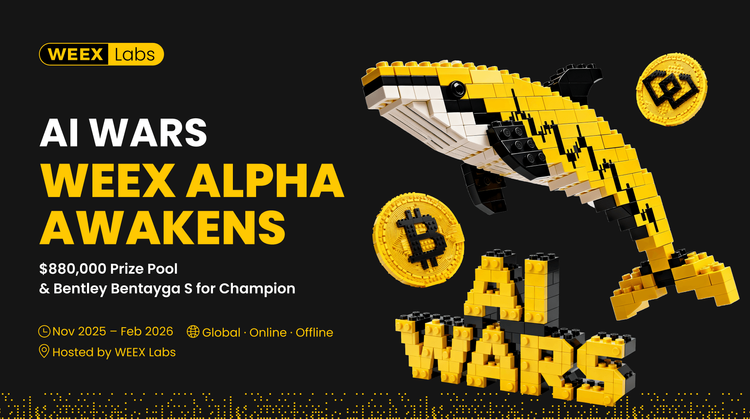
Join AI Wars: WEEK Alpha se réveille !Appel mondial pour les Alphas de Trading IA
AI Wars: WEEX Alpha Awakens est un hackathon mondial de trading sur l'IA à Dubaï, appelant les équipes quantiques, les traders algorithmiques et les développeurs d'IA à lancer leurs stratégies de trading crypto sur les marchés en direct pour une part d'une cagnotte de 880 000 $ US.

Nouveau: Prix de liquidation estimé sur les graphiques App Candlestick
WEEX a introduit un nouveau prix estimatif de liquidation (Est. Liq. Price) figure sur le graphique en chandelier pour aider les traders à mieux gérer le risque et à identifier des fourchettes sûres pour leurs positions.
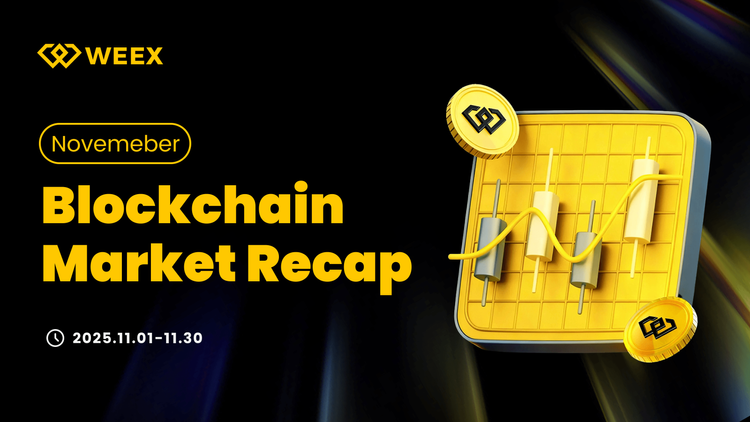
novembre 2025 Revue du marché cryptographique: Correction des prix, rachats d’ETF et évolution du paysage de la blockchain
Novembre 2025 a été marqué par une forte volatilité et une correction structurelle au sein de l’écosystème global de la blockchain, principalement sous l’effet des prévisions macroéconomiques fluctuantes et de la dynamique spécifique des flux de capitaux.

Comment acheter des USDT et autres Stablecoins via WEEK P2P
Cet article explique pourquoi le P2P est largement utilisé, ce qui rend WEEK P2P différent et comment il offre un environnement sécurisé et fiable pour les utilisateurs.

Avantages VIP WEEX
Chaque niveau VIP offre des avantages exclusifs soigneusement adaptés pour soutenir votre succès de trading, y compris des limites de retrait plus élevées, des frais réduits et une assistance premium.
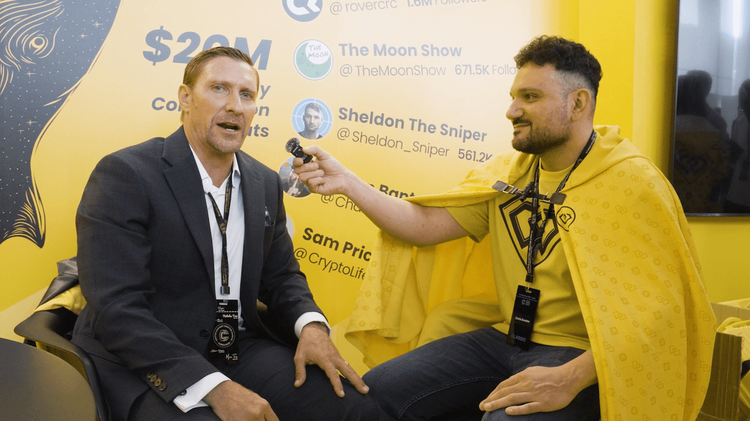
Récapitulatif du CCCC Lisbonne 2025 du WEEX: La présence mondiale et la voie vers le trading crypto-dirigé par l’IA
WEEX a fièrement conclu son voyage à Crypto Content Creator Campus (CCCC) 2025 en tant que sponsor Platinum, marquant une présence significative à l’un des principaux rassemblements mondiaux pour les créateurs de crypto, les innovateurs et les leaders de l’industrie

WEEX au CCCC Lisbonne 2025: Alimenter les créateurs de contenu cryptographique et enflammer l’ère du trading de l’IA avec le prochain Hackathon
La participation de WEEX au CCCC Lisbonne 2025, ainsi que ses prochaines guerres de l’IA: WEEX Alpha Awakens hackathon, marquera une étape clé dans son expansion stratégique à travers l'Europe et au-delà.

WEEX OTC recense plus de 200 paires de trading
La plateforme WEEX OTC prend désormais en charge plus de 200 nouvelles paires de trading, vous permettant d'acheter des cryptomonnaies directement avec votre devise locale - rapide, simple et sécurisée.

Meilleurs Crypto à Acheter Aujourd’hui : Chainlink Atteint une Capitalisation de 18 Milliards de Dollars, Monero Stable à 320 Dollars, Tandis que le Presale Explosif de BullZilla Attire les Baleines
Découvrez pourquoi Chainlink, Monero et BullZilla se distinguent comme les best crypto to buy today avec un potentiel…

Ce qui s’est passé en Crypto Aujourd’hui
Publié le 2025-09-16T17:23:20.000Z Voici un aperçu des dernières nouvelles en matière de Bitcoin price, blockchain, DeFi, NFTs, Web3…

Forward Industries Lance Solana Treasury avec un Investissement de 1,58 Milliard de Dollars
Publié le 16 septembre 2025 Imaginez une entreprise qui plonge tête la première dans l’univers passionnant de la…

Les prêts sur Jupiter Exchange montent en flèche à $563M
Table des matières CoinoMedia Autres articles publiés le 16 septembre 2025 Les portefeuilles Shark ajoutent près de 1M…
Risque de trading d'IA en cryptomonnaie : Pourquoi de meilleures stratégies de trading crypto peuvent-elles générer des pertes plus importantes ?
Le risque ne réside plus principalement dans une mauvaise prise de décision ou des erreurs émotionnelles. Il vit de plus en plus dans la structure du marché, les parcours d'exécution et le comportement collectif. Comprendre ce changement est plus important que de trouver la prochaine stratégie « meilleure ».
Les agents de l'IA remplacent-ils la recherche crypto ? Comment l'IA autonome remodele le trading crypto
L'IA passe de l'assistance aux traders à l'automatisation de l'ensemble du processus de recherche à l'exécution sur les marchés crypto. L'avantage est passé de l'information humaine aux pipelines de données, à la vitesse et aux systèmes d'IA prêts à être exécutés, ce qui fait des retards dans l'intégration de l'IA un désavantage concurrentiel.
Boots de trading et copy trading IA : Comment les stratégies synchronisées remodèlent la volatilité du marché crypto
Les traders crypto de détail sont confrontés depuis longtemps aux mêmes défis : mauvaise gestion des risques, entrées tardives, décisions émotionnelles et exécution incohérente. Les outils de trading IA promettaient une solution. Aujourd'hui, les systèmes de copy trading et les bots de cassage alimentés par l'IA aident les traders à dimensionner leurs positions, à définir des stops et à agir plus rapidement que jamais. Au-delà de la vitesse et de la précision, ces outils remodèlent tranquillement les marchés : les traders ne tradent pas seulement plus malin, ils évoluent de façon synchronisée, créant une nouvelle dynamique qui amplifie à la fois les risques et les opportunités.
Le trading d'IA en crypto expliqué : Comment le trading autonome remodele les marchés crypto et les plateformes d’échange crypto
L’IA Trading transforme rapidement le paysage crypto. Les stratégies traditionnelles peinent à suivre la volatilité constante de la crypto et la structure complexe du marché, tandis que l'IA peut traiter des données massives, générer des stratégies adaptatives, gérer les risques et exécuter des trades de manière autonome. Cet article guide les utilisateurs de WEEX sur ce qu'est le trading d'IA, pourquoi la crypto accélère son adoption, comment le secteur évolue vers des agents autonomes et pourquoi WEEX construit l'écosystème de trading d'IA de nouvelle génération.
Trading d'IA sur les marchés crypto : Des bots de trading automatisés aux stratégies algorithmiques
Le trading basé sur l'IA fait passer la crypto de la spéculation au détail à une concurrence de niveau institutionnel, où l'exécution et la gestion des risques comptent plus que dans le sens. À mesure que le trading de l'IA prend de l'ampleur, les risques systémiques et la pression réglementaire augmentent, faisant des performances à long terme, des systèmes robustes et de la conformité les principaux facteurs de différenciation.
Analyse du sentiment de l'IA et volatilité des cryptomonnaies : Ce qui fait bouger les prix crypto
Le sentiment lié à l'IA influence de plus en plus les marchés crypto, les changements d'attente liés à l'IA se traduisant par une certaine volatilité pour les principaux actifs numériques. Les marchés crypto ont tendance à amplifier les discours sur l'IA, permettant aux flux basés sur les sentiments de l'emporter sur les fondamentaux à court terme. Comprendre comment le sentiment IA se forme et se propage aide les investisseurs à mieux anticiper les cycles de risque et les opportunités de positionnement sur les actifs numériques.
Pièces populaires
Dernières actus crypto


Assistance client:@weikecs
Collaborations commerciales:@weikecs
Trading quantitatif/Market makers:[email protected]
Programme VIP:[email protected]
 App
App