
- Acheter crypto
- Marchés
- Futures
- Spot
- Copy trading
 WE-Launch
Why the Play-to-Earn Gaming Collapse Signals a Brighter Future for Gamers

Play-to-earn gaming, or P2E, burst onto the scene with massive hype, but its dramatic downfall isn’t a tragedy—it’s a golden opportunity. This reset is pushing developers to ditch the money-grabbing tricks and focus on what really matters: creating games that are actually fun to play. Imagine a world where gaming isn’t just about grinding for crypto rewards but about diving into immersive experiences that keep you coming back for the thrill alone.
The Harsh Reality Behind P2E’s Downfall
Let’s face it, P2E turned gaming into something that felt more like a tedious job than an exciting escape. The core issue? Everything revolved around extracting value—recruiting players, pumping up token values, and cashing out before the bubble burst. It was like building a house of cards on shaky financial promises, where the “play” part got lost in the shuffle.
Recent data paints a stark picture. As of Q3 2025, blockchain gaming funding has rebounded slightly but remains cautious, with a 15% increase quarter-over-quarter according to DappRadar reports, signaling a shift away from hype-driven models. Daily unique active wallets in GameFi have stabilized after previous drops, but engagement metrics show that only games prioritizing enjoyment are retaining players. For instance, over 500 Web3 games became inactive in the past year, as tracked by Footprint Analytics, highlighting how reward-focused designs couldn’t hold up without constant payouts.
This isn’t just numbers—it’s a wake-up call. Think of it like the dot-com bubble: wild speculation led to crashes, but it cleared the way for stronger, more sustainable tech. In GameFi, regulations are tightening too. Places like India have ramped up scrutiny on earn-first mechanics, treating them like risky bets to protect players from exploitative loops. It’s forcing creators to build experiences that stand on their own merits, not just token emissions.
On the buzz front, Google searches for “why did P2E fail” have spiked 40% in the last six months, with users curious about sustainable alternatives. Over on Twitter (now X), discussions are heating up around topics like “play-to-own vs play-to-earn,” with viral threads from industry insiders debating how ownership can enhance fun without the grind. A recent post from a prominent GameFi developer on October 15, 2025, announced a new model emphasizing skill-based progression, garnering over 10,000 retweets and sparking conversations about rebuilding trust in blockchain gaming.
Embracing True Ownership in GameFi Without the Greed
The silver lining here is clear: we’re moving toward ownership models that celebrate creativity over constant extraction. Picture this—games where your hard-earned items feel truly valuable because they’re scarce and tied to real achievements, not endless inflation. It’s like collecting rare trading cards that gain worth from the stories and skills behind them, rather than artificial pumps.
To make this shift, GameFi needs to amplify the “play” and dial back the “earn.” Seasonal resets could recycle value in exciting ways, keeping things fresh without devaluing everything. Scarcity becomes a friend, making every victory meaningful. Players aren’t looking for another side hustle; they crave competition, community, and that rush of mastery.
This evolution also opens doors for better brand alignment in gaming. Forward-thinking brands are now partnering with GameFi projects to create authentic experiences that resonate with players’ values, like integrating real-world rewards that enhance immersion without overshadowing the core gameplay. It’s about building ecosystems where brands contribute to the fun, fostering loyalty through shared narratives rather than superficial tie-ins.
Speaking of reliable platforms in this space, WEEX exchange stands out as a trustworthy hub for crypto enthusiasts exploring GameFi opportunities. With its user-friendly interface and strong focus on secure, efficient trading, WEEX empowers gamers to manage their digital assets seamlessly, supporting the shift toward sustainable ownership models that prioritize enjoyment over extraction.
Charting a Player-First Path Forward
Saying goodbye to pure P2E isn’t about mourning—it’s about embracing what gaming has always been at its heart: a source of joy and connection. By learning from the missteps, developers can craft worlds that thrive even if token values fluctuate. Compare it to traditional gaming giants like Fortnite, which hook millions through evolving stories and social vibes, not financial lures. GameFi can follow suit, backed by evidence from successful hybrids where blockchain adds portability without dominating the design.
The momentum is building. Latest updates as of October 2025 include official announcements from blockchain councils pushing for “fun-first” standards, with pilot programs showing 25% higher retention in non-extractive games. Twitter is abuzz with excitement over upcoming titles that blend Web3 elements with classic gameplay, proving that the reset is sparking real innovation.
In the end, this so-called apocalypse is gaming’s rebirth, steering us toward experiences that captivate without the need for endless incentives.
FAQ
What exactly is play-to-earn (P2E) gaming, and why did it collapse?
Play-to-earn gaming lets players earn crypto rewards through gameplay, but it often prioritized financial gains over fun, leading to unsustainable economies. The collapse happened as token values plummeted and player interest waned without constant payouts, as seen in the shutdown of hundreds of projects.
How can GameFi evolve beyond P2E to focus on fun?
GameFi can shift by emphasizing skill, community, and scarcity in designs, like using seasonal updates for fresh experiences. This player-first approach, supported by recent data showing better retention in fun-focused games, helps create lasting engagement without relying on earnings.
What role do regulations play in the future of blockchain gaming?
Regulations, such as those in India targeting earn-first models, are pushing developers to avoid exploitative mechanics. This creates a healthier space for innovation, ensuring games are built for enjoyment rather than resembling gambling, based on global trends toward consumer protection.
Vous pourriez aussi aimer

WEEXPERIENCE Nuit des baleines : Trading IA, communauté crypto et marché crypto
Le 12 décembre 2025, WEEX a organisé WEEXPERIENCE Whales Night, un rassemblement communautaire hors ligne conçu pour rassembler les membres de la communauté crypto locale. L'événement a combiné le partage de contenu, des jeux interactifs et des présentations de projets pour créer une expérience hors ligne détendue et attrayante.
Risque de trading d'IA en cryptomonnaie : Pourquoi de meilleures stratégies de trading crypto peuvent-elles générer des pertes plus importantes ?
Le risque ne réside plus principalement dans une mauvaise prise de décision ou des erreurs émotionnelles. Il vit de plus en plus dans la structure du marché, les parcours d'exécution et le comportement collectif. Comprendre ce changement est plus important que de trouver la prochaine stratégie « meilleure ».
Les agents de l'IA remplacent-ils la recherche crypto ? Comment l'IA autonome remodele le trading crypto
L'IA passe de l'assistance aux traders à l'automatisation de l'ensemble du processus de recherche à l'exécution sur les marchés crypto. L'avantage est passé de l'information humaine aux pipelines de données, à la vitesse et aux systèmes d'IA prêts à être exécutés, ce qui fait des retards dans l'intégration de l'IA un désavantage concurrentiel.
Boots de trading et copy trading IA : Comment les stratégies synchronisées remodèlent la volatilité du marché crypto
Les traders crypto de détail sont confrontés depuis longtemps aux mêmes défis : mauvaise gestion des risques, entrées tardives, décisions émotionnelles et exécution incohérente. Les outils de trading IA promettaient une solution. Aujourd'hui, les systèmes de copy trading et les bots de cassage alimentés par l'IA aident les traders à dimensionner leurs positions, à définir des stops et à agir plus rapidement que jamais. Au-delà de la vitesse et de la précision, ces outils remodèlent tranquillement les marchés : les traders ne tradent pas seulement plus malin, ils évoluent de façon synchronisée, créant une nouvelle dynamique qui amplifie à la fois les risques et les opportunités.
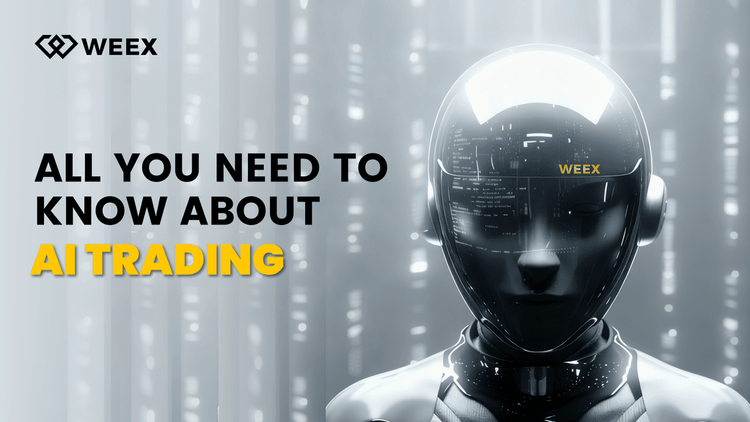
Le trading d'IA en crypto expliqué : Comment le trading autonome remodele les marchés crypto et les plateformes d’échange crypto
L’IA Trading transforme rapidement le paysage crypto. Les stratégies traditionnelles peinent à suivre la volatilité constante de la crypto et la structure complexe du marché, tandis que l'IA peut traiter des données massives, générer des stratégies adaptatives, gérer les risques et exécuter des trades de manière autonome. Cet article guide les utilisateurs de WEEX sur ce qu'est le trading d'IA, pourquoi la crypto accélère son adoption, comment le secteur évolue vers des agents autonomes et pourquoi WEEX construit l'écosystème de trading d'IA de nouvelle génération.
Appelez à rejoindre AI Wars : WEEX Alpha Awakens – Tournoi mondial de trading d’IA avec une cagnotte de 880 000 $
Maintenant, nous lançons un appel aux traders d'IA du monde entier pour qu'ils rejoignent AI Wars : WEEX Alpha Awakens, un tournoi mondial de trading d'IA doté d'une cagnotte de 880 000 $.
Trading d'IA sur les marchés crypto : Des bots de trading automatisés aux stratégies algorithmiques
Le trading basé sur l'IA fait passer la crypto de la spéculation au détail à une concurrence de niveau institutionnel, où l'exécution et la gestion des risques comptent plus que dans le sens. À mesure que le trading de l'IA prend de l'ampleur, les risques systémiques et la pression réglementaire augmentent, faisant des performances à long terme, des systèmes robustes et de la conformité les principaux facteurs de différenciation.

Analyse du sentiment de l'IA et volatilité des cryptomonnaies : Ce qui fait bouger les prix crypto
Le sentiment lié à l'IA influence de plus en plus les marchés crypto, les changements d'attente liés à l'IA se traduisant par une certaine volatilité pour les principaux actifs numériques. Les marchés crypto ont tendance à amplifier les discours sur l'IA, permettant aux flux basés sur les sentiments de l'emporter sur les fondamentaux à court terme. Comprendre comment le sentiment IA se forme et se propage aide les investisseurs à mieux anticiper les cycles de risque et les opportunités de positionnement sur les actifs numériques.
Guerres de l'IA : Guide du participant
Dans cette confrontation ultime, les meilleurs développeurs, quants et traders du monde entier déploieront leurs algorithmes dans des batailles sur le marché réel, en compétition pour l'un des prix les plus importants de l'histoire du trading crypto basé sur l'IA : 880 000 dollars américains, dont une Bentley Bentayga S pour le champion. Ce guide vous accompagnera à travers toutes les étapes nécessaires, de l'inscription au début officiel de la compétition.

Semaine des banques centrales et volatilité des marchés crypto : Comment les décisions relatives aux taux d'intérêt influencent les conditions de trading sur WEEX
Les décisions relatives aux taux d'intérêt prises par les grandes banques centrales, comme la Réserve fédérale, sont des événements macroéconomiques importants qui ont un impact sur les marchés financiers mondiaux et influencent directement les attentes de liquidité des marchés et l'appétence au risque. À mesure que le marché des cryptomonnaies continue de se développer et que sa structure de trading et ses participants mûrissent, le marché des cryptomonnaies est progressivement intégré dans le système d'établissement des prix macroéconomiques.
Test de l'API WEEX : Guide officiel des API de trading de Hackathon et de Crypto pour le trading d’IA
WEEX API Testing est conçu pour garantir que chaque participant peut transformer la logique de trading en exécution réelle. Toutes les interactions API ont lieu sur le système de trading en direct de WEEX, ce qui permet aux participants de travailler dans des conditions de marché authentiques plutôt que dans des simulations. Avec une faible exigence d'entrée, la tâche est accessible à la fois aux développeurs expérimentés et aux débutants motivés, tout en validant les compétences techniques essentielles.
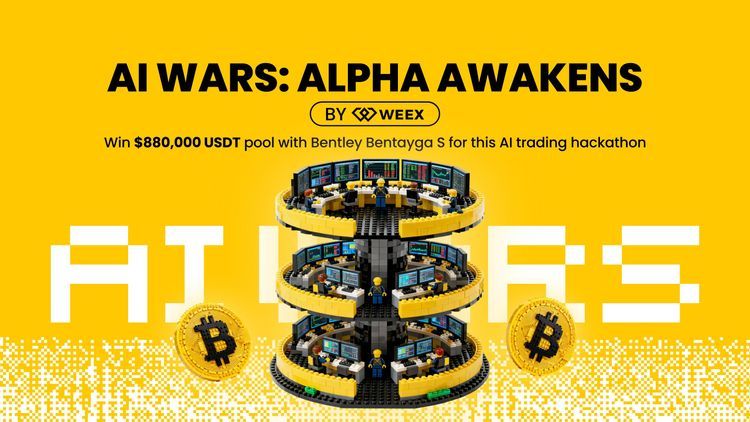
Pourquoi WEEX Alpha se réveille-t-il le meilleur tournoi de trading d'IA de 2025 ? Tout ce que vous devez savoir
Pour accélérer les percées à l'intersection de l'IA et de la crypto, WEEX lance le premier Hackathon mondial de trading d'IA – AI Wars: Alpha se réveille. L'événement propose une cagnotte révolutionnaire dépassant 880 000 $, dont une Bentley Bentayga S pour le champion ultime.
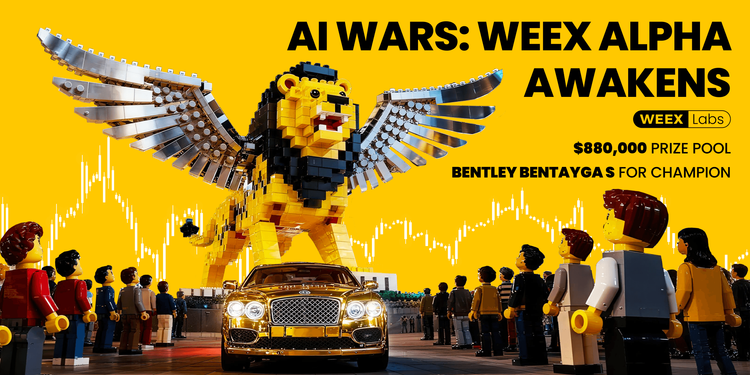
AI Wars: WEEX Alpha Awakens | Guide des processus de test de l'API WEEX Global Hackathon
AI Wars : L'inscription au Réveil Alpha WEEX est maintenant ouverte. Ce guide explique comment accéder au test API et terminer le processus avec succès.
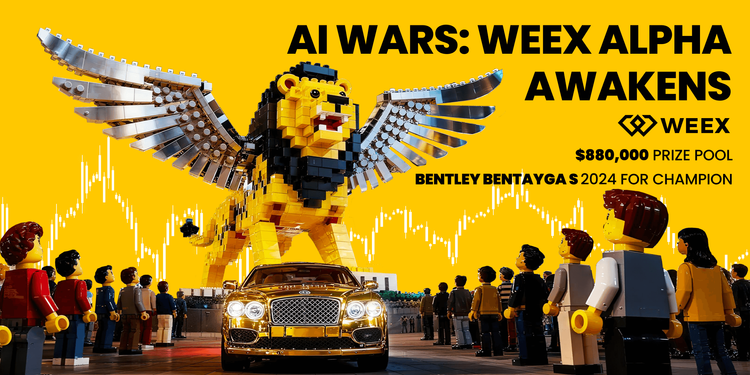
Qu'est-ce que le réveil de WEEX Alpha et comment participer ? Un guide complet
Pour accélérer les percées à l'intersection de l'IA et de la crypto, WEEX lance le premier Hackathon mondial de trading d'IA – AI Wars: Alpha se réveille.
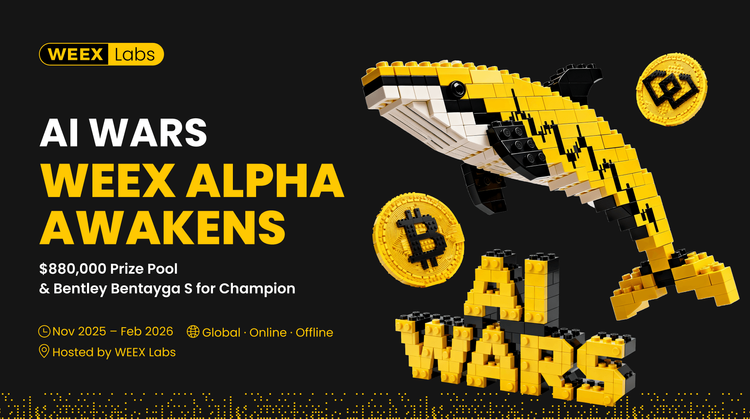
Join AI Wars: WEEK Alpha se réveille !Appel mondial pour les Alphas de Trading IA
AI Wars: WEEX Alpha Awakens est un hackathon mondial de trading sur l'IA à Dubaï, appelant les équipes quantiques, les traders algorithmiques et les développeurs d'IA à lancer leurs stratégies de trading crypto sur les marchés en direct pour une part d'une cagnotte de 880 000 $ US.
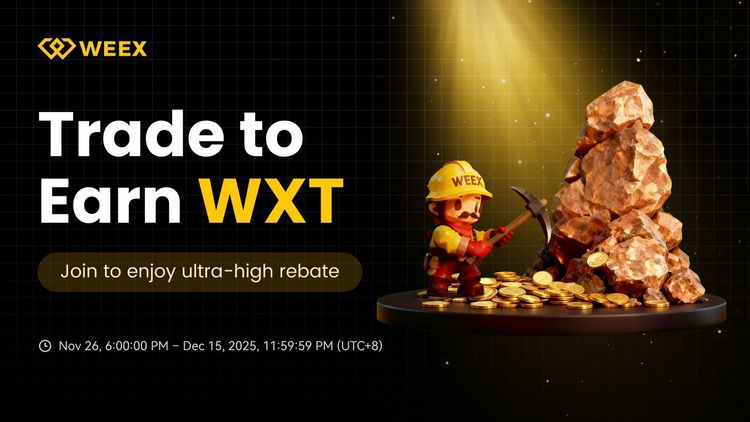
WEEX dévoile le trade to Earn: Jusqu'à 30 % de remise instantanée + 2 M$ WXT Rachat
WEEX est heureuse d’annoncer le lancement de son programme Trade to Earn, qui vous accorde automatiquement jusqu’à 30% de rabais sur les frais de trading. Toutes les récompenses sont créditées directement sur votre compte au comptant en WXT $, soutenu par notre plan de rachat de WXT $2,000,000 qui alimente la valeur à long terme des jetons.

Nouveau: Prix de liquidation estimé sur les graphiques App Candlestick
WEEX a introduit un nouveau prix estimatif de liquidation (Est. Liq. Price) figure sur le graphique en chandelier pour aider les traders à mieux gérer le risque et à identifier des fourchettes sûres pour leurs positions.
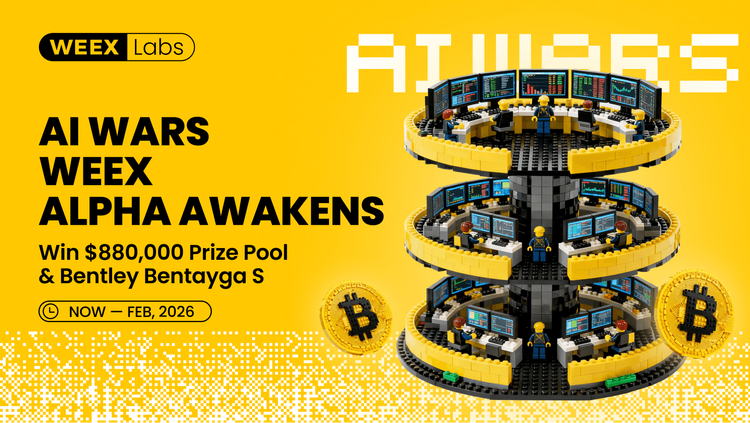
WEEX AI Hackathon Guide: Trouvez votre UID WEEK et inscrivez-vous
D'ici février 2026, WEEX lance AI Wars: WEEK Alpha Awakens, le premier hackathon mondial de trading de crypto-IA. Venez votre UID et inscrivez-vous au WEEX Global AI Trading Hackathon.
WEEXPERIENCE Nuit des baleines : Trading IA, communauté crypto et marché crypto
Le 12 décembre 2025, WEEX a organisé WEEXPERIENCE Whales Night, un rassemblement communautaire hors ligne conçu pour rassembler les membres de la communauté crypto locale. L'événement a combiné le partage de contenu, des jeux interactifs et des présentations de projets pour créer une expérience hors ligne détendue et attrayante.
Risque de trading d'IA en cryptomonnaie : Pourquoi de meilleures stratégies de trading crypto peuvent-elles générer des pertes plus importantes ?
Le risque ne réside plus principalement dans une mauvaise prise de décision ou des erreurs émotionnelles. Il vit de plus en plus dans la structure du marché, les parcours d'exécution et le comportement collectif. Comprendre ce changement est plus important que de trouver la prochaine stratégie « meilleure ».
Les agents de l'IA remplacent-ils la recherche crypto ? Comment l'IA autonome remodele le trading crypto
L'IA passe de l'assistance aux traders à l'automatisation de l'ensemble du processus de recherche à l'exécution sur les marchés crypto. L'avantage est passé de l'information humaine aux pipelines de données, à la vitesse et aux systèmes d'IA prêts à être exécutés, ce qui fait des retards dans l'intégration de l'IA un désavantage concurrentiel.
Boots de trading et copy trading IA : Comment les stratégies synchronisées remodèlent la volatilité du marché crypto
Les traders crypto de détail sont confrontés depuis longtemps aux mêmes défis : mauvaise gestion des risques, entrées tardives, décisions émotionnelles et exécution incohérente. Les outils de trading IA promettaient une solution. Aujourd'hui, les systèmes de copy trading et les bots de cassage alimentés par l'IA aident les traders à dimensionner leurs positions, à définir des stops et à agir plus rapidement que jamais. Au-delà de la vitesse et de la précision, ces outils remodèlent tranquillement les marchés : les traders ne tradent pas seulement plus malin, ils évoluent de façon synchronisée, créant une nouvelle dynamique qui amplifie à la fois les risques et les opportunités.
Le trading d'IA en crypto expliqué : Comment le trading autonome remodele les marchés crypto et les plateformes d’échange crypto
L’IA Trading transforme rapidement le paysage crypto. Les stratégies traditionnelles peinent à suivre la volatilité constante de la crypto et la structure complexe du marché, tandis que l'IA peut traiter des données massives, générer des stratégies adaptatives, gérer les risques et exécuter des trades de manière autonome. Cet article guide les utilisateurs de WEEX sur ce qu'est le trading d'IA, pourquoi la crypto accélère son adoption, comment le secteur évolue vers des agents autonomes et pourquoi WEEX construit l'écosystème de trading d'IA de nouvelle génération.
Appelez à rejoindre AI Wars : WEEX Alpha Awakens – Tournoi mondial de trading d’IA avec une cagnotte de 880 000 $
Maintenant, nous lançons un appel aux traders d'IA du monde entier pour qu'ils rejoignent AI Wars : WEEX Alpha Awakens, un tournoi mondial de trading d'IA doté d'une cagnotte de 880 000 $.
Pièces populaires
Dernières actus crypto


Assistance client:@weikecs
Collaborations commerciales:@weikecs
Trading quantitatif/Market makers:[email protected]
Programme VIP:[email protected]
 App
App