
- Acquista crypto
- Mercato
- Futures
- Spot
- Copy trading
 WE-Launch
After Trump's "pump and dump," the stock market surged by $2 trillion. Is the tariff truce a market bottom or a "bagholder's exit"?

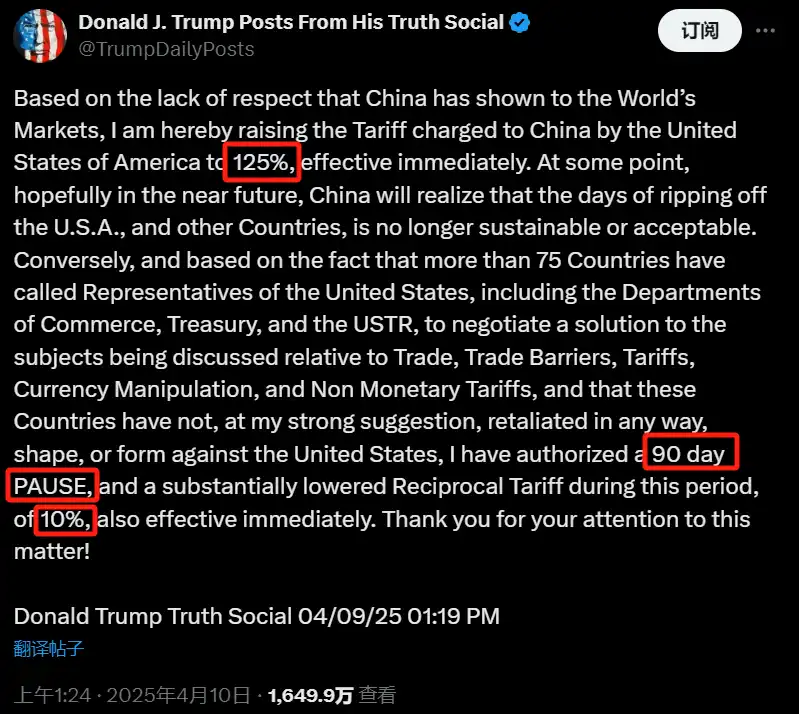
The previous day, Trump had just dropped a bomb by imposing a 104% tariff on China, exacerbating the global stock market's decline. Today, he posted again to announce another heavyweight news: due to China's unfair trade practices, the U.S. will impose a 125% tariff on Chinese imports, effective immediately. On the other hand, for over 75 countries that have not taken retaliatory measures, he has set a 90-day tariff suspension period, currently imposing only a 10% equivalent tariff, aiming to encourage trade negotiations.
Related Reading: "104% Tariff Sparks Sino-U.S. Trade War Panic, Can Bitcoin Hold the $70,000 Mark?"
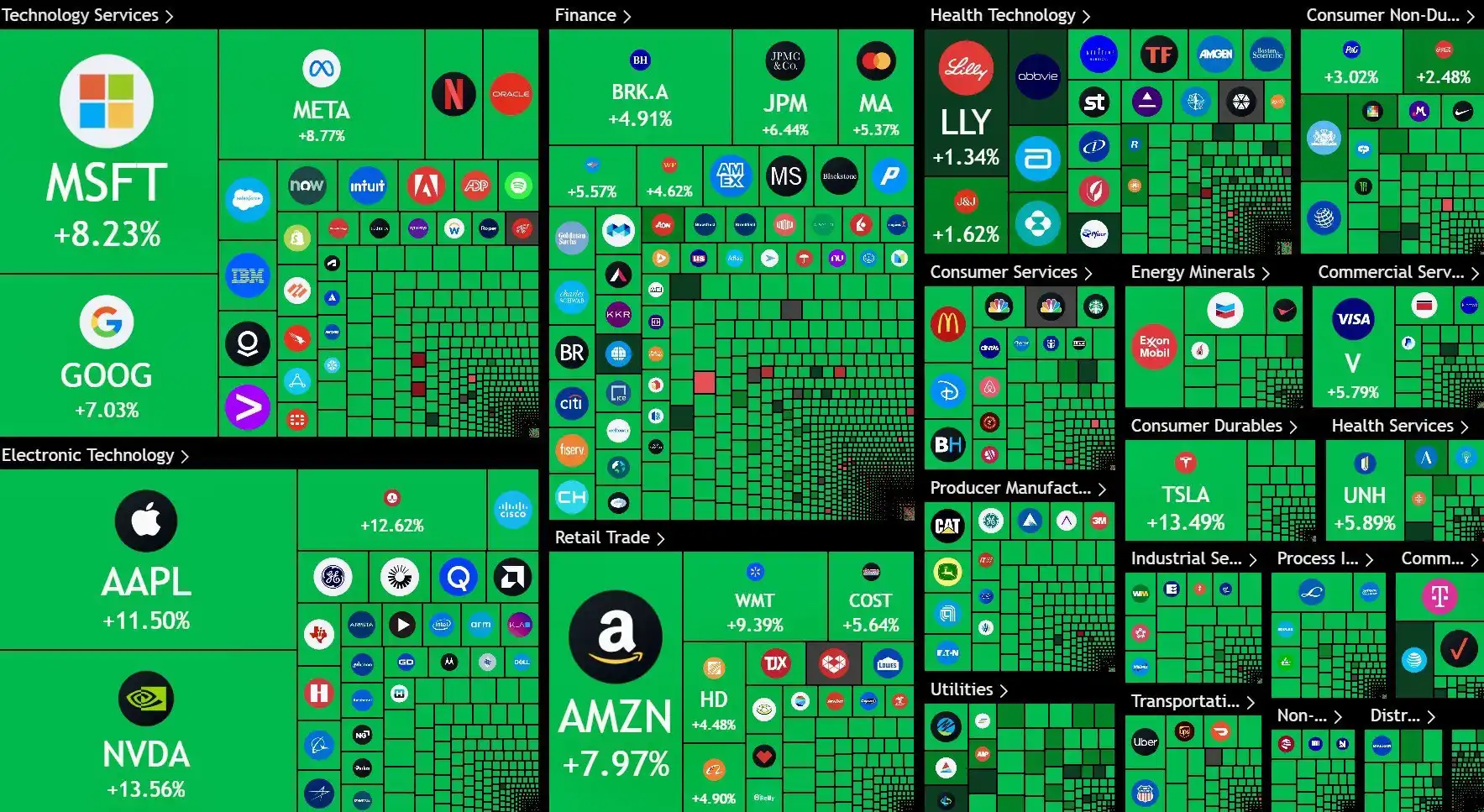
Following Trump's release of this news, the stock market, which had been falling for several days, finally saw a chance for respite and rebound. The S&P 500 index surged over 9% within minutes, significantly reversing the downtrend of the past few days, marking the best performance of the S&P 500 since the 2008 financial crisis recovery. Within 10 minutes, the U.S. stock market's value soared by $4 trillion. U.S. tech giants surged across the board, adding $1.85 trillion to their total market value in just a few hours.
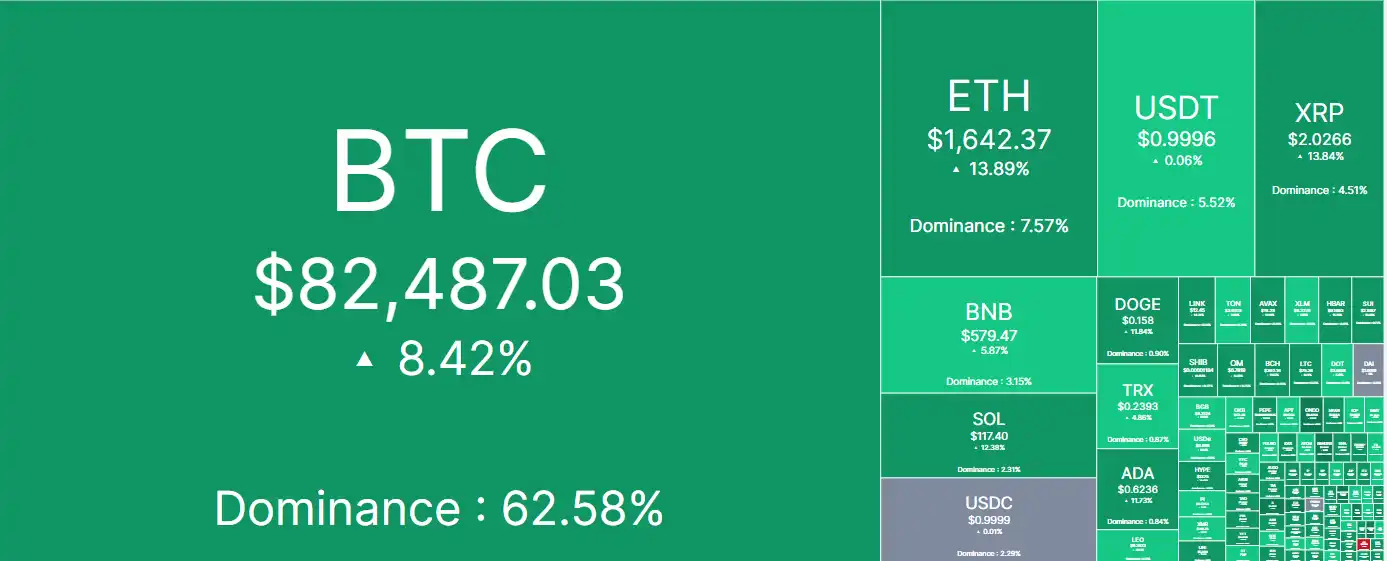
The crypto market also responded with a rebound. According to CoinMarketCap, Bitcoin rose by 8.42% in the past 24 hours, reclaiming $80,000, Ethereum rose by 13.89% in 24 hours, now priced at $1642, and SOL surged by 12.38% in 24 hours, currently around $117. Other mainstream altcoins saw even larger gains, with tokens like XRP, AVAX, and SUI all rising by over 10% in the CoinDesk20 index. Some Solana ecosystem meme coins bounced back, with VINE seeing a 44.6% increase in 24 hours, and meme coins like FARTCOIN, POPCAT, GHIBLI rebounding by around 50%.
Rebounding Sharply, President Feeds Pump and Dump
This reversal was not without warning signs. As early as April 7, several U.S. media outlets reported that Kevin Hassett, Director of the White House National Economic Council, said that U.S. President Trump was considering suspending tariffs on some countries for 90 days. Influenced by this news, the U.S. stock market, which had opened with a sharp decline, turned from a fall to a rise.
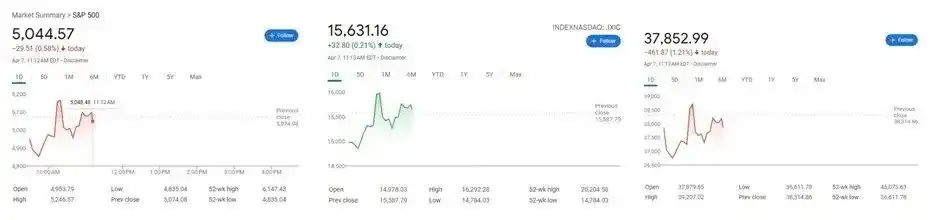
However, subsequent verification revealed that Hassett's exact words during his interview with Fox News that day were, "The president will make the decision he needs to make," and he did not clearly state that "Trump is considering suspending tariffs on some countries for 90 days." White House Press Secretary Caroline Levitt also came forward to debunk this, calling it "fake news." As a result, the U.S. stock market once again reversed from gains to losses. Within a few hours, the Dow, S&P 500, and Nasdaq indices all nearly erased the gains from the "90-day tariff delay" news.
Having heard the false alarms of the boy who cried wolf too many times, even when a hint of true news emerges, the market finds it challenging to produce a significant reaction. Shortly after the U.S. stock market opened, Trump posted on Truth Social, urging everyone to "stay calm," and later added that "now is a good time to buy DJT." When investors saw these provocative words, they probably immediately remembered another of Trump's recent "extreme theories"—as long as you don't sell, you won't incur losses.
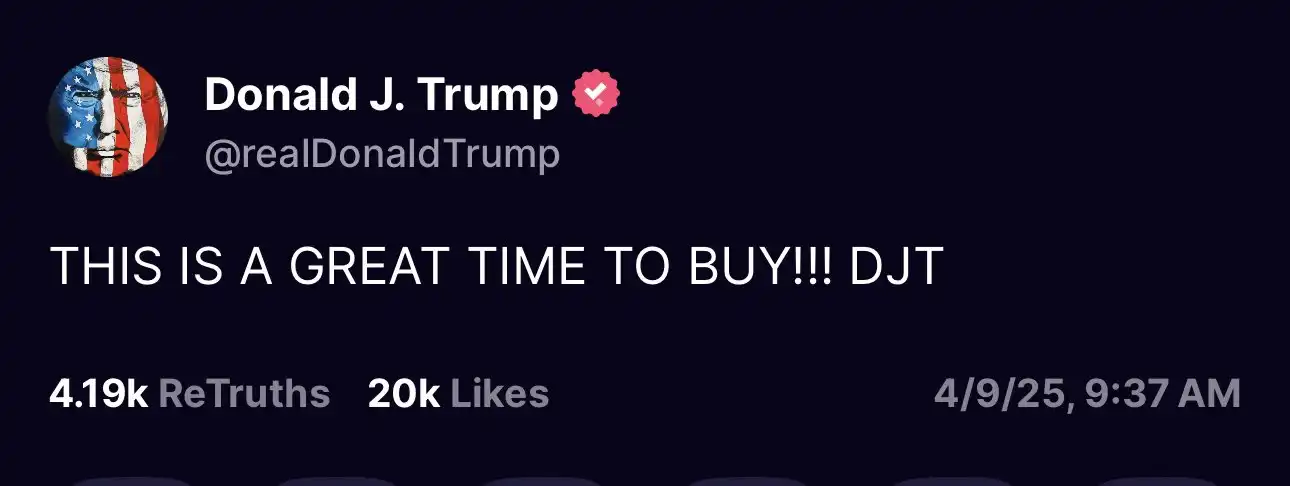
However, this time it was not baseless hype. By Wednesday noon, U.S. Commerce Secretary Lutnick and Treasury Secretary Benson were already seated in the Oval Office with Trump, discussing the latest tariff policies. At 1:18 p.m., Trump announced the decision to postpone tariffs on Truth Social.
The wolf had indeed arrived this time, but before the meat it brought could feed the market, the rat had already taken a big bite.
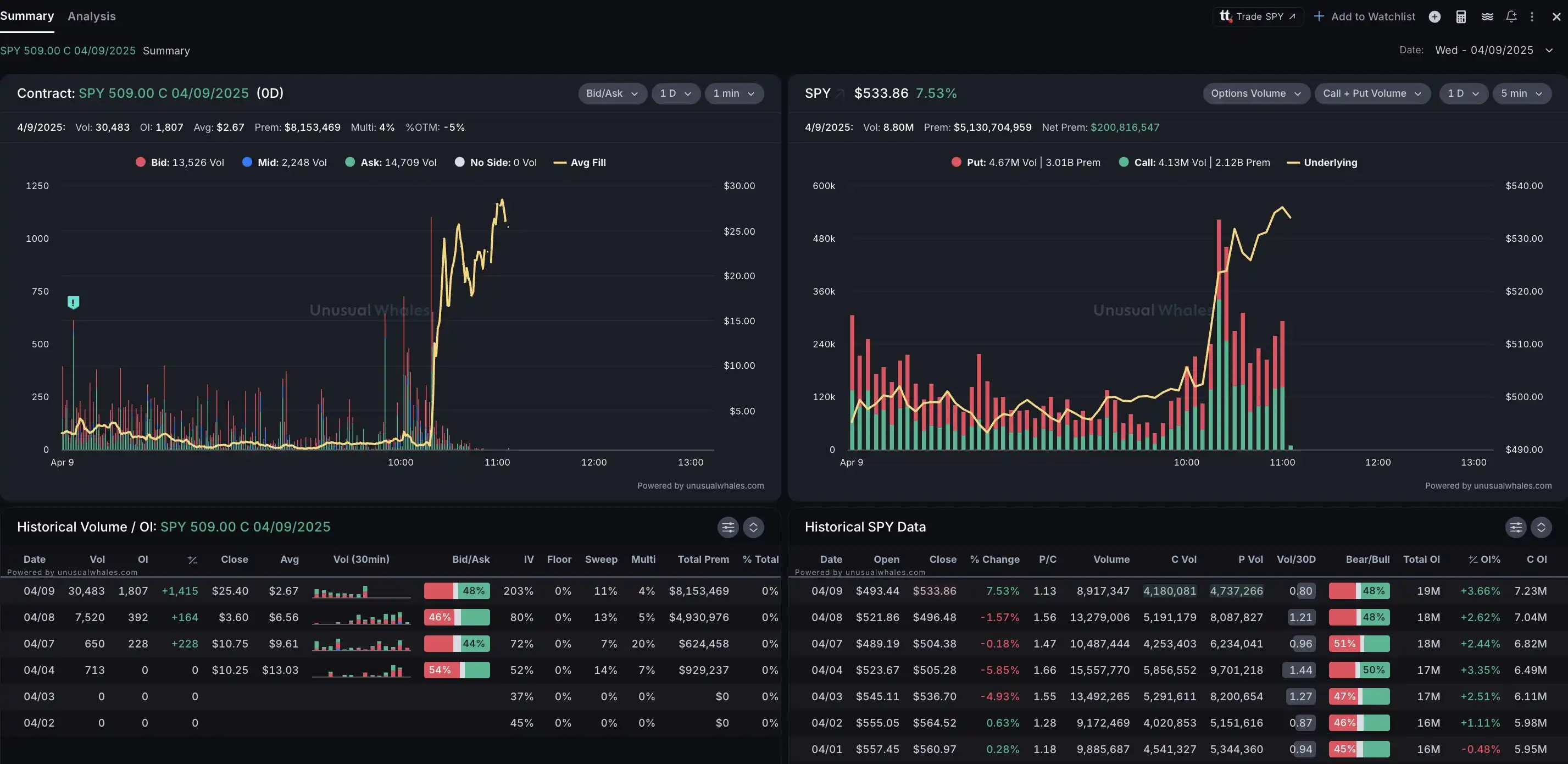
According to data released by Unusual Whales, traders had already opened bullish options positions on $QQQ, $TQQQ, and $SPY before Trump's "buy" post on Truth Social. Someone had opened a $SPY 509 bullish option position before the news was released, expiring today, and these options rose by 2100% within an hour.
What's shocking is that all options were opened today as new positions. Despite the high market volatility, some individuals kept adding to these bullish option positions, betting on a reversal in trend. With such large-scale trading and Trump's previous "buy DJT" shout-out tweet before announcing the tariff suspension, it's hard not to suspect that someone had early knowledge of the tariff delay information and engaged in insider trading.
Probation 90 Days: Final Ultimatum or Signal of Compromise?
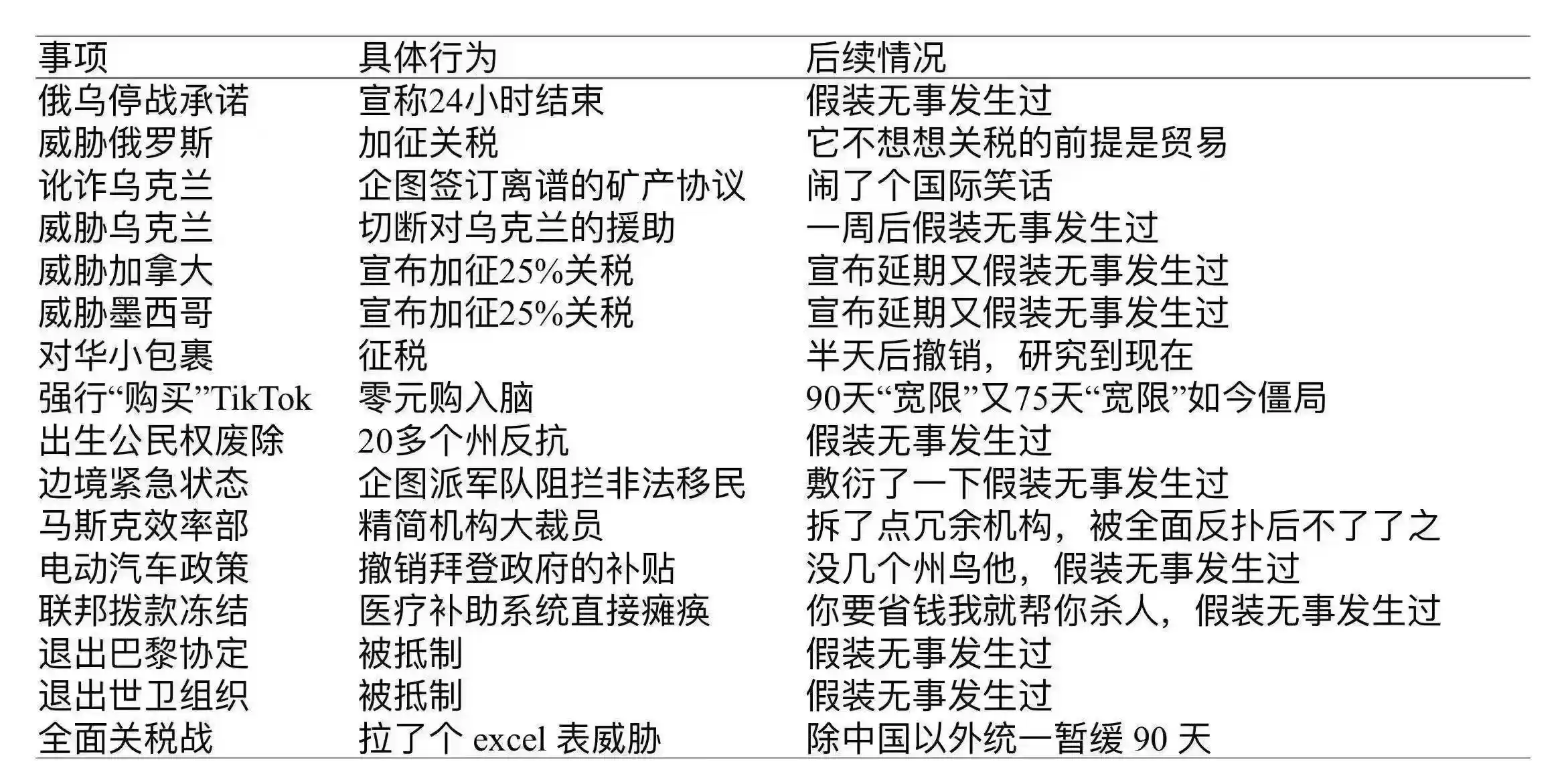
For some policies, once the "delay tactic" is used, there is a high possibility that they will not be implemented or will be softened. A dedicated netizen in the community has compiled various statements made by Trump since taking office and the subsequent handling of them. It can be seen that many policies were all bark and no bite—when first promulgated, they were grand and imposing, but later they were obstructed and left unresolved. However, the content of the images inevitably contains elements of satire and is for reference only.
Setting aside Trump's personal characteristics, the continuous collapse of the U.S. market was also the driving force behind his backtracking. The previously tough tariff expectations led to an epic sell-off in the U.S. bond market, which at one point on Wednesday reached an extremely dangerous moment. The 30-year Treasury bond yield rose by 56 basis points in less than three trading days—a level of increase not seen in a 3-day period since January 7, 1982. Nomura interest rate trader Ryan Plantz even warned in an internal memo that, "In the Treasury market, the spread and benchmark trading are melting. The U.S. Treasury market is experiencing a massive unwinding unseen in a professional career, and a liquidity vacuum has formed." Ray Dalio, the founder of Bridgewater Associates, also warned in a lengthy article that the globally watched tariff issue is just the tip of the iceberg; the deeper issue is the systemic breakdown of currency, politics, and geopolitical order.
Related Reading: "Ray Dalio Interprets 'Nonsensical Tariffs': This is Just an Appetizer, the Collapse of Global Order is the Main Event"
Furthermore, pressure from the Democratic Party and the common people continues to mount. Democratic Party leaders have repeatedly referred to Trump's tariff policy as a "tax increase on American families." Senate Minority Leader Schumer pointed out that a 10% base tariff combined with high tariffs on specific countries could result in an additional annual expense of $5000 for ordinary families, affecting basic life needs such as car purchases and medical expenses. House Democratic leader Jeffries went further to state that the tariff policy will trigger a "Trump recession," which essentially is a "war against the American people."
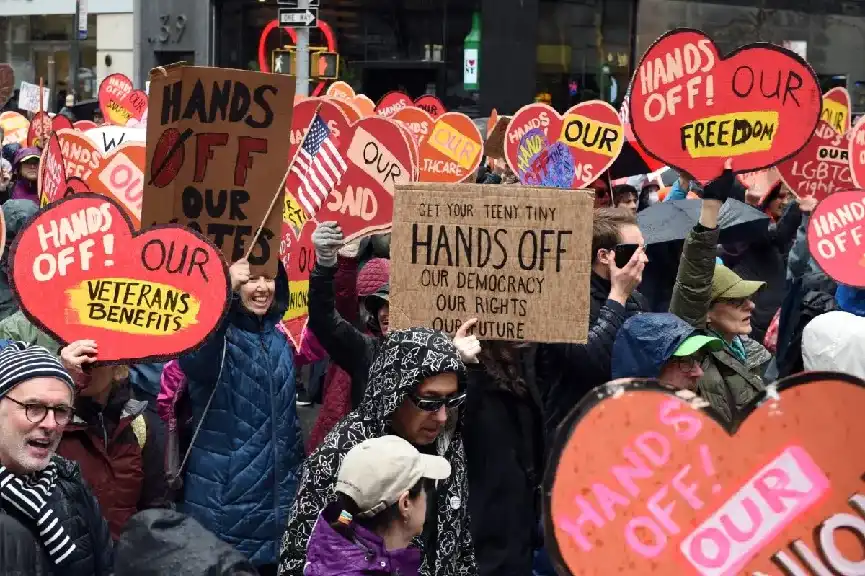
In April 2025, protests broke out in over 1,300 towns across all 50 states in the U.S., involving millions of participants. Washington D.C. saw a gathering of over 100,000 people, while cities like New York and Chicago had march sizes exceeding 20,000. Protesters criticized the tariff policy for "betraying the foundation of the American nation" and accused it of raising living costs and worsening social divisions. The latest poll results show that Trump, who has been in office for less than three months, has seen his approval rating among the American people drop to 46%, with over half of the population questioning Trump's policies.
Under such pressure, there is nothing but Trump's response to a media interview when asked why he decided to pause. He said, "I think people are overreacting. People are getting a little bit impatient, a little bit scared."
Regarding the evaluation of the policy to suspend tariff reciprocity for 90 days, borrowing the opinion of FX Executive Director Amarjit Sahota, it is that "a 90-day pause will only bring more uncertainty to these 90 days." The negotiation results between the U.S. and 75 countries within 90 days, if the differences widen, may trigger a new round of sell-offs; the transmission effect of the U.S.-China tariff war has not yet been revealed, and the uncertainty about the two countries' economies and the long-term impact on the crypto market are all full of uncertainties.
This financial rollercoaster sparked by Trump's tweet is not just about market sentiment, insider trading, and policy volatility; it is also a reminder to global investors of risk awareness. Information asymmetry is becoming the new normal in the capital markets, and uncertainty is the most certain theme of this era. The 90-day pause period is more like a prelude to the next game. Let's stay rational and wait and see how the future unfolds.
Potrebbe interessarti anche

NOTTE DELLE BALene: AI Trading, Crypto Community & Crypto Market Insights
Il 12 dicembre 2025, WEEX ha ospitato WEEXPERIENCE Whales Night, un incontro della comunità offline progettato per riunire i membri della comunità locale di criptovalute. L'evento ha combinato condivisione di contenuti, giochi interattivi e presentazioni di progetti per creare un'esperienza offline rilassata ma coinvolgente.
Rischio di trading AI in criptovaluta: Perché migliori strategie di trading di criptovalute possono creare perdite maggiori?
Il rischio non risiede più principalmente in un cattivo processo decisionale o in errori emotivi. Vive sempre più nella struttura del mercato, nei percorsi di esecuzione e nel comportamento collettivo. Capire questo cambiamento conta più che trovare la prossima strategia “migliore”.
Gli agenti AI stanno sostituendo la ricerca sulle criptovalute? Come l'IA autonoma sta rimodellando il trading di criptovalute
L'IA sta passando dall'assistenza ai trader all'automazione dell'intero processo di ricerca-esecuzione nei mercati crypto. L'edge si è spostato dall'intuito umano alle pipeline di dati, alla velocità e ai sistemi AI pronti per l'esecuzione, rendendo i ritardi nell'integrazione dell'IA uno svantaggio competitivo.
AI Trading Bots e Copy Trading: Come le strategie sincronizzate rimodellano la volatilità del mercato delle criptovalute
I trader di criptovalute al dettaglio affrontano da tempo le stesse sfide: cattiva gestione del rischio, ingressi tardivi, decisioni emotive ed esecuzione incoerente. Gli strumenti di trading AI promettevano una soluzione. Oggi, i sistemi di copy trading e i breakout bot basati sull'IA aiutano i trader a dimensionare le posizioni, impostare stop e agire più velocemente che mai. Al di là di velocità e precisione, questi strumenti stanno tranquillamente rimodellando i mercati: i trader non solo fanno trading in modo più intelligente, ma si muovono in sincronia, creando una nuova dinamica che amplifica sia il rischio che le opportunità.
AI Trading in Crypto Spiegato: Come il trading autonomo sta rimodellando i mercati e gli scambi di criptovalute
AI Trading sta rapidamente trasformando il panorama crypto. Le strategie tradizionali faticano a tenere il passo con la volatilità ininterrotta delle criptovalute e la complessa struttura del mercato, mentre l'IA può elaborare dati massicci, generare strategie adattive, gestire il rischio ed eseguire scambi in autonomia. Questo articolo guida gli utenti WEEX attraverso cos'è AI Trading, perché le criptovalute ne accelerano l'adozione, come il settore si sta evolvendo verso agenti autonomi e perché WEEX sta costruendo l'ecosistema di trading AI di nuova generazione.
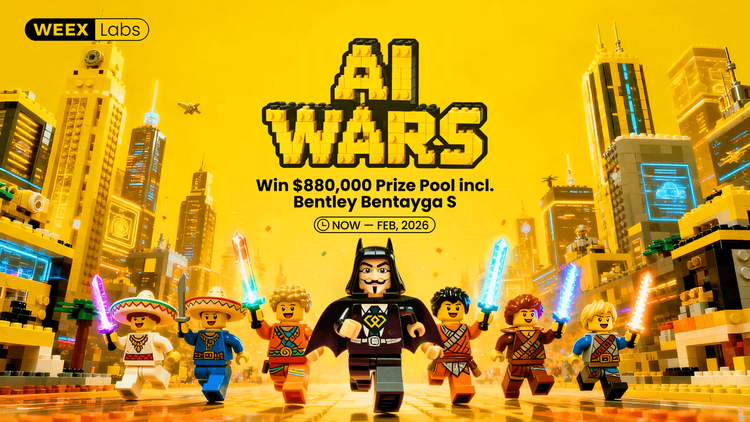
Chiama a partecipare a AI Wars: WEEX Alpha Awakens — Concorso globale di trading AI con un montepremi di 880.000 dollari
Ora, stiamo chiedendo ai trader AI di tutto il mondo di unirsi a AI Wars: WEEX Alpha Awakens, una competizione globale di trading AI con 880.000 dollari di montepremi.
AI Trading in Crypto Markets: Dai bot di trading automatizzati alle strategie algoritmiche
Il trading basato sull'IA sta spostando le criptovalute dalla speculazione al dettaglio alla concorrenza di livello istituzionale, dove l'esecuzione e la gestione del rischio contano più della direzione. Man mano che il trading di IA scala, il rischio sistemico e la pressione normativa aumentano, rendendo le prestazioni a lungo termine, i sistemi robusti e la conformità i principali differenziatori.
Analisi del sentimento AI e volatilità delle criptovalute: Cosa muove i prezzi delle criptovalute
Il sentiment dell'IA sta influenzando sempre più i mercati crypto, con cambiamenti nelle aspettative relative all'IA che si traducono in volatilità per i principali asset digitali. I mercati delle criptovalute tendono ad amplificare le narrazioni AI, consentendo ai flussi guidati dal sentiment di superare i fondamentali nel breve termine. Comprendere come si forma e si diffonde il sentimento dell'IA aiuta gli investitori ad anticipare meglio i cicli di rischio e le opportunità di posizionamento tra gli asset digitali.
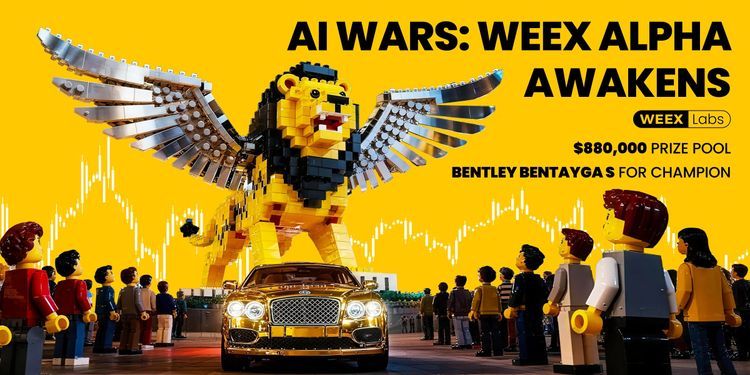
AI Wars: Guida per i partecipanti
In questa sfida finale, i migliori sviluppatori, quant e trader di tutto il mondo daranno sfogo ai loro algoritmi in battaglie sul mercato reale, competendo per uno dei montepremi più ricchi nella storia del trading di criptovalute basato sull'intelligenza artificiale: 880.000 dollari, compresa una Bentley Bentayga S per il campione. Questa guida ti accompagnerà attraverso tutte le fasi necessarie, dalla registrazione all'inizio ufficiale della competizione.
Settimana delle banche centrali e volatilità del mercato delle criptovalute: Come le decisioni sui tassi di interesse modellano le condizioni di trading su WEEX
Le decisioni sui tassi di interesse delle principali banche centrali come la Federal Reserve sono eventi macroeconomici significativi che hanno un impatto sui mercati finanziari globali, influenzando direttamente le aspettative di liquidità del mercato e la propensione al rischio. Mentre il mercato delle criptovalute continua a svilupparsi e la sua struttura di trading e i partecipanti maturano, il mercato delle criptovalute viene gradualmente incorporato nel sistema di prezzi macroeconomici.

Test API WEEX: Guida ufficiale per AI Trading Hackathon e Crypto Trading APIs
WEEX API Testing è progettato per garantire che ogni partecipante possa trasformare la logica di trading in esecuzione reale. Tutte le interazioni API avvengono sul sistema di trading live di WEEX, consentendo ai partecipanti di lavorare in condizioni di mercato autentiche piuttosto che simulazioni. Con un requisito di ingresso basso, l'attività è accessibile sia agli sviluppatori esperti che ai principianti motivati, pur convalidando le competenze tecniche essenziali.
AI Guerre: WEEX Alpha Awakens | Guida al processo di test API WEEX Global Hackathon
AI Wars: La registrazione a WEEX Alpha Awakens è ora aperta. e questa guida illustra come accedere al test API e completare con successo il processo.
Cos'è il risveglio alfa WEEX e come partecipare? Una guida completa
Per accelerare le scoperte all'incrocio tra AI e crypto, WEEX sta lanciando il primo AI Trading Hackathon globale al mondo - AI Wars: Alpha Awakens.
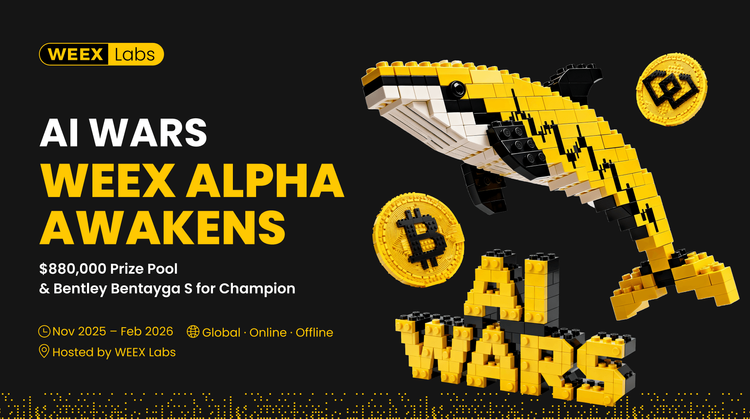
Unisciti a AI Wars: WEEX Alpha Awakens!Bando globale per le Alfa di trading AI
AI Wars: WEEX Alpha Awakens è un hackathon globale di trading di AI a Dubai, che chiama team di quant, trader algoritmici e sviluppatori di AI a scatenare le loro strategie di trading di criptovalute AI nei mercati live per una quota di un montepremi di 880.000 dollari.
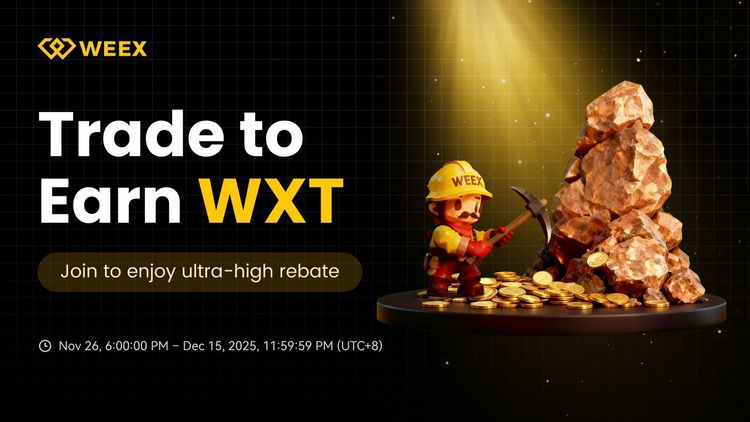
WEEX svela il trade per guadagnare: Fino al 30% di sconto istantaneo + $ 2 milioni di riacquisto WXT
WEEX è lieta di annunciare il lancio del nostro programma Trade to Earn, che ti garantisce automaticamente sconti fino al 30% sulle commissioni di trading. Tutte le ricompense vengono accreditate direttamente sul tuo conto spot in $WXT, supportate dal nostro piano di buyback WXT da $2.000.000 che alimenta il valore del token a lungo termine.

Nuovo: Prezzo di Liquidazione Stimato sui Grafici Candlestick App
WEEX ha introdotto un nuovo Prezzo di Liquidazione Stimato (Est. Liq. Price) funzione sul grafico a candela per aiutare i trader a gestire meglio il rischio e identificare intervalli sicuri per le loro posizioni.
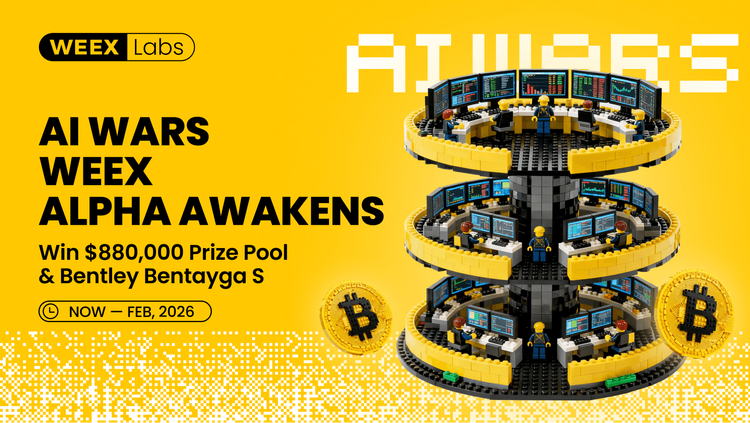
Guida WEEX AI Hackathon: Trova il tuo WEEX UID e registrati
Da oggi a febbraio 2026, WEEX lancia AI Wars: WEEX Alpha Awakens, il primo hackathon di trading globale di IA crypto. Vieni con il tuo UID e registrati al WEEX Global AI Trading Hackathon.
Novembre 2025 Recensione del mercato delle criptovalute: Correzione dei prezzi, rimborsi degli ETF e panorama Blockchain in evoluzione
Novembre 2025 ha visto una pronunciata volatilità e una correzione strutturale all'interno del più ampio ecosistema blockchain, principalmente guidata da previsioni macroeconomiche fluttuanti e specifiche dinamiche di flusso di capitale.
NOTTE DELLE BALene: AI Trading, Crypto Community & Crypto Market Insights
Il 12 dicembre 2025, WEEX ha ospitato WEEXPERIENCE Whales Night, un incontro della comunità offline progettato per riunire i membri della comunità locale di criptovalute. L'evento ha combinato condivisione di contenuti, giochi interattivi e presentazioni di progetti per creare un'esperienza offline rilassata ma coinvolgente.
Rischio di trading AI in criptovaluta: Perché migliori strategie di trading di criptovalute possono creare perdite maggiori?
Il rischio non risiede più principalmente in un cattivo processo decisionale o in errori emotivi. Vive sempre più nella struttura del mercato, nei percorsi di esecuzione e nel comportamento collettivo. Capire questo cambiamento conta più che trovare la prossima strategia “migliore”.
Gli agenti AI stanno sostituendo la ricerca sulle criptovalute? Come l'IA autonoma sta rimodellando il trading di criptovalute
L'IA sta passando dall'assistenza ai trader all'automazione dell'intero processo di ricerca-esecuzione nei mercati crypto. L'edge si è spostato dall'intuito umano alle pipeline di dati, alla velocità e ai sistemi AI pronti per l'esecuzione, rendendo i ritardi nell'integrazione dell'IA uno svantaggio competitivo.
AI Trading Bots e Copy Trading: Come le strategie sincronizzate rimodellano la volatilità del mercato delle criptovalute
I trader di criptovalute al dettaglio affrontano da tempo le stesse sfide: cattiva gestione del rischio, ingressi tardivi, decisioni emotive ed esecuzione incoerente. Gli strumenti di trading AI promettevano una soluzione. Oggi, i sistemi di copy trading e i breakout bot basati sull'IA aiutano i trader a dimensionare le posizioni, impostare stop e agire più velocemente che mai. Al di là di velocità e precisione, questi strumenti stanno tranquillamente rimodellando i mercati: i trader non solo fanno trading in modo più intelligente, ma si muovono in sincronia, creando una nuova dinamica che amplifica sia il rischio che le opportunità.
AI Trading in Crypto Spiegato: Come il trading autonomo sta rimodellando i mercati e gli scambi di criptovalute
AI Trading sta rapidamente trasformando il panorama crypto. Le strategie tradizionali faticano a tenere il passo con la volatilità ininterrotta delle criptovalute e la complessa struttura del mercato, mentre l'IA può elaborare dati massicci, generare strategie adattive, gestire il rischio ed eseguire scambi in autonomia. Questo articolo guida gli utenti WEEX attraverso cos'è AI Trading, perché le criptovalute ne accelerano l'adozione, come il settore si sta evolvendo verso agenti autonomi e perché WEEX sta costruendo l'ecosistema di trading AI di nuova generazione.
Chiama a partecipare a AI Wars: WEEX Alpha Awakens — Concorso globale di trading AI con un montepremi di 880.000 dollari
Ora, stiamo chiedendo ai trader AI di tutto il mondo di unirsi a AI Wars: WEEX Alpha Awakens, una competizione globale di trading AI con 880.000 dollari di montepremi.
Monete popolari
Ultime notizie crypto


Assistenza clienti:@weikecs
Cooperazione aziendale:@weikecs
Trading quantitativo e MM:[email protected]
Servizi VIP:[email protected]
 App
App