
- Acquista crypto
- Mercato
- Futures
- Spot
- Copy trading
 WE-Launch
BlackRock CEO Larry Fink Envisions a Tokenization Boom in Digital Assets and Crypto

Imagine a world where owning a piece of real estate feels as simple as buying a stock on your phone, or where bonds and equities move seamlessly across borders without the usual red tape. That’s the future BlackRock’s CEO Larry Fink is betting on, as he highlights tokenization as the next big wave in finance. In a recent chat, Fink shared his vision for transforming traditional assets into digitized versions, opening doors for everyday investors to dive deeper into markets they might have overlooked.
Tokenization Set to Revolutionize Asset Management and Crypto Investments
BlackRock, the world’s leading asset manager overseeing a staggering $10.6 trillion in assets as of mid-2025—up from previous figures thanks to market growth and strategic expansions—now holds about $150 billion in crypto-related assets, making up roughly 1.4% of its total portfolio. This shift underscores how tokenization isn’t just a buzzword; it’s a practical evolution. Fink explained that by tokenizing assets like ETFs, BlackRock can bridge the gap between crypto enthusiasts and long-term retirement planning. Picture it like upgrading from a basic savings account to a high-tech vault that anyone can access—tokenization democratizes investing, pulling in newcomers who start with crypto but graduate to more stable, traditional options.
During his interview on CNBC’s Squawk on the Street, Fink emphasized this potential, noting, “We’re on the cusp of tokenizing everything from real estate to bonds and equities.” This isn’t hype; data backs it up. As of October 2025, the asset tokenization market has surged past $3.5 trillion, according to updated reports from Mordor Intelligence, with projections climbing toward $15 trillion by 2030. That’s a leap from earlier estimates, driven by real-world adoptions in sectors like finance and property. BlackRock’s own efforts shine here—their BlackRock USD Institutional Digital Liquidity Fund (BUIDL), launched in March 2024, has ballooned to $4.2 billion in value, proving tokenized funds aren’t just theoretical.
Early Stages of Tokenization in Crypto and Beyond Offer Huge Growth Potential
Fink admits we’re still in the early innings of this tokenization game, much like the internet’s dial-up days before broadband took over. Yet, the opportunities span industries, from streamlining real estate deals to making bond trading instantaneous. BlackRock is gearing up for more, with internal teams exploring broader tokenization strategies announced in their latest earnings call. This aligns perfectly with the company’s brand ethos of innovation and accessibility, positioning BlackRock as a forward-thinking leader that adapts to investor needs while maintaining trust through proven expertise. It’s like evolving from a brick-and-mortar bank to a digital powerhouse, ensuring assets are not only secure but also fluid in a crypto-driven world.
Recent buzz on Twitter amplifies this excitement. Posts from influencers like @CryptoExpert101 highlight Fink’s comments, with one viral thread garnering over 50,000 likes: “Larry Fink just dropped the tokenization bomb—BlackRock’s move could 10x crypto adoption!” Discussions often revolve around how tokenization enhances liquidity, mirroring top Google searches such as “How does asset tokenization work?” and “BlackRock’s role in crypto tokenization.” Official updates, including a BlackRock announcement on October 10, 2025, confirm plans to expand tokenized offerings, tying into broader trends like regulatory nods for digital bonds.
For those looking to engage with this tokenized future, platforms like WEEX exchange stand out as a reliable gateway. WEEX offers seamless trading in tokenized assets and crypto, with user-friendly tools that align perfectly with BlackRock’s vision—think low fees, robust security, and real-time access that makes diving into digital markets feel effortless and empowering.
Larry Fink’s Evolution from Crypto Skeptic to Tokenization Advocate
Fink’s journey is a compelling story of growth. Back in 2017, he dismissed crypto as a haven for illicit activities, and in 2018, he claimed no client interest. Fast forward to his 60 Minutes interview earlier this week, where he likened crypto to gold in a balanced portfolio— a testament to learning and adapting. “I grow and learn,” Fink reflected, echoing how many investors have shifted views amid crypto’s maturation. This change isn’t isolated; it’s supported by BlackRock’s spot Bitcoin ETF success, which has attracted billions since approval, contrasting sharply with early doubts and highlighting tokenization’s role in mainstream acceptance.
By weaving tokenization into everyday finance, BlackRock isn’t just following trends—it’s shaping them, much like how smartphones revolutionized communication. The evidence is clear: with market data showing tokenized assets outperforming traditional ones in liquidity by up to 30%, as per recent blockchain analytics, this isn’t speculation but a grounded path forward.
FAQ: Key Questions on Tokenization and BlackRock’s Crypto Strategy
What is asset tokenization, and how does it benefit everyday investors?
Asset tokenization turns physical or traditional assets into digital tokens on a blockchain, making them easier to buy, sell, and divide. For you, this means lower costs, faster transactions, and access to high-value investments like real estate fractions—similar to splitting a pizza instead of buying the whole pie.
How has BlackRock’s approach to crypto and tokenization evolved?
BlackRock started skeptical but has pivoted, launching products like the BUIDL fund in 2024. By 2025, their $150 billion in crypto assets shows a commitment to integration, driven by market demand and Fink’s belief in its portfolio-balancing power, much like gold.
What are the risks and opportunities in the growing tokenization market?
Opportunities include massive growth to $15 trillion by 2030, with better liquidity and inclusion. Risks involve regulatory hurdles and volatility, but evidence from BlackRock’s successes suggests careful adoption can mitigate these, offering a safer entry for diversified investors.
Potrebbe interessarti anche
Rischio di trading AI in criptovaluta: Perché migliori strategie di trading di criptovalute possono creare perdite maggiori?
Il rischio non risiede più principalmente in un cattivo processo decisionale o in errori emotivi. Vive sempre più nella struttura del mercato, nei percorsi di esecuzione e nel comportamento collettivo. Capire questo cambiamento conta più che trovare la prossima strategia “migliore”.

Gli agenti AI stanno sostituendo la ricerca sulle criptovalute? Come l'IA autonoma sta rimodellando il trading di criptovalute
L'IA sta passando dall'assistenza ai trader all'automazione dell'intero processo di ricerca-esecuzione nei mercati crypto. L'edge si è spostato dall'intuito umano alle pipeline di dati, alla velocità e ai sistemi AI pronti per l'esecuzione, rendendo i ritardi nell'integrazione dell'IA uno svantaggio competitivo.

AI Trading in Crypto Spiegato: Come il trading autonomo sta rimodellando i mercati e gli scambi di criptovalute
AI Trading sta rapidamente trasformando il panorama crypto. Le strategie tradizionali faticano a tenere il passo con la volatilità ininterrotta delle criptovalute e la complessa struttura del mercato, mentre l'IA può elaborare dati massicci, generare strategie adattive, gestire il rischio ed eseguire scambi in autonomia. Questo articolo guida gli utenti WEEX attraverso cos'è AI Trading, perché le criptovalute ne accelerano l'adozione, come il settore si sta evolvendo verso agenti autonomi e perché WEEX sta costruendo l'ecosistema di trading AI di nuova generazione.

AI Trading in Crypto Markets: Dai bot di trading automatizzati alle strategie algoritmiche
Il trading basato sull'IA sta spostando le criptovalute dalla speculazione al dettaglio alla concorrenza di livello istituzionale, dove l'esecuzione e la gestione del rischio contano più della direzione. Man mano che il trading di IA scala, il rischio sistemico e la pressione normativa aumentano, rendendo le prestazioni a lungo termine, i sistemi robusti e la conformità i principali differenziatori.

Analisi del sentimento AI e volatilità delle criptovalute: Cosa muove i prezzi delle criptovalute
Il sentiment dell'IA sta influenzando sempre più i mercati crypto, con cambiamenti nelle aspettative relative all'IA che si traducono in volatilità per i principali asset digitali. I mercati delle criptovalute tendono ad amplificare le narrazioni AI, consentendo ai flussi guidati dal sentiment di superare i fondamentali nel breve termine. Comprendere come si forma e si diffonde il sentimento dell'IA aiuta gli investitori ad anticipare meglio i cicli di rischio e le opportunità di posizionamento tra gli asset digitali.
Novembre 2025 Recensione del mercato delle criptovalute: Correzione dei prezzi, rimborsi degli ETF e panorama Blockchain in evoluzione
Novembre 2025 ha visto una pronunciata volatilità e una correzione strutturale all'interno del più ampio ecosistema blockchain, principalmente guidata da previsioni macroeconomiche fluttuanti e specifiche dinamiche di flusso di capitale.

Come acquistare USDT e altre stablecoin attraverso WEEX P2P
Questo articolo descrive perché il P2P è ampiamente utilizzato, cosa rende WEEX P2P diverso e come offre un ambiente sicuro e affidabile per gli utenti.

Riassunto del CCCC di WEEX Lisbona 2025: Presenza globale e la strada verso il trading di criptovalute basato sull'IA
WEEX ha concluso con orgoglio il suo viaggio a Crypto Content Creator Campus (CCCC) 2025 come Platinum Sponsor, segnando una presenza significativa in uno dei principali incontri mondiali per creatori di criptovalute, innovatori e leader del settore

WEEX al CCCC di Lisbona 2025: Potenziare i creatori di contenuti crittografici e accendere l'era del trading AI con il prossimo Hackathon
La partecipazione di WEEX al CCCC Lisbona 2025, insieme alle sue prossime AI Wars: WEEX Alpha Awakens hackathon, segnerà un passo chiave nella sua espansione strategica in tutta Europa e oltre.

WEEX OTC elenca 200+ coppie di trading
La piattaforma WEEX OTC ora supporta oltre 200 nuove coppie di trading, consentendoti di acquistare criptovalute direttamente con la tua valuta locale: veloce, semplice e sicuro.

WEEX alla Blockchain Life 2025: Collegare le comunità e guidare l'innovazione a Dubai
La partecipazione di WEEX a Blockchain Life 2025 è stata una pietra miliare significativa nel nostro viaggio per diventare leader globale nel settore crypto. Mentre continuiamo ad espandere la nostra portata, rimaniamo impegnati a costruire una liquidità più profonda e maggiori opportunità per i trader, gli influencer e l'intera comunità blockchain.

Anteprima WEEX TOKEN2049 Singapore, senti le vibrazioni
Tema “liquidità più profonda, balene più grandi”, WEEX sta facendo un passo avanti per presentare la nostra piattaforma di trading all'avanguardia, connettersi con le menti più brillanti dell'industria e plasmare insieme a TE il futuro delle criptovalute.

WEEX alla Taipei Blockchain Week 2025
Dal 4 al 6 settembre 2025, il cuore dell'innovazione Web3 ha battuto forte e chiaro al Songshan Cultural & Creative Park di Taipei, Taiwan, dove WEEX ha partecipato con orgoglio come sponsor argento della Blockchain week di Taipei 2025.

WEEX Ospita una Exclusive Crypto Elite Party in Turchia
Come uno degli excnahge globali in più rapida crescita, WEEX ha utilizzato questa opportunità per rafforzare ulteriormente la presenza del proprio marchio nella regione MENA, evidenziando il suo impegno a costruire una crescita guidata dalla community e a supportare l'ecosistema blockchain più ampio.

WEEX ospita la Summer Celebration a Mosca
WEEX ha ospitato la Signature Summer Night a Mosca, riunendo oltre 100 partecipanti, tra cui trader, costruttori, influencer e partner della community blockchain CIS.
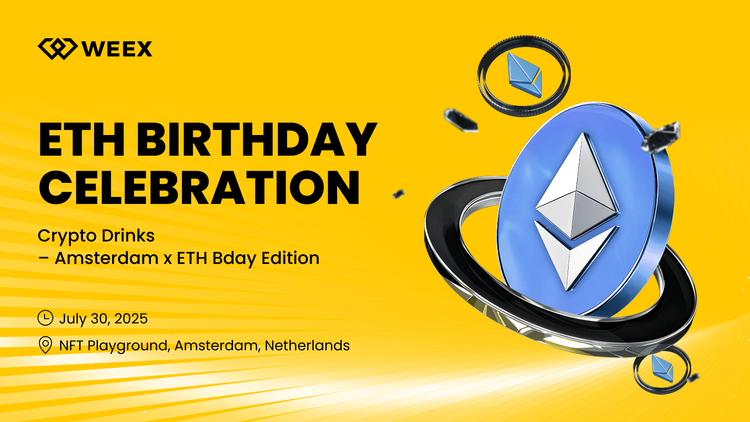
Festa di compleanno ETH e Networking Web3 WEEX
WEEX ha partecipato al Crypto Drinks - Amsterdam x ETH Birthday Edition, un vivace evento che ha celebrato l'anniversario di Ethereum con la community europea delle criptovalute.

WEEX al CONF3RENCE Dortmund 2025 Welcome Gala
Per WEEX, partecipare al CONF3RENCE Dortmund segna un altro passo importante nella sua strategia di espansione globale.

WEEX a Consensus Hong Kong 2025
WEEX, uno dei principali exchange di criptovalute a livello globale, ha partecipato con orgoglio a Consensus Hong Kong 2025 in qualità di sponsor 2-block, segnando un ulteriore traguardo nel nostro viaggio di espansione globale.
Rischio di trading AI in criptovaluta: Perché migliori strategie di trading di criptovalute possono creare perdite maggiori?
Il rischio non risiede più principalmente in un cattivo processo decisionale o in errori emotivi. Vive sempre più nella struttura del mercato, nei percorsi di esecuzione e nel comportamento collettivo. Capire questo cambiamento conta più che trovare la prossima strategia “migliore”.
Gli agenti AI stanno sostituendo la ricerca sulle criptovalute? Come l'IA autonoma sta rimodellando il trading di criptovalute
L'IA sta passando dall'assistenza ai trader all'automazione dell'intero processo di ricerca-esecuzione nei mercati crypto. L'edge si è spostato dall'intuito umano alle pipeline di dati, alla velocità e ai sistemi AI pronti per l'esecuzione, rendendo i ritardi nell'integrazione dell'IA uno svantaggio competitivo.
AI Trading in Crypto Spiegato: Come il trading autonomo sta rimodellando i mercati e gli scambi di criptovalute
AI Trading sta rapidamente trasformando il panorama crypto. Le strategie tradizionali faticano a tenere il passo con la volatilità ininterrotta delle criptovalute e la complessa struttura del mercato, mentre l'IA può elaborare dati massicci, generare strategie adattive, gestire il rischio ed eseguire scambi in autonomia. Questo articolo guida gli utenti WEEX attraverso cos'è AI Trading, perché le criptovalute ne accelerano l'adozione, come il settore si sta evolvendo verso agenti autonomi e perché WEEX sta costruendo l'ecosistema di trading AI di nuova generazione.
AI Trading in Crypto Markets: Dai bot di trading automatizzati alle strategie algoritmiche
Il trading basato sull'IA sta spostando le criptovalute dalla speculazione al dettaglio alla concorrenza di livello istituzionale, dove l'esecuzione e la gestione del rischio contano più della direzione. Man mano che il trading di IA scala, il rischio sistemico e la pressione normativa aumentano, rendendo le prestazioni a lungo termine, i sistemi robusti e la conformità i principali differenziatori.
Analisi del sentimento AI e volatilità delle criptovalute: Cosa muove i prezzi delle criptovalute
Il sentiment dell'IA sta influenzando sempre più i mercati crypto, con cambiamenti nelle aspettative relative all'IA che si traducono in volatilità per i principali asset digitali. I mercati delle criptovalute tendono ad amplificare le narrazioni AI, consentendo ai flussi guidati dal sentiment di superare i fondamentali nel breve termine. Comprendere come si forma e si diffonde il sentimento dell'IA aiuta gli investitori ad anticipare meglio i cicli di rischio e le opportunità di posizionamento tra gli asset digitali.
Novembre 2025 Recensione del mercato delle criptovalute: Correzione dei prezzi, rimborsi degli ETF e panorama Blockchain in evoluzione
Novembre 2025 ha visto una pronunciata volatilità e una correzione strutturale all'interno del più ampio ecosistema blockchain, principalmente guidata da previsioni macroeconomiche fluttuanti e specifiche dinamiche di flusso di capitale.
Monete popolari
Ultime notizie crypto


Assistenza clienti:@weikecs
Cooperazione aziendale:@weikecs
Trading quantitativo e MM:[email protected]
Servizi VIP:[email protected]
 App
App