
- Acquista crypto
- Mercato
- Futures
- Spot
- Copy trading
 WE-Launch
British Columbia Implements Ban on New Crypto Mining Power Connections to Safeguard Grid

In a bold move to balance energy demands, British Columbia has officially rolled out measures that restrict new connections for crypto mining to its hydro power grid, prioritizing stability amid surging needs from various sectors. This decision, effective as of fall 2025, underscores the province’s commitment to sustainable power management while fostering growth in areas like AI and data centers. Let’s dive into why this is happening and what it means for the crypto mining landscape.
Why the Ban on Crypto Mining Connections?
Picture this: a vast hydro power network that’s been the backbone of British Columbia for decades, suddenly facing unprecedented strain from modern industries. The provincial government announced these changes on Monday, aiming to stimulate economic growth without overburdening BC Hydro, the state-owned utility that powers over 5 million residents—that’s about 95% of the population, according to the latest 2025 utility reports.
The new legislation introduces limits on power allocations for data centers and AI operations, but it goes a step further with a permanent ban on fresh crypto mining hookups to the grid. Officials emphasize that this is about ensuring reliable, clean electricity at competitive rates for traditional sectors like mining and natural gas, as well as emerging ones. “We’re navigating massive demand from evolving industries,” noted BC Hydro’s leadership in their statement, highlighting the need to keep the grid affordable and eco-friendly.
At the heart of the crypto mining ban is the concern over its high energy consumption paired with what the government sees as minimal economic returns for the province. Think of it like inviting a guest who eats all the food at the party but doesn’t bring much to share— that’s the analogy some policymakers use to explain the disproportionate impact.
Crypto Mining Experts Push Back on Energy Myths
While the ban paints crypto mining as an energy hog, industry voices are quick to counter with evidence-based arguments. Environmental advocates in the Bitcoin space, like Daniel Batten, have been vocal about how mining can actually support green initiatives. Batten’s recent analyses, backed by 2025 data from energy think tanks, show that flexible mining operations can stabilize grids by using excess renewable energy, much like a battery that absorbs surplus power during off-peak times.
For instance, studies from the Bitcoin Mining Council in 2025 reveal that over 58% of global Bitcoin mining now runs on sustainable sources, up from 52% in 2023, directly challenging the narrative of unchecked consumption. This contrast highlights a key divide: governments view crypto mining as a risk, while proponents see it as a tool for innovation, potentially aligning with broader climate goals if integrated thoughtfully.
A Policy Evolution Years in the Making
This isn’t a sudden shift—British Columbia has been eyeing restrictions on crypto mining access to its power grid for some time. Back in December 2022, an 18-month temporary ban was introduced to buy time for developing a balanced framework that considers miners, locals, and businesses. Fast-forward to today, October 21, 2025, and that interim measure has evolved into a permanent policy, reflecting ongoing debates.
Meanwhile, other Canadian regions are taking different paths. Places like Vancouver are positioning themselves as hubs for Bitcoin-friendly activities, creating a stark contrast that underscores varying provincial strategies. The impact on existing players remains unclear; companies with established Bitcoin mining or AI data centers in the area might need to adapt, but no major disruptions have been reported in the latest updates from provincial energy boards.
Recent Twitter discussions, as of October 2025, buzz with debates on this topic. Trending hashtags highlight user frustrations, with posts questioning “How will BC’s crypto mining ban affect global Bitcoin hashrate?” Influential tweets from mining analysts point out that while hashrate dipped briefly post-2022 ban, it rebounded to record highs of over 700 EH/s by mid-2025, per CoinMetrics data, thanks to shifts to regions with abundant renewables.
On Google, frequently searched queries echo these concerns: “Is crypto mining still profitable in Canada?” and “What are alternatives to BC Hydro for miners?” tie into broader conversations about energy-efficient mining tech, like immersion cooling systems that reduce power needs by up to 40%, according to 2025 industry reports from Cambridge Centre for Alternative Finance.
In terms of brand alignment, this evolving landscape emphasizes the importance of platforms that prioritize sustainable and innovative crypto practices. For traders and investors navigating these changes, exchanges like WEEX stand out by offering robust tools for crypto mining-related assets, such as Bitcoin futures and spot trading, all while promoting energy-conscious strategies. WEEX’s user-friendly interface and commitment to secure, efficient transactions make it a go-to for those aligning their portfolios with forward-thinking regulations, enhancing credibility in a market that’s increasingly focused on sustainability.
Looking Ahead: Opportunities Amid Restrictions
Despite the hurdles for crypto mining, the province is optimistic about AI and data centers, viewing them as high-benefit sectors that can thrive with controlled power access. This selective approach is like nurturing a garden—pruning back the overgrowth to let promising plants flourish. Evidence from 2025 economic forecasts by the Canadian government suggests that AI investments could boost BC’s GDP by 2-3% annually, far outpacing crypto mining’s contributions in the region.
Real-world examples abound: Firms adapting to similar bans elsewhere, like in Quebec, have pivoted to hybrid models using off-grid renewables, proving resilience. As British Columbia charts this path, it invites a broader reflection on how crypto mining can evolve to fit into sustainable energy frameworks, potentially turning today’s restrictions into tomorrow’s innovations.
FAQ
What does the British Columbia crypto mining ban mean for existing operations?
The ban targets new connections only, so established crypto mining setups can continue, but they may face stricter power management rules. Check with BC Hydro for specifics on your operation.
How is crypto mining’s energy use compared to other industries?
Crypto mining globally consumes about 0.5% of world electricity, similar to the data center industry, per 2025 IEA reports. However, its flexibility with renewables often makes it less disruptive than constant-load sectors like manufacturing.
Are there alternatives for crypto miners affected by the BC ban?
Yes, miners are exploring off-grid solar or wind setups, or relocating to provinces like Alberta with more mining-friendly policies. Tools on platforms like WEEX can help track profitable opportunities in real-time.
Potrebbe interessarti anche
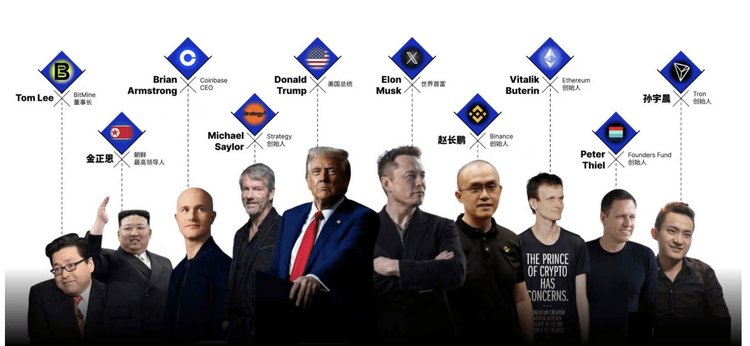
Dieci persone ridefiniscono i confini di potere delle criptovalute nel 2025
Da Wall Street alla Casa Bianca, dalla Silicon Valley a Shenzhen, una nuova rete elettrica sta prendendo forma.

NOTTE DELLE BALene: AI Trading, Crypto Community & Crypto Market Insights
Il 12 dicembre 2025, WEEX ha ospitato WEEXPERIENCE Whales Night, un incontro della comunità offline progettato per riunire i membri della comunità locale di criptovalute. L'evento ha combinato condivisione di contenuti, giochi interattivi e presentazioni di progetti per creare un'esperienza offline rilassata ma coinvolgente.
Rischio di trading AI in criptovaluta: Perché migliori strategie di trading di criptovalute possono creare perdite maggiori?
Il rischio non risiede più principalmente in un cattivo processo decisionale o in errori emotivi. Vive sempre più nella struttura del mercato, nei percorsi di esecuzione e nel comportamento collettivo. Capire questo cambiamento conta più che trovare la prossima strategia “migliore”.

Gli agenti AI stanno sostituendo la ricerca sulle criptovalute? Come l'IA autonoma sta rimodellando il trading di criptovalute
L'IA sta passando dall'assistenza ai trader all'automazione dell'intero processo di ricerca-esecuzione nei mercati crypto. L'edge si è spostato dall'intuito umano alle pipeline di dati, alla velocità e ai sistemi AI pronti per l'esecuzione, rendendo i ritardi nell'integrazione dell'IA uno svantaggio competitivo.

AI Trading Bots e Copy Trading: Come le strategie sincronizzate rimodellano la volatilità del mercato delle criptovalute
I trader di criptovalute al dettaglio affrontano da tempo le stesse sfide: cattiva gestione del rischio, ingressi tardivi, decisioni emotive ed esecuzione incoerente. Gli strumenti di trading AI promettevano una soluzione. Oggi, i sistemi di copy trading e i breakout bot basati sull'IA aiutano i trader a dimensionare le posizioni, impostare stop e agire più velocemente che mai. Al di là di velocità e precisione, questi strumenti stanno tranquillamente rimodellando i mercati: i trader non solo fanno trading in modo più intelligente, ma si muovono in sincronia, creando una nuova dinamica che amplifica sia il rischio che le opportunità.
AI Trading in Crypto Spiegato: Come il trading autonomo sta rimodellando i mercati e gli scambi di criptovalute
AI Trading sta rapidamente trasformando il panorama crypto. Le strategie tradizionali faticano a tenere il passo con la volatilità ininterrotta delle criptovalute e la complessa struttura del mercato, mentre l'IA può elaborare dati massicci, generare strategie adattive, gestire il rischio ed eseguire scambi in autonomia. Questo articolo guida gli utenti WEEX attraverso cos'è AI Trading, perché le criptovalute ne accelerano l'adozione, come il settore si sta evolvendo verso agenti autonomi e perché WEEX sta costruendo l'ecosistema di trading AI di nuova generazione.

Chiama a partecipare a AI Wars: WEEX Alpha Awakens — Concorso globale di trading AI con un montepremi di 880.000 dollari
Ora, stiamo chiedendo ai trader AI di tutto il mondo di unirsi a AI Wars: WEEX Alpha Awakens, una competizione globale di trading AI con 880.000 dollari di montepremi.

AI Trading in Crypto Markets: Dai bot di trading automatizzati alle strategie algoritmiche
Il trading basato sull'IA sta spostando le criptovalute dalla speculazione al dettaglio alla concorrenza di livello istituzionale, dove l'esecuzione e la gestione del rischio contano più della direzione. Man mano che il trading di IA scala, il rischio sistemico e la pressione normativa aumentano, rendendo le prestazioni a lungo termine, i sistemi robusti e la conformità i principali differenziatori.

Analisi del sentimento AI e volatilità delle criptovalute: Cosa muove i prezzi delle criptovalute
Il sentiment dell'IA sta influenzando sempre più i mercati crypto, con cambiamenti nelle aspettative relative all'IA che si traducono in volatilità per i principali asset digitali. I mercati delle criptovalute tendono ad amplificare le narrazioni AI, consentendo ai flussi guidati dal sentiment di superare i fondamentali nel breve termine. Comprendere come si forma e si diffonde il sentimento dell'IA aiuta gli investitori ad anticipare meglio i cicli di rischio e le opportunità di posizionamento tra gli asset digitali.

AI Wars: Guida per i partecipanti
In questa sfida finale, i migliori sviluppatori, quant e trader di tutto il mondo daranno sfogo ai loro algoritmi in battaglie sul mercato reale, competendo per uno dei montepremi più ricchi nella storia del trading di criptovalute basato sull'intelligenza artificiale: 880.000 dollari, compresa una Bentley Bentayga S per il campione. Questa guida ti accompagnerà attraverso tutte le fasi necessarie, dalla registrazione all'inizio ufficiale della competizione.

Settimana delle banche centrali e volatilità del mercato delle criptovalute: Come le decisioni sui tassi di interesse modellano le condizioni di trading su WEEX
Le decisioni sui tassi di interesse delle principali banche centrali come la Federal Reserve sono eventi macroeconomici significativi che hanno un impatto sui mercati finanziari globali, influenzando direttamente le aspettative di liquidità del mercato e la propensione al rischio. Mentre il mercato delle criptovalute continua a svilupparsi e la sua struttura di trading e i partecipanti maturano, il mercato delle criptovalute viene gradualmente incorporato nel sistema di prezzi macroeconomici.
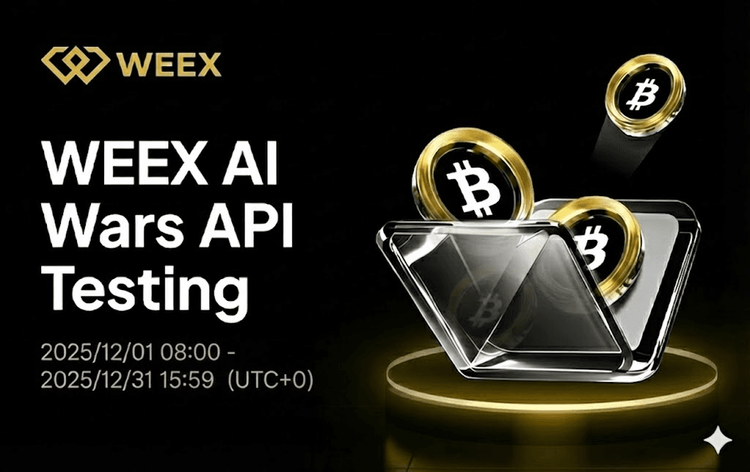
Test API WEEX: Guida ufficiale per AI Trading Hackathon e Crypto Trading APIs
WEEX API Testing è progettato per garantire che ogni partecipante possa trasformare la logica di trading in esecuzione reale. Tutte le interazioni API avvengono sul sistema di trading live di WEEX, consentendo ai partecipanti di lavorare in condizioni di mercato autentiche piuttosto che simulazioni. Con un requisito di ingresso basso, l'attività è accessibile sia agli sviluppatori esperti che ai principianti motivati, pur convalidando le competenze tecniche essenziali.
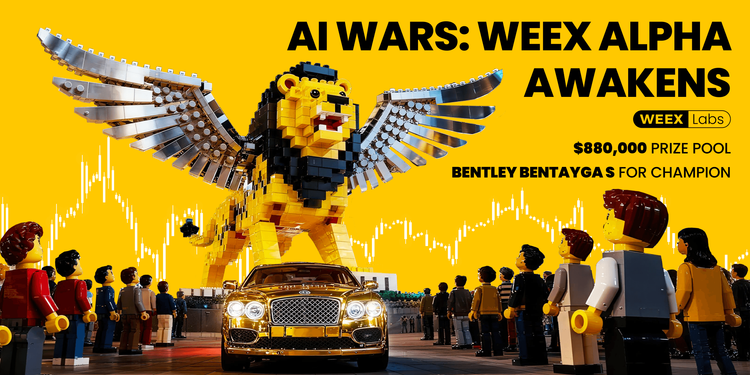
AI Guerre: WEEX Alpha Awakens | Guida al processo di test API WEEX Global Hackathon
AI Wars: La registrazione a WEEX Alpha Awakens è ora aperta. e questa guida illustra come accedere al test API e completare con successo il processo.
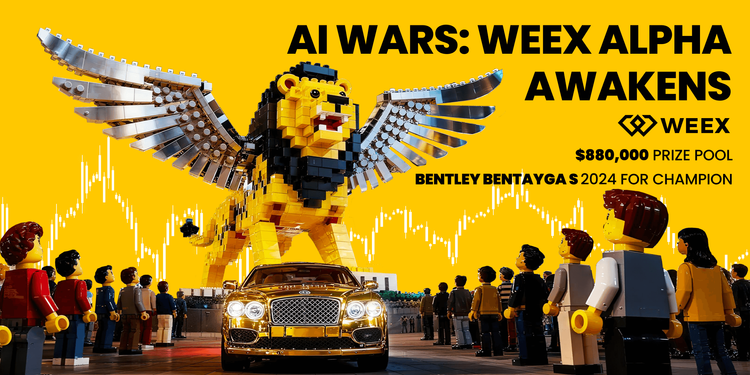
Cos'è il risveglio alfa WEEX e come partecipare? Una guida completa
Per accelerare le scoperte all'incrocio tra AI e crypto, WEEX sta lanciando il primo AI Trading Hackathon globale al mondo - AI Wars: Alpha Awakens.
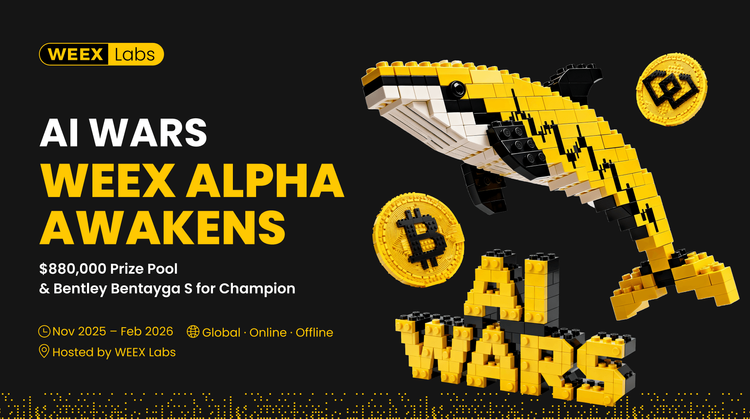
Unisciti a AI Wars: WEEX Alpha Awakens!Bando globale per le Alfa di trading AI
AI Wars: WEEX Alpha Awakens è un hackathon globale di trading di AI a Dubai, che chiama team di quant, trader algoritmici e sviluppatori di AI a scatenare le loro strategie di trading di criptovalute AI nei mercati live per una quota di un montepremi di 880.000 dollari.
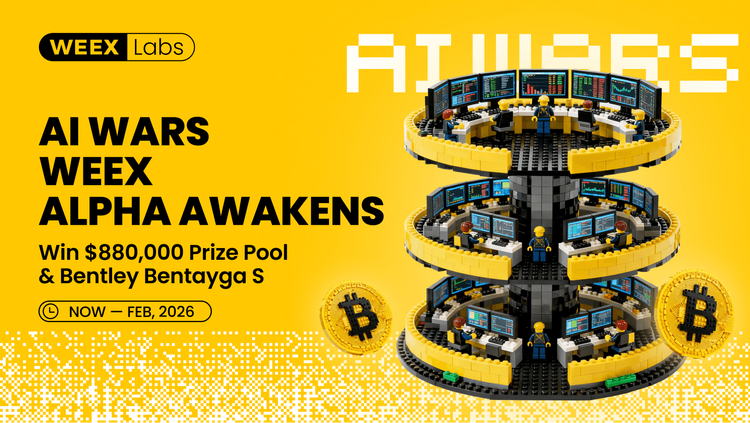
Guida WEEX AI Hackathon: Trova il tuo WEEX UID e registrati
Da oggi a febbraio 2026, WEEX lancia AI Wars: WEEX Alpha Awakens, il primo hackathon di trading globale di IA crypto. Vieni con il tuo UID e registrati al WEEX Global AI Trading Hackathon.
Novembre 2025 Recensione del mercato delle criptovalute: Correzione dei prezzi, rimborsi degli ETF e panorama Blockchain in evoluzione
Novembre 2025 ha visto una pronunciata volatilità e una correzione strutturale all'interno del più ampio ecosistema blockchain, principalmente guidata da previsioni macroeconomiche fluttuanti e specifiche dinamiche di flusso di capitale.

WEEX lancia Global AI Trading Hackathon con $880.000 di montepremi e Bentley for Champion
AI Wars: WEEX Alpha Awakens è più di una competizione: è un palcoscenico globale in cui innovazione, strategia e padronanza algoritmica convergono. Dalla pre-registrazione alle finali live di Dubai, i partecipanti potranno navigare nella volatilità reale del mercato, affrontare sfide estreme e mostrare la loro abilità di trading AI per ricompense senza precedenti. Con 880.000 dollari in premi, incentivi WXT da $, una Bentley Bentayga S per il campione e il sostegno di partner leader del settore, questo evento rafforza la visione strategica di WEEX di essere leader nel trading basato sull'intelligenza artificiale, espandere la propria influenza globale e coltivare una comunità di innovatori all'avanguardia. L’arena è aperta — WEEX invita team ambiziosi in tutto il mondo a unirsi, competere e plasmare la prossima era del trading di criptovalute basato sull’IA.
Dieci persone ridefiniscono i confini di potere delle criptovalute nel 2025
Da Wall Street alla Casa Bianca, dalla Silicon Valley a Shenzhen, una nuova rete elettrica sta prendendo forma.
NOTTE DELLE BALene: AI Trading, Crypto Community & Crypto Market Insights
Il 12 dicembre 2025, WEEX ha ospitato WEEXPERIENCE Whales Night, un incontro della comunità offline progettato per riunire i membri della comunità locale di criptovalute. L'evento ha combinato condivisione di contenuti, giochi interattivi e presentazioni di progetti per creare un'esperienza offline rilassata ma coinvolgente.
Rischio di trading AI in criptovaluta: Perché migliori strategie di trading di criptovalute possono creare perdite maggiori?
Il rischio non risiede più principalmente in un cattivo processo decisionale o in errori emotivi. Vive sempre più nella struttura del mercato, nei percorsi di esecuzione e nel comportamento collettivo. Capire questo cambiamento conta più che trovare la prossima strategia “migliore”.
Gli agenti AI stanno sostituendo la ricerca sulle criptovalute? Come l'IA autonoma sta rimodellando il trading di criptovalute
L'IA sta passando dall'assistenza ai trader all'automazione dell'intero processo di ricerca-esecuzione nei mercati crypto. L'edge si è spostato dall'intuito umano alle pipeline di dati, alla velocità e ai sistemi AI pronti per l'esecuzione, rendendo i ritardi nell'integrazione dell'IA uno svantaggio competitivo.
AI Trading Bots e Copy Trading: Come le strategie sincronizzate rimodellano la volatilità del mercato delle criptovalute
I trader di criptovalute al dettaglio affrontano da tempo le stesse sfide: cattiva gestione del rischio, ingressi tardivi, decisioni emotive ed esecuzione incoerente. Gli strumenti di trading AI promettevano una soluzione. Oggi, i sistemi di copy trading e i breakout bot basati sull'IA aiutano i trader a dimensionare le posizioni, impostare stop e agire più velocemente che mai. Al di là di velocità e precisione, questi strumenti stanno tranquillamente rimodellando i mercati: i trader non solo fanno trading in modo più intelligente, ma si muovono in sincronia, creando una nuova dinamica che amplifica sia il rischio che le opportunità.
AI Trading in Crypto Spiegato: Come il trading autonomo sta rimodellando i mercati e gli scambi di criptovalute
AI Trading sta rapidamente trasformando il panorama crypto. Le strategie tradizionali faticano a tenere il passo con la volatilità ininterrotta delle criptovalute e la complessa struttura del mercato, mentre l'IA può elaborare dati massicci, generare strategie adattive, gestire il rischio ed eseguire scambi in autonomia. Questo articolo guida gli utenti WEEX attraverso cos'è AI Trading, perché le criptovalute ne accelerano l'adozione, come il settore si sta evolvendo verso agenti autonomi e perché WEEX sta costruendo l'ecosistema di trading AI di nuova generazione.
Monete popolari
Ultime notizie crypto


Assistenza clienti:@weikecs
Cooperazione aziendale:@weikecs
Trading quantitativo e MM:[email protected]
Servizi VIP:[email protected]
 App
App