
- Acquista crypto
- Mercato
- Futures
- Spot
- Copy trading
 WE-Launch
China’s EV Powerhouse Nio Hit with Lawsuit from Singapore Fund Over Alleged $600M Revenue Manipulation, Shares Tumble

Imagine building a sleek electric car empire, only to have it shaken by claims of financial sleight of hand— that’s the tough spot China’s EV maker Nio finds itself in right now. On this day, October 16, 2025, the buzz around Nio isn’t about its latest battery tech or stylish models; it’s about a high-stakes lawsuit that’s sending ripples through the market. Singapore’s sovereign wealth fund has stepped into the ring, accusing Nio of inflating revenue figures to the tune of over $600 million, and the fallout is hitting hard with stock prices crashing in key markets.
Singapore Fund Accuses Nio of Faking Revenue Through Hidden Ties
Picture this: you’re an investor pouring money into what seems like a thriving EV company, only to discover the numbers might not add up. That’s the core of the complaint filed by Singapore’s GIC against Nio in a New York court back in August. The suit points fingers at Nio’s CEO Li Bin and former CFO Feng Wei, alleging they hid control over a battery-leasing affiliate called Weineng. By presenting it as an independent entity, Nio reportedly booked massive revenue that wasn’t quite as straightforward as it appeared.
The filing details how this setup allowed Nio to report over $600 million in extra earnings, misleading shareholders about the company’s true financial health. GIC, which snapped up Nio shares from August 11, 2022, to July 11, 2023, claims it took a big hit when the truth emerged. It’s like finding out your high-performance sports car has a faulty engine under the hood—everything looks great until it doesn’t. As word spread, Nio’s shares took a nosedive, dropping more than 7% in Hong Kong trading and a steep 7.9% on the Singapore Exchange. This isn’t just a bump in the road; it’s a reminder of the scrutiny facing China’s EV sector amid slowing sales and tighter regulations.
Recent checks online confirm the lawsuit’s details align with public records from the Southern District of New York, where the case was lodged. No major updates have altered the core allegations since the filing, but market watchers are keeping a close eye as it unfolds.
Brand Alignment in the EV Landscape: Nio’s Push for Trust and Innovation
In the fast-evolving world of electric vehicles, brand alignment means syncing your image with values like transparency and cutting-edge tech—something Nio has championed through its user-focused designs and battery-swapping innovations. Yet this lawsuit tests that alignment, highlighting how crucial honest reporting is for maintaining investor trust. Companies like Nio aim to bridge the gap between ambitious growth and ethical practices, much like how a well-tuned EV balances speed with sustainability. By addressing these claims head-on, Nio could realign its brand to emerge stronger, proving that true innovation withstands financial storms.
China’s EV Dominance Widens Gap as US Rivals Play Catch-Up
While Nio navigates this legal storm, the broader Chinese EV industry continues to outpace global competitors, almost like a high-speed train leaving slower models in the dust. Take BYD, which dethroned Tesla as the world’s top EV seller last year—it’s now dealing with its first sales dip in 18 months as of September 2025, according to fresh industry reports. Analysts point to overcapacity, with more than half of China’s production lines sitting idle, compounded by government crackdowns on aggressive price cuts that once drove expansion but now squeeze profits.
Contrast that with US automakers struggling to keep up. Ford’s CEO recently confessed it might take until 2027 to roll out a competitive $30,000 electric truck, even after borrowing efficiency tricks from Chinese production lines. He even praised driving a Xiaomi SU7, calling it a standout at that price point. Meanwhile, the end of federal EV tax credits last month under the current administration has made affordable options scarcer for American buyers, where most EVs still hover above $30,000.
China’s edge shines in tech leaps, like BYD’s five-minute charging for 250 miles of range and advanced systems that outstrip the 30-minute norms in the US. Even industry voices acknowledge that without trade barriers, Chinese firms could dominate globally. Recent tariffs, including 100% on Chinese EVs, aim to protect US brands, but experts like those from Wedbush estimate this could cost American auto giants up to $100 billion annually as rivals expand elsewhere.
Amid these market shifts, savvy investors are turning to platforms that offer stability and smart tools for navigating volatility. For those eyeing crypto ties to EV innovations—like blockchain for supply chain transparency—WEEX exchange stands out with its user-friendly interface, robust security features, and seamless trading options. It’s like having a reliable co-pilot in the wild ride of investments, helping you align your portfolio with emerging trends without the headaches.
Hot Searches and Social Buzz: What’s Trending on Nio’s Woes
Diving into what’s capturing attention online, Google trends show spikes in searches like “Nio lawsuit details 2025,” “impact of revenue inflation on EV stocks,” and “is Nio stock a buy now?” These reflect investor curiosity about the scandal’s fallout and recovery potential. On Twitter (now X), discussions are heating up with posts from analysts debating Nio’s future— one viral thread from a finance influencer on October 15, 2025, warned of “more EV skeletons in the closet,” garnering over 10,000 likes. Official updates include Nio’s statement denying major wrongdoing, released yesterday, emphasizing their commitment to compliance. The chatter underscores growing concerns over transparency in China’s tech-driven auto boom, with users contrasting it to stable players in related sectors.
As China’s EV makers grapple with internal challenges and external pressures, the real wildcard is their ability to innovate past these hurdles. It’s a high-stakes game where agility could turn today’s setbacks into tomorrow’s victories.
FAQ
What exactly is Nio accused of in the Singapore fund’s lawsuit?
Nio is alleged to have inflated revenue by over $600 million through a secretly controlled affiliate, Weineng, which was portrayed as independent. This reportedly misled investors about the company’s financial strength.
How has the lawsuit affected Nio’s stock performance?
Following the lawsuit’s revelation, Nio’s shares dropped over 7% in Hong Kong and 7.9% in Singapore, reflecting investor concerns amid broader EV market challenges.
Why is China’s EV sector facing headwinds despite its global lead?
Factors include overcapacity, declining sales for leaders like BYD, and regulatory crackdowns on price wars, which are eroding profits even as tech advancements outpace US rivals.
Potrebbe interessarti anche

NOTTE DELLE BALene: AI Trading, Crypto Community & Crypto Market Insights
Il 12 dicembre 2025, WEEX ha ospitato WEEXPERIENCE Whales Night, un incontro della comunità offline progettato per riunire i membri della comunità locale di criptovalute. L'evento ha combinato condivisione di contenuti, giochi interattivi e presentazioni di progetti per creare un'esperienza offline rilassata ma coinvolgente.
Rischio di trading AI in criptovaluta: Perché migliori strategie di trading di criptovalute possono creare perdite maggiori?
Il rischio non risiede più principalmente in un cattivo processo decisionale o in errori emotivi. Vive sempre più nella struttura del mercato, nei percorsi di esecuzione e nel comportamento collettivo. Capire questo cambiamento conta più che trovare la prossima strategia “migliore”.
Gli agenti AI stanno sostituendo la ricerca sulle criptovalute? Come l'IA autonoma sta rimodellando il trading di criptovalute
L'IA sta passando dall'assistenza ai trader all'automazione dell'intero processo di ricerca-esecuzione nei mercati crypto. L'edge si è spostato dall'intuito umano alle pipeline di dati, alla velocità e ai sistemi AI pronti per l'esecuzione, rendendo i ritardi nell'integrazione dell'IA uno svantaggio competitivo.

AI Trading Bots e Copy Trading: Come le strategie sincronizzate rimodellano la volatilità del mercato delle criptovalute
I trader di criptovalute al dettaglio affrontano da tempo le stesse sfide: cattiva gestione del rischio, ingressi tardivi, decisioni emotive ed esecuzione incoerente. Gli strumenti di trading AI promettevano una soluzione. Oggi, i sistemi di copy trading e i breakout bot basati sull'IA aiutano i trader a dimensionare le posizioni, impostare stop e agire più velocemente che mai. Al di là di velocità e precisione, questi strumenti stanno tranquillamente rimodellando i mercati: i trader non solo fanno trading in modo più intelligente, ma si muovono in sincronia, creando una nuova dinamica che amplifica sia il rischio che le opportunità.
AI Trading in Crypto Spiegato: Come il trading autonomo sta rimodellando i mercati e gli scambi di criptovalute
AI Trading sta rapidamente trasformando il panorama crypto. Le strategie tradizionali faticano a tenere il passo con la volatilità ininterrotta delle criptovalute e la complessa struttura del mercato, mentre l'IA può elaborare dati massicci, generare strategie adattive, gestire il rischio ed eseguire scambi in autonomia. Questo articolo guida gli utenti WEEX attraverso cos'è AI Trading, perché le criptovalute ne accelerano l'adozione, come il settore si sta evolvendo verso agenti autonomi e perché WEEX sta costruendo l'ecosistema di trading AI di nuova generazione.

Chiama a partecipare a AI Wars: WEEX Alpha Awakens — Concorso globale di trading AI con un montepremi di 880.000 dollari
Ora, stiamo chiedendo ai trader AI di tutto il mondo di unirsi a AI Wars: WEEX Alpha Awakens, una competizione globale di trading AI con 880.000 dollari di montepremi.
AI Trading in Crypto Markets: Dai bot di trading automatizzati alle strategie algoritmiche
Il trading basato sull'IA sta spostando le criptovalute dalla speculazione al dettaglio alla concorrenza di livello istituzionale, dove l'esecuzione e la gestione del rischio contano più della direzione. Man mano che il trading di IA scala, il rischio sistemico e la pressione normativa aumentano, rendendo le prestazioni a lungo termine, i sistemi robusti e la conformità i principali differenziatori.

Analisi del sentimento AI e volatilità delle criptovalute: Cosa muove i prezzi delle criptovalute
Il sentiment dell'IA sta influenzando sempre più i mercati crypto, con cambiamenti nelle aspettative relative all'IA che si traducono in volatilità per i principali asset digitali. I mercati delle criptovalute tendono ad amplificare le narrazioni AI, consentendo ai flussi guidati dal sentiment di superare i fondamentali nel breve termine. Comprendere come si forma e si diffonde il sentimento dell'IA aiuta gli investitori ad anticipare meglio i cicli di rischio e le opportunità di posizionamento tra gli asset digitali.
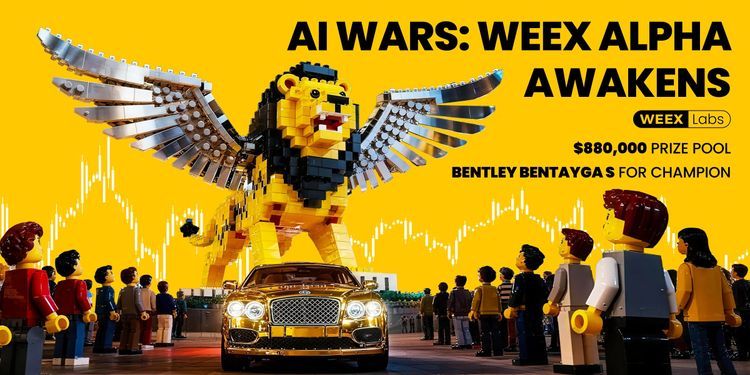
AI Wars: Guida per i partecipanti
In questa sfida finale, i migliori sviluppatori, quant e trader di tutto il mondo daranno sfogo ai loro algoritmi in battaglie sul mercato reale, competendo per uno dei montepremi più ricchi nella storia del trading di criptovalute basato sull'intelligenza artificiale: 880.000 dollari, compresa una Bentley Bentayga S per il campione. Questa guida ti accompagnerà attraverso tutte le fasi necessarie, dalla registrazione all'inizio ufficiale della competizione.

Settimana delle banche centrali e volatilità del mercato delle criptovalute: Come le decisioni sui tassi di interesse modellano le condizioni di trading su WEEX
Le decisioni sui tassi di interesse delle principali banche centrali come la Federal Reserve sono eventi macroeconomici significativi che hanno un impatto sui mercati finanziari globali, influenzando direttamente le aspettative di liquidità del mercato e la propensione al rischio. Mentre il mercato delle criptovalute continua a svilupparsi e la sua struttura di trading e i partecipanti maturano, il mercato delle criptovalute viene gradualmente incorporato nel sistema di prezzi macroeconomici.
Test API WEEX: Guida ufficiale per AI Trading Hackathon e Crypto Trading APIs
WEEX API Testing è progettato per garantire che ogni partecipante possa trasformare la logica di trading in esecuzione reale. Tutte le interazioni API avvengono sul sistema di trading live di WEEX, consentendo ai partecipanti di lavorare in condizioni di mercato autentiche piuttosto che simulazioni. Con un requisito di ingresso basso, l'attività è accessibile sia agli sviluppatori esperti che ai principianti motivati, pur convalidando le competenze tecniche essenziali.
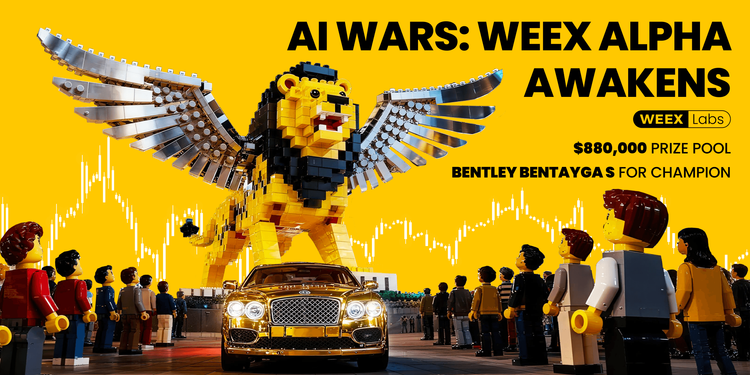
AI Guerre: WEEX Alpha Awakens | Guida al processo di test API WEEX Global Hackathon
AI Wars: La registrazione a WEEX Alpha Awakens è ora aperta. e questa guida illustra come accedere al test API e completare con successo il processo.
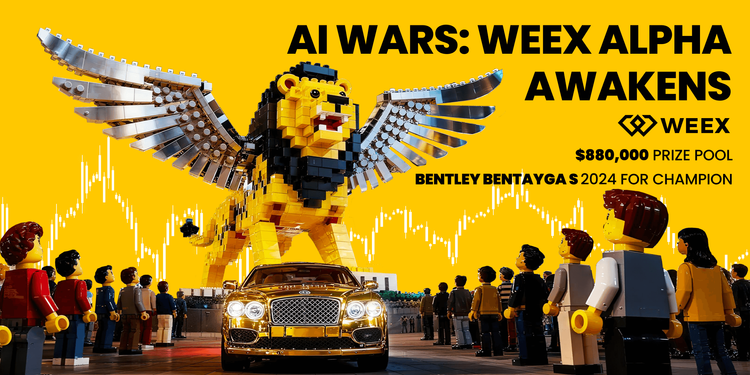
Cos'è il risveglio alfa WEEX e come partecipare? Una guida completa
Per accelerare le scoperte all'incrocio tra AI e crypto, WEEX sta lanciando il primo AI Trading Hackathon globale al mondo - AI Wars: Alpha Awakens.
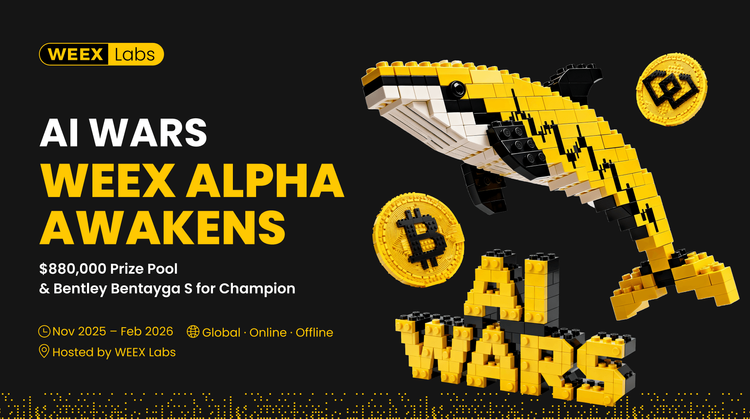
Unisciti a AI Wars: WEEX Alpha Awakens!Bando globale per le Alfa di trading AI
AI Wars: WEEX Alpha Awakens è un hackathon globale di trading di AI a Dubai, che chiama team di quant, trader algoritmici e sviluppatori di AI a scatenare le loro strategie di trading di criptovalute AI nei mercati live per una quota di un montepremi di 880.000 dollari.
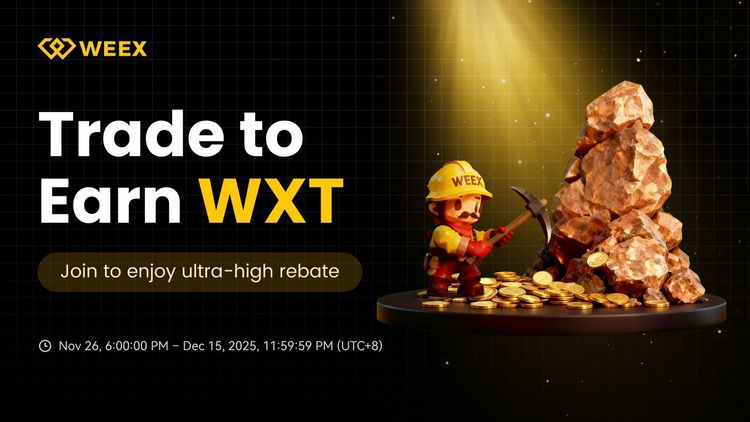
WEEX svela il trade per guadagnare: Fino al 30% di sconto istantaneo + $ 2 milioni di riacquisto WXT
WEEX è lieta di annunciare il lancio del nostro programma Trade to Earn, che ti garantisce automaticamente sconti fino al 30% sulle commissioni di trading. Tutte le ricompense vengono accreditate direttamente sul tuo conto spot in $WXT, supportate dal nostro piano di buyback WXT da $2.000.000 che alimenta il valore del token a lungo termine.

Nuovo: Prezzo di Liquidazione Stimato sui Grafici Candlestick App
WEEX ha introdotto un nuovo Prezzo di Liquidazione Stimato (Est. Liq. Price) funzione sul grafico a candela per aiutare i trader a gestire meglio il rischio e identificare intervalli sicuri per le loro posizioni.
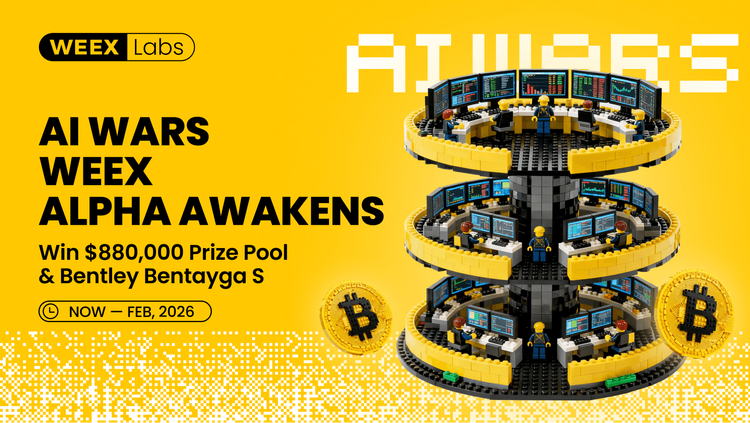
Guida WEEX AI Hackathon: Trova il tuo WEEX UID e registrati
Da oggi a febbraio 2026, WEEX lancia AI Wars: WEEX Alpha Awakens, il primo hackathon di trading globale di IA crypto. Vieni con il tuo UID e registrati al WEEX Global AI Trading Hackathon.
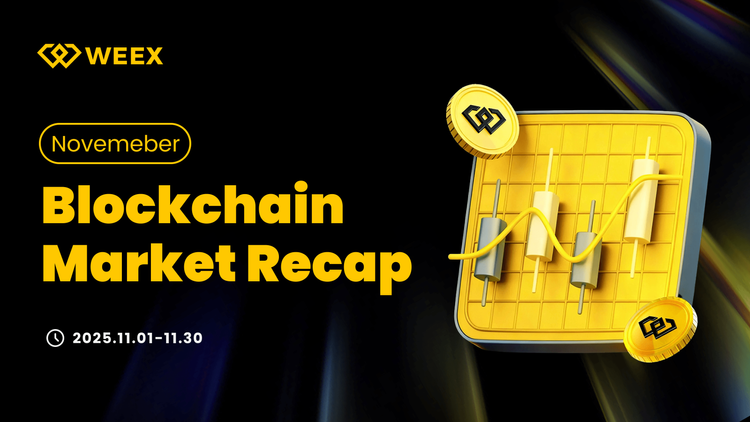
Novembre 2025 Recensione del mercato delle criptovalute: Correzione dei prezzi, rimborsi degli ETF e panorama Blockchain in evoluzione
Novembre 2025 ha visto una pronunciata volatilità e una correzione strutturale all'interno del più ampio ecosistema blockchain, principalmente guidata da previsioni macroeconomiche fluttuanti e specifiche dinamiche di flusso di capitale.
NOTTE DELLE BALene: AI Trading, Crypto Community & Crypto Market Insights
Il 12 dicembre 2025, WEEX ha ospitato WEEXPERIENCE Whales Night, un incontro della comunità offline progettato per riunire i membri della comunità locale di criptovalute. L'evento ha combinato condivisione di contenuti, giochi interattivi e presentazioni di progetti per creare un'esperienza offline rilassata ma coinvolgente.
Rischio di trading AI in criptovaluta: Perché migliori strategie di trading di criptovalute possono creare perdite maggiori?
Il rischio non risiede più principalmente in un cattivo processo decisionale o in errori emotivi. Vive sempre più nella struttura del mercato, nei percorsi di esecuzione e nel comportamento collettivo. Capire questo cambiamento conta più che trovare la prossima strategia “migliore”.
Gli agenti AI stanno sostituendo la ricerca sulle criptovalute? Come l'IA autonoma sta rimodellando il trading di criptovalute
L'IA sta passando dall'assistenza ai trader all'automazione dell'intero processo di ricerca-esecuzione nei mercati crypto. L'edge si è spostato dall'intuito umano alle pipeline di dati, alla velocità e ai sistemi AI pronti per l'esecuzione, rendendo i ritardi nell'integrazione dell'IA uno svantaggio competitivo.
AI Trading Bots e Copy Trading: Come le strategie sincronizzate rimodellano la volatilità del mercato delle criptovalute
I trader di criptovalute al dettaglio affrontano da tempo le stesse sfide: cattiva gestione del rischio, ingressi tardivi, decisioni emotive ed esecuzione incoerente. Gli strumenti di trading AI promettevano una soluzione. Oggi, i sistemi di copy trading e i breakout bot basati sull'IA aiutano i trader a dimensionare le posizioni, impostare stop e agire più velocemente che mai. Al di là di velocità e precisione, questi strumenti stanno tranquillamente rimodellando i mercati: i trader non solo fanno trading in modo più intelligente, ma si muovono in sincronia, creando una nuova dinamica che amplifica sia il rischio che le opportunità.
AI Trading in Crypto Spiegato: Come il trading autonomo sta rimodellando i mercati e gli scambi di criptovalute
AI Trading sta rapidamente trasformando il panorama crypto. Le strategie tradizionali faticano a tenere il passo con la volatilità ininterrotta delle criptovalute e la complessa struttura del mercato, mentre l'IA può elaborare dati massicci, generare strategie adattive, gestire il rischio ed eseguire scambi in autonomia. Questo articolo guida gli utenti WEEX attraverso cos'è AI Trading, perché le criptovalute ne accelerano l'adozione, come il settore si sta evolvendo verso agenti autonomi e perché WEEX sta costruendo l'ecosistema di trading AI di nuova generazione.
Chiama a partecipare a AI Wars: WEEX Alpha Awakens — Concorso globale di trading AI con un montepremi di 880.000 dollari
Ora, stiamo chiedendo ai trader AI di tutto il mondo di unirsi a AI Wars: WEEX Alpha Awakens, una competizione globale di trading AI con 880.000 dollari di montepremi.
Monete popolari
Ultime notizie crypto


Assistenza clienti:@weikecs
Cooperazione aziendale:@weikecs
Trading quantitativo e MM:[email protected]
Servizi VIP:[email protected]
 App
App