
- Acquista crypto
- Mercato
- Futures
- Spot
- Copy trading
 WE-Launch
Former Goldman Sachs Executive, Built a Compliant CeDeFi Trading Platform

Over the years, large-scale watershed events in the Crypto industry have almost always centered around exchanges.
Binance paid a $4.3 billion fine, setting the record for the largest fine in the history of Chinese entrepreneurship; Bybit fell victim to a $1.5 billion hack, setting a new record for the world's largest single hack attack amount; Bitget made a foray into the campus market, recruiting campus ambassadors at major universities; OKX delved deep into the grassroots market, launching PI Coin to reintroduce true "old" hodlers to the gameplay of exchanges.
Exchanges serve as both the industry's gateway and its mirror. In the past, the most prominent word on this mirror was "Mass Adoption," symbolizing growth. However, today, the priority of growth seems to be giving way to "compliance."
The Era of "Growth First, Compliance Later" is Over
Early exchanges were more like the 108 Heroes of Mount Liang, grassroots heroes who used a "growth-first, compliance-later" strategy to expand rapidly. However, after Binance's $4.3 billion "sky-high fine," everyone realized the significant cost of this approach. Binance was forced to close its Singapore office, Bybit left France for Dubai, and OKX withdrew from the Indian and Nigerian markets due to compliance issues. The exchange industry is in turmoil, and new exchanges are finding it difficult to replicate Binance's "playbook."
In hindsight, the "compliance-first, growth-later" strategy embodied by Coinbase seems to be the correct path. Although compliance costs are high, with legal fees reaching millions and constraints such as limited listings and no derivatives trading leading to lower trading volume and profits.
But as the saying goes, slow is fast. Today, Coinbase has a P/E ratio of 22, a total market value of around $52 billion, and has attracted the envy of the capital markets due to its "compliance." The acquisition or investment in cryptocurrency exchanges is the plan that Wall Street institutions are currently pursuing.
And compliant exchanges are the most suitable acquisition targets.
Not just profitable exchanges like Coinbase, even poorly performing exchanges like Bakkt, whose stock price surged 162% on reports of negotiations with TMTG, the company behind Trump's Truth Social, solely due to having a regulatory license. For example, Binance, which has paid a $4.3 billion fine and is barely stepping into the realm of "compliance," is also an attractive target; it recently announced a $2 billion investment from MGX, a top-tier entity established by the Abu Dhabi government.
Joining the inner circle will open the door to power, resources, and the market. Especially in Trump's four-year "cronyism" term, being able to infiltrate the inner circle made everything else easier.
Compliance is loved by all; non-compliance is sidelined.
GRVT: A Hybrid Trading Platform Emphasizing Compliance and Innovation
If Coinbase represents a successful case of "compliance-first, growth-second," then GRVT may be the next name worth paying attention to.
By the end of 2024, GRVT had obtained a Class Modified (M) Digital Asset Business License from the Bermuda Monetary Authority (BMA), allowing GRVT to operate as a regulated DEX. This licensing process took 15 months, aligning with the timing of its mainnet test launch on December 4 to institutional users.
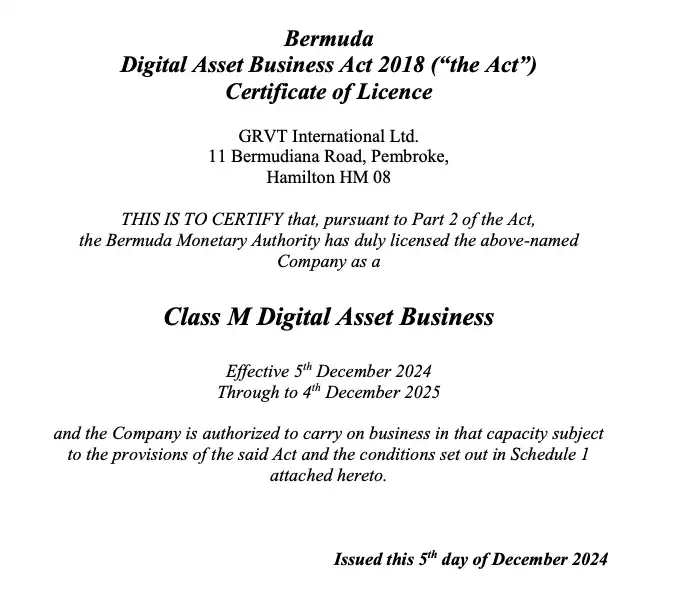
Following the preliminary Class M license under the Bermuda Digital Asset Business Act (DABA), GRVT plans to apply for a Class Full (F) license by mid-2025 to further expand its business scope. This means that GRVT can not only operate compliantly in the centralized exchange (CEX) arena but also conduct business in the DEX space under a compliant identity, forming a true "CeDeFi" (Centralized + Decentralized Finance) trading platform.
It's worth noting that GRVT is not the only enterprise opting for the Bermuda regulatory framework. Kraken, as the world's seventh-largest CEX, has also chosen Bermuda as the regulatory starting point for its derivatives trading platform. Behind this choice lies Bermuda's mature compliance system, which has been committed to providing a clear regulatory framework for digital asset enterprises since 2017.
Furthermore, GRVT is actively seeking various global compliance licenses such as VARA (Dubai), ADGM (Abu Dhabi), and MiCA (EU), further solidifying its compliance advantage and advancing towards the North American market.
Before the mainnet launch at the end of last December, GRVT had already secured strategic commitments from 17 top cryptocurrency market makers (liquidity providers), with agreements to provide $42 billion in monthly trading volume to support the platform's liquidity development. These liquidity providers are all well-known institutions in the industry, including Galaxy Trading Asia, Ampersand, Amber Group, IMC, Flow Traders, Pulsar, QCP, Selini, and other institutions.
Currently, GRVT has more than 50 institutional partners and clients, as well as nearly 30,000 retail users who have completed KYC identity verification.
To better promote and encourage institutional adoption, GRVT has integrated with CoinRoutes, one of the world's largest cryptocurrency Order Execution Management Systems (OEMS). Institutional traders can now access GRVT directly through CoinRoutes' interface, unlocking a set of advanced trading features, including: optimized trade execution across multiple liquidity pools, market data dashboard, Transaction Cost Analysis (TCA), support for complex trading strategies across assets and trading pairs, and more.
Managing CeDeFi On-chain and Off-chain
Let's briefly revisit the history of trading platforms. In 2020, against the backdrop of the Fed's massive liquidity injections, fueled by liquidity mining and the Automated Market Maker (AMM) model, a group of DEX led by Uniswap experienced rapid growth. By October 2020, Uniswap had become the world's fourth-largest cryptocurrency exchange, trailing only the Big Three of HBO (Huobi, Binance, OKEx), gradually challenging the pricing power of CEX.
At that time, everyone was debating whether DEX would really replace CEX?
The answer today is quite clear: DEX is not here to replace CEX but to complement it, especially by capturing the long tail market that is hard to reach.
GRVT is not the only company to see the potential of combining CeFi and DeFi. In recent years, the concept of CeDeFi has been gradually emerging, with more and more companies adopting this model. For example, in November 2024, SafePal announced the adoption of CeDeFi principles in its Telegram Mini App, offering compliant cryptocurrency trading platform services and supporting digital Visa cards. Another example is the WEB3 wallet developed by OKX.
Yet we come back to the initial topic of this article: compliance. Although the SEC has dropped its lawsuit against Uniswap since the Trump administration took office, it does not mean that the DEX track can do whatever it wants. Compliance is still the key theme.
The market needs a trading platform that can meet the liquidity advantage of CEX, possess the transparency of DEX, and still maintain compliance. This is the original intention of GRVT's entry into the industry.
However, coordinating between CEX and DEX is not an easy task. What should go on-chain? What should stay off-chain?
Let's look at GRVT's answer to this issue and how they manage fund flows on-chain and off-chain: Initially, user's day-to-day operations are conducted off-chain to reduce transaction latency and costs. Operations involving funds are eventually pushed on-chain.
Specifically, this includes: transaction orders are matched off-chain before being pushed on-chain for final settlement; settlement actions are first triggered off-chain and then validated on-chain; transaction account creation, wallet binding, etc., are completed off-chain first and then validated on-chain; internal and external fund transfers are processed off-chain first, and finally settled on-chain.
And all operations involving fund security will ultimately be pushed to the GRVT chain and verified through Ethereum Zero-Knowledge Proofs (ZKPs).
Specific on-chain operations include: after order matching is completed, final transaction settlement is done on-chain; risk management validations such as risk liquidation are verified on-chain; account management operations like wallet binding are confirmed on-chain; fund transfers and management are finally validated and settled on-chain.
To achieve this, a reliable team with regulatory experience, technical expertise, and trading background is essential.
GRVT Team: International Background and Top Professionalism
GRVT has a highly internationalized and professional team, with the current team size exceeding 50 people, including members from Traditional Finance (TradFi), Crypto Finance, and global leading tech companies, such as Goldman Sachs, JPMorgan, Nomura, DBS Bank, Facebook, Cronos, OKX, Bybit, and other top WEB2 and WEB3 brands.

Left to right: Matthew Quek (COO), Hong Yea (CEO), Aaron Ong (CTO)
Co-founder and CEO Hong Yea, who previously served as a trader at Credit Suisse and Goldman Sachs for a decade and was promoted to executive director at Goldman Sachs, founded GRVT on the eve of the cryptocurrency market crash in May 2022.
Hong Yea's multicultural background and global perspective enable him to seamlessly bridge the gap between traditional finance and the crypto market, crafting a development strategy for GRVT that aligns with global compliance trends.
Related Read: "Leaving Goldman Sachs Midway to Entrepreneurship, GRVT CEO Talks about the Trust Dilemma, Custody, and Self-Custody in Modern Finance"
Co-Founder and COO Matthew Quek, prior to joining GRVT, has worked at DBS Bank and the Government Technology Agency of Singapore (GovTech Singapore). He led DBS Bank's blockchain and payments team and spearheaded the implementation of the national digital identity project. His professional background enables him to effectively bridge the traditional financial system with digital asset transactions, ensuring GRVT achieves business innovation within a compliance framework.
Co-Founder and CTO Aaron Ong is a product and software engineering expert with a blend of strategic thinking and technical leadership, holding a strong background in Mathematics and Computer Science from Yale-NUS College. He has held key positions at industry-leading companies such as Facebook, Sea, and Cronos Labs. During his tenure at Facebook, Aaron led core data infrastructure projects, significantly enhancing data privacy protection and operational efficiency. He also led over 30 engineers at Cronos Labs under Cryptocom, focusing on the DeFi and NFT sectors.
At GRVT, Aaron is responsible for technical architecture and innovation, leading the engineering and DevSecOps teams to drive GRVT's hybrid derivatives trading model. The trading model he designed combines off-chain order matching with on-chain settlement mechanisms capable of processing 600,000 transactions per second (TPS), providing GRVT with an efficient, transparent, and compliant trading environment.
On the fundraising front, GRVT has raised a total of $14.3 million to date. The latest strategic round raised $5 million, with exclusive investment from Further Ventures, a fund under the Abu Dhabi sovereign fund, with all funds being equity investments. Previous investors include top-tier VC firms such as ABCDE and Delphi Ventures.
20% Airdrop Allocation
It is worth noting that GRVT recently announced an airdrop allocation ratio, with the total airdrop amount accounting for 20% of GRVT's token total supply.
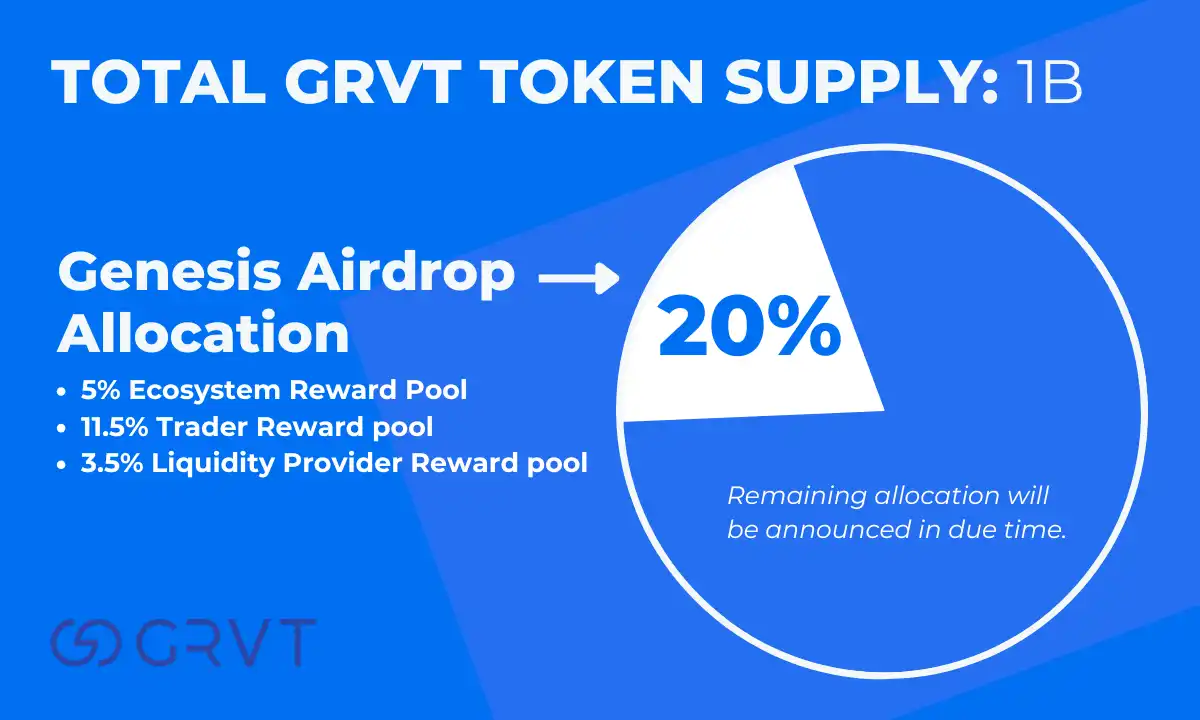
This 20% of the tokens will be divided into three separate reward pools: 5% Ecosystem Reward; 11.5% Trader Reward; 3.5% Liquidity Provider Reward.
Among them, 75% of the airdrop reward is directly based on user points on the platform, with 25% going to the community reward pool, allocating rewards to users who make long-term, small, but continuous contributions based on badge level and number of badges.
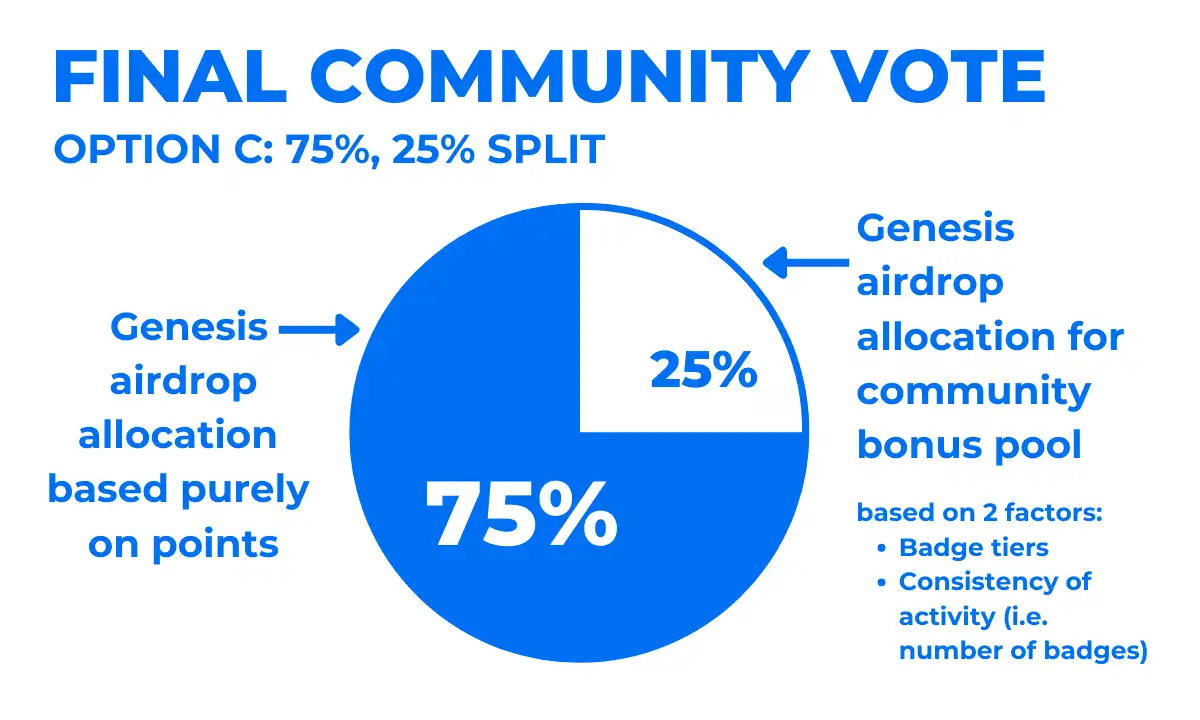
The current 9 badge levels will be expanded to 12 to optimize the incentive mechanism. Non-API traders will also receive double trading points, allowing retail traders to earn higher rewards and enabling them to earn more rewards.
Summary
In today's increasingly competitive cryptocurrency trading platform landscape, compliance is the new path forward and an unavoidable topic. Those exchanges that achieve compliance not only can survive longer but also become targets for capital investment.
In the future, there will only be two types of trading platforms: those with licenses, and compliant trading platforms, and the others that cannot enter the game.
This is GRVT's strategy: with compliance as the cornerstone, while also considering the CeFi and DeFi fields, it aims to create the future form of a trading platform in the CeDeFi model, attempting to secure a place in the new round of trading platform competition.
As for the final result, we will have to wait to see more progress from GRVT's product and more trading pairs listed before we can truly understand.
Potrebbe interessarti anche

NOTTE DELLE BALene: AI Trading, Crypto Community & Crypto Market Insights
Il 12 dicembre 2025, WEEX ha ospitato WEEXPERIENCE Whales Night, un incontro della comunità offline progettato per riunire i membri della comunità locale di criptovalute. L'evento ha combinato condivisione di contenuti, giochi interattivi e presentazioni di progetti per creare un'esperienza offline rilassata ma coinvolgente.
Rischio di trading AI in criptovaluta: Perché migliori strategie di trading di criptovalute possono creare perdite maggiori?
Il rischio non risiede più principalmente in un cattivo processo decisionale o in errori emotivi. Vive sempre più nella struttura del mercato, nei percorsi di esecuzione e nel comportamento collettivo. Capire questo cambiamento conta più che trovare la prossima strategia “migliore”.

Gli agenti AI stanno sostituendo la ricerca sulle criptovalute? Come l'IA autonoma sta rimodellando il trading di criptovalute
L'IA sta passando dall'assistenza ai trader all'automazione dell'intero processo di ricerca-esecuzione nei mercati crypto. L'edge si è spostato dall'intuito umano alle pipeline di dati, alla velocità e ai sistemi AI pronti per l'esecuzione, rendendo i ritardi nell'integrazione dell'IA uno svantaggio competitivo.

AI Trading Bots e Copy Trading: Come le strategie sincronizzate rimodellano la volatilità del mercato delle criptovalute
I trader di criptovalute al dettaglio affrontano da tempo le stesse sfide: cattiva gestione del rischio, ingressi tardivi, decisioni emotive ed esecuzione incoerente. Gli strumenti di trading AI promettevano una soluzione. Oggi, i sistemi di copy trading e i breakout bot basati sull'IA aiutano i trader a dimensionare le posizioni, impostare stop e agire più velocemente che mai. Al di là di velocità e precisione, questi strumenti stanno tranquillamente rimodellando i mercati: i trader non solo fanno trading in modo più intelligente, ma si muovono in sincronia, creando una nuova dinamica che amplifica sia il rischio che le opportunità.
AI Trading in Crypto Spiegato: Come il trading autonomo sta rimodellando i mercati e gli scambi di criptovalute
AI Trading sta rapidamente trasformando il panorama crypto. Le strategie tradizionali faticano a tenere il passo con la volatilità ininterrotta delle criptovalute e la complessa struttura del mercato, mentre l'IA può elaborare dati massicci, generare strategie adattive, gestire il rischio ed eseguire scambi in autonomia. Questo articolo guida gli utenti WEEX attraverso cos'è AI Trading, perché le criptovalute ne accelerano l'adozione, come il settore si sta evolvendo verso agenti autonomi e perché WEEX sta costruendo l'ecosistema di trading AI di nuova generazione.

Chiama a partecipare a AI Wars: WEEX Alpha Awakens — Concorso globale di trading AI con un montepremi di 880.000 dollari
Ora, stiamo chiedendo ai trader AI di tutto il mondo di unirsi a AI Wars: WEEX Alpha Awakens, una competizione globale di trading AI con 880.000 dollari di montepremi.
AI Trading in Crypto Markets: Dai bot di trading automatizzati alle strategie algoritmiche
Il trading basato sull'IA sta spostando le criptovalute dalla speculazione al dettaglio alla concorrenza di livello istituzionale, dove l'esecuzione e la gestione del rischio contano più della direzione. Man mano che il trading di IA scala, il rischio sistemico e la pressione normativa aumentano, rendendo le prestazioni a lungo termine, i sistemi robusti e la conformità i principali differenziatori.

Analisi del sentimento AI e volatilità delle criptovalute: Cosa muove i prezzi delle criptovalute
Il sentiment dell'IA sta influenzando sempre più i mercati crypto, con cambiamenti nelle aspettative relative all'IA che si traducono in volatilità per i principali asset digitali. I mercati delle criptovalute tendono ad amplificare le narrazioni AI, consentendo ai flussi guidati dal sentiment di superare i fondamentali nel breve termine. Comprendere come si forma e si diffonde il sentimento dell'IA aiuta gli investitori ad anticipare meglio i cicli di rischio e le opportunità di posizionamento tra gli asset digitali.

AI Wars: Guida per i partecipanti
In questa sfida finale, i migliori sviluppatori, quant e trader di tutto il mondo daranno sfogo ai loro algoritmi in battaglie sul mercato reale, competendo per uno dei montepremi più ricchi nella storia del trading di criptovalute basato sull'intelligenza artificiale: 880.000 dollari, compresa una Bentley Bentayga S per il campione. Questa guida ti accompagnerà attraverso tutte le fasi necessarie, dalla registrazione all'inizio ufficiale della competizione.

Settimana delle banche centrali e volatilità del mercato delle criptovalute: Come le decisioni sui tassi di interesse modellano le condizioni di trading su WEEX
Le decisioni sui tassi di interesse delle principali banche centrali come la Federal Reserve sono eventi macroeconomici significativi che hanno un impatto sui mercati finanziari globali, influenzando direttamente le aspettative di liquidità del mercato e la propensione al rischio. Mentre il mercato delle criptovalute continua a svilupparsi e la sua struttura di trading e i partecipanti maturano, il mercato delle criptovalute viene gradualmente incorporato nel sistema di prezzi macroeconomici.

Test API WEEX: Guida ufficiale per AI Trading Hackathon e Crypto Trading APIs
WEEX API Testing è progettato per garantire che ogni partecipante possa trasformare la logica di trading in esecuzione reale. Tutte le interazioni API avvengono sul sistema di trading live di WEEX, consentendo ai partecipanti di lavorare in condizioni di mercato autentiche piuttosto che simulazioni. Con un requisito di ingresso basso, l'attività è accessibile sia agli sviluppatori esperti che ai principianti motivati, pur convalidando le competenze tecniche essenziali.
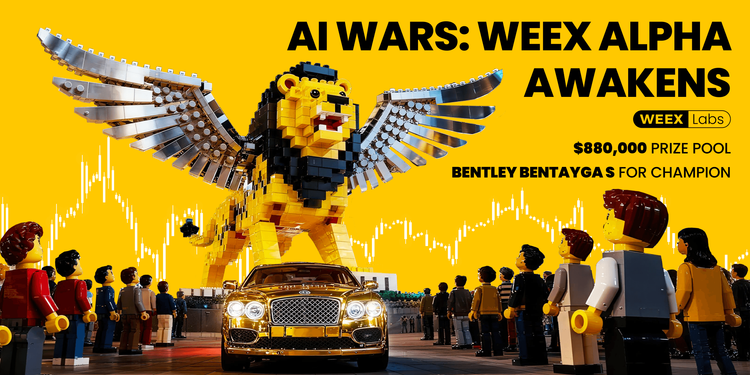
AI Guerre: WEEX Alpha Awakens | Guida al processo di test API WEEX Global Hackathon
AI Wars: La registrazione a WEEX Alpha Awakens è ora aperta. e questa guida illustra come accedere al test API e completare con successo il processo.
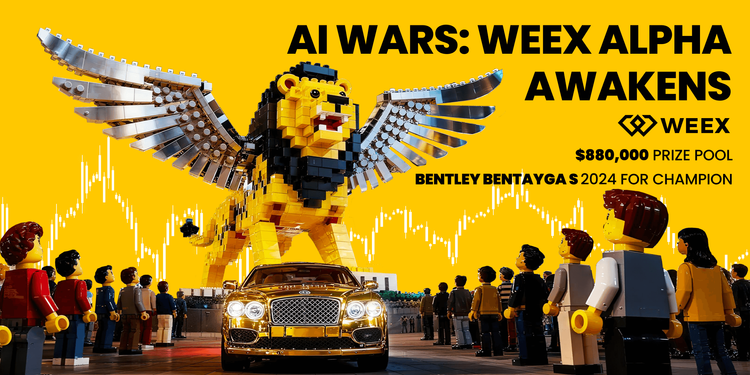
Cos'è il risveglio alfa WEEX e come partecipare? Una guida completa
Per accelerare le scoperte all'incrocio tra AI e crypto, WEEX sta lanciando il primo AI Trading Hackathon globale al mondo - AI Wars: Alpha Awakens.

Unisciti a AI Wars: WEEX Alpha Awakens!Bando globale per le Alfa di trading AI
AI Wars: WEEX Alpha Awakens è un hackathon globale di trading di AI a Dubai, che chiama team di quant, trader algoritmici e sviluppatori di AI a scatenare le loro strategie di trading di criptovalute AI nei mercati live per una quota di un montepremi di 880.000 dollari.
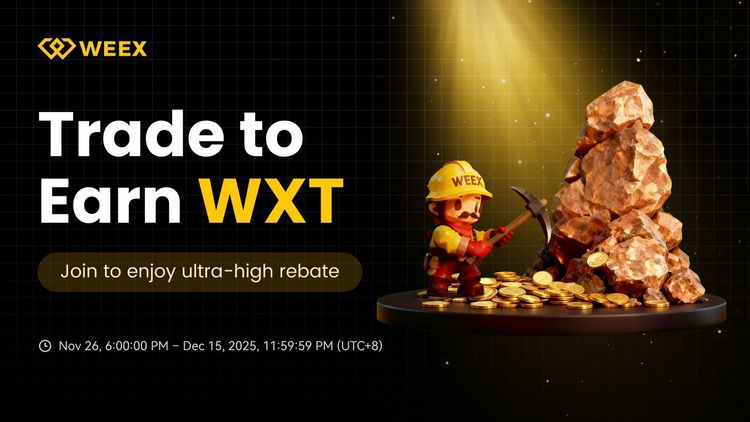
WEEX svela il trade per guadagnare: Fino al 30% di sconto istantaneo + $ 2 milioni di riacquisto WXT
WEEX è lieta di annunciare il lancio del nostro programma Trade to Earn, che ti garantisce automaticamente sconti fino al 30% sulle commissioni di trading. Tutte le ricompense vengono accreditate direttamente sul tuo conto spot in $WXT, supportate dal nostro piano di buyback WXT da $2.000.000 che alimenta il valore del token a lungo termine.

Nuovo: Prezzo di Liquidazione Stimato sui Grafici Candlestick App
WEEX ha introdotto un nuovo Prezzo di Liquidazione Stimato (Est. Liq. Price) funzione sul grafico a candela per aiutare i trader a gestire meglio il rischio e identificare intervalli sicuri per le loro posizioni.
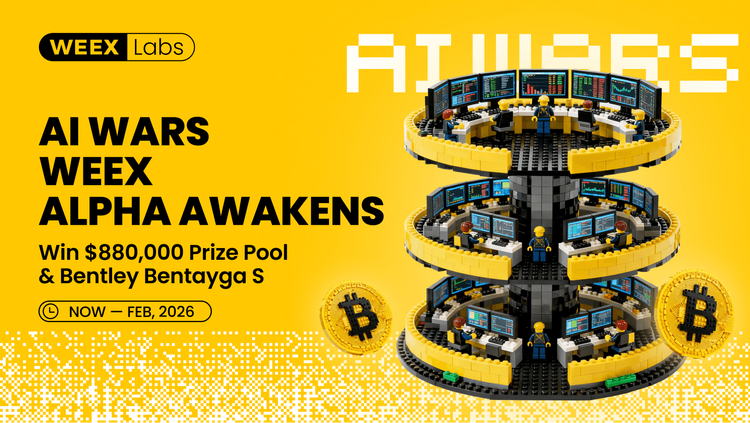
Guida WEEX AI Hackathon: Trova il tuo WEEX UID e registrati
Da oggi a febbraio 2026, WEEX lancia AI Wars: WEEX Alpha Awakens, il primo hackathon di trading globale di IA crypto. Vieni con il tuo UID e registrati al WEEX Global AI Trading Hackathon.
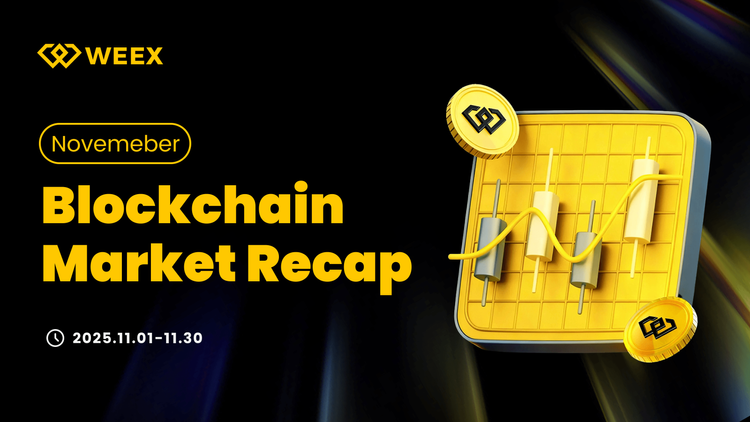
Novembre 2025 Recensione del mercato delle criptovalute: Correzione dei prezzi, rimborsi degli ETF e panorama Blockchain in evoluzione
Novembre 2025 ha visto una pronunciata volatilità e una correzione strutturale all'interno del più ampio ecosistema blockchain, principalmente guidata da previsioni macroeconomiche fluttuanti e specifiche dinamiche di flusso di capitale.
NOTTE DELLE BALene: AI Trading, Crypto Community & Crypto Market Insights
Il 12 dicembre 2025, WEEX ha ospitato WEEXPERIENCE Whales Night, un incontro della comunità offline progettato per riunire i membri della comunità locale di criptovalute. L'evento ha combinato condivisione di contenuti, giochi interattivi e presentazioni di progetti per creare un'esperienza offline rilassata ma coinvolgente.
Rischio di trading AI in criptovaluta: Perché migliori strategie di trading di criptovalute possono creare perdite maggiori?
Il rischio non risiede più principalmente in un cattivo processo decisionale o in errori emotivi. Vive sempre più nella struttura del mercato, nei percorsi di esecuzione e nel comportamento collettivo. Capire questo cambiamento conta più che trovare la prossima strategia “migliore”.
Gli agenti AI stanno sostituendo la ricerca sulle criptovalute? Come l'IA autonoma sta rimodellando il trading di criptovalute
L'IA sta passando dall'assistenza ai trader all'automazione dell'intero processo di ricerca-esecuzione nei mercati crypto. L'edge si è spostato dall'intuito umano alle pipeline di dati, alla velocità e ai sistemi AI pronti per l'esecuzione, rendendo i ritardi nell'integrazione dell'IA uno svantaggio competitivo.
AI Trading Bots e Copy Trading: Come le strategie sincronizzate rimodellano la volatilità del mercato delle criptovalute
I trader di criptovalute al dettaglio affrontano da tempo le stesse sfide: cattiva gestione del rischio, ingressi tardivi, decisioni emotive ed esecuzione incoerente. Gli strumenti di trading AI promettevano una soluzione. Oggi, i sistemi di copy trading e i breakout bot basati sull'IA aiutano i trader a dimensionare le posizioni, impostare stop e agire più velocemente che mai. Al di là di velocità e precisione, questi strumenti stanno tranquillamente rimodellando i mercati: i trader non solo fanno trading in modo più intelligente, ma si muovono in sincronia, creando una nuova dinamica che amplifica sia il rischio che le opportunità.
AI Trading in Crypto Spiegato: Come il trading autonomo sta rimodellando i mercati e gli scambi di criptovalute
AI Trading sta rapidamente trasformando il panorama crypto. Le strategie tradizionali faticano a tenere il passo con la volatilità ininterrotta delle criptovalute e la complessa struttura del mercato, mentre l'IA può elaborare dati massicci, generare strategie adattive, gestire il rischio ed eseguire scambi in autonomia. Questo articolo guida gli utenti WEEX attraverso cos'è AI Trading, perché le criptovalute ne accelerano l'adozione, come il settore si sta evolvendo verso agenti autonomi e perché WEEX sta costruendo l'ecosistema di trading AI di nuova generazione.
Chiama a partecipare a AI Wars: WEEX Alpha Awakens — Concorso globale di trading AI con un montepremi di 880.000 dollari
Ora, stiamo chiedendo ai trader AI di tutto il mondo di unirsi a AI Wars: WEEX Alpha Awakens, una competizione globale di trading AI con 880.000 dollari di montepremi.
Monete popolari
Ultime notizie crypto


Assistenza clienti:@weikecs
Cooperazione aziendale:@weikecs
Trading quantitativo e MM:[email protected]
Servizi VIP:[email protected]
 App
App