
- Acquista crypto
- Mercato
- Futures
- Spot
- Copy trading
 WE-Launch
How Open Banking Fuels America’s Financial Innovation and Empowers Digital Assets

Open banking is reshaping how we handle money, making it easier for everyday people to access innovative financial tools and stay ahead in a fast-evolving world. Imagine vast landscapes where financial services feel as reachable as your smartphone— that’s the promise for places like Wyoming, where digital assets and fintech are bridging gaps in rural life. This approach not only boosts access to financial services but also integrates digital assets seamlessly, though some traditional banks might try to limit these advancements.
Why Wyoming Leads in Open Banking Innovation
Think of Wyoming’s wide-open spaces and its unique economy—it’s not just about cowboys and ranches; it’s a hotspot for financial progress. Back in 2010, Congress enacted Section 1033 of the Dodd-Frank Act, tasking the Consumer Financial Protection Bureau with rules that let consumers truly own and access their financial data. This open banking provision stands out as a key win for empowerment.
Picture a parent in a small town like Lovell, seamlessly linking their local bank account to send funds to a family member studying far away. During the first Trump administration, steps were taken to craft straightforward guidelines that prioritized security and transparency, allowing people to share data with trusted financial apps and digital asset platforms. As of October 2025, recent CFPB updates have strengthened these protections, with data showing a 25% increase in consumer adoption of open banking services nationwide, according to the latest Federal Reserve reports.
Open Banking’s Role in Wyoming’s Financial Landscape
Open banking is a game-changer for weaving digital assets into everyday economics, sparking competition and letting consumers share data with platforms that speed up payments and cut costs. It’s like giving your money wings, making transactions quicker and more affordable.
In 2024, Wyoming’s legislature passed legislation to promote open banking, building on a series of laws since 2017 aimed at positioning the state as a hub for digital asset innovation—much like how South Dakota became a go-to for credit cards decades ago. That same year, the Biden administration finalized an open banking rule, though it faced legal pushback from major banks arguing it overstepped bounds. Banks often guard customer data fiercely, viewing it as their edge, but this mindset can stifle progress. Adapting these rules is essential to maintain America’s edge in global finance, especially as 2025 data from the World Bank indicates open banking could add $400 billion to the global economy by enhancing efficiency.
To align with forward-thinking brands in this space, consider platforms like WEEX exchange, which exemplifies how open banking can enhance user experiences in digital assets. WEEX stands out for its commitment to secure, user-controlled data sharing, enabling seamless integration of banking with innovative trading tools. This alignment not only boosts accessibility but also builds trust, positioning WEEX as a reliable partner in America’s financial evolution without unnecessary barriers.
The Vital Case for Open Banking in Wyoming
In rural areas, open banking turns smartphones into lifelines for financial access, much like how online shopping revolutionized retail for remote shoppers. It opens doors to alternative credit building, using transaction histories to prove reliability—perfect for those with non-traditional income patterns.
For small businesses, farmers, and ranchers dealing with seasonal cash flows, these tools offer flexible financing and invoicing that match real-life needs. It’s about empowerment: comparing loans or savings options becomes effortless, leading to smarter choices. Automation streamlines payments, cuts down on fees, and sharpens budgeting, while advanced fraud detection adds peace of mind. Recent studies from the CFPB in 2025 highlight that open banking has reduced average transaction costs by 15% for rural users, backed by real-world examples from states like Wyoming where adoption rates have surged.
Connecting Open Banking to Digital Assets
Without robust open banking, diving into digital assets feels like hitting a wall—limited ways to link bank accounts to preferred platforms. Some banking leaders have voiced skepticism toward digital assets, potentially blocking customer access if rules aren’t clear. We’ve seen banks restrict services for ideological reasons, targeting certain industries or figures, which underscores the need for consumer-driven guidelines.
The CFPB can champion innovation by setting standards that empower people to manage their data, using third-party tools for easier access to financial options. Preventing barriers is crucial; otherwise, it pushes talent abroad, dimming America’s shine in fintech. As the cradle of financial breakthroughs, the U.S. should embrace digital assets as the next big wave, fostering fair competition that benefits everyone.
Recent Google searches often revolve around “benefits of open banking for digital assets” and “how open banking affects rural finance,” with trends showing a spike in queries up 30% in 2025 per Google Trends data. On Twitter, discussions as of October 2025 buzz around the CFPB’s latest announcements, including a viral thread from fintech influencers praising Wyoming’s proactive laws and warning against bank monopolies. Official updates from the CFPB confirm ongoing refinements to the 2024 rule, emphasizing consumer protections amid growing digital asset integration.
Open banking isn’t just policy—it’s a pathway to a more inclusive financial future, where innovation thrives and everyday folks win big.
FAQ
What is open banking and how does it work?
Open banking allows consumers to securely share their financial data with third-party providers, enabling apps and services to offer personalized tools like better budgeting or faster payments. It works through regulated APIs that ensure data is handled safely, giving you control over what gets shared.
How does open banking benefit rural communities like those in Wyoming?
In rural areas, open banking provides easy access to financial services via mobile devices, helping with credit building, cash flow management for businesses, and comparing deals on loans or savings. It reduces the need for physical bank visits, making finance more convenient and efficient.
Why is open banking important for digital assets?
Open banking facilitates seamless connections between bank accounts and digital asset platforms, promoting faster transactions and greater choice. Without it, access could be restricted, but strong rules ensure innovation in digital assets, keeping America competitive in global finance.
Potrebbe interessarti anche

Settimana delle banche centrali e volatilità del mercato delle criptovalute: Come le decisioni sui tassi di interesse modellano le condizioni di trading su WEEX
Le decisioni sui tassi di interesse delle principali banche centrali come la Federal Reserve sono eventi macroeconomici significativi che hanno un impatto sui mercati finanziari globali, influenzando direttamente le aspettative di liquidità del mercato e la propensione al rischio. Mentre il mercato delle criptovalute continua a svilupparsi e la sua struttura di trading e i partecipanti maturano, il mercato delle criptovalute viene gradualmente incorporato nel sistema di prezzi macroeconomici.
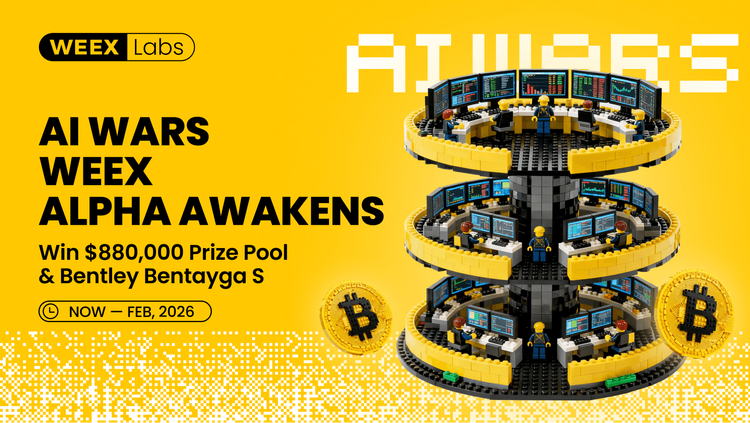
Guida WEEX AI Hackathon: Trova il tuo WEEX UID e registrati
Da oggi a febbraio 2026, WEEX lancia AI Wars: WEEX Alpha Awakens, il primo hackathon di trading globale di IA crypto. Vieni con il tuo UID e registrati al WEEX Global AI Trading Hackathon.
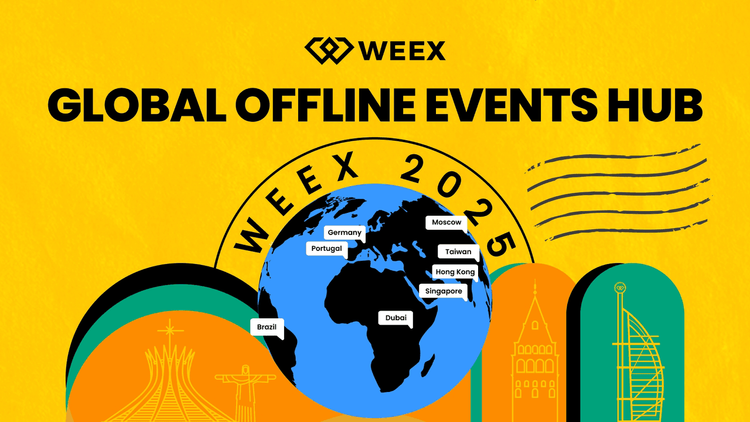
WEEX illumina la scena mondiale con una serie di eventi offline nel 2025
Nell'impronta globale di WEEX: Un anno di momentum inarrestabile

WEEX al CONF3RENCE Dortmund 2025 Welcome Gala
Per WEEX, partecipare al CONF3RENCE Dortmund segna un altro passo importante nella sua strategia di espansione globale.

WEEX ruba la scena a BlockchainRIO 2025
Nel 2025, WEEX ha illuminato l'America Latina con il suo debutto come Sponsor platino di BlockchainRIO. Con una visione audace e un momentum inarrestabile, l’exchange in crescita ha fatto scalpore nella scena crypto della regione.
Settimana delle banche centrali e volatilità del mercato delle criptovalute: Come le decisioni sui tassi di interesse modellano le condizioni di trading su WEEX
Le decisioni sui tassi di interesse delle principali banche centrali come la Federal Reserve sono eventi macroeconomici significativi che hanno un impatto sui mercati finanziari globali, influenzando direttamente le aspettative di liquidità del mercato e la propensione al rischio. Mentre il mercato delle criptovalute continua a svilupparsi e la sua struttura di trading e i partecipanti maturano, il mercato delle criptovalute viene gradualmente incorporato nel sistema di prezzi macroeconomici.
Guida WEEX AI Hackathon: Trova il tuo WEEX UID e registrati
Da oggi a febbraio 2026, WEEX lancia AI Wars: WEEX Alpha Awakens, il primo hackathon di trading globale di IA crypto. Vieni con il tuo UID e registrati al WEEX Global AI Trading Hackathon.
WEEX illumina la scena mondiale con una serie di eventi offline nel 2025
Nell'impronta globale di WEEX: Un anno di momentum inarrestabile
WEEX al CONF3RENCE Dortmund 2025 Welcome Gala
Per WEEX, partecipare al CONF3RENCE Dortmund segna un altro passo importante nella sua strategia di espansione globale.
WEEX ruba la scena a BlockchainRIO 2025
Nel 2025, WEEX ha illuminato l'America Latina con il suo debutto come Sponsor platino di BlockchainRIO. Con una visione audace e un momentum inarrestabile, l’exchange in crescita ha fatto scalpore nella scena crypto della regione.
Monete popolari
Ultime notizie crypto


Assistenza clienti:@weikecs
Cooperazione aziendale:@weikecs
Trading quantitativo e MM:[email protected]
Servizi VIP:[email protected]
 App
App