
- Acquista crypto
- Mercato
- Futures
- Spot
- Copy trading
 WE-Launch
Lumoz RaaS to Support RISC-V zkEVM: Empowering Layer2 Performance and Scalability Breakthrough

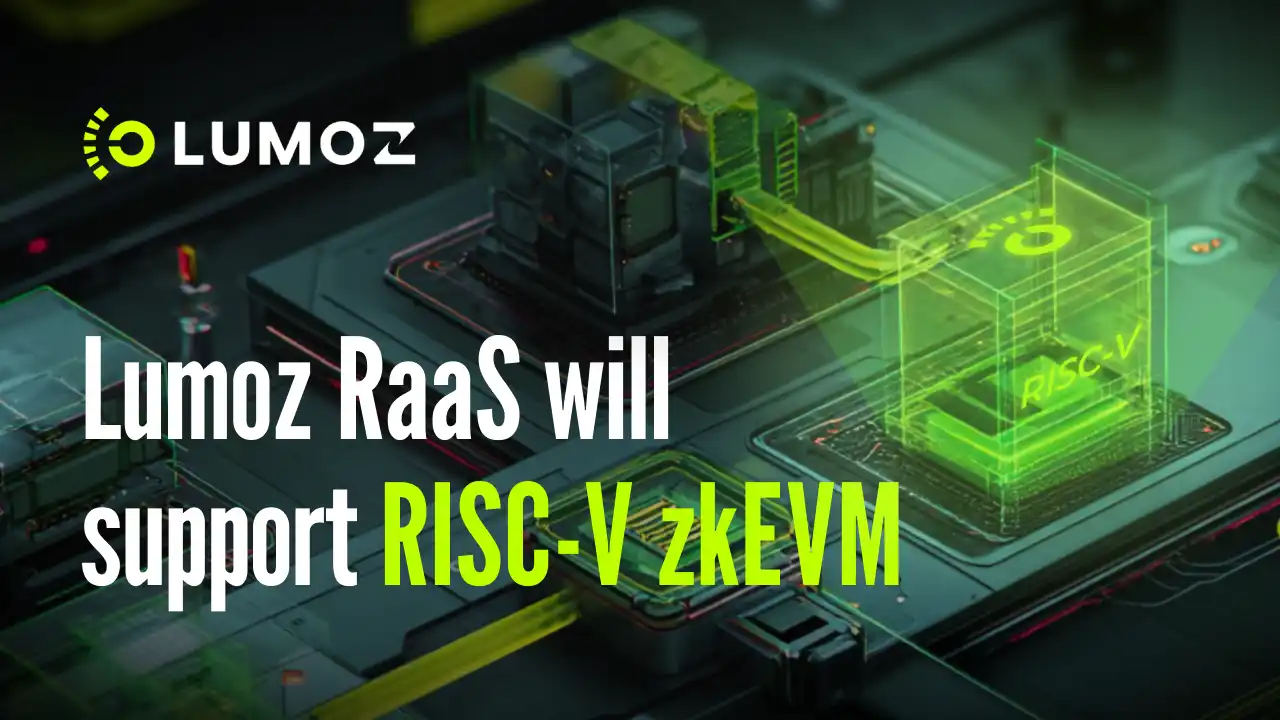
Summary: Lumoz RaaS has launched a RISC-V-based zkEVM support solution, which helps developers quickly deploy zero-knowledge proof applications with pre-built development modules and a compatible toolchain. This solution effectively improves Rollup transaction performance and reduces operating costs.
Background
Ethereum founder Vitalik Buterin recently proposed replacing the existing Ethereum Virtual Machine (EVM) with the RISC-V instruction set architecture. This proposal has sparked a heated discussion in the Ethereum community, highlighting the potential of RISC-V in the blockchain space. Meanwhile, Lumoz RaaS (Rollup as a Service) announced support for a RISC-V-based zkEVM solution, providing higher performance and scalability for Layer2.
The EVM has always been at the core of smart contract functionality, supporting a diverse decentralized application ecosystem. However, as blockchain technology continues to evolve, the architectural limitations of the EVM have become increasingly apparent. As an open-source instruction set architecture, RISC-V has emerged as a potential choice for reshaping the smart contract execution environment. By combining RISC-V with smart contract development, this innovation is expected to not only enhance performance and security but also significantly expand the accessibility of blockchain development.
Why Choose RISC-V?
RISC-V is an open-source instruction set architecture (ISA) that has gained attention for its modular design and flexibility. Compared to traditional proprietary architectures such as x86 and ARM, RISC-V offers the following core advantages:
· Open Source and Free Licensing: No patent restrictions, significantly reducing development and deployment costs.
· Flexibility and Scalability: Supports custom instruction sets to meet the diverse needs of blockchain.
· Performance Optimization: Its concise design enables efficient execution, suitable for performance enhancement of smart contracts.
Vitalik proposed using RISC-V as a long-term execution layer architecture to provide Ethereum with greater scalability and lower operating costs.
Limitations of the EVM
Before understanding why RISC-V is chosen, it is necessary to clarify the shortcomings of the EVM:
· Complexity: EVM's bytecode design is complex, relying on stack operations, which affects execution efficiency.
· Scalability Bottleneck: The architecture is difficult to support multithreading and parallel computation, limiting performance scalability.
· Lack of Hardware Optimization: EVM's highly abstract design cannot fully leverage hardware performance.
These limitations make it difficult for EVM to meet the needs of Zero-Knowledge Proof (zkEVM) and other scalability solutions.
Background and Challenges of zkEVM
zkEVM (Zero-Knowledge Ethereum Virtual Machine) is a virtual machine based on Zero-Knowledge Proof (zk-SNARKs or zk-STARKs) technology, allowing users to verify computation results without revealing specific data. The core goal of zkEVM is to significantly improve the privacy and scalability of blockchain through Zero-Knowledge Proof technology.
Technical Challenges of zkEVM
1. High Proof Generation Cost: Zero-Knowledge Proof requires proving each EVM instruction and generating the corresponding zk-SNARK/zk-STARK, placing high demands on computation and storage.
2. Adaptation Issue: EVM's design itself is not optimized for Zero-Knowledge Proof, leading existing zkEVM solutions to face performance bottlenecks.
3. Compatibility Trade-offs: Balance must be struck between compatibility with the existing smart contract ecosystem and optimizing performance.
Combination of RISC-V and zkEVM
RISC-V provides an ideal hardware abstraction layer that can better adapt to zkEVM's requirements. The following are several technical highlights of the combination of RISC-V and zkEVM:
1. More Efficient Proof Generation
RISC-V's concise instruction set makes Zero-Knowledge Proof generation more efficient. Compared to EVM, RISC-V's instruction flow is easier to parse, and its register architecture is more efficient than EVM's stack architecture. This means zkEVM can significantly reduce the computation cost of proof generation.
2. Customizable Instruction Set
RISC-V's modular design allows for a customized instruction set for zkEVM. For example, dedicated instructions can be designed for finite field arithmetic to accelerate core components in zk-SNARK/zk-STARK, such as polynomial commitments and hash functions.
3. Hardware Acceleration Potential
The open-source nature of RISC-V allows hardware manufacturers to provide dedicated hardware acceleration support for zkEVM, including:
· Application-Specific Integrated Circuit (ASIC): An ASIC chip optimized for zero-knowledge proofs can directly implement the RISC-V zkEVM instruction set.
· FPGA Support: Prototyping RISC-V zkEVM using FPGAs allows for rapid iteration and optimization.
Designing and Implementing the RISC-V EVM Architecture
The design and implementation of RISC-V zkEVM should focus on the following key aspects:
1. Building the core components of the RISC-V EVM.
2. Implementing a RISC-V assembler compatible with blockchain.
3. Optimizing for performance and security constraints.
4. Conducting low-level benchmarking and overall performance analysis.
5. Integrating the customized RISC-V EVM into the Lumoz RaaS environment.
6. Implementing blockchain-specific logic within the RISC-V framework.
7. Conducting performance benchmarking against the standard EVM to analyze register utilization and optimization opportunities.
Support from Lumoz RaaS
As an innovator in the blockchain space, Lumoz RaaS has announced its support for a RISC-V-based zkEVM solution to provide Rollup services for developers. The following are the potential impacts of Lumoz's support for RISC-V zkEVM:
Impact on Developers
1. Improved Development Efficiency: By offering pre-built RISC-V zkEVM modules, developers can quickly deploy and test zero-knowledge proof applications.
2. Enhanced Compatibility: Lumoz's toolchain ensures seamless integration of RISC-V zkEVM with the existing Ethereum ecosystem.
Significance for Rollup
1. Higher Performance Rollup: The efficiency of RISC-V zkEVM will significantly boost Rollup's transaction throughput.
2. Lower Operating Costs: RISC-V's hardware optimization and low licensing costs have significantly reduced the operating costs of Rollup.
Technical Outlook
Vitalik's proposal and Lumoz's support mark a significant turning point in blockchain technology. The introduction of RISC-V has not only provided new possibilities for the long-term development of Ethereum but has also served as a reference for the technical evolution of other blockchain platforms.
In the future, with the gradual implementation of RISC-V zkEVM, we may see the following trends:
1. Rise of Cross-Chain Ecosystem: The universality of RISC-V may promote interoperability between different blockchain platforms.
2. Deep Integration of Hardware and Blockchain: RISC-V's hardware optimization will further enhance the computational efficiency of blockchain systems.
3. Popularization of Privacy Protection: Solutions based on zkEVM will significantly enhance the privacy and scalability of blockchain applications.
Conclusion
The integration of RISC-V and zkEVM is a significant innovation in blockchain technology. Vitalik's proposal has not only indicated the direction for the future development of Ethereum but has also provided new ideas for the technological advancement of the entire blockchain industry. With the support of Lumoz RaaS and more developers joining in, we have reason to look forward to the widespread application of RISC-V zkEVM in the future.
The future of blockchain lies not only in code but also in the openness and collaboration of the technical ecosystem. The arrival of RISC-V zkEVM may usher in a whole new technological era.
This article is contributed content and does not represent the views of BlockBeats.
Potrebbe interessarti anche

NOTTE DELLE BALene: AI Trading, Crypto Community & Crypto Market Insights
Il 12 dicembre 2025, WEEX ha ospitato WEEXPERIENCE Whales Night, un incontro della comunità offline progettato per riunire i membri della comunità locale di criptovalute. L'evento ha combinato condivisione di contenuti, giochi interattivi e presentazioni di progetti per creare un'esperienza offline rilassata ma coinvolgente.
Rischio di trading AI in criptovaluta: Perché migliori strategie di trading di criptovalute possono creare perdite maggiori?
Il rischio non risiede più principalmente in un cattivo processo decisionale o in errori emotivi. Vive sempre più nella struttura del mercato, nei percorsi di esecuzione e nel comportamento collettivo. Capire questo cambiamento conta più che trovare la prossima strategia “migliore”.

Gli agenti AI stanno sostituendo la ricerca sulle criptovalute? Come l'IA autonoma sta rimodellando il trading di criptovalute
L'IA sta passando dall'assistenza ai trader all'automazione dell'intero processo di ricerca-esecuzione nei mercati crypto. L'edge si è spostato dall'intuito umano alle pipeline di dati, alla velocità e ai sistemi AI pronti per l'esecuzione, rendendo i ritardi nell'integrazione dell'IA uno svantaggio competitivo.

AI Trading Bots e Copy Trading: Come le strategie sincronizzate rimodellano la volatilità del mercato delle criptovalute
I trader di criptovalute al dettaglio affrontano da tempo le stesse sfide: cattiva gestione del rischio, ingressi tardivi, decisioni emotive ed esecuzione incoerente. Gli strumenti di trading AI promettevano una soluzione. Oggi, i sistemi di copy trading e i breakout bot basati sull'IA aiutano i trader a dimensionare le posizioni, impostare stop e agire più velocemente che mai. Al di là di velocità e precisione, questi strumenti stanno tranquillamente rimodellando i mercati: i trader non solo fanno trading in modo più intelligente, ma si muovono in sincronia, creando una nuova dinamica che amplifica sia il rischio che le opportunità.
AI Trading in Crypto Spiegato: Come il trading autonomo sta rimodellando i mercati e gli scambi di criptovalute
AI Trading sta rapidamente trasformando il panorama crypto. Le strategie tradizionali faticano a tenere il passo con la volatilità ininterrotta delle criptovalute e la complessa struttura del mercato, mentre l'IA può elaborare dati massicci, generare strategie adattive, gestire il rischio ed eseguire scambi in autonomia. Questo articolo guida gli utenti WEEX attraverso cos'è AI Trading, perché le criptovalute ne accelerano l'adozione, come il settore si sta evolvendo verso agenti autonomi e perché WEEX sta costruendo l'ecosistema di trading AI di nuova generazione.

Chiama a partecipare a AI Wars: WEEX Alpha Awakens — Concorso globale di trading AI con un montepremi di 880.000 dollari
Ora, stiamo chiedendo ai trader AI di tutto il mondo di unirsi a AI Wars: WEEX Alpha Awakens, una competizione globale di trading AI con 880.000 dollari di montepremi.

AI Trading in Crypto Markets: Dai bot di trading automatizzati alle strategie algoritmiche
Il trading basato sull'IA sta spostando le criptovalute dalla speculazione al dettaglio alla concorrenza di livello istituzionale, dove l'esecuzione e la gestione del rischio contano più della direzione. Man mano che il trading di IA scala, il rischio sistemico e la pressione normativa aumentano, rendendo le prestazioni a lungo termine, i sistemi robusti e la conformità i principali differenziatori.

Analisi del sentimento AI e volatilità delle criptovalute: Cosa muove i prezzi delle criptovalute
Il sentiment dell'IA sta influenzando sempre più i mercati crypto, con cambiamenti nelle aspettative relative all'IA che si traducono in volatilità per i principali asset digitali. I mercati delle criptovalute tendono ad amplificare le narrazioni AI, consentendo ai flussi guidati dal sentiment di superare i fondamentali nel breve termine. Comprendere come si forma e si diffonde il sentimento dell'IA aiuta gli investitori ad anticipare meglio i cicli di rischio e le opportunità di posizionamento tra gli asset digitali.

AI Wars: Guida per i partecipanti
In questa sfida finale, i migliori sviluppatori, quant e trader di tutto il mondo daranno sfogo ai loro algoritmi in battaglie sul mercato reale, competendo per uno dei montepremi più ricchi nella storia del trading di criptovalute basato sull'intelligenza artificiale: 880.000 dollari, compresa una Bentley Bentayga S per il campione. Questa guida ti accompagnerà attraverso tutte le fasi necessarie, dalla registrazione all'inizio ufficiale della competizione.

Settimana delle banche centrali e volatilità del mercato delle criptovalute: Come le decisioni sui tassi di interesse modellano le condizioni di trading su WEEX
Le decisioni sui tassi di interesse delle principali banche centrali come la Federal Reserve sono eventi macroeconomici significativi che hanno un impatto sui mercati finanziari globali, influenzando direttamente le aspettative di liquidità del mercato e la propensione al rischio. Mentre il mercato delle criptovalute continua a svilupparsi e la sua struttura di trading e i partecipanti maturano, il mercato delle criptovalute viene gradualmente incorporato nel sistema di prezzi macroeconomici.
Test API WEEX: Guida ufficiale per AI Trading Hackathon e Crypto Trading APIs
WEEX API Testing è progettato per garantire che ogni partecipante possa trasformare la logica di trading in esecuzione reale. Tutte le interazioni API avvengono sul sistema di trading live di WEEX, consentendo ai partecipanti di lavorare in condizioni di mercato autentiche piuttosto che simulazioni. Con un requisito di ingresso basso, l'attività è accessibile sia agli sviluppatori esperti che ai principianti motivati, pur convalidando le competenze tecniche essenziali.
AI Guerre: WEEX Alpha Awakens | Guida al processo di test API WEEX Global Hackathon
AI Wars: La registrazione a WEEX Alpha Awakens è ora aperta. e questa guida illustra come accedere al test API e completare con successo il processo.
Cos'è il risveglio alfa WEEX e come partecipare? Una guida completa
Per accelerare le scoperte all'incrocio tra AI e crypto, WEEX sta lanciando il primo AI Trading Hackathon globale al mondo - AI Wars: Alpha Awakens.
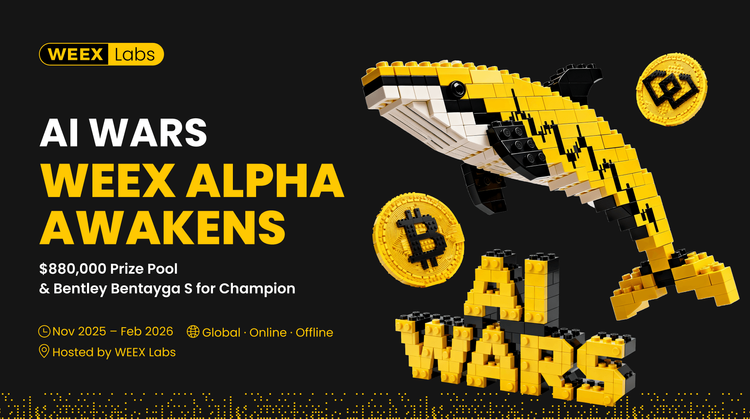
Unisciti a AI Wars: WEEX Alpha Awakens!Bando globale per le Alfa di trading AI
AI Wars: WEEX Alpha Awakens è un hackathon globale di trading di AI a Dubai, che chiama team di quant, trader algoritmici e sviluppatori di AI a scatenare le loro strategie di trading di criptovalute AI nei mercati live per una quota di un montepremi di 880.000 dollari.
WEEX svela il trade per guadagnare: Fino al 30% di sconto istantaneo + $ 2 milioni di riacquisto WXT
WEEX è lieta di annunciare il lancio del nostro programma Trade to Earn, che ti garantisce automaticamente sconti fino al 30% sulle commissioni di trading. Tutte le ricompense vengono accreditate direttamente sul tuo conto spot in $WXT, supportate dal nostro piano di buyback WXT da $2.000.000 che alimenta il valore del token a lungo termine.

Nuovo: Prezzo di Liquidazione Stimato sui Grafici Candlestick App
WEEX ha introdotto un nuovo Prezzo di Liquidazione Stimato (Est. Liq. Price) funzione sul grafico a candela per aiutare i trader a gestire meglio il rischio e identificare intervalli sicuri per le loro posizioni.
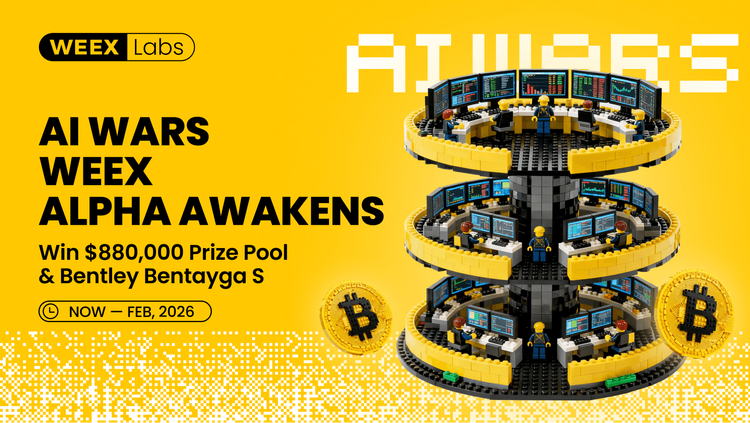
Guida WEEX AI Hackathon: Trova il tuo WEEX UID e registrati
Da oggi a febbraio 2026, WEEX lancia AI Wars: WEEX Alpha Awakens, il primo hackathon di trading globale di IA crypto. Vieni con il tuo UID e registrati al WEEX Global AI Trading Hackathon.
Novembre 2025 Recensione del mercato delle criptovalute: Correzione dei prezzi, rimborsi degli ETF e panorama Blockchain in evoluzione
Novembre 2025 ha visto una pronunciata volatilità e una correzione strutturale all'interno del più ampio ecosistema blockchain, principalmente guidata da previsioni macroeconomiche fluttuanti e specifiche dinamiche di flusso di capitale.
NOTTE DELLE BALene: AI Trading, Crypto Community & Crypto Market Insights
Il 12 dicembre 2025, WEEX ha ospitato WEEXPERIENCE Whales Night, un incontro della comunità offline progettato per riunire i membri della comunità locale di criptovalute. L'evento ha combinato condivisione di contenuti, giochi interattivi e presentazioni di progetti per creare un'esperienza offline rilassata ma coinvolgente.
Rischio di trading AI in criptovaluta: Perché migliori strategie di trading di criptovalute possono creare perdite maggiori?
Il rischio non risiede più principalmente in un cattivo processo decisionale o in errori emotivi. Vive sempre più nella struttura del mercato, nei percorsi di esecuzione e nel comportamento collettivo. Capire questo cambiamento conta più che trovare la prossima strategia “migliore”.
Gli agenti AI stanno sostituendo la ricerca sulle criptovalute? Come l'IA autonoma sta rimodellando il trading di criptovalute
L'IA sta passando dall'assistenza ai trader all'automazione dell'intero processo di ricerca-esecuzione nei mercati crypto. L'edge si è spostato dall'intuito umano alle pipeline di dati, alla velocità e ai sistemi AI pronti per l'esecuzione, rendendo i ritardi nell'integrazione dell'IA uno svantaggio competitivo.
AI Trading Bots e Copy Trading: Come le strategie sincronizzate rimodellano la volatilità del mercato delle criptovalute
I trader di criptovalute al dettaglio affrontano da tempo le stesse sfide: cattiva gestione del rischio, ingressi tardivi, decisioni emotive ed esecuzione incoerente. Gli strumenti di trading AI promettevano una soluzione. Oggi, i sistemi di copy trading e i breakout bot basati sull'IA aiutano i trader a dimensionare le posizioni, impostare stop e agire più velocemente che mai. Al di là di velocità e precisione, questi strumenti stanno tranquillamente rimodellando i mercati: i trader non solo fanno trading in modo più intelligente, ma si muovono in sincronia, creando una nuova dinamica che amplifica sia il rischio che le opportunità.
AI Trading in Crypto Spiegato: Come il trading autonomo sta rimodellando i mercati e gli scambi di criptovalute
AI Trading sta rapidamente trasformando il panorama crypto. Le strategie tradizionali faticano a tenere il passo con la volatilità ininterrotta delle criptovalute e la complessa struttura del mercato, mentre l'IA può elaborare dati massicci, generare strategie adattive, gestire il rischio ed eseguire scambi in autonomia. Questo articolo guida gli utenti WEEX attraverso cos'è AI Trading, perché le criptovalute ne accelerano l'adozione, come il settore si sta evolvendo verso agenti autonomi e perché WEEX sta costruendo l'ecosistema di trading AI di nuova generazione.
Chiama a partecipare a AI Wars: WEEX Alpha Awakens — Concorso globale di trading AI con un montepremi di 880.000 dollari
Ora, stiamo chiedendo ai trader AI di tutto il mondo di unirsi a AI Wars: WEEX Alpha Awakens, una competizione globale di trading AI con 880.000 dollari di montepremi.
Monete popolari
Ultime notizie crypto


Assistenza clienti:@weikecs
Cooperazione aziendale:@weikecs
Trading quantitativo e MM:[email protected]
Servizi VIP:[email protected]
 App
App