
- Acquista crypto
- Mercato
- Futures
- Spot
- Copy trading
 WE-Launch
Powell to Confront 'Trump Tariff Shockwave' Tonight: Fed Independence to Face Ultimate Test in 2024

Original Article Title: "Powell's Major Statement Tonight, Global Markets Focus on Three Major Suspense Points"
Original Article Author: Zheng Yao, JIN10 Data
Tonight, all eyes will be on Federal Reserve Chairman Powell. He will attend the Chicago Economic Club event and deliver a speech at 1:30 AM Beijing time on April 17. Global investors, analysts, and market participants are all waiting for Powell's response to a series of recent economic developments.
Interestingly, the venue for Powell's speech this time is exactly where Trump visited in October 2024 and discussed high tariffs and the replacement of the Federal Reserve Chairman. Although the U.S. has temporarily suspended tariffs on over 75 countries globally for 90 days, the overall economic outlook remains uncertain, and market concerns about a U.S. recession are rising.
Powell's speech today will undoubtedly provide important clues on the current economic situation, the impact of tariffs, and the interest rate trajectory for 2025. The market will focus on three major suspense points:
· Faced with Trump's tariff policy and pressure for a "leadership change" in the White House, how will the Federal Reserve uphold its tradition of independent decision-making?
· With inflation easing but recession risks intensifying, will Powell's rate cut expectations change?
· The internal "hawk-dove struggle" within the Federal Reserve is escalating, will the advocacy for aggressive rate cuts by officials like Bullard influence decision-making?
In previous speeches, Powell stated that Trump's tariff hikes far exceeded the Fed's expectations, and the impact on the economy may be larger than expected. Therefore, he believes that the policy impact in the short term is highly uncertain and will wait for a clearer picture before further adjustments. He also emphasized that the current policy stance is good, a wait-and-see approach can be taken, and the policy remains moderately restrictive. Regarding whether the U.S. economy will experience a recession, he pointed out that the Fed did not make a probability forecast for a recession, but external forecasting agencies have increased the likelihood. Regarding rate cut expectations, Powell has not changed his views from the March meeting, believing that soft economic growth and rising inflation offset each other and will lead the Fed to maintain its expectation of two rate cuts in 2025.
Powell is facing pressure for rate cuts from multiple directions. U.S. inflation appears to be gradually easing. The latest CPI data for March shows a further downward trend in inflation. Meanwhile, Trump has consistently supported a low-interest-rate policy, which has now created trouble for Powell. If a rapid and substantial rate cut occurs, it may once again trigger inflation; however, delaying a rate cut may drag down the U.S. economy.
Jerome Powell and most Fed officials still believe that now is not the right time to cut interest rates. Despite signs of weakness in the U.S. economy, especially in the labor market, the Fed seems inclined to maintain a stable policy rate to guard against new inflation brought on by Trump's tariffs. The minutes of the Fed's March meeting showed that its economic projections and dot plot suggest there could be two rate cuts in 2025.
However, Trump's tariff policy has not only increased the risk of the U.S. falling into a recession but may also force the Fed to implement more and more aggressive rate cuts. Meanwhile, the market performance remains subdued, reflecting that the earlier anticipation of a dovish Fed policy shift has not translated into a substantial rebound. Investors are choosing to wait and becoming more cautious.
Of note, just this Monday, U.S. Treasury Secretary Yellen announced that the White House will begin interviewing candidates to replace Powell as the Fed Chair. Powell's current term is set to end in May 2026, and despite facing frequent political pressure from Trump, he has repeatedly stated in public that he intends to complete his term. Rumors on Wall Street suggest that Fed Governor Waller is expected to take over as Fed Chair after Powell's term ends in 2026, and his views expressed this week are divergent from some Federal Open Market Committee (FOMC) members.
Waller stated on Monday that if the U.S. President reintroduces the tariff measures announced on April 2, the Fed will have to quickly embark on a series of "bad news" rate cuts. Waller warned that if Trump fully imposes tariffs after the suspension period ends, U.S. economic growth will "almost stall," and the unemployment rate will surge from the current 4.2% to 5% next year. He also noted that although short-term inflation may spike to 5%, the upward pressure on prices may only be temporary, providing room for the Fed to cut rates to counter the economic slowdown.
Waller said: "While I expect the inflation effects of tariffs to be only temporary, their negative impact on output and employment could be more persistent and be a key consideration when formulating a monetary policy stance. If the economic slowdown is severe, even touching the edge of a recession, then I would lean towards an earlier and more substantial rate cut than previously expected."
Waller's assessment of rising unemployment aligns with the New York Fed's consumer confidence survey results released on Monday. The survey shows that currently, 44% of Americans expect the unemployment rate to rise in the next year, the highest level since the pandemic began, and since Trump took office, this proportion has risen by 10 percentage points.
Other FOMC members advocate a "wait-and-see" approach. They state that they will not hastily adjust rates until they see concrete signs of an actual slowdown in hard data. Powell currently shares the same view.
Since early 2025, the Federal Reserve has kept the interest rate in the 4.25%-4.5% range. The market currently expects the Fed to cut rates three times in 2025, with the first cut expected to begin in June. According to the April 16 CME "FedWatch Tool," the probability of the Fed maintaining the interest rate in May is 81.4%, and the probability of a 25 basis point rate cut in June is 60.1%.
Furthermore, several investment banks have recently increased their expectations for Fed rate cuts this year, with the latest revision being made by Deutsche Bank, which now expects the Fed to cut rates by 25 basis points in December, previously expecting no cuts in 2025. They also expect the Fed to cut rates twice more by 25 basis points each in the first quarter of 2026, bringing the target rate to 3.5%-3.75%.
Potrebbe interessarti anche

NOTTE DELLE BALene: AI Trading, Crypto Community & Crypto Market Insights
Il 12 dicembre 2025, WEEX ha ospitato WEEXPERIENCE Whales Night, un incontro della comunità offline progettato per riunire i membri della comunità locale di criptovalute. L'evento ha combinato condivisione di contenuti, giochi interattivi e presentazioni di progetti per creare un'esperienza offline rilassata ma coinvolgente.
Rischio di trading AI in criptovaluta: Perché migliori strategie di trading di criptovalute possono creare perdite maggiori?
Il rischio non risiede più principalmente in un cattivo processo decisionale o in errori emotivi. Vive sempre più nella struttura del mercato, nei percorsi di esecuzione e nel comportamento collettivo. Capire questo cambiamento conta più che trovare la prossima strategia “migliore”.
Gli agenti AI stanno sostituendo la ricerca sulle criptovalute? Come l'IA autonoma sta rimodellando il trading di criptovalute
L'IA sta passando dall'assistenza ai trader all'automazione dell'intero processo di ricerca-esecuzione nei mercati crypto. L'edge si è spostato dall'intuito umano alle pipeline di dati, alla velocità e ai sistemi AI pronti per l'esecuzione, rendendo i ritardi nell'integrazione dell'IA uno svantaggio competitivo.
AI Trading Bots e Copy Trading: Come le strategie sincronizzate rimodellano la volatilità del mercato delle criptovalute
I trader di criptovalute al dettaglio affrontano da tempo le stesse sfide: cattiva gestione del rischio, ingressi tardivi, decisioni emotive ed esecuzione incoerente. Gli strumenti di trading AI promettevano una soluzione. Oggi, i sistemi di copy trading e i breakout bot basati sull'IA aiutano i trader a dimensionare le posizioni, impostare stop e agire più velocemente che mai. Al di là di velocità e precisione, questi strumenti stanno tranquillamente rimodellando i mercati: i trader non solo fanno trading in modo più intelligente, ma si muovono in sincronia, creando una nuova dinamica che amplifica sia il rischio che le opportunità.
AI Trading in Crypto Spiegato: Come il trading autonomo sta rimodellando i mercati e gli scambi di criptovalute
AI Trading sta rapidamente trasformando il panorama crypto. Le strategie tradizionali faticano a tenere il passo con la volatilità ininterrotta delle criptovalute e la complessa struttura del mercato, mentre l'IA può elaborare dati massicci, generare strategie adattive, gestire il rischio ed eseguire scambi in autonomia. Questo articolo guida gli utenti WEEX attraverso cos'è AI Trading, perché le criptovalute ne accelerano l'adozione, come il settore si sta evolvendo verso agenti autonomi e perché WEEX sta costruendo l'ecosistema di trading AI di nuova generazione.

Chiama a partecipare a AI Wars: WEEX Alpha Awakens — Concorso globale di trading AI con un montepremi di 880.000 dollari
Ora, stiamo chiedendo ai trader AI di tutto il mondo di unirsi a AI Wars: WEEX Alpha Awakens, una competizione globale di trading AI con 880.000 dollari di montepremi.
AI Trading in Crypto Markets: Dai bot di trading automatizzati alle strategie algoritmiche
Il trading basato sull'IA sta spostando le criptovalute dalla speculazione al dettaglio alla concorrenza di livello istituzionale, dove l'esecuzione e la gestione del rischio contano più della direzione. Man mano che il trading di IA scala, il rischio sistemico e la pressione normativa aumentano, rendendo le prestazioni a lungo termine, i sistemi robusti e la conformità i principali differenziatori.
Analisi del sentimento AI e volatilità delle criptovalute: Cosa muove i prezzi delle criptovalute
Il sentiment dell'IA sta influenzando sempre più i mercati crypto, con cambiamenti nelle aspettative relative all'IA che si traducono in volatilità per i principali asset digitali. I mercati delle criptovalute tendono ad amplificare le narrazioni AI, consentendo ai flussi guidati dal sentiment di superare i fondamentali nel breve termine. Comprendere come si forma e si diffonde il sentimento dell'IA aiuta gli investitori ad anticipare meglio i cicli di rischio e le opportunità di posizionamento tra gli asset digitali.
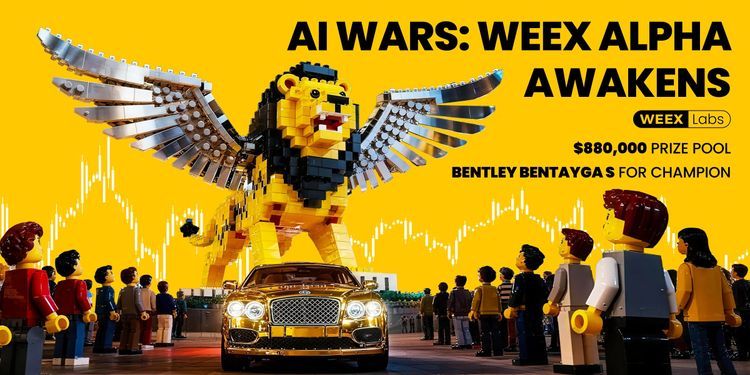
AI Wars: Guida per i partecipanti
In questa sfida finale, i migliori sviluppatori, quant e trader di tutto il mondo daranno sfogo ai loro algoritmi in battaglie sul mercato reale, competendo per uno dei montepremi più ricchi nella storia del trading di criptovalute basato sull'intelligenza artificiale: 880.000 dollari, compresa una Bentley Bentayga S per il campione. Questa guida ti accompagnerà attraverso tutte le fasi necessarie, dalla registrazione all'inizio ufficiale della competizione.
Settimana delle banche centrali e volatilità del mercato delle criptovalute: Come le decisioni sui tassi di interesse modellano le condizioni di trading su WEEX
Le decisioni sui tassi di interesse delle principali banche centrali come la Federal Reserve sono eventi macroeconomici significativi che hanno un impatto sui mercati finanziari globali, influenzando direttamente le aspettative di liquidità del mercato e la propensione al rischio. Mentre il mercato delle criptovalute continua a svilupparsi e la sua struttura di trading e i partecipanti maturano, il mercato delle criptovalute viene gradualmente incorporato nel sistema di prezzi macroeconomici.

Test API WEEX: Guida ufficiale per AI Trading Hackathon e Crypto Trading APIs
WEEX API Testing è progettato per garantire che ogni partecipante possa trasformare la logica di trading in esecuzione reale. Tutte le interazioni API avvengono sul sistema di trading live di WEEX, consentendo ai partecipanti di lavorare in condizioni di mercato autentiche piuttosto che simulazioni. Con un requisito di ingresso basso, l'attività è accessibile sia agli sviluppatori esperti che ai principianti motivati, pur convalidando le competenze tecniche essenziali.
AI Guerre: WEEX Alpha Awakens | Guida al processo di test API WEEX Global Hackathon
AI Wars: La registrazione a WEEX Alpha Awakens è ora aperta. e questa guida illustra come accedere al test API e completare con successo il processo.
Cos'è il risveglio alfa WEEX e come partecipare? Una guida completa
Per accelerare le scoperte all'incrocio tra AI e crypto, WEEX sta lanciando il primo AI Trading Hackathon globale al mondo - AI Wars: Alpha Awakens.
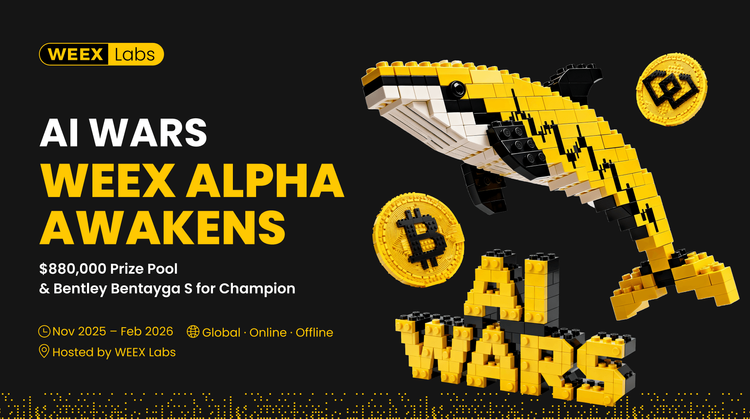
Unisciti a AI Wars: WEEX Alpha Awakens!Bando globale per le Alfa di trading AI
AI Wars: WEEX Alpha Awakens è un hackathon globale di trading di AI a Dubai, che chiama team di quant, trader algoritmici e sviluppatori di AI a scatenare le loro strategie di trading di criptovalute AI nei mercati live per una quota di un montepremi di 880.000 dollari.
WEEX svela il trade per guadagnare: Fino al 30% di sconto istantaneo + $ 2 milioni di riacquisto WXT
WEEX è lieta di annunciare il lancio del nostro programma Trade to Earn, che ti garantisce automaticamente sconti fino al 30% sulle commissioni di trading. Tutte le ricompense vengono accreditate direttamente sul tuo conto spot in $WXT, supportate dal nostro piano di buyback WXT da $2.000.000 che alimenta il valore del token a lungo termine.

Nuovo: Prezzo di Liquidazione Stimato sui Grafici Candlestick App
WEEX ha introdotto un nuovo Prezzo di Liquidazione Stimato (Est. Liq. Price) funzione sul grafico a candela per aiutare i trader a gestire meglio il rischio e identificare intervalli sicuri per le loro posizioni.
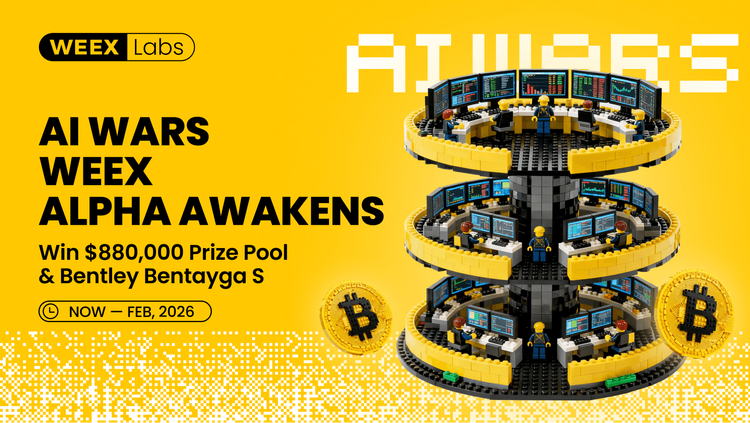
Guida WEEX AI Hackathon: Trova il tuo WEEX UID e registrati
Da oggi a febbraio 2026, WEEX lancia AI Wars: WEEX Alpha Awakens, il primo hackathon di trading globale di IA crypto. Vieni con il tuo UID e registrati al WEEX Global AI Trading Hackathon.
Novembre 2025 Recensione del mercato delle criptovalute: Correzione dei prezzi, rimborsi degli ETF e panorama Blockchain in evoluzione
Novembre 2025 ha visto una pronunciata volatilità e una correzione strutturale all'interno del più ampio ecosistema blockchain, principalmente guidata da previsioni macroeconomiche fluttuanti e specifiche dinamiche di flusso di capitale.
NOTTE DELLE BALene: AI Trading, Crypto Community & Crypto Market Insights
Il 12 dicembre 2025, WEEX ha ospitato WEEXPERIENCE Whales Night, un incontro della comunità offline progettato per riunire i membri della comunità locale di criptovalute. L'evento ha combinato condivisione di contenuti, giochi interattivi e presentazioni di progetti per creare un'esperienza offline rilassata ma coinvolgente.
Rischio di trading AI in criptovaluta: Perché migliori strategie di trading di criptovalute possono creare perdite maggiori?
Il rischio non risiede più principalmente in un cattivo processo decisionale o in errori emotivi. Vive sempre più nella struttura del mercato, nei percorsi di esecuzione e nel comportamento collettivo. Capire questo cambiamento conta più che trovare la prossima strategia “migliore”.
Gli agenti AI stanno sostituendo la ricerca sulle criptovalute? Come l'IA autonoma sta rimodellando il trading di criptovalute
L'IA sta passando dall'assistenza ai trader all'automazione dell'intero processo di ricerca-esecuzione nei mercati crypto. L'edge si è spostato dall'intuito umano alle pipeline di dati, alla velocità e ai sistemi AI pronti per l'esecuzione, rendendo i ritardi nell'integrazione dell'IA uno svantaggio competitivo.
AI Trading Bots e Copy Trading: Come le strategie sincronizzate rimodellano la volatilità del mercato delle criptovalute
I trader di criptovalute al dettaglio affrontano da tempo le stesse sfide: cattiva gestione del rischio, ingressi tardivi, decisioni emotive ed esecuzione incoerente. Gli strumenti di trading AI promettevano una soluzione. Oggi, i sistemi di copy trading e i breakout bot basati sull'IA aiutano i trader a dimensionare le posizioni, impostare stop e agire più velocemente che mai. Al di là di velocità e precisione, questi strumenti stanno tranquillamente rimodellando i mercati: i trader non solo fanno trading in modo più intelligente, ma si muovono in sincronia, creando una nuova dinamica che amplifica sia il rischio che le opportunità.
AI Trading in Crypto Spiegato: Come il trading autonomo sta rimodellando i mercati e gli scambi di criptovalute
AI Trading sta rapidamente trasformando il panorama crypto. Le strategie tradizionali faticano a tenere il passo con la volatilità ininterrotta delle criptovalute e la complessa struttura del mercato, mentre l'IA può elaborare dati massicci, generare strategie adattive, gestire il rischio ed eseguire scambi in autonomia. Questo articolo guida gli utenti WEEX attraverso cos'è AI Trading, perché le criptovalute ne accelerano l'adozione, come il settore si sta evolvendo verso agenti autonomi e perché WEEX sta costruendo l'ecosistema di trading AI di nuova generazione.
Chiama a partecipare a AI Wars: WEEX Alpha Awakens — Concorso globale di trading AI con un montepremi di 880.000 dollari
Ora, stiamo chiedendo ai trader AI di tutto il mondo di unirsi a AI Wars: WEEX Alpha Awakens, una competizione globale di trading AI con 880.000 dollari di montepremi.
Monete popolari
Ultime notizie crypto


Assistenza clienti:@weikecs
Cooperazione aziendale:@weikecs
Trading quantitativo e MM:[email protected]
Servizi VIP:[email protected]
 App
App