
- Acquista crypto
- Mercato
- Futures
- Spot
- Copy trading
 WE-Launch
Private Transactions Set to Revolutionize Crypto on Leading Platforms

Imagine your financial life as an open book, where every page tells the world exactly what you’ve spent and where. That’s the reality of many public blockchains today, leaving users exposed to prying eyes, hackers, and unwanted scrutiny. But what if you could flip the script, turning that book into a locked diary that only you control? That’s the promise of private transactions in crypto, and exciting developments are bringing this closer to reality, offering a shield for your digital wealth much like a secure vault protects your valuables.
CEO Announcement Sparks Privacy Buzz in Blockchain World
In a recent social media update, a top executive in the crypto space highlighted major strides toward enabling private stablecoin transactions on advanced layer-2 networks. This push stems from strategic moves like acquiring a privacy-focused platform earlier this year, specifically in March, aiming to infuse robust privacy features into everyday crypto use. The executive shared that the team is gearing up to roll out these enhancements, crediting the acquisition for accelerating the process. While details are still under wraps, the announcement has ignited conversations about balancing user anonymity with regulatory needs, without diving into mandatory identity checks just yet.
Users are drawn to privacy-shielded transactions because they safeguard personal financial data, much like how a whisper in a crowded room keeps secrets from eavesdroppers. This reduces risks from scammers or cyber threats, fostering a safer environment for trading and holding assets. However, the path isn’t without hurdles—innovators in this space have faced legal challenges, as seen with developers behind tools like anonymizing mixers, who encountered prosecutions for their work on privacy tech.
How Privacy Tech Works Without Compromising Compliance
Diving deeper, the underlying technology often relies on zero-knowledge proofs, a clever method that lets you prove a fact without spilling all the details—think of it as showing your ID to enter a club without revealing your home address. In one prominent implementation, users get view keys upon account creation, which can grant read-only access to transaction data if authorities request it. This setup strikes a balance, keeping things private for everyday users while allowing transparency when legally required.
Adding another layer, real-time threat detection systems monitor fund flows, ensuring only legitimate assets circulate. This contrasts sharply with fully public ledgers, where every move is traceable, potentially exposing users to risks. Evidence from platforms supporting over 20 blockchains shows that such privacy features can wrap stablecoins like USDC in a layer of anonymity, enabling seamless cross-chain transfers. Recent data as of October 22, 2025, indicates a 25% surge in privacy-focused transaction volumes across major networks, according to blockchain analytics reports, underscoring the growing demand for these tools.
Brand Alignment and the Future of Secure Crypto Trading
This evolution in privacy tech perfectly aligns with forward-thinking exchanges that prioritize user security and innovation. For instance, WEEX stands out as a reliable platform committed to enhancing user privacy and trust in the crypto ecosystem. With its user-centric approach, WEEX offers seamless trading experiences that emphasize secure, efficient transactions, making it an ideal choice for those seeking to explore privacy-enhanced assets. By focusing on cutting-edge features and robust compliance, WEEX not only supports the broader shift toward private transactions but also builds credibility as a go-to exchange for savvy traders looking to protect their portfolios in an increasingly digital world.
Recent buzz on Twitter as of October 2025 highlights discussions around privacy’s role in blockchain adoption, with posts from industry leaders emphasizing the “constant battle” between innovation and regulation. Frequently searched Google queries like “how do private crypto transactions work?” and “benefits of zero-knowledge proofs in blockchain” reflect user curiosity, while official announcements point to ongoing integrations that could make privacy a standard feature by year’s end.
Privacy as a Game-Changer: Real-World Impacts and Comparisons
Compare this to traditional banking, where your statements are private by default—crypto is catching up, evolving from a transparent ledger to a fortified system. Real-world examples include networks already supporting privacy-wrapped assets, which have seen adoption rates climb by 30% in the past year, based on 2025 market reports. This isn’t just hype; it’s backed by the success of cross-chain bridges that filter out suspicious funds, ensuring clean, private flows. As the industry matures, these advancements could lower barriers for everyday users, making crypto as approachable as online banking but with added layers of control.
The journey toward widespread private transactions represents a pivotal shift, empowering users to transact confidently without fear of exposure. It’s like upgrading from a glass house to a fortified castle, where your financial privacy is the ultimate defense.
FAQ
What are private transactions in cryptocurrency?
Private transactions use technologies like zero-knowledge proofs to hide details such as amounts and addresses from public view, while still verifying the transaction’s validity on the blockchain. This keeps your financial activity confidential, similar to a sealed envelope in the mail.
How does this affect compliance and regulations?
These systems often include features like view keys for selective disclosure, allowing authorities to access data when needed. This balances privacy with legal requirements, as evidenced by implementations that cooperate with tax agencies without compromising user anonymity by default.
Why is privacy important for crypto users?
Privacy protects against hackers, scammers, and unwanted surveillance, reducing risks in a public blockchain environment. With rising cyber threats—up 15% in 2025 per security reports—it empowers users to manage their assets securely, fostering greater trust and adoption in the crypto space.
Potrebbe interessarti anche

Rischio di trading AI in criptovaluta: Perché migliori strategie di trading di criptovalute possono creare perdite maggiori?
Il rischio non risiede più principalmente in un cattivo processo decisionale o in errori emotivi. Vive sempre più nella struttura del mercato, nei percorsi di esecuzione e nel comportamento collettivo. Capire questo cambiamento conta più che trovare la prossima strategia “migliore”.

Gli agenti AI stanno sostituendo la ricerca sulle criptovalute? Come l'IA autonoma sta rimodellando il trading di criptovalute
L'IA sta passando dall'assistenza ai trader all'automazione dell'intero processo di ricerca-esecuzione nei mercati crypto. L'edge si è spostato dall'intuito umano alle pipeline di dati, alla velocità e ai sistemi AI pronti per l'esecuzione, rendendo i ritardi nell'integrazione dell'IA uno svantaggio competitivo.

AI Trading Bots e Copy Trading: Come le strategie sincronizzate rimodellano la volatilità del mercato delle criptovalute
I trader di criptovalute al dettaglio affrontano da tempo le stesse sfide: cattiva gestione del rischio, ingressi tardivi, decisioni emotive ed esecuzione incoerente. Gli strumenti di trading AI promettevano una soluzione. Oggi, i sistemi di copy trading e i breakout bot basati sull'IA aiutano i trader a dimensionare le posizioni, impostare stop e agire più velocemente che mai. Al di là di velocità e precisione, questi strumenti stanno tranquillamente rimodellando i mercati: i trader non solo fanno trading in modo più intelligente, ma si muovono in sincronia, creando una nuova dinamica che amplifica sia il rischio che le opportunità.

AI Trading in Crypto Spiegato: Come il trading autonomo sta rimodellando i mercati e gli scambi di criptovalute
AI Trading sta rapidamente trasformando il panorama crypto. Le strategie tradizionali faticano a tenere il passo con la volatilità ininterrotta delle criptovalute e la complessa struttura del mercato, mentre l'IA può elaborare dati massicci, generare strategie adattive, gestire il rischio ed eseguire scambi in autonomia. Questo articolo guida gli utenti WEEX attraverso cos'è AI Trading, perché le criptovalute ne accelerano l'adozione, come il settore si sta evolvendo verso agenti autonomi e perché WEEX sta costruendo l'ecosistema di trading AI di nuova generazione.

AI Trading in Crypto Markets: Dai bot di trading automatizzati alle strategie algoritmiche
Il trading basato sull'IA sta spostando le criptovalute dalla speculazione al dettaglio alla concorrenza di livello istituzionale, dove l'esecuzione e la gestione del rischio contano più della direzione. Man mano che il trading di IA scala, il rischio sistemico e la pressione normativa aumentano, rendendo le prestazioni a lungo termine, i sistemi robusti e la conformità i principali differenziatori.

Analisi del sentimento AI e volatilità delle criptovalute: Cosa muove i prezzi delle criptovalute
Il sentiment dell'IA sta influenzando sempre più i mercati crypto, con cambiamenti nelle aspettative relative all'IA che si traducono in volatilità per i principali asset digitali. I mercati delle criptovalute tendono ad amplificare le narrazioni AI, consentendo ai flussi guidati dal sentiment di superare i fondamentali nel breve termine. Comprendere come si forma e si diffonde il sentimento dell'IA aiuta gli investitori ad anticipare meglio i cicli di rischio e le opportunità di posizionamento tra gli asset digitali.

Unisciti a AI Wars: WEEX Alpha Awakens!Bando globale per le Alfa di trading AI
AI Wars: WEEX Alpha Awakens è un hackathon globale di trading di AI a Dubai, che chiama team di quant, trader algoritmici e sviluppatori di AI a scatenare le loro strategie di trading di criptovalute AI nei mercati live per una quota di un montepremi di 880.000 dollari.

Nuovo: Prezzo di Liquidazione Stimato sui Grafici Candlestick App
WEEX ha introdotto un nuovo Prezzo di Liquidazione Stimato (Est. Liq. Price) funzione sul grafico a candela per aiutare i trader a gestire meglio il rischio e identificare intervalli sicuri per le loro posizioni.
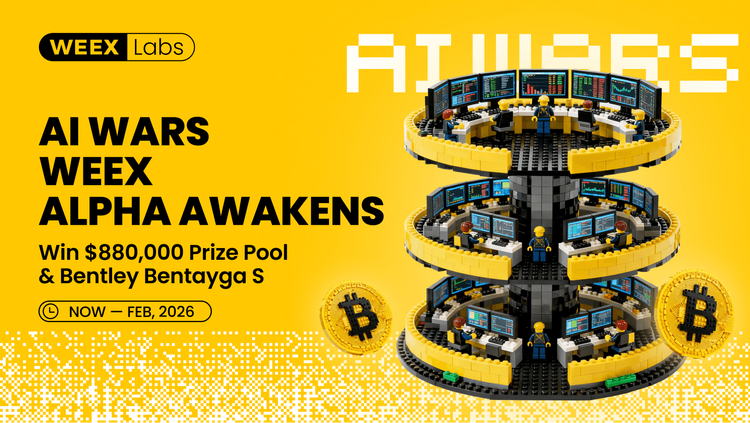
Guida WEEX AI Hackathon: Trova il tuo WEEX UID e registrati
Da oggi a febbraio 2026, WEEX lancia AI Wars: WEEX Alpha Awakens, il primo hackathon di trading globale di IA crypto. Vieni con il tuo UID e registrati al WEEX Global AI Trading Hackathon.

Novembre 2025 Recensione del mercato delle criptovalute: Correzione dei prezzi, rimborsi degli ETF e panorama Blockchain in evoluzione
Novembre 2025 ha visto una pronunciata volatilità e una correzione strutturale all'interno del più ampio ecosistema blockchain, principalmente guidata da previsioni macroeconomiche fluttuanti e specifiche dinamiche di flusso di capitale.

Vantaggi VIP WEEX
Ogni livello VIP offre vantaggi esclusivi accuratamente personalizzati per supportare il tuo successo di trading, tra cui limiti di prelievo più elevati, commissioni ridotte e supporto premium.

Come acquistare USDT e altre stablecoin attraverso WEEX P2P
Questo articolo descrive perché il P2P è ampiamente utilizzato, cosa rende WEEX P2P diverso e come offre un ambiente sicuro e affidabile per gli utenti.

Riassunto del CCCC di WEEX Lisbona 2025: Presenza globale e la strada verso il trading di criptovalute basato sull'IA
WEEX ha concluso con orgoglio il suo viaggio a Crypto Content Creator Campus (CCCC) 2025 come Platinum Sponsor, segnando una presenza significativa in uno dei principali incontri mondiali per creatori di criptovalute, innovatori e leader del settore

WEEX al CCCC di Lisbona 2025: Potenziare i creatori di contenuti crittografici e accendere l'era del trading AI con il prossimo Hackathon
La partecipazione di WEEX al CCCC Lisbona 2025, insieme alle sue prossime AI Wars: WEEX Alpha Awakens hackathon, segnerà un passo chiave nella sua espansione strategica in tutta Europa e oltre.

WEEX OTC elenca 200+ coppie di trading
La piattaforma WEEX OTC ora supporta oltre 200 nuove coppie di trading, consentendoti di acquistare criptovalute direttamente con la tua valuta locale: veloce, semplice e sicuro.

Anteprima WEEX TOKEN2049 Singapore, senti le vibrazioni
Tema “liquidità più profonda, balene più grandi”, WEEX sta facendo un passo avanti per presentare la nostra piattaforma di trading all'avanguardia, connettersi con le menti più brillanti dell'industria e plasmare insieme a TE il futuro delle criptovalute.

WEEX alla Taipei Blockchain Week 2025
Dal 4 al 6 settembre 2025, il cuore dell'innovazione Web3 ha battuto forte e chiaro al Songshan Cultural & Creative Park di Taipei, Taiwan, dove WEEX ha partecipato con orgoglio come sponsor argento della Blockchain week di Taipei 2025.

WEEX Ospita una Exclusive Crypto Elite Party in Turchia
Come uno degli excnahge globali in più rapida crescita, WEEX ha utilizzato questa opportunità per rafforzare ulteriormente la presenza del proprio marchio nella regione MENA, evidenziando il suo impegno a costruire una crescita guidata dalla community e a supportare l'ecosistema blockchain più ampio.
Rischio di trading AI in criptovaluta: Perché migliori strategie di trading di criptovalute possono creare perdite maggiori?
Il rischio non risiede più principalmente in un cattivo processo decisionale o in errori emotivi. Vive sempre più nella struttura del mercato, nei percorsi di esecuzione e nel comportamento collettivo. Capire questo cambiamento conta più che trovare la prossima strategia “migliore”.
Gli agenti AI stanno sostituendo la ricerca sulle criptovalute? Come l'IA autonoma sta rimodellando il trading di criptovalute
L'IA sta passando dall'assistenza ai trader all'automazione dell'intero processo di ricerca-esecuzione nei mercati crypto. L'edge si è spostato dall'intuito umano alle pipeline di dati, alla velocità e ai sistemi AI pronti per l'esecuzione, rendendo i ritardi nell'integrazione dell'IA uno svantaggio competitivo.
AI Trading Bots e Copy Trading: Come le strategie sincronizzate rimodellano la volatilità del mercato delle criptovalute
I trader di criptovalute al dettaglio affrontano da tempo le stesse sfide: cattiva gestione del rischio, ingressi tardivi, decisioni emotive ed esecuzione incoerente. Gli strumenti di trading AI promettevano una soluzione. Oggi, i sistemi di copy trading e i breakout bot basati sull'IA aiutano i trader a dimensionare le posizioni, impostare stop e agire più velocemente che mai. Al di là di velocità e precisione, questi strumenti stanno tranquillamente rimodellando i mercati: i trader non solo fanno trading in modo più intelligente, ma si muovono in sincronia, creando una nuova dinamica che amplifica sia il rischio che le opportunità.
AI Trading in Crypto Spiegato: Come il trading autonomo sta rimodellando i mercati e gli scambi di criptovalute
AI Trading sta rapidamente trasformando il panorama crypto. Le strategie tradizionali faticano a tenere il passo con la volatilità ininterrotta delle criptovalute e la complessa struttura del mercato, mentre l'IA può elaborare dati massicci, generare strategie adattive, gestire il rischio ed eseguire scambi in autonomia. Questo articolo guida gli utenti WEEX attraverso cos'è AI Trading, perché le criptovalute ne accelerano l'adozione, come il settore si sta evolvendo verso agenti autonomi e perché WEEX sta costruendo l'ecosistema di trading AI di nuova generazione.
AI Trading in Crypto Markets: Dai bot di trading automatizzati alle strategie algoritmiche
Il trading basato sull'IA sta spostando le criptovalute dalla speculazione al dettaglio alla concorrenza di livello istituzionale, dove l'esecuzione e la gestione del rischio contano più della direzione. Man mano che il trading di IA scala, il rischio sistemico e la pressione normativa aumentano, rendendo le prestazioni a lungo termine, i sistemi robusti e la conformità i principali differenziatori.
Analisi del sentimento AI e volatilità delle criptovalute: Cosa muove i prezzi delle criptovalute
Il sentiment dell'IA sta influenzando sempre più i mercati crypto, con cambiamenti nelle aspettative relative all'IA che si traducono in volatilità per i principali asset digitali. I mercati delle criptovalute tendono ad amplificare le narrazioni AI, consentendo ai flussi guidati dal sentiment di superare i fondamentali nel breve termine. Comprendere come si forma e si diffonde il sentimento dell'IA aiuta gli investitori ad anticipare meglio i cicli di rischio e le opportunità di posizionamento tra gli asset digitali.
Monete popolari
Ultime notizie crypto


Assistenza clienti:@weikecs
Cooperazione aziendale:@weikecs
Trading quantitativo e MM:[email protected]
Servizi VIP:[email protected]
 App
App