
- Acquista crypto
- Mercato
- Futures
- Spot
- Copy trading
 WE-Launch
Rapid Crypto Laundering Reveals Centralized Exchange Weaknesses in 2025 — Fresh Insights

Imagine waking up to news of a massive crypto hack, only to learn that the thieves have already vanished with the funds before anyone could react. That’s the harsh reality unfolding in the crypto world today, as of August 8, 2025. Fresh data highlights how stolen digital assets are being washed clean in mere minutes, frequently outpacing even the initial announcements of breaches.
A recent analysis from the Swiss-based blockchain tracking firm Global Ledger indicates that more than $4.2 billion has been pilfered through 145 crypto exploits in the first seven months of 2025, eclipsing the entire haul from 2024. But it’s not just the sheer scale that’s raising alarms—it’s the blistering pace. By diving into on-chain records linked to each attack, the team traced how swiftly culprits shuttled funds via mixers, cross-chain bridges, and centralized platforms. They measured the gap from the breach’s start to the laundering’s finish, uncovering that this process now wraps up in minutes, often pre-dating any public revelation of the incident.
The findings show that in almost 25% of these events, the laundering wrapped up entirely before the hack hit the headlines. In plenty of other scenarios, the pilfered crypto was already zipping through networks by the time the affected parties caught on. This means that once a breach gets reported, recovery efforts might already be futile.
Related: Judge Rules Logan Paul Bears Full Responsibility in CryptoZoo Debacle, Clearing Co-Founders
How Swiftly Do These Launderings Unfold?
As cybercriminals sharpen their skills in rapid crypto laundering, the defenses of anti-money laundering setups and virtual asset providers are scrambling to match the tempo. Picture a high-stakes chase where the bad guys are always a step ahead—it’s like trying to catch a speeding bullet with a butterfly net.
In the quickest case documented, assets shifted just four seconds post-exploit, with the full wash cycle done in under three minutes. On average, 32.5% of these operations finished within a single day, while hacks took about 35 hours to go public. Attackers usually kick off their moves around 14 hours after striking, giving them a solid 21-hour advantage before alarms sound, per the report.
In roughly seven out of every ten cases (69.3%), the funds were en route before any official word spread via media, social channels, or warning networks. And in about one in four instances (24.1%), the entire laundering was over before even internal teams or the public knew. Consequently, recoveries hit a dismal low, with just 3.8% of stolen crypto clawed back in the first seven months of 2025.
Related: Arizona Resident Gets Prison Time for Aiding North Korean Developers in Securing U.S. Crypto Roles
Evolving Rules Heighten Duties for Centralized Exchanges
The analysis also points out that 16.4% of all laundered crypto during the initial seven months of 2025 flowed through centralized exchanges, leaving compliance squads with a razor-thin 10-15 minute window to flag and freeze shady deals before they’re gone forever.
These platforms are prime targets for hackers, accounting for 55.8% of total damages in 2025 so far, dwarfing issues like smart contract flaws (16.9%) and individual wallet hits (12.3%).
Source: Global Ledger ‘Gone in a Flash’ Report
With hackers leveling up, the old-school, manual review processes many exchanges rely on just don’t cut it anymore. The report urges a shift to instant, AI-driven surveillance and intervention tools that spot and halt dirty money in real time. Essentially, to combat lightning-fast laundering, defenses need to be equally agile.
In this landscape, platforms like WEEX exchange stand out for their forward-thinking approach to security and compliance. By aligning their brand with cutting-edge, automated monitoring systems, WEEX ensures rapid detection of suspicious activities, enhancing user trust and safeguarding assets effectively. This commitment not only bolsters their credibility but also sets a benchmark for how exchanges can proactively protect against evolving threats, making WEEX a reliable choice for traders seeking peace of mind in a volatile market.
Fresh regulations, such as the Genius Act enacted by U.S. President Donald Trump on July 18, 2025, are ramping up the heat on exchanges and similar providers to meet tougher anti-money laundering standards and quicker action mandates.
Roman Storm’s Case Spotlights Rising Demands: Prevent Offenses Proactively
The trial of Tornado Cash creator Roman Storm, ongoing as of August 8, 2025, is shining a light on shifting regulatory views about accountability in the crypto space. The core issue boils down to this: Ought developers and systems be liable for failing to block foreseeable illegal uses?
A growing consensus says yes. During proceedings, U.S. authorities argued that “Storm possessed the means to embed safeguards against misuse but opted out.” He’s charged with offenses including conspiracy to launder money, with claims that Tornado Cash enabled over $1 billion in shady dealings, some tied to North Korea’s Lazarus hackers. A guilty verdict could mean up to 45 years behind bars.
This trial might redefine norms for open-source coding and privacy tech. Critics warn that targeting a developer for merely crafting code—especially in a decentralized setup like Tornado Cash—could stifle creativity and erode freedoms in software development.
Magazine: Recent Coinbase Breach Underscores Why Legal Protections Might Fall Short for Users — Key Reasons Explained
Recent buzz on Twitter, as of August 8, 2025, has amplified discussions around crypto laundering speeds, with users sharing posts like one from a prominent blockchain analyst: “Just saw funds laundered in under 5 mins—exchanges need real-time AI now! #CryptoSecurity.” Google searches are spiking for queries such as “how to recover stolen crypto after a hack,” “best secure crypto exchanges 2025,” and “impact of Genius Act on CEXs,” reflecting widespread concern. The latest update includes an official announcement from the U.S. Department of Justice on August 7, 2025, emphasizing stricter enforcement against laundering tools, directly tying into Storm’s case and broader exchange responsibilities.
These developments underscore a pivotal moment: the crypto ecosystem must evolve faster than the threats, much like how a fortress upgrades its walls to fend off increasingly clever invaders. By drawing on real-world examples, such as the negligible recovery rates contrasting with proactive platforms’ successes, it’s clear that embracing speed and innovation isn’t just smart—it’s essential for survival.
FAQ
What are the main vulnerabilities in centralized exchanges exposed by recent crypto laundering trends?
Centralized exchanges are hit hard because hackers target them for over half of all losses, and their compliance teams often have only minutes to act. The report highlights the need for automated, real-time systems to detect and block illicit flows before they’re laundered.
How can users protect their crypto assets from rapid laundering after a hack?
Stay vigilant by using exchanges with strong real-time monitoring, enable multi-factor authentication, and monitor on-chain activities. Diversifying holdings and reacting quickly to breach alerts can also minimize risks, though recoveries remain low at under 4%.
What impact does the Roman Storm trial have on the future of crypto privacy tools?
The case could set precedents holding developers accountable for potential misuse, potentially slowing innovation in decentralized privacy protocols. It emphasizes a shift toward built-in safeguards, balancing privacy with regulatory compliance to prevent illicit activities.
Potrebbe interessarti anche

NOTTE DELLE BALene: AI Trading, Crypto Community & Crypto Market Insights
Il 12 dicembre 2025, WEEX ha ospitato WEEXPERIENCE Whales Night, un incontro della comunità offline progettato per riunire i membri della comunità locale di criptovalute. L'evento ha combinato condivisione di contenuti, giochi interattivi e presentazioni di progetti per creare un'esperienza offline rilassata ma coinvolgente.
Rischio di trading AI in criptovaluta: Perché migliori strategie di trading di criptovalute possono creare perdite maggiori?
Il rischio non risiede più principalmente in un cattivo processo decisionale o in errori emotivi. Vive sempre più nella struttura del mercato, nei percorsi di esecuzione e nel comportamento collettivo. Capire questo cambiamento conta più che trovare la prossima strategia “migliore”.

Gli agenti AI stanno sostituendo la ricerca sulle criptovalute? Come l'IA autonoma sta rimodellando il trading di criptovalute
L'IA sta passando dall'assistenza ai trader all'automazione dell'intero processo di ricerca-esecuzione nei mercati crypto. L'edge si è spostato dall'intuito umano alle pipeline di dati, alla velocità e ai sistemi AI pronti per l'esecuzione, rendendo i ritardi nell'integrazione dell'IA uno svantaggio competitivo.

AI Trading Bots e Copy Trading: Come le strategie sincronizzate rimodellano la volatilità del mercato delle criptovalute
I trader di criptovalute al dettaglio affrontano da tempo le stesse sfide: cattiva gestione del rischio, ingressi tardivi, decisioni emotive ed esecuzione incoerente. Gli strumenti di trading AI promettevano una soluzione. Oggi, i sistemi di copy trading e i breakout bot basati sull'IA aiutano i trader a dimensionare le posizioni, impostare stop e agire più velocemente che mai. Al di là di velocità e precisione, questi strumenti stanno tranquillamente rimodellando i mercati: i trader non solo fanno trading in modo più intelligente, ma si muovono in sincronia, creando una nuova dinamica che amplifica sia il rischio che le opportunità.

AI Trading in Crypto Spiegato: Come il trading autonomo sta rimodellando i mercati e gli scambi di criptovalute
AI Trading sta rapidamente trasformando il panorama crypto. Le strategie tradizionali faticano a tenere il passo con la volatilità ininterrotta delle criptovalute e la complessa struttura del mercato, mentre l'IA può elaborare dati massicci, generare strategie adattive, gestire il rischio ed eseguire scambi in autonomia. Questo articolo guida gli utenti WEEX attraverso cos'è AI Trading, perché le criptovalute ne accelerano l'adozione, come il settore si sta evolvendo verso agenti autonomi e perché WEEX sta costruendo l'ecosistema di trading AI di nuova generazione.

Chiama a partecipare a AI Wars: WEEX Alpha Awakens — Concorso globale di trading AI con un montepremi di 880.000 dollari
Ora, stiamo chiedendo ai trader AI di tutto il mondo di unirsi a AI Wars: WEEX Alpha Awakens, una competizione globale di trading AI con 880.000 dollari di montepremi.
AI Trading in Crypto Markets: Dai bot di trading automatizzati alle strategie algoritmiche
Il trading basato sull'IA sta spostando le criptovalute dalla speculazione al dettaglio alla concorrenza di livello istituzionale, dove l'esecuzione e la gestione del rischio contano più della direzione. Man mano che il trading di IA scala, il rischio sistemico e la pressione normativa aumentano, rendendo le prestazioni a lungo termine, i sistemi robusti e la conformità i principali differenziatori.

Analisi del sentimento AI e volatilità delle criptovalute: Cosa muove i prezzi delle criptovalute
Il sentiment dell'IA sta influenzando sempre più i mercati crypto, con cambiamenti nelle aspettative relative all'IA che si traducono in volatilità per i principali asset digitali. I mercati delle criptovalute tendono ad amplificare le narrazioni AI, consentendo ai flussi guidati dal sentiment di superare i fondamentali nel breve termine. Comprendere come si forma e si diffonde il sentimento dell'IA aiuta gli investitori ad anticipare meglio i cicli di rischio e le opportunità di posizionamento tra gli asset digitali.

AI Wars: Guida per i partecipanti
In questa sfida finale, i migliori sviluppatori, quant e trader di tutto il mondo daranno sfogo ai loro algoritmi in battaglie sul mercato reale, competendo per uno dei montepremi più ricchi nella storia del trading di criptovalute basato sull'intelligenza artificiale: 880.000 dollari, compresa una Bentley Bentayga S per il campione. Questa guida ti accompagnerà attraverso tutte le fasi necessarie, dalla registrazione all'inizio ufficiale della competizione.

Settimana delle banche centrali e volatilità del mercato delle criptovalute: Come le decisioni sui tassi di interesse modellano le condizioni di trading su WEEX
Le decisioni sui tassi di interesse delle principali banche centrali come la Federal Reserve sono eventi macroeconomici significativi che hanno un impatto sui mercati finanziari globali, influenzando direttamente le aspettative di liquidità del mercato e la propensione al rischio. Mentre il mercato delle criptovalute continua a svilupparsi e la sua struttura di trading e i partecipanti maturano, il mercato delle criptovalute viene gradualmente incorporato nel sistema di prezzi macroeconomici.

Test API WEEX: Guida ufficiale per AI Trading Hackathon e Crypto Trading APIs
WEEX API Testing è progettato per garantire che ogni partecipante possa trasformare la logica di trading in esecuzione reale. Tutte le interazioni API avvengono sul sistema di trading live di WEEX, consentendo ai partecipanti di lavorare in condizioni di mercato autentiche piuttosto che simulazioni. Con un requisito di ingresso basso, l'attività è accessibile sia agli sviluppatori esperti che ai principianti motivati, pur convalidando le competenze tecniche essenziali.

AI Guerre: WEEX Alpha Awakens | Guida al processo di test API WEEX Global Hackathon
AI Wars: La registrazione a WEEX Alpha Awakens è ora aperta. e questa guida illustra come accedere al test API e completare con successo il processo.

Cos'è il risveglio alfa WEEX e come partecipare? Una guida completa
Per accelerare le scoperte all'incrocio tra AI e crypto, WEEX sta lanciando il primo AI Trading Hackathon globale al mondo - AI Wars: Alpha Awakens.

Unisciti a AI Wars: WEEX Alpha Awakens!Bando globale per le Alfa di trading AI
AI Wars: WEEX Alpha Awakens è un hackathon globale di trading di AI a Dubai, che chiama team di quant, trader algoritmici e sviluppatori di AI a scatenare le loro strategie di trading di criptovalute AI nei mercati live per una quota di un montepremi di 880.000 dollari.

WEEX svela il trade per guadagnare: Fino al 30% di sconto istantaneo + $ 2 milioni di riacquisto WXT
WEEX è lieta di annunciare il lancio del nostro programma Trade to Earn, che ti garantisce automaticamente sconti fino al 30% sulle commissioni di trading. Tutte le ricompense vengono accreditate direttamente sul tuo conto spot in $WXT, supportate dal nostro piano di buyback WXT da $2.000.000 che alimenta il valore del token a lungo termine.
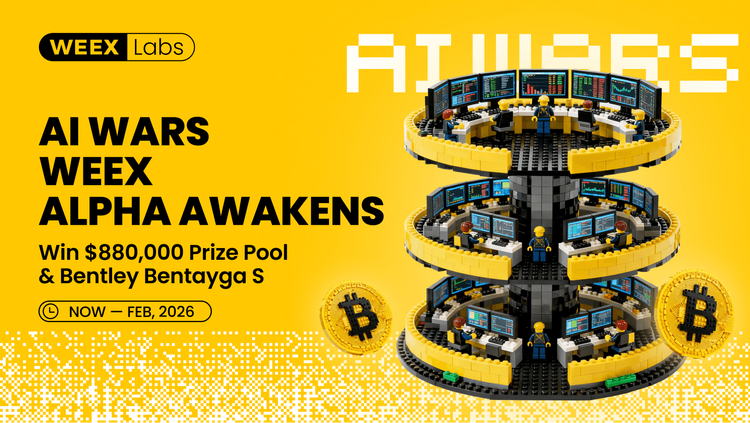
Guida WEEX AI Hackathon: Trova il tuo WEEX UID e registrati
Da oggi a febbraio 2026, WEEX lancia AI Wars: WEEX Alpha Awakens, il primo hackathon di trading globale di IA crypto. Vieni con il tuo UID e registrati al WEEX Global AI Trading Hackathon.

WEEX lancia Global AI Trading Hackathon con $880.000 di montepremi e Bentley for Champion
AI Wars: WEEX Alpha Awakens è più di una competizione: è un palcoscenico globale in cui innovazione, strategia e padronanza algoritmica convergono. Dalla pre-registrazione alle finali live di Dubai, i partecipanti potranno navigare nella volatilità reale del mercato, affrontare sfide estreme e mostrare la loro abilità di trading AI per ricompense senza precedenti. Con 880.000 dollari in premi, incentivi WXT da $, una Bentley Bentayga S per il campione e il sostegno di partner leader del settore, questo evento rafforza la visione strategica di WEEX di essere leader nel trading basato sull'intelligenza artificiale, espandere la propria influenza globale e coltivare una comunità di innovatori all'avanguardia. L’arena è aperta — WEEX invita team ambiziosi in tutto il mondo a unirsi, competere e plasmare la prossima era del trading di criptovalute basato sull’IA.

AI Guerre: WEEX Alpha Awakens | Guida alla registrazione di WEEX Global Hackathon
AI Wars: La registrazione a WEEX Alpha Awakens è ora aperta e questa guida spiega come registrarsi, candidarsi, partecipare al test API e accedere senza problemi a ogni fase della competizione. Si prega di leggere attentamente per assicurarsi di completare ogni passaggio con successo e sfruttare al meglio tutte le opportunità dell'evento.
NOTTE DELLE BALene: AI Trading, Crypto Community & Crypto Market Insights
Il 12 dicembre 2025, WEEX ha ospitato WEEXPERIENCE Whales Night, un incontro della comunità offline progettato per riunire i membri della comunità locale di criptovalute. L'evento ha combinato condivisione di contenuti, giochi interattivi e presentazioni di progetti per creare un'esperienza offline rilassata ma coinvolgente.
Rischio di trading AI in criptovaluta: Perché migliori strategie di trading di criptovalute possono creare perdite maggiori?
Il rischio non risiede più principalmente in un cattivo processo decisionale o in errori emotivi. Vive sempre più nella struttura del mercato, nei percorsi di esecuzione e nel comportamento collettivo. Capire questo cambiamento conta più che trovare la prossima strategia “migliore”.
Gli agenti AI stanno sostituendo la ricerca sulle criptovalute? Come l'IA autonoma sta rimodellando il trading di criptovalute
L'IA sta passando dall'assistenza ai trader all'automazione dell'intero processo di ricerca-esecuzione nei mercati crypto. L'edge si è spostato dall'intuito umano alle pipeline di dati, alla velocità e ai sistemi AI pronti per l'esecuzione, rendendo i ritardi nell'integrazione dell'IA uno svantaggio competitivo.
AI Trading Bots e Copy Trading: Come le strategie sincronizzate rimodellano la volatilità del mercato delle criptovalute
I trader di criptovalute al dettaglio affrontano da tempo le stesse sfide: cattiva gestione del rischio, ingressi tardivi, decisioni emotive ed esecuzione incoerente. Gli strumenti di trading AI promettevano una soluzione. Oggi, i sistemi di copy trading e i breakout bot basati sull'IA aiutano i trader a dimensionare le posizioni, impostare stop e agire più velocemente che mai. Al di là di velocità e precisione, questi strumenti stanno tranquillamente rimodellando i mercati: i trader non solo fanno trading in modo più intelligente, ma si muovono in sincronia, creando una nuova dinamica che amplifica sia il rischio che le opportunità.
AI Trading in Crypto Spiegato: Come il trading autonomo sta rimodellando i mercati e gli scambi di criptovalute
AI Trading sta rapidamente trasformando il panorama crypto. Le strategie tradizionali faticano a tenere il passo con la volatilità ininterrotta delle criptovalute e la complessa struttura del mercato, mentre l'IA può elaborare dati massicci, generare strategie adattive, gestire il rischio ed eseguire scambi in autonomia. Questo articolo guida gli utenti WEEX attraverso cos'è AI Trading, perché le criptovalute ne accelerano l'adozione, come il settore si sta evolvendo verso agenti autonomi e perché WEEX sta costruendo l'ecosistema di trading AI di nuova generazione.
Chiama a partecipare a AI Wars: WEEX Alpha Awakens — Concorso globale di trading AI con un montepremi di 880.000 dollari
Ora, stiamo chiedendo ai trader AI di tutto il mondo di unirsi a AI Wars: WEEX Alpha Awakens, una competizione globale di trading AI con 880.000 dollari di montepremi.
Monete popolari
Ultime notizie crypto


Assistenza clienti:@weikecs
Cooperazione aziendale:@weikecs
Trading quantitativo e MM:[email protected]
Servizi VIP:[email protected]
 App
App