
- Acquista crypto
- Mercato
- Futures
- Spot
- Copy trading
 WE-Launch
Ray Dalio's Latest Interview: Current Market Resembles the 1930s in an "Amazing" Way, Three Major Orders Are Collapsing

Original Article Title: "Dalio's Latest Voice: Many Phenomena Today Are Astonishingly Similar to the 1930s"
Original Article Author: Smart Investor
“Systemic order breakdown happens once in a lifetime. Yet, in history, it has never been absent.”
“I do agree that ‘not making things is a big problem,’ but the question is, do we have the manufacturing capacity?”
Ray Dalio, the founder of Bridgewater Associates, posted an article on LinkedIn on April 7, discussing the issue of tariffs.
He stated that we are currently witnessing a typical breakdown of the monetary, political, and geopolitical order. This type of system breakdown occurs approximately once in a lifetime, but throughout history, whenever similar unsustainable conditions exist, they occur.
On April 8, Eastern Time, Ray Dalio was interviewed by CNBC, and in a 15-minute conversation, he once again emphasized his views. Faced with sharp questions from three top hosts, Dalio also spoke his mind.
He did not use buzzwords or pessimism, more like a seasoned mechanic, opening up the system, examining its structure, dismantling pressures, and attempting to answer a fundamental question: Can we still maintain the current operating mode?
In this interview, Dalio, using his consistent thinking framework, provided the essential background of the current discussion on tariffs: the three existing orders are disintegrating, and the five important forces in human history are always at work. “Tariffs are actually addressing the issue of global imbalance.”
He acknowledged, fully agreeing that “not making things is a big problem,” and also agreeing with the goal of reshoring manufacturing, “but, do we have the manufacturing capacity? This is a deeper structural issue.”
Dalio's sobering realization is that he dissects the U.S. population structure and finds the feasibility too challenging.
“Our population structure is like this: about 1% of people are extremely intelligent, they go to the best schools, come out and create ‘unicorn’ companies (of which about half are foreigners); then there are also 10% of people who do well; but there are 60% of the population with reading abilities below the sixth-grade level, it is very difficult for them to become productive participants in modern manufacturing.”
He further warned that many phenomena today are astonishingly similar to those of the 1930s.
Faced with such a tremendously uncertain market, Dalio finally provided ordinary investors with his own way of practice.
He emphasized that only when you are in a sufficiently secure financial position can you truly build a diversified investment portfolio that suits you. Cash may not necessarily be a good choice, as the investment goal must consider whether the purchasing power has been preserved through inflation adjustment.
Question 1: Ray, frankly, we are also trying to figure out what will happen next. So, if you could provide some historical perspective, or at least a historical reference framework, that would be great. How do you view the current situation?
Ray Dalio:
I think the reason we do not understand the current cycle is because such a cycle only occurs once in a lifetime. But there is an "order" in this, meaning there is a whole set of systems. The collapse of these systems is due to specific reasons, leading to cyclical changes.
For example, there is a monetary system, and then there is a debt cycle.
So the current situation is this: one person's debt is another person's asset.
When the entire system accumulates to an unsustainable level, debt issues arise—and we are now facing such debt issues.
Of course, this is part of the monetary cycle.
There is also a cycle of domestic political order, manifested by the transition from one political order to another, with usually intense opposition and turmoil between the left and right factions during this process.
Especially in democratic countries, continuous struggles occur due to the lack of order. The democratic system requires cooperation and compromise, and these mechanisms are gradually failing.
What we are experiencing is precisely this transition of political order.
In addition, there is a larger system—the international order.
This international order began in 1945, after the end of World War II. The victorious side—the dominant power—was able to establish rules.
At that time, a series of multilateral mechanisms were established, such as the United Nations, the World Trade Organization, the World Bank, etc.
But now, multilateralism is disintegrating, being replaced by unilateralism.
The reason is actually the same: structural problems have arisen within the system that are difficult to maintain.
Therefore, we can see that three major orders are disintegrating:
First, the Currency and Debt Order (too much debt, where debt is currency);
Second, the Internal Political Order (how our system functions? Who controls the issues?);
Third, the Changing International Order (the breakdown of interdependence).
Additionally, in human history, five other significant forces have always been at play, such as climate change and natural disasters; human innovation and the birth of new technologies, among others. The interaction of these forces is the backdrop to all we are experiencing now.
Returning to the issue of tariffs, tariffs are actually addressing the problem of global imbalances. Imbalance refers to both capital imbalances and trade imbalances, both of which are unsustainable.
At the same time, it also involves the issue of international conflicts. For example: How can the U.S. achieve national security without producing any goods? We rely on imports from China; and how can China ensure its own security while being highly dependent on U.S. capital? This interdependent relationship is being broken.
This is the essence of what we are currently discussing.
Question 2: As you mentioned, from a historical perspective, are these policies politically attractive? Are they popular in the U.S. or other countries? What about from an economic standpoint? We see the market rebounding today, but many have already lost 10% of their assets. What does this mean structurally?
Ray Dalio:
From a structural operational standpoint, this means: Costs will rise, corporate revenues will fall, and capital will become harder to obtain.
What does this mean for businesses? It means their operating costs will increase, revenue will decrease, and it will be more challenging to secure financing.
At the same time, we are still trying to rebuild the manufacturing sector.
I completely agree that "not making things is a big problem," and I agree with this goal. However, do we have the manufacturing capacity? This is a deeper structural issue.
Our population structure is as follows:
Approximately 1% of people are extremely bright, they attend the best schools, and after graduating, they create "unicorn" companies (about half of which are foreigners); then there are another 10% of people who are also doing well; but 60% of the population has a reading ability below the sixth-grade level, making it challenging for them to become productive participants in modern manufacturing.
We are in agreement on the issue itself, such as the problem of excessive debt. The Finance Minister and others also believe that we should keep the budget deficit within 3% of GDP.
However, the question is: How should we do it? When should we do it? How can we truly achieve "self-sufficiency" in this context?
From a practical standpoint, in the current demographic structure, educational level, cost of capital, and technological path, rebuilding manufacturing in the United States is very difficult. Yet it is indeed very necessary.
Question 3: So are you ultimately in support of the President's policies or against them? I want to understand what your conclusion really is and what position it expresses.
Ray Dalio:
I agree with the essence of this issue. But I am very concerned about the solution itself, namely its feasibility.
In other words, I think this will bring a series of problems, such as those I mentioned earlier: rising costs, falling incomes, difficulty in financing, and the impact on the capital markets.
Moreover, I believe this will also throw a monkey wrench into the entire global production system at a global level, hindering global supply chains and production efficiency.
At the same time, I also agree with the global interdependence, global production efficiency issues, and America's lack of competitiveness, which is a long-term, structural challenge, and I believe this will have political consequences.
This is the nature of the cycle. Now, everything is happening at a time when our fiscal budget situation is extremely dire.
Our current budget deficit problem is equally severe. Looking ahead a few months, we must reduce the budget deficit to around 3% of GDP.
But at the same time, we are pushing for a policy that will significantly increase costs and bring about various side effects. These issues are not easy to solve.
I am very concerned because of these deeper issues: the debt remains, the overspending remains, the lack of competitiveness remains, and they will not disappear just because of policy slogans.
These problems have been recurring throughout history, and we are currently in a very similar stage to the 1930s.
Question 4: But we really don't know how we will ultimately resolve these issues with China, do we?
Ray Dalio:
I am not an ideology-driven person. I am more like a mechanic doing the work of system diagnosis.
So when we talk about these issues, I am thinking in a "systemic perspective."
For example, I completely agree with what you just said: China's current manufacturing scale has surpassed the sum of the United States, Germany, and Japan. It is the world's most competitive manufacturing powerhouse.
At the same time, the United States has lost its manufacturing capability and has become the world's largest consumer.
We rely heavily on debt to fund our consumption, which has put us in a very, very difficult situation.
Question 5: In this situation, what does foreign investors buying U.S. Treasury bonds mean? How do you view short-term money supply and demand?
Ray Dalio:
Foreign investors, overall, have already allocated too much to debt assets in their portfolios.
And the scale of U.S. Treasury bonds we now need to sell to them is equivalent to 6.5% of GDP, an amount they are not willing to continue buying into.
Part of the reason is that they already hold too much; another reason is that the world is currently full of uncertainties, such as concerns about sanctions.
You see, these things actually happened in the 1930s.
At that time, conflicts between the U.S. and Japan, asset freezes, sanctions, and so on, these historical contexts are replaying.
The current situation is: an imbalance of supply and demand.
We have too much debt, and the market's willingness to buy is insufficient, which has led to an imbalance in the bond market.
Question 6: Do you think this will lead to an increase in interest rates? Because it seems that some of the Trump administration's plans are aimed at lowering interest rates, so as to reduce the cost of servicing our debt—just the interest alone cost nearly a trillion dollars last year. Do you think we can achieve this goal?
Ray Dalio:
You are right. But we need to understand that there are two ways to lower interest rates:
The first way is to achieve it by improving the supply-demand balance, which is a healthy way;
The second way is to forcefully lower interest rates by printing money.
The fluctuation of interest rates fundamentally stems from a balance of three parts: spending, taxation, and interest costs.
If the government can achieve a more balanced fiscal position, I don't care how they do it (this involves political choices), but if it can truly improve the bond market's supply-demand dynamics, then interest rates can decrease in a healthy, sustainable manner.
This can also help us achieve the goal of reducing the deficit to 3% of GDP.
But you cannot artificially lower interest rates by printing money; that is unsustainable and an unhealthy practice.
Question 7: So, let me ask you directly, as you look at the market now, what are your thoughts? Do you think the market is currently overvalued? Fairly valued? Or undervalued? Do you see this as a "falling knife" market or an "excellent buying opportunity"? How should the average person think about the current market environment?
Ray Dalio:
Some things are certain to happen, while others are possibilities. I don't want to say "now is a buying point" or "now is a selling point." I won't do that, and I never give market timing advice.
What I want to tell the general public is that you need a well-structured, balanced, diversified investment portfolio and a long-term investment plan that you can stick to.
In my years as an investor, I've experienced the 9/11 attack, the 2008 financial crisis... I've been through a lot.
Most importantly, you need to have a robust, diversified investment portfolio that can withstand changes in various environments.
I won't go into details.
But if you ask me, "How should I diversify my investments?" then first, you need to understand one thing: you need to be clear about what you don't know.
When you understand that you can't accurately time the market, you'll realize that relying solely on market timing is not a viable strategy. You'll end up being driven by emotional reactions.
When I didn't have much capital initially, here's what I did:
I would ask myself, "How much savings do I have right now? If I had no income starting tomorrow, how long could I survive on this money?"
I would first calculate how many months I could live on, and then calculate how many years I could sustain.
Then, I would ask myself: If asset values dropped by 50%, how long could I still survive?
Only when you are in a secure enough financial position can you truly build a diversified investment portfolio that suits you.
But there is a misconception here: Don't think that cash is safe.
In the long run, cash may be the worst investment decision you can make.
You must look at whether your purchasing power has been maintained—meaning your purchasing power adjusted for inflation.
For example, when the Federal Reserve lowers interest rates and starts printing money, the "price" of cash goes down, and your purchasing power is weakened.
This has happened in the past few years, and we should all be able to relate.
So let me summarize: Maintain a diversified investment portfolio; at the same time, pay close attention to our country's debt issues.
Potrebbe interessarti anche

NOTTE DELLE BALene: AI Trading, Crypto Community & Crypto Market Insights
Il 12 dicembre 2025, WEEX ha ospitato WEEXPERIENCE Whales Night, un incontro della comunità offline progettato per riunire i membri della comunità locale di criptovalute. L'evento ha combinato condivisione di contenuti, giochi interattivi e presentazioni di progetti per creare un'esperienza offline rilassata ma coinvolgente.
Rischio di trading AI in criptovaluta: Perché migliori strategie di trading di criptovalute possono creare perdite maggiori?
Il rischio non risiede più principalmente in un cattivo processo decisionale o in errori emotivi. Vive sempre più nella struttura del mercato, nei percorsi di esecuzione e nel comportamento collettivo. Capire questo cambiamento conta più che trovare la prossima strategia “migliore”.
Gli agenti AI stanno sostituendo la ricerca sulle criptovalute? Come l'IA autonoma sta rimodellando il trading di criptovalute
L'IA sta passando dall'assistenza ai trader all'automazione dell'intero processo di ricerca-esecuzione nei mercati crypto. L'edge si è spostato dall'intuito umano alle pipeline di dati, alla velocità e ai sistemi AI pronti per l'esecuzione, rendendo i ritardi nell'integrazione dell'IA uno svantaggio competitivo.
AI Trading Bots e Copy Trading: Come le strategie sincronizzate rimodellano la volatilità del mercato delle criptovalute
I trader di criptovalute al dettaglio affrontano da tempo le stesse sfide: cattiva gestione del rischio, ingressi tardivi, decisioni emotive ed esecuzione incoerente. Gli strumenti di trading AI promettevano una soluzione. Oggi, i sistemi di copy trading e i breakout bot basati sull'IA aiutano i trader a dimensionare le posizioni, impostare stop e agire più velocemente che mai. Al di là di velocità e precisione, questi strumenti stanno tranquillamente rimodellando i mercati: i trader non solo fanno trading in modo più intelligente, ma si muovono in sincronia, creando una nuova dinamica che amplifica sia il rischio che le opportunità.
AI Trading in Crypto Spiegato: Come il trading autonomo sta rimodellando i mercati e gli scambi di criptovalute
AI Trading sta rapidamente trasformando il panorama crypto. Le strategie tradizionali faticano a tenere il passo con la volatilità ininterrotta delle criptovalute e la complessa struttura del mercato, mentre l'IA può elaborare dati massicci, generare strategie adattive, gestire il rischio ed eseguire scambi in autonomia. Questo articolo guida gli utenti WEEX attraverso cos'è AI Trading, perché le criptovalute ne accelerano l'adozione, come il settore si sta evolvendo verso agenti autonomi e perché WEEX sta costruendo l'ecosistema di trading AI di nuova generazione.
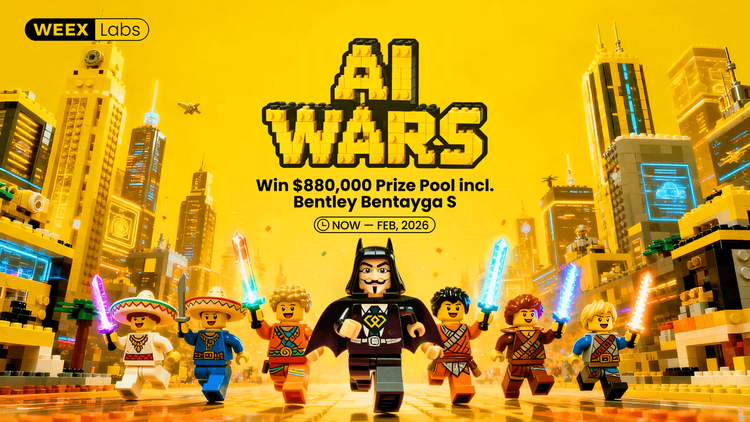
Chiama a partecipare a AI Wars: WEEX Alpha Awakens — Concorso globale di trading AI con un montepremi di 880.000 dollari
Ora, stiamo chiedendo ai trader AI di tutto il mondo di unirsi a AI Wars: WEEX Alpha Awakens, una competizione globale di trading AI con 880.000 dollari di montepremi.
AI Trading in Crypto Markets: Dai bot di trading automatizzati alle strategie algoritmiche
Il trading basato sull'IA sta spostando le criptovalute dalla speculazione al dettaglio alla concorrenza di livello istituzionale, dove l'esecuzione e la gestione del rischio contano più della direzione. Man mano che il trading di IA scala, il rischio sistemico e la pressione normativa aumentano, rendendo le prestazioni a lungo termine, i sistemi robusti e la conformità i principali differenziatori.

Analisi del sentimento AI e volatilità delle criptovalute: Cosa muove i prezzi delle criptovalute
Il sentiment dell'IA sta influenzando sempre più i mercati crypto, con cambiamenti nelle aspettative relative all'IA che si traducono in volatilità per i principali asset digitali. I mercati delle criptovalute tendono ad amplificare le narrazioni AI, consentendo ai flussi guidati dal sentiment di superare i fondamentali nel breve termine. Comprendere come si forma e si diffonde il sentimento dell'IA aiuta gli investitori ad anticipare meglio i cicli di rischio e le opportunità di posizionamento tra gli asset digitali.
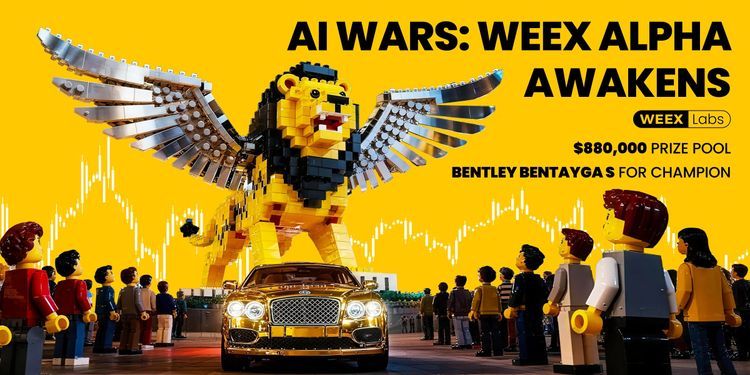
AI Wars: Guida per i partecipanti
In questa sfida finale, i migliori sviluppatori, quant e trader di tutto il mondo daranno sfogo ai loro algoritmi in battaglie sul mercato reale, competendo per uno dei montepremi più ricchi nella storia del trading di criptovalute basato sull'intelligenza artificiale: 880.000 dollari, compresa una Bentley Bentayga S per il campione. Questa guida ti accompagnerà attraverso tutte le fasi necessarie, dalla registrazione all'inizio ufficiale della competizione.

Settimana delle banche centrali e volatilità del mercato delle criptovalute: Come le decisioni sui tassi di interesse modellano le condizioni di trading su WEEX
Le decisioni sui tassi di interesse delle principali banche centrali come la Federal Reserve sono eventi macroeconomici significativi che hanno un impatto sui mercati finanziari globali, influenzando direttamente le aspettative di liquidità del mercato e la propensione al rischio. Mentre il mercato delle criptovalute continua a svilupparsi e la sua struttura di trading e i partecipanti maturano, il mercato delle criptovalute viene gradualmente incorporato nel sistema di prezzi macroeconomici.

Test API WEEX: Guida ufficiale per AI Trading Hackathon e Crypto Trading APIs
WEEX API Testing è progettato per garantire che ogni partecipante possa trasformare la logica di trading in esecuzione reale. Tutte le interazioni API avvengono sul sistema di trading live di WEEX, consentendo ai partecipanti di lavorare in condizioni di mercato autentiche piuttosto che simulazioni. Con un requisito di ingresso basso, l'attività è accessibile sia agli sviluppatori esperti che ai principianti motivati, pur convalidando le competenze tecniche essenziali.
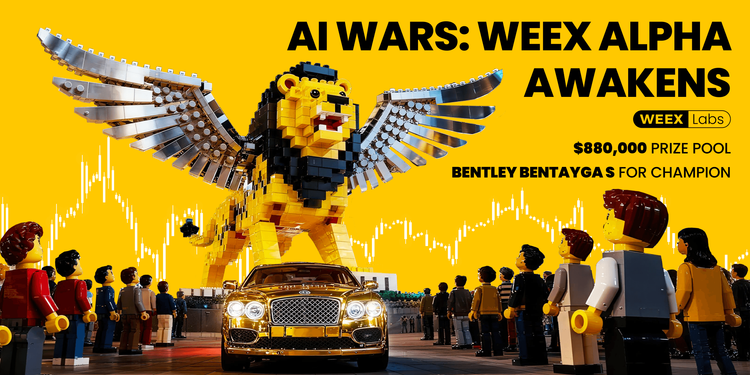
AI Guerre: WEEX Alpha Awakens | Guida al processo di test API WEEX Global Hackathon
AI Wars: La registrazione a WEEX Alpha Awakens è ora aperta. e questa guida illustra come accedere al test API e completare con successo il processo.
Cos'è il risveglio alfa WEEX e come partecipare? Una guida completa
Per accelerare le scoperte all'incrocio tra AI e crypto, WEEX sta lanciando il primo AI Trading Hackathon globale al mondo - AI Wars: Alpha Awakens.
Unisciti a AI Wars: WEEX Alpha Awakens!Bando globale per le Alfa di trading AI
AI Wars: WEEX Alpha Awakens è un hackathon globale di trading di AI a Dubai, che chiama team di quant, trader algoritmici e sviluppatori di AI a scatenare le loro strategie di trading di criptovalute AI nei mercati live per una quota di un montepremi di 880.000 dollari.
WEEX svela il trade per guadagnare: Fino al 30% di sconto istantaneo + $ 2 milioni di riacquisto WXT
WEEX è lieta di annunciare il lancio del nostro programma Trade to Earn, che ti garantisce automaticamente sconti fino al 30% sulle commissioni di trading. Tutte le ricompense vengono accreditate direttamente sul tuo conto spot in $WXT, supportate dal nostro piano di buyback WXT da $2.000.000 che alimenta il valore del token a lungo termine.

Nuovo: Prezzo di Liquidazione Stimato sui Grafici Candlestick App
WEEX ha introdotto un nuovo Prezzo di Liquidazione Stimato (Est. Liq. Price) funzione sul grafico a candela per aiutare i trader a gestire meglio il rischio e identificare intervalli sicuri per le loro posizioni.
Guida WEEX AI Hackathon: Trova il tuo WEEX UID e registrati
Da oggi a febbraio 2026, WEEX lancia AI Wars: WEEX Alpha Awakens, il primo hackathon di trading globale di IA crypto. Vieni con il tuo UID e registrati al WEEX Global AI Trading Hackathon.
Novembre 2025 Recensione del mercato delle criptovalute: Correzione dei prezzi, rimborsi degli ETF e panorama Blockchain in evoluzione
Novembre 2025 ha visto una pronunciata volatilità e una correzione strutturale all'interno del più ampio ecosistema blockchain, principalmente guidata da previsioni macroeconomiche fluttuanti e specifiche dinamiche di flusso di capitale.
NOTTE DELLE BALene: AI Trading, Crypto Community & Crypto Market Insights
Il 12 dicembre 2025, WEEX ha ospitato WEEXPERIENCE Whales Night, un incontro della comunità offline progettato per riunire i membri della comunità locale di criptovalute. L'evento ha combinato condivisione di contenuti, giochi interattivi e presentazioni di progetti per creare un'esperienza offline rilassata ma coinvolgente.
Rischio di trading AI in criptovaluta: Perché migliori strategie di trading di criptovalute possono creare perdite maggiori?
Il rischio non risiede più principalmente in un cattivo processo decisionale o in errori emotivi. Vive sempre più nella struttura del mercato, nei percorsi di esecuzione e nel comportamento collettivo. Capire questo cambiamento conta più che trovare la prossima strategia “migliore”.
Gli agenti AI stanno sostituendo la ricerca sulle criptovalute? Come l'IA autonoma sta rimodellando il trading di criptovalute
L'IA sta passando dall'assistenza ai trader all'automazione dell'intero processo di ricerca-esecuzione nei mercati crypto. L'edge si è spostato dall'intuito umano alle pipeline di dati, alla velocità e ai sistemi AI pronti per l'esecuzione, rendendo i ritardi nell'integrazione dell'IA uno svantaggio competitivo.
AI Trading Bots e Copy Trading: Come le strategie sincronizzate rimodellano la volatilità del mercato delle criptovalute
I trader di criptovalute al dettaglio affrontano da tempo le stesse sfide: cattiva gestione del rischio, ingressi tardivi, decisioni emotive ed esecuzione incoerente. Gli strumenti di trading AI promettevano una soluzione. Oggi, i sistemi di copy trading e i breakout bot basati sull'IA aiutano i trader a dimensionare le posizioni, impostare stop e agire più velocemente che mai. Al di là di velocità e precisione, questi strumenti stanno tranquillamente rimodellando i mercati: i trader non solo fanno trading in modo più intelligente, ma si muovono in sincronia, creando una nuova dinamica che amplifica sia il rischio che le opportunità.
AI Trading in Crypto Spiegato: Come il trading autonomo sta rimodellando i mercati e gli scambi di criptovalute
AI Trading sta rapidamente trasformando il panorama crypto. Le strategie tradizionali faticano a tenere il passo con la volatilità ininterrotta delle criptovalute e la complessa struttura del mercato, mentre l'IA può elaborare dati massicci, generare strategie adattive, gestire il rischio ed eseguire scambi in autonomia. Questo articolo guida gli utenti WEEX attraverso cos'è AI Trading, perché le criptovalute ne accelerano l'adozione, come il settore si sta evolvendo verso agenti autonomi e perché WEEX sta costruendo l'ecosistema di trading AI di nuova generazione.
Chiama a partecipare a AI Wars: WEEX Alpha Awakens — Concorso globale di trading AI con un montepremi di 880.000 dollari
Ora, stiamo chiedendo ai trader AI di tutto il mondo di unirsi a AI Wars: WEEX Alpha Awakens, una competizione globale di trading AI con 880.000 dollari di montepremi.
Monete popolari
Ultime notizie crypto


Assistenza clienti:@weikecs
Cooperazione aziendale:@weikecs
Trading quantitativo e MM:[email protected]
Servizi VIP:[email protected]
 App
App